Network Intrusion Detection (NID) becomes a key technology for ensuring network security. Recent researchers have proposed various NID systems based on neural networks. However, these networks require expensive expert knowledge for manual design, which is tedious and time-consuming. Moreover, they easily suffer from adversarial attacks, which limits their application in safety-critical scenarios. To alleviate the above problems, this paper proposes an evolutionary multi-task robust architecture search method, called EMR-NID, which can automatically design robust architectures for NID systems. First, we design an architecture transfer update strategy that achieves information sharing and knowledge transfer between different tasks. Then, we develop an architecture performance correction strategy that enhances the efficiency of robust search and strengthens NID's defense capability. Finally, our EMR-NID method is validated on three well-known NID datasets, i.e., NSL-KDD, UNSW-NB15, and Edge-IIoTset. The experimental results show that EMR-NID can outperform some state-of-the-art NID methods in terms of clean and robust accuracy under multiple scenarios.
While LLM-driven Neural Architecture Search (NAS) leverages exceptional code generation and reasoning, it suffers from a critical "Semantic-Physical Misalignment": LLMs prioritize high-level semantic plausibility but are agnostic to intrinsic physical dynamics such as gradient flow, whereas Zero-Cost Proxies (ZCPs) capture these local sensitivities but lack global semantic planning. To bridge this gap, we propose SAGE-NAS, a closed-loop evolutionary framework that synergizes an LLM-Based Semantic Agent with a Graph-Based Evaluator. Specifically, SAGE-NAS coordinates an LLM-driven Semantic Agent to construct candidate architectures by dynamically scheduling complementary sub-policies that balance exploitation with exploration. Furthermore, the framework integrates a Dual-Modality Graph Evaluator that serves as a rapid performance predictor by fusing ZCP statistics with topological features, and a State-Aware Behavioral Atlas that guides sparsity-driven exploration to escape local optima. Experiments demonstrate that SAGE-NAS achieves state-of-the-art performance across multiple mainstream search spaces and downstream tasks, exhibiting a superior balance between search efficiency, model accuracy, and cross-task generalization capability.
Space-time video super-resolution (STVSR) aims to generate videos with higher resolution (HR) and higher frame rates (HFR). However, existing methods fail to fully exploit the spatio-temporal information of videos and are often burdened by excessive parameters. In this study, we propose a high-low frequency network (HLFN) to address these limitations. We design a high-low frequency attention (HLA) module, which captures both high- and low-frequency components, enabling more complete spatio-temporal feature extraction. Meanwhile, the weight-sharing discrete wavelet transform fusion (DWTF) module aggregates feature map outputs at different scales in the frequency domain, further enhancing feature representation. Additionally, a depthwise convolutional gated layer (DCGL) replaces the conventional multi-layer perceptron (MLP), reducing parameters while enhancing representational capacity. Overall, HLFN effectively captures and integrates spatio-temporal cues with a compact architecture. Experimental results demonstrate that HLFN achieves superior performance compared to most existing STVSR methods while maintaining fewer parameters and faster inference speed.
Space-time video super-resolution (STVSR) aims to generate videos with higher resolution (HR) and higher frame rate (HFR). In this paper, we propose a dual-attention STVSR model (DAST) to combine local features with global dependencies. DAST is a compact one-stage STVSR method that tightly combines spatial video super-resolution (S-VSR) and temporal video super-resolution (T-VSR) tasks. Specifically, we design a dual-attention network (DANet). First, we design a high-frequency filter attention block (HFAB) to extract local spatial-temporal information from video frames and enhance the model’s ability to capture local details. Then, the global dependencies in the features are captured by multi-head self attention (MSA) to construct global context information. In addition, a nonlinear residual block (NLRB) is designed to enhance the expressiveness of the model and make the input features more adaptable to each layer of the network. Extensive experiments demonstrate that our method achieves better performance in the STVSR task.
Neural Architecture Search (NAS) aims to identify high-performance networks within a defined search space. Training-free metrics have been proposed to estimate network performance without actual training, reducing NAS deployment costs. However, individual training-free metrics often capture only partial architectural features, and their estimation capabilities are different in various tasks. Combining multiple training-free metrics has been explored to enhance scalability across tasks. Yet, these methods typically optimize global metric combinations over the entire search space, overlooking the varying sensitivities of different architectures to specific metrics, which may limit the final architectures' performance. To address these challenges, we propose the Per-Architecture Training-Free Metric Optimization NAS (PO-NAS) algorithm. This algorithm: (a) Integrates multiple training-free metrics as auxiliary scores, dynamically optimizing their combinations using limited real-time training data, without relying on benchmarks; (b) Individually optimizes metric combinations for each architecture; (c) Integrates an evolutionary algorithm that leverages efficient predictions from surrogate models, enhancing search efficiency in large search spaces. Notably, PO-NAS combines the efficiency of training-free search with the robust performance of training-based evaluations. Extensive experiments demonstrate the effectiveness of our approach. Our code has been made publicly available at https://anonymous.4open.science/r/PO-NAS-2953.
Deep Neural Networks (DNNs) have been successfully applied in various computer tasks. However, they remain vulnerable to adversarial attacks, which could lead to severe security risks. In recent years, robust neural architecture search (NAS) has gradually become an emerging direction for designing adversarially robust architectures. However, existing robust NAS methods rely on repeatedly training numerous DNNs to evaluate robustness, which makes the search process extremely expensive. In this paper, we propose a training-free robust NAS method (TRNAS) that significantly reduces search costs. First, we design a zero-cost proxy model ($R$-Score) that formalizes adversarial robustness evaluation by exploring the theory of DNN's linear activation capability and feature consistency. This proxy only requires initialized weights for evaluation, thereby avoiding expensive adversarial training costs. Secondly, we introduce a multi-objective selection (MOS) strategy to save candidate architectures with robustness and compactness. Experimental results show that TRNAS only requires 0.02 GPU days to find a promising robust architecture in a vast search space including approximately 1020 networks. TRNAS surpasses other state-of-the-art robust NAS methods under both white-box and black-box attacks. Finally, we summarize a few meaningful conclusions for designing the robust architecture and promoting the development of robust NAS field.
Video super-resolution (VSR) aims to reconstruct blurry low-resolution videos into explicit high-resolution videos.Most existing VSR networks have complex structures and high computational complexity, making it difficult to achieve real-time video processing and deployment on devices with limited computing performance.This paper proposes a lightweight video super-resolution network based on pyramid optical flow extraction and alignment called POFVSR. Specifically, the proposed POFVSR adopts an efficient frame-recurrent network framework. To enable the network to have faster video super-resolution processing capabilities, an efficient pyramid optical flow extraction module and a novel optical flow alignment method are designed to reduce the computational complexity of the POFVSR network while improving its optical flow extraction and alignment performance. Additionally, we employ efficient network structures and upsampling methods for feature fusion and reconstruction. Extensive experiments demonstrate that our proposed POFVSR surpasses existing mainstream lightweight video super-resolution networks regarding strong quantitative performance and visual qualities.
In this paper, we propose a multi-objective optimization algorithm based on multitask conditional neural processes (MTCNPs) to deal with expensive multi-objective optimization problems (MOPs). In the proposed algorithm, an MOP is decomposed into several subproblems. Several related subproblems are assigned to a task group and jointly handled using an MTCNPs surrogate model, in which multi-task learning is incorporated to exploit the similarity across the subproblems via joint surrogate model learning. Each subproblem in a task group is modeled by a conditional neural processes (CNPs) instead of a Gaussian Process (GP), thus avoiding the calculation of the GP covariance matrix. In addition, multiple subproblems are jointly learned through a multi-layer similarity network with activation function, which can measure and utilize the similarity and useful information among subproblems more effectively and improve the accuracy and robustness of the surrogate model. Experimental studies under several scenarios indicate that the proposed algorithm performs better than several state-of-the-art multi-objective evolutionary algorithms for expensive MOPs. The parameter sensitivity and effectiveness of the proposed algorithm are analyzed in detail.
The coarse-to-fine approach has gained significant popularity in the design of networks for single image deblurring. Traditional methods used to employ U-shaped networks with a single encoder and decoder, which may not adequately capture complex motion blur patterns. Inspired by the concept of multi-task learning, we dive into the coarse-to-fine strategy and propose an all-direction, multi-input and multi-output network for image deblurring (ADMMDeblur). ADMMDeblur has two distinct features. Firstly, it employs four decoders, each generating a unique residual representing a specific motion direction. This enables the network to effectively address motion blur in all directions within a two-dimensional (2D) scene. Secondly, the decoders utilize kernel rotation and sharing, which ensures the decoders do not separate unnecessary components. Consequently, the network exhibits enhanced efficiency and deblurring performance while requiring fewer parameters. Extensive experiments conducted on the GoPro and HIDE datasets demonstrate that our proposed network achieves better performance in deblurring accuracy and model size compared to existing well-performing methods.
Bidirectional video compression leverages information from both past and future frames to assist in compressing video frames. In this paper, we propose a novel multi-scale bidirectional context-aware adaptive contextual video compression framework. This framework extracts bidirectional contextual information across multiple scales and dynamically adjusts video frame encoding based on the temporal interval differences between bidirectional frames. Additionally, we introduce a bidirectional encoding and decoding scheme, which adopts a "Close To One" access order. Experimental results demonstrate that our proposed method outperforms traditional video coding standard H.265/HEVC-HM, as well as advanced deep learning-based video coding frameworks like DCVC-TCM and B-CANF.
The most popular methods for video super-resolution either rely on a time-sliding window approach to handle low-resolution frames, or utilize a recurrent structure that leverages previously estimated hidden features to recover the current frame. The existing methods do not make better use of initialization and local information. In this paper, we propose a video super-resolution (LIIVSR) framework with Gaussian detail enhancement and local information interaction modules. The proposed Gaussian detail enhancement module enhances the detail part of the hidden features to retain more motion details. To effectively utilize inter-frame local information, we propose a local information interaction module as a propagation framework. The information initialization module effectively extracts relevant information for video frames as the starting information for subsequent long-distance propagation. The multi-residual module obtains local forward and backward information from the coarse extraction of features. The local refinement module further interacts with features to extract fine local forward and backward information. Finally, this local information is used to derive the final super-resolution (SR) output. Our proposed LIIVSR framework achieves state-of-the-art performance on several benchmark datasets, outperforming existing methods in both speed and performance.
Lightweight image super-resolution (SR) networks are of great significance for practical applications. Presently, there are several SR methods based on deep learning with excellent performance, but their memory and computation costs hinder practical applications. In this paper, we propose a down-up sampling continuous mutual affine super-resolution network (DUSCMAnet) to solve above problems. Moreover, we propose a classification-based SR algorithm based on image statistical features (TSClassSR-DUSCMAnet) for accelerating SR networks on large images (2K–8K). The proposed algorithm first decomposes the large images into small sub-images, then uses a Class-Module to classify sub-images into different classes according to the difficulty of reconstruction, then use a SR-Module to perform SR for different classes. The Class-Module is composed of a support vector machine (SVM) based on image statistical features, and the SR-Module is composed of our proposed DUSCMAnet, a lightweight SR network. After classifying, a majority of sub-images will pass through lighter networks, thus the computational cost can be significantly reduced. Experiments show that our DUSCMAnet is superior to the existing lightweight SR models in terms of time performance and also has competitive SR performance. Our TSClassSR-DUSCMAnet can help DUSCMAnet save up to 63% FLOPs on DIV8K datasets.
Multi-task learning is a means of learning by combining multiple tasks simultaneously to enhance the model representation and generalization ability. The correlation between tasks is the key factor for the construction of multi-task learning model. In order to solve the problem of inherent conflicts of task differences that can damage the prediction of some tasks, a multi-task learning model based on correlation learning layer (CLL) is proposed. Meanwhile, the proposed multi-task learning model is applied as a new agent model to the Bayesian optimization algorithm to solve expensive optimization problems. A CLL is added behind the traditional multi-task learning network, so that the tasks that have completed the preliminary shared learning can be optimized and carry out the advanced sharing in this layer, so that the knowledge learned from multiple tasks can fully interact with each other. According to different parameter-based sharing mechanisms, the LeNet and radial basis function (RBF) multi-task learning models with correlation layers are constructed. The experiments are conducted on the multi-task version of the Mixed National Institute of Standards and Technology (MNIST) database and the comprehensive data set with controllable task correlation. The experimental results verify the effectiveness of the proposed multi-task learning model based on the correlation layer. Meanwhile, the proposed multi-task learning network as a proxy model is applied to the Bayesian optimization algorithm, which not only reduces the evaluation times of model to target problem, but also enlarges the number of training data exponentially and further improves the model accuracy.
In this paper, we explore an attention-based deep reinforcement learning approach for vehicle routing problems. Our method involves iteratively improving initial solutions using an enhanced heuristic algorithm and automatically learning the improved heuristic rules through deep reinforcement learning. Existing attention-based models often treat city nodes merely as input features, overlooking the visitation order and distances between cities. Therefore, in our attention model, we propose a synthetic attention mechanism that combines distance and visitation order information with city node embeddings, enabling the reinforcement learning agent to make better decisions by considering both the reference distance and visitation order. Moreover, to enhance node embeddings, we employ gated aggregation instead of the additive operation in residual connections. Finally, we employ proximal policy optimization to train the model, using actor and critic networks to approximate the policy and value functions, respectively. We demonstrate the effectiveness of our model by applying it to the Traveling Salesman Problem and the Capacity Vehicle Routing Problem.
Space-time video super-resolution, which aims to generate a high resolution (HR) and high frame rate (HRF) video from a low frame rate (LFR), low resolution (LR) video. Simply combining video frame interpolation (VFI) and video super-resolution (VSR) network to solve this problem cannot bring satisfying performance, which also requires a heavy computational burden. In this paper, we investigate a one-stage network to jointly up-sample video both in time and space. In our framework, a 3D pyramid structure with channel attention is proposed to fuse input frames and generate intermediate features. The features are fed into the 3D Transformer network to model global relationships between features. Our proposed network, 3DTFSR, can efficiently process videos without explicit motion compensation. Extensive experiments on benchmark datasets demonstrate that the proposed method achieves better quantitative and qualitative performance compared to a two-stage network.
The video super-resolution(VSR) methods based on deep learning have become the mainstream VSR methods and have been widely used in various fields. Although many deep learning-based VSR methods have been proposed, they cannot be applied to real-time VSR tasks due to the vast computation and memory occupation. The lightweight VSR networks have faster inference speeds, but their super-resolution performance could be better. In this paper, we analyze the explicit and implicit motion compensation methods commonly used in VSR networks and design a fast and scalable frame-recurrent VSR network(FFRVSR). FFRVSR incorporates the Frame-Recurrent Network and Recurrent-Residual Network. This network structure can extract information from low-resolution video frames more efficiently and alleviate error accumulation during inference. We also design a super-resolution flow estimation network(SRFnet) that can more accurately estimate optical flow between video frames while reducing error information ingress. Extensive experiments demonstrate that the proposed FFRVSR surpasses state-of-the-art methods in terms of inference speed. FFRVSR also has strong scalability and can be adapted for both real-time video super-resolution tasks and high-quality video super-resolution tasks.
Dense prediction tasks are hot topics in computer vision that aim to predict each input image pixel, such as Semantic Segmentation, Monocular Depth Estimation, Edge Estimation, etc. With advanced deep learning, many dense prediction tasks have been greatly improved. Multi-task learning is one of the top research lines to boost task performance further. Properly designed multi-task model architectures have better performance and minor memory usage than single-task models. This paper proposes a novel Multi-task Learning (MTL) framework with a Task Pair Interaction Module (TPIM) to tackle several dense prediction tasks. Different from most widely used MTL structures which share features on some specific layer and branch to task-specific layer, the output task-specific features are remixed via a TPIM to get more shared features in this paper. Due to joint learning, tasks are mutually supervised and provide rich shared information to each other for improving final results. The TPIM includes a novel Cross-task Interaction Block (CIB) which comprises two attention mechanisms, self-attention and pixel-wise global attention. In contrast with the commonly used global attention mechanism, an Iterative Fusion Block (IFB) is introduced to effectively fuse affinity information between task pairs. Extensive experiments on two benchmark datasets (NYUD-v2 and PASCAL) demonstrate that our proposal is effective in comparison to existing methods.
Objective value estimation based on computationally efficient surrogate models is widely used to reduce the computational cost in solving expensive multiobjective optimization problems (MOPs). However, due to the scarcity of training data and the lack of data sharing between training tasks in a surrogate-based system, the estimation effectiveness of the surrogate models might not be satisfactory. In this study, we present a novel surrogate methodology based on information transfer to deal with this problem. Particularly, in the proposed framework, the objectives of an MOP that may have little apparent similarity or correlation are linearly mapped to a number of related tasks. Afterward, the related tasks are used to train a multitask Gaussian process (MTGP). MTGP expands the training data leading to more confident learning of the parameters of the model. The predicted values of the objective functions can be obtained by a reverse mapping from the learned MTGP model. In this way, the computational burden of the expensive objective functions of an MOP can be substantially reduced while maintaining good estimation accuracy. MTGP facilitates mutual information transfer across tasks, avoids learning from scratch for new tasks, and captures the underlying structural information between tasks. The proposed surrogate approach is merged into MOEA/D to address MOPs. Experimental tests under various scenarios indicate that the resultant algorithm outperforms other state-of-the-art surrogate-based multiobjective optimization algorithms.
Most research of video compression focuses on how to effectively extract the information between frames and use this information for the subsequent reconstruction. Previous algorithms used 2D convolution to extract information between adjacent frames, but 2D convolution is insufficient in spatio-temporal extraction ability, so we consider using a 3D convolution network to remove artifacts caused by motion compensation. In order to further improve the compression performance, we put the 3D convolution network and the residual compression network into the feature space to reduce the errors caused by inaccurate pixel-level operations. In addition, we also propose a motion compression network based on attention module, so that the network can pay more attention to the complex area of the image. Experimental results show that our model achieves the same or even better performance than other end-to-end video compression models in PSNR and MS-SSIM, even though our method has a much smaller number of parameters.
In dealing with the expensive multiobjective optimization problem, some algorithms convert it into a number of single-objective subproblems for optimization. At each iteration, these algorithms conduct surrogate-assisted optimization on one or multiple subproblems. However, these subproblems may be unnecessary or resolved. Operating on such subproblems can cause server inefficiencies, especially in the case of expensive optimization. To overcome this shortcoming, we propose an adaptive subproblem selection (ASS) strategy to identify the most promising subproblems for further modeling. To better leverage the cross information between the subproblems, we use the collaborative multioutput Gaussian process surrogate to model them jointly. Moreover, the commonly used acquisition functions (also known as infill criteria) are investigated in this article. Our analysis reveals that these acquisition functions may cause severe imbalances between exploitation and exploration in multiobjective optimization scenarios. Consequently, we develop a new acquisition function, namely, adaptive lower confidence bound (ALCB), to cope with it. The experimental results on three different sets of benchmark problems indicate that our proposed algorithm is competitive. Beyond that, we also quantitatively validate the effectiveness of the ASS strategy, the CoMOGP model, and the ALCB acquisition function.
 Xia Li (李霞)合作论文数College of Electronics and information Engineering, Shenzhen University;The Chinese University of Hong Kong, Shenzhen21
 Minrong Chen (陈泯融)合作论文数华南师范大学计算机学院18
 Liu Qiqi合作论文数Beijing Institute of Radiation Medicine6
 Yun Yang (杨云)合作论文数College of Management,Shenzhen University6
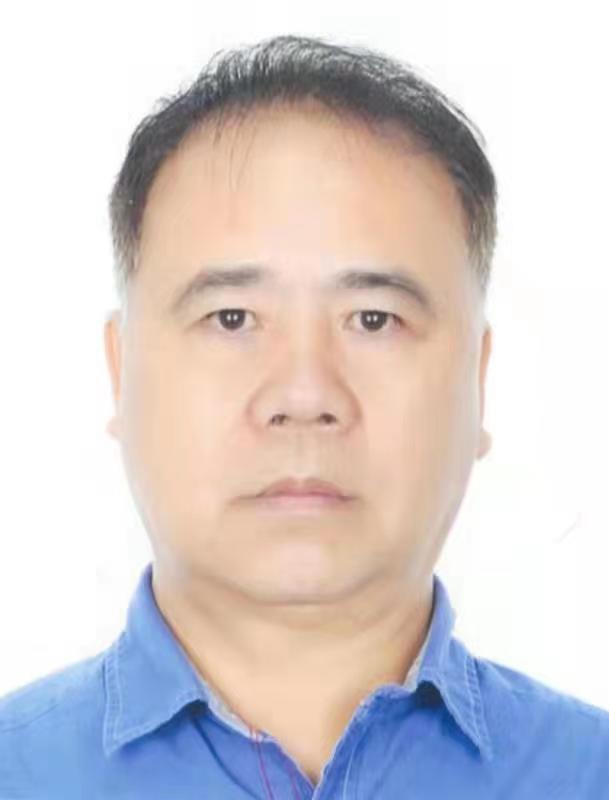 Wenming Cao (曹文明)合作论文数College of Electronics and Information Engineering, Shenzhen University5
 Zhenkun Wang (王振坤)合作论文数School of System Design and Intelligent Manufacturing, Southern University of Science and Technology4
 Kaizhou Gao (高开周)合作论文数Macao Institute of System Engineering, Macau University of Science and Technology4Xiongwen Huang合作论文数2Rui Shi合作论文数2
 Hongwei Liu合作论文数2
 Qiuzhen Lin (林秋镇)合作论文数College of Computer Science and Software Engineering, Shenzhen University2
 Hui Wang (王晖)合作论文数深圳大学信息工程学院2
 Jiqiang Feng (冯纪强)合作论文数College of Mathematics and Statistics,Shenzhen University2
 Jianqiang Li (李坚强)合作论文数College of Computer Science and Software Engineering, Shenzhen University2
 Yew-Soon Ong合作论文数College of Computing and Data Science, Nanyang Technological University;School of Computer Science and Engineering, Nanyang Technological University;Centre for Frontier Al Research, Agency for Science, Technology and Research2
 Zexuan Zhu (朱泽轩)合作论文数College of Computer Science and Software Engineering, Shenzhen University2
 Ka-Chun Wong (黃家駿)合作论文数Department of Computer Science, College of Engineering, City University of Hong Kong2
 Qingfu Zhang合作论文数Department of Computer Science, College of Engineering, City University of Hong Kong;School of Artificial Intelligence, Xidian University2Jiakai Zheng合作论文数1Mingzhuo Lin合作论文数Guangdong Key Laboratory of Intelligent Information Processing, College of Electronic and Information Engineering, Shenzhen University1Yeming Yang合作论文数1
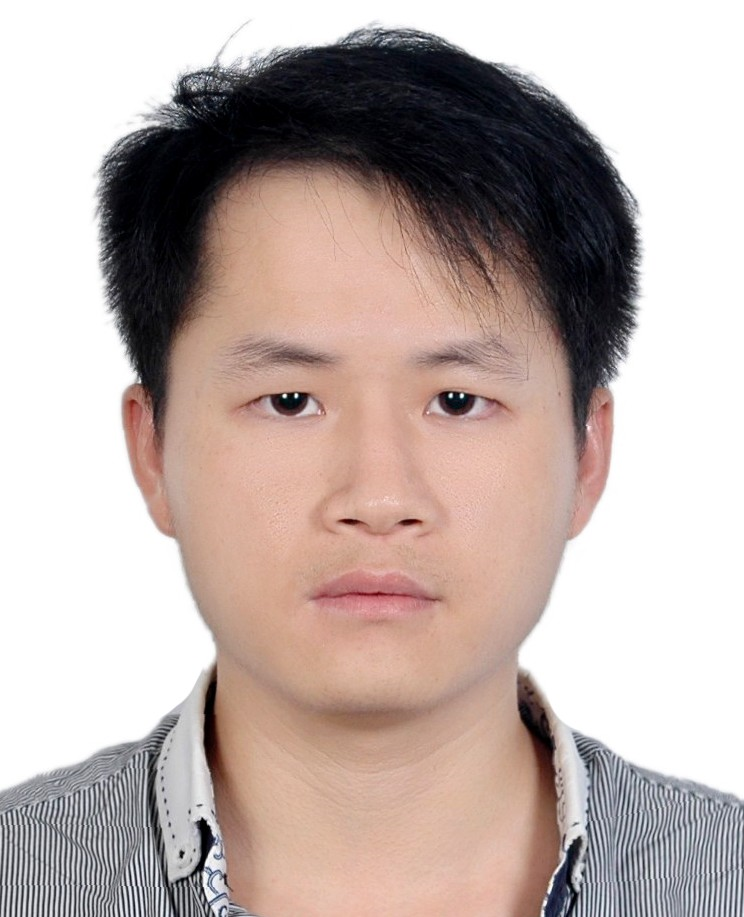 Qingling Zhu (朱庆灵)合作论文数School of Artificial Intelligence, Shenzhen University;National Engineering Laboratory for Big Data System Computing Technology, Shenzhen University1Ruofan Jin合作论文数1
 Wei Xu (许威)合作论文数College of Electronics and Information Engineering, Shenzhen University1
 Shaofei Huang (黄少飞)合作论文数Institute of Information Engineering, Chinese Academy of Sciences1Wenbin Zou (邹文斌)合作论文数1
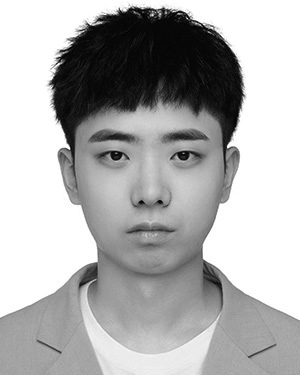 Shunyu Yao合作论文数1
 Qite Yang合作论文数School of Computer Science and Engineering, South China University of Technology1
 Naili Luo合作论文数1Zhiquan He (何志权)合作论文数Guangdong Key Laboratory of Intelligent Information Processing, College of Electronics and Information Engineering, Shenzhen University1Jianbo GAO (高建波)合作论文数1Li Kang (康莉)合作论文数1
 Ling Wang (王凌)合作论文数Department of Automation, Tsinghua University1
 FaJun Yang合作论文数Dept. of Ind. Eng., Guangdong Univ. of Technol.;c;Dept. of Ind. Eng., Guangdong Univ. of Technol.1Wei Zeng合作论文数1
 Abhishek Gupta合作论文数Washington Embodied Intelligence and Robotics Development Lab, Paul G. Allen School of Computer Science & Engineering, University of Washington;Department of Computer Science, University of Washington1
 Rui Huang (黄锐)合作论文数School of Science and Engineering, The Chinese University of Hong Kong, Shenzhen1
 Haitao Liu (刘海涛)合作论文数School of Energy and Power Engineering, Dalian University of Technology1
 Guo-Qiang Zeng (曾国强)合作论文数Jinan University1
 Quanke Pan (潘全科)合作论文数School of Mechatronic Engineering and Automation, Shanghai University1Na Wang (王娜)合作论文数College of Electronics and Information Engineering, Shenzhen University1
 Jiawei Zhang (张佳维)合作论文数SenseTime Research1Hua Jiang合作论文数1
 Lei Huang (黄磊)合作论文数State Key Laboratory of Radio Frequency Heterogeneous Integration, College of Electronics and Information Engineering, Shenzhen University1
 Ning Xie (谢宁)合作论文数College of Electronics and Information Engineering, Shenzhen University1
 Liang Chen (陈亮)合作论文数College of Information Engineering, Shenzhen University1
 Yaochu Jin (金耀初)合作论文数Department of Artificial Intelligence, School of Engineering, Westlake University1
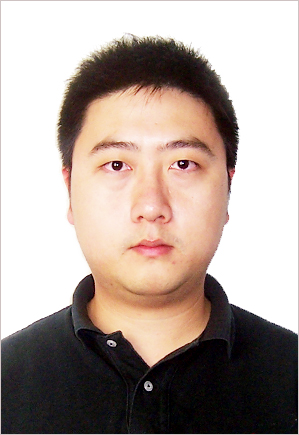 Peichang Zhang (张沛昌)合作论文数College of Information Engineering,Shenzhen University1




