Correlation between ARD1 expression and clinicopathologic parameters in HCC patients
Osteoarthritis (OA) is a prevalent age-related degenerative joint disorder characterized by dysregulation of metabolism. While several studies have examined the metabolic changes in OA, there exists a lack of a comprehensive retrospective analysis of its current development, research hotspots, and future trends. In this study, we employed bibliometric approaches to retrospectively review the development, mechanisms, and future trends of metabolic changes in OA. We utilized VOSviewer software to quantitatively and visually depict: (a) annual temporal trends in literature and citation counts; (b) national/regional publications and collaborations; (c) institutional and author contributions; (d) journal contributions and relevance; (e) analysis of research hotspots and directions through keywords. By analyzing keywords and research hotspots, we systematically illustrated the influential factors of metabolic changes in OA, including inflammation, apoptosis, oxidative stress, and autophagy. Conclusively, the research field of metabolic changes in OA is rapidly expanding, and we aim to provide a more comprehensive and insightful perspective for targeting metabolic disorders in OA.
Aberrant upregulation of the intracellular antioxidant glutathione (GSH) is implicated in promoting tumor proliferation, inducing drug resistance, and inhibiting ferroptosis across various malignancies, including hepatocellular carcinoma (HCC). Targeting the mechanism underlying GSH upregulation in HCC could represent a therapeutic strategy to improve patient outcomes. In this study, we employed a genome-wide CRISPR/Cas9 screen and targeted metabolomics to identify the acetyltransferase ARD1 as a pivotal facilitator of de novo GSH synthesis in HCC. Notably, ARD1 upregulation was positively correlated with elevated GSH levels and poor prognosis in patients with HCC. In vivo and in vitro functional assays revealed that ARD1 promoted HCC cell proliferation and inhibited ferroptosis in a GSH-dependent manner. LC/MS-MS-based stable isotope labeling revealed that ARD1 increased GSH levels by stabilizing γ-glutamylcysteine ligase catalytic (GCLC) subunit mRNA, which was mediated by the RNA-binding protein PABPC1. Mechanistically, ARD1 acetylated PABPC1 at Ki67, augmenting its cytoplasmic retention by disrupting PABPC1-importin α7 complex formation. Cytoplasmic PABPC1 then interacted with eIF4G to collaboratively stabilize GCLC mRNA, preventing its degradation, increasing GSH synthesis, and ultimately conferring ferroptosis resistance in HCC cells. Furthermore, oxidative stress induced by hydrogen peroxide suppressed ARD1 ubiquitination and degradation, thereby promoting PABPC1 cytoplasmic translocation and inducing GCLC expression. ARD1 suppression promoted sorafenib-mediated ferroptosis in xenografts derived from patients with HCC tumors with high ARD1 and GCLC expression. Overall, this research uncovers an oxidative stress-ARD1-PABPC1-GCLC axis with a crucial role in GSH metabolic reprogramming and ferroptosis regulation in HCC and reveals a strategy for ferroptosis-based targeted therapy for HCC. SIGNIFICANCE:The acetyltransferase ARD1 promotes hepatocellular carcinoma progression, inhibits ferroptosis by upregulating GCLC to facilitate de novo synthesis of glutathione, and can be targeted to improve sorafenib efficacy.
Hepatocellular carcinoma (HCC) poses a significant global health burden, with escalating incidence rates and substantial mortality. The predominant etiological factors include liver cirrhosis (LC) and chronic hepatitis B infections (CHB). Surveillance primarily relies on ultrasound and Alpha-fetoprotein (AFP), yet their efficacy, particularly in early HCC detection, is limited. Hence, there is a critical need for accurate non-invasive biomarkers to enhance surveillance and early diagnosis.Extracellular vesicles (EVs) hold promises as stable carriers of signaling molecules, offering potential in tumor diagnosis. Our study developed a novel tidal microfluidic chip for label-free EV isolation, enabling rapid and efficient enrichment from small plasma volumes. Through transcriptome sequencing and single-cell analysis, we identified HMMR and B4GALT2 as promising HCC-associated biomarkers in EVs.In a comprehensive clinical evaluation, bi-mRNAs in EVs exhibited superior diagnostic performance over AFP, particularly in distinguishing early-stage HCC or AFP-negative cases from high-risk individuals (CHB/LC). Notably, our study demonstrated the potential of bi-mRNAs to complement imaging examinations, enabling early detection of HCC lesions.In conclusion, the tidal microfluidic chip offers a practical solution for EV isolation, with the integration of EV-based biomarkers presenting opportunities for improved early detection and management of HCC in clinical practice.
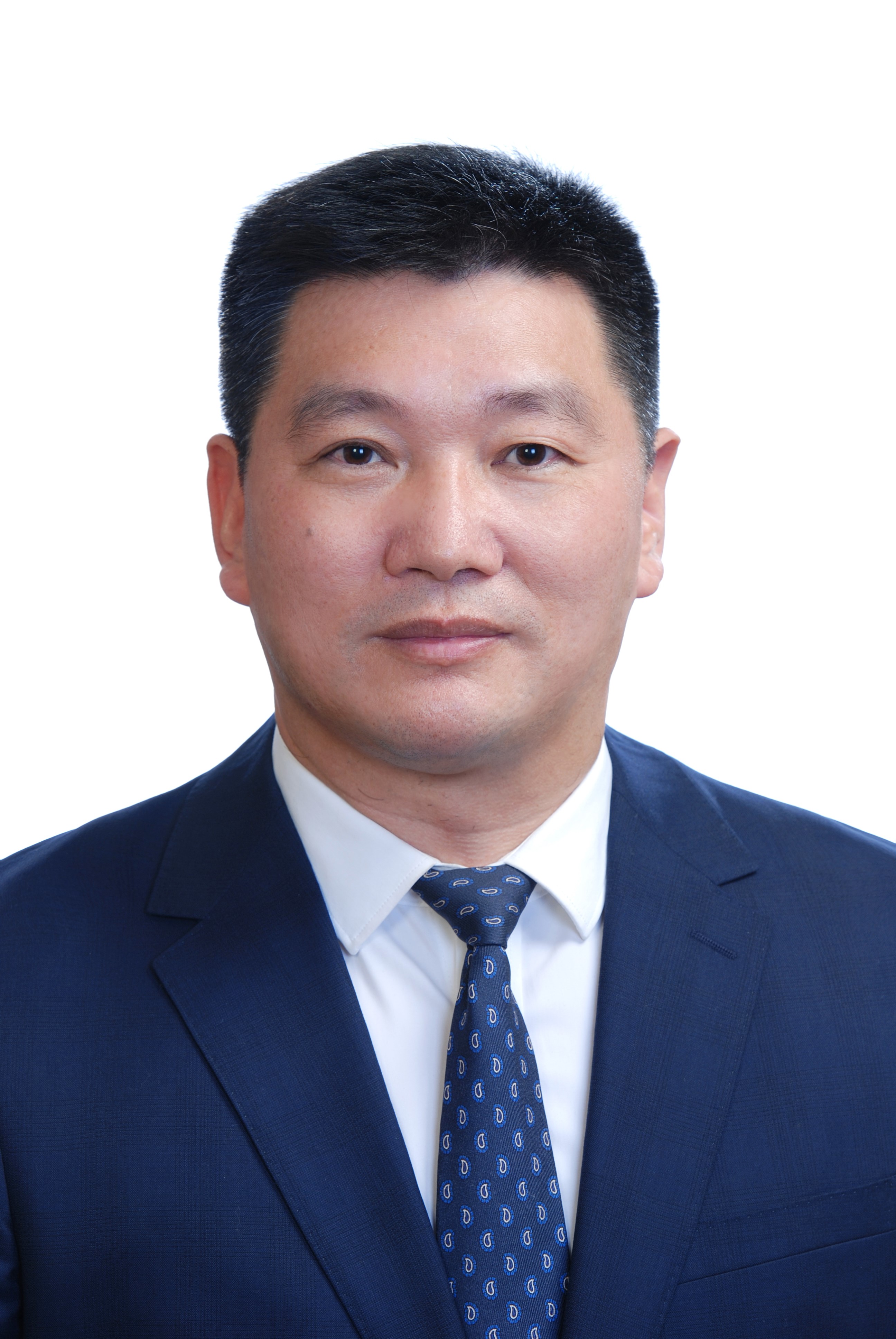 Yufeng Yuan (袁玉峰)合作论文数Taikang Center for Life and Medical Sciences of Wuhan University;Zhongnan Hospital of Wuhan University57
 Zhisu Liu (刘志苏)合作论文数Zhongnan Hospital of Wuhan University50
 Yueming He (何跃明)合作论文数The Second Clinical College of Wuhan University35
 Tong-Chuan He合作论文数Division of the Biological Sciences, The University of Chicago;The Molecular Oncology Laboratory, Department of Orthopaedic Surgery and Rehabilitation Medicine, The University of Chicago23
 Hue H. Luu合作论文数19Jixing Ye合作论文数18
 Rex C. Haydon合作论文数Department of Orthopedic Surgery and Rehabilitation Medicine, University of Chicago18Zhengjian Yan合作论文数18Youlin Deng合作论文数17Fang Deng合作论文数16
 Quanyan Liu (刘权焰)合作论文数School of Medicine, Tongji University;Dongfang Hospital, Tongji University16Zhan Liao合作论文数13
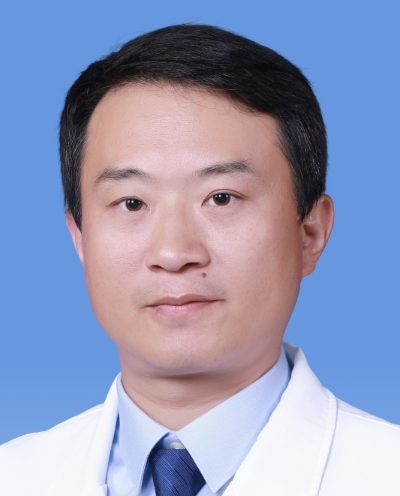 Shengli Tang (唐胜利)合作论文数Zhongnan Hospital of Wuhan University13Min Qiao合作论文数12ZhongLiang Wang (王忠良)合作论文数12Xian Chen合作论文数11Qian Zhang合作论文数11Junhui Zhang合作论文数11
 Qun Qian (钱群)合作论文数Zhongnan Hospital of Wuhan University11
 Quan Sun (孙权)合作论文数Zhongnan Hospital, Wuhan University11HaiTao Wang (王海涛)合作论文数10
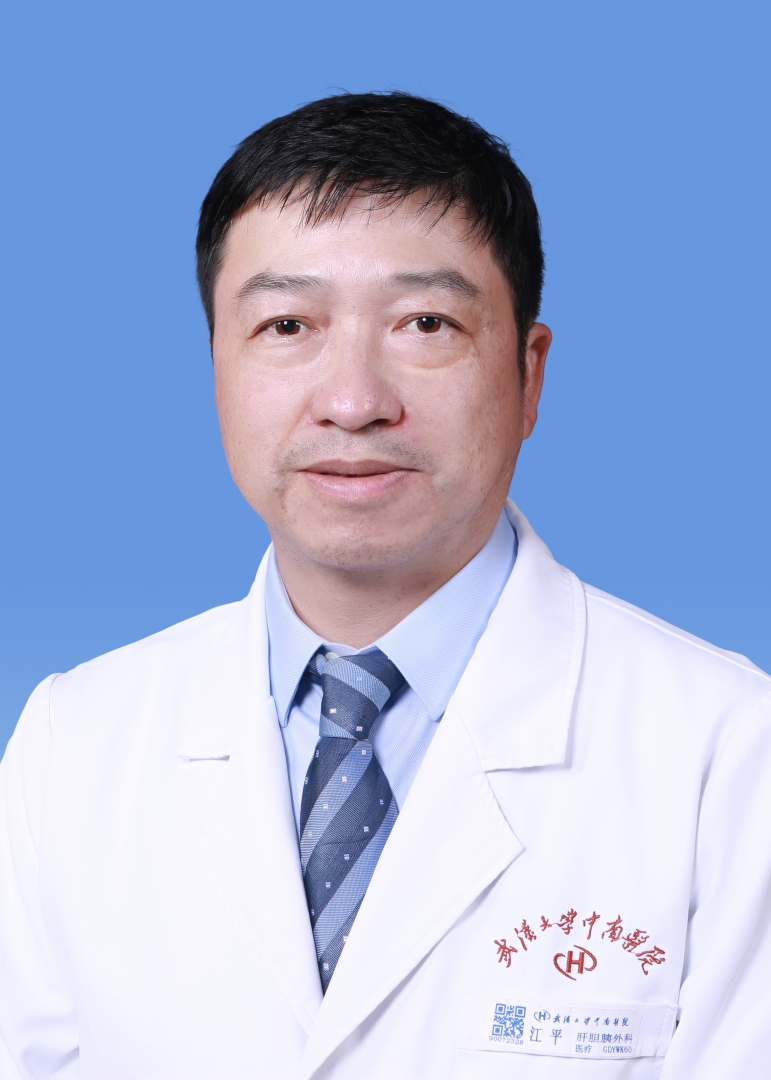 Ping Jiang (江平)合作论文数Zhongnan Hospital of Wuhan University10
 Liangjun Yin合作论文数10Fusheng Liu合作论文数9
 Chen Xi合作论文数9Ningning Wu合作论文数9Li Rui-Fang合作论文数9
 Hongmei Zhang (张红梅)合作论文数Department of Pediatric Dentistry, Stomatological Hospital of Chongqing Medical University9Weijie Ma合作论文数8Yingyi Liu合作论文数8Peng Xia合作论文数8Wang Jing合作论文数8
 Ning Wang合作论文数8
 Wenwen Zhang合作论文数7
 Qiang Wei (魏强)合作论文数Bamboo Research Institute, Nanjing Forestry University7
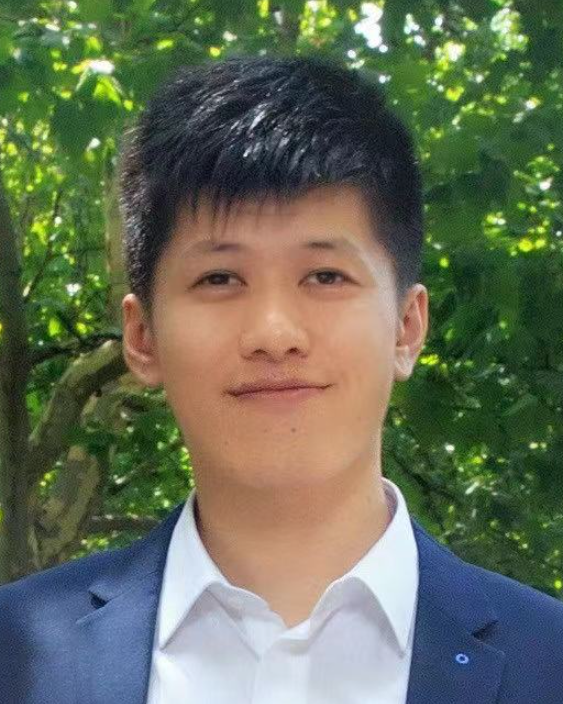 Ye Yao (姚烨)合作论文数Department of Biostatistics, School of Public Health, Fudan University;Research Institute of Intelligent Complex Systems, Fudan University7Sheng Wen合作论文数7Lianggong Zhao合作论文数7GuoXin Nan (南国新)合作论文数6
 Sahitya Denduluri合作论文数Molecular Oncology Laboratory, The University of Chicago Medical Center6Guolin Zhou (周国林)合作论文数6
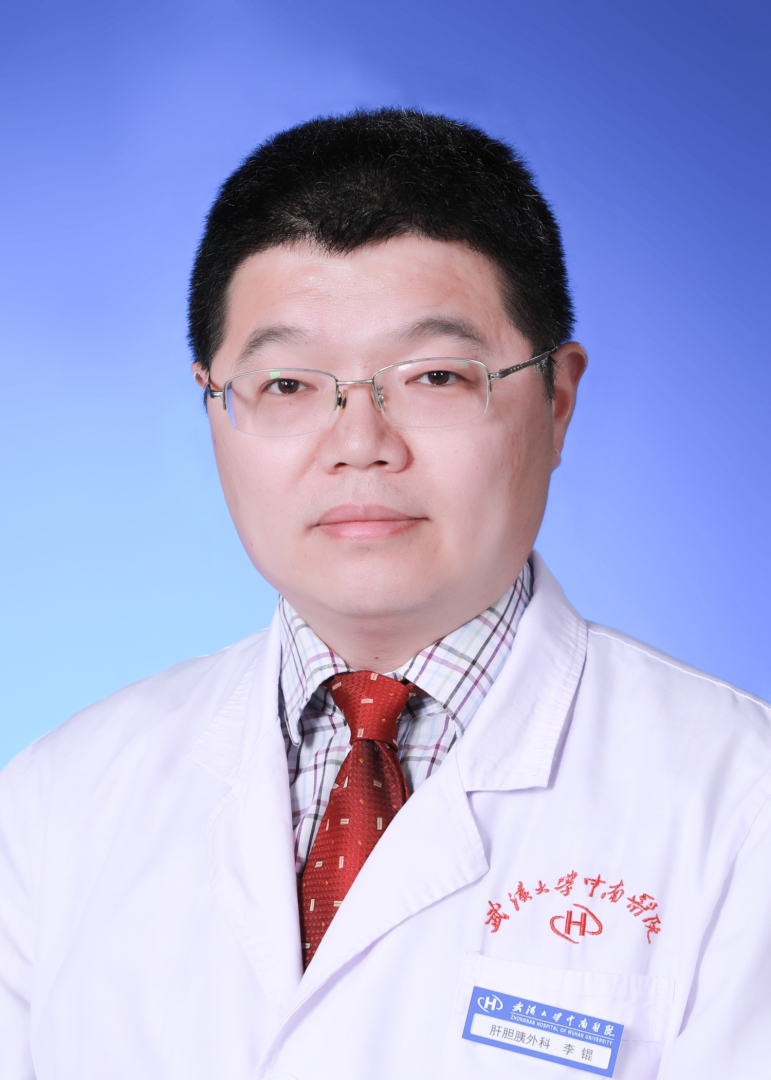 Kun Li (李锟)合作论文数Zhongnan Hospital of Wuhan University6
 Dingyu Pan (潘定宇)合作论文数The Second Clinical College of Wuhan University6Wei Liu合作论文数5Chengjie Mei合作论文数5Hao Zhang合作论文数5Hongyu Zhang合作论文数5Qian Zhu合作论文数5Ganggang Wang合作论文数5




