Diverse forms of physical activities contribute to improvement of autoimmune diseases and may prevent disease burst. T regulatory cells (Tregs) maintain tolerance in autoimmune condition. Physical activity is one of the key factors causing enhancement of Tregs number and functions, keeping homeostatic state by its secrotome. Muscles secrete myokines like IL-6, PGC1α (PPARγ coactivator-1 α), myostatin, transforming growth factor β (TGF-β) superfamily), IL-15, brain derived neurotrophic factor (BDNF) and others. The current concept points to the role of exercise in induction of highly functional and stable muscle Treg phenotype. The residing-Tregs require IL6Rα signaling to control muscle function and regeneration. Skeletal muscle Tregs IL-6Rα is a key target for muscle-Tregs cross-talk. Thus, interplay between the Tregs-skeletal muscle, following exercise, contribute to the balance of immune tolerance and autoimmunity. The cargo delivery, in the local environment and periphery, is performed by extracellular vesicles (EVs) secreted by muscle and Tregs, which deliver proteins, lipids and miRNA during persistent exercise protocols. It has been suggested that this ensemble induce protection against autoimmune diseases.
Autoimmune diseases (AIDs) affect 5 to 10% of the population. There are more than similar to 100 different autoimmune diseases. The AIDs are one of the top 10 causes of death in women under 65; 2nd highest cause of chronic illness; top cause of morbidity in women in the US. The NIH estimates annual direct healthcare costs for autoimmune diseases about $100 billion, in comparison, with cancers investment of $57 billion, heart and stroke cost of $200 billion. The current treatments for autoimmune diseases encompasses: steroids, chemotherapy, immunosuppressants, biological drugs, disease specific drugs (like acethylcholine-estherase for myasthenia gravis). The treatments for autooimmune diseases supress the patient immune network, which leads the patients to be more susceptible to infections. Hence, there is a need to develop immunomodulatory small molecules with minimal side effects to treat autoimmune diseases. The helminths developed secreting compounds which modulate the human defense pathways in order to develop tolerance and survive in the host environment. We have imitated the immunomodulatory activity of the helminth by using a derivative of the helminth secretory molecule. A bi-functional small molecule -tuftsin (T)-phosphorylcholine (PC), coined as TPC, was constructed. This chimeric molecule showed its immunomodulatory activity in 4 murine models of autoimmune diseases, attenuating the clinical score and the inflammatory response by immunomodutating the host immune system. Ex-vivo in human peripheral blood mononuclear cells (PBMCs) and biopsies originated from arteries of patients with giant cell arteritis. This paper decipher the mode of action of TPC immunomodulatory activity. Our data propose the potential for this small molecule to be a novel therapy for patients with autoimmune diseases.
Purpose The objective of this study is to assess the correlation between bleeding irregularities and the accurate placement of the intrauterine device (IUD) device in the uterine cavity, determined through transvaginal ultrasonography and hysteroscopy. In addition, the study aims to examine the cytokine profile in the uterine cavity and serum of patients experiencing bleeding irregularities after the insertion of nonhormonal IUDs. Methods A prospective cohort study was conducted at a single tertiary medical center, wherein patients experiencing intermenstrual bleeding and spotting after the insertion of nonhormonal IUDs were enrolled. The study involved hysteroscopic and sonographic assessments of the uterine cavity and IUD placement, along with the analysis of blood and uterine cavity cytokine profiles. Results During the period between July 2019 and February 2020, a total of eight patients who experienced intermenstrual bleeding and spotting after the insertion of nonhormonal IUDs were enrolled the study. One case was excluded since a progestative device was detected by ultrasound. Out of the five cases that underwent a thorough ultrasonographic assessment, three cases (60%) showed an embedded IUD. However, these findings were excluded by the hysteroscopic evaluation. Conclusion The results suggest that ultrasonographic assessment may lead to an overdiagnosis of IUD mispositioning compared to hysteroscopy. In addition, both ultrasound and hysteroscopy have limitations in diagnosing the cause of bleeding in most cases. The role of local reactive inflammatory cytokines should be further studied.
The Tunka Advanced Instrument for Gamma- and cosmic-ray Astronomy (TAIGA) is a multicomponent experiment for the measurement of TeV to PeV gamma- and cosmic rays. Our goal is to establish a novel hybrid direct air shower technique, sufficient to access the energy domain of the long-sought Pevatrons. The hybrid air Cherenkov light detection technique combines the strengths of the HiSCORE shower front sampling array, and two similar to 4 m class, similar to 9.6 degrees field of view Imaging Air Cherenkov Telescopes (IACTs). The HiSCORE array provides good angular and shower core position resolution, while the IACTs provide the image shape and orientation for gamma-hadron separation. In future, an additional muon detector will be used for hadron tagging at >= 100 TeV energies. Here, only data from the first IACT of the TAIGA experiment are used. A randomforest algorithm was trained using Monte Carlo (MC) simulations and real data, and applied to 85 sigma of selected observational data tracking the Crab Nebula at a mean zenith angle of 33.5 degrees, resulting in a threshold energy of 6 TeV for this data set. The analysis was performed using the gammapy package. A total of 163.5 excess events were detected, with a statistical significance of 8.5 sigma. The observed spectrum of the Crab Nebula is best fit with a power law above 6 TeV with a flux normalization of (3.20 +/- 0.42) 10(-10) TeV-1 cm(-2) s(-1)at a reference energy of $13\, \mathrm{TeV}$ and a spectral index of -2.74 +/- 0.16.
The association between the clinical picture of symptomatic women with silicone breast implants (SBI) and dysregulated immunity was in dispute for decades. In the current study, we describe for the first time the functional activity of purified IgG antibodies derived from symptomatic women with SBIs (suffering from subjective/autonomic-related symptoms), both in vitro and in vivo. We found that IgGs, derived from symptomatic women with SBIs, dysregulate inflammatory cytokines (TNFα, IL-6) in activated human peripheral blood mononuclear cells, compared to healthy-women-derived IgGs. Importantly, behavioral studies conducted following intracerebroventricular injection of IgGs derived from symptomatic women with SBIs (who have dysregulated circulating level of IgG autoantibodies directed against autonomic nervous system receptors) into mice brains demonstrated a specific and transient significant increment (about 60%) in the time spent at the center of the open field arena compared with mice injected with IgG from healthy women (without SBIs). This effect was accompanied with a strong trend of reduction of the locomotor activity of the SBI-IgG treated mice, indicating an overall apathic-like behavior. Our study is the first to show the potential pathogenic activity of IgG autoantibodies in symptomatic women with SBIs, emphasizing the importance of these antibodies in SBI-related illness.
The Tunka Advanced Instrument for Gamma-ray and cosmic ray Astrophysics (TAIGA) is a hybrid experiment for the measurement of Extensive Air Showers (EAS) with good spectral resolution in the TeV to PeV energy range. In this domain, the long-sought Pevatrons can be detected. Currently the hybrid TAIGA detector combines two wide angle shower front Cherenkov light sampling timing arrays (HiSCORE and Tunka-133), two 4m class, 10 degrees aperture Imaging Air Cherenkov Telescopes (IACTs) and 240 m(2) surface and underground charged particle detector stations. Our goal is to introduce a new hybrid reconstruction technique, combining the good angular and shower core resolution of HiSCORE with the gamma-hadron separation power of imaging telescopes. This approach allows to maximize the effective area and simultaneously to reach a good gamma-hadron separation at low energies (few TeV). At higher energies, muon detectors are planned to enhance gamma-hadron separation. During the commissioning phase of the first and second IACT, several sources were observed. First detections of known sources with the first telescope show the functionality of the TAIGA IACTs. Here, the status of the TAIGA experiment will be presented, along with first results from the current configuration.
Passive transfer of antithyroid antibodies in mice leads to reproductive disorders. The purpose was to assess the placental tissue of experimental animals under the influence of the circulating thyroperoxidase antibodies. We performed an immunohistochemical examination of murine placentae after a passive transfer of thyroperoxidase antibodies. Placentae of mice that passively transferred IgG from healthy donors were used as control samples. For histological examination, 30 placental samples were selected from mice from the anti-TPO group and 40 placental samples were taken from mice from the IgG group. Immunostaining for VEGFR1, THBS 1, Laminin, CD31, CD34, FGF-β, CD56, CD14, TNF-α, kisspeptin, MCL 1, and Annexin V was performed. There is a significant decrease in the relative area of the expression of VEGFR1 (23.42 ± 0.85 vs. 33.44 ± 0.35, P < 0.01), thrombospondin 1 (31.29 ± 0.83 vs. 34.51 ± 0.75, P < 0.01), CD14 (25.80 ± 0.57 vs. 32.07 ± 0.36, P < .01), CD56 (30.08 ± 0.90 vs. 34.92 ± 0.15, P < 0.01), kisspeptin (25.94 ± 0.47 vs. 31.27 ± 0.57, P < 0.01), MCL 1 (29.24 ± 1.06 vs. 38.57 ± 0.79, P < 0.01) in the labyrinth zone of the placentae of mice from the anti-TPO group compared with control group. A significant increase in the relative expression of laminin and FGF-β was noted in the group of mice to which antibodies to thyroperoxidase were transferred, compared with the control group (36.73 ± 1.38 vs. 29.83 ± 0.94, P < 0.01 and 23.26 ± 0.61 vs. 16.38 ± 1.01, P < 0.01respectively). Our study exposed an imbalance of pro- and anti-angiogenic factors, decreased representation of placental macrophages and NK cells, abnormal trophoblast invasion processes, and insufficient expression of antiapoptotic factors in the placentae of mice in which anti-TPO antibodies were passively transferred.
Epstein-Barr virus (EBV) and severe acute respiratory syndrome coronavirus 2 (SARS-CoV-2) are extraordinary in their ability to activate autoimmunity as well as to induce diverse autoimmune diseases. Here we reviewed the current knowledge on their relation. Further, we suggested that molecular mimicry could be a possible common mechanism of autoimmunity induction in the susceptible individuals infected with SARS-CoV-2. Molecular mimicry between SARS-CoV-2 and human proteins, and EBV and human proteins, are present. Besides, relation of the pathogenicity associated with both coronavirus diseases and EBV supports the notion. As a proof-of-the-concept, we investigated 8mer sequences with shared 5mers of SARS-CoV-2, EBV, and human proteins, which were predicted as epitopes binding to the same human leukocyte antigen (HLA) supertype representatives. We identified significant number of human peptide sequences with predicted-affinities to the HLA-A*02:01 allele. Rest of the peptide sequences had predicted-affinities to the HLA-A*02:01, HLA-B*40:01, HLA-B*27:05, HLA-A*01:01, and HLA-B*39:01 alleles. Carriers of these serotypes can be under a higher risk of autoimmune response induction upon getting infected, through molecular mimicry-based mechanisms common to SARS-CoV-2 and EBV infections. We additionally reviewed established associations of the identified proteins with the EBV-related pathogenicity and with the autoimmune diseases.
The TAIGA astroparticle observatory is progressing with the deployment of new detector stations. The Tunka-Grande — scintillation counter array of the observatory expands with the new TAIGA-Muon stations. Several simulation studies were conducted for optimisation of the new station positioning and performance. Extensive air showers induced by gamma quanta or a proton in the range from 100 TeV to 1 PeV at a zenith angle of 0° were used for these studies. Based on the developed simulation, the capabilities of identification of high energy extensive air showers were studied. The soil thickness, the detector and station positions, the lowest measurable energy range of the cosmic rays, and different methods of air shower identification were investigated.
High-energy cosmic-ray research via the detection of Cherenkov radiation from extensive air showers was begun in the Tunka valley (50 km to the west from the southern extremity of Lake Baikal) in the early 1990s. A series of large arrays combined into the TAIGA (Tunka Advanced Instrument for cosmic-ray physics and Gamma Astronomy) astrophysical facility and designed to study gamma rays and charged cosmic rays have been created in the elapsed time. Descriptions of the facility arrays and the main results obtained while investigating high-energy cosmic rays are presented. Plans for a further development of the astrophysical facility are discussed.
The TAIGA experiment in Tunka valley is expanding the present scintillation detector array with new TAIGA-Muon detector stations. A simulation model was developed for optimization of the layout of the new stations and study of the identification performance of the array. The extensive air showers (EASs) were simulated with the CORSIKA simulation tool, and the detector response was simulated with the GEANT4 package. EASs induced by gamma quanta or protons in the energy range from 1 PeV to 10 PeV and the zenith angle range from 0° to 45°, are used for these studies. For the identification of high energy extensive air showers, a method based on a neural network was suggested. With this method, the proton identification efficiency is more than 90%, while the gamma identification efficiency not less than 50%.
The TAIGA-experiment aims to implement a hybrid detection technique of Extensive Air Showers (EAS) at TeV to PeV energies, combining the wide angle Cherenkov timing array HiSCORE with Imaging Air Cherenkov Telescopes (IACTs). The detector currently consists of 89 HiSCORE stations and two IACTs, distributed over an area of about 1 km2. Our goal is to introduce a new reconstruction technique, combining the good angular and shower core resolution of HiSCORE with the gamma-hadron separation power of the imaging telescopes. With the second IACT in operation, three different event types can be explored: IACT stereo, full hybrid (IACT stereo + stations) and mono hybrid (IACT mono + HiSCORE), the latter being the operational goal of TAIGA. The status of the development of the full hybrid reconstruction and its verification using real data and simulation are presented.
A study is made of the astroclimatic conditions for performing nighttime astrophysical observations on the territory of the Greater Altai region. Nighttime data from both the VIIRS radiometer of the Suomi NPP satellite platform and the AIRS hyperspectrometer of the Aqua satellite are used. Topographic and astroclimatic criteria show that the Chuya steppe region (Altai Republic, Russia) and the plateau of Lake Khubsugul (Aimak Khuvsgel, Mongolia) are best suited for the deployment a full-scale gamma astronomy experiment. Infrastructure considerations make the territory in the western part of the Chuya steppe preferable.
The Tunka-Grande scintillation array is a part of the TAIGA experimental complex designed for high-energy gamma-ray astronomy and cosmic-ray physics. In this work methods of reconstruction of primary particles parameters are presented, as well as the accuracy of reconstruction of the EAS core position, energy, and arrival direction, obtained by comparing the reconstruction results with the data of the Tunka-133 and TAIGA-HiSCORE Cherenkov arrays. The preliminary all-particle energy spectrum based on 3 operation seasons of the installation is presented.
Importance and objectives: There is unmet medical need to understand the pathogenic mechanism of the panoply of clinical manifestations associated with silicone breast implants (SBIs) such as severe fatigue, widespread pain, palpitations, dry mouth and eyes, depression, hearing loss etc. We aimed to determine whether autoantibodies against the autonomic nervous system receptors can explain the enigmatic and subjective clinical manifestation reported by women with SBIs. Results: Circulating level of autoantibodies against G protein-coupled receptors (GPCRs) of the autonomic nervous system (adrenergic, muscarinic, endothelin and angiotensin receptors) have been evaluated in symptomatic women with SBIs using an ELISA method. These women with SBIs addressed our clinic due to various subjective and autonomic-related manifestations such as chronic severe fatigue, cognitive impairment, widespread pain, memory loss, sleep disorders, palpitations, depression, hearing abnormalities etc. We report for the first time, a significant reduction in the sera level of anti-beta 1 adrenergic receptor (p < 0.001), anti-angiotensin II type 1 receptor (p < 0.001) and anti-endothelin receptor type A (p = 0.001) autoantibodies in women with SBIs (n = 93) as compared with aged matched healthy women (n = 36). Importantly, anti-beta 1 adrenergic receptor autoantibody was found to significantly correlate with autonomic-related manifestations such as: sleep disorders and depression in women with SBIs. Conclusions: Chronic immune stimulation by silicone material may lead to an autoimmune dysautonomia in a subgroup of potentially genetically susceptible women with SBIs. The appearance of autoantibodies against GPCRs of the autonomic nervous system serve as an explanation for the subjective autonomic-related manifestations reported in women with SBIs.
Objectives of the TAIGA Astrophysical complex include the study of the flux of charged cosmic rays and diffuse gamma rays with energies above 100 TeV. This complex is located in the Tunka Valley about 50 km from Lake Baikal at the site of the Tunka-133 Cherenkov facility. TAIGA includes the TAIGA-HiSCORE wide-angle Cherenkov array, the network of Imaging Atmospheric Cherenkov Telescopes (TAIGA-IACT), the Tunka-Grande and TAIGA-Muon scintillation arrays. In this work, we present the results of an analysis of the joint events of the Tunka-Grande scintillation array and TAIGA-HiSCORE and Tunka-133 Cherenkov facilities. The results verify sufficient accuracy of the scintillation experiment for the hybrid study of mass composition of cosmic rays and gamma-hadron separation.
The origin of the gamma-ray emission of the blazar Mrk 421 is still a matter of debate. We used 5.5 years of unbiased observing campaign data, obtained using the FACT telescope and the Fermi LAT detector at TeV and GeV energies, the longest and densest so far, together with contemporaneous multi-wavelength observations, to characterise the variability of Mrk 421 and to constrain the underlying physical mechanisms. We studied and correlated light curves obtained by ten different instruments and found two significant results. The TeV and X-ray light curves are very well correlated with a lag of <0.6 days. The GeV and radio (15 Ghz band) light curves are widely and strongly correlated. Variations of the GeV light curve lead those in the radio. Lepto-hadronic and purely hadronic models in the frame of shock acceleration predict proton acceleration or cooling timescales that are ruled out by the short variability timescales and delays observed in Mrk 421. Instead the observations match the predictions of leptonic models.
 Yehuda Shoenfeld合作论文数Zabludowicz Center for Autoimmune Diseases, Sheba Medical Center, Faculty of Medicine, Tel Aviv University;School of Medicine, Faculty of Medicine, Tel Aviv University352
 Boris Gilburd合作论文数46
 Joab Chapman合作论文数Sheba Medical Center at Tel Hashomer;Sackler Faculty of Medicine, Tel Aviv University40
 Howard Amital合作论文数Department of Medicine ‘D’, Meir Medical Center40
 Gisele Zandman-Goddard合作论文数Department of Medicine C, Wolfson Medical Center33
 Nancy Agmon-Levin合作论文数31Irit Krause合作论文数28
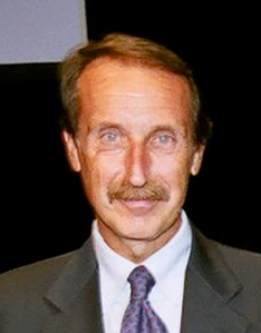 Pierluigi Meroni合作论文数Laboratorio Sperimentale di Ricerche di Immunologia Clinica e Reumatologia di Auxologico23
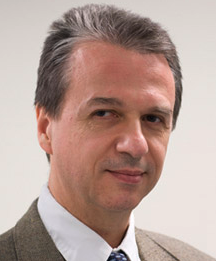 Ricard Cervera合作论文数Department of Autoimmune Diseases, Hospital Clínic de Barcelona;Institut d’Investigacions Biomèdiques August Pi i Sunyer of Barcelona;Faculty of Medicine and Health Sciences, University of Barcelona22
 Mati Fridkin合作论文数The Weizmann Institute of Science22Aviva Katzav合作论文数21K Bruegge合作论文数19
 Amit Shukla合作论文数Dept. of Mech., Ind. & Nucl. Eng., Cincinnati Univ.;c;Dept. of Mech., Ind. & Nucl. Eng., Cincinnati Univ.19
 Jens Buss合作论文数19Angela Tincani合作论文数19
 Thomas Bretz合作论文数Department Experiment Electronics, GSI Helmholtzzentrum für Schwerionenforschung19
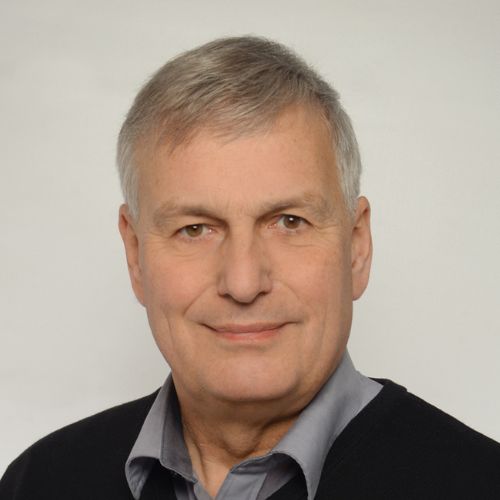 Wolfgang Rhode合作论文数Lamarr Institute for Machine Learning and Artificial Intelligence;Technische Universität Dortmund19Vladimir Toder合作论文数19Kozhin V.合作论文数18E. Postnikov合作论文数18
 Dominik Baack合作论文数Tech Univ Dortmund18A. Borodin合作论文数Joint Institute for Nuclear Research18
 A. Porelli合作论文数DESY18A. Tanaev合作论文数Inst Appl Phys ISU, Irkutsk, Russia18N. Ushakov合作论文数18
 Bayarto Lubsandorzhiev合作论文数18Kivity Shaye合作论文数Chaim Sheba Med Ctr18Rubtsov Grigory I合作论文数18Daniela Dorner合作论文数Institut für Theoretische Physik und Astrophysik, Fakultät für Physik und Astronomie, Julius-Maximilians-Universität Würzburg18N. B. Lubsandorzhiev合作论文数18
 Ori Barzilai合作论文数The Zabludowicz Center for Autoimmune Diseases, Sheba Medical Center18
 O. A. Gress合作论文数18Sonja Praprotnik合作论文数18T. I. Gress合作论文数18A. Pan合作论文数17D. Zhurov合作论文数17
 Ora Shovman合作论文数Musculoskeletal Disorders Clinic, Medical Research Center, Sheba Medical Center;Rheumatology Unit, Sheba Medical Center17
 Pnina Langevitz合作论文数The Israeli National Center for Rheumatology and Autoimmune Diseases17Nikolai N. Kalmykov合作论文数17
 Ivan Astapov合作论文数17
 Ljudmila Stojanovich合作论文数17Nikolay Budnev合作论文数Faculty of Physics, Irkutsk State University17Anatoly Lagutin合作论文数17V. V. Kindin合作论文数17L. G. Sveshnikova合作论文数17Yaniv Sherer合作论文数17
 Christo Venter合作论文数North-West University16
 Doria Andrea合作论文数Dipartimento di Medicina - Dimed, Università Degli Studi Di Padova;Academic Postgraduate School of Rheumatology, School of Medicine, Padova University16
 Iris Barshack合作论文数16




