Cognitive diagnosis (CD) is a central assessment approach in intelligent education that aims to uncover learners’ knowledge mastery and latent cognitive abilities under examination conditions. However, existing models primarily infer learners’ knowledge state based on their final performance, thus failing to capture the reasoning trajectories during problem-solving and struggling to address the dissociation between ability and performance caused by short-term affective fluctuations. To address these challenges, we propose a generative agent for CD (Agent4CD) in intelligent education that enhances interpretability and provides greater personalization and adaptability. Specifically, the framework constructs learner profiles and incorporates a memory module to integrate historical responses. It leverages the reasoning capabilities of large language models (LLMs) to dynamically model cognitive paths and knowledge evolution. The affect perception module utilizes LLMs’ contextual understanding to identify students’ transient affective state, helping to mitigate misjudgments of ability caused by affective fluctuations. Meanwhile, a dual-reflection mechanism supports both real-time intervention and long-term ability development. Experiments demonstrate that Agent4CD outperforms existing methods in diagnostic accuracy, interpretability, and personalization. To facilitate further research, data and code are publicly available at https://github.com/xinjiesun-ustc/Agent4CD
Early prediction of student performance (EPSP) has garnered significant attention due to its educational value, especially its importance in academic early warning systems. State-of-the-art data mining methods have achieved remarkable success by optimizing feature selection and model enhancements. However, these methods often face challenges, including the cold-start problem, limited exploration of the intrinsic relationships among features, and poor generalization. In this work, we explore the utilization of Large Language Models (LLMs) as information integrators to address these challenges and propose a novel model called Large Language Model Empowered Early Prediction of Student Performance (LLM-EPSP). Specifically, for the cold-start problem, LLM-EPSP benefits from the inherent advantages of LLMs, which stem from their extensive pretraining on diverse datasets. This enables the model to make informed predictions even with limited initial data. For exploring intrinsic relationships among features, LLM-EPSP employs feature fusion techniques to uncover underlying connections between various features, ensuring a comprehensive and robust analysis. To enhance the generalization capabilities of LLM-EPSP, we develop predefined templates that facilitate its adaptation to a wide range of educational contexts. We evaluate our method on two real-world datasets: (1) OULAD, which includes data on 22 courses and 32,593 students, and (2) the UCI Machine Learning Repository, which contains 23 types of features from 649 students. Extensive validation demonstrates that LLM-EPSP considerably outperforms baseline approaches across diverse scenarios. Further analysis results also demonstrate the robustness and versatility of LLM-EPSP, suggesting its enormous potential in practical applications.
Arena-based evaluation has become a key method for assessing large language models (LLMs) through head-to-head model comparisons, closely reflecting human preferences. However, current arena rating systems (e.g., ELO rating system) often suffer from inefficiencies due to exhaustive or random model pair annotations, leading to redundant evaluations, longer evaluation times, and lower overall efficiency. To address these challenges, we propose a novel adaptive model-pair selection algorithm. By leveraging the asymptotic normality of LLM ability estimation under sparse conditions, our approach strategically selects high-value model pairs, focusing on confrontations with the lowest variance. Specifically, we introduce Fisher information as a metric to guide model pair selection, optimizing the evaluation process through A-optimality and D-optimality. A-optimality minimizes estimation variance, ensuring balanced reliability across models, while D-optimality reduces uncertainty by maximizing the determinant of the Fisher Information Matrix. Extensive experiments on both simulated and real-world datasets demonstrate that our method outperforms existing approaches in terms of information efficiency and result reliability. Notably, our method offers a flexible, general toolkit that can be easily integrated into existing arena-based platforms, greatly improving scalability and efficiency for large-scale LLM evaluations.
Knowledge Graph Completion (KGC) aims to infer missing information in Knowledge Graphs (KGs) to address their inherent incompleteness. Traditional structure-based KGC methods, while effective, face significant computational demands and scalability challenges due to the need for dense embedding learning and scoring all entities in the KG for each prediction. Recent text-based approaches using language models like T5 and BERT have mitigated these issues by converting KG triples into text for reasoning. However, they often fail to fully utilize contextual information, focusing mainly on the neighborhood of the entity and neglecting the context of the relation. To address this issue, we propose KGC-ERC, a framework that integrates both types of context to enrich the input of generative language models and enhance their reasoning capabilities. Additionally, we introduce a sampling strategy to effectively select relevant context within input token constraints, which optimizes the utilization of contextual information and potentially improves model performance. Experiments on the Wikidata5M, Wiki27K, and FB15K-237-N datasets show that KGC-ERC outperforms or matches state-of-the-art baselines in predictive performance and scalability.
With the advancement of digital education, low student engagement in online environments has become a critical challenge, highlighting the need for reliable, robust student engagement prediction models. While deep learning models have been developed for this task, conventional single-stream visual approaches are susceptible to real-world confounding factors like occlusions and fail to capture complex spatio-temporal dynamics, while multimodal fusion strategies often neglect the hierarchical and complementary relationships between diverse data streams. To address these limitations, we propose a novel hierarchical multimodal framework termed GLP-fusion: specifically, it first extracts three complementary feature modalities-global facial features, local key point features, and physiological features-to comprehensively characterize student engagement, and subsequently adopts an innovative hierarchical fusion mechanism integrating mid-level and decision-level fusion, which effectively models intra-stream temporal dependencies and inter-level relational interactions while mitigating interference and redundancy. Comprehensive experimental evaluations and visualization analyses on the EmotiW 2023 and DAISEE benchmark datasets demonstrate that GLP-fusion outperforms state-of-the-art methods, validating its superior effectiveness, robustness, and temporal feasibility-particularly excelling in scenarios involving complex interference.
Learning dense representations that are simultaneously effective, robust, and interpretable remains a central challenge in dense retrieval. Standard bi-encoder retrievers map each document into a single monolithic vector, which is computationally attractive but tends to entangle multiple latent semantic factors inside one embedding. This entanglement weakens interpretability, reduces controllability of candidate generation, and makes the ranking process vulnerable to hard negatives that are semantically similar to the query yet mismatched in topical intent. We propose CoDiS, a convex dictionary-based sparse topic decomposition architecture for dense retrieval. CoDiS inserts a learnable intermediate topic layer between corpus encoding and document-level matching, where dictionary atoms are obtained through a sparse autoencoder with convex constraints and are therefore grounded in sparse combinations of observed document embeddings rather than unconstrained latent prototypes. This design turns the intermediate representation into a corpus-grounded sparse semantic basis that can be inspected, analyzed, and used for topic-aware candidate filtering. The topic layer is trained jointly with contrastive dense retrieval objectives so that sparse reconstruction and downstream relevance discrimination reinforce one another. Experiments on the BEIR benchmark show that CoDiS achieves strong overall effectiveness and produces especially large gains on datasets characterized by topic diversity, semantic ambiguity, and hard-negative interference. Additional qualitative analyses indicate that the learned sparse activations improve topic coherence and expose meaningful intermediate semantic structure. These results suggest that convex sparse topic decomposition is a useful inductive bias for interpretable and robust neural dense retrieval.
While Large Language Models (LLMs) excel in natural language tasks, single-agent architectures face an inherent optimization conflict between maximizing generative response quality and mitigating factual hallucinations. To address this, we propose the Multi-Agent Collaborative Framework (MA-CF), a structured prompt-driven pipeline that decomposes generation into distinct phases of drafting, parallelized evaluation, and final synthesis. By architecturally decoupling factuality verification from linguistic assessment into separate agent roles, MA-CF empirically mitigates the suboptimal trade-offs and consensus biases observed in both monolithic single-agent systems and traditional multi-agent debate frameworks. We evaluated MA-CF using small-scale backbones (Llama3.1-8B, Qwen3-8B) against single-agent baselines, iterative debate architectures, and large-scale models across three datasets: PreciseWiki (N = 2000), LongWiki (N = 250), and HaluEval 2.0 (N = 800). Experimental results demonstrate substantial quantitative improvements. On the LongWiki dataset, MA-CF increased Llama3.1-8B's Recall@32 from 15.38% to 35.22% and F1@32 from 22.63% to 44.22%. On the cross-domain HaluEval 2.0 benchmark, the framework improved the Average Factual Rate from 65.24% to 73.28%. Furthermore, on the PreciseWiki dataset, MA-CF significantly improved the model's ability to reject unanswerable queries, effectively reducing the probability of model error. Significantly, our findings confirm that a strategic ensemble of 8B-parameter models can match or surpass the hallucination mitigation capabilities of 671B-parameter models (e.g., DeepSeek-V3), offering a computationally efficient architecture for deploying reliable LLM systems in resource-constrained information environments.
In cognitive diagnosis, understanding student ability with uncertainty is critical for personalized education and reliable decision-making. In this work, we propose Evidential Item Response Theory (EvidentIRT) to quantify student-ability uncertainty in an inductive manner. EvidentIRT is a variational autoencoder for item response data that models latent ability with a Normal-Inverse Gamma (NIG) posterior, from which aleatoric and epistemic uncertainty can be read out in closed form. Given a student’s observed response vector, the encoder predicts item-wise pseudo-observations, which are aggregated through conjugate NIG updates into a global posterior over the latent ability. This design predicts ability directly from the response vector, instead of optimizing the embedding for each student, and remains efficient because uncertainty is obtained in a single forward pass. The decoder reconstructs response patterns from the uncertain latent representation, while the loss penalizes overconfident reconstruction errors through a zero-evidence prior. Experiments on real-world assessment datasets show that EvidentIRT preserves or improves predictive performance and yields uncertainty estimates that align with response coverage and response patterns.
Cognitive diagnosis (CD) aims to reveal students' proficiency in specific knowledge concepts. With the increasing adoption of intelligent education applications, accurately assessing students' knowledge mastery has become an urgent challenge. Although existing cognitive diagnosis frameworks enhance diagnostic accuracy by analyzing students' explicit response records, they primarily focus on individual knowledge state, failing to adequately reflect the relative ability performance of students within hierarchies. To address this, we propose the Hierarchy Constraint-Aware Neural Cognitive Diagnosis Framework (HCD), designed to more accurately represent student ability performance within real educational contexts. Specifically, the framework introduces a hierarchy mapping layer to identify students' levels. It then employs a hierarchy convolution-enhanced attention layer for in-depth analysis of knowledge concepts performance among students at the same level, uncovering nuanced differences. A hierarchy inter-sampling attention layer captures performance differences across hierarchies, offering a comprehensive understanding of the relationships among students' knowledge state. Finally, through personalized diagnostic enhancement, the framework seamlessly integrates hierarchy constraint-aware features with existing typical diagnostic methods, significantly improving the precision of student knowledge state representation and enhancing the adaptability and diagnostic performance of existing frameworks. Research shows that this framework not only reasonably constrains changes in students' knowledge state to align with real educational contexts, but also supports the scientific rigor and fairness of educational assessments, thereby advancing the field of cognitive diagnosis. To support reproducible research, we have published the data and code at https://github.com/xinjiesun-ustc/HCD, encouraging further innovation in this field.
Knowledge tracing (KT) estimates students' mastery of knowledge concepts or skills by analyzing their historical interactions. Although general KT methods have effectively assessed students' knowledge states, specific measurements of students' programming skills remain insufficient. Existing studies mainly rely on exercise outcomes and do not fully utilize behavioral data during the programming process. Therefore, we integrate a Logical and Grammar Skills Knowledge Tracing (LGS-KT) model to enhance programming education. This model integrates static analysis and dynamic monitoring (such as CPU and memory consumption) to evaluate code elements, providing a thorough assessment of code quality. By analyzing students' multiple iterations on the same programming problem, we constructed a reweighted logical skill evolution graph to assess the development of students' logical skills. Additionally, to enhance the interactions among representations with similar grammatical skills, we developed a grammatical skills interaction graph based on the similarity of knowledge concepts. This approach significantly improves the accuracy of inferring students' programming grammatical skill states. The LGS-KT model has demonstrated superior performance in predicting student outcomes. Our research highlights the potential application of a KT model that integrates logical and grammatical skills in programming exercises. To support reproducible research, we have published the data and code at https://github.com/xinjiesun-ustc/LGS-KT, encouraging further innovation in this field.
The growing prevalence of depression underscores the need for accessible detection methods. Social media provides an invaluable platform for identifying signs of depression, overcoming the limitations of traditional assessments. However, this task is fraught with challenges such as noisy data, insufficient labeled datasets, and limited integration of domain-specific knowledge, which hinder the effectiveness of existing models. To address these issues, we propose a novel framework consisting of three key components. First, the Unsupervised Multi-Layer Information Distillation Module employs unsupervised learning techniques to extract meaningful posts from noisy social media data. Second, the Domain Knowledge Enhancement Module with a Memory Update Mechanism addresses the challenge of sparse labeled data by incorporating continuous learning and integrating domain-specific knowledge. Finally, the mIRT-based User Depression Diagnosis Module utilizes multidimensional item response theory (mIRT) to assess symptom severity across multiple dimensions, enhancing the interpretability of the depression diagnosis. Experiments conducted on two real-world datasets demonstrate the effectiveness of our model, achieving accuracies of 97.45% and 94.54%. This framework improves both the accuracy and interpretability of social media-based depression detection, offering a promising solution for mental health monitoring.
Knowledge Tracing (KT) predicts future performance by modeling students' historical interactions, and understanding students' affective states can enhance the effectiveness of KT, thereby improving the quality of education. Although traditional KT values students' cognition and learning behaviors, efficient evaluation of students' affective states and their application in KT still require further exploration due to the non-affect-oriented nature of the data and budget constraints. To address this issue, we propose a computation-driven approach, Dynamic Affect Simulation Knowledge Tracing (DASKT), to explore the impact of various student affective states (such as frustration, concentration, boredom, and confusion) on their knowledge states. In this model, we first extract affective factors from students' non-affect-oriented behavioral data, then use clustering and spatiotemporal sequence modeling to accurately simulate students' dynamic affect changes when dealing with different problems. Subsequently, we incorporate affect with time-series analysis to improve the model's ability to infer knowledge states over time and space. Extensive experimental results on two public real-world educational datasets show that DASKT can achieve more reasonable knowledge states under the effect of students' affective states. Moreover, DASKT outperforms the most advanced KT methods in predicting student performance. Our research highlights a promising avenue for future KT studies, focusing on achieving high interpretability and accuracy.
Cognitive diagnosis (CD) is a core task in intelligent education, which accurately assesses students' mastery of specific knowledge concepts (KCs) by analyzing their answer records. However, existing methods mainly rely on explicit interaction data and use diagnostic models for automatic knowledge proficiency inference. These methods lack systematic optimization for fine-grained knowledge level representation, making it difficult to fully reflect students' true learning status. To address this, this paper introduces a Plug-and-Play Fine Grained Neural Cognitive Diagnosis Framework (FNCD) with Knowledge-Level Constraint Awareness. The framework combines a knowledge proficiency evaluation module with students' answer records and a Q-matrix to statically assess knowledge mastery. It uses a student similarity construction method based on random grouping to reveal latent learning pattern associations. Additionally, it employs a multi-scale relational learning strategy and a Top-k attention-enhanced graph network mechanism to dynamically adjust the student similarity relationship network, accurately modeling the complex learning relationships between students. Ultimately, a joint training mechanism is used to optimize the outputs of each module, significantly improving the rationality, interpretability, and accuracy of CD. The experimental results demonstrate that FNCD, as an artificial intelligence-driven plug-and-play module, can be effectively integrated into existing CD models to enhance the modeling of fine-grained knowledge mastery and improve diagnostic accuracy, showcasing the application potential of artificial intelligence in personalized education.
Cognitive Diagnosis (CD) is a fundamental aspect of educational data mining that focuses on assessing students' mastery of specific knowledge domains by analyzing their response patterns. However, traditional CD frameworks often fail to reasonably model students' true knowledge state due to insufficient constraints for automatic inference, particularly overlooking the hierarchical relationships among explicit behavioral records. This limitation undermines both the rationality and interpretability of diagnostic outcomes. To address these challenges, we propose an innovative Multi-Hierarchy Interactive Constraint-aware Cognitive Diagnosis (MHCD) framework. This framework first identifies and constructs the hierarchical relationships of explicit records in real-world educational contexts. It then delves into feature interactions across multiple hierarchies and achieves more accurate and reasonable knowledge state modeling through an iterative constraint-aware strategy. Finally, it integrates multi-hierarchy interaction-aware features with personalized features, significantly enhancing the expressive power of both individual and hierarchical attributes. Experimental results demonstrate that MHCD achieves notable improvements in diagnostic accuracy, rationality, and interpretability, while seamlessly integrating into existing cognitive diagnosis frameworks to further enhance their overall performance.
Personalized programming tutoring, such as exercise recommendation, can enhance learners' efficiency, motivation, and outcomes, which is increasingly important in modern digital education. However, the lack of sufficient and high-quality programming data, combined with the mismatch between offline evaluation and real-world learning, hinders the practical deployment of such systems. To address this challenge, many approaches attempt to simulate learner practice data, yet they often overlook the fine-grained, iterative nature of programming learning, resulting in a lack of interpretability and granularity. To fill this gap, we propose a LLM-based agent, CoderAgent, to simulate students' programming processes in a fine-grained manner without relying on real data. Specifically, we equip each human learner with an intelligent agent, the core of which lies in capturing the cognitive states of the human programming practice process. Inspired by ACT-R, a cognitive architecture framework, we design the structure of CoderAgent to align with human cognitive architecture by focusing on the mastery of programming knowledge and the application of coding ability. Recognizing the inherent patterns in multi-layered cognitive reasoning, we introduce the Programming Tree of Thought (PTOT), which breaks down the process into four steps: why, how, where, and what. This approach enables a detailed analysis of iterative problem-solving strategies. Finally, experimental evaluations on real-world datasets demonstrate that CoderAgent provides interpretable insights into learning trajectories and achieves accurate simulations, paving the way for personalized programming education.
Large language models (LLMs) have demonstrated exceptional error detection capabilities and can correct sentences with high fluency in grammatical error correction (GEC) tasks. However, when correcting Chinese academic papers, LLMs face significant challenges of over-correction. To delve deeper into this issue, we explore the underlying reasons. On one hand, each discipline has its unique vocabulary and expressions, and LLMs have insufficient and incomplete understanding of domain-specific sentences. On the other hand, the controllability of generative LLMs in GEC tasks is inherently poor, and the traditional sequence-to-sequence (Seq2Seq) correction structure exacerbates this issue. Considering the two aforementioned factors, we propose a new error correction framework for Chinese academic GEC tasks using LLMs, named ScholarGEC. To improve LLMs’ understanding of domain-specific knowledge, we construct appropriate disciplinary knowledge prefixes for sentences and use this domain-specific knowledge data to fine-tune the LLM. To enhance the controllability of LLMs, we replace the traditional Seq2Seq structure with a Detection-Correction separated structure. We also introduce a special token during the process to improve the model’s error detection stability. Additionally, we incorporate iterative self-reflection to enhance the stability of the generation, in the three parts of LLM generation. Extensive experiments demonstrate the effectiveness and robustness of our framework on a Chinese GEC dataset composed of academic papers, and further analysis reveals the capabilities of our framework in enhancing LLM performance in general GEC tasks.
Online learning has demonstrated superiority in connecting high-quality educational resources to a global audience. To ensure an excellent learning experience with sustainable and opportune learning instructions, online learning systems must comprehend learners' evolving knowledge states based on their learning interactions, known as the Knowledge Tracing (KT) task. Generally, learners practice through various quizzes, each comprising several exercises that cover similar knowledge concepts. Therefore, their learning interactions are continuous within each quiz but discrete across different quizzes. However, existing methods overlook the quiz structure and assume all learning interactions are uniformly distributed. We argue that learners' knowledge states should also be assessed in quiz since they practiced in quiz. To achieve this goal, we present a novel Quiz-based Knowledge Tracing (QKT) model, which effectively integrates the quiz structure of learning interactions. This is achieved by designing two distinct modules by neural networks: one for intra-quiz modeling and another for inter-quiz fusion. Extensive experimental results on public real-world datasets demonstrate that QKT achieves new state-of-the-art performance. The findings of this study suggest that incorporating the quiz structure of learning interactions can efficiently comprehend learners' knowledge states with fewer quizzes, and provides valuable insights into designing effective quizzes with fewer exercises.
Knowledge Tracing (KT) is a crucial task in online intelligent education systems, which aims to dynamically monitor students' evolving knowledge state. During students' learning process, not only do knowledge states on later-learned concepts impact the understanding of earlier-learned concepts, but the knowledge states on earlier-learned concepts also influence the learning of later-learned concepts, forming bidirectional learning transfer. However, existing work typically focuses on either the backward impact of the currently learned concept on previously learned concepts or the forward impact of previously learned concepts on future concepts. Moreover, they commonly assume the transfer influence weights between concepts remain fixed throughout the entire learning process, thereby neglecting students' dynamic transfer mechanisms. In this paper, we introduce the Dynamic Bidirectional Transfer Knowledge Tracing (DBTKT) model, which simultaneously takes into account learning transfer effects in both directions and utilizes students' personalized learning experiences to measure dynamic transfer influence weights. Extensive experimental results on public datasets demonstrate that our model not only generates improved performance predictions compared to existing methods but also offers meaningful insights into knowledge state evolution from a learning transfer perspective.
With the widespread adoption of online learning, providing learners with appropriate and personalized learning services (such as tailored learning resources or learning paths) is crucial when facing a vast array of learning materials. Achieving this demand relies on accurately tracing the learner’s knowledge state, a process known as knowledge tracing (KT). The goal of KT is to dynamically monitor the knowledge state of learners based on their historical exercise data and predict their future performance. While the process data reflects the learner’s knowledge state, the existing KT models have used this data relatively simply and directly, overlooking the importance of context-aware relationships. This underutilization of process data limits the models’ ability to fully capture the nuances of the learner’s knowledge state. To address this limitation, this study proposes Process data and Speed prediction for Fine-grained Knowledge Tracing (PSFKT). The PSFKT model integrates the context-aware representation of process data and adopts a multi-task prediction paradigm to improve the prediction of learners’ responses through the auxiliary task of predicting their answer speed. Additionally, the model considers the forgetting factor of time and knowledge concepts interaction to simulate the dynamic nature of human knowledge acquisition and retention. Through comparative and ablation experiments, the study demonstrates the effectiveness of the PSFKT model in accurately tracing learners’ knowledge states and predicting their future performance.
 Qi Liu (刘淇)合作论文数School of Data Science, University of Science and Technology of China;State Key Laboratory of Cognitive Intelligence, School of Computer Science and Technology, University of Science and Technology of China;Anhui Province Key Laboratory of Big Data Analysis and Application, School of Computer Science and Technology, University of Science and Technology of China38
 Zhenya Huang (黄振亚)合作论文数School of Computer Science and Technology, University of Science and Technology of China;School of Data Science, University of Science and Technology of China29
 Yu Su (苏煜)合作论文数20
 Shijin Wang (王士进)合作论文数iFLYTEK Co., Ltd.;School of Artificial Intelligence and Data Science, University of Science and Technology of China18
 En-Hong Chen (陈恩红)合作论文数Anhui Province Key Laboratory of Big Data Analysis and Application, School of Computer Science and Technology, University of Science and Technology of China18
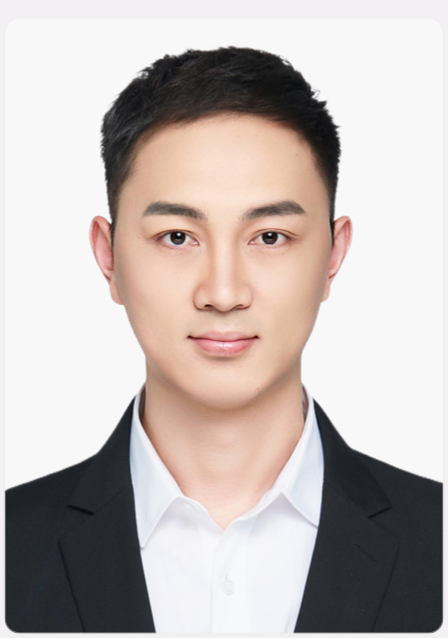 Kai Zhang (张凯)合作论文数School of Computer Science and Technology, University of Science and Technology of China13
 Fei Wang合作论文数School of Computer Science and Technology, University of Science and Technology of China;State Key Laboratory of Cognitive Intelligence, University of Science and Technology of China10
 Junyu Lu (卢俊宇)合作论文数School of Computer Science and Technology, Dalian University of Technology;Tencent9
 Yan Zhuang (庄严)合作论文数Bigdata and Artificial Intelligence for Science & Education Group, Anhui Province Key Laboratory of Big Data Analysis and Application, School of Computer Science and Technology, University of Science and Technology of China7
 Linbo Zhu合作论文数6
 Xianquan Wang (王宪泉)合作论文数School of Artificial Intelligence and Data Science, University of Science and Technology of China4Yu Yin合作论文数Anhui Province Key Laboratory of Big Data Analysis and Application, School of Computer Science and Technology, University of Science and Technology of China4
 Zheng Zhang (张征)合作论文数School of Computer Science and Technology, University of Science and Technology of China3xinjie Sun合作论文数3Bihan Xu合作论文数3
 Xingying Huo合作论文数3
 Jinze Wu合作论文数3
 Mengxiao Zhu (朱孟潇)合作论文数Department of Communication of Science and Technology, School of Humanities and Social Sciences, University of Science and Technology of China3Zirui Liu合作论文数State Key Laboratory of Cognitive Intelligence, University of Science and Technology of China2Liyang He合作论文数2Xuejie Yang合作论文数2Dai Le合作论文数2
 Mingyue Cheng (程明月)合作论文数School of Computer Science and Technology, University of Science and Technology of China;State Key Laboratory of Cognitive Intelligence, University of Science and Technology of China2Rui Li合作论文数School of Computer Science and Technology, University of Science and Technology of China;State Key Laboratory of Cognitive Intelligence, University of Science and Technology of China2
 Yonghe Zheng (郑永和)合作论文数Faculty of Education, Beijing Normal University2
 Wei Huang (黄伟)合作论文数Unisound AI Technology Co., Ltd2
 Haiping Ma (马海平)合作论文数Institute of Bioinspired Intelligence and Mining Knowledge, Anhui University2Keyu Zhu合作论文数State Key Laboratory of Cognitive Intelligence, University of Science and Technology of China;Institute of Artificial Intelligence, Hefei Comprehensive National Science Center1Huibo Xu合作论文数1Jie Ouyang合作论文数1Jiatong Li合作论文数1Chenyi Lei合作论文数1Yuxiang Guo合作论文数1Yi Zh合作论文数1Zixiao Kong合作论文数State Key Laboratory of Cognitive Intelligence, University of Science and Technology of China1Junfeng Kang合作论文数State Key Laboratory of Cognitive Intelligence, University of Science and Technology of China1Weizhe Huang合作论文数1
 Xin Lin合作论文数School of Computer Science and Technology, University of Science and Technology of China;State Key Laboratory of Cognitive Intelligence, University of Science and Technology of China;School of Computer Science and Technology, Harbin Institute of Technology, Shenzhen1Zhi Cao合作论文数1Ye Huang合作论文数1
 Xin Li (李鑫)合作论文数Department of Communication of Science and Technology, School of Humanities and Social Sciences, University of Science and Technology of China1
 Weibo Gao (高维博)合作论文数School of Computer Science and Technology, University of Science and Technology of China1Chen Weiwei合作论文数1Zeyu Cheng合作论文数1Tianfu Wang合作论文数USTC1
 Jiayu Liu (刘嘉聿)合作论文数School of Data Science, University of Science and Technology of China1Meikai Bao合作论文数Anhui Province Key Laboratory of Big Data Analysis and Application, University of Science and Technology of China;State Key Laboratory of Cognitive Intelligence1




