Objective: construct highly efficient interference plasmid aiming at clock gene,and provide an effective way for studying the function of clock gene.Methods: Two interference sites of mouse clock gene were selected by using M-folder bio-software,and two interference fragments according to the selected sequences and one negative control fragment were synthesized,then they were cloned into the pGenesil-1 plasmid.After the plasmids DNA were extracted and sequenced,they were subsequently transfected in to NIH3T3 cells.The interference efficiency of the plasmid on the target gene was detected by RT-PCR.Results: The level of clock gene mRNA in NIH3T3 cells contained interference plasmids decreased by 2% and 74% compared with negative control plasmid.Conclusion: The effective interference plasmid against mice clock gene had been constructed and identified successfully,which may provide a basis for studying the functional of clock gene in signal transduction pathway.
Objective To find a new method for identifying interacting proteins of human Per1 in the blood. Methods Using bHLH-PAS domain of hPer1 as bait, a human blood cDNA library was screened and the proteins interacting with hPer1 were searched. The positive clones were sequenced and analyzed by bioinformatics methods. Results Forty-six colonies were selected by the yeast two-hybrid system. LSMD1 protein was obtained after verification. Conclusion It is proved that Per1 can interact with LSMD1 by yeast two-hybrid system.
OBJECTIVEBy screening the cDNA library of suprachiasmatic nucleus (SCN) region of human hypothalamus, we try to capture the novel proteins interacting with PER1 and investigate the interplaying characteristic of RACK1 and PER1.METHODSBy yeast two-hybrid system, the new protein in human SCN, which was associating with PER1-PAS domain was obtained. Then five truncated fragments of RACK1 cDNA was cloned into yeast expression vector to form recombinant library plasmid and was co-transformed into yeast strain AH109 with bait plasmid containing PER1-PAS domain. The transformants were selected via nutrition-deficient medium, and the positive clones were identified or obtained by checking the expressin of report gene. At last all the protein interactions were confirmed by co-immunoprecipitation tests.RESULTSone of the positive clones in human SCN cDNA library were identified with part of the RACK1 protein sequence. Three positive clones, which contained respectively the fragment of RACK1 (WD1-7), RACK1 (WD4-7) or RACK1 (WD5-7) were obtained through yeast two-hybrid screen with various RACK1 fragments and PER1-PAS domain. The RACK1 and PER1 protein interaction was determined by beta-galactosidase assay and co-immunopreipitation.CONCLUSIONThe direct interaction between RACK1 and PER1 has been approved. RACK1 is composed of seven WD40 repeats and the minimal interacting sites are limited in V-VII WD40 domains in the present study,which means C-terminal amino acid of RACK1 may be essential to the interacting.
PER1, an important component of circadian clock systems, plays a critical role in regulating the period length and maintaining the precision and stability of the period of circadian rhythms. RACK1 (receptor for activated protein kinase C-1), a member of the WD-40 family of proteins, can interact with numerous signaling proteins and is regarded as a scaffolding, anchor, or adaptor protein in multiple intracellular signal transduction pathways. In the present study, we identified and confirmed RACK1 as a novel protein interacting with human clock protein, hPER1, using the yeast two-hybrid system and co-immunoprecipitation experiment. Further study by RT-PCR showed that RACK1 was expressed widely in tissues and there was no obvious expressional rhythmicity. However, RNA interfering plasmid inhibiting hPER1 (pTER/hPER1-II) could not interfere expression of RACK1. These results together suggested that RACK1 might act as a novel signal molecule to mediate or regulate the functions of PER1 through protein interaction.
The PAS domain of hPer1 cDNA was amplified by PCR.The amplified fragment of hPer1 cDNA was ligased with the vector pGBKT7 to construct recombinant bait plasmid pGBKT7-hPer1_(PAS).The cDNA library of human blood was constructed.The recombinant plasmid and the cDNA library were transfected into yeast strain AH109 by LiAc Method.The yeast two-hybrid system was screened by SD/-Ade/-His/-Leu/-Trp.Results Digested with endonuclease and sequenced,the recombinant plasmid of pGBKT7-hPer1_(PAS) was constructed correctly.The transformation rate was about 1.4×10~(6)/3μg pGADT7-Rec.fourty six colonies were selected by the yeast two-hybrid system.
Objective To construct the shuttle plasmid of Signature-Tagged Mutagenesis technology and lay the basis to establish the mutant library and virulence genes selection of pathogenic microorganism.Methods The DNA signature tags was obtained by PCR from the single stands DNA tags.The signature tags was cloned into pC6 to construct recombinant plasmid pC6RS.Then it was transformed into E.coli CC118 to produce multiple recombinant plasmid.pC6RS extracted from CC118 was subsequently transformed into E.coli S17-1. Results The recombinant plasmid pC6RS identified by enzyme digestion and DNA sequencing was successfully constructed.
Objective: To construct a plasmid carrying human hepatocyte growth factor(hHGF) gene and transfect it into Chinese hamster ovary(CHO) cells to establish a stable CHO system expressing high-lever rh HGF.Metheds: The full length cDNA of hHGF amplified from human liver mRNA by RT-PCR,was cloned into pCDNA3.1(+)vector to construct hHGF-pCDNA3.1 recombinant plasmid.The vector was then transfected into CHO cells with help of lipofectin liposome.The positive cell clone expressing hHGF was selected under the pressure of G418.Qualitative and quantitive detection of hHGF expression was performed through RT-PCR,immunofluorescence and ELISA.Results: The recombinant plasmid hHGF-pCDNA3.1 was identified by restriction endonuclease digestion and nucleotide sequencing.The expression of hHGF was verified and the concentration beyond 10μg/L.Conclusion: Base on the study,CHO system which expressing stable and highlever hHGF was established successfully,which lay the basis for microencapsulating CHO to form genetically engineered cell and for further clinical application.
Objective To identify novel proteins interacting with Period1(Per1),which is a core component of the circadian clock system,and to uncover intracellular signal pathway devoted to circadian clock. Method Using hPer1_(PAS) domain as bait,human brain cDNA library was scanned by yeast two-hybrid.The interaction was confirmed by transcription/translation in vitro and co-immunoprecipitation tests.RT-PCR was used to investigate the expressional characteristic of RACK1(receptors for activated C-kinase) including tissue specificity and rhythmicity.The signal relation between RACK1 and Per1 was studied by RNA-interference.Result Per1 interplayed with RACK1 in the human SCN region of the hypothalamus.The expression of RACK1 was conserved in various human organs and did not display a robust and stable pattern of rhythmicity in mouse brain. Up-and down-regulating of Per1 had no significant effects on the RACK1 expression in cell tests.Conclusion The special interaction between RACK1 and Per1 has been approved,which means RACK1 may serve as an adaptor molecule to modulate function of hPer1.
 Zhengrong Wang (王正荣)合作论文数四川欧美同学会·四川留学人员联谊会8
 Yuhui Wang (汪宇辉)合作论文数West China School of Basic Medical Sciences & Forensic Medicine, Sichuan University8
 Yanyou Liu (刘延友)合作论文数West China School of Basic Medical Sciences Forensic Medicine, Sichuan University8
 Lijuan Hu (胡丽娟)合作论文数West China School of Basic Medical Sciences & Forensic Medicine, Sichuan University5
 Chaomin Wan (万朝敏)合作论文数4De-song LIU (刘德松)合作论文数3
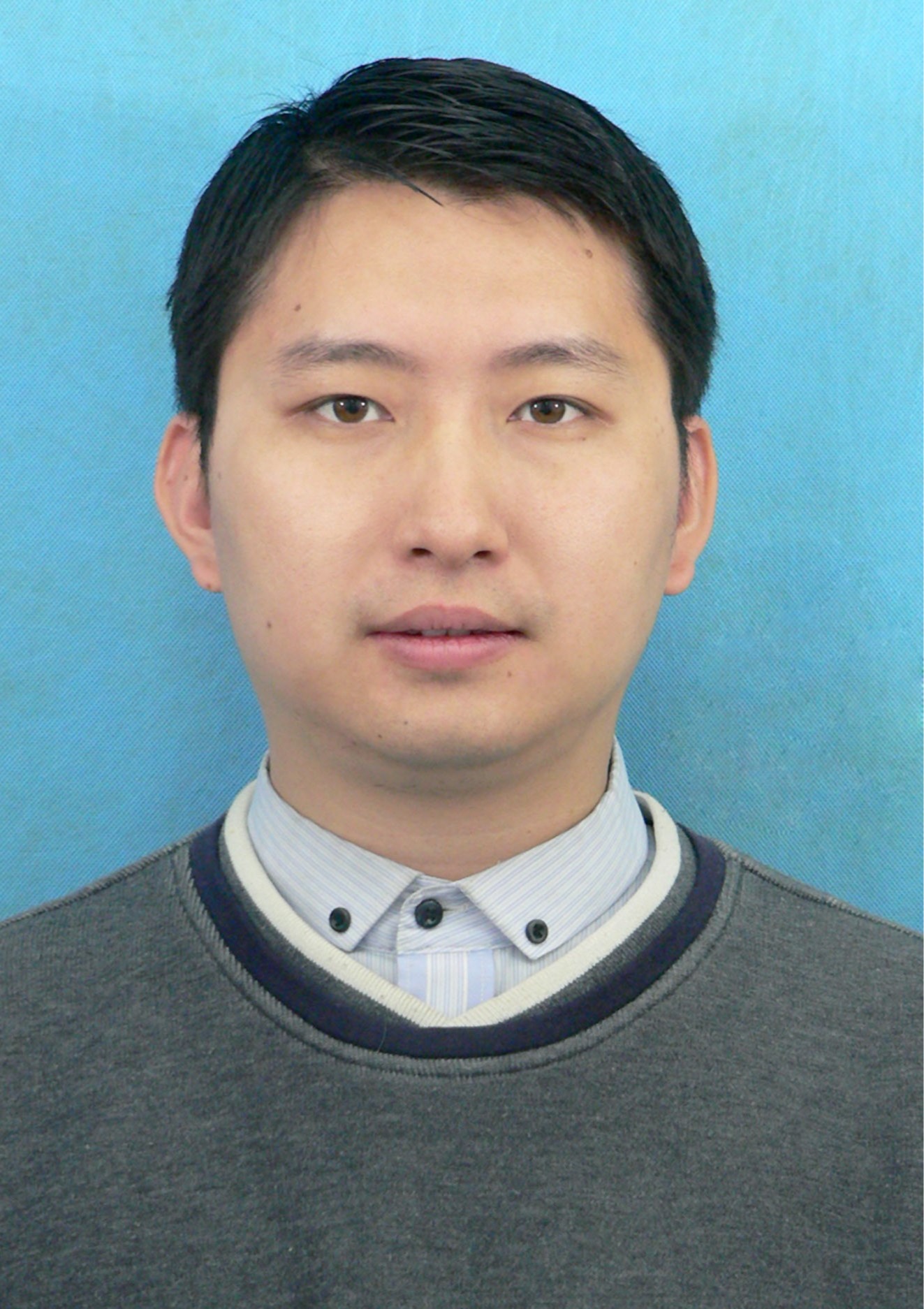 Zhou Jiang (江舟)合作论文数West China School of Basic Medical Sciences & Forensic Medicine, Sichuan University;Key Laboratory of Chronobiology, Ministry of Health, Sichuan University;School of Medicine, University College Dublin3
 Lu Gan合作论文数3Jianxin Xue (薛建新)合作论文数3Bin Zhu合作论文数2ZhiHong Ji (冀治鸿)合作论文数2
 Jianping Chen (陈建平)合作论文数West China School of Basic Medical Sciences Forensic Medicine, Sichuan University1HuiLing Guo合作论文数1Tao Wang (王涛)合作论文数College of Foreign Languages, Sichuan University1Zhiwei Yang (杨志伟)合作论文数1Mei Gao (高梅)合作论文数1Lei Zhang (张雷)合作论文数1Desang Liu合作论文数1Tianming Fu (付天明)合作论文数1Yueqi Wang (王玥琦)合作论文数1
 Xiaojia Wang合作论文数1




