Pressure loss along the pipeline is a critical design factor in the vertical hydraulic transport (VHT) of seabed mineral particles. This study investigates the fundamental mechanisms behind pressure loss from a microscopic perspective using computational fluid dynamics coupled with the discrete element method (CFD-DEM). Pressure loss in the VHT is primarily attributed to three factors: the gravity of the solid-liquid mixture, wall shear stress, and particle-wall collisions. In most cases, gravity and wall shear stress dominate the total pressure loss. However, when the ratio of particle size to pipe diameter and the particle concentration are relatively high, the pressure loss due to particle-wall collisions becomes comparable to that caused by wall shear stress. The effects of feed concentration and transport velocity on the pressure loss are analyzed in detail. Simulations show that the granular temperature, which quantifies particle fluctuations, provides a more stable and accurate approach for calculating the pressure loss due to particle-wall collisions compared to using particle collision frequency. An approximate method is also proposed to estimate restitution coefficients from fitted granular temperature, providing necessary input parameters for CFD-DEM simulations.
Multi-functional wave energy converters offer substantial promise for augmenting energy extraction while simultaneously providing coastal protection. This study presents an experimental and numerical investigation of a heave-type rectangular wave energy converter (WEC) integrated into a double-curtain-wall breakwater (DC-HWEC). A numerical model based on the Dual Boundary Element Method (DBEM) in the framework of potential flow theory has been developed and validated against established literature. Laboratory experiments on a DC-HWEC corroborated the numerical results, revealing that an increased draft enhances the heave response amplitude by approximately 19.6%. Compared to standalone WEC, the seaside porous curtain-wall integrated WEC, and the leeside fully reflecting curtain-wall WEC configurations, the proposed DC-HWEC achieves an optimal balance of enhanced energy extraction, reduced reflection, and increased dissipation. It reduces wave reflection by 36.7% compared to standalone WEC (0.5 pi < k(0)h
A dissipative potential flow solution is developed for wave scattering by a submerged horizontal plate breakwater using the eigenfunction expansion method. Energy dissipation during wave-structure interaction is modelled by treating the fluid region beneath the horizontal plate as an artificial dissipative domain. A dissipation condition involving a resistance coefficient is then imposed on the common boundaries between the dissipative and non-dissipative domains. The reflection, transmission, and energy dissipation coefficients of the breakwater, as well as the wave force, are calculated. The correctness of the analytical solution is verified by numerical results based on the multi-domain boundary element method (BEM). By fitting the calculated results to experimental data from the literature, a convenient empirical formula for predicting the resistance coefficient is established. Compared with classical potential flow results that neglect energy dissipation, the dissipative analytical results show better agreement with experimental measurements. Based on the dissipative solution, typical calculation examples are presented to clarify the effects of the width, submergence depth, and thickness of the plate on the sheltering and energy-dissipating performance of the breakwater. The present dissipative analytical solution is simple and efficient, and can provide a reliable analysis approach for practical engineering design.
This study investigates the hydrodynamic behaviors in the narrow gap between a floating box and two types of caissons (solid and perforated caissons) in the context of a vessel berthing at a gravity-type wharf. The free surface elevations and the instantaneous velocity fields are measured in the experiments using the Particle Image Velocimetry (PIV). The numerical model established on OpenFOAM (R) is validated by the experimental data. In this work, the floating box features rounded corners rather than sharp ones due to the real shape of the vessels. Based on the numerical model, the hydrodynamic behaviors in the gap between the floating box and solid or perforated caissons are compared. Meanwhile, the influences of the gap width and the box draft on the hydrodynamic behavior in the gap are examined. The numerical results demonstrate that both free surface elevations in the gap and wave forces on structures are significantly reduced when the floating box is adjacent to the perforated caissons, compared to the solid one, suggesting that the perforated caisson performs great potential in suppressing gap resonance. An interesting beat pattern of the free surface elevation in the gap between the floating box and perforated caisson is investigated quantitatively. The hydrodynamic behavior in the gap is primarily sensitive to the box draft for the floating box adjacent to the perforated caisson. The findings of this study provide insight into the hydrodynamic behaviors of the vessels berthed at the gravity-type wharf constructed by solid/perforated caissons.
This study experimentally investigates the three-dimensional settling process of centimeter-sized spherical particles in still water using convergent binocular vision technology. The results reveal that the number of settling particles significantly influences the settling behavior when particles are released side by side. Individual particles initially settle along nearly straight paths before randomly deflecting and returning after reaching maximum deviation points. In contrast, twin particles settle synchronously in an almost mirror-image manner, with random deflection largely suppressed-a phenomenon referred to as the mutual support phenomenon (MSP) is this study. The outermost two particles in triplet and quadruplet configurations also exhibit a typical MSP during the settling process. However, the middle particle in the triplet configuration behaves similarly to an individual particle, while the middle two particles in the quadruplet configuration display more complicated settling trajectories due to asymmetric influences from neighboring particles. Additionally, particle image velocimetry measurements are conducted in specific cases to explore the possible mechanisms underlying the random deflection of individual particles and the MSP observed in twin particles.
This study quantitatively examined the fluid energy evolution and dissipation process near narrow gaps formed between multiple floating rectangular structures under wave-induced gap resonance conditions. Given the limited understanding of gap resonance mechanisms through fluid energy analysis, a numerical wave flume based on the δ-LES-Smoothed Particle Hydrodynamics (SPH) approach was developed to investigate how incident wave and structural parameters influence the temporal evolution of fluid energy components. The findings reveal that for two floating boxes, the fluid energy dissipation within one wave period in the gap region between the boxes constitutes 81
This study investigates flow-pattern evolution in deep-sea air-lift pipelines and proposes a variable-diameter pipeline design to suppress unfavorable regimes for particle transport. By integrating a previously developed air-lift model with flow-pattern transition criteria, the axial distribution of flow regimes along the pipeline is identified. The effects of pipe diameter, three-phase flow section length, submergence ratio, solid density, gas superficial velocity, and solid superficial velocity on flow-pattern distribution are systematically analyzed. The results show that pipe diameter plays a key role in regulating flow transitions: reducing the diameter can decrease the bubbly-flow region, whereas increasing the diameter can suppress annular flow. Based on this mechanism, a variable-diameter module is incorporated into the original air-lift model, and a nested inner-outer iterative algorithm is developed to automatically adjust the pipeline geometry. The novelty of this study lies in coupling axial flow-pattern prediction with variable-diameter pipeline design, so that the predicted flow-regime distribution is used directly to guide structural adjustment. The optimized configuration reduces bubbly flow and eliminates annular flow, providing a feasible strategy for reducing blockage risks in deep-sea mining operations.
Defence structures are commonly installed on reef flats, which in turn increases the complexity of hydrodynamic processes in the reef flat region. Existing studies have mainly focused on the evolution of waves with periods shorter than 10 s, whereas the impact and overtopping characteristics of medium-to long-period waves have received relatively limited attention. To address this gap, a numerical wave flume was established using the coupled Finite Difference–Smoothed Particle Hydrodynamics (FD–SPH) model proposed by Wu et al. (2026), and the numerical results were validated against the experimental measurements. Based on the validated numerical model, the effects of the distance between the defence structure and the reef edge, as well as the reef slope gradient, on the hydrodynamic characteristics and wave energy evolution over the reef flat were systematically investigated. The results show that when overtopping q > 2.0 × 10⁻³ m3, the reflection coefficient exhibits a decreasing trend. Both the maximum wave force and overtopping volume decrease with increasing structure–reef edge distance, indicating improved protection against longer period waves. Moreover, a gentler reef slope increases the distance between the wave breaking point and the structure, allowing vortex structures to fully develop and enhancing wave energy dissipation, thereby enhancing the protective effectiveness of the structure.
The submerged floating tunnel (SFT) is a potential and cutting-edge solution for traffic crossings across lakes, rivers, and seas, with its tubes serving as key structural components. However, the lateral bearing behaviors of SFT tubes remain unclear, representing a critical concern in engineering design. In this study, a large-scale (1:10) laboratory test was conducted to investigate structural responses including uplift and mooring forces, horizontal and vertical displacements, reinforcement and concrete strains, and crack development under increasing lateral loads, while the bearing mechanism and failure mode were discussed. The test results demonstrated that the total uplift force generally exhibited a linear increase during loading, whereas the mooring force increased on the loading side but decreased to a small, nearly constant value on the unloading side as lateral loads increased. The displacements exhibited a forward-upward trend under increasing lateral loads, with maximum horizontal and vertical values of 28.98 mm and 4.52 mm observed at the loading plate, accompanied by unloading-induced residual displacements. The strain responses of concrete and reinforcement indicated significant tensile stresses on the unloading side, while partial regions experienced compression on the loading side. The upper sections were more susceptible to tensile stress than the lower sections, and the residual strains that could not be recovered after unloading were also evident. Vertical annular cracks formed above the horizontal plane and propagated both upward and downward as lateral loads increased. Based on the proposed failure criteria, the failure mode of the SFT tube was identified as excessive deflection failure, with the critical lateral load causing failure determined to be 418.6 kN. These test results provide a foundation for subsequent SFT tube design strategies.
This paper presents a robust SPH model for simulating the interactions between waves and permeable structures. In this work, an Adaptive Particle Splitting and Merging (APS) scheme is designed to address the numerical instability caused by alterations in the volume of fluid particles inside and outside a porous structure. In this context, the fluid-phase volume fraction is employed as a unifying criterion to determine the processes of particle splitting and merging. This signifies that when the volume fraction falls below a designated threshold, the particles undergo splitting, and conversely, when the volume fraction surpasses the threshold, the particles undergo merging. This approach locally refines the porous-media region while preserving a uniform particle resolution across the computational domain, thereby improving numerical accuracy without incurring the prohibitive cost of globally refining the entire domain. It is noteworthy that, to the best of the authors’ knowledge, this is the first introduction into SPH porous-media flow of a dynamic resolution adaptation driven by the fluid-phase volume fraction. In order to validate the present model, several benchmark cases are employed, including the interaction of a dam-break wave with a porous dam, a solitary wave with a rectangular permeable submerged breakwater, and regular waves with a triangular permeable submerged breakwater. Following a thorough comparison with the available experimental and numerical data, it is concluded that the proposed method with APS scheme accurately reproduces the interactions between fluid flow and permeable structures.
This study develops a general three-dimensional homotopy boundary element method (HBEM) model for analyzing wave-induced hydrodynamic problems of marine structures. Artificial dissipative surfaces are introduced into fluid domains where wave energy dissipation is non-negligible. The mass flux across these surfaces remains continuous, while local head loss is assumed to occur on both sides of these surfaces. Quadratic (nonlinear) pressure loss conditions are imposed on these dissipative surfaces to equivalently represent the viscous dissipation effect. In solving the boundary value problem, the conventional boundary integral equation derived from the second Green's theorem is applied to the structure surfaces, whereas a hypersingular boundary integral equation is deduced for the dissipative surfaces. After discretizing all boundaries into a series of constant panels, an algebraic system is obtained from the two types of boundary integral equations. The application of quadratic pressure loss conditions renders this system nonlinear, which is solved using the homotopy analysis method. The proposed HBEM model is validated by considering the problems of fluid resonance in narrow gaps and wave resonance in moonpools. The calculated results are in excellent agreement with both analytical results in the literature and numerical results based on a direct iteration method. Moreover, with an appropriately calibrated dissipation coefficient, the calculated results of the free surface amplitude inside narrow gaps and moonpools agree well with published experimental measurements. The present HBEM model can offer a reliable and efficient computational tool for the hydrodynamic analysis of wave-structure interaction.
This paper develops a two-way coupled model to effectively simulate wave propagation, transformation, and breaking induced by interactions with coastal structures. This is achieved by coupling a Boussinesq model solved using the finite difference method (referred as the B-FD model) and a SPH model based on the Navier-Stokes equations (referred as the NS-SPH model) for solving the wave propagation and wave-structure interactions, respectively. To this aim, a two-way open boundary algorithm is introduced to achieve the bidirectional transmission of incident and reflected waves. The main idea of this algorithm is to match the boundary conditions in the B-FD sub-model based on the water level-discharge relationship, while to ensure the mass conservation in the NS-SPH sub-model the mass fluxes at the boundary segments are calculated to dynamically generate or remove particles. Furthermore, a multi-time-step strategy is applied to synchronize the time integration between the two sub-models. The present coupled model is validated through several typical cases, including solitary wave propagation and breaking, regular wave propagation, and regular wave motion over breakwaters. The results confirm the reliability of the proposed model, in which it is proved that the proposed two-way open boundary algorithm ensures continuous free-surface evolution, maintains the stability of the fluid pressure field, and provides reasonable predictions of the velocity field.
This study presents a numerical model coupling SWASH for wave transformation with DualSPHysics for Lagrangian fluid-structure interaction, enabling high-resolution simulation of topography-induced wave dynamics and hydrodynamic characteristics of a single LFM. The coupled numerical model has been validated against PIV-based physical experiments and benchmark literature data, demonstrating its capability to investigate wave evolution in complex topographies, specifically reef-island topography and sloped topography, and to analyze the hydrodynamic characteristics of the LFM under various mooring system configurations. Additionally, the model accounts for the motion response of the LFM under conditions of mooring failure. Reef-island topography attenuates high-frequency wave energy nearshore, leading to reduced motion response of the LFM compared to that in flat topography. In sloped topography, the LFM experiences mooring tensions up to 1.3 times those in reef-island topography, with leeward moorings bearing higher loads. When windward mooring failure occurs, the surge motion of the LFM intensifies and exhibits double-peak response characteristics, with the LFM's equilibrium position shifting simultaneously toward the windward direction and toward the seabed, thereby increasing its grounding risk. The hybrid methodology, combining nonhydrostatic and SPH models, enables topography-resolved hydrodynamic analysis, offering a unified framework for wave-structure interaction design in complex marine environments.
This paper studies water wave interaction with a vertical truncated cylinder in front of a partially reflective vertical wall. An analytical solution for the hydrodynamic problem is developed using the mirror image method and eigenfunction expansion method. In the outer fluid region, reduced diffracted/radiated waves induced by the mirror image of the truncated cylinder are introduced to satisfy the partially reflective condition on the vertical wall. The velocity potential of the fluid motion is expressed in the form of Bessel-Fourier series in local cylindrical coordinate systems. The expansion coefficients in the velocity potential are determined by the conditions on the cylinder surface and the boundary between adjacent regions. The wave excitation forces, added mass, and radiation damping are calculated through the velocity potential. Typical cases are presented to clarify the effect of key parameters on the hydrodynamic quantities. The results indicate that the wave excitation forces oscillate with the frequency owing to the vertical wall. The magnitude of the wall reflection coefficient mainly affects the peaks of excitation forces, whereas the phase of the reflection coefficient imposes obvious effects on the frequencies of peaks and troughs. Moreover, the added mass and radiation damping in the surge and pitch directions are more sensitive to the wall reflection coefficient (including magnitude and phase) than those in the sway and roll directions. Increasing the cylinder-wall spacing leads to more frequent oscillations of the hydrodynamic quantities, and the added mass and radiation damping in the surge and pitch directions is more susceptible to the spacing effect. Subsequently, the energy capture performance of a heave cylindrical wave energy absorber is studied based on the analytical solution. When the absorber undergoes resonance motion with water waves, its energy capture performance is significantly improved. The absorber performance at the resonant frequency increases in a nearly linear relationship with the magnitude of the reflection coefficient (with the same phase).
Wave breaking on coastal slopes drives critical nearshore processes, yet resolving its multiphase dynamics remains challenging due to interface smearing in numerical models and measurement limitations in aerated regions. This study investigates the hydrodynamics of two spilling breaker conditions on a 1:15 slope, with emphasis on propagation behavior, interface evolution, and spectral energy transfer. A comparative analysis of wave morphology between the geometric reconstruction-based IsoAdvector and the algebraic compression-based Multi-dimensional Universal Limiter for Explicit Solution (MULES) methods was conducted using numerical wave flumes, supported by synchronous high-resolution measurements of free surface elevation and flow fields via ultrasonic wave gauges and particle image velocimetry. The breaking process was categorized into four sequential phases: pre-breaking deformation, aerated surface layer formation, bubble-laden interface development, and fragmented free-surface stabilization. Comparative analysis revealed distinct methodological performances: IsoAdvector maintained a sharp interface (<2 cells thick) with low mesh sensitivity and achieved a higher refined index of agreement (d(r)) with experimental surface elevation, accurately capturing crest curvature, jet dynamics, and bubble formation. In contrast, MULES produces a diffuse interface (>2 cells thick) with mesh-dependent phase shift; however, it offered approximately 4.7 % higher computational efficiency in fine-mesh simulations. Accordingly, IsoAdvector is recommended for high-fidelity interface-resolved studies, while MULES is suitable for large-scale applications prioritizing computational economy. Spectral analysis further showed that increased wave height intensifies nonlinear interactions, resulting in earlier breaking, broader energy distribution, and enhanced dissipation. These findings provide key insight into nearshore wave transformation and guidance for selecting numerical approaches in breaking wave simulations.
This study investigates the hydrodynamic mechanisms of gap resonance between two fixed boxes, with a focus on flow field evolution and energy dissipation characteristics under wave excitation. A high-resolution viscous numerical model, validated against PIV experiments and analytical boundary layer results, is employed to simulate gap resonance induced by regular waves acting on boxes with diverse bottom corner geometries (rounded, ROUC; rectangular, REC; rounded with a single bilge keel, ROUCSBK). The resonant response of the free surface elevation within the gap is systematically analyzed: the dimensionless resonance wave height for smooth-corner boxes (ROUC) is approximately 10.3, while it decreases to 5.1 and further to 3.9 as the sharpness of box corners increases. A fluid energy analysis method based on the viscous dissipation rate reveals the dependency of the spatial distribution of dissipated energy on bottom corners with different geometric sharpness. Flow field analysis uncovers that the blockage effect induced by specific flow patterns near the gap is critical in modulating resonance amplitude, and our results further indicate that energy loss is not the main factor inhibiting resonance amplitude; instead, flow blockage formed by the complex local fluid flow near the sharp corner plays a decisive role.
The problem of water wave diffraction and radiation by a submerged sphere in front of a partially reflective wall is solved by using the partial mirror image method. Additional velocity potentials of reduced diffracted/radiated waves from the mirror image of the sphere with respect to the vertical wall are introduced to satisfy the partially reflective condition on the vertical wall. The velocity potentials of diffracted/radiated waves from the sphere and its mirror image are expressed using the multipole expansion method in local spherical coordinate systems with the origins located at the centers of the two spheres. Subsequently, by applying the transformation technology of local spherical coordinate systems for multipoles, the unknown coefficients in the velocity potentials are determined through the boundary condition on the real sphere surface. The wave exciting forces on the submerged sphere and the added mass and radiation damping due to the sphere’s oscillation are calculated. The correctness of the analytical solution is validated by considering the solution convergence and the comparison with published results in the literature. Based on the analytical solution, the effects of the reflection coefficient of the wall, the frequency, the sphere-wall spacing, and the submergence depth on the hydrodynamic quantities are examined. Results indicate that the magnitude of the reflection coefficient imposes obvious effects on the amplitudes of the hydrodynamic quantities, whereas variations in the phase of the reflection coefficient shift the frequencies at which hydrodynamic quantities exhibit maxima and minima. Increasing the sphere-wall spacing causes the hydrodynamic quantities to oscillate more rapidly with frequency.
This paper investigates the hydraulic gradient in vertical hydraulic transport (VHT) for coarse particles using a one-dimensional (1D) quasi-fluid model developed in previous work. The hydraulic gradient is divided into three key mechanisms—transport medium, mixture gravity, and particle–wall collisions—each of which is thoroughly analyzed in terms of its contribution to the overall pressure drop. The model's accuracy is validated through comparison with experimental data, yielding a mean absolute percentage error of 13.38%, indicating strong agreement. The study systematically investigates the impact of feed concentration, particle diameter, and mixture velocity on both the values of the individual hydraulic gradient components and their proportions within the total hydraulic gradient. The changes in total pressure drop predicted by the 1D model are also examined across various initial conditions, showing that the total pressure drop increases with higher feed concentration and greater mixture velocity, respectively. Additionally, the total pressure drop is insensitive to the change of particle diameter. This detailed analysis provides key insights into how each mechanism influences pressure loss in VHT systems, offering practical recommendations for enhancing the efficiency and accuracy of hydraulic transport processes in engineering applications.
 Huajun Li (李华军)合作论文数Department of Ocean Engineering, College of Engineering, Ocean University of China46
 Ai-Jun Li合作论文数39
 Y LI合作论文数24
 Hui Fang (方辉)合作论文数College of Engineering, Ocean University of China23Guangxue Li合作论文数Ocean University of China22
 Domenico D. Meringolo合作论文数Dipartimento D.I.C.E.A.M., Università degli Studi Mediterranea di Reggio Calabria18
 Jiahua Cheng (程家骅)合作论文数Chinese Academy of Fishery Sciences16Yong-kun Chen合作论文数13
 Xinyu Wang合作论文数13Y. Zhao合作论文数13
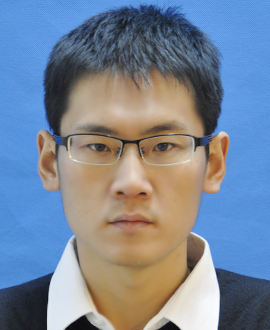 Ri Zhang (张日)合作论文数College of Engineering, Ocean University of China11
 Bin Teng (滕斌)合作论文数State Key Laboratory of Coastal and Offshore Engineering, School of Hydraulic Engineering, Dalian University of Technology11Liu Xiao合作论文数10
 Yanyan Ma (马妍妍)合作论文数College of Marine Geosciences, Ocean University of China10
 Lulu Qiao (乔璐璐)合作论文数College of Marine Geosciences, Ocean University of China10
 Lin Lv (吕林)合作论文数School of Infrastructure Engineering, Dalian University of Technology9
 Heng Jin合作论文数Ningbo Inst Technol, Zhejiang Univ7
 Liqiang Zhao (赵力强)合作论文数College of Communication Engineering, Xidian University;State Key Laboratory of Integrated Service Networks, Xidian University7Yang Xu合作论文数6
 Zhongbo Liu (刘忠波)合作论文数College of Transportation Engineering, Dalian Maritime University6
 Bing Shi (拾兵)合作论文数College of Engineering, Ocean University of China6
 Dong Ding (丁咚)合作论文数College of Marine Geosciences, China Ocean University6
 Yanxu Wang (王延续)合作论文数5Zijian Jin (金子健)合作论文数5
 Fortunatus Masanja合作论文数5
 Lu Lin (林路)合作论文数Central Iron and Steel Research Institute5
 Zegao Yin (尹则高)合作论文数College of Engineering, Ocean University of China5Feifei Fan (范菲菲)合作论文数5Yumiao Wang合作论文数4
 Wang Liyan合作论文数4
 Haoyin Wang合作论文数4
 Liping Yan (严利平)合作论文数中国水产科学研究院东海水产研究所4
 Olusegun A. Dada合作论文数Department of Marine Science and Technology, Federal University of Technology Akure4
 Huilan Yao (姚慧岚)合作论文数Department of Ocean Engineering, College of Engineering, Ocean University of China4
 Pengzhi Lin (林鹏智)合作论文数College of Water Resource & Hydropower, Sichuan University4
 Deng Yuewen (邓岳文)合作论文数广东海洋大学水产学院4
 Huaixin Zhang (张怀新)合作论文数School of Ocean and Civil Engineering, Shanghai Jiao Tong University4Ke Yang合作论文数3Shuyue He合作论文数3Xin Luo合作论文数3Jia-ming Liang合作论文数3
 Zhiwei Song合作论文数3Xiaofan Lou合作论文数3Zuorui Lyu (呂祚叡)合作论文数3Guixiang He合作论文数3Xiao-lei Sun合作论文数3
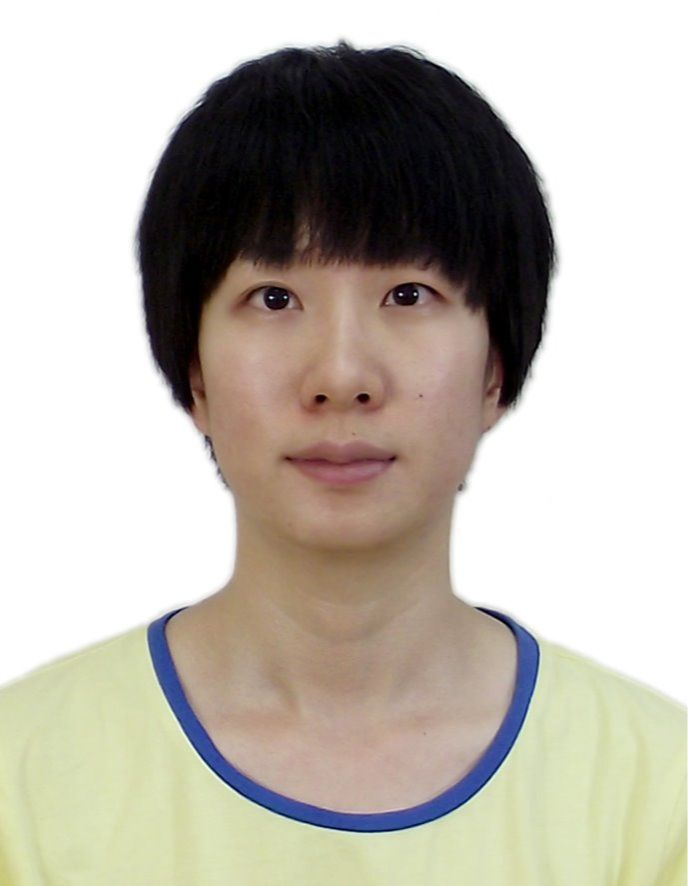 Wenchao Zhang (张文超)合作论文数State Key Laboratory of Marine Resources Utilization in South China Sea, School of Marine Sciences, Hainan University3




