Purpose: To evaluate the feasibility and the preliminary estimate of effect of a 12-week Guolin Qigong (GQ) intervention, a mind-body exercise, on the fatigue-sleep disturbance-depression symptoms among breast, lung and colon cancer survivors. Methods: Forty-one breast, lung, and colon cancer survivors with moderate to severe fatigue as measured by the Brief Fatigue Index were randomised to a GQ intervention (n = 21) or a waitlist control (n = 20). Outcome measures were assessed at baseline, 6, 12 weeks (post-intervention), and 16 weeks (4 weeks post-intervention). The primary feasibility was assessed using recruitment, retention, class attendance, home practice, safety and quantum of missing data. Secondary outcomes of symptom differences across timepoints in fatigue, sleep, and depression were assessed using a Generalised Estimating Equations (GEE) model with a Gaussian family, independent link, exchangeable correlation structure, and robust variance estimation. Results: Forty-one cancer survivors were successfully recruited with a recruitment rate of 72%. Retention was 95% (GQ) and 80% (control) at Week-12 and Week-16. GQ intervention class attendance was 86% for the 12-weeks duration with home practice averaging 5 day/week and 394 minutes/week. Missing data were less than 10%. There were no intervention-related serious adverse events. From baseline to Week 12 or Week 16, the average decreases in fatigue, sleep quality, and depression were 0.66, 0.11, and 1.79 respectively, after adjusting for gender and cancer-type imbalances. Conclusion: GQ was feasible and safe for cancer survivors with fatigue-sleep disturbance-depression symptoms, within the defined small sample size. A larger randomised trial is needed for statistical validation.
Background and Objectives Health guidelines play a central role in informing clinical practice, public health measures and health policy. But their trustworthiness may be undermined by factors such as insufficient methodological rigor, lack of transparency, conflicts of interest, and inconsistent application of established standards. Existing appraisal tools address selected aspects of guideline quality but do not comprehensively assess the trustworthiness of individual recommendations, nor do they adequately reflect recent advances in guideline methodology, including living guidelines, Grading of Recommendations, Assessment, Development, and Evaluation, adaptation, and the use of artificial intelligence (AI). This study aims to develop and validate Transparent, Rigorous, Useable, Standardized, and Trustworthy Guide (TRUSTGUIDES), a globally applicable, flexible set of tools to assess the trustworthiness of health guideline recommendations. We define trustworthiness as distinct from methodological quality: it encompasses not only rigorous methods but also transparency, independence, and applicability, which together determine whether a recommendation merits user confidence. Methods TRUSTGUIDES will be developed through a multistep, mixed-methods process. First, a scoping review and expert consultation will identify existing guideline appraisal tools and inform domains and items generation. Using deductive and inductive approaches, domains and items will be generated and may be refined through focus groups and selected through iterative Delphi surveys involving an international, multidisciplinary working group. TRUSTGUIDES will be validated by assessing internal consistency, inter-rater reliability, content validity, and construct validity, including comparisons with established instruments such as the Grading of Recommendations, Assessment, Development, and Evaluation certainty domains, AGREE II, and PANELVIEW. Psychometric properties will be examined using factor analysis and, as necessary, item response theory models. AI will be integrated both as an object of assessment and as methodological support for tool application, with large language models evaluated against a human reference standard. Conclusion TRUSTGUIDES will be designed to evaluate the trustworthiness of individual guideline recommendations across key factors, including transparency and credibility, and to address relevant domains such as the certainty of evidence, strength of recommendations, conflicts of interest, applicability, adaptability, currency, certification, and the appropriate use of AI. TRUSTGUIDES addresses critical gaps in current guideline appraisal by offering a comprehensive, recommendation-level assessment of trustworthiness aligned with the World Health Organization guideline standard methodology. By integrating AI, our tools will support efficient, transparent, and future-ready guideline evaluation within an evolving health evidence ecosystem.
PURPOSE:Patient-reported outcomes (PROs) assist patients and clinicians in assessing treatment effectiveness and enhancing healthcare quality. This study aims to explore and analyze the application and characteristics of PROs in clinical trials of Traditional Chinese Medicine (TCM). METHODS:This cross-sectional study was based on randomized clinical trials of TCM between January 1, 2010, and December 31, 2022 in International Clinical Trials Registry Platform. For each included trial, data including study phase, design, participant demographics, target diseases, PROs, and PRO measurements were extracted. Trials were categorized into three groups: (1) recorded specified patient-reported outcome tools, (2) referenced patient subjective outcomes without specified tools, and (3) did not mention any PROs. Further descriptive statistical analysis were conducted on the most commonly used PRO tools in different countries and for different diseases. RESULTS:Among a total of 7783 eligible trials, 4858 (62.4%) listed explicit PRO tools, and 850 (10.9%) referenced PROs without specified tools. The most common conditions evaluated by PRO tools were musculoskeletal diseases (935 trials, 19.2%), symptoms (714, 14.7%), and neurological diseases (500, 10.3%). Frequently used PRO tools included the Visual Analogue Scale (VAS), 36-item Short-Form Health Questionnaire, and Pittsburgh Sleep Quality Index. Regionally, most PRO-related trials were in the Western Pacific (3904, 68.4%) and fewest in Africa (8, 0.1%). Countries conducting the most PRO-related trials were China, Iran, the USA, South Korea, and Brazil, focusing on musculoskeletal, symptoms, neurological, genitourinary, and digestive diseases, with varying popular disease-specific PRO tools by country. Musculoskeletal diseases were the primary focus in China, Brazil, and South Korea. CONCLUSIONS:The use of PROs in TCM clinical trials has grown during the study period. However, there was an uneven regional distribution of PRO application and a lack of standardized, reliable PRO tools tailored for TCM. Great efforts are needed to enhance the quality and promote the use of PRO tools in TCM clinical research.
The clinical treatment of ischemic stroke(IS) has long been plagued by the time window and complication risks of recanalization therapies, as well as the bleeding risk of antithrombotic therapy, making it urgent to explore safe and effective new regimens. Salvianolic Acid for Injection(SAFI), a TCM preparation with neuroprotective properties and the ability to improve cerebral blood flow, lacks large-sample clinical validation regarding its systematicness, efficacy, and safety of application in IS patients. This study relied on a clinical trial based on a multicenter, prospective, single-arm objective performance criteria method(registration No. ChiCTR1900026178), enrolling 2 203 IS patients with an onset time of 7-90 d and National Institutes of Health Stroke scale(NIHSS) scores of 4-20. All patients received intravenous infusion of SAFI at dose of 100 mg per day for 14 consecutive days. The primary efficacy indicator was the proportion of patients with a modified Rankin scale(mRS) scores of 0-1 at 90 d after treatment(preset target value of 35%). Secondary efficacy indicators include the proportion of patients with mRS scores recovers to 0-1 at 28 d after treatment, the comparison of NIHSS scores at 7, 14 d after treatment with the baseline, the proportion of patients with Barthel index(BI) scores≥75 at 7, 14, 28, and 90 d after treatment, and the comparison of MMSE scores with the baseline. The incidence, severity, and drug correlation of adverse events were evaluated via vital sign monitoring, laboratory examinations, etc. The binomial test(one-sided α=0.025) was used for primary endpoint analysis, and the 95%CI was calculated by the Clopper-Pearson. RESULTS:: show that among 2 127 patients who completed the trial, 47.91% of these patients(95%CI[45.77%, 50.06%]) achieve the primary endpoint, which is significantly higher than the preset objective value(P<0.000 1). NIHSS scores of patients decrease significantly from baseline scores of(6.57±3.20) to(4.62±3.33) at 14 d after treatment(P<0.000 1), with 23.79% of patients achieving scores improvement of ≥4 points or scores of 0-1. The proportion of patients with BI scores ≥75 increases from the baseline of 41.18% to 74.52% at 90 d after treatment(P<0.000 1), and MMSE scores rises from baseline scores of(22.16±8.03) to(23.95±7.38) at 90 d after treatment(P<0.000 1). In terms of safety, the incidence rates of adverse events and serious adverse reactions are 27.49% and 3.19%, respectively, with no fatal event reported. This study confirmed that SAFI can significantly improve neurological function, capabilities of daily living, and cognitive function in patients with mild to moderate IS at 7-90 d after onset, with a favorable safety profile. The trial design combining single-arm and objective performance criteria method employed in this study provides an innovative paradigm for the clinical evaluation of TCM injections and offers high-quality evidence for the clinical treatment of IS.
Children are increasingly involved in clinical trials, yet their own perspectives on participation are often overlooked in favor of parental or professional views. Understanding children’s lived experiences is essential for improving trial design and ethical practice. We conducted a systematic review and qualitative evidence synthesis of studies exploring children’s experiences and perspectives regarding clinical trial participation. We searched PubMed, Embase, APA PsycInfo, APA PsycArticles, CINAHL, Web of Science, and three Chinese databases from inception to January 1, 2026. Two reviewers independently screened studies, extracted data, and assessed quality. Data were synthesized using the thematic synthesis method and confidence in the findings was assessed using the GRADE-CERQual approach. A total of 56 qualitative interview studies involving 2,101 children from 15 different countries were included.The synthesis identified three overarching analytic dimensions that frame the child’s participation journey: (1) Negotiating Agency within Information Asymmetry, where children strive for control despite limited understanding; (2) Relational Autonomy in the Child-Parent-Professional Triad, highlighting that children’s decision-making is deeply embedded in social relationships; and (3) The Dynamic Balance of Burden and Altruism, where children continuously weigh personal risks against altruistic benefits. These dimensions encompassed six descriptive themes: children’s understanding of trial components; requests for personal rights; influence of other people; potential benefits; potential concerns; and the trial participation experience. Children’s participation in clinical trials is not a single decision but a dynamic, relational process. The findings support a shift from protecting children from research to protecting them through ethical engagement. Researchers should adopt a stance of “ethical symmetry,” treating children’s assent with the same ethical gravity as adult consent, and facilitate “relational autonomy” by supporting the child-parent-professional triad. Tailored, age-appropriate information and continuous emotional support are critical to optimizing children’s trial experiences.
Background Single-arm studies using Objective Performance Criteria (OPC) or Performance Goals (PG) offer an alternative when concurrent controls are impractical. This approach holds particular promise in traditional Chinese medicine (TCM), where strong patient preferences limit the feasibility of concurrent controls. However, the derivation and reporting of OPC/PG lack standardization. Methods Eight databases were searched for single-arm studies using OPC/PG as comparators. Data sources and derivation methods of OPC/PG were extracted; transparency and replicability were evaluated. Derivation methods were categorized and assessed; applications in TCM were summarized. Multiple correspondence analysis (MCA) examined associations among derivation methods, disease categories, and intervention types. Results A total of 125 single-arm studies with 178 OPC/PG were included. Only 41 OPC/PG were replicable, including 32 direct quotations. Seven derivation methods were identified: quotation of existing OPC/PG (7.3%), regulatory authority-defined (3.4%), meta-analysis (10.1%), statistical model derivation (3.9%), weighted averaging of multiple studies (15.7%), quotation from a single study (17.4%), and investigator-defined (42.1%). In TCM, seven studies with nine OPC/PG were included; five were quoted from a single study, and four were investigator-defined. MCA revealed TCM clustered with simple OPC/PG derivation methods and diverse disease areas. Conclusion OPC/PG derivation is characterized by diverse methods, insufficient reporting, and poor replicability, with most approaches not aligned with FDA guidance. In TCM, applications as explicitly reported in the studies included in this review remain exploratory, relying on simple derivation methods and lacking transparency. Standardized methodological guidance and reporting checklists are urgently needed, particularly for TCM. Protocol registration The protocol of this study was registered on Open Science Framework Registries (10.17605/OSF.IO/EJT5W).
Background Objective performance criteria (OPCs) are critical for evaluating efficacy in single-arm trials. This study aimed to examine current practices and methodological challenges in establishing OPCs in single-arm trials of traditional Chinese medicine (TCM). Methods PubMed, Embase, the Cochrane Library, CNKI, Wanfang, and VIP were searched for TCM single-arm trials using OPCs published up to December 2025. Data on OPC sources, population comparability, uncertainty quantification, and primary outcome alignment were extracted and descriptively analysed. Results Twelve studies (13 publications; 1134 participants) conducted in China (2019-2025) evaluated Chinese herbal decoctions (n=9), proprietary Chinese medicines (n=2), or acupuncture plus rehabilitation (n=1) across kidney, neurological, gynaecological and other conditions. OPCs were derived from prior clinical studies (n=6), meta-analyses (n=5), or a synthesis of clinical experience and literature (n=1). Three studies reported 95% confidence intervals, and four justified population comparability. Ten studies exhibited limited comparability due to differences in disease duration, severity, or assessment timing. One study mentioned expert discussion but provided no details. Eleven studies reported a clear primary outcome, among which ten aligned their OPCs accordingly and one based its OPC on a secondary outcome. Only one study lacked an explicit primary outcome definition. Four studies based their OPCs on non-standardised composite outcomes such as remission rate. Conclusions Current TCM single-arm trials face challenges in establishing OPCs, including incomplete reporting, poor population comparability, inadequate uncertainty quantification, and non-standardised endpoints. Future studies should adopt transparent and contextually appropriate OPC specification guidelines, ensuring methodological rigour in source selection, population comparability, and outcome definition.
OBJECTIVES:This is a protocol for a Cochrane Review (intervention). The objectives are as follows: To investigate whether acupuncture is more effective than 'sham' (placebo) acupuncture, no preventative treatment or routine care only, or other interventions, in reducing headache frequency in people with episodic migraine.
Background: Traditional Chinese medicine (TCM) could contribute to achieving universal health coverage as part of essential healthcare services. This study aimed to evaluate the health resources and services utilization of TCM hospitals in China from 2002 to 2021. Methods: This cross-sectional study analyzed data related to physical resources (hospitals, and beds), human resources (practitioners, licensed (assistant) TCM doctors, and TCM pharmacists), services utilization (outpatient and emergency visits, admission and discharged patients), bed utilization, and health needs of TCM hospitals in China from 2002 to 2021. Data of TCM hospital resources and services utilization were extracted from the China Statistical Yearbooks of Chinese Medicine. The incidence of Class A and B data notifiable infectious diseases were sourced from the National Bureau of Disease Prevention and Control, while maternal and infant mortality rates were obtained from the China Health Statistical Yearbooks. WHO's comprehensive evaluation model and the Rank Sum Ratio (RSR) method were used to rank, and categorize the services provided by TCM hospitals from 2002 to 2021. Results: The number of TCM hospitals, beds, and practitioners in China grew annually, but their proportion was modest, at 15.63 %, 16.15 %, and 16.73 % in 2021. The number of outpatient visits, emergency visits, discharged patients, and admissions in TCM hospitals increased from 253,007 thousand, 15,976 thousand, 8,163 thousand, and 8,205 thousand visits in 2007 to 611,615 thousand, 53,795 thousand, 31,519 thousand, and 31,620 thousand visits in 2021, respectively. The bed occupancy rate in TCM hospitals has been consistently below 85 % since 2015, showing a gradual decrease over time. Between 2007 and 2021, the RSR values for resources and health needs showed continuous growth, reaching over 0.95 in 2021. WHO's comprehensive evaluation model indicated that TCM hospitals experienced high health needs and resources but medium services utilization in 2020 and 2021. Conclusions: Health resources and services utilization of TCM hospitals in China have snowballed, but their share has remained low. Meanwhile, the healthcare services in TCM hospitals have been underutilized. In the future, China should strengthen the provision and utilization of TCM medical services, and improve the utilization rate of healthcare services in TCM hospitals.
Objective This study aimed to present and evaluate an innovative evidence dissemination competition based on Cochrane evidence through participants’ perceptions, barriers, and feedback about evidence dissemination. Methods We evaluated competition participation, the submissions and their dissemination on social media. An online questionnaire was also conducted to analyze participants’ perceptions, barriers, and feedback about the competition and evidence dissemination. Microsoft Excel and IBM SPSS (26.0) were used to analyze the data. Results A total of 80 text-graphics and 14 short videos submissions in 10 dissemination formats were created by 173 participants. Once disseminated on WeChat, submissions received considerable attention. Questionnaires received revealed the most chosen motivations for participation in personal skills development, including “furthering studies in EBM” (60.7%, 105/173). Previous works (64.2%, 108/173) and social media information (53.2%, 92/173) were the main sources of inspiration. Lack of knowledge in clinical trials was the most prevalent barriers. Only few participants (medical background: 12.9%, nonmedical background: 18.3%) could understand the original English version without translation. Suggested improvement for the competition included “increase competition impact,” while expectations for future evidence dissemination included “disseminate through more social media platforms.” Conclusions The third Cochrane Dissemination Competition provided a valuable opportunity for participants to demonstrate their creativity while deepening their understanding of medical evidence, representing a successful attempt to disseminate high-quality Cochrane evidence to the public via Chinese social media. Key elements identified provide valuable insights for evidence dissemination to the public by health professionals via social media.
ObjectiveTo investigate the governance requirements for real world data (RWD) in China's medical standards and specifications, summarize key technical aspects of data governance, and provide references for RWD governance-related research.MethodsComputerized searches were conducted in CNKI, Wanfang Data, VIP, and SinoMed, as well as the official websites of 29 national medical societies and the National Standard Information Public Service Platform, covering all records from inception to December 12, 2023. A data extraction form was developed, and the included standards and specifications were categorized according to the first six RWD governance processes outlined in the Guidelines for Real World Data Used to Generate Real-World Evidence (Trial) issued by the National Medical Products Administration: data security, data extraction, data cleaning, data transformation, data transmission and storage, and quality control. Relevant content on data governance was systematically summarized and comparatively analyzed.ResultsA total of 32 standards and specifications were included, comprising 15 foundational medical data standards and 17 data governance technical specifications. Among these, 6 addressed data security, 6 covered data extraction, 5 focused on data cleaning, 5 involved data transformation, 6 pertained to data transmission and storage, and 4 discussed quality control. Foundational medical data standards included data description elements, terminology, and format standards, broadly covering essential data elements and meeting basic standardization needs. Data governance technical specifications primarily provided general guidelines for medical data governance, emphasizing requirements and recommendations. While requirements for data security and extraction were relatively well-defined, technical guidance on data transformation and quality control remained limited, and implementation pathways for data cleaning, transmission, and storage were insufficiently detailed.ConclusionsAs real-world evidence plays an increasingly critical role in healthcare decision-making, China's medical standards and specifications have established a preliminary governance framework for RWD. However, technical details and practical implementation of RWD governance still require further refinement.
Background and objective:Nowadays, the number of acupuncture clinical trials is dramatically increasing. In acupuncture clinical research, patient-reported outcome measurements are important evaluation tools, but there is a lack of systematic survey. This study aims to evaluate the characteristics and application of PRO measurements in acupuncture clinical trials in mainland China, further exploring and developing patient-reported outcomes (PROs) that are in line with the characteristics of acupuncture treatment. Methods:This cross-sectional study analyzed acupuncture clinical trials in mainland China (2010-2022). Data were extracted from ClinicalTrials.gov and the Chinese Clinical Trial Registry. Acupuncture interventional clinical trials conducted or recruited in mainland China were included. For each included trial, data were extracted on aspects including the clinical trial phase, study setting, participant age, disease, and PRO measurements. Descriptive statistics were performed using Stata 14.0 (StataCorp). Microsoft Excel 2020 (Microsoft Corporation, Redmond, WA, United States) and python3.9 (Netherlands) were used to analyze and display the PROs data. Results:Out of a total of 962 trials, 193 trials listed PROs as primary outcomes, 208 trials listed PROs as secondary outcomes, and 342 trials listed PROs as co-primary outcomes. Musculoskeletal symptoms (13.5%), neurological disorders (11.7%), and mental health conditions (9.6%) were the most common conditions assessed by PRO tools. The Visual Analogue Scale (VAS) was the most frequently used measurement (30%), followed by concepts related to health-related quality of life (HRQOL). The Pittsburgh Sleep Quality Index (PSQI), 36-Item Short Form Survey (SF-36), and Self-Rating Depression Scale (SDS) were the most common PRO tools utilized in these trials. Clinical trials incorporating PROs were predominantly conducted in the eastern, northern, and southwestern regions of mainland China. Only a part of acupuncture clinical trials (15.2%) used placebos and reported PRO. Conclusions and relevance:In this cross-sectional study, the use of PROs has increased over the past few decades based on acupuncture clinical trials conducted in mainland China. Given the uneven distribution and lack of acupuncture-specific PROs in the application of acupuncture clinical trials, further attention should be paid to the standardization and regulation of acupuncture-specific scales in the field of acupuncture clinical research.
Background: Evidence-informed decision-making (EIDM) presents unique challenges for traditional, complementary and integrative medicine (TCIM). To aid decision-making, a critical interpretive review was updated to examine how internationally and nationally endorsed consensus statements on guideline development and policy briefs, along with TCIM-specific recommendations may address these challenges. Methods: The review drew on critical interpretive synthesis and rapid review methods. PubMed, CINAHL and AIMED were searched on 19 January 2024. Single reviewers conducted the screening and extracted descriptive data. Analysis began deductively from the original review themes and developed iteratively. Results: Included were 167 publications. Over the past decade, evidence-to-decision (EtD) frameworks have considered a broader range of modifying factors (e.g., importance of the problem, stakeholder preferences, feasibility, costs, health equity, human rights, social impacts) that may warrant making a stronger recommendation despite lower certainty evidence, and vice versa. Additional strategies proposed by TCIM guideline developers included systematically incorporating multiple evidence sources and developing TCIM extensions for reporting guidelines. Four interrelated themes affirmed the importance of 1) transparent and inclusive decision-making, 2) ensuring the scope and framing of the problem are sensitive to TCIM contexts, 3) using diverse types of evidence in EtD frameworks and when there is evidence uncertainty, and 4) centering equity, including epistemic equity, throughout the EIDM process. Conclusion: Advancing EIDM methodologies specifically for TCIM guideline development and policy can help decision-makers navigate evidence uncertainty to support the appropriate integration of TCIM into global health systems. Protocol registration: International Platform of Registered Systematic Review and Meta-analysis Protocols: INPLASY202510066.
Currently, there are practical and technical difficulties in the construction of clinical questions in the development of clinical practice guidelines. Clinicians or guideline developers seldom construct clinical questions based the actual case scenario, leading to some information loss between structured and actual clinical connotation. To overcome this challenge, we proposed a case-guided questions construction approach, and carried out case research and verification in the formulation of the guideline. We found that this method could more efficiently and scientifically assist the formulation of clinical questions, and provide reference for clinicians or guideline developers.
BACKGROUND AND PURPOSE:Cardiovascular diseases (CVD) represent a major global health challenge. Clinical research is increasingly leveraging patient perspectives to evaluate the efficacy of Traditional Chinese Medicine (TCM) in treating these conditions. This study reviews and summarizes the application and characteristics of Patient-reported outcomes (PROs) in TCM for CVD, the overarching goal is to provide a resource that can guide potential research directions for PROs endpoints in future TCM CVD clinical research. METHODS:We searched clinical studies of TCM for CVD from the World Health Organization International Clinical Trials Registry Platform registered between January 1, 2010, and February 22, 2025. The outcome types, whether PRO measures (PROMs) explicitly mentioned, study design, clinical study phases,age, gender, and geographic region were analyzed. We classified the studies that explicitly specified PROs into 15 categories based on the International Classification of Diseases-11 (ICD-11),and compared their PROMs with the Core Outcome Measures in Effectiveness Trials (COMET). RESULTS:A total of 636 TCM CVD studies were included, of which 394 employed PROs. However, 103 studies did not specify the PROMs utilized, including 33 that involved TCM syndrome scores. None of the most frequently used PROMs were TCM-specific. The most frequently studied disease categories - chronic coronary heart diseases and heart failure - employed PROMs that were basically aligned with COMET recommendations. In contrast, other disease categories were not aligned with COMET. CONCLUSION:In TCM clinical research on CVD, PROs have been commonly adopted as outcome measures, with usage steadily increasing. However, the application of TCM-specific PROMs remains limited, revealing a significant gap. PROMs recommended by COMET should be further investigated across a broader range of CVD categories. Furthermore, there is an urgent need for patient-centered research on TCM syndrome scores, highlighting the importance of developing robust, standardized TCM-specific PROMs tailored to this field.
Acupuncture is a widely practised modality in complementary and alternative medicine, with demonstrated efficacy in managing nonspecific low back pain. Despite its inclusion in international guidelines, formal protocols for developing acupuncture-specific clinical recommendations remain insufficient. The present study outlines the methodology employed to develop the clinical practice guideline for acupuncture-moxibustion in nonspecific low back pain, using a representative clinical question to illustrate each phase of development. The guideline development process involved a systematic compilation of clinical evidence and a critical examination of evidence quality and applicability within real-world clinical settings. The results present a structured, transparent process for achieving expert consensus and generating guideline recommendations and treatment protocols. The study provides a replicable framework for developing acupuncture clinical practice guidelines, thereby contributing to the broader standardization of acupuncture practice and its integration into evidence-informed healthcare.
PURPOSE:Many cancer patients express interest in using herbal medicine during chemotherapy, but little is known about its benefits and risks. This study aimed to evaluate the effects of the Chinese herbal medicine JianPi-BuShen formula (JPBS) on adjuvant chemotherapy completion in colon cancer patients. PATIENTS AND METHODS:This multi-center, phase III, randomized, placebo-controlled trial included patients with stage II (high risk for recurrence) and stage III colon cancer following surgery, planning to receive CAPOX (capecitabine and oxaliplatin) chemotherapy. Patients were randomized 1:1 to receive either JPBS or a placebo. The primary outcome was the completion rate of planned chemotherapy cycles. Secondary outcomes included relative dose intensity (RDI), chemotherapy-induced toxicities, quality of life (measured by the Edmonton Symptom Assessment System - ESAS), adverse events (AEs), and serious AEs (SAEs). Predefined subgroup analyses were performed by age (>65/≤65) and TNM stage (II/III). RESULTS:A total of 376 participants were analyzed, with a median age of 60.3 years; 56.9 % were male, and 67.6 % had stage III disease. Chemotherapy completion was significantly higher in the JPBS group than in the placebo group (63.0 % vs. 47.6 %, P = 0.003). Oxaliplatin RDI was also higher in the JPBS group (P = 0.049). Subgroup analyses showed JPBS significantly improved completion rates for stage II patients (73.0 % vs. 42.4 %, P = 0.001) and younger patients (66.9 % vs. 48.8 %, P = 0.004). JPBS reduced grade ≥ 2 vomiting (3.8 % vs. 6.4 %, P = 0.007) but increased grade ≥ 2 thrombocytopenia (16.2 % vs. 12.4 %, P = 0.012). Quality of life improved in stage II and younger patients. CONCLUSION:JPBS improved chemotherapy completion rates in stage II and younger colon cancer patients without compromising tolerability. Further research is needed to explore its mechanisms and long-term effects.
Background/Objectives: Oncology acupuncture is emerging as a complementary treatment in pediatric cancer care centers. It is valued for its potential to manage symptoms associated with cancer and treatment toxicities without increasing polypharmacy. The aim of this review is to evaluate the efficacy and safety of acupuncture and related techniques in alleviating symptoms of cancer treatment in pediatric oncology patients. Methods: A comprehensive search was conducted across nine databases, including PubMed, Cochrane Library, and CNKI, up to June 2023. Inclusion criteria focused on randomized and quasi-randomized controlled trials involving pediatric oncology patients undergoing needle acupuncture or related techniques. Study selection and data extraction were independently performed by pairs of authors. Results were analyzed narratively, and meta-analysis was performed when possible. Results: Results suggest that acupuncture may help manage symptoms such as nausea and vomiting in pediatric oncology patients. However, the quality of evidence was generally low, and further research is required to substantiate these findings. Conclusions: Acupuncture shows promising results as a complementary treatment for reducing nausea and vomiting in pediatric oncology. However, current evidence is insufficient to draw conclusions for other outcomes, such as the number of vomiting episodes, reduction in antiemetic medication use, or fatigue. High-quality, rigorously designed studies are necessary to better understand the clinical relevance and safety of acupuncture in this vulnerable population.
Background: Cancer-related fatigue and its associated symptoms of sleep disorder and depression are prevalent in cancer survivors especially among breast, lung, and colorectal cancer survivors. While there is no gold standard for treating cancer-related fatigue currently, studies of mind-body exercises such as Qigong have reported promise in reducing symptoms. This study was designed to evaluate the feasibility and effect of Guolin Qigong on cancer-related fatigue and other symptoms in breast, lung and colorectal cancer survivors while exploring their perceptions and experiences of Guolin Qigong intervention. Methods: This is an open-label randomized controlled trial with 60 participants divided into 2 study groups in a 1:1 ratio. The intervention group will receive 12 weeks of Guolin Qigong intervention with a 4-week follow-up while control will receive usual care under waitlist. The primary outcome will be feasibility measured based on recruitment and retention rates, class attendance, home practice adherence, nature, and quantum of missing data as well as safety. The secondary subjective outcomes of fatigue, sleep quality and depression will be measured at Week-1 (baseline), Week-6 (mid-intervention), Week-12 (post-intervention), and Week-16 (4 weeks post-intervention) while an objective 24-hour urine cortisol will be measured at Week-1 (baseline) and Week-12 (post-intervention). We will conduct a semi-structured interview individually with participants within 3 months after Week-16 (4 weeks post-intervention) to obtain a more comprehensive view of practice adherence. Discussion: This is the first mixed-method study to investigate the feasibility and effect of Guolin Qigong on breast, lung, and colorectal cancer survivors to provide a comprehensive understanding of Guolin Qigong’s intervention impact and participants’ perspectives. The interdisciplinary collaboration between Western Medicine and Chinese Medicine expertise of this study ensures robust study design, enhanced participant care, rigorous data analysis, and meaningful interpretation of results. This innovative research contributes to the field of oncology and may guide future evidence-based mind-body interventions to improve cancer survivorship. Trial registration: This study has been registered with ANZCTR (ACTRN12622000688785p), was approved by Medical Research Ethic Committee of University Malaya Medical Centre (MREC ID NO: 2022323-11092) and recognized by Western Sydney University Human Research Ethics Committee (RH15124).
 Jianping Liu (刘建平)合作论文数Centre for Evidence-Based Chinese Medicine, Beijing University of Chinese Medicine110
 Ruyu Xia合作论文数37
 Huijuan Cao (曹卉娟)合作论文数School of Traditional Chinese Medicine, Beijing University of Chinese Medicine32QianYun Chai (柴倩云)合作论文数28
 Xun Li (李迅)合作论文数School of Traditional Chinese Medicine, Beijing University of Chinese Medicine27Hongguo Rong合作论文数23
 Mingkun Yu合作论文数23
 Changhao Liang合作论文数20
 Ya Tu (图娅)合作论文数School of Acupuncture -Moxibustion and Tuina, Beijing University of Chinese Medicine16Ruixue Hu (胡瑞学)合作论文数15
 Xiao-Yang Hu合作论文数Department of Primary Care and Population Health Sciences, University of Southampton15Yuting Feng合作论文数14
 Mei Han (韩梅)合作论文数School of Traditional Chinese Medicine, Beijing University of Chinese Medicine14
 Gordon Guyatt合作论文数Departments of Medicine, Faculty of Health Sciences, McMaster University14Minjing Luo合作论文数11
 Ying Zhang (张颖)合作论文数School of Traditional Chinese Medicine, Beijing University of Chinese Medicine11
 Merlin Willcox合作论文数Department of Primary Care and Population Sciences, University of Southampton;Primary Care Research Centre, University of Southampton11Moore Michael合作论文数10Yicheng Gao合作论文数9Bingcong Zhao (赵冰骢)合作论文数首都医科大学附属北京中医医院9YuJing Shi (时宇静)合作论文数9
 Nicola Robinson合作论文数London South Bank University Institute of Health and Social Care, London, United Kingdom9Zhihan Liu合作论文数8CHU Zhulang (储著朗)合作论文数8LingZi Wen (温玲子)合作论文数8Hong Yang (杨红)合作论文数8
 Reed Siemieniuk合作论文数Department of Health Research Methods, Evidence, and Impact, McMaster University8
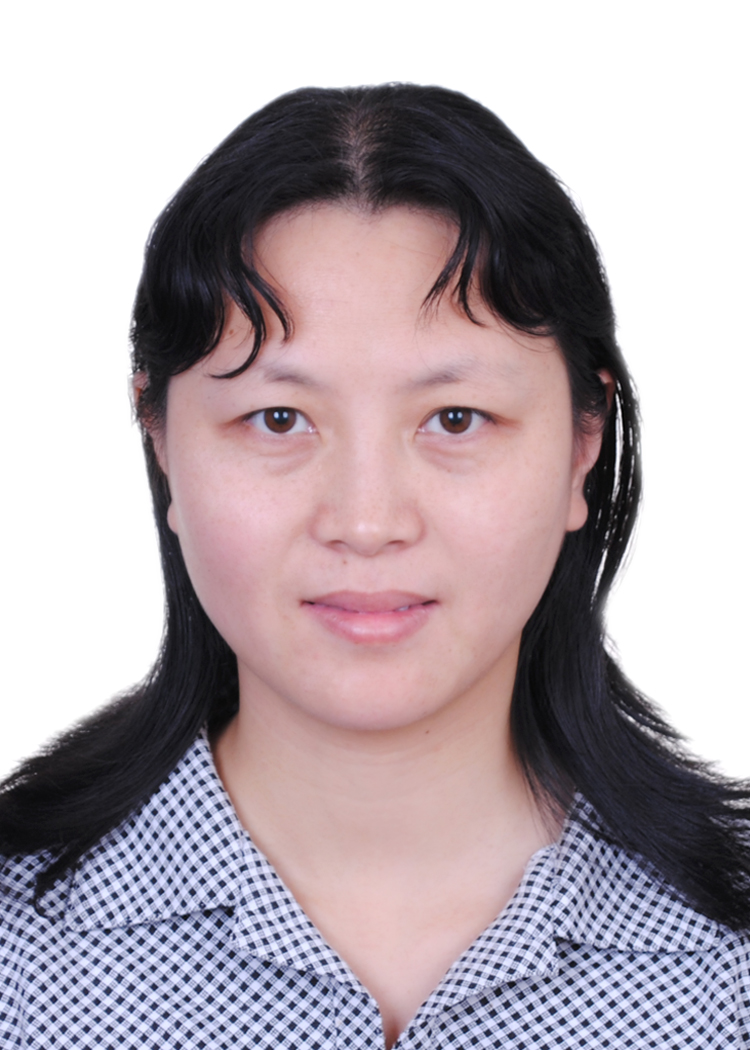 Jun Lu (卢峻)合作论文数School of Acupuncture-Moxibustion and Tuina, Beijing University of Chinese Medicine8
 He Yu (于河)合作论文数School of Traditional Chinese Medicine, Beijing University of Chinese Medicine;Third Affiliated Hospital, Beijing University of Chinese Medicine8
 Yufei Yang (杨宇飞)合作论文数Xiyuan Hospital of China Academy of Chinese Medical Sciences8DONG Yue (董玥)合作论文数7WANG Yaqi (王雅琦)合作论文数7Alexander Paul E合作论文数7
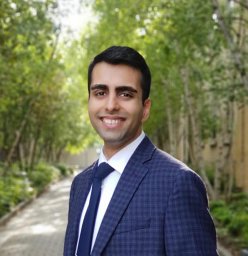 Arnav Agarwal合作论文数Dept Med, Univ Toronto7Xinjing Yang (杨昕婧)合作论文数7
 Shi-Bing Liang合作论文数6BaoYong Lai (来保勇)合作论文数6WenYuan Xiang (向文远)合作论文数6
 Tao Liyuan (陶立元)合作论文数北京大学第三医院6
 Tuya Bao合作论文数5YIN Guanxiang (尹冠翔)合作论文数5Sai-Nan Fang合作论文数5Ziyi Lin合作论文数5
 Chen Shen合作论文数5
 Carles Fernandez合作论文数5Yingjie Deng合作论文数5Jiaqi Gao合作论文数5Rui Fang合作论文数5Tao Yang (杨涛)合作论文数5




