Endometrial cancer(EC),the second most common gynaecologic malignancy,faces challenges in precision treatment due to limited predictive models for therapy selection.Patient-derived organoids,which recapitulate tumour heterogeneity and microenvironment,offer a transformative platform for drug sensitivity testing and personalised therapy.However,standardised protocols for establishing EC organoids,biobanking and clinical translation remain lacking consensus.This expert consensus proposes guidelines for EC organoid culture optimisation,characterisation and clinical validation.By harmonising technological advances with clinical needs,this consensus aims to accelerate the integration of organoid models into EC precision medicine,ultimately improving therapeutic outcomes.
Fertility-preserving treatments for young women with endometrioid endometrial carcinoma (EEC) have limited effectiveness, with only ∼50% of patients responding to first-line progesterone therapy. The absence of reliable methods to predict clinical response during the six-month treatment window creates substantial clinical uncertainty. Here, we developed EEC patient-derived tumor-like cell clusters (PTCs). Utilizing label-free hyperspectral stimulated Raman scattering microscopy in PTCs, we identified cholesteryl ester as an independent biomarker for progesterone response, achieving 86.2% predictive accuracy in a retrospective clinical cohort. Strikingly, progesterone-insensitive patients receiving progesterone-statin combination therapy exhibited a significantly higher 6-month complete response rate compared to those treated with progesterone alone (66.67% vs. 7.69%; HR = 13.00, 95% confidence interval (CI): 2.80-60.28, P < 0.001), including one documented case of post-treatment conception culminating in live birth. Mechanistically, fibroblast-specific cholesteryl ester accumulation was strongly associated with progesterone insensitivity. These results present a biomarker-guided strategy to optimize personalized fertility-preserving therapies in EEC.
Objective This study aimed to retrospectively characterise the clinical features of unexpected malignant endometrial lesions identified incidentally in patients undergoing hysterectomy for pelvic organ prolapse (POP) repair, and to identify potential high-risk factors to guide preoperative screening decisions in this population. Methods This study retrospectively reviewed patients who underwent hysterectomy for POP repair at Peking University People’s Hospital, a tertiary medical centre, between January 2008 and February 2024. A consecutive case series of women with unexpected postoperative malignant endometrial pathology was recruited. Demographic characteristics and auxiliary examination results were analysed to summarise the clinical features of these cases. Results Among 3588 asymptomatic women with negative preoperative auxiliary examinations who underwent concurrent hysterectomy for POP repair, 11 cases (0.3%) of unexpected malignant postoperative endometrial pathology were identified. Of these, 10 were endometrioid carcinoma, and one was uterine serous carcinoma; secondary staging surgery was performed in seven patients. Key clinical features among these 11 cases included advanced age (72.7%), overweight or obesity (60%) and hypertension (63.6%). Other comorbidities included hyperlipidaemia (27.3%), cardiovascular disease (18.2%), cerebrovascular disease (18.2%), diabetes (18.2%) and fatty liver (18.2%). Late-onset menopause or abnormal menstrual cycle history were seen in 9.1%. Tumour markers (CA125, CEA), though not routinely tested, were elevated in some patients. Notably, among cases with only overweight or obesity, 60% of occult cancers were identified. This detection rate increased to 90.9% with the addition of one metabolic syndrome complication and reached 100% in those with overweight and two or more metabolic syndrome components. Conclusion Unexpected endometrial malignancy was identified in 0.31% of asymptomatic women undergoing hysterectomy for POP repair despite negative preoperative screening. Overweight or obesity combined with metabolic syndrome components may represent a clinically relevant high-risk profile warranting consideration of targeted preoperative endometrial evaluation in women planning uterine-preserving pelvic floor repair, though prospective validation is needed before formal recommendations can be established.
Background: Uterine sarcomas are rare, heterogeneous malignancies with distinct pathological behaviors. This study aimed to identify clinicopathological characteristics, prognostic risk factors, and potential therapeutic targets to enhance clinical management. Methods: A retrospective analysis was conducted on 148 patients with uterine sarcoma treated at Peking University People's Hospital between 1996 and 2025. Clinical outcomes, pathological subtypes, and immunohistochemical profiles were assessed. Additionally, bioinformatics analyses from RNA bulk sequencing of GEO datasets (GSE87581, GSE85383, GSE222045 and GSE64763) were performed to elucidate molecular characteristics across subtypes. Results: The most prevalent subtypes were uterine leiomyosarcoma (uLMS; 38.5%) and low-grade endometrial stromal sarcoma (LG-ESS; 29.7%). The 5-year recurrence rate was 50.5%, with frequent metastases to the pelvis and lungs. LG-ESS demonstrated the most favorable 5-year survival rate (90.3%), significantly higher than that of uLMS (61.8%) and undifferentiated uterine sarcoma (50.0%). Multivariate analysis identified histological subtype, stage, and coagulative necrosis as independent prognostic factors for overall and progression-free survival. Transcriptomic profiling revealed immunosuppression (CSF1R/CSF3R expression) in high-grade ESS, while uLMS exhibited activation of cell cycle and homologous recombination pathways. Conclusions: Histological subtype, stage, and coagulative necrosis were critical prognostic factors in uterine sarcoma. The findings suggest that vigilant pulmonary surveillance and further investigation into tailored therapeutic strategies may be warranted-including endocrine therapy for hormone-receptor-positive tumors, immunotherapy for high-grade ESS, and PARP inhibitors for uLMS. However, these hypotheses require thorough preclinical and clinical validation. Additionally, caution should be exercised to avoid overtreatment of chemotherapy in early-stage uLMS.
Endometrial cancer (EC) is the sixth most common malignancy among women worldwide and has traditionally been regarded as a disease predominantly affecting peri-menopausal and postmenopausal women. However,over recent decades,both the incidence of EC and the proportion of younger patients have increased substantially(1). This epidemiological shift is closely associated with delayed childbearing,the obesity epidemic,and the increasing prevalence of metabolic syndrome,polycystic ovary syndrome (PCOS),insulin resistance,and type 2 diabetes mellitus. Consequently,an increasing number of women are diagnosed during their reproductive years,often prior to completion of childbearing. This trend has fundamentally altered the clinical landscape of EC management. Although total hysterectomy with bilateral salpingo-oophorectomy remains the standard treatment and provides excellent oncologic outcomes,it inevitably results in permanent loss of fertility and may exert profound psychological,reproductive,and endocrine consequences in young patients. Therefore,fertility-sparing treatment (FST) has emerged as an increasingly important therapeutic option for carefully selected women with early-stage,low-risk disease who desire future fertility preservation.
Background: Various controversial conclusions exist regarding the reproductive toxicity of cyclophosphamide, creating uncertainties about the recovery timeline of maternal reproductive capacity and offspring health. Methods: Using a mouse model with a clinically relevant cyclophosphamide dosing regimen, we examined the recovery of female reproductive function after exposure and the long-term survival and development of their offspring. Results: Our findings revealed that cyclophosphamide exposure shortened the maternal reproductive lifespan, characterized by early fertility impairment at one week (p < 0.05), transient recovery at two weeks (p > 0.05), a subsequent decline at four weeks with further deterioration, and eventual progression to infertility at six months (p < 0.01). F1 pups from the cyclophosphamide group exhibited growth restriction, higher mortality rates, delayed pubertal onset, and impaired neurodevelopment during long-term follow-up. Although some parameters transiently improved at 2 weeks post-withdrawal, these abnormalities persisted or recurred at 4 and 8 weeks, indicating that developmental defects were not lessened by prolonging the medication withdrawal period. Conclusions: These findings demonstrate irreversible gonadotoxicity and developmental toxicity following cyclophosphamide exposure in this mouse model.
Hematological diseases to be treated with HSCT are a definite indication for fertility preservation (FP). Ovarian tissue oocyte in vitro maturation (OTO-IVM) combined with ovarian tissue cryopreservation (OTC) may be a promising and urgent FP strategy for this population. This study aims to evaluate the efficacy of OTO-IVM for this population and identify which hematological diseases are more likely to benefit from OTO-IVM. This study included 44 hematological patients before HSCT who underwent the OTO-IVM combined with OTC for urgent FP. Patients were divided into the malignant hematological disease (MHD) and non-MHD groups and the OTO-IVM outcomes were retrospectively analysed. Donated ovarian tissues from MHD, non-MHD and control group were subjected to further molecular and pathological study. Patients with non-MHD exhibited significantly higher serum anti-Müllerian hormone (AMH) levels (4.36 ± 3.14 vs. 2.08 ± 1.57, p = 0.017) and a greater number of retrieved immature oocytes (10.58 ± 7.54 vs. 4.85 ± 3.26, p = 0.012) than those with MHD. Although the maturation rate showed a non-significant decreasing trend in the non-MHD group (35.80 ± 28.12 vs. 49.83 ± 33.96, p = 0.163), multivariable analysis demonstrated that non-MHD was associated with a lower per-patient IVM rate. The final number of MII oocytes did not differ significantly between groups (3.58 ± 4.07 vs. 2.23 ± 2.01, p = 0.264). Notably, increased apoptosis of ovarian stromal cells may contribute to impaired oocyte maturation competence in patients with aplastic anemia (AA). Consistently, AA ovarian tissues displayed activation of apoptotic signalling pathways and dysregulated T cell activation-associated gene expression compared with MHD and impaired oocyte development and maturation compared with control group. OTO-IVM combined with OTC appears feasible for urgent fertility preservation in hematological patients prior to HSCT. Our exploratory findings suggest that ovarian stromal cell apoptosis may contribute to reduced oocyte maturation competence in AA, which warrants further validation and optimization of maturation rates.
BACKGROUND:Endometrial carcinoma (EC) and atypical endometrial hyperplasia (AEH) increasingly affect young women, posing challenges for fertility preservation. The inflammatory and nutritional status have been shown to significantly influence disease outcomes, especially in cancer. However, no studies have systematically investigated the predictive value of inflammation and nutrition scores for complete response (CR) in EC. METHODS:This retrospective study included 329 EC/AEH patients treated at Peking University People's Hospital from January 2012 to December 2025. We developed a multimodal nomogram integrating 12 inflammatory (NLR, SIRI, PLR, et al.) and 5 nutritional biomarkers (mGNRI, PNI, NRI, ALI, CONUT) via LASSO regression and machine learning. Model validation employed leave-one-out cross-validation (LOOCV), with performance assessed by AUC, calibration curves, and decision curve analysis (DCA). RESULTS:The combined inflammatory-nutritional score achieved superior predictive accuracy, with AUC values of 0.846 (training cohort) and 0.871 (validation cohort). Besides, our nomogram which was constructed by four clinical variables (BMI, menstrual history, metabolic syndrome, and histological type), inflammatory score and nutritional score exhibited excellent predictive potential, with AUC values of 0.915 (training cohort) and 0.933 (validation cohort), significantly outperforming clinical models. Risk stratification revealed significantly lower CR rates in high-risk patients (log-rank P < 0.001), with decision curve analysis demonstrating a 35% reduction in unnecessary interventions. CONCLUSIONS:Integrating systemic inflammation and nutritional biomarkers enhances CR prediction in EC/AEH, enabling personalized risk stratification to guide fertility-sparing strategies. This tool addresses a critical clinical gap, though future multicenter studies are warranted to validate generalizability and explore mechanistic pathways.
INTRODUCTION:We aimed to assess the safety of continuous uterus-preserving treatment among patients with endometrial cancer (EC) and atypical endometrial hyperplasia (AEH) who gave birth after progestin-based fertility-sparing treatment (FST). MATERIAL AND METHODS:From January 2005 to June 2020, we conducted a retrospective cohort study at Peking University People's Hospital, China, comprising 212 patients with EC or AEH who underwent FST. The participants were categorized into two groups based on the reproductive outcome of live birth. Risk factors were analyzed for disease recurrence in the entire cohort, and additional analysis was conducted on postpartum recurrence specifically in the live birth group. RESULTS:Of 212 eligible patients, 73 had a live birth, and 139 did not have a live birth after FST. Multivariable Cox analysis showed that live birth significantly reduced the risk of disease recurrence (HR 0.326, p = 0.011), while insulin resistance was identified as an adverse factor (HR 3.216, p = 0.014). Except for two patients who underwent hysterectomy, among 71 patients undergoing uterus preservation after live birth, five (7%) patients experienced disease relapse (two EC and three AEH) after a median follow-up of 26 (11, 47.5) months. Four out of these five patients with recurrence achieved a complete response after a second round of FST. Eight other patients (11.3%) experienced hyperplasia without atypical (EH) after live birth. Potential risk factors for postpartum recurrence of EC/AEH included irregular menstruation (80% vs. 39%; p = 0.153), abnormal ultrasonographic findings (60% vs. 18.6%; p = 0.065), and increased endometrial thickness (0.82 cm vs. 0.55 cm; p = 0.017). While postpartum maintenance therapy was identified as a protective factor against recurrence (0% vs. 62.5%; p = 0.012). Notably, patients with postpartum recurrence may achieve a complete response with repeat FST. CONCLUSIONS:Although live birth was associated with improved recurrence-free survival in patients with EC or AEH receiving FST, postpartum recurrence remains a concern. Irregular menstruation and abnormal ultrasound findings were identified as key risk factors for recurrence, while maintenance therapy exhibited a protective effect. These findings highlight the need for vigilant postpartum monitoring in this population.
Background: The incidence of endometrial cancer (EC) has been rising annually, and many young patients wish to preserve their reproductive potential. This study aims to evaluate the impact of a whole-course management model on treatment adherence and efficacy among patients with early-stage EC and atypical endometrial hyperplasia (AEH) seeking fertility preservation.Methods: This retrospective cohort study involved 162 patients diagnosed with EC or AEH who underwent fertility-preserving treatment at Peking University People's Hospital between July 2010 and December 2023. Patients were divided into two groups: the control group (n = 80; diagnosed from July 2010 to June 2019) received conventional disease management, while the experimental group (n = 82; diagnosed from November 2022 to December 2023) received a physician-nurse collaborative whole-course management model. In the experimental group, each patient was assigned a dedicated nurse responsible for monitoring treatment, ensuring protocol adherence, and promptly reporting any abnormalities or disease progression to physicians. Data from both groups were collected over a one-year follow-up period.Results: No statistically significant differences in baseline characteristics, including residence, income, occupation, education, and treatment regimens, were observed between the two groups (p > 0.05). The experimental group exhibited significantly higher follow-up rates at 3 months (91.5% vs. 93.8%, p = 0.578), 6 months (64.6% vs. 46.3%, p = 0.019), and 1 year (64.6% vs. 30.0%, p < 0.001), as well as greater patient satisfaction (68.3% "very satisfied" vs. 17.5% "very satisfied", p < 0.001). The median time to complete remission was shorter in the experimental group (6.2 months vs. 10.4 months, p = 0.007), and no disease progression was observed.Conclusions: The physician-nurse collaborative whole-course management model is effective for patients with EC and AEH undergoing fertility preservation. It significantly enhances treatment adherence, patient satisfaction, and clinical outcomes.
East Asia has long been committed to strengthening international academic ties and joint innovation in the field of medicine.On 7 June 2025,the academic community of East Asia marked a significant milestone with the successful convocation of the Tokyo-Beijing-Seoul(TBS)Joint Meeting in Tokyo.
Fertility-preserving treatment (FPT) offers a critical option for young women diagnosed with atypical endometrial hyperplasia (AEH) or early-stage endometrial cancer (EC), however, the commonly used methods for evaluating complete regression (CR) are invasive. This study aimed to develop a non-invasive tool to predict treatment outcomes using radiomics and molecular profiling. We retrospectively analyzed 146 patients with AEH or early EC receiving FPT. Radiomic features extracted from MRI were used to construct a radiomics signature predictive of CR through a machine-learning approach. A radiomics-clinical nomogram integrating radiomics scores with clinical variables demonstrated excellent predictive performance, with area under the curve values of 0.963 and 0.986 in the training and validation cohorts, respectively. Patients stratified into high- and low-score groups based on radiomics scores showed significantly different CR rates, with the high-score group exhibiting a lower likelihood of CR. Single-cell RNA sequencing further confirmed immune alterations in the high-score group, including reduced CD8+ T-cells, and elevated levels of M2 macrophages. Bulk RNA sequencing revealed upregulation of oxidative phosphorylation and lipid metabolism pathways, suggesting a metabolically active and immunosuppressive tumor microenvironment. This radiomics-based approach holds promise for guiding individualized FPT strategies for AEH and early EC patients.
Purpose:This study investigated ovarian response, safety, and reproductive outcomes in patients with hematological diseases undergoing controlled ovarian stimulation (COS) for emergency fertility preservation (FP). Methods:We retrospectively analyzed female patients with hematological diseases receiving COS for emergency FP at our center from January 2016 to February 2025. Outcomes were compared by menstrual cycle phase at stimulation initiation, protocols, and chemotherapy exposure, with follow-up data on hematologic disease status, utilization of cryopreserved oocytes/embryos, ovarian function, marital, and reproductive collected. Results:No statistically significant differences in ovarian response were detected according to the phase of the menstrual cycle at stimulation initiation or between the gonadotropin-releasing hormone antagonist (GnRH-ant) and progestin-primed ovarian stimulation (PPOS) protocols. Chemotherapy exposure within 3 months was associated with lower oocyte and mature oocyte yield. Most patients underwent hematopoietic stem cell transplantation (HSCT), and 92.31% developed premature ovarian insufficiency (POI). Six patients underwent warming of oocytes/embryos, achieving two live births including one twin. Conclusions:During emergency FP in patients with hematological diseases, random-start COS using either GnRH-ant or PPOS protocols yields comparable outcomes, supporting its feasibility and flexible application in time-constrained settings. Recent chemotherapy exposure may adversely affect COS outcomes and should be considered when planning treatment.
Abstract Pelvic organ prolapse (POP) reconstruction is increasingly performed utilizing knitted silk meshes (KSM), yet tracking in vivo degradation kinetics remains challenging due to complex host tissue integration. This study developed an AI-driven semi-empirical framework utilizing Gaussian Process Regression (GPR) to bridge the kinetic mismatch between in vitro and in vivo environments. KSM scaffolds underwent 32 weeks of accelerated in vitro enzymatic degradation, with morphology (SEM), molecular conformation (FTIR), and mass loss being coupled with mechanical decay to train the GPR model. In vitro results revealed a multi-stage physical disintegration via a topochemical erosion pathway that preserved crystalline β-sheet structures despite macro-scale mass and mechanical loss. When validated in a rat abdominal wall defect model, traditional tracking metrics encountered severe bottlenecks. Heterogeneous dye labeling caused premature fluorescence quenching by Week 16, while extensive tissue ingrowth masked gravimetric and SEM signatures. Intriguingly, a bi-phasic in vivo mechanical trajectory was identified, where initial degradation-led failure was followed by a secondary mechanical recovery driven by biomechanical synergy with neo-muscular tissue. Importantly, despite premature quenching, this work presents the first optical imaging approach to visually mapping the complete chronological breakdown of the scaffold’s peripheral boundary layer in vivo, proving that outer functionalized layers eroded prior to internal silk cores. Furthermore, our GPR framework elegantly resolved the perennial technical barrier of tissue–mesh overlapping. By mathematically decoupling intrinsic polymer degradation from confounding tissue ingrowth, the model successfully achieved a first-of-its-kind prediction of the bare scaffold’s long-term structural fate in a non-adhered state, providing a robust digital twin methodology for lifetime predictions of degradable biomaterials.
Purpose The pathogenesis of overactive bladder in women with pelvic organ prolapse has not been clarified clearly. Therefore, our objective was to investigate the correlation between location of pelvic organ prolapse and overactive bladder, so as to explore the pathophysiological mechanisms of pelvic organ prolapse with concomitant overactive bladder. Methods This is a single-center, cross-sectional study. Women who underwent surgeries at Peking University People’s Hospital because of III-IV pelvic organ prolapse were included in this study. Demographic and clinical data, including preoperative POP-Q points, overactive bladder symptoms, and parameters from pelvic floor ultrasound and urodynamic test, were collected. Binary logistic regression model was used to explore the correlation between pelvic organ prolapse location and overactive bladder. Results A total of 550 women were included in the analysis. Three hundred and twenty-six participants (59.27%, 326/550) were confirmed by Overactive Bladder Symptom Score to have at least one overactive bladder-related symptom. The prevalence of frequency increased with advancing of the anterior vaginal wall prolapse. The descent of point D was associated with increased risk of urgency and urge urinary incontinence. No significant difference was found between the overactive bladder and non-overactive bladder groups in detrusor wall thickness and the proportion of detrusor overactivity. Conclusions The descent of points D was associated with higher risk of urgency and urge urinary incontinence in women with severe pelvic organ prolapse, underscoring the importance of apical repair to improve overactive bladder symptoms in this population.
Patient-specific 3D reconstruction of pelvic organ geometry from MRI is important for pelvic floor modeling and downstream patient-specific analysis. However, while previous studies have focused primarily on either image segmentation or downstream use of 3D models, the reconstruction of high-fidelity, high-quality geometries remains labor-intensive and poorly standardized. The study introduced a hybrid deformable shape modeling framework that integrates deep learning prediction with iterative optimization for the reconstruction of the bladder, uterus, and rectum. The framework consists of three core components: a geometry-aware multi-level deep learning architecture that preserves topological consistency of pelvic organs; a two-stage amortized optimization training strategy that balances global shape capture and local surface refinement; and a holistic synergy mechanism–where iterative optimization provides supervision for deep learning during the training phase, and during inference, deep learning rapidly predicts the global organ morphology, followed by iterative optimization to refine local surfaces and mesh quality. This framework demonstrated marked superiority in geometric fidelity than current mainstream deep learning-based organ reconstruction models. For individual anatomical structures, the reconstructed 3D geometries for the bladder, rectum, and uterus achieved significantly lower Chamfer Distance values and higher Dice Similarity Coefficient scores. In addition, while maintaining high computational efficiency, the proposed architecture yielded superior overall volumetric mesh quality. At the patient level, the framework achieved higher mean values for the 10 worst elements for both minSICN and minSIGE compared to traditional geometric post-processing algorithms.
Background HPV-negative cervical cancer (3-8% of cases) presents distinct clinical challenges and poorer prognosis compared to HPV-positive disease. We aimed to conduct an exploratory study to characterize its unique tumor immune microenvironment (TIME) and molecular drivers to inform immunotherapy development. Methods We analyzed 70 cervical cancer patients (50 HPV-positive/HPV-A, 20 HPV-negative/HPV-I) using targeted next-generation sequencing and multiplex immunofluorescence. Clinical features, mutational profiles, immune cell infiltrates, and prognostic factors were compared between groups. Strict FDR correction and effect size analysis (Cliff's Delta) were applied to statistical comparisons. Results HPV-I tumors showed significant association with gastric-type adenocarcinoma (p<0.001) and higher CA125 levels (p=0.011). Molecularly, HPV-I tumors were substantially enriched for TP53 mutations (46.2% vs 2.2%, OR=0.030, p<0.001), while PIK3CA mutations predominated in HPV-A tumors (41.3% vs 7.7%, OR=7.78, p=0.047), suggesting notable mutual exclusivity. Immunologically, HPV-A tumors showed substantially higher stromal M2 macrophage density (Cliff's Delta = -0.51, Large Effect), while HPV-I tumors displayed significantly higher stromal immune cell ratios: M1/M2 (5.34 vs 0.87, p=0.003), CD8+/M2 (13.65 vs 2.66, p=0.004), and NK/M2 (8.43 vs 0.59, p=0.012), revealing the paradox of favorable immune balance coexisting with immune exclusion. In HPV-I subgroup analysis, high CD8+/M2 ratio was associated with superior progression-free survival (16.7% vs 71.4% event rates, p=0.014). Conclusions HPV-negative and HPV-positive cervical cancers represent distinct entities with unique molecular and immunological profiles. Our exploratory findings suggest that HPV-I tumors exhibit the paradox of favorable stromal immune cell ratios coexisting with immune-excluded phenotype, while HPV-A tumors show higher M2 macrophage infiltration. The prognostic significance of CD8+/M2 ratio in HPV-I patients may provide a valuable biomarker and suggest specific therapeutic strategies targeting immune exclusion and macrophage polarization based on HPV status.
Aims and Objectives:This study aims to develop a comprehensive physical activity (PA) intervention tailored for overweight and obese patients with endometrial cancer (EC). It integrates theoretical frameworks, empirical evidence, expert opinions, and stakeholder perspectives to assist clinical providers in implementing standardized PA guidelines. Background:Obesity is a significant risk factor for EC and is closely linked to treatment outcomes. Although previous studies have focused on the role of PA in weight loss and survival, they lack detailed, evidence-based guidance specifically tailored for EC patients. Design and Methods:We developed a PA instruction program using the Evidence-Based Nursing Practice Pathway and the Medical Research Council's Framework for Complex Interventions. The development process consisted of three phases: a preparatory phase, the development and implementation of evidence-based interventions, and the refinement of the program through Delphi consultation. Results:The program framework was developed using multiple methods, including evidence searches (guidelines and expert consensus), semistructured interviews, and expert consultations. It encompasses preinstruction, implementation methods, and strategies for maintaining PA. Instructional materials such as posters, brochures, videos, and checklists were created to facilitate clinical integration. Conclusions:This study is the first to develop a tailored PA program for overweight EC patients. The rigorous design, based on complex intervention frameworks and expert input, has the potential to improve clinical practice, enhance tumor remission rates, and improve fertility outcomes. Relevance to Clinical Practice:Utilizing the MRC framework, this study integrated evidence and stakeholder feedback to develop a tailored intervention program. It aims to increase PA among overweight and obese EC patients by providing educational materials for clinicians and patients, thereby promoting its adoption in clinical practice. Trial Registration: ClinicalTrials.gov_identifier: NCT06312917.
 Lihui Wei (魏丽惠)合作论文数Peking University People′s Hospital334
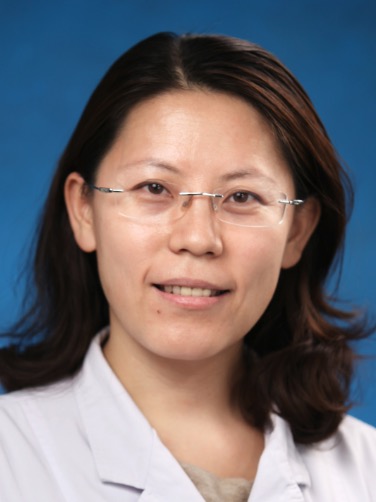 Xiuli Sun (孙秀丽)合作论文数Peking University People's Hospital131
 Xiaoping Li (李小平)合作论文数Peking University People's Hospital112
 Zhiqi Wang (王志启)合作论文数Peking University People's Hospital110
 LiJun Zhao (赵丽君)合作论文数Peking University People's Hospital72
 Danhua Shen (沈丹华)合作论文数Peking University People's Hospital;Peking University Health Science Center65
 Xin Yang (杨欣)合作论文数Peking University People's Hospital56
 Jingyi Zhou合作论文数53Xingchen Li合作论文数51Yi-Qin Wang合作论文数46
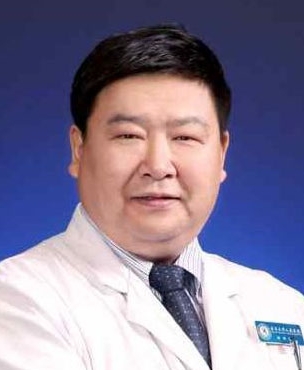 Heng Cui (崔恒)合作论文数Peking University People's Hospital38Yuan Cheng合作论文数37Yangyang Dong合作论文数36XiaoHong Zhang (张晓红)合作论文数36
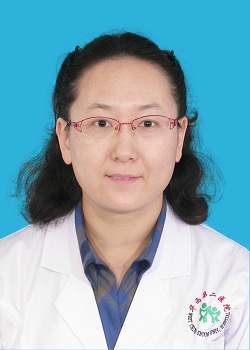 Yali Miao (苗娅莉)合作论文数West China Second University Hospital, Sichuan University;West China Hospital of Sichuan University34
 Xudong Liang (梁旭东)合作论文数Department of Gynecology, People's Hospital,Peking University31Shiyan Wang合作论文数30
 Chao Zhao (赵超)合作论文数Peking University People's Hospital30
 Rong Zhou (周蓉)合作论文数Peking University People's Hospital,Beijing ,China30
 Meiying Liang (梁梅英)合作论文数Department of Obstetrics and Gynecology,Peking University People's Hospital,Beijing ,China30
 XiaoWei Li (李晓伟)合作论文数Peking University People's Hospital27
 Shijun Wang (王世军)合作论文数Department of Obstetrics and Gynecology,Peking University People's Hospital,Beijing ,China26
 Yan Wu (吴燕)合作论文数 Research Institute of Nephrology,Jinling Hospital,Nanjing University School of Medicine,Nanjing ,China25Yibo Dai合作论文数People's Hospital, Peking University24Jingyuan Wang合作论文数24YuanYang Yao (姚远洋)合作论文数24
 Honglan Zhu (祝洪澜)合作论文数Peking University People's Hospital23Zheng Tu (屠铮)合作论文数22RuiXia Guo (郭瑞霞)合作论文数21Jing Feng (冯静)合作论文数21Hao Deng (邓浩)合作论文数21
 Pengming Sun (孙蓬明)合作论文数福建省妇幼保健院21
 Qun Lu (鹿群)合作论文数Peking University People's Hospital20
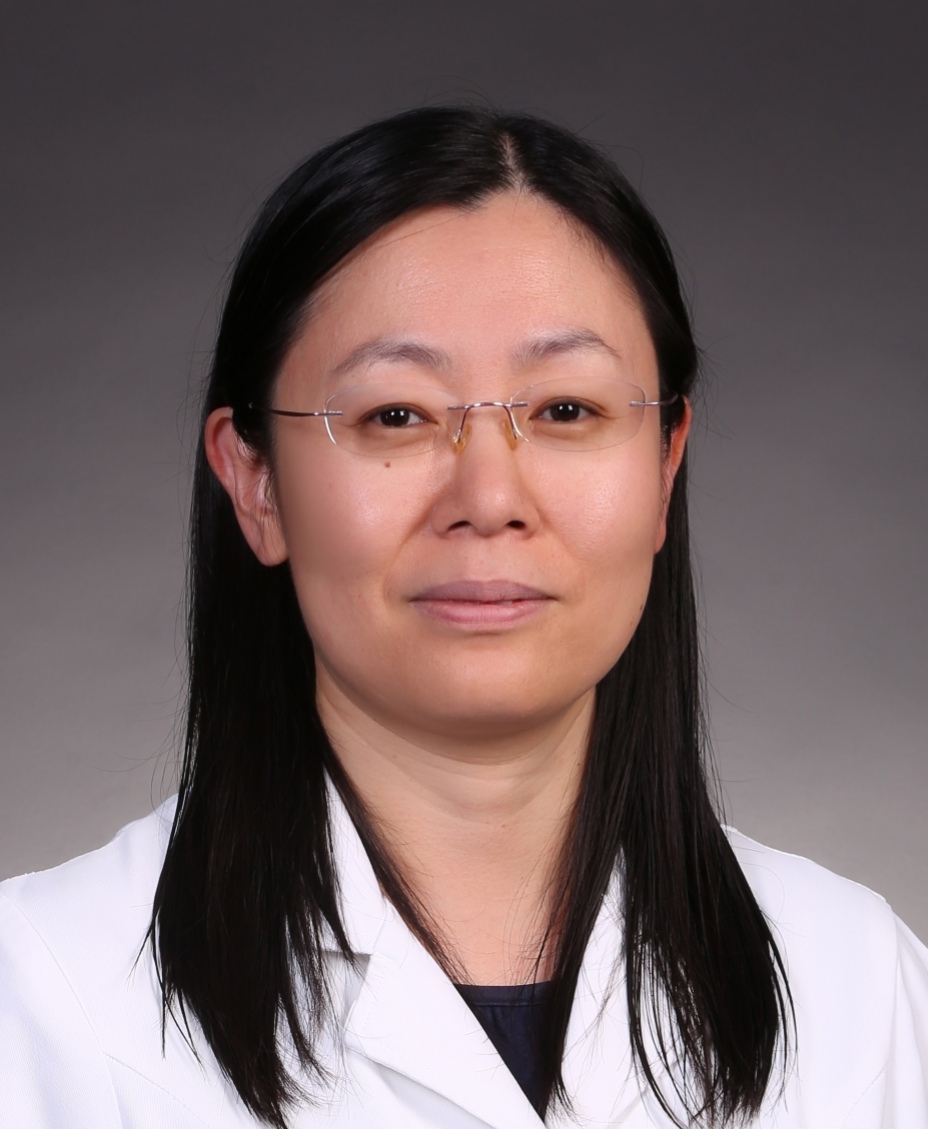 Yi Li (李艺)合作论文数Peking University People's Hospital20
 Guoli Liu (刘国莉)合作论文数Department of Obstetrics, Peking University People's Hospital20Xiao Yang合作论文数19Xiaobo Zhang合作论文数18XiaoDan Li (李晓丹)合作论文数18Guo Zhang (张果)合作论文数18
 Li Tian (田莉)合作论文数Peking University People's Hospital18Yijiao He合作论文数17MeiHong Ren (任梅宏)合作论文数17
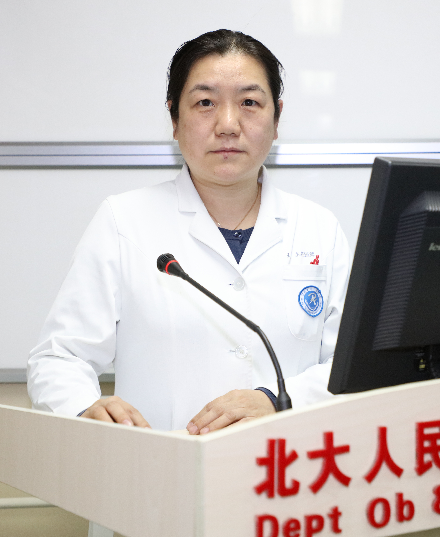 Yue Wang (王悦)合作论文数Peking University People's Hospital17
 Hongyan Guo (郭红燕)合作论文数Peking University Third Hospital;Peking University17Xiaotong Wu合作论文数16Boqiang Shen合作论文数CALTECH, TJ Watson Lab Appl Phys, Pasadena, CA 91125 USA16QingQi Ceng (曾庆奇)合作论文数16




