BACKGROUND:Colorectal liver metastasis (CRLM) remains the primary cause of mortality in patients with colorectal cancer (CRC). Despite its clinical significance, the complex molecular networks and microenvironmental dynamics driving CRLM remain incompletely understood. Identifying robust prognostic biomarkers and elucidating their underlying mechanisms are of critical importance for advancing targeted interventions. METHODS:We integrated Weighted gene co-expression network analysis (WGCNA) with differential expression profiling to identify the CRLM-associated hub genes. The clinical relevance and spatial expression of the identified target, SERPING1, were validated in human CRC and CRLM tissue cohorts. In vitro functional assays (siRNA knockdown) and transcriptomic enrichment analyses were performed to evaluate the impact of SERPING1 on malignant epithelial phenotypes. Finally, Single-cell RNA sequencing (scRNA-seq) and immune infiltration algorithms were utilized to delineate its distribution within the tumor microenvironment (TME). RESULTS:SERPING1 was identified as a critical prognostic hub gene, with its elevated expression significantly correlating with poor patient survival and exhibiting a stepwise upregulation along the primary-to-metastasis axis in clinical tissues. In vitro, silencing SERPING1 attenuated the proliferative, migratory, and invasive capacities of CRC cells. This was accompanied by a molecular shift away from the epithelial-mesenchymal transition (EMT) program, supported by the enrichment of classical pro-metastatic cascades. Crucially, scRNA-seq and microenvironmental analysis revealed that in vivo, SERPING1 is predominantly enriched within cancer-associated fibroblasts (CAFs), establishing a strong correlation with stromal infiltration. CONCLUSIONS:These findings suggest that SERPING1 serves as a crucial molecular nexus in CRLM, potentially facilitating disease dissemination by supporting malignant EMT phenotypes and participating in stromal TME remodeling. Consequently, SERPING1 represents a promising biomarker and a potential therapeutic target for mitigating CRLM.
Intrahepatic cholangiocarcinoma (ICC) presents significant therapeutic challenges due to its late-stage diagnosis and inherent treatment resistance, resulting in dismal prognosis. While ferroptosis induction has emerged as a promising antitumor strategy, its clinical implementation in ICC has been impeded by poorly defined resistance mechanisms. Here, we systematically investigated the immunomodulatory role of the CXCL5/CXCR2 axis in governing ferroptosis susceptibility through dual mechanistical pathways. In vitro studies revealed that CXCL5/CXCR2 signaling confers ferroptosis resistance by transcriptional upregulation of prostaglandin-endoperoxide synthase 2 (PTGS2), which can serve as a functional regulatory factor for ferroptosis. Utilizing a tumor-immune co-culture platform, we further demonstrated that CXCL5/CXCR2 axis-driven recruitment of N2 tumor-associated neutrophils (TANs) orchestrates a protective microenvironment against ferroptosis. Intriguingly, PTGS2 enhances N2 TANs chemotaxis via CCL2 and CCL7, and the recruited N2 TANs subsequently activate the NF-κB/PTGS2 pathway, thereby establishing a synergistic positive feedback loop. Notably, combinatorial treatment with the CXCR2 antagonist SB225002 and ferroptosis inducer Erastin exhibited synergistic antitumor activity in preclinical ICC models. This study provides mechanistic insights into the ferroptosis-immune crosstalk and proposes a novel combinatorial therapeutic paradigm for overcoming treatment resistance in ICC.
Metabolic dysfunction-associated steatotic liver disease has become a predominant cause of chronic liver disease worldwide and represents a major clinical management challenge owing to the scarcity of effective therapeutic interventions. However, the molecular mechanisms driving MASLD progression remain incompletely understood. Here, we identify hepatoma-derived growth factor (HDGF) as a key regulator that integrates lipogenesis with intrahepatic inflammation in MASLD pathogenesis. Hepatic HDGF deficiency profoundly protects mice from high-fat, high-sucrose diet-induced hepatic steatosis and inflammation. Mechanistically, HDGF promotes lipogenesis and hepatic steatosis by facilitating S6K1-dependent phosphorylation of STAT3 at Ser727. Consistently, pharmacological inhibition of STAT3 by S3I-201 abolishes HDGF-induced lipogenic gene expression and hepatic steatosis in mouse models. Importantly, phosphorylation of HDGF at Ser165 is essential for its exosomal secretion from hepatocytes, thereby triggering proinflammatory macrophage activation. In humans, both serum and hepatic levels of HDGF are elevated and positively correlated with MASLD progression. Together, these findings uncover a mechanism that couples hepatic lipogenesis to intrahepatic macrophage activation, driving both steatosis and inflammation in MASLD. Targeting the HDGF-STAT3 pathway and exosomal HDGF secretion may represent a potential therapeutic strategy for ameliorating metabolic dysfunction and hepatic inflammation in MASLD and related disorders.
BACKGROUND:Metabolic dysfunction-associated steatotic liver disease (MASLD) is a progressive hepatic disorder that is closely associated with metabolic syndrome. Zinc finger matrin-type protein 3 (ZMAT3), an RNA-binding protein implicated in various malignancies, has not been fully clarified in the context of MASLD. METHODS:To investigate the role of ZMAT3 in MASLD, a murine model was established using a choline-deficient amino acid (CDAA) diet, combined with hepatocyte-specific ZMAT3 overexpression. An in vitro model was generated by treating AML12 hepatocytes with free fatty acids to evaluate the effects of ZMAT3 overexpression and knockdown. SEPT11, a potential interacting partner of ZMAT3 in lipid metabolism, was identified through the BioGRID database. Relevant molecular biology assays were subsequently performed. RESULTS:ZMAT3 expression was significantly downregulated in liver tissues from patients with early-stage MASLD, as well as in both animal and cellular models of the disease. In AML12 cells, ZMAT3 modulated intracellular lipid accumulation and ameliorated metabolic disturbances. In MASLD mice, hepatic overexpression of ZMAT3 attenuated liver injury and inflammation and reduced hepatic lipid accumulation. Furthermore, ZMAT3 was shown to regulate SEPT11 mRNA stability, thereby influencing the RhoA/ROCK1/AMPK/SREBP-1c signaling pathway, which has been implicated in the pathogenesis of MASLD. CONCLUSION:ZMAT3 acts as a protective factor in MASLD, influencing lipid metabolism and the SEPT11/RhoA/ROCK1/AMPK/SREBP-1c pathway. These findings offer insights into MASLD development and suggest ZMAT3 as a potential therapeutic target.
Nonalcoholic steatohepatitis (NASH) is a metabolic disease characterized by hepatic steatosis and inflammation among other features. Dysregulated lipid metabolism is crucial in the pathogenesis of NASH. However, its regulatory mechanisms remain intricate and poorly elucidated. Hepatic stellate cells (HSCs) have been reported to contribute to hepatocellular lipid metabolism dysregulation and aggravate NASH progression. However, the potential mechanisms remain unclear. Here, we demonstrate that hydrogen peroxide-inducible clone 5 (Hic-5), which is highly expressed in HSCs within the liver, is elevated in NASH patients and mouse models. Hic-5 deficiency alleviates hepatic steatosis, and liver metabolomics revealed reduced fatty acid levels. Meanwhile, RNA-sequencing revealed that Hic-5 deficiency increases AMPK phosphorylation. Additionally, HSC-specific overexpression of Hic-5 exacerbates NASH severity. Co-culture experiments indicated that Hic-5 increases hepatocellular fatty acid synthesis. Cellular transcriptomic analysis and validation revealed that prostaglandin E2 (PGE2), secreted by HSCs, mediates hepatocellular fatty acid synthesis. Mechanistically, the N-terminal domain of Hic-5 binds c-Src, leading to phosphorylation of PTEN, which is bound to the C-terminal domain. This event subsequently induces phosphorylation and nuclear translocation of the transcription factor SP1, ultimately increasing PGE2 secretion. Finally, Hic-5 promotes hepatocellular fatty acid synthesis by activating the PGE2-EP4 axis. Pharmacological inhibition of EP4 in HSC-specific Hic-5 overexpression mice fed with HFD diet (HFD) significantly attenuated NASH progression. These findings increase our understanding of molecular mechanisms linking hepatic lipid metabolism dysregulation and may offer therapeutic potential for treating NASH.
Liver regeneration is essential for recovery after major resection or acute injury, yet early regenerative failure remains common. Ferroptosis, an iron-dependent form of lipid peroxidation-driven cell death, impairs hepatocyte survival and may constrain regeneration. Naringenin (NAR), a citrus flavonoid with hepatoprotective activity, has been reported to modulate oxidative stress; however, whether it supports liver regeneration through ferroptosis modulation and which upstream targets are involved remains unclear. Here, hepatocyte models (AML12, Huh7, HepG2) and a murine 70% partial hepatectomy (PHx) model were used to investigate the involvement of PPARα signaling. Proliferation was assessed by CCK-8, EdU, and cell-cycle proteins. Ferroptosis-associated readouts (Fe2+, MDA, ROS, GSH) were measured following RSL3 exposure with or without NAR, ferrostatin-1, fenofibrate, or GW6471. Target identification involved network pharmacology, molecular docking, protease protection assay, and CETSA. In PHx mice, NAR was associated with improved liver regrowth (a 25% increase in LW/BW at 48 h), reduced ALT/AST (∼30-40%), increased proliferation markers, elevated GSH/CAT, and decreased Fe2+/MDA. In vitro, NAR increased GPX4/SLC7A11 expression and attenuated RSL3-induced ferroptosis-associated changes. These effects were mimicked by fenofibrate and attenuated by GW6471. NAR was associated with increased PPARα stability and expression. These findings suggest that NAR is associated with reduced ferroptosis and improved liver regeneration, potentially through modulation of PPARα-related signaling, warranting further validation.
Intrahepatic cholangiocarcinoma (iCCA) represents a highly aggressive hepatic malignancy with escalating global incidence and dismal clinical outcomes. Despite therapeutic advancements through targeted therapies and immune checkpoint inhibitors, the field critically lacks robust prognostic tools for precise risk stratification and treatment optimization. Here, we present a comprehensive spatial multi-omics investigation integrating cutting-edge technologies: image mass cytometry for single-cell proteomic profiling, expansion gel-enabled spatial proteomics for regional resolution, complemented by single-cell RNA sequencing, bulk proteomics, and multiplex immunofluorescence. This integrated approach enabled high-dimensional mapping of the tumor microenvironment at spatial and molecular resolution. Leveraging these insights, we developed a novel spatial multi-modal scoring system through systematic analysis of a 155-patient training cohort at micro-scale resolution (1 mm2). To ensure clinical translatability, we performed rigorous cross-scale validation in an independent 214-patient cohort, addressing critical challenges in whole-slide pathologically intra- and intertumoral heterogeneity. Through multi-omics characterization encompassing single-cell, spatial, and proteomic dimensions, we elucidated the biological foundations underlying the prognostic power of our spatial multi-modal scoring system. This innovative framework offers insights into iCCA biology and holds potential as a practical tool for risk stratification and guiding therapeutic decisions in iCCA management.
BackgroundColorectal liver metastasis (CRLM) is a major cause of mortality in patients with colorectal cancer (CRC). However, the underlying molecular mechanisms remain unclear. Therefore, identifying the key genes associated with CRLM and elucidating their functional roles are of critical importance.MethodsWeighted gene co-expression network analysis (WGCNA), differential expression analysis, and Kaplan–Meier survival analysis were performed to identify the CRLM-associated hub genes. SERPING1 expression was validated in human tissue samples. In vitro assays were performed to assess the effects of SERPING1 on CRC cell proliferation, migration, and invasion. Epithelial–mesenchymal transition (EMT)-related pathways were also analyzed. Single-cell RNA sequencing data were used to explore the involvement of SERPING1 in the tumor microenvironment.ResultsSERPING1 was identified as a hub gene associated with CRLM, and was significantly upregulated in CRLM tissues. Functional assays demonstrated that SERPING1 promotes CRC cell proliferation, migration, and invasion and is associated with the activation of EMT-related pathways. Single-cell RNA sequencing analysis revealed that SERPING1 was predominantly enriched in cancer-associated fibroblasts (CAFs) and was correlated with immune infiltration patterns related to CAFs.ConclusionsThese findings suggest that SERPING1 may play a pro-metastatic role in CRLM and represents a promising biomarker and potential therapeutic target for colorectal liver metastasis.
Non-alcoholic fatty liver disease (NAFLD) is the leading chronic liver disease globally, characterized by steatosis, inflammation, and hepatocyte injury. While the Flavin-containing monooxygenase 3 (FMO3)-trimethylamine N-oxide (TMAO) axis is a known driver of atherosclerosis, its role in NAFLD progression remains unclear. Here, we report that FMO3 is significantly upregulated in the livers of choline-deficient, high-fat diet (CDA-HFD)-induced NAFLD mice, as revealed by transcriptomic profiling and validation. Mechanistically, FMO3 overexpression exacerbated lipid accumulation and inflammatory cytokine release in vitro, while its metabolite TMAO directly aggravated hepatic steatosis and inflammation in vivo. Notably, the natural compound 3,3'-diindolylmethane (DIM) significantly attenuated NAFLD phenotypes, including serum ALT/AST levels and hepatic lipid content; however, these protective effects were reversed by exogenous TMAO supplementation. These findings identify the FMO3-TMAO axis as a critical target for regulating lipid homeostasis and inflammation, suggesting DIM as a promising therapeutic candidate for NAFLD intervention.
Initially characterized as an epigenetic marker for transcriptional regulation, lysine lactylation is now recognized as a pervasive posttranslational modification with extensive functions beyond those associated with chromatin. Recent methodological advances in the resolution of stereoisomeric dynamics have established L-lactylation as the predominant glycolysis-derived functional form, providing a metabolic switch that couples glycolytic flux to oncogenic signaling. Here, we provide a comprehensive overview of non-histone L-lactylation in cancer biology. We define the spatially compartmentalized catalytic network governing this process, detailing how nuclear EP300/CBP, cytosolic AARS1, and mitochondrial AARS2 mediate stereospecific targeted modifications. At the molecular level, non-histone L-lactylation alters protein biophysics via charge neutralization, steric hindrance, and interface remodeling. These physicochemical alterations govern fundamental enzymatic kinetics, complex assembly, subcellular trafficking, and proteasomal degradation processes. Through primarily transcription-independent mechanisms, L-lactylation enables cancer cells to sustain metabolic flexibility, promote the repair of damaged DNA, and foster an immunosuppressive tumor microenvironment. Because tumors exploit these regulatory networks to drive adaptive resistance across diverse therapeutic modalities, we examine current strategies for pharmacological intervention. Finally, we highlight critical unresolved questions in this field. Notably, the identification of lactylation-specific readers and the development of stereoisomer-resolved chemobiological tools will be essential to fully leverage this metabolism–modification axis for cancer therapy.
Hepatic ischemia-reperfusion (I/R) injury complicates transplantation, resection, and shock, yet lacks effective pharmacotherapy. We evaluated Leonurine (SCM-198) as a hepatoprotective agent. Male C57BL/6 mice were pretreated with SCM-198 for 7 days, then subjected to hepatic I/R and sampled at the reperfusion endpoint. AML12 cells were pretreated with SCM-198 for 24 h, exposed to hypoxia/reoxygenation (H/R), and immediately analyzed. Injury, inflammation, apoptosis, and cell-cycle changes were assessed using assay kits, histology, IHC, WB, and qPCR; network pharmacology, docking, and MD simulations explored potential targets. SCM-198 sharply cut hepatic necrosis and serum transaminases, suppressed pro-inflammatory cytokines, reduced leukocyte infiltration, blocked apoptosis and restored cyclin D1/cyclin E1. In hypoxia-reoxygenation AML12 cells, it improved viability, limited oxidative stress and mirrored the anti-apoptotic effects. Network and dynamic simulation identified stable phosphoinositide 3-kinase (PI3K) binding, and the compound raised PI3K, protein kinase B and mammalian target of rapamycin phosphorylation; the PI3K inhibitor LY294002 abolished these changes. SCM-198 protects liver I/R by curbing inflammation, apoptosis, and cell-cycle arrest via PI3K/AKT/mTOR activation, offering a promising therapeutic candidate.
Background Post-hepatectomy liver failure (PHLF), defined as acute liver failure following hepatectomy, remains a major complication for postoperative mortality lacking early detection approaches. This study aimed to leverage cutting-edge artificial intelligence (AI) techniques for extensive temporal feature analysis using perioperative data, to advance the detection of PHLF to the first 24 h after surgery. Methods This nationwide multicenter retrospective study was conducted with a total of 1832 patients across six geographically diverse hospitals in China. This China cohort was divided into 681 cases for training the deep-learning model and 1151 cases for validation. Perioperative electronic health record (EHR) data were collected for each patient, including the basic characteristics and preoperative, intraoperative, and early postoperative factors within the first 24 h after surgery. 242 cases from the Medical Information Mart for Intensive Care (MIMIC)-IV database, predominantly comprising Caucasian patients with limited perioperative EHR data, were included to assess robustness in Western populations. PHLF was diagnosed by concurrent elevated prothrombin time/INR and hyperbilirubinemia on or after postoperative day 5 and graded according to the International Study Group of Liver Surgery criteria. The proposed algorithm employed a powerful foundation model (Bio-Clinical Bidirectional Encoder Representation from Transformers) and a context-aware transformer module to perform in-depth temporal feature investigation of perioperative data to enable early detection of PHLF. Our approach was compared with state-of-the-art machine learning and deep learning methods. T-distributed stochastic neighbor embedding and Shapley additive explanation analysis were conducted for model interpretability. The versatility of our model for routine clinical practice was systematically evaluated. This study is registered with ClinicalTrials.gov (NCT06532214). Findings Our model demonstrated high accuracy in detecting PHLF within the first 24 h after surgery, achieving an AUC of 0.952 in internal validation and 0.884 in external validation of the China cohort, outperforming other competing algorithms. In the MIMIC-IV cohort with challenging incomplete EHR data, our model had an AUC of 0.654, which was still superior to alternative algorithms, indicating generalization potential for the Western population. Interpretability analysis showed that our model could effectively encode all perioperative factors into discriminative high-dimensional feature embeddings with temporal correlations into consideration. Importantly, our model holds clinically acceptable interpretability that the patients with model-detected PHLF are likely experiencing the onset of liver failure comprehensively driven by reduced liver volume, extensive surgical injury, and underlying liver disease. Further evaluation demonstrated that our model is of superior versatility to support perioperative phase-agnostic PHLF prediction, risk stratification for PHLF, and incomplete variable inputs. Importantly, our model demonstrates a high capacity for predicting clinically relevant PHLF. The clinicians' prediction assisted by our model was substantially improved over the clinician-only predictions (AUC = 0.778 vs. 0.637, P = 0.009). Interpretation Our model achieved state-of-the-art performance in accuracy, generalizability, interpretability, and versatility for early detection of PHLF within the first 24 h after surgery. This approach holds promise for transforming perioperative management of hepatectomy and improving the rescue of life-threatening PHLF. Funding The work was partially supported by a grant from the Research Grants Council of the Hong Kong Special Administrative Region, China (Project Reference Number: T45-401/22-N), in part by grants from the National Natural Science Foundation of China (82170647, 82270661, and 62372441), in part by grants from the Basic and Applied Basic Research Foundation of Guangdong Province (2023A1515010088, 2024A1515013204, and 2023A1515030268) and in part by grant from Shenzhen Science and Technology Program (Grant No. RCYX20231211090127030).
Introduction Intrahepatic cholangiocarcinoma (ICC) is a highly heterogeneous and aggressive malignancy with poor prognosis and limited treatment options. The lack of precise molecular classification and incomplete understanding of the tumor microenvironment (TME) impede therapeutic development. Objectives This study aims to dissect the cellular heterogeneity and intercellular interactions in ICC, with a particular focus on SPINK1-overexpressing epithelial subsets. We sought to determine the role of SPINK1 in modulating immune cell recruitment and tumor metabolism, and to evaluate its clinical relevance. Methods We performed single-cell RNA sequencing (scRNA-seq) on human ICC tumors and adjacent normal tissues to construct a transcriptomic atlas. Integrative proteomic analysis, transwell assays, co-culture systems, and functional perturbation experiments (SPINK1 knockdown and ASCT2 inhibition) were conducted to explore epithelial–macrophage interactions and metabolic dynamics. Results ScRNA-seq identified a SPINK1-overexpressing epithelial subcluster enriched in ICC tumors. High SPINK1 expression correlated with significantly shorter patient survival. SPINK1-overexpressing epithelial subcluster secretes CCL20, which recruits lipid-associated macrophages (LAMs). This effect was reversed by CCL20 neutralizing antibodies. In co-culture, LAMs increased intracellular glutamine levels in SPINK1-overexpressing epithelial subcluster, promoting proliferation. Disruption of SPINK1 expression or glutamine transport abolished this metabolic support. Conclusion Our findings uncover a novel SPINK1–CCL20–LAMs axis that orchestrates immune recruitment and metabolic reprogramming in ICC. SPINK1 facilitates tumor growth by establishing a glutamine-rich microenvironment via LAMs. These insights highlight SPINK1 as a potential therapeutic target and prognostic biomarker in ICC.
Intrahepatic cholangiocarcinoma (ICC) is known for its diverse cell types and resistance to standard treatments, highlighting the importance of understanding its tumor microenvironment (TME) for improved prognostic accuracy and therapeutic innovation. Our study used a multi-omics approach to analyze the ICC TME in both human and mouse samples, linking survival outcomes to the complex cellular interactions within the TME. We discovered a dedifferentiation phenomenon in ICC cells driven by the Yes-associated protein (YAP) pathway, influenced by tumor-associated macrophages (TAMs). Conversely, ICC cells promoted an immunosuppressive environment in TAMs. Targeting TAMs in a transgenic mouse model disrupted this loop, enhancing T cell responses and suggesting a novel immunotherapy avenue for ICC. Our findings reveal a reciprocal dedifferentiation-immunosuppression loop between ICC cells and TAMs, advocating TAM targeting as a promising therapy and highlighting the potential of macrophage modulation in ICC treatment.
BACKGROUND AND AIMS:Inflammatory cell infiltration in the liver is a hallmark of metabolic dysfunction-associated fatty liver disease (MAFLD). However, the pathological events that trigger the infiltration of inflammatory cells to mediate MAFLD pathogenesis remains poorly understood. This study aims to investigate the function and mechanism of Hic-5 on hepatic inflammation of MAFLD. METHODS:MAFLD animal models were fed a methionine- and choline-deficient (MCD) diet in Hic-5 knockout mice. Liver tissues were analyzed by immunohistochemical staining, immunofluorescence and flow cytometry, with a particular focus on the impact on the immune microenvironment. RESULTS:Hic-5 deficiency alleviates the severity of MAFLD, particularly the inflammation response. Gain- and loss-of-function experiments revealed that Hic-5 deficiency results in decreased neutrophil proliferation and increased apoptosis, as well as impaired migration. Conversely, Hic-5 overexpression had the opposite effects. This study confirmed that METTL3-mediated methylation of m6A stabilizes Hic-5 mRNA and promotes its expression, which in turn regulates the infiltration of neutrophils by the CXCL1-CXCR2 axis. CONCLUSIONS:The study reveals the role of Hic-5 in regulating neutrophils and indicates that it may be a potential therapeutic target for MAFLD.
AIM:The therapeutic effect of CMS on acute pancreatitis (AP) and the mechanism of targeting Zyxin (ZYX) to regulate ferroptosis in acinar cells. METHODS:To assess the therapeutic effects of CMS in AP, we established caerulein-induced AP and caerulein plus LPS-induced SAP mouse models. Subsequently, weighted gene co-expression network analysis (WGCNA) and network pharmacology analysis were used to investigate the mechanism and target of CMS in the treatment of AP. Molecular docking and cell biology techniques were used to explore the molecular mechanisms by which CMS mitigated ferroptosis in AP animal and cell models. RESULTS:CMS could alleviate the pathological damage of AP and SAP, inhibit ferroptosis and reduce inflammatory response. ZYX was an important target for CMS in the treatment of AP, and CMS could specifically bind to ZYX, down-regulate ZYX expression, and reduce TGF-β/SMAD pathway activity, thereby inhibiting acinar cell ferroptosis and improving pancreatic injury in AP. And we found that ZYX overexpression counteracted the inhibitory effects of CMS on TGF-β/Smad signaling and ferroptosis processes. CONCLUSION:These results suggested that coumestrol targeting ZYX regulated the TGF-β/SMAD pathway, inhibited ferroptosis in acinar cells, and alleviated AP. Our research provided new drugs and targets for the treatment of AP.
This study found that Daidzein protects against CCl 4 /BDL-induced liver fibrosis in mice, and suppresses TGF-β1-induced HSC activation. Its protective effect may be via inhibiting the Integrin alphaVbeta1/YAP signaling pathway.
 Peng Tan合作论文数45ZhengMing Lei (雷正明)合作论文数36Yichao Du合作论文数35Zhiwei Huang合作论文数34BaoLin Qian (钱保林)合作论文数29Tongxi Li合作论文数24Yonglang Cheng合作论文数19Ankang Wang合作论文数19Qiu Li (李秋)合作论文数19Tianying Cai合作论文数17TianCheng Liang (梁天成)合作论文数17Hao Chen合作论文数16Yifan Chen合作论文数15Hao Shi合作论文数15XianMing Xia (夏先明)合作论文数15Jian Ruan合作论文数14Mei-Zhou Huang合作论文数14Shenglu Liu合作论文数13Junjie Bai合作论文数13MingXin Ye (叶明新)合作论文数13Boyuan Gu (古镈源)合作论文数11Jiaqi Deng合作论文数11Qiong Li合作论文数11Chanqi Ye合作论文数10Jinzhang Chen合作论文数10Hao CHEN (陈浩)合作论文数9Jing Li (黎靖)合作论文数9Bo Sun合作论文数8Jian Wen (温剑)合作论文数8Tianxiang Zheng合作论文数7
 Yu Li (李于)合作论文数Key Laboratory of Nutrition, Metabolism and Food Safety, Shanghai Institute of Nutrition and Health, Chinese Academy of Sciences7
 Peng Zhao (赵鹏)合作论文数The First Affiliated Hospital, School of Medicine, Zhejiang University7Weitong Su合作论文数6Aoyuan Cui合作论文数Chinese Acad Sci, CAS Key Lab Nutr Metab & Food Safety, Shanghai Inst Nutr & Hlth, Shanghai Inst Biol Sci,Univ Chinese Acad Sci, Shanghai 200031, Peoples R China6Yu Jiang合作论文数6
 Xuanwen Bao (包暄文)合作论文数Department of Medical Oncology, The First Affiliated Hospital, Zhejiang University School of Medicine6Yunlu Jia (贾云璐)合作论文数6Huanli Cheng合作论文数5Silin Zheng合作论文数5Sujuan Lei合作论文数5Ziming Wu合作论文数5Shuang Wei合作论文数5Genxiang Cai合作论文数5
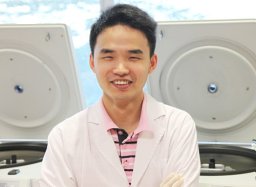 Jianpeng Sheng合作论文数Nanyang Technological University, School of Biological Sciences, 60 Nanyang Drive, Singapore 637551, Singapore5
 Fengguang Ma合作论文数Chinese Acad Sci, CAS Key Lab Nutr Metab & Food Safety, Shanghai Inst Nutr & Hlth, Shanghai Inst Biol Sci,Univ Chinese Acad Sci, Shanghai 200031, Peoples R China5




