新生儿高氨血症(NHA)是一种发生在新生儿期的危重症,发展迅速、死亡率高.新生儿期多种遗传和非遗传疾病可导致血氨增高,其病因复杂,如尿素循环障碍、有机酸血症、脂肪酸代谢病以及其他严重全身疾病均可导致获得性高氨血症.临床表现缺乏特异性,及早发现,明确病因,可通过喂养管理、降氨药物以及血液透析等进行精准干预,改善预后.
Background:Understanding the association of genetic diseases with invasive infections in neonates or infants is important, given the clinical and public health implications of genetic diseases. Methods:We conducted a retrospective case-control study over a 5-year period to investigate the association between genetic diseases and invasive infections in neonates or infants. The case group included 56 patients with laboratory-confirmed invasive infections and a genetic etiology identified by exome sequencing. Another 155 patients without a genetic etiology were selected as controls from the same pool of patients. Results:An overview of genetic diseases that predispose patients to develop invasive infections were outlined. We identified 7 independent predictors for genetic conditions, including prenatal findings [adjusted odds ratio (aOR), 38.44; 95% confidence interval (CI): 3.94-374.92], neonatal intensive care unit admission (aOR, 46.87; 95% CI: 6.30-348.93), invasive ventilation (aOR, 6.66; 95% CI: 3.07-14.46), bacterial infections (aOR, 0.21; 95% CI: 0.06-0.69), fever (aOR, 0.15; 95% CI: 0.08-0.30), anemia (aOR, 6.64; 95% CI: 3.02-14.59) and neutrophilia (aOR, 0.98; 95% CI: 0.96-0.99). The area under the curve for the predictive model was 0.921 (95% CI: 0.876-0.954). We also found that a genetic etiology [hazard ratio (HR), 7.25; 95% CI: 1.71-30.81], neurological manifestations (HR, 3.56; 95% CI: 1.29-9.88) and septic shock (HR, 13.83; 95% CI: 3.18-60.10) were associated with severe outcomes. Conclusions:Our study established predictive variables and risk factors for an underlying genetic etiology and its mortality in neonates or infants with invasive infections. These findings could lead to risk-directed screening and treatment strategies, which may improve patient outcomes.
Background There are limited information available related to neonatal characteristics of RASopathies, a group of autosomal dominant syndromes with considerable phenotypic overlap. Methods The retrospective review revealed 9 neonates born with congenital heart defects (CHDs) and diagnosed as RASopathies due to de novo mutations (DNMs) by trio-based exome sequencing (ES) between January 2017 and December 2020. We report in details of the neonatal course, molecular analysis and 180-days of age follow-up in affected individuals. Results The early clinical spectrum included various types of CHDs, less noticeable multiple extracardiac anomalies and unspecific symptoms like poor feeding. Of the 8 variants identified from 6 genes, 2 in RASA1 were novel: (NM_002890.2: c.2828 T > C (p.Leu943Pro)) and (NM_002890.2: c.2001del (p.Pro668Leufs*10)), which functionally impaired the protein structure. There was a relatively high mortality rate of 33.33% (3/9) for all the defects combined. A RAF1 -deficient male and a RASA1 -deficient male survived from severe heart failure by surgical interventions in early life. Conclusions Our results revealed that family-based ES was useful in identifying DNMs and causal genes for sporadic diseases and screening Rasopathies shortly after birth. We recommended a family-based ES and a full phenotypic evaluation including echocardiogram, magnetic resonance imaging, ultrasonography and coagulation screening in neonates with CHDs and a suspected genetic etiology.
Abstract Objectives The present phenotype‐based disease classification causes ambiguity in diagnosing and determining timely, effective treatment options for primary immunodeficiency (PID). In this study, we aimed to examine the characteristics of early‐onset PID and proposed a JAK‐STATopathy subgroup based on their molecular defects. Methods We reviewed 72 patients (< 100 days) retrospectively. These patients exhibited various immune‐related phenotypes and received a definitive molecular diagnosis by next‐generation sequencing (NGS)‐based tests. We evaluated the PID‐causing genes and clinical parameters. We assessed the genes that shared the JAK‐STAT signalling pathway. We also examined the potential high risks related to the 180‐day death rate. Results We identified PID disorders in 25 patients (34.72%, 25/72). The 180‐day mortality was 26.39% (19/72). Early onset of disease (cut‐off value of 3.5 days of age) was associated with a high 180‐day death rate (P = 0.009). Combined immunodeficiency with associated or syndromic features comprised the most common PID class (60.00%, 15/25). Patients who presented life‐threatening infections were most likely to exhibit PID (odds ratio [OR] = 2.864; 95% confidence interval [CI]: 1.047‐7.836). Twelve out of 72 patients shared JAK‐STAT pathway defects. Seven JAK‐STATopathy patients were categorised as PID. They were admitted to NICUs as immunological emergencies. Most of them experienced severe infections and thrombocytopenia, with 4 succumbing to an early death. Conclusions This study confirmed that NGS can be utilised as an aetiological diagnostic method of complex immune‐related conditions in early life. Through the classification of PID as pathway‐based subtypes, we see an opportunity to dissect the heterogeneity and to direct targeted therapies.
病例1:男,36 d,2019年4月因"反复腹泻伴便血14 d"就诊。查体见营养不良,口腔散在溃疡,肛周红肿,有波动感。入院后行肛周引流术。结肠镜检查见全结肠多发溃疡隆起性病变,基因检测提示白介素-10受体A基因突变(c.301C>T,c.537G>A),诊断为极早发炎性肠病。家长选择姑息治疗,自动出院。随访至6月龄时患儿存活,生长发育迟缓,临床症状无好转。病例2:男,9 d,2019年11月以"发热伴咳嗽半天"就诊。患儿入院后出现反复腹泻,炎症指标进行性升高,常规抗生素治疗效果不佳。结肠镜检查提示结肠散在小溃疡,基因检测结果显示有白介素-10受体A基因复杂杂合突变(c.106G>A,c.299T>G)。患儿口服沙利度胺后肠道炎症改善,仍间断腹泻,肛周脓肿未见明显好转。随访至4月龄时拟行造血干细胞移植。
To gain insight into the potential protective mechanisms of low phenylalanine diet (LPD) in phenylketonuria (PKU), gene expression profiles were studied in the cerebral cortex and hippocampus of a PKU mouse model (BTBR-Pahenu2). PKU mice were fed with low Phe diet (LPD-PKU group) and normal diet (PKU group). Wild-type mice were treated with normal diet (WT group) as control. After 12 weeks, we detected gene expression in the cerebral cortex and hippocampus of the three groups by RNA-sequencing, and then screened the differentially-expressed genes (DEGs) among the groups by bioinformatics analyses. We found that the transcriptional profiles of both cerebral cortex and hippocampus changed markedly between PKU and WT mice. Furthermore, LPD changed the transcriptional profiles of the cerebral cortex and the hippocampus of PKU mice significantly, especially in the cerebral cortex, with overlaps of genes that changed with the disease and altered by LPD treatment. In the cerebral cortex, hundreds of DEGs enriched in a wide spectrum of biological processes, molecular function, and cellular component, including nervous system development, axon development and guidance, calcium ion binding, modulation of chemical synaptic transmission, and regulation of protein kinase activity. In the hippocampus, the overlapping genes were enriched in positive regulation of long term synaptic, negative regulation of excitatory postsynaptic potential, positive regulation of synapse assembly. Our results showed that genes impaired in PKU and then rescued by LPD might indicate the potential protective capability of LPD in the PKU brain.
During Jan. 2016-Dec. 2019, nine Chinese patients from eight unrelated families were diagnosed with neonatal-onset UCDs by targeted panel sequencing or whole-exome sequencing (WES). Their clinical manifestations, biochemical features, 180-day-age outcomes, and molecular genetic characteristics were reviewed retrospectively. NGS-based tests revealed 7 patients diagnosed with ornithine transcarbamylase deficiency (OTCD) and 2 with carbamoylphosphate synthetase I deficiency (CPS1D). The spectrum of the clinical presentation of nine affected individuals progressed from unspecific symptoms like poor feeding to somnolence, coma, and death. All patients presented with an acute hyperammonemia. The most robust metabolic pattern in OTCD was hyperglutaminemic hyperammonemia with high concentration of urine orotic acid, and it was reported in six patients. Of ten variants found on theOTCgene and CPS1 gene, 3 were novel: (c.176T>C (p.L59P)) in theOTCgene, c.2938G>A (p.G980S) and c.3734T>A (p.L1245H) in theCPS1gene. There was a high mortality rate of 77.78% (7/9) for all the defects combined. An OTC-deficient male and a CPS1-deficient female survived from episodes of hyperammonemia. Although prompt recognition of UCD and the use of alternative pathway therapy in addition to provision of appropriate nutrition and dialysis improved survival, the overall outcomes for the neonatal-onset type are poor in China.
To identify next-generation-sequencing (NGS) clinical usability and to propose a standard diagnostic routine for critically ill infants, aged less than 100 days and suspected of having a genetically heterogeneous condition, a retrospective study was conducted between January 2016 and December 2018 at neonatal intensive care units (NICUs) of three tertiary hospitals in Shanghai, China. Whole-exome sequencing (WES) or panel sequencing was performed on 307 patients. Trio-WES, trio-panel, proband-WES, and proband-panel diagnostic yields were 39.71% (83/209), 68.75% (22/32), 59.09% (26/44), and 33.33% (4/12), respectively. Definitive molecular diagnoses of 142 infants (46.25%) uncovered 99 disorders; 21 disorders displayed on 44.37% of the diagnosed patients. Genetic etiologies were identified for 61.73% (50/81) of the deceased infants. One in three (29.58%) diagnosed infants exhibited one of the following four clinical traits which had a higher odds of diagnostic rate: integument abnormality (adjusted odds ratio [aOR], 19.7; 95% confidence interval [CI], 2.5-156.3), complex immune-related phenotypes (aOR, 9.2; 95% CI, 1.4-83.5), mixed nervous system phenotypes and congenital anomalies (aOR, 5.0; 95% CI, 1.3-19.1), or mixed metabolism and nervous system phenotypes (aOR, 4.5; 95% CI, 1.0-21.5). Our results demonstrated that NGS was an effective diagnostic tool. Infants exhibiting integument, complex immune-related conditions, metabolism, and nervous signs have higher chances of carrying variants in known disease-causing genes. The number of specific phenotypes could be used as an independent predictor of a positive molecular diagnosis, rather than an isolated abnormality. We developed a molecular diagnostic procedure for the use of NGS for diagnosis in Chinese NICU population based on individual characteristics.
Xia Wang Shanghai Jiaotong University School of Medicine Xinhua Hospital Tianwen Zhu Shanghai Jiaotong University School of Medicine Xinhua Hospital Xiaohui Gong Shanghai Children's Hospital: Children's Hospital of Shanghai Fei Bei Shanghai Childrens Medical Center A liated to Shanghai Jiaotong University School of Medicine Li Ma Shanghai Children's Hospital: Children's Hospital of Shanghai Yan Chen Shanghai Jiaotong University School of Medicine Xinhua Hospital Dongying Zhao Shanghai Jiaotong University School of Medicine Xinhua Hospital Jingjing Sun Shanghai Children's Hospital: Children's Hospital of Shanghai Jian Wang Shanghai Childrens Medical Center A liated to Shanghai Jiaotong University School of Medicine Gang Qiu Shanghai Children's Hospital: Children's Hospital of Shanghai Jianhua Sun Shanghai Childrens Medical Center A liated to Shanghai Jiaotong University School of Medicine Yu Sun Shanghai Jiaotong University School of Medicine Xinhua Hospital yongjun Zhang ( zhangyongjun@sjtu.edu.cn ) Shanghai Jiaotong University School of Medicine Xinhua Hospital https://orcid.org/0000-0001-93261012
Objective:To assess the value of acoustic radiation force impulse (ARFI) elastography in the diagnosis of children with biliary atresia.Methods:A prospective survey of infants with hepatitis syndrome and hyperbi-lirubinemia in Xinhua Hospital Affiliated to Shanghai Jiaotong University School of Medicine from January 2017 to December 2018 was performed.The children with hepatitis syndrome were divided into the biliary atresia group( n=45) and non- biliary atresia group( n=30). Thirty children with hyperbilirubinemia were selected as the control group.Shear wave speed (SWS) of all infants was collected by ARFI ultrasound and compared among 3 groups.Receiver ope-rating characteristic curve(ROC curve) was used to analyze the optimal threshold value for SWS in the diagnosis of biliary atresia. Results:The mean SWS values in the biliary atresia group, non-biliary atresia group and the control group were (1.79±0.29) m/s, (1.26±0.12) m/s and (1.08±0.06) m/s, respectively.Compared with the control group, the mean SWS values in the biliary atresia group and non-biliary atresia group were significantly higher ( t=165.43, 15.75, all P<0.05). The mean SWS value in the non-biliary atresia group was significantly lower than that in the biliary atresia group ( t=90.27, P<0.05). With the non-biliary atresia group as reference, the area under the ROC curve of SWS for diagnosis of biliary atresia was 0.98(95% CI: 0.95-1.00), the optimal threshold was 1.45 m/s, and the sensitivity and specificity were 88.9% and 96.7%, respectively. Conclusions:Rapid non-invasive ARFI elastography is effective in the diagnosis of biliary atresia, and thus has important value for early diagnosis and treatment in clinical practice.
Objective:To study the clinical features and molecular diagnosis of neonatal seizures of unknown causes.Method:Clinical data and test results of newborns who were admitted to the Neonatal Department of Xinhua Hospital from January 2016 to December 2018 and diagnosed with neonatal seizures of unknown causes and received next-generation sequencing were retrospectively collected. The clinical outcomes of these infants were also followed up.Result:A total of 33 Chinese neonatal patients who met the criteria were included in the study, including 18 males and 15 females. Seizures were the onset symptoms of all neonatal patients, of which 6 cases (18.2%) without with no other neurological abnormalities or accompanied symptoms. Among the rest of 27 cases (81.8%), 18 infants (54.5%) had other neurological manifestations, 13 cases (39.4%) had abnormal respiratory system manifestations, 12 cases (36.4%) had metabolic and internal environment disturbance, 6 case (18.2%) had feeding difficulties, 6 cases (18.2%) had multiple malformations, 2 cases (6.1%) had abnormal cardiovascular system manifestations, and 2 cases (6.1%) had abnormal hematological system manifestations. According to the clinical characteristics of the infants, 26 patients underwent clinical exome sequencing (CES) and the other 7 underwent whole exome sequencing (WES). The results of 13 infants (13/33, 39.4%) turned out to be positive. Among the patients with positive results, CES provided higher molecular yields for 12 of 26 patients (46.2%) while WES did those for 1 of 7 (14.3%). The diagnoses of patients with positive results included inborn error of metabolism in 5 cases and primary epilepsy in 4 cases. A total of 11 pathogenic genes and a large fragment deletion at the chromosome level were detected, 9 of which were previously unreported.Conclusion:Neonatal seizures of unknown causes has no specific clinical manifestation, majority of the patients are accompanied with other abnormalities, and 39.4% of the patients are diagnosed as genetic diseases by next-generation sequencing. The results suggest that next-generation sequencing is of great value to children with unexplained convulsions, so as to assist in early diagnosis.
目的 总结新生儿血栓症发生的危险因素、临床表现、诊断及治疗方法.方法 回顾性分析2013年1月至2017年6月在上海交通大学医学院附属新华医院新生儿科住院的4例血栓症患儿的临床资料,对其临床特征进行总结.结果 4例患儿中,男3例,女1例.动、静脉血栓各2例,其中右下肢股浅动脉血栓1例,右锁骨下动脉、腋动脉血栓1例,左下肢胫后静脉血栓1例,右下肢股静脉血栓1例.3例有动、静脉穿刺或置管史.肢体动脉血栓临床表现为患肢皮肤苍白、皮温低、血管搏动减弱或消失;肢体静脉血栓可见患肢皮肤发绀,伴肿胀.4例均通过血管超声确诊,1例行双源CT协助诊治.1例动脉血栓患儿使用普通肝素静脉滴注14 d;1例静脉血栓患儿使用尿激酶溶栓,后予低分子肝素皮下注射抗凝;另外2例患儿仅用低分子肝素皮下注射.治疗后,4例患儿血栓均痊愈,未发生出血事件.结论 血管超声是新生儿血栓症最常用的检查方法,主要治疗措施有溶栓、抗凝等,早期治疗痊愈率高.
AbstractBackgroundRare diseases are complex disorders with huge variability in clinical manifestations. Decreasing cost of next‐generation sequencing (NGS) tests in recent years made it affordable. We witnessed the diagnostic yield and clinical use of different NGS strategies on a myriad of monogenic disorders in a pediatric setting.MethodsNext‐generation sequencing tests are performed for 98 unrelated Chinese patients within their first year of life, who were admitted to Xin Hua Hospital, affiliated with Shanghai Jiao Tong University School of Medicine, during a 2‐year period.ResultsClinical indications for NGS tests included a range of medical concerns. The mean age was 4.4 ± 4.2 months of age for infants undergoing targeting specific (known) disease‐causing genes (TRS) analysis, and 4.4 ± 4.3 months of age for whole‐exome sequencing (WES) (p > 0.05). A molecular diagnosis is done in 72 infants (73.47%), which finds a relatively high yield with phenotypes of metabolism/homeostasis abnormality (HP: 0001939) (odds ratio, 1.83; 95% CI, 0.56–6.04; p = 0.32) and a significantly low yield with atypical symptoms (without a definite HPO term) (odds ratio, 0.08; 95% CI, 0.01–0.73; p = 0.03). TRS analysis provides molecular yields higher than WES (p = 0.01). Ninety‐eight different mutations are discovered in 72 patients. Twenty‐seven of them have not been reported previously. Nearly half (43.06%, 31/72) of the patients are found to carry 11 common disorders, mostly being inborn errors of metabolism (IEM) and neurogenetic disorders and all of them are observed through TRS analysis. Eight positive cases are identified through WES, and all of them are sporadic, of highly variable phenotypes and severity. There are 26 patients with negative findings in this study.ConclusionThis study provides evidence that NGS can yield high success rates in a tertiary pediatric setting, but suggests that the scope of known Mendelian conditions may be considerably broader than currently recognized.
BACKGROUND:Hyperphenylalaninemia is the most common genetic metabolic disease. Early treatment prevents brain injury effectively. The present study aimed to detect the exact amino acid status of patients with hyperphenylalaninemia before treatment. METHODS:Data of 116 newborn patients from our Newborn Screening Center and 161 older patients from our clinic before treatment were collected. The content of 17 amino acids in their blood was determined by tandem mass spectrometry and compared with normal controls. Relationship between phenylalanine and other amino acids in patients was analyzed using the smoothing curve fitting and threshold effect analysis. RESULTS:Most amino acids in the blood of patients were within the normal range; however, they were different significantly from those of the normal children. Newborn patients showed higher phenylalanine (346.30 vs 45.90 µmol/L), valine (121.50 vs 110.30 µmol/L), citrulline, ornithine and lower tyrosine (52.97 vs 66.12 µmol/L), threonine (68.68 vs 78.21 µmol/L), glutamine levels than observed in normal newborns. Older patients showed significantly higher phenylalanine (844.00 vs 51.82 µmol/L), valine (117.60 vs 110.90 µmol/L), histidine, serine and lower tyrosine (55.97 vs 67.31 µmol/L), threonine (35.94 vs 51.89 µmol/L), alanine, asparagine, glutamic acid, methionine, arginine, glycine, ornithine, glutamine content than found in matched normal children. Tyrosine, valine, ornithine, and threonine in newborn patients and tyrosine, glycine, glutamine, and threonine in older patients had a nonlinear correlation with phenylalanine levels with obvious threshold effect and clear inflection points. CONCLUSION:Significant difference was observed in the amino acid status between pretherapeutic hyperphenylalaninemia patients and normal children. Some amino acids showed notable threshold effect with phenylalanine level in a nonlinear pattern.
OBJECTIVE:To investigate the effect of early rehabilitation intervention on the incidences of extrauterine growth retardation (EUGR) and early diseases in preterm infants.METHODS:The appropriate-for-gestational-age preterm infants with a gestational age of <34 weeks and a birth weight of 1 000 to <2 000 g who were admitted to the neonatal intensive care unit (NICU) within 24 hours after birth were enrolled in a prospective randomized controlled trial. These infants were randomly divided into rehabilitation intervention group and control group. The infants in the rehabilitation intervention group were given early rehabilitation after their vital signs became stable, including oral sensory and muscle strength training and pressure touching of the head, chest, abdomen, extremities, hands, and feet. The primary outcome measures were the time to independent oral feeding, length of hospital stay, and incidence rate of EUGR. The secondary outcome measures were the incidence rates of related diseases in preterm infants, such as apnea, feeding intolerance, and sepsis.RESULTS:A total of 97 preterm infants who met the inclusion criteria and had complete data were enrolled, with 48 in the control group and 49 in the rehabilitation intervention group. The rehabilitation intervention group had a shorter time to independent oral feeding than the control group (P<0.05). Compared with the control group, the rehabilitation intervention group had a shorter length of hospital stay and a lower corrected gestational age at discharge (P<0.05), as well as a lower incidence rate of EUGR (P<0.05). The rehabilitation intervention group ONCLUSIONS: Early rehabilitation intervention for preterm infants in the NICU may reduce the incidence rates of apnea, feeding intolerance, and EUGR and help them to achieve independent oral feeding early.
Leukocyte adhesion deficiency type 1 (LAD-I) characterized by immune-deficiency and leukocytosis is rare in infant patients. A 43-day-old boy with severe leukocytosis, recurrent infections, defective wound healing and hepatosplenomegaly associated with an acquired cytomegalovirus infection. To establish the diagnosis definitively, a high-throughput targeted exome sequencing was performed, which yielded the diagnosis of LAD-I. A homozygous mutation in integrin subunit beta 2 (ITGB2), c.817G>A (p.G273R) was identified. Though LAD-I has been thoroughlystudied, with more than 300 detailed cases and 96 mutations in ITGB2, establishing a definitive diagnosis of LAD-I in infancy is challenging because of the lack of typical clinical presentations. Better understanding the molecular characterization of this disease is necessary to increase awareness and identification of infants with LAD-I.
Objective To study the clinical features and risk factors of acute pulmonary reperfusion injury after operation in neonates with severe pulmonary stenosis or pulmonary atresia.Method From February 2014 to February 2018,a retrospective analysis was performed in patients with critical pulmonary stenosis or pulmonary atresia who received percutaneous balloon pulmonary valvuloplasty (PBPV) in the neonatal intensive care unit of our hospital.Clinical characteristics,perioperative cardiac structure,hemodynamic data and biochemical results were collected.The neonates were assigned into injury group if they had acute lung reperfusion injury,and non-injury group if not.The risk factors of acute lung reperfusion injury were analyzed using multi-variate Logistic regression model.Result A total of 32 patients (24 prenatal diagnosis and 8 postnatal diagnosis) with severe pulmonary stenosis or pulmonary atresia with intact ventricular septum were enrolled.The main manifestations were dyspnea and cyanosis.Intravenous prostaglandin E was administered to keep the ductus arteriosus open.The age of operation ranged from 1 to 52 days and the median age was 7.5 days.Postoperative acute lung reperfusion injury occurred in 7 cases (21.9%).Preoperative and intraoperative pulmonary valve annulus diameter,balloon diameter,preoperative hemoglobin,hematocrit and blood albumin were significantly lower in the injury group.The operation duration,total length of hospital stay and postoperative duration were longer than in the non-injury group,the differences were statistically significant (P < 0.05).Multi-variate Logistic regression analysis showed that the diameter of pulmonary valve annulus (OR =5.814,95%CI 1.106 ~30.568),preoperative blood albumin (OR =1.361,95% CI 1.063 ~ 1.742),and hematocrit (OR =1.173,95% CI 1.010 ~ 1.363) were risk factors of acute lung reperfusion injury,with statistically significant differences (P < 0.05).Conclusion Acute lung reperfusion injury is one of the common complications after the operation of severe pulmonary stenosis or pulmonary atresia.The severity of pulmonary valve annulus stenosis,preoperative hematocrit and blood albumin level may be the risk factors of postoperative acute lung reperfusion injury.
目的·通过分析2个中国汉族假肥大型进行性肌营养不良家系的基因变异,提高对本病的认识.方法·回顾性分析2个假肥大型进行性肌营养不良家系中先证者的临床特征,以及先证者及其亲属的多重连接探针扩增(multiplex ligation-dependent probe amplification,MLPA)检测结果.结果·3个携带抗肌萎缩蛋白基因(dystrophin gene,DMD基因)变异的假肥大型进行性肌营养不良先证者均有血清肌酸激酶异常升高,家系1中异卵双生的兄弟2人均为DMD基因8~9号外显子缺失,其母该位点未见异常.家系2中异卵双生之弟为DMD基因48~51号外显子重复,其母为该位点的杂合变异.结论·①异卵双胎存在相同DMD基因突变的家系,若其母亲外周血基因检测正常,则提示其母亲可能为该突变的生殖腺嵌合体,再次生育时须进行产前基因诊断来降低后代患假肥大型进行性肌营养不良的风险.②DMD基因48 ~ 51号外显子重复为致病突变.
Objective To study the clinical and genetic characteristics of neonatal asymmetric crying facies (ACF).Method From January 2007 to December 2016,clinical data were retrospectivelyreviewed in patients with ACF admitted to Neonatal Unit of Xinhua Hospital.The data included maternalpregnancy and delivery history,clinical manifestation,results of chromosome florescent in situ hybridization(FISH) and gene chip test.Result Among 32 patients with classic ACF,8 were female and 24 weremale.5 cases were one of the twins or muhiplets.16 patients were born from mothers with history ofspontaneous abortion or induced abortion.16 patients presented with ACF on the left side and 16 patients onthe right side.7 patients had single ACF malformation,7 with malformation of another organ,and18 patients with malformation of more than two other organs.Combined malformation included earmalformation in 11 cases,facial malformation in 6 cases,cardiovascular malformation in 19 cases,urinarytract malformation in 3 cases,digestive system malformation in 3 cases,abnormal nervous system image in7 cases,and immune/endocrine system abnormality in 3 cases.10 patients received genetic analysis withFISH and/or gene chip tests and 4 patients had positive results.Among the patients who completed geneticanalysis,8 patients received FISH test and 2 patients had 22q11.2 distal deletion.1 patient hadheterozygous deletion in 22q21 region using gene chip test after he got a negative result with FISH.Amongthe 32 cases,6 patients died until now,among them,5 patients had multi-organ malformation.ConclusionACF is a tiny facial deformity,however it is often associated with other congenital malformations.Earlygenetic detection and systematic multiple malformations screening are particularly important for diagnosis andprediction of prognosis.
 Dongying Zhao合作论文数13JianXing Zhu (朱建幸)合作论文数10
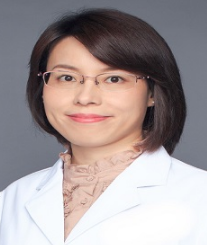 Hongping Xia (夏红萍)合作论文数Xinhua Hospital Affiliated to Shanghai Jiao Tong University School of Medicine10YongHong Zhang (张永红)合作论文数8
 Jihong Qian (钱继红)合作论文数Xinhua Hospital Affiliated to Shanghai Jiao Tong University School of Medicine8
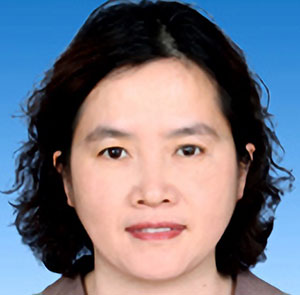 Lijuan Xie (谢利娟)合作论文数Xinhua Hospital Affiliated to Shanghai Jiao Tong University School of Medicine8
 Yongjun Zhang (张拥军)合作论文数Xinhua Hospital Affiliated to Shanghai Jiao Tong University School of Medicine8Jintong Tan合作论文数7
 Zhenjuan He (何振娟)合作论文数Xinhua Hospital Affiliated to Shanghai Jiao Tong University School of Medicine7QingNan Yang (杨庆南)合作论文数6
 Xuefan Gu (顾学范)合作论文数Xinhua Hospital Affiliated to Shanghai Jiao Tong University School of Medicine6
 Lili Liang合作论文数School of Material Science and Engineering, Southwest University of Science and Technology6ZhangHua Yin (殷张华)合作论文数5
 Lianshu Han (韩连书)合作论文数Xinhua Hospital Affiliated to Shanghai Jiao Tong University School of Medicine5
 Jun Ye (叶军)合作论文数Xinhua Hospital Affilated to Shanghai Jiao Tong University School of Medicine5
 Wenjuan Qiu (邱文娟)合作论文数Xinhua Hospital, School of Medicine, Shanghai Jiao Tong University5
 Yu Sun (孙昱)合作论文数MOE-Shanghai Key Laboratory of Children's Environmental Health, Xinhua Hospital, Shanghai Jiao Tong University School of Medicine4
 Jian Wang (王剑)合作论文数Shanghai Key Laboratory of Embryo Original Diseases;Shanghai Children's Medical Center, School of Medicine, Shanghai Jiao Tong University4
 Xiaohui Gong (龚小慧)合作论文数Shanghai Jiaotong University School of Medicine4
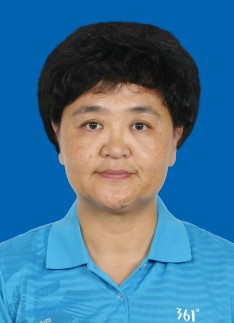 Yonghong Zhang (张永红)合作论文数Beijing Children's Hospital, Capital Medical University4
 Huiwen Zhang (张惠文)合作论文数Xinhua Hospital, School of Medicine, Shanghai Jiao Tong University4
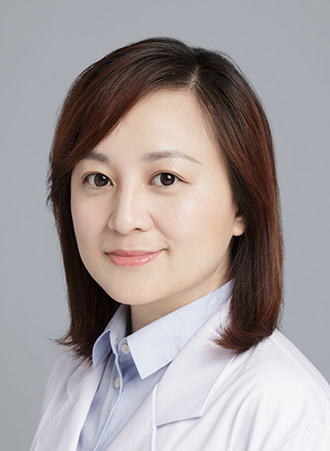 Fei Bei (贝斐)合作论文数Shanghai Children's Medical Center, Shanghai Jiao Tong University School of Medicine4Jingjing Sun合作论文数3Li Ma合作论文数3
 Gang Qiu (裘刚)合作论文数上海市儿童医院 新生儿科3
 Jianhua Sun (孙建华)合作论文数Shanghai Children’s Medical Center3
 Yan Chen (陈燕)合作论文数School of Chemistry and Chemical Engineering, Shanghai Jiao Tong University3Feng Xu合作论文数2Xia Zhan合作论文数2
 Yongguo Yu (余永国)合作论文数Xinhua Hospital, School of Medicine, Shanghai Jiao Tong University;MOE-Shanghai Key Laboratory of Children's Environmental Health2Pei-Zhong Bao (鲍培忠)合作论文数1Guoying Chang合作论文数1Li WANG (王丽)合作论文数1Ting LI (李婷)合作论文数1Xia WANG (王霞)合作论文数1ZHANG Yong-hong合作论文数1Yujie Xie合作论文数1QingNv Zhou (周庆女)合作论文数1HuaFei Huang (黄华飞)合作论文数1ShengLi Gu (顾胜利)合作论文数1XiaoQing Liu (刘晓青)合作论文数1Bei Wang (王蓓)合作论文数1Li Wang (王利)合作论文数1
 Yiwen Wang (王依闻)合作论文数Xin Hua Hospital Affiliated to Shanghai Jiao Tong University School of Medicine1
 Xiaodan Yu (余晓丹)合作论文数Shanghai Children's Medical Center, School of Medicine, Shanghai Jiao Tong University1




