The scaling-law era has transformed artificial intelligence from research into a global industry, but its rapid growth raises concerns over energy usage, carbon emissions, and environmental sustainability. Unlike traditional sectors, the AI industry still lacks systematic carbon accounting methods that support large-scale estimates without reproducing the original model. This leaves open questions about how large the problem is today and how large it might be in the near future. Given that the Hugging Face (HF) platform well represents the broader open-source community, we treat it as a large-scale, publicly accessible, and audit-ready corpus for carbon accounting. We propose a FLOPs-based framework to estimate aggregate training emissions of HF open-source models. Considering their uneven disclosure quality, we introduce a tiered approach to handle incomplete metadata, supported by empirical regressions that verify the statistical significance. Compute is also converted to AI training carbon intensity (ATCI, emissions per compute), a metric to assess the sustainability efficiency of model training. Our results show that training the most popular models (with over 5,000 downloads) has resulted in approximately 5.8×10^4 tons of carbon emissions. This paper provides a framework for large-scale emission estimations and a practical methodology to guide future standards and sustainability strategies in the AI industry.
Workflow generation in visual creation systems such as ComfyUI demands not only syntactic accuracy but also expert-level reasoning over modular compositions. Existing large language model (LLM) approaches often treat this as a direct text-to-JSON generation task, struggling with structural brittleness and lacking the experiential knowledge required for effective design. We argue that successful workflow generation requires modeling knowledge itself, including its structure, hierarchy, and reasoning dynamics. To this end, we propose a knowledge-centric framework that learns to invert, inject, and infer with knowledge across multiple abstraction levels. We first perform knowledge inversion to distill hierarchical representations, ranging from full pseudo-codes and skeletons to high-level strategies, from large collections of real-world workflows. We then conduct knowledge injection through supervised fine-tuning, teaching the model to reason from task descriptions to strategies and from strategies to executable structures. During inference, the model performs reversible reasoning to synthesize executable workflows, augmented by self-refinement for structural coherence. Extensive experiments demonstrate that our method produces workflows with richer node diversity, more coherent structures, and higher execution success rates than existing systems, establishing a new foundation for knowledge-driven, agentic workflow generation.
This position paper argues that the evaluation of modern visual processing systems should no longer be driven primarily by single-metric image quality assessment benchmarks, particularly in the era of generative and perception-oriented methods. Image restoration exemplifies this divergence: while objective IQA metrics enable reproducible, scalable evaluation, they have increasingly drifted apart from human perception and user preferences. We contend that this mismatch risks constraining innovation and misguiding research progress across visual processing tasks. Rather than rejecting metrics altogether, this paper calls for a rebalancing of evaluation paradigms, advocating a more human-centered, context-aware, and fine-grained approach to assessing the visual models' outcomes.
We systematically evaluate Parameter-Efficient Fine-Tuning (PEFT) methods under the paradigm of Reinforcement Learning with Verifiable Rewards (RLVR). RLVR incentivizes language models to enhance their reasoning capabilities through verifiable feedback; however, while methods like LoRA are commonly used, the optimal PEFT architecture for RLVR remains unidentified. In this work, we conduct the first comprehensive evaluation of over 12 PEFT methodologies across the DeepSeek-R1-Distill families on mathematical reasoning benchmarks. Our empirical results challenge the default adoption of standard LoRA with three main findings. First, we demonstrate that structural variants, such as DoRA, AdaLoRA, and MiSS, consistently outperform LoRA. Second, we uncover a spectral collapse phenomenon in SVD-informed initialization strategies (e.g., PiSSA, MiLoRA), attributing their failure to a fundamental misalignment between principal-component updates and RL optimization. Furthermore, our ablations reveal that extreme parameter reduction (e.g., VeRA, Rank-1) severely bottlenecks reasoning capacity. We further conduct ablation studies and scaling experiments to validate our findings. This work provides a definitive guide for advocating for more exploration for parameter-efficient RL methods.
Engineering problem solving is central to real-world decision-making, requiring mathematical formulations that not only represent complex problems but also produce feasible solutions under data and physical constraints. Unlike mathematical problem solving, which operates on predefined formulations, engineering tasks demand open-ended analysis, feasibility-driven modeling, and iterative refinement. Although large language models (LLMs) have shown strong capabilities in reasoning and code generation, they often fail to ensure feasibility, which limits their applicability to engineering problem solving. To address this challenge, we propose EngiAgent, a multi-agent system with a fully connected coordinator that simulates expert workflows through specialized agents for problem analysis, modeling, verification, solving, and solution evaluation. The fully connected coordinator enables flexible feedback routing, overcoming the rigidity of prior pipeline-based reflection methods and ensuring feasibility at every stage of the process. This design not only improves robustness to diverse failure cases such as data extraction errors, constraint inconsistencies, and solver failures, but also enhances the overall quality of problem solving. Empirical results across four representative domains demonstrate that EngiAgent achieves substantial improvements in feasibility compared to prior approaches, establishing a new paradigm for feasibility-oriented engineering problem solving with LLMs. Our source code and data are available at https://anonymous.4open.science/r/EngiAgent-1C8A.
Data contamination undermines the reliable evaluation of large language models (LLMs) on mathematical problem solving. While rewriting-based evaluation mitigates memorization, existing methods lack guarantees of problem validity and answer correctness. We propose Proof-Verified Benchmark Rewriting (RePro), the first framework to integrate Lean-oriented neural automated theorem provers (ATPs) into benchmark rewriting, which rewrites problems and regenerates answers with correctness ensured by Lean-verified proofs. Experiments on GSM8K and MATH show that RePro's retained rewritten instances achieve 100
Many emerging video language modeling tasks require systems to move beyond clip-level abstraction and model visual content as it unfolds over extended time horizons. However, most existing video datasets rely on coarse or sparsely aligned supervision, which compresses temporal variation and limits the ability of models to learn reusable representations of continuous visual dynamics. We introduce Kairos, a video dataset for video-language modeling with time-resolved annotations. Kairos consists of long-duration videos, ranging from ten minutes to half an hour, annotated with fine-grained temporal alignment. The annotations capture ongoing actions, entity appearances and attributes, interactions, and evolving contextual cues along the video timeline. This time-resolved structure supports fine-grained evaluation, long-range modeling and reasoning, instruction data construction, representation learning, and video generation. Kairos provides a general-purpose foundation for modeling visual experiences over time.
Large language models (LLMs) have shown strong performance on mathematical reasoning under well-posed conditions. However, real-world engineering problems require more than mathematical symbolic computation – they need to deal with uncertainty, context, and open-ended scenarios. Existing benchmarks fail to capture these complexities. We introduce EngiBench, a hierarchical benchmark designed to evaluate LLMs on solving engineering problems. It spans three levels of increasing difficulty (foundational knowledge retrieval, multi-step contextual reasoning, and open-ended modeling) and covers diverse engineering subfields. To facilitate a deeper understanding of model performance, we systematically rewrite each problem into three controlled variants (perturbed, knowledge-enhanced, and math abstraction), enabling us to separately evaluate the model's robustness, domain-specific knowledge, and mathematical reasoning abilities. Experiment results reveal a clear performance gap across levels: models struggle more as tasks get harder, perform worse when problems are slightly changed, and fall far behind human experts on the high-level engineering tasks. These findings reveal that current LLMs still lack the high-level reasoning needed for real-world engineering, highlighting the need for future models with deeper and more reliable problem-solving capabilities. Our source code and data are available at https://github.com/EngiBench/EngiBench.
Generalization to unseen degradations remains a fundamental challenge for low-level vision models. This paper aims to investigate the underlying mechanism of this failure, using image deraining as a primary case study due to its well-defined and decoupled structure. Through systematic experiments, we reveal that generalization issues are not primarily caused by limited network capacity, but rather by a “shortcut learning” phenomenon driven by the relative complexity between image content and degradation patterns. We find that when background content is excessively complex, networks preferentially overfit the simpler degradation characteristics to minimize training loss, thereby failing to learn the underlying image distribution. To address this, we propose two principled strategies: (1) balancing the complexity of training data (backgrounds vs. degradations) to redirect the network's focus toward content reconstruction, and (2) leveraging strong content priors from pre-trained generative models to physically constrain the network onto a high-quality image manifold. Extensive experiments on image deraining, denoising, and deblurring validate our theoretical insights. Our work provides an interpretability-driven perspective and a principled methodology for improving the robustness and generalization of low-level vision models.
Existing desnowing methods have primarily focused on single snowy images, relying on hand-crafted or learned convolutional features. However, these methods often face challenges when it comes to video desnowing tasks due to their neglect of video temporal information. Moreover, existing image datasets contain limited snow densities, and thus existing desnowing CNNs trained on these datasets are not effective in handling inputs with different snow densities. To alleviate this issue, we generate the first high-quality snowy video dataset with 1250 videos and diverse snow densities. We believe that this is the first learning-oriented dataset for video desnowing. Moreover, we devise a density-aware video desnowing network (DvD-Net) by learning inter-video and intra-video snow density information. We utilize the window-based mechanism to align adjacent video frames to reduce the influence of inaccurate optical flow estimation caused by snow particles. Then, we predict additional snow density information and devise a density-aware transformer block to embed it into a transformer to learn global intra-video information for video desnowing. Meanwhile, we devise a density contrastive loss to enlarge the snow density similarities within frames of the same videos and reduce the density similarities among frames from different videos. Experimental results on our generated snowy video datasets and real-world videos show that our network clearly outperforms state-of-the-art methods.
Generative Image Restoration (GIR) has achieved impressive perceptual realism, but how far have its practical capabilities truly advanced compared with previous methods? To answer this, we present a large-scale study grounded in a new multi-dimensional evaluation pipeline that assesses models on detail, sharpness, semantic correctness, and overall quality. Our analysis covers diverse architectures, including diffusion-based, GAN-based, PSNR-oriented, and general-purpose generation models, revealing critical performance disparities. Furthermore, our analysis uncovers a key evolution in failure modes that signifies a paradigm shift for the perception-oriented low-level vision field. The central challenge is evolving from the previous problem of detail scarcity (under-generation) to the new frontier of detail quality and semantic control (preventing over-generation). We also leverage our benchmark to train a new IQA model that better aligns with human perceptual judgments. Ultimately, this work provides a systematic study of modern generative image restoration models, offering crucial insights that redefine our understanding of their true state and chart a course for future development.
This study proposes a novel approach, intelligent text-analytic load forecasting (ITA-LF), to address the short-term load forecasting (STLF) problem by utilizing large language models (LLMs) and generative agents. This emphasizes the challenges faced by traditional forecasting methods in adapting to rapid changes and complex patterns in energy consumption, particularly during unexpected social events. It processes diverse unstructured data (e.g., historical loads, news, calendar dates, and weather), fine-tuning an LLM to enhance prediction accuracy and adaptability. An LLM-based agent with reasoning capabilities is introduced to select and understand relevant news, demonstrating the model’s ability to integrate diverse information for more precise forecasting. Our results surpass all baseline models in predictive accuracy, indicating that LLMs excel in managing the complexities of load forecasting patterns. This innovative approach not only improves forecasting accuracy but also indicates potential shifts in STLF paradigms by integrating unstructured data through advanced artificial intelligence (AI) techniques.
Composition matters during the photo-taking process, yet many casual users struggle to frame well-composed images. To provide composition guidance, we introduce PhotoFramer, a multi-modal composition instruction framework. Given a poorly composed image, PhotoFramer first describes how to improve the composition in natural language and then generates a well-composed example image. To train such a model, we curate a large-scale dataset. Inspired by how humans take photos, we organize composition guidance into a hierarchy of sub-tasks: shift, zoom-in, and view-change tasks. Shift and zoom-in data are sampled from existing cropping datasets, while view-change data are obtained via a two-stage pipeline. First, we sample pairs with varying viewpoints from multi-view datasets, and train a degradation model to transform well-composed photos into poorly composed ones. Second, we apply this degradation model to expert-taken photos to synthesize poor images to form training pairs. Using this dataset, we finetune a model that jointly processes and generates both text and images, enabling actionable textual guidance with illustrative examples. Extensive experiments demonstrate that textual instructions effectively steer image composition, and coupling them with exemplars yields consistent improvements over exemplar-only baselines. PhotoFramer offers a practical step toward composition assistants that make expert photographic priors accessible to everyday users.
Masked Image Generation Models (MIGMs) have achieved great success, yet their efficiency is hampered by the multiple steps of bi-directional attention. In fact, there exists notable redundancy in their computation: when sampling discrete tokens, the rich semantics contained in the continuous features are lost. Some existing works attempt to cache the features to approximate future features. However, they exhibit considerable approximation error under aggressive acceleration settings. We attribute this to their limited expressivity and the failure to account for sampling information. To fill this gap, we propose learning a lightweight model that incorporates both previous features and sampled tokens, and regresses the average velocity field of feature evolution. The model has moderate complexity that suffices to capture the subtle dynamics while keeping lightweight compared to the original base model. We apply our method to two representative MIGMs and tasks. In particular, on the state-of-the-art Lumina-DiMOO, it achieves over 4x acceleration of text-to-image generation while maintaining quality, significantly pushing the Pareto frontier of masked image generation. The code and model weights are available at https://github.com/Kaiwen-Zhu/MIGM-Shortcut.
Real-world super-resolution (SR) is challenging due to complex degradations. HYPIR, a recent state-of-the-art diffusion-based restoration model, struggles to deal with this task in a single step. Although a naive two-step cascade improves the results, over-saturation, limited fine-grained details, and high inference latency remain. To address these limitations, we present HYPIR++. It removes the degradation removal encoder and noise augmentation to better preserve fidelity cues from low-quality inputs. To enhance fine-grained detail restoration and local structure fidelity, HYPIR++ introduces a tailored latent ConvNeXt and a latent patch discriminator, enabling adversarial learning directly in the latent space. In addition, HYPIR++ improves inference efficiency by reducing the text sequence length and replacing full attention with sparse neighbor attention, allowing direct processing of high-resolution images without block-based tiling. Extensive experiments demonstrate that HYPIR++ achieves superior perceptual quality and a 1.71× speedup over HYPIR, establishing a new state-of-the-art for real-world SR.
We introduce UniCon, a novel architecture designed to enhance control and efficiency in training adapters for large-scale diffusion models. Unlike existing methods that rely on bidirectional interaction between the diffusion model and control adapter, UniCon implements a unidirectional flow from the diffusion network to the adapter, allowing the adapter alone to generate the final output. UniCon reduces computational demands by eliminating the need for the diffusion model to compute and store gradients during adapter training. Our results indicate that UniCon reduces GPU memory usage by one-third and increases training speed by 2.3 times, while maintaining the same adapter parameter size. Additionally, without requiring extra computational resources, UniCon enables the training of adapters with double the parameter volume of existing ControlNets. In a series of image conditional generation tasks, UniCon has demonstrated precise responsiveness to control inputs and exceptional generation capabilities.
Traditional time series analysis has long relied on pattern recognition, trained on static and well-established benchmarks. However, in real-world settings – where policies shift, human behavior adapts, and unexpected events unfold – effective analysis must go beyond surface-level trends to uncover the actual forces driving them. The recent rise of Large Language Models (LLMs) presents new opportunities for rethinking time series analysis by integrating multimodal inputs. However, as the use of LLMs becomes popular, we must remain cautious, asking why we use LLMs and how to exploit them effectively. Most existing LLM-based methods still employ their numerical regression ability and ignore their deeper reasoning potential. This paper argues for rethinking time series with LLMs as a reasoning task that prioritizes causal structure and explainability. This shift brings time series analysis closer to human-aligned understanding, enabling transparent and context-aware insights in complex real-world environments.
Deep image restoration models aim to learn a mapping from degraded image space to natural image space. However, they face several critical challenges: removing degradation, generating realistic details, and ensuring pixel-level consistency. Over time, three major classes of methods have emerged, including MSE-based, GAN-based, and diffusion-based methods. However, they fail to achieve a good balance between restoration quality, fidelity, and speed. We propose a novel method, HYPIR, to address these challenges. Our solution pipeline is straightforward: it involves initializing the image restoration model with a pre-trained diffusion model and then fine-tuning it with adversarial training. This approach does not rely on diffusion loss, iterative sampling, or additional adapters. We theoretically demonstrate that initializing adversarial training from a pre-trained diffusion model positions the initial restoration model very close to the natural image distribution. Consequently, this initialization improves numerical stability, avoids mode collapse, and substantially accelerates the convergence of adversarial training. Moreover, HYPIR inherits the capabilities of diffusion models with rich user control, enabling text-guided restoration and adjustable texture richness. Requiring only a single forward pass, it achieves faster convergence and inference speed than diffusion-based methods. Extensive experiments show that HYPIR outperforms previous state-of-the-art methods, achieving efficient and high-quality image restoration.
Real-world image restoration (IR) is inherently complex and often requires combining multiple specialized models to address diverse degradations. Inspired by human problem-solving, we propose AgenticIR, an agentic system that mimics the human approach to image processing by following five key stages: Perception, Scheduling, Execution, Reflection, and Rescheduling. AgenticIR leverages large language models (LLMs) and vision-language models (VLMs) that interact via text generation to dynamically operate a toolbox of IR models. We fine-tune VLMs for image quality analysis and employ LLMs for reasoning, guiding the system step by step. To compensate for LLMs' lack of specific IR knowledge and experience, we introduce a self-exploration method, allowing the LLM to observe and summarize restoration results into referenceable documents. Experiments demonstrate AgenticIR's potential in handling complex IR tasks, representing a promising path toward achieving general intelligence in visual processing.
With the rapid advancement of Vision Language Models (VLMs), VLM-based Image Quality Assessment (IQA) seeks to describe image quality linguistically to align with human expression and capture the multifaceted nature of IQA tasks. However, current methods are still far from practical usage. First, prior works focus narrowly on specific sub-tasks or settings, which do not align with diverse real-world applications. Second, their performance is sub-optimal due to limitations in dataset coverage, scale, and quality. To overcome these challenges, we introduce the Enhanced Depicted image Quality Assessment model (EDQA). Our method includes a multi-functional IQA task paradigm that encompasses both assessment and comparison tasks, brief and detailed responses, full-reference and non-reference scenarios. We introduce a ground-truth-informed dataset construction approach to enhance data quality, and scale up the dataset to 495K under the brief-detail joint framework. Consequently, we construct a comprehensive, large-scale, and high-quality dataset, named EDQA-495K. We also retain image resolution during training to better handle resolution-related quality issues, and estimate a confidence score that is helpful to filter out low-quality responses. Experimental results demonstrate that EDQA significantly outperforms traditional score-based methods, prior VLM-based IQA models, and proprietary GPT-4V in distortion identification, instant rating, and reasoning tasks. Our advantages are further confirmed by real-world applications including assessing the web-downloaded images and ranking model-processed images. Codes, datasets, and model weights have been released in https://depictqa.github.io/.
 Chao Dong (董超)合作论文数Shanghai AI Lab, Shenzhen Institutes of Advanced Technology, Chinese Academy of Sciences;University of Chinese Academy of Sciences;Shenzhen University of Advanced Technology43
 Junhua Zhao (赵俊华)合作论文数Lab of Energy Internet, School of Science and Engineering, Chinese University of Hong Kong;Energy Markets and Finance Lab, Shenzhen Finance Institute;Shenzhen Institute of Artificial Intelligence and Robotics for Society17
 Yu Qiao (乔宇)合作论文数Multimedia Laboratory, Shenzhen Institutes of Advanced Technology, Chinese Academy of Sciences;Shanghai AI Laboratory;Shenzhen University of Advanced Technology15
 Haoyu Chen合作论文数Hong Kong University of Science and Technology (Guangzhou);Adobe12
 Yulun Zhang (张宇伦)合作论文数Department of Computer Science and Engineering, Shanghai Jiao Tong University11
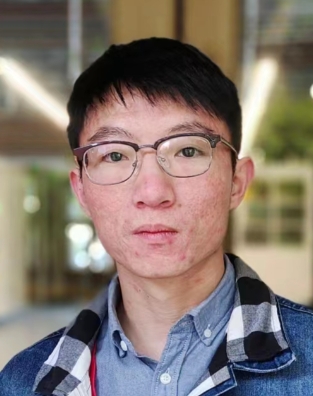 Zhiyuan You (尤志远)合作论文数Multimedia Laboratory, The Chinese University of Hong Kong10
 Haoming Cai (蔡昊明)合作论文数Department of Computer Science, University of Maryland;Marc Levoy’s NextCam Team, Adobe9
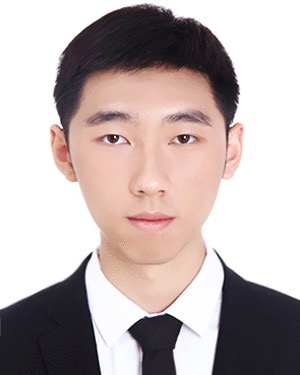 Yihao Liu合作论文数Shanghai Artificial Intelligence Laboratory8
 Zheyuan Li合作论文数8
 Jimmy S. Ren (任思捷)合作论文数AI Sensing and Imaging Group, SenseTime Research8
 Linghe Kong (孔令和)合作论文数School of Cyber Science and Engineering, Shanghai Jiao Tong University;Department of Computer Science and Engineering, Shanghai Jiao Tong University;School of Electronic Information and Electrical Engineering, Shanghai Jiao Tong University8
 Jeremy Qiu合作论文数School of Electrical and Computer Engineering, Faculty of Engineering, The University of Sydney7Fanghua Yu合作论文数Shenzhen Institute of Advanced Technology, Chinese Academy of Sciences6
 Xinlei Wang合作论文数School of Electrical and Information Engineering, University of Sydney6
 Xintao Wang (王鑫涛)合作论文数KwaiVGI, Kuaishou Technology6
 Xiangtao Kong (孔祥涛)合作论文数The Hong Kong Polytechnic University6
 Zheng Chen (陈铮)合作论文数Department of Computer Science and Engineering, Shanghai Jiao Tong University5
 Shuwei Shi (石书玮)合作论文数Graduate School of Information Science and Technology, The University of Tokyo;Shenzhen Institutes of Advanced Technology, Chinese Academy of Science5
 Radu Timofte合作论文数Computer Vision Laboratory, Institute of Computer Science, Faculty of Mathematics and Computer Science, Julius Maximilians University of Würzburg;ETH Zurich5
 Xin Yuan (袁鑫)合作论文数School of Engineering, Westlake University5
 Xiaokang Yang (杨小康)合作论文数Institute of Image Communication and Network Engineering, School of Electronic Information and Electrical Engineering, Shanghai Jiao Tong University5
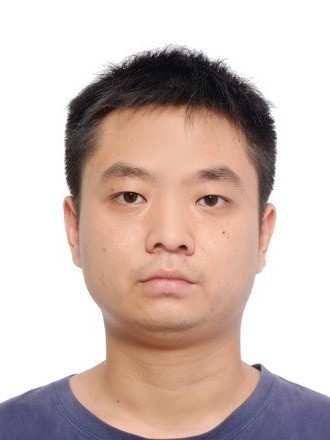 Lie Zhu (朱磊)合作论文数Department of Electronic and Computer Engineering, School of Engineering, The Hong Kong University of Science and Technology;The Hong Kong University of Science and Technology (Guangzhou)5
 Tianfan Xue (薛天帆)合作论文数Department of Information Engineering, Faculty of Engineering, The Chinese University of Hong Kong5
 Liangbin Xie (謝良彬)合作论文数State Key Laboratory of Internet of Things for Smart City, University of Macau;Xpixel Group, University of Macau;Shenzhen Institutes of Advanced Technology, Chinese Academy of Sciences;Kuaishou4
 Guolong Liu合作论文数School of Science and Engineering, Chinese University of Hong Kong Shenzhen, Shenzhen, China4
 Gaoqi Liang合作论文数Univ Newcastle, Ctr Intelligent Elect Networks, Callaghan, NSW 2308, Australia4
 Zhao Yang Dong (董朝陽)合作论文数Department of Electrical Engineering, City University of Hong Kong4Jingjing Ren合作论文数School of Computer Science and Engineering, South China University of Technology;WeChat, Tencent Inc.4
 Yanli Liu (刘艳丽)合作论文数School of Electrical and Information Engineering, Tianjin University4
 Yujiu Yang (杨余久)合作论文数Shenzhen International Graduate School, Tsinghua University4Xinqi Lin合作论文数Shenzhen Institutes of Advanced Technology, Chinese Academy of Sciences;XPixel Group3Xiaoxing Ye合作论文数3
 Wangmeng Zuo (左旺孟)合作论文数School of Computer Science and Technology, Harbin Institute of Technology3
 Yan Xu合作论文数School of Electrical & Electronic Engineering, Nanyang Technological University3
 Junlin Li合作论文数3
 Shuhang Gu (顾舒航)合作论文数School of Computer Science and Engineering, University of Electronic Science and Technology of China3
 Pablo Navarrete Michelini合作论文数3
 Keda Tao合作论文数Efficient Neural Computing and Design Lab, Westlake University2
 Sixiang Chen (陈思翔)合作论文数Hong Kong University of Science and Technology (Guangzhou)2
 Wenbo Li (李文博)合作论文数Huawei Technologies Ltd.2
 Ruicheng Feng合作论文数Multimedia Laboratory, Nanyang Technological University2
 Shixiang Wu合作论文数Shenzhen Institutes of Advanced Technology, Chinese Academy of Sciences2
 Jin-Fan Hu合作论文数2Yiting Liao合作论文数Bytedance Inc.2
 Wenxuan Liu (柳文轩)合作论文数Shenzhen Institute of Artificial Intelligence and Robotics for Society2Longtao Feng合作论文数2
 Xiaopeng Sun (孙孝鹏)合作论文数2Anran Liu合作论文数2




