BACKGROUND:Renal lymphatic vessel density is clinically relevant in kidney disease but is still assessed by slow, subjective visual estimation. We evaluated a weakly supervised, attention-based multiple-instance learning framework for automated detection and quantification of renal lymphatic vessel density on D2-40-stained whole-slide images (WSIs). METHODS:Two independent internal datasets from Tongji Hospital were collected, including 198 cases of chronic kidney disease (CKD) and 50 cases of hypertensive nephropathy (HTN). All biopsies were immunohistochemically stained for D2-40 and digitized as WSIs. Pathologists provided only slide-level labels (D2-40 high vs. D2-40 low). Tissue regions were automatically segmented, tiled into patches, and encoded using a pretrained convolutional neural network. Patch embeddings were then analyzed with a clustering-constrained attention multiple-instance learning (CLAM) model. Unlike conventional multiple-instance learning (MIL) methods that only weight instances, CLAM jointly performs attention-based instance selection and instance-level clustering to distinguish positive from negative evidence within each slide, yielding more discriminative slide-level features and interpretable attention maps. Performance was compared with a classic MIL model trained on the same features. RESULTS:CLAM achieved area under the receiver operating characteristic curves of 0.942 and 0.858 on the CKD and HTN datasets, respectively, outperforming classic MIL (0.866 and 0.801). Attention maps highlighted lymphatic-rich regions consistent with renal pathologists' assessments. CONCLUSIONS:This clustering-constrained, attention-based weakly supervised framework enables fully automated, reproducible quantification of renal lymphatic vessel density from WSIs, providing renal pathologists with rapid visual and numerical support for diagnosis and risk stratification in CKD and HTN.
Acute kidney injury (AKI) is a clinical syndrome characterized by a rapid decline in renal function caused by various etiologies, and it is associated with high morbidity and mortality. Despite continuous improvements in renal replacement therapy, the rate of progression from AKI to chronic kidney disease (CKD) remains over 30%, imposing a substantial disease burden. Recent preclinical studies indicate that aberrant activation of endothelin‑1 (ET‑1) is a key driver of AKI development and of its progression to CKD. ET‑1 appears to mediate these processes through multiple mechanisms, including alterations in renal hemodynamics (notably vasoconstriction), increased oxidative stress, amplified inflammatory responses, and promotion of fibrogenesis. This review systematically summarizes the pathophysiological roles of ET‑1 in AKI, evaluates its therapeutic potential, and examines the molecular mechanisms by which ET‑1 contributes to AKI-to-CKD transition, with the goal of providing a theoretical foundation for future clinical interventions.
Introduction Chronic kidney disease (CKD) is a major global health burden characterized by immune dysregulation. Peripheral blood lymphocyte subsets can reflect immune status across CKD pathologies. We evaluated associations between lymphocyte subsets and clinical parameters in patients undergoing renal biopsy in a contemporary cohort. Methods We conducted a retrospective cross-sectional study of adults (≥16 years) who underwent native renal biopsy at Tongji Hospital, China, from January 2012 to December 2024. The lymphocyte subsets assessed by flow cytometry included combined T/B/NK cells (TBNK), total T cells (CD3⁺CD19⁻), total B cells (CD3⁻CD19⁺), helper T cells (CD3⁺CD4⁺), cytotoxic T cells (CD3⁺CD8⁺), and natural killer cells (CD3⁻CD16⁺CD56⁺). Clinical data included demographics, comorbidities, medications, clinical and immunological markers. Multivariable linear regression was employed to investigate the relationships between lymphocyte subsets as continuous variables and clinical parameters, and nested regression using quartile categories to assess dose-response relationships. Results In total, 1,033 individuals were enrolled. TBNK levels declined with age (β = −4.33, 95% CI: −7.35 to −1.32) and were lower in females than males (β = −84.26, 95% CI: −157.29 to −11.23). Lymphocyte subset distributions varied by nephritis pathology: ANCA-GN and LN showed lower levels than other types, whereas purpura nephritis was relatively higher. TBNK counts correlated positively with eGFR (β = 11.48, 95% CI: 6.78 to 16.19), with similar patterns for total B, total T, CD4+ T, and CD8+ T cells. Lymphocyte counts were also positively associated with complement 3. Among IgAN, TBNK levels correlated positively with IgA (β = 0.31, 95% CI: 0.06 to 0.57) and complement 3 (β = 0.10, 95% CI: 0.06 to 0.14). Conclusions Lymphocyte and subset counts relate to renal function, immune indices, and pathology. Their measurement may help evaluate disease severity and immune status in nephritis and inform clinical management.
BACKGROUND:Belimumab, a monoclonal antibody targeting B lymphocyte stimulator, has shown benefits in systemic lupus erythematosus and lupus nephritis, but its role in IgA nephropathy (IgAN) remains unclear. We evaluated the effectiveness and safety of belimumab in IgAN. METHODS:This retrospective cohort study included biopsy-proven IgAN patients at Tongji Hospital, China (July 2020-June 2024). 69 patients treated with belimumab were compared with 137 propensity score-matched controls receiving standard therapy. The primary outcome was proteinuria remission, defined as a reduction in 24-hour urinary protein excretion or urine protein-to-creatinine ratio (UPCR) to < 50% of baseline. RESULTS:Among 206 patients with IgAN (median age 37 years, baseline eGFR 79 ml/min/1.73 m², proteinuria 1.1 g/24 h), 173 (84%) achieved proteinuria remission within 12 months. Remission was higher in the belimumab group: 59% vs 46% at 3 months, 77% vs 66% at 6 months, and 93% vs 80% at 12 months (P = 0.025 at 12 months), with lower time-averaged UPCR at 6 months [371 (248 738) vs.463(262 855) mg/g] and 12 months [360 (234 560) vs.433(243 720) mg/g, P = 0.066]. In newly diagnosed patients, remission was significantly higher at 3 months (76.5% vs. 47.1%, P = 0.009) and 6 months (88.2% vs. 67.6%, P = 0.045), with similar trends at later time points. In patients with baseline UPCR >600 mg/g and those receiving RAAS inhibitors, belimumab demonstrated comparable or superior proteinuria reduction. No excess of common adverse events was observed in the belimumab group. CONCLUSION:Belimumab treatment was associated with higher proteinuria remission rates in patients with IgAN, without an increased incidence of common adverse events. These findings suggest that belimumab may represent a superior therapeutic approach for IgAN in real-world clinical practice.
Membranous nephropathy (MN) is a common glomerular disease leading to nephrotic syndrome in adults, clinically characterized by massive proteinuria, hypoalbuminemia, and prominent hyperlipidemia. Growing evidence suggests that hyperlipidemia is not merely a secondary consequence of MN, but may also play a critical role in the pathogenesis and progression of MN. This review specifically focuses on hyperlipidemia in MN— rather than nephrotic dyslipidemia in general— to clarify its distinct mechanisms and implications. We examine the association between hyperlipidemia and MN, elucidating the mechanisms from various perspectives including genetic background, the sPLA2-IB/PLA2R axis, the impact of hyperlipidemia on glomerular podocytes and proximal tubule cells, as well as its modulation of immune function. Therefore, this review aims to critically delineate the specific contributions of hyperlipidemia to MN pathology, distinguishing its active role from passive association, and to evaluate the resulting implications for developing targeted therapeutic interventions.
Cardiovascular-kidney-metabolic (CKM) syndrome, a progressively advancing disorder involving metabolic, renal, and cardiovascular dysfunction, was newly defined by the American Heart Association in its latest recommendations. Life's Crucial 9 (LC9) is a novel cardiovascular health (CVH) metric that incorporates depression, thus integrating psychological health into an established framework of lifestyle and clinical factors. It builds upon and extends Life's Essential 8 (LE8). Although LC9 has demonstrated predictive value in other disease contexts, its association with CKM syndrome remains unexamined. A total of 7,776 individuals aged 20 and above were analyzed in this cross-sectional study, based on data collected from NHANES spanning 2005–2018. LC9 included nine components: depression, BMI, non-HDL cholesterol, glucose, blood pressure, sleep, physical activity, diet, and nicotine exposure. According to the American Heart Association's criteria, individuals in CKM stages 3 or 4 were considered to have progressed to advanced syndrome. The analysis used restricted cubic spline models and logistic regression adjusted for survey weights to examine key associations. Weighted quantile sum (WQS) regression was conducted to identify key contributors. To evaluate model performance, we employed the Area Under the Receiver Operating Characteristic Curve (AUROC), net reclassification improvement (NRI), and integrated discrimination improvement (IDI) as metrics. Additional subgroup and sensitivity analyses assessed result robustness. Elevated LC9 and LE8 scores were both significantly linked to reduced likelihood of advanced CKM syndrome (per 10-point increase: OR = 0.61, 95
Rationale & objective:The progression of IgA nephropathy (IgAN) involves complement activation and inflammatory infiltration. Lymphatics is reported to connect tissue injury with immunoregulation effect. This study aimed to quantify renal lymphatic vessel (LV) density in a Chinese IgAN cohort, assess its correlation with complement and inflammation, and evaluate its long-term prognostic significance. Study design:Retrospective cohort study. Setting & participants:We enrolled 127 IgAN patients from Tongji Hospital (Wuhan, China) who were treatment-naïve at renal biopsy (no glucocorticoids or immunosuppressants) and had complete, valid follow-up data. Exposure:Renal LVs and inflammatory cells were assessed by histological staining; urinary galactose-deficient IgA1 (Gd-IgA1), complement components, and cytokines were measured by ELISA (Enzyme-Linked Immunosorbent Assay). Outcomes:Two independent primary endpoints were defined: (1) Serum creatinine (Scr) doubling and (2) end-stage renal disease (ESRD). Analytical approach:Cox proportional hazards regression. Result:In patients with IgAN, renal LVs density was significantly elevated compared to controls (P = .004). This increase was positively correlated with urinary levels of Gd-IgA1, (r = 0.41), IL-6 (r = 0.37), C5b-9 (r = 0.34), complement factor H (CFH, r = 0.50), mannose-binding lectin (MBL, r = 0.40), and C4d (r = 0.26). Inflammatory cell infiltration (CD68+, DC-SIGN+, CD1c+, CD4+, CD8+, CD20+) around LVs also was correlated with LVs density. Patients then were stratified by LVs density into LV1-LV3 groups. Those in the LV3 group showed significantly higher proteinuria, Scr, and pathological scores. Over a median follow-up of 93 months, the LV3 group had a significantly increased risk of Scr doubling (HR = 3.67) and progression to ESRD (HR = 19.81) compared to the lower-density groups. Limitations:Single-center retrospective design; sample size. Conclusion:Renal LVs density exhibits a significant correlation with urinary Gd-IgA1 levels, complement activation, inflammatory cell infiltration and renal lesions. Furthermore, a higher renal LVs density is closely associated with poorer renal outcomes.
Objective: T cell-mediated rejection (TCMR) is a major concern following liver transplantation (LT), and identifying its predictors could help improve post-transplant prognosis. This study aimed to develop a model to predict the risk of TCMR in children and adults after LT. Method: Pre-transplant demographic characteristics, intraoperative parameters, and especially early post-transplant laboratory data for 1221 LT recipients (1096 adults and 125 children) were obtained from the Hospital, University, between 1 January 2015, and 1 January 2022. These data were analyzed to develop the prediction model. Result: The incidence of TCMR was higher in pediatric LT recipients than in adults (17.6% vs. 6.4%, P < 0.001). In adult recipients, seven predictors were identified: donor sex, recipient age, recipient height, and post-transplant levels of serum direct bilirubin, urea, platelets, and neutrophil-to-lymphocyte ratio. In pediatric recipients, four predictors were identified: post-transplant levels of serum monocyte percentage, direct bilirubin, albumin, and gamma-glutamyl transferase. The area under the model's curve incorporating these variables for predicting TCMR after LT was 0.713 (95% confidence interval, CI: 0.655-0.770) in adults and 0.786 (95% CI: 0.675-0.896) in children. Decision curve analyses demonstrated the clinical significance of the model. Conclusion: This study developed a prediction model that may be useful in identifying high-TCMR-risk populations in both adult and pediatric LT recipients.
ObjectiveTo accurately assess the importance of glomerular filtration rate in the elderly population, explore the clinical characteristics of the elderly population who need to monitor glomerular filtration rate, and verify the performance of the currently commonly used estimated glomerular filtration rate (eGFR) formula.MethodsA total of 313 patients aged 60 years and older who underwent 99mTc-DTPA renal dynamic imaging for measured glomerular filtration rate (mGFR) in Tongji Hospital, Tongji Medical College, Huazhong University of Science and Technology from December 1, 2012 to December 31, 2021 were enrolled. The characteristics of elderly patients were analyzed. The consistency, precision and accuracy of commonly used eGFR formulas and mGFR were analyzed. Bland-Altman plots were used to compare the deviations between eGFR values calculated by each formula and mGFR values. The accuracy of each formula was evaluated by the proportion of eGFR within mGFR (1 ± 10%) (P10), the proportion within (1 ± 30%) (P30), mean percent error (MPE), and mean absolute percent error (MAPE). The deviations between the formulas were compared using the t-test, and the differences in P10 and P30 between the formulas were compared using the McNemar test.ResultsResults The age of the elderly population in this study was 68.3(63.0,72.0) years. All the commonly used eGFR formulas overestimated mGFR to varying degrees. The interquartile range (IQR), MPE, MAPE, and root mean square error (RMSE) of the residual (eGFR-mGFR) were used to evaluate the accuracy of the formula eGFR. Both the Cockroft-Gault formula and the EKFC formula showed higher accuracy, among which the Cockroft-Gault formula had the lowest MPE and IQR, and the EKFC formula had the lowest MAPE and RMSE. The percentage of patients with absolute percentage errors within 10% and 30% was used as an indicator to evaluate the accuracy performance of the eGFR formula. Both the EKFC formula and the BIS1 formula showed higher accuracy, among which the EKFC formula had the highest P10 (26.8%), and the BIS1 formula had the highest P30 (67.4%). The C-MDRD formula performed the worst in both accuracy and precision.ConclusionAll commonly used eGFR formulas overestimate mGFR in the elderly to varying degrees. In general, the EKFC formula has better performance in accuracy and precision, and the accuracy P30 of the EKFC formula is higher than that of the Cockroft-Gault formula, while the C-MDRD formula performs the worst in both accuracy and precision.
Lymphangiogenesis is the formation of new lymphatic vessels from preexisting vessels and occurs during embryonic lymphatic development and under pathological conditions induced by internal or external stimuli. Emerging evidence suggests that neutrophils contribute to the construction and remodeling of new lymphatic vessels. Neutrophils migrate to lymph nodes through the lymphatic vessels or high endothelial venules, and neutrophil migration may depend on the phenotype of the neutrophil. The presence of unique neutrophil phenotypes in individuals with lymphangiogenesis has been reported. Neutrophils promote lymphangiogenesis mainly by secreting lymphotropic factors or increasing their bioavailability and by collaborating with various immune cells. Neutrophils mediate lymphangiogenesis and exert complex effects on tumors and inflammation. The selective inhibition of specific neutrophil and neutrophil lymphangiogenic molecules may provide a novel approach for the prevention and treatment of associated diseases.
Heart rate-corrected (QTc) interval prolongation is frequently linked to fatal arrhythmias and sudden cardiac death in chronic kidney disease (CKD) patients. In this cross-sectional study, we assessed the prevalence of prolonged QTc intervals and identified clinical factors associated with them across different stages of kidney failure. 723 patients with CKD stages 2–5 who had electrocardiogram records available were analyzed retrospectively. QTc intervals were calculated by correcting the QT intervals for all patients included in the study. QTc interval prolongation defined as a QTc interval ˃ 440 ms was assessed for its prevalence and its association with various clinical factors. A total of 723 patients with CKD stages 2–5 were finally included in this study, among which 420 (58.1
Introduction The estimated glomerular filtration rate (eGFR) derived from either creatinine (eGFRcr) or cystatin C (eGFRcys) is common preoperative test in routine clinical practice. Recently, the difference between eGFRcys and eGFRcr (eGFRdiff) has been suggested to reflect health status and frailty. This study was aimed to determine the association of eGFRdiff with adverse events among adults undergoing major surgery. Methods We conducted a retrospective cohort study of adults undergoing major surgery from 19 academic health care centers across China from January 1, 2013 to December 31, 2020. The eGFRdiff was categorized based on previous studied, that is, negative eGFRdiff (< −15 mL/min/1.73 m2), midrange eGFRdiff (−15 to 15 mL/min/ 1.73 m2), and positive eGFRdiff (≥ 15 mL/min/1.73 m2). Multivariate logistic regression was performed to assess the association of eGFRdiff with 30-day mortality, 90-day mortality, admission to intensive care unit (ICU), and development of postoperative acute kidney injury (AKI) after surgery. Results Among 158,336 participants undergoing major surgery, the mean age was 57 years and 52.5% were male. The most frequent surgery type was general (47.5%), followed by the orthopedic (17.0%), and thoracic surgery (12.9%). The mean eGFRdiff was -7.6 mL/min/1.73 m2, negative (<-15 mL/min/1.73 m2) and positive (≥15 mL/min/1.73 m2) eGFRdiff values were observed in 36.1% and 11.6% participants, respectively. In multivariable analyses after adjustment for confounding factors, the negative eGFRdiff had OR of 1.34 (95% CI: 1.20-1.50) for 30-day mortality, 1.33 (95% CI: 1.23, 1.43) for 90-day mortality, 1.46 (95% CI: 1.41-1.50) for admission to ICU, and 1.39 (95% CI: 1.32-1.46) for postoperative AKI. Moreover, the positive eGFRdiff was associated lower risk of 90-days mortality, admission to ICU, and postoperative AKI. Conclusions Negative GFRdiff may be a valuable marker for identifying individuals at a higher risk of adverse events in participants undergoing major surgery.
ABSTRACT Inflammation, as a complex biological response, can lead to tissue damage and pathological physiological changes, forming the basis for many chronic diseases. Stem cell‐derived exosomes (SC‐Exos), a type of nanoscale extracellular vesicle, possess advantages such as small volume, low immunogenicity, and drug‐carrying capacity, demonstrating immense potential in the field of disease diagnostics and therapeutics. Current studies indicate that SC‐Exos can not only alleviate inflammatory diseases by suppressing inflammatory cytokines and modulating the activation of macrophages through their immunomodulatory and regenerative properties but also show significant potential as carriers for anti‐inflammatory drugs, presenting a promising therapeutic approach for inflammatory conditions. However, the current lack of systematic summaries of SC‐Exos in the treatment of inflammatory diseases has impeded the development of standardized therapies and clinical applications. This review elucidates the methods of SC‐Exo sourcing, isolation, characterization, and engineering, as well as their application, mechanisms of action, and efficacy in the treatment of inflammatory diseases such as periodontitis, osteoarthritis (OA), and inflammatory bowel disease. Integrating these findings, this review highlights that SC‐Exos can attenuate a variety of inflammatory diseases by transporting a diverse range of molecules to modulate immune responses, thereby providing foundations for subsequent standardization of production and clinical trials.
OBJECTIVE:This study investigates the role of miR-144-5p in doxorubicin (DOX)-induced heart failure and explores its potential mechanisms by targeting ACSM1 and inhibiting lipid peroxidation. METHODS:Bioinformatics analysis was performed using the gene expression omnibus dataset GSE136547 to identify differentially expressed miRNAs in heart failure. DOX-induced in vitro and in vivo heart failure models were used to study the effects of miR-144-5p on cardiomyocyte viability, apoptosis, and lipid peroxidation. The targeting relationship between miR-144-5p and ACSM1 was verified using dual-luciferase reporter assays. Cardiac function was assessed by echocardiography, and biochemical markers of heart failure were measured using ELISA. The GO and KEGG enrichment analyses of ACSM1 were performed via the bioinformatic tools GeneMANIA and STRING. RESULTS:miR-144-5p was significantly upregulated in DOX-treated cardiomyocytes and mouse hearts. Inhibition of miR-144-5p attenuated DOX-induced cardiomyocyte apoptosis, lipid peroxidation, and cardiac dysfunction. ACSM1 was identified as a direct target of miR-144-5p, and its expression was downregulated by DOX. Silencing ACSM1 abolished the protective effects of the miR-144-5p inhibitor on the viability, apoptosis, and lipid peroxidation of cardiomyocytes. Furthermore, miR-144-5p inhibition improved cardiac function in DOX-treated mice, as evidenced by reduced left ventricular dysfunction and decreased levels of heart failure markers (BNP, LDH, Ang II, and ALD). CONCLUSIONS:Our findings demonstrate that inhibiting miR-144-5p alleviates DOX-induced heart failure by targeting ACSM1 and suppressing lipid peroxidation. The miR-144-5p/ACSM1 axis may represent a novel therapeutic target for heart failure. Future studies should focus on further elucidating the mechanisms underlying this axis and exploring its potential clinical applications.
BACKGROUND:Improving the accessibility of screening diabetic kidney disease (DKD) and differentiating isolated diabetic nephropathy from non-diabetic kidney disease (NDKD) are two major challenges in the field of diabetes care. We aimed to develop and validate an artificial intelligence (AI) deep learning system to detect DKD and isolated diabetic nephropathy from retinal fundus images. METHODS:In this population-based study, we developed a retinal image-based AI-deep learning system, DeepDKD, pretrained using 734 084 retinal fundus images. First, for DKD detection, we used 486 312 retinal images from 121 578 participants in the Shanghai Integrated Diabetes Prevention and Care System for development and internal validation, and ten multi-ethnic datasets from China, Singapore, Malaysia, Australia, and the UK (65 406 participants) for external validation. Second, to differentiate isolated diabetic nephropathy from NDKD, we used 1068 retinal images from 267 participants for development and internal validation, and three multi-ethnic datasets from China, Malaysia, and the UK (244 participants) for external validation. Finally, we conducted two proof-of-concept studies: a prospective real-world study with 3 months' follow-up to evaluate the effectiveness of DeepDKD in screening DKD; and a longitudinal analysis of the effectiveness of DeepDKD in differentiating isolated diabetic nephropathy from NDKD on renal function changes with 4·6 years' follow-up. FINDINGS:For detecting DKD, DeepDKD achieved an area under the receiver operating characteristic curve (AUC) of 0·842 (95% CI 0·838-0·846) on the internal validation dataset and AUCs of 0·791-0·826 across external validation datasets. For differentiating isolated diabetic nephropathy from NDKD, DeepDKD achieved an AUC of 0·906 (0·825-0·966) on the internal validation dataset and AUCs of 0·733-0·844 across external validation datasets. In the prospective study, compared with the metadata model, DeepDKD could detect DKD with higher sensitivity (89·8% vs 66·3%, p<0·0001). In the longitudinal study, participants with isolated diabetic nephropathy and participants with NDKD identified by DeepDKD had a significant difference in renal function outcomes (proportion of estimated glomerular filtration rate decline: 27·45% vs 52·56%, p=0·0010). INTERPRETATION:Among diverse multi-ethnic populations with diabetes, a retinal image-based AI-deep learning system showed its potential for detecting DKD and differentiating isolated diabetic nephropathy from NDKD in clinical practice. FUNDING:National Key R & D Program of China, National Natural Science Foundation of China, Beijing Natural Science Foundation, Shanghai Municipal Key Clinical Specialty, Shanghai Research Centre for Endocrine and Metabolic Diseases, Innovative research team of high-level local universities in Shanghai, Noncommunicable Chronic Diseases-National Science and Technology Major Project, Clinical Special Program of Shanghai Municipal Health Commission, and the three-year action plan to strengthen the construction of public health system in Shanghai.
Visualize-HD study aimed to examine prevalence of hyperkalemia (HK), associated practice patterns, and mortality in Chinese patients undergoing hemodialysis (HD). The study included patients aged ≥ 18 years and undergoing chronic HD for ≥ 3 months. Primary outcome was to examine the association between suspected risk factors and HK prevalence at the HD facility level. Secondary outcomes were to determine the HK prevalence, management pattern of serum potassium (sK), and risk factors associated with crude mortality. Overall, 50,983 patients undergoing HD from 231 HD centers were enrolled. HK prevalence (sK > 5.0 mmol/L) in patients undergoing HD was 40.84%. Proportion of patients sK > 5.5, > 6.0, > 6.5 mmol/L was 20.42%, 8.7%, and 3.21%, respectively. Three-year cumulative mortality of patients undergoing HD was 21.3%. Notably, 36.7% of deceased patients had HK as indicated by their final sK+ test results. Facilities in high HK prevalence group had a higher all-cause and cardiovascular mortalities compared with low HK prevalence group (20.7% vs. 21.9% and 11.5% vs. 13.5%; P < 0.05). A higher prevalence of hyperphosphatemia [hazard ratio (HR) 1.04 (95% confidence interval (CI): 1.01-1.07)] and more usage of potassium-binding drugs [HR 1.04 (95% CI: 1.00-1.07)] were positively associated with higher HK prevalence for facilities, whereas hypoalbuminemia prevalence and more elderly patients were reversely associated with higher HK prevalence for facilities. HK is prevalent in Chinese HD centers and is associated with risk factors. Chinese HD centers with a higher HK prevalence had higher mortality rates. Although, long-term sK control is important for improving survival in patients undergoing MHD, potassium-binding drugs are underused.Clinical trial registration number: NCT05020717.
 Shuwang Ge (葛树旺)合作论文数Tongji Hospital, Tongji Medical College of Huazhong University of Science and Technology88
 Ding Ma (马丁)合作论文数Department of Obstetrics and Gynecology, Tongji Hospital, Tongji Medical College, Huazhong University of Science and Technology;School of International Education, Huazhong University of Science and Technology67
 Rui Zeng (曾锐)合作论文数Tongji Hospital, Tongji Medical College, Huazhong University of Science and Technology63
 Jianfeng Zhou (周剑峰)合作论文数Tongji Hospital, Tongji Medical College, Huazhong University of Science and Technology60
 Min Han (韩敏)合作论文数Tongji Hospital Affiliated to Tongji Medical College of Huazhong University of Science & Technology56
 Shixuan Wang (王世宣)合作论文数Tongji Hospital, Tongji Medical College, Huazhong University of Science and Technology56
 Guang-Chang Pei (裴广畅)合作论文数51
 Ying Yao (姚颖)合作论文数Tongji Hospital, Tongji Medical College, Huazhong University of Science and Technology42Yunping Lu (卢运萍)合作论文数39Yichun Cheng合作论文数37
 Li Meng (孟力)合作论文数Tongji Hospital, Tongji Medical College, Huazhong University of Science and Technology37Li Yue-Qiang合作论文数36
 Xiaocheng Liu (刘晓城)合作论文数Tongji Hospital, Tongji Medical College of Huazhong University of Science and Technology31
 Ran Luo合作论文数School of Medicine, Shanghai Jiao Tong University30
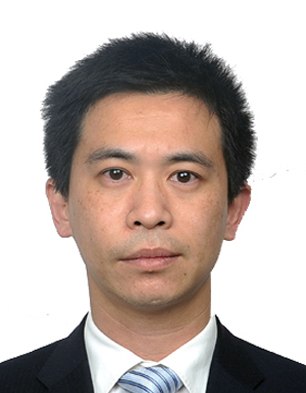 Gang Chen (陈刚)合作论文数Tongji Hospital, Tongji Medical College, Huazhong University of Science & Technology24
 Tao Zhu (朱涛)合作论文数Tongji Hospital, Tongji Medical College, Huazhong University of Science & Technology23Sheng Nie合作论文数22
 Fan He (何凡)合作论文数Tongji Hospital, Tongji Medical College, Huazhong University of Science and Technology22Guo Shuiming合作论文数21
 Bicheng Liu (刘必成)合作论文数School of Medicine, Southeast University21
 Junhua Li (李俊华)合作论文数Tongji Hospital, Tongji Medical College of Huazhong University of Science and Technology20
 Yan Zha (查艳)合作论文数Guizhou Provincial People's Hospital19Chunbo Chen (陈纯波)合作论文数17Yanyan Liu合作论文数17ShouJun Bai (白寿军)合作论文数17
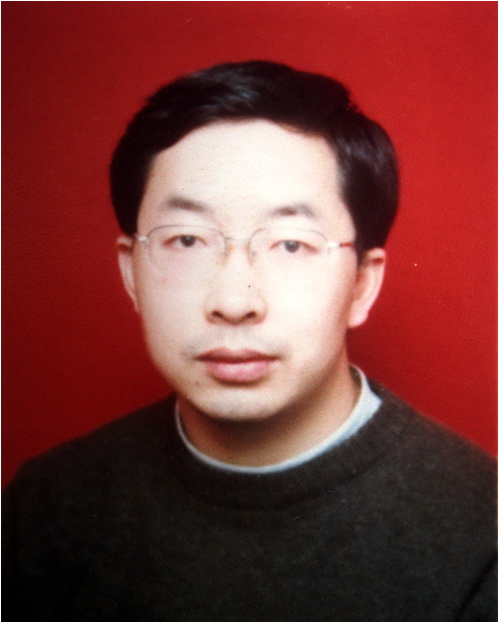 Guisen Li (李贵森)合作论文数Department of Nephrology, Sichuan Provincial People's Hospital, School of Medicine, University of Electronic Science and Technology of China17YaoZhong Kong (孔耀中)合作论文数16
 Ying Zhang (张颖)合作论文数School of Basic Medicine, Tongji Medical College, Huazhong University of Science and Technology16Qiongqiong Yang合作论文数15Yongjun Shi合作论文数15
 Ying Hu合作论文数15Qijun Wan合作论文数15
 Ying Tang合作论文数15Juan Yang合作论文数15
 Hong Xu (徐虹)合作论文数Children’s Hospital of Fudan University15
 Hua Li (李华)合作论文数Zhejiang University School of Medicine15
 Xiaofeng He (何晓峰)合作论文数Tongji Hospital, Tongji Medical College, Huazhong University of Science & Technology15Zhizhi Hu合作论文数15
 Yilun Zhou (周亦伦)合作论文数Beijing Tiantan Hospital, Capital Medical University15
 Guobin Su (苏国彬)合作论文数15Shang Weifeng合作论文数14
 Hua-Feng Liu合作论文数14
 Qiaodan Zhou (周巧丹)合作论文数Tongji Hospital, Tongji Medical College, Huazhong University of Science and Technology14
 Jianping Weng (翁建平)合作论文数Institute of Endocrine and Metabolic Diseases, University of Science and Technology of China;School of Medicine, The Division of Life Sciences and Medicine, University of Science and Technology of China;Anhui Medical University14
 Hui Tong (童辉)合作论文数School of Chemistry, Chemical Engineering and Life Sciences, Wuhan University of Technology13Wenhui Liao合作论文数13Fengming Zhu合作论文数Department of Nephrology, Tongji Hospital, Tongji Medical College, Huazhong University of Science and Technology13
 Shenwei Liu (刘慎微)合作论文数Tongji Hospital, Tongji Medical College, Huazhong University of Science and Technology13




