Lifelong person re-identification (LReID) exhibits a contradictory relationship between intra-domain discrimination and inter-domain gaps when learning from continuous data. Intra-domain discrimination focuses on individual nuances (i.e., clothing type, accessories, etc.), while inter-domain gaps emphasize domain consistency. Achieving a trade-off between maximizing intra-domain discrimination and minimizing inter-domain gaps is a crucial challenge for improving LReID performance. Most existing methods strive to reduce inter-domain gaps through knowledge distillation to maintain domain consistency. However, they often ignore intra-domain discrimination. To address this challenge, we propose a novel domain consistency representation learning (DCR) model that explores global and attribute-wise representations as a bridge to balance intra-domain discrimination and inter-domain gaps. At the intra-domain level, we explore the complementary relationship between global and attribute-wise representations to improve discrimination among similar identities. Excessive learning intra-domain discrimination can lead to catastrophic forgetting. We further develop an attribute-oriented anti-forgetting (AF) strategy that explores attribute-wise representations to enhance inter-domain consistency, and propose a knowledge consolidation (KC) strategy to facilitate knowledge transfer. Extensive experiments show that our DCR achieves superior performance compared to state-of-the-art LReID methods. Our code is available at https://github.com/LiuShiBen/DCR.
Lifelong Person Re-identification (LReID) suffers from a key challenge in preserving old knowledge while adapting to new information. The existing solutions include rehearsal-based and rehearsal-free methods to address this challenge. Rehearsal-based approaches rely on knowledge distillation, continuously accumulating forgetting during the distillation process. Rehearsal-free methods insufficiently learn the distribution of each domain, leading to forgetfulness over time. To solve these issues, we propose a novel Distribution-aware Forgetting Compensation (DAFC) model that explores cross-domain shared representation learning and domain-specific distribution integration without using old exemplars or knowledge distillation. We propose a Text-driven Prompt Aggregation (TPA) that utilizes text features to enrich prompt elements and guide the prompt model to learn fine-grained representations for each instance. This can enhance the differentiation of identity information and establish the foundation for domain distribution awareness. Then, Distribution-based Awareness and Integration (DAI) is designed to capture each domain-specific distribution by a dedicated expert network and adaptively consolidate them into a shared region in high-dimensional space. In this manner, DAI can consolidate and enhance cross-domain shared representation learning while alleviating catastrophic forgetting. Furthermore, we develop a Knowledge Consolidation Mechanism (KCM) that comprises instance-level discrimination and cross-domain consistency alignment strategies to facilitate model adaptive learning of new knowledge from the current domain and promote knowledge consolidation learning between acquired domain-specific distributions, respectively. Experimental results show that our DAFC outperforms state-of-the-art methods. Our code is available at https://github.com/LiuShiBen/DAFC.
Surrounding-view 3D object detection is a fundamental task in autonomous driving, which aims to locate 3D objects from multiple camera views. Existing methods predominantly followed a 2D-to-3D pipeline, leveraging 2D detectors to enhance 3D detection performance. However, these methods ignored the inherent disparities in both temporal and feature dimensional representations between 2D and 3D detection, resulting in the positional deviations in 3D space. Furthermore, the absence of temporal information in 2D detection leads to object omission in occluded scenarios. To address these limitations, we propose STUR3D, a unified framework that builds spatio-temporal alignment between 2D and 3D perception. First, we project historical 3D detection features onto the 2D image plane, guiding the 2D detector to distill the requisite representations for 3D detection, thereby harmonizing feature representations across different dimensional spaces. Second, we integrate temporal information into 2D detection to establish temporal coherence to unify spatio-temporal reasoning across both paradigms, which yields more robust and accurate 3D detection in dynamic scenes. Additionally, we integrate depth cues into feature encoding to guide the lifting of 2D detections into 3D queries, suppressing their inherent biases. Extensive experiments on the nuScenes benchmark demonstrate the effectiveness of our framework, and STUR3D achieves state-of-the-art results of 57.9\% mAP and 64.6\% NDS on the nuScenes \test set.
We present Autoregressive Representation Alignment (ARRA), a new training framework that unlocks global-coherent text-to-image generation in autoregressive LLMs without architectural modifications. Different from prior works that require complex architectural redesigns, ARRA aligns LLM's hidden states with visual representations from external visual foundational models via a global visual alignment loss and a hybrid token, . This token enforces dual constraints: local next-token prediction and global semantic distillation, enabling LLMs to implicitly learn spatial and contextual coherence while retaining their original autoregressive paradigm. Extensive experiments validate ARRA's plug-and-play versatility. When training T2I LLMs from scratch, ARRA reduces FID by 16.6% (ImageNet), 12.0% (LAION-COCO) for autoregressive LLMs like LlamaGen, without modifying original architecture and inference mechanism. For training from text-generation-only LLMs, ARRA reduces FID by 25.5% (MIMIC-CXR), 8.8% (DeepEyeNet) for advanced LLMs like Chameleon. For domain adaptation, ARRA aligns general-purpose LLMs with specialized models (e.g., BioMedCLIP), achieving an 18.6% FID reduction over direct fine-tuning on medical imaging (MIMIC-CXR). These results demonstrate that training objective redesign, rather than architectural modifications, can resolve cross-modal global coherence challenges. ARRA offers a complementary paradigm for advancing autoregressive models.
Directly reconstructing 3D CT volume from few-view 2D X-rays using an end-to-end deep learning network is a challenging task, as X-ray images are merely projection views of the 3D CT volume. In this work, we facilitate complex 2D X-ray image to 3D CT mapping by incorporating new view synthesis, and reduce the learning difficulty through view-guided feature alignment. Specifically, we propose a dual-view guided diffusion model (DVG-Diffusion), which couples a real input X-ray view and a synthesized new X-ray view to jointly guide CT reconstruction. First, a novel view parameter-guided encoder captures features from X-rays that are spatially aligned with CT. Next, we concatenate the extracted dual-view features as conditions for the latent diffusion model to learn and refine the CT latent representation. Finally, the CT latent representation is decoded into a CT volume in pixel space. By incorporating view parameter guided encoding and dual-view guided CT reconstruction, our DVG-Diffusion can achieve an effective balance between high fidelity and perceptual quality for CT reconstruction. Experimental results demonstrate our method outperforms state-of-the-art methods. Based on experiments, the comprehensive analysis and discussions for views and reconstruction are also presented.
We propose Discrete Diffusion Bridges (DDB), a novel framework designed to resolve the fundamental spatiotemporal misalignment of standard discrete diffusion in image translation and generation. By corrupting data into a pure mask state via a random schedule, the conventional forward process induces a twofold misalignment: spatially, this pure-mask destination entirely discards the rich structural priors of the source image; temporally, the random masking order inherently contradicts the ``easy-first, hard-last'' decoding mechanism used during inference. To address this, DDB constructs a direct and efficient trajectory between domains. Spatially, we introduce a hybrid absorption mechanism that redefines the absorbing state to a stochastic mixture of mask and source tokens, effectively injecting source prior as spatial anchors into the latent space. Temporally, we design an information-guided noise schedule that quantifies semantic variation to prioritize the corruption of high-information regions at earlier timesteps. This ensures the model learns to resolve difficult semantic changes using robust context from invariant regions. Extensive experiments validate the versatility and robustness of our framework across diverse generative paradigms. DDB effectively balances edit alignment with structural fidelity across both text-guided semantic manipulation and pure structural image translation, while inherently complementing text-to-image generation and guaranteeing robust high-quality decoding under extremely low sampling steps. Code and models are available at \href{https://github.com/HKU-HealthAI/DDB}{https://github.com/HKU-HealthAI/DDB}.
A frequently cited advantage of Multi-Camera Multi-Target (MCMT) Tracking is that the introduction of multiple views provides rich discriminative visual representations for each target. Existing MCMT models typically adopt a two-stage framework, involving single-camera tracking followed by inter-camera tracking. However, in this paradigm, the use of multiple views is confined to recovering missed matches in the first stage, providing a limited contribution to overall tracking. To address this issue, we propose a novel global MCMT tracking framework termed GMT, which effectively leverages the advantage of multi-view by performing global-level trajectory-target matching. Specifically, instead of assigning trajectories independently for each view, we propose a Cross-View Feature Consistency Enhancement(CFCE) module to reduce the feature discrepancies across different views, and encode the same historical targets across different views as global trajectories. The Global Trajectory Associate (GTA) module is then introduced to associate new targets to global trajectories, allowing the model to jointly exploit both intra-view and inter-view cues during tracking. Compared with the two-stage framework, the GMT achieves significant improvements on existing datasets, with gains of up to 13.1\% in CVMA in and 19.2\% in CVIDF1. Moreover, we present VisionTrack, a high-quality, large-scale MCMT dataset encompassing diverse scenes with varying illumination and target distributions, providing significantly greater diversity than existing datasets. Our code and dataset will be released.
Recent years have witnessed the remarkable progress of 3D multi-modality object detection methods based on the Bird's-Eye-View (BEV) perspective. However, most of them overlook the complementary interaction and guidance between LiDAR and camera. In this work, we propose a novel multi-modality 3D objection detection method, with multi-guided global interaction and LiDAR-guided adaptive fusion, named MGAF. Specifically, we introduce sparse depth guidance (SDG) and LiDAR occupancy guidance (LOG) to generate 3D features with sufficient depth and spatial information. The designed semantic segmentation network captures category and orientation prior information for raw point clouds. In the following, an Adaptive Fusion Dual Transformer (AFDT) is developed to adaptively enhance the interaction of different modal BEV features from both global and bidirectional perspectives. Meanwhile, additional downsampling with sparse height compression and multi-scale dual-path transformer (MSDPT) are designed in order to enlarge the receptive fields of different modal features. Finally, a temporal fusion module is introduced to aggregate features from previous frames. Notably, the proposed AFDT is general, which also shows superior performance on other models. Our framework has undergone extensive experimentation on the large-scale nuScenes dataset, Waymo Open Dataset, and long-range Argoverse2 dataset, consistently demonstrating state-of-the-art performance.
The lack of foreground information and interference from background information reduce the accuracy of real-time object detection in harsh environments. We design a lightweight Object-Aware Region Enhancement (OARE) that only enhances object regions. In OARE, we create a Prompt Fusion Model (PFM) that leverages robust thermal images as prompt weights for object-aware masks, combining enhanced and original images to enhance only the foreground while retaining the original unenhanced background. To generate object-aware masks, we design an S-function based Transformation Module (TSM) utilizing the saliency of objects in thermal images. To obtain enhanced images, we design a physical model-based Enhancement Module (EHM) to enhance the foreground. The EHM is designed with a two-branch network to achieve adaptive parameter estimation of a reformulated scattering model and a Gamma corrector for object enhancement. To train our OARE-based detector, we propose a joint training strategy. During the joint training process, TSM and EHM are jointly optimized to achieve detection-friendly enhancement. Extensive experiments are conducted on various public benchmarks to validate the superiority of the OARE-based detector. Additionally, based on our OARE detector, we develop a UAV system for object detection in various harsh environments to demonstrate the value of its practical application.
Unsupervised visible-infrared person re-identification (US-VI-ReID) is a promising but highly challenging task, aiming to match pedestrians across visible and infrared images without identity annotations. Cluster-based pseudo-label methods dominate this field, yet inherent cluster noise significantly hinders performance. Existing solutions often fail to leverage intra-class and inter-class relations for pseudo-label refinement and cannot adequately bridge the substantial modality discrepancy when relying solely on modality-specific memory for contrastive learning. To address these issues, we propose a Pseudo-label Refinement and Modality-unified Memory (PRMM) framework. Our approach incorporates: (1) A prototype-based pseudo-label refinement (PPR) module that rectifies noisy labels by leveraging intra-class and inter-class relations; (2) A cross-modality label matcher (CLM) enabling soft-hard progressive cross-modality label matching to establish stable modality correlations; and (3) A modality-unified memory learning (MML) strategy that adaptively fuses visible-infrared modality-specific memories to minimize cross-modality discrepancies. Extensive experiments conducted on the mainstream US-VI-ReID benchmarks, SYSU-MM01 and RegDB, validate PRMM’s superiority outperforms the state-of-the-art (SOTA) method RPNR with a Rank-1/mAP improvement of 3.9 %/5.8 % in SYSU-MM01 and a Rank-1/mAP improvement of 1.8 %/1.7 % in RegDB. The result prove that our comprehensive framework effectively tackles cluster noise through relation-aware pseudo-label refinement and overcomes modality gaps via unified memory fusion and progressive cross-modality label matching.
Deep-sea mussel communities typically congregate in regions with abundant combustible hydrate resources. Accurately identifying and segmenting the surface features and shapes of these communities is essential for automated detection technologies. Given the high heterogeneity of the marine environment and its impact on object boundary segmentation, this paper enhances channel-level features in the DeeplabV3+ backbone network to achieve accurate segmentation of sea mussel shapes and surface features. In this study, we collected thousands of deep-sea mussel image datasets and annotated and trained the datasets. To ensure the accuracy of mussel segmentation and recognition, the image is firstly pre-processed with edge sharpening and low illumination enhancement, then channel attention mechanisms-Squeeze and Excitation, Convolutional Block Attention Module, Efficient Channel Attention, and Coordinate Attention are integrated in the Bottleneck module and the Atrous Spatial Pyramid Pooling (ASPP) module of the backbone network. Experimental results show that integrating the ECA module in the Bottleneck module significantly improved the feature extraction capabilities of the network and increased the segmentation accuracy of the DeeplabV3+ model for deep-sea sea mussel images, improving the efficiency of combustible ice resource exploration.
This paper proposes a Deformable Adaptive Graph Convolutional Network (DA-GCN) to address the challenge of capturing discriminative joint features in skeleton-based action recognition. By projecting joint features into high-dimensional space via linear transformations, the framework enhances distinguishability of semantically similar joints and enables precise Top-K sampling, while dynamically integrating static anatomical topology with adaptive similarity weights to construct computationally efficient spatiotemporal graphs. An innovative Adaptive Alpha Learning (A2L) module optimizes fusion weights for joint, bone, and velocity features at the decision level. Extensive experiments on NTU RGB+D and NTU RGB+D 120 datasets demonstrate state-of-the-art performance with 7.16M parameters-achieving 93.5% and 90.63% cross-subject accuracy and surpassing the best baseline by 0.4% and 0.3%, establishing a new paradigm for fine-grained action understanding.
In recent years, Mamba has been playing an increasingly important role in the field of low-light image enhancement and has gradually surpassed traditional convolutional neural networks (CNNs) and Transformers. However, existing Mamba networks tend to focus exclusively on capturing global contextual semantic relations, overlooking the impact of local features on restoration under low-light conditions. Since CNNs and Transformers struggle to capture global degradation, while the state space model (SSM) within Mamba excels in long-sequence modeling, this paper introduces a novel global-to-local feature extraction approach upon integrating Mamba. We first propose the Global-to-Local Mamba Block to perform refined feature extraction in the low-frequency domain, and then complement high-frequency texture distortions via the high-frequency guided enhancement module using low-frequency features. Extensive experiments conducted on multiple datasets demonstrate that Global-to-Local Mamba achieves superior performance in low-light restoration and image enhancement.
Although recent works in fully supervised learning has achieved significant success in medical image segmentation, obtaining high-quality pixel-wise expert annotations remains a challenge in medical imaging. Therefore, semi-supervised learning (SemiSL) has recently attract increasing attention to medical image segmentation. Contrastive learning (CL) framework has demonstrated strong inter-class separability in the field of image segmentation. However, its application in medical imaging is impacted by the long-tailed distribution of data, leading to imbalanced learning. To this end, We propose a novel Own-background Contrastive Learning (OBCL) framework for semi-supervised medical segmentation. Unlike other CL frameworks, OBCL can effectively incorporate background pixels into CL and avoid being constrained by the long-tailed distribution of the data. We leverage a student-teacher model to generate pseudo-labels, guiding the creation of foreground- background feature pairs, then use of discriminative class information learned in CL to produce accurate multi-class segmentation. Specifically, we decompose a multi-class segmentation task into multiple binary segmentation tasks, each focusing on segmenting a specific foreground class and the background in the images. Additionally, we integrate a small fraction of foreground information into the background features to improve inter-class separability, called Own-background. We achieve significant improvements on both cardiac MRI and colonoscopy polyp segmentation tasks compared with state-of-the-art methods. Even with only a 5% labeling rate for model training, we achieved 88.30% Dice on the ACDC dataset.
Underwater images are often influenced by light scattering and refraction, which leads to color deviation and poor quality. The enhancement of underwater images is significant for high-level semantic learning but also challenging. In this paper, we introduce PGFormer, a novel underwater image enhancement network that leverages prompt priors by integrating global and local prior information to improve underwater image quality. PGFormer comprises a global local enhancement module (GLEM) and a prompt-guided forward feedback network (PGFN). The GLEM extracts robust feature information through global and local feature modulation, whereas PGFN introduces prompt information into the local optimization process to further enhance local expression and refinement. Extensive experiments on various underwater datasets show that our method outperforms existing state-of-the-art techniques in terms of both visual quality and quantitative performance.
Unsupervised person re-identification is crucial since it enables the matching of individuals without labeled data. Existing clustering-based methods directly discard outlier samples. However, these discarded outliers are not noise samples. In contrast, they are some high-quality samples that are especially meaningful for implementing Re-ID cross-camera retrieval. To capitalize on the diversity of data, we propose a pose-aligned outlier sample re-labeling (POSR) model to re-label these outliers to mine diverse data representations for accurate cross-camera retrieval. POSR consists of a pose-aligned feature learning (PFL) module and a bi-clustering outlier re-labeling (BOR) module. The PFL module learns pose features with fine-grained information about human joint points by dynamically matching tokens and obtains the pose-aligned feature via average pooling. The pose-aligned features can compensate for the limitations of global features obtained through the transformer encoder for alignment processing. Therefore, the BOR module is proposed to re-label outlier samples through the complementarity of pose-aligned features and global features, which can learn ID-consistent representations and achieve more robust performance for cross-camera retrieval of unsupervised Re-ID by training meaningful outlier samples. Extensive experiments on three datasets demonstrate the effectiveness of our method and significantly improves re-identification accuracy.
The capability of tracking objects in low-light environments like nighttime is crucial for numerous real-world applications. However, previous Multi-Camera Multi-Target(MCMT) tracking methods are primarily focused on tracking during daytime with favorable lighting, overlooking the challenge posed by low-light conditions. The main difficulty of tracking under low-light condition is the lack of detailed visible appearance features. To address this issue, we incorporate the infrared modality into MCMT tracking framework to provide more useful information. We constructed the first Multi-modality (RGBT) Multi-camera Multi-target tracking dataset named M3Track, which contains sequences captured in low-light environments, laying a solid foundation for all-day multi-camera tracking. Based on the proposed dataset, we propose All-Day Multi-Camera Multi-Target tracking network, termed as ADM-CMT. Specifically, we propose an All-Day Mamba Fusion(ADMF) module to fuse information from different modalities adaptively. Within ADMF, the Lighting Guidance Model(LGM) extracts lighting relevant information to guide the fusion process. Furthermore, the Nearby Target Collection(NTC) strategy is designed to enhance tracking accuracy by leveraging information derived from surrounding objects of targets. Experiments conducted on M3Track demonstrate that ADMCMT exhibits strong generalization across different lighting conditions. The code will be released at https://github.com/QTRACKY/ADMCMT.
To address the problem of occlusion in person re-identification, which makes it difficult for the model to fully express the pedestrian information, a person re-identification method based on attention mechanism and feature fusion was proposed. Based on the ResNet-50 network, a network model combining random occlusion and multi-scale feature fusion is proposed. By applying random occlusion to the input images, it simulates the real scenario of pedestrians being occluded, thereby enhancing the robustness of the model to occlusion. The network is divided into a global branch and a local branch, where the global branch extracts global salient features, while the local branch supplements local multiscale deep features to extract deeper person information. Combined with attention mechanism, filtering irrelevant information, mining and enhancing discriminative feature representations. The proposed method was compared with advanced person re-identification methods on two standard public datasets and an occlusion dataset, and the effectiveness of the method was confirmed through experimental verification of the comparison between Rank-1 and map with the comparison method.
Although recent advancements in fully supervised learning have led to notable successes in medical image segmentation, acquiring high-quality pixel-wise annotations from experts in the medical imaging domain continues to pose a significant challenge. Therefore, semi-supervised learning (SSL) is receiving increasing attention in medical image segmentation. Most existing semi-supervised learning (SSL) algorithms typically apply varying levels of perturbations to the student and teacher models, utilizing Exponential Moving Average (EMA) for parameter transfer. However, these methods are limited by the constraints of homogeneous networks, which can lead to the problem of model cognitive bias, restricting further exploration of the performance of dual-network models. We propose a novel Multi-task Heterogeneous Framework (MHF) aimed at correcting network biases and enhancing the performance of semi-supervised medical image segmentation. The MHF introduces two different sub-networks, each performing predictions for different tasks, to explore the potential of heterogeneous networks. Specifically, we use two heterogeneous sub-networks for different task predictions: one sub-net for segmentation prediction and the other for level set function prediction. In addition, we blend pseudo-labels from various modalities based on the Dice scores of the sub-nets. The merged pseudo-labels are then utilized to compute the unsupervised loss. Experimental results on the CT medical image dataset demonstrate that our method outperforms several state-of-the-art methods.
The multi-modal 3D semantic occupancy task provides a comprehensive understanding of the scene and has received considerable attention in the field of autonomous driving. However, existing methods mainly focus on processing large-scale voxels, which bring high computational costs and degrade details. Additionally, they struggle to accurately capture occluded targets and distant information. In this paper, we propose a novel LiDAR-Camera 3D semantic occupancy prediction framework called RIOcc, with collaborative feature refinement and multi-scale cross-modal fusion transformer. Specifically, RIOcc encodes multi-modal data into a unified Bird's Eye View (BEV) space, which reduces computational complexity and enhances the efficiency of feature alignment. Then, multi-scale feature processing substantially expands the receptive fields. Meanwhile, in the LiDAR branch, we design the Dual-branch Pooling (DBP) to adaptively enhance geometric features across both the Channel and Grid dimensions. In the camera branch, the Wavelet and Semantic Encoders are developed to extract high-level semantic features with abundant edge and structural information. Finally, to facilitate effective cross-modal complementarity, we develop the Deformable Dual-Attention (DDA) module. Extensive experiments demonstrate that RIOcc achieves state-of-the-art performance, with 54.2 mIoU and 25.9 mIoU on the Occ3DnuScenes and nuScenes-Occupancy datasets, respectively.
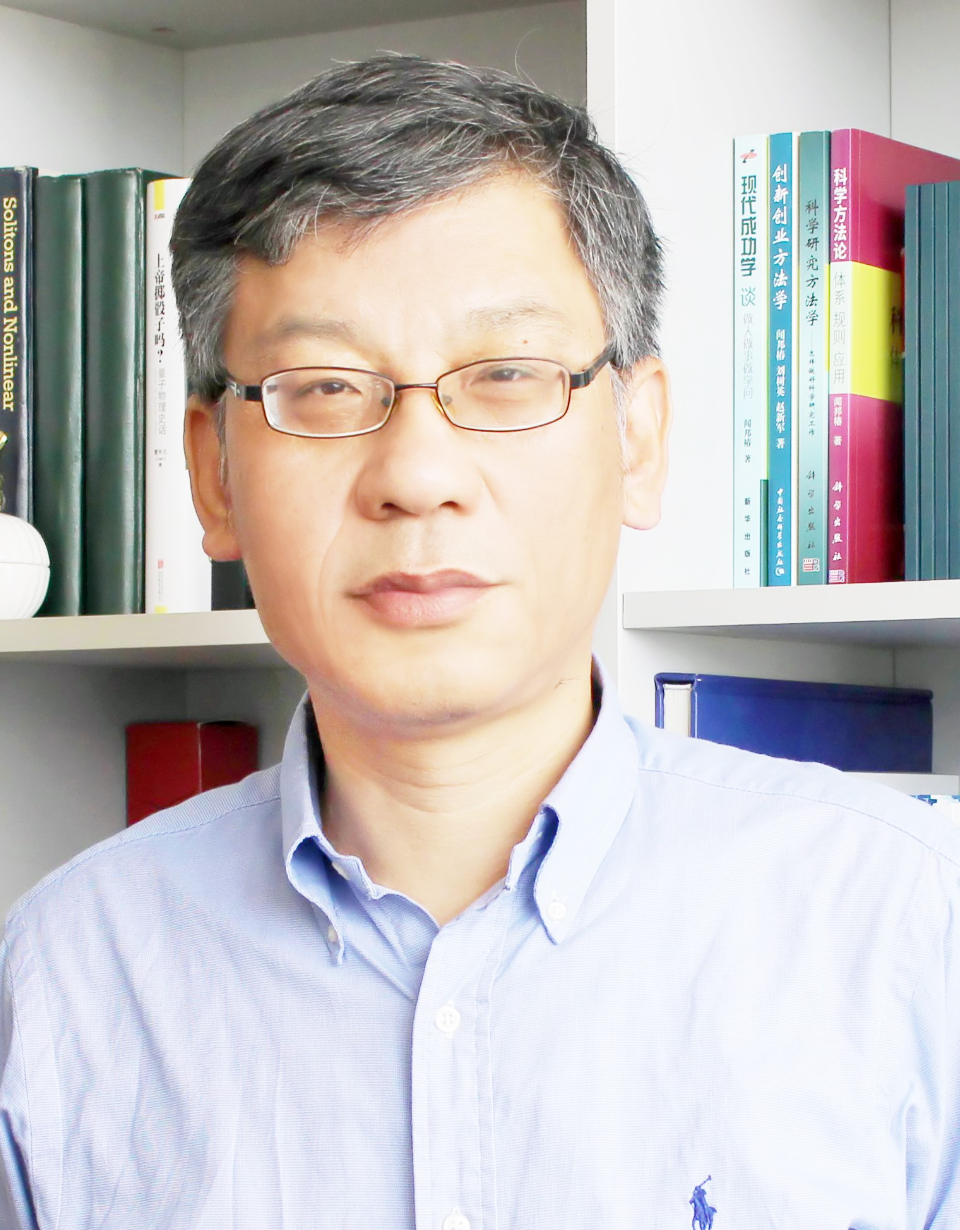 Yandong Tang (唐延东)合作论文数State Key Laboratory of Robotics, Shenyang Institute of Automation, Chinese Academy of Sciences;University of Chinese Academy of Sciences73
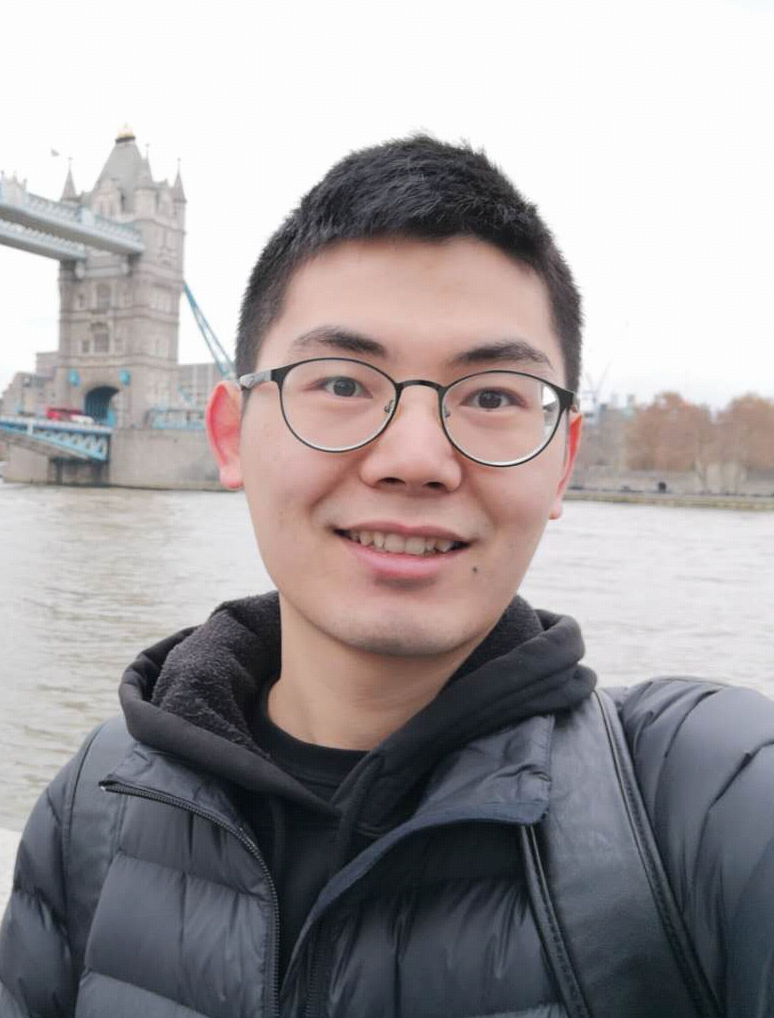 Qiang Wang合作论文数Apple48
 Zhi Han (韩志)合作论文数Shenyang Institute of Automation, Chinese Academy of Sciences18
 Yang Cong (丛杨)合作论文数School of Automation Science and Engineering, South China University of Technology17
 Xiai Chen (陈希爱)合作论文数University of Chinese Academy of Sciences;Shenyang Institute of Automation, Chinese Academy of Sciences12
 Baojie Fan (范保杰)合作论文数College of Automation, Nanjing University of Posts and Telecommunications12
 Liangqiong Qu合作论文数Department of Statistics & Actuarial Science, School of Computing and Data Science, Faculty of Science, The University of Hong Kong12
 Jiawei Liu合作论文数Shenyang Institute of Automation, Chinese Academy of Sciences10Liu Shiben合作论文数10
 Weihong Ren (任卫红)合作论文数School of Biomedical Engineering, Harbin Institute of Technology, Shenzhen8Wentao Li合作论文数7
 Jiandong Tian (田建东)合作论文数University of Chinese Academy of Sciences;Shenyang Institute of Automation, Chinese Academy of Sciences6
 Sen Lin合作论文数Computer Science Department, University of Houston5
 Linlin Zhu合作论文数5Xieliu Yang合作论文数Shenyang Jianzhu Univ, Sch Mech Engn, Shenyang 110168, Peoples R China4Zhenyu Cheng合作论文数Chinese Acad Sci, Inst Informat Engn, Beijing 100093, Peoples R China4Xiaomin Pei (裴晓敏)合作论文数4
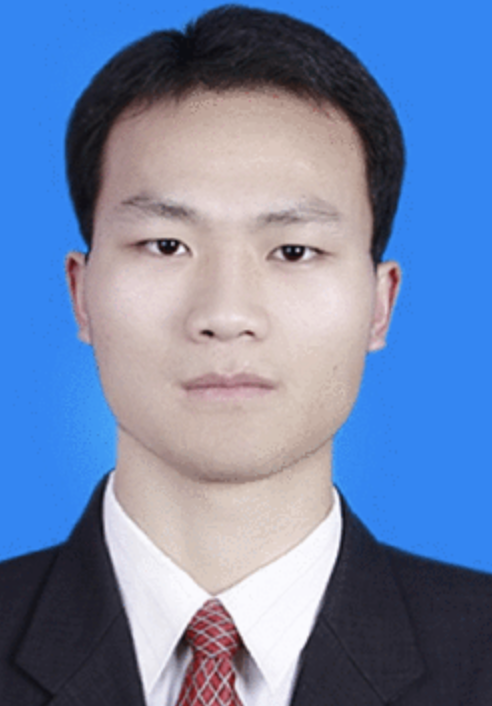 Gan Sun合作论文数State Key Laboratory of Robotics, Shenyang Institute of Automation, Chinese Academy of Sciences;Institutes for Robotics and Intelligent Manufacturing, Chinese Academy of Sciences;School of Automation Science and Engineering, South China University of Technology4
 Yunsheng Yang (杨云生)合作论文数School of Medicine, Nankai University;Chinese PLA General Hospital4Zhuxuan Cheng合作论文数3Wei Zhang合作论文数3
 Shengpeng Fu (付生鹏)合作论文数Shenyang Institute of Automation, Chinese Academy of Sciences;University of Chinese Academy of Sciences3Ziyu Zhang (张子玉)合作论文数3
 Huaici Zhao (赵怀慈)合作论文数中国科学院沈阳自动化研究所3Wang Dan合作论文数3
 Haibin Yu (于海斌)合作论文数Shenyang Institute of Automation, Chinese Academy of Sciences;Institute of Al for Industries, Chinese Academy of Sciences;University of Chinese Academy of Sciences3
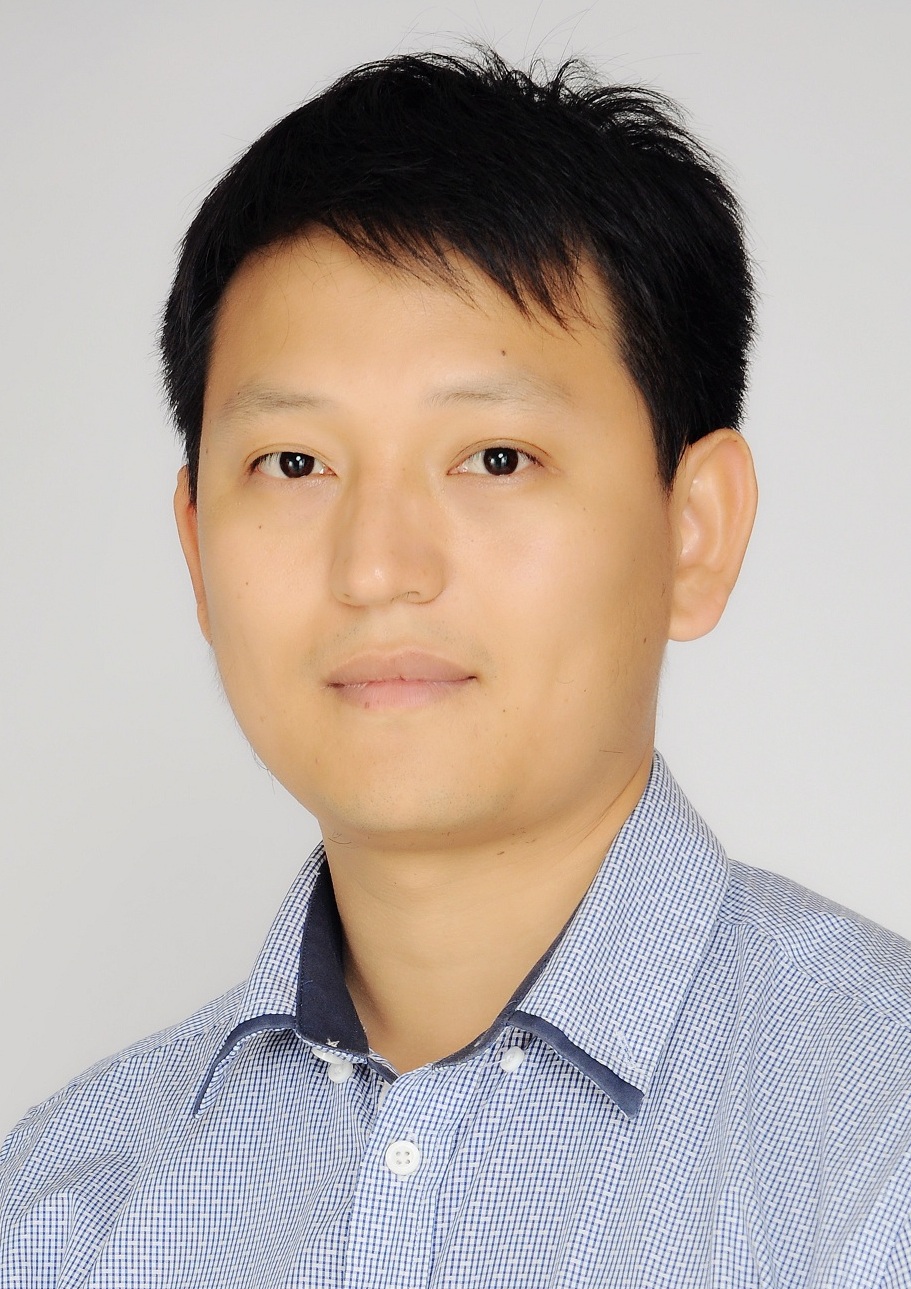 Lianqing Liu (刘连庆)合作论文数Shenyang Institute of Automation, Chinese Academy of Sciences;University of Chinese Academy of Sciences3
 Wenfeng Liang合作论文数Department of Materials Science, Sichuan University3Xin Luan合作论文数2Xuanhua Xie合作论文数2
 Naida Ding合作论文数2Ziwan Li合作论文数2Zhen Yan合作论文数2Yong Xia合作论文数2Jinbao Zhao合作论文数2
 Nan Yang合作论文数Chinese Acad Sci, Key Lab Networked Control Syst, Shenyang 110016, Peoples R China2Tiefeng Cai (蔡铁峰)合作论文数2
 Kaizhou Liu (刘开周)合作论文数Oceanic Underwater Robot Technology and Engineering Department, Shenyang Institute of Automation, Chinese Academy of Sciences;University of Chinese Academy of Sciences2Yingming Hao (郝颖明)合作论文数Shenyang Institute of Automation, Chinese Academy of Sciences;University of Chinese Academy of Sciences2Feng Zhu (朱枫)合作论文数College of Information Science and Engineering, Northeastern University2
 Hongsen Liu合作论文数2
 Mingyi Zhou合作论文数2
 Yu Qiao (乔宇)合作论文数Multimedia Laboratory, Shenzhen Institutes of Advanced Technology, Chinese Academy of Sciences;Shanghai AI Laboratory;Shenzhen University of Advanced Technology2Lipo Zhao (赵利坡)合作论文数2
 Shuai Wang (王帅)合作论文数Institute of Land Surface System and Sustainable Development, Beijing Normal University;Faculty of Geographical Science, Beijing Normal University2
 Bo Fu (付博)合作论文数2
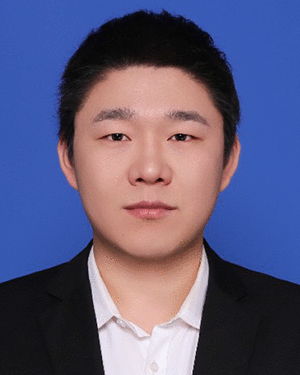 Jiahua Dong (董家华)合作论文数Mohamed Bin Zayed University of Artificial Intelligence2
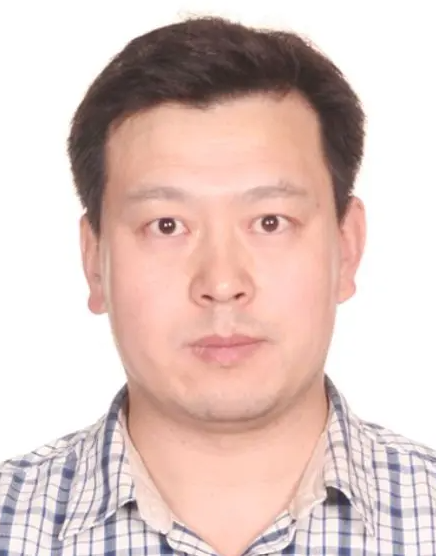 Honghai Liu (刘洪海)合作论文数School of Biomedical Engineering, State Key Laboratory of Robotics and Systems, Harbin Institute of Technology, Shenzhen;School of Computing, University of Portsmouth; Shanghai Jiao Tong University2
 Dawei Yang (杨大为)合作论文数School of Information Science and Engineering, Shenyang Ligong University2




