Bacterial UbiA prenyltransferases, known for their primary metabolism, are revealed as versatile terpene synthases (TSs) through genome mining. These enzymes operate in two modes: autonomous cyclization to produce structurally diverse terpenes, including unprecedented diterpenes and the first bacterial UbiA-derived sesquiterpenes; and cooperation with type II TSs to replace canonical type I enzymes. Downstream tailoring further diversifies UbiA-derived scaffolds. This work provides a genomic framework for the terpenoid discovery.
Depressin (1) is a soft coral-derived diterpenoid containing the typical bicyclo[12.1.0]pentadecane casbane skeleton and a C5-keto group. Key strategies for the synthesis of depressin, as well as its casbene skeleton reported so far focused on the formation of the challenging 14-membered ring system. Cryptomeridiol (2) and 4-epi-cryptomeridiol (3) are two eudesmane-type sesquiterpene diols produced by a variety of different plants with broad biological activity. Most of the syntheses focused on the transformation of chiral pool substrates into their trans-6/6-fused ring system. We herein report the synthesis of compounds 1–3 by taking advantage of an expanded chiral pool strategy, in which the terpenoid skeletons including casbene (4) and germacrene A (5) were produced by an Escherichia coli-based heterologous host harboring the isopentenol utilization pathway and corresponding terpene cyclases. Two allylic oxidations of both C13 and C5 positions of the casbene skeleton followed by deoxygenation of C13 hydroxy group allowed the synthesis of compound 1 from 4 in nine steps. Selective acid-mediated 5,10-transannular cyclization of 5 followed by hydration reaction furnished both products 2 and 3 in two steps.
A chemoenzymatic synthesis of both 4,11-epoxy-5-hydroxyamoyphane (1) and 5,11-epoxy-4-hydroxyamoyphane (2) was achieved. The amorpha-4,11-diene containing the amorphane skeleton was obtained in 100 mg/L by supplementing prenol/isoprenol to an engineered E. coli harboring the isopentenol utilization pathway and amorpha-4,11-diene synthase (ADS). Selective epoxidation and hydration of the two double bonds of amorpha-4,11-diene, followed by a biomimetic epoxide ring-opening process, allowed the synthesis of both 1 and 2. The structure of 2, containing the tetrahydrofuran ring, was further confirmed by X-ray crystal diffraction analysis of its para-nitrobenzoyl derivative. The structure of the natural product isolated from Fabiana imbricata, originally elucidated as 1 containing a tetrahydropyran ring, was thus revised to 2.
Isoprenol has important applications in both biological and medical fields, and the measurement of its structure in living organisms is very important to understand the mechanism of its role at the molecular level. We synthesized five kinds of deuterated isoprenols, and optimized structure of the deuterated rotational isomers by quantum chemical calculations, and calculated and record the Raman spectra of all the deuterated isoprenols. These experimental and theoretical results suggest that the stretching vibrational spectra of individual C-D bonds in deuterated methylene and methanediyl group can be used to identify the conformers of isoprenol. This work not only analyzed the correlation between the structure of isoprenol and the spectra of this particular deuterated molecule, but also demonstrates the potential of combining this novel method with other techniques, such as X-ray diffraction, to obtain more precise molecular structures in complex environments.
Tetracycline (TC) family natural products have attracted significant attention due to their diverse chemical structures and important role in drug development. As one of the most successful classes of drugs, TC antibiotics have been used clinically for over 70 years and remain crucial in treating infections. Despite their importance, systematic exploration of novel TC natural products has been limited, leaving the molecular landscape of the TC family poorly understood and hindering further development of these compounds for therapeutic applications. Here, we developed a targeted strategy to identify TC biosynthetic gene clusters (BGCs) based on specific cyclase signatures involved in assembling the TC scaffold. This led to the discovery of 82 representative BGCs with the potential to produce structurally diverse TCs. Among them, we uncovered three groups of novel natural products─misiomycins, varsomycins, and hibarimicins J-L─and identified their biosynthetic pathways. These compounds display distinctive structural features, with misiomycin A and hibarimicin L among the most highly modified TCs identified to date. Misiomycin A biosynthesis involves extensive glycosylation, while biosynthesis of varsomycin A, featuring a unique six-membered lactone ring structure, requires the coordinated action of two TC BGCs. The biosynthesis of hibarimicins J-L, derived from TC monomer dimerization, undergoes complex oxidative modifications involving seven oxygenases. Several TCs exhibited potent activity against drug-resistant Gram-positive pathogens. Our work further expands the structural diversity within the TC family and underscores the potential of these BGCs for generating new TC structures, providing valuable insights for the discovery and development of novel TC-based therapeutics.
Cleavage of hexopyranose to short-chain carbohydrates plays crucial roles in carbon metabolism and energy supply. Currently, the carbon–carbon bond scission of hexopyranose involves two types of reaction: the widely distributed retro-aldol reaction and the transketo-like reaction observed in Bifidobacteria. Here we report the discovery and characterization of metalloenzyme Art22, which is involved in the sugar moiety modification of aurantinin B (ART B), an antibacterial agent from Bacillus. Art22 adopts a TIM-barrel fold, enabling the activation of 4-keto ART B into potent antibiotic ART B via rapid isomerization. In addition, it protects the ART-producing Bacillus by detoxifying cellular ART B to ART B1–B3 via slow oxidative cleavage of the 3-keto hexopyranose to short-chain carbohydrates and CO2. Guided by structural, mutagenic and computational studies, we reveal an anhydride-mediated mechanism for Art22-catalysed oxygenation reactions, which expands the catalytic repertoire of TIM-barrel enzymes and adds an oxidative path for hexopyranose cleavage. Hexopyranose cleavage is a crucial step in carbon metabolism. Here the authors report the discovery and characterization of metalloenzyme Art22, which is involved in the sugar moiety modification of aurantinin B, an antibacterial agent from Bacillus.
Sinomenine (SIN) is clinically available for the treatment of rheumatoid arthritis (RA), but the side effects of SIN limit clinical applications. In this study, we designed and synthesized SIN derivatives that incorporated a novel ring fragment and assessed bioactivities in macrophages. Among the compounds, SIN 14 exhibited significantly more potent inhibitory effects on inflammatory mediator production compared to the other derivatives, which induced macrophage polarization from M1 to M2 phenotype. Through thermal proteome profiling (TPP), we demonstrated that SIN 14 specifically targeted heme oxygenase 1 (HO-1) and induced the activation through an allosteric mechanism. In particular, SIN 14 exhibited the distal helix and the surface-exposed loop (CD-loop), which facilitates substrate binding and product release, ultimately leading to the liberation of anti-inflammatory metabolites. In vivo, SIN 14 could inhibit RA-related inflammatory edema in collagen-induced arthritis (CIA) mice. Single-cell RNA transcriptome sequencing was employed to elucidate the cellular and transcriptional landscape in CIA mice after SIN 14 treatment. These results indicated that SIN 14 reduced the M1/M2 polarization ratio of macrophages, thereby alleviating the severity of inflammation in synovial tissues. Taken together, our study identifies SIN 14 as a promising candidate for anti-RA drug discovery. Furthermore, we emphasize HO-1 as a distinctive cellular target for RA therapy.
The stimulator of interferon genes (STING) pathway has emerged as a new immunotherapy strategy with potent local stimulation specificity, showing promising potential to counteract the immunosuppression in glioma. Herein, a tumor microenvironment (TME) responsive nanoagonists are developed based on an organic–inorganic copolymer composed of the polymer PC6AB coupled with manganous phosphate ionic oligomers (MnP). The degradation of nanoagonists into PC6AB and MnP in the acidic TME enables spatiotemporal control of their delivery to tumor cells and immune cells, respectively. PC6AB with membranolytic activity selectively interacts with tumor cell membranes to induce immunogenic cell death, while manganese metal can activate the STING pathway in immune cells and trigger downstream immunostimulatory signals. Nanoagonists can stimulate robust antitumor immunity after local injection into the brain extracellular space (ECS), showing significant therapeutic efficacy in mouse glioma. Nanoagonists can achieve spatiotemporal orchestration of STING activation in response to TME and enhance immune response against “cold” solid tumors, providing a promising approach for clinical immunotherapy.
The sphaeroane diterpenoids are natural products with a tricyclic scaffold, yet the biosynthetic mechanism remains unclear. We characterized a sphaeroane diterpene synthase, CrMTPSL3, from Claopodium rostratum. Chemical computation together with crystallization experiments determined the absolute stereochemistry of the products. Further deuterium-scanning experiments supported CrMTPSL3 forms the sphaeroane scaffold sequentially as GGPP isomerization, 1,11- and 10,14-cyclizations, two successive 1,2-hydride shifts, 1,2-methyl shift, 1,2-hydride transfer of the pro-S hydrogen, 1,6-cyclization, and deprotonation of the pro-R hydrogen cascade. The structural basis was also investigated by a series of mutagenesis studies. An engineered cell factory for overproducing sphaeroane compounds at the hundred-milligram-per-liter level was achieved.
Naturally occurring β-lactone compounds are a class of strained four-membered heterocycles and can act as highly reactive electrophiles. Despite intensive studies for several decades, fewer than 30 β-lactones, many of which have high clinical potential, have been characterized from microorganisms. Here we report the discovery of a β-lactone compound, globilactone A through heterologous expression of a polyketide synthase/non-ribosomal peptide synthetase-like biosynthetic gene cluster ( glo ) in Streptomyces albus J1074. Biosynthetic pathway studies revealed that the polyketide synthase part can synthesize a polyunsaturated polyketide chain. While the downstream non-ribosomal peptide synthetase-like module, comprising condensation, FkbH, peptidyl carrier protein and thioester reductase domains (C–FkbH–PCP–R), incorporates a three-carbon pyruvate unit, and mediates formation of two carbon–carbon bonds between the polyketide and pyruvate to give a cyclopentane intermediate tethered on acyl carrier protein. A downstream esterase, GloD, plays a direct role in the β-lactone ring formation and releases the cyclopentane–β-lactone from the assembly line.
Chromopyrrolic acid (CPA) and its congeners are important intermediates for the biosynthesis and synthesis of various dimeric tryptophan natural products. We have constructed two E. coli strains (CPA001/CPA002) harboring a single plasmid carrying genes coding for a combination of two enzymes (LaStaO/LzrO and VioB) that are able to convert L-tryptophan (L-Trp)/5-chloro-L-tryotophan (5-Cl-L-Trp) to chromopyrrolic acid (CPA)/5,5'-dichloro-chromopyrrolic acid (5,5'-diCl-CPA). Effect on the production of CPA were evaluated by varying the parameters of strain cultivation and biotransformation process. Under the optimized conditions, up to 325 mg/L of CPA and 275 mg/L of 5,5'-diCl-CPA could be obtained by supplementing L-Trp and 5-Cl-L-Trp, respectively, to a working culture of CPA001, or to a phosphate buffer-resuspended culture of CPA002. The practicability of this whole-cell biotransformation system could also be served as a potential platform for the preparation of CPA congeners.
An isopentenol utilization pathway-based method for the investigation of the cyclization mechanism of terpene cyclases (TCs) is developed. By feeding deuterium-labeled prenols/isoprenols in combination with unlabeled ones to engineered E. coli hosts, terpene products with certain deuterium labeling patterns at hydrogen-bearing positions were obtained that can be used for deducing the cyclization processes, especially for those steps involving stereoselective hydride/proton shifts. Different types of TCs of varied origins for the biosynthesis of six known terpenes were used to test the scope and limitations of this method. Reliable results without significant deuterium dilution and scrambling are obtained by using this "deuterium-scanning" method and are consistent with those obtained previously. Limitations exist in the deuterium transfer process between those positions that are derived from the same labeled position of isoprenol, as exemplified by the failure of precisely tracking the origin of each deuterium in the labeled fusicocca-2,10(14)-diene obtained by feeding [2,2-2H2]-isoprenol. Nonetheless, the newly developed method could be used as an alternate to those using custom-labeled oligoprenyl diphosphates for probing the cyclization mechanism of TCs.
We confirm the previously revised stereochemistry of spiroviolene by X-ray crystallographically characterizing a hydrazone derivative of 9-oxospiroviolane, which is synthesized by hydroboration/oxidation of spiroviolene followed by oxidation of the resultant hydroxy group. An unexpected thermal boron migration occurred during the hydroboration process of spiroviolene that resulted in the production of a mixture of 1α-hydroxyspiroviolane, 9α- and 9β-hydroxyspiroviolane after oxidation. The assertion of the cis-orientation of the 19- and 20-methyl groups provided further support for the revised cyclization mechanism of spiroviolene.
Biosynthesis of atypical angucyclines involves unique oxidative B-ring cleavage and rearrangement reactions, which are catalyzed by AlpJ-family oxygenases, including AlpJ, JadG, and GilOII. Prior investigations established the essential requirement for FADH2/FMNH2 as cofactors when utilizing the quinone intermediate dehydrorabelomycin as a substrate. In this study, we unveil a previously unrecognized facet of these enzymes as cofactor-independent oxygenases when employing the hydroquinone intermediate CR1 as a substrate. The enzymes autonomously drive oxidative ring cleavage and rearrangement reactions of CR1, yielding products identical to those observed in cofactor-dependent reactions of AlpJ-family oxygenases. Furthermore, the AlpJ- and JadG-catalyzed reactions of CR1 could be quenched by superoxide dismutase, supporting a catalytic mechanism wherein the substrate CR1 reductively activates molecular oxygen, generating a substrate radical and the superoxide anion O2•−. Our findings illuminate a substrate-controlled catalytic mechanism of AlpJ-family oxygenases, expanding the realm of cofactor-independent oxygenases. Notably, AlpJ-family oxygenases stand as a pioneering example of enzymes capable of catalyzing oxidative reactions in either an FADH2/FMNH2-dependent or cofactor-independent manner.
A three-stage chemoenzymatic synthesis of the cyclopiane family and related diterpenes is reported. Deoxyconidiogenol with a 6/5/5/5-fused tetracyclic cyclopiane skeleton was first produced by an engineered E. coli host harboring the corresponding terpene cyclase PchDS. Ten cyclopiane diterpenes were synthesized by late-stage functionalization of rings A, B and D of the cyclopiane skeleton through direct redox operations, directed C−H activation, and enzymatic hydroxylation, respectively. Skeletal diversification was achieved by taking advantage of the selective 1,2-alkyl migration of a cyclopiane cation generated chemically or enzymatically. Three cyclopiane-related skeletons, including the spiro 5/5/5/5-tetracyclic skeleton of spiroviolene, the angular 5/6/5/5-fused ring system of phomopsene, and the new linear 5/6/5/5-fused tetracyclic ring system of amycolatene, were produced either by chemical skeletal transformation from the cyclopiane skeleton, or by terpene cyclases discovered by genome mining.
An entry from the Cambridge Structural Database, the world’s repository for small molecule crystal structures. The entry contains experimental data from a crystal diffraction study. The deposited dataset for this entry is freely available from the CCDC and typically includes 3D coordinates, cell parameters, space group, experimental conditions and quality measures.
Phomactin diterpenoids possess a unique bicyclo[9.3.1]pentadecane skeleton with multiple oxidative modifications, and are good platelet-activating factor (PAF) antagonists that can inhibit PAF-induced platelet aggregation. In this study, we identified the gene cluster (phm) responsible for the biosynthesis of phomactins from a marine fungus, Phoma sp. ATCC 74077. Despite the complexity of their structures, phomactin biosynthesis only requires two enzymes: a type I diterpene cyclase PhmA and a P450 monooxygenase PhmC. PhmA was found to catalyze the formation of the phomactatriene, while PhmC sequentially catalyzes the oxidation of multiple sites, leading to the generation of structurally diverse phomactins. The rearrangement mechanism of the diterpene scaffold was investigated through isotope labeling experiments. Additionally, we obtained the crystal complex of PhmA with its substrate analogue FGGPP and elucidated the novel metal-ion-binding mode and enzymatic mechanism of PhmA through site-directed mutagenesis. This study provides the first insight into the biosynthesis of phomactins, laying the foundation for the efficient production of phomactin natural products using synthetic biology approaches.
Palmoplantar keratoderma-congenital alopecia syndrome type 2 is an autosomal recessive disorder with an unknown genetic basis. In this study, we identified biallelic variants in the LSS gene in two unrelated palmo-plantar keratoderma-congenital alopecia syndrome type 2 cases (c.3G > A, p.Met1? and c.1025T > G, p.Ile342Ser in patient 1; c.1522G > T, p.Gly508Trp and c.428+42T > A in patient 2) presenting with additional clinical features, including early-onset cataracts, pseudoainhum, and agenesis of the corpus callosum. LSS encodes lanosterol synthase (LSS), which functions in the cholesterol biosynthesis pathway by converting (S)-2,3-oxidosqualene to lanosterol. The c.3G > A variant resulted in an alternative translation initiation at residue Met81, producing an N-terminal truncated protein (LSS-delta N80), as shown by immunoblotting. The c.428+42T > A variant introduced a potential splicing site, leading to a premature stop codon. Ex vivo studies revealed downregulation of LSS in both patients. Remarkably decreased lanosterol levels were found in vitro in three LSS variants, LSS-delta N80, p.Ile342Ser, and p.Gly508Trp, suggesting a loss of enzymatic activity. Transmission electron microscopy and immunofluorescence showed abnormal cornified envelope formation in the stratum corneum of the patients. Taken together, our findings indicate LSS as a causative gene for palmoplantar keratoderma-congenital alopecia syndrome type 2, which emphasizes the importance of the cholesterol synthesis pathway in human skin cornification.
The crystal structures of cattleyene synthase (apo-CyS), and CyS complexed with geranylgeranyl pyrophosphate (GGPP) were solved. The CySC59A variant exhibited an increased production of cattleyene and other diterpenes with diverse skeletons. Its structure showed a widened active site cavity explaining the relaxed selectivity. Isotopic labeling experiments revealed a remarkable cyclization mechanism involving several skeletal rearrangements for one of the novel diterpenes.
Capreomycin (CMN) is an important second-line antituberculosis antibiotic isolated from Saccharothrix mutabilis subspecies capreolus. The gene cluster for CMN biosynthesis has been identified and sequenced, wherein the cph gene was annotated as a phosphotransferase likely engaging in self-resistance. Previous studies reported that Cph inactivates two CMNs, CMN IA and IIA, by phosphorylation. We, herein, report that (1) Escherichia coli harboring the cph gene becomes resistant to both CMN IIA and IIB, (2) phylogenetic analysis regroups Cph to a new clade in the phosphotransferase protein family, (3) Cph shares a three-dimensional structure akin to the aminoglycoside phosphotransferases with a high binding affinity (KD) to both CMN IIA and IIB at micromolar levels, and (4) Cph utilizes either ATP or GTP as a phosphate group donor transferring its γ-phosphate to the hydroxyl group of CMN IIA. Until now, Cph and Vph (viomycin phosphotransferase) are the only two known enzymes inactivating peptide-based antibiotics through phosphorylation. Our biochemical characterization and structural determination conclude that Cph confers the gene-carrying species resistance to CMN by means of either chemical modification or physical sequestration, a naturally manifested belt and braces strategy. These findings add a new chapter into the self-resistance of bioactive natural products, which is often overlooked while designing new bioactive molecules.
 Pengfei Tu (屠鹏飞)合作论文数Department of Natural Medicines, School of Pharmaceutical Sciences, Peking University20
 Jieping Zhu (祝介平)合作论文数Institute of Chemical Sciences and Engineering, School of Basic Sciences, Ecole Polytechnique Fédérale De Lausanne16
 Xingyun Chai (柴兴云)合作论文数School of Chinese Materia Medica, Beijing University of Chinese Medicine16
 Qian Wang (王茜)合作论文数Lab Synth & Nat Prod LSPN, Ecole Polytech Fed Lausanne14
 Yanxing Jia (贾彦兴)合作论文数State Key Laboratory of Natural and Biomimetic Drugs, School of Pharmaceutical Sciences, Peking University;Department of Medicinal Chemistry, School of Pharmaceutical Sciences, Peking University12Guohui Pan (潘国辉)合作论文数10
 Ben Shen (沈奔)合作论文数Department of Chemistry, Herbert Wertheim UF Scripps Institute for Biomedical Innovation & Technology, University of Florida Health10Hongyan Ren合作论文数8
 Haiming Shi (史海明)合作论文数Corresponding author.7Fei-Fei Li合作论文数7
 Yanan Lu (陆亚男)合作论文数中国水产科学研究院东海水产研究所6Bai Chang-Cai (白长财)合作论文数6
 Lihe Zhang (张礼和)合作论文数Department of Medicinal Chemistry, School of Pharmaceutical Sciences, Health Science Center, Peking University5
 Dong Yang合作论文数Institute of Bioengineering, Zhejiang University5
 Chin-Yuan Chang合作论文数Department of Chemistry and Biochemistry, National Chung Cheng University5Xikang Zheng合作论文数4
 Yong Huang (黄勇)合作论文数Institute of Health and Medicine, Hefei Comprehensive National Science Center4
 Bo Zhang (张博)合作论文数Institute of Functional Biomolecules, Nanjing University4
 Yanwen Duan (段燕文)合作论文数Central South University, Changsha, China4
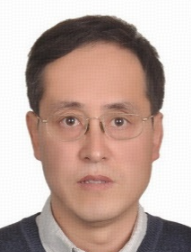 Lixing Zhao (赵立兴)合作论文数School of Pharmacy, Yunnan University;Yunnan Institute of Microbiology, School of Life Sciences, Yunnan University4
 Dean Guo (果德安)合作论文数Shanghai Institute of Materia Medica, Chinese Academy of Sciences4
 Yi Jiang (姜怡)合作论文数School of Life Sciences, Yunnan University;Yunnan Institute of Microbiology, Yunnan University4
 Qingjiang Li (李清江)合作论文数School of Pharmaceutical Sciences, Sun Yat-Sen University4Fengying Zhang合作论文数4Xiangcheng Zhu合作论文数4Weimin Hu (胡伟民)合作论文数4Kaibiao Wang合作论文数3Fei-Ran Zhou合作论文数3Lingyue Wang合作论文数3Dan Bi合作论文数3
 Rongxia Liu合作论文数3
 Tao Wang合作论文数Peking University, Peking University3Jing Wen (温晶)合作论文数3Weixing Wang合作论文数3Shu-Ing Toh合作论文数2Sheng-Cih Huang合作论文数2sikai ling合作论文数2Zhiyao Lue合作论文数2Fen Liu合作论文数2Xw Wang合作论文数2
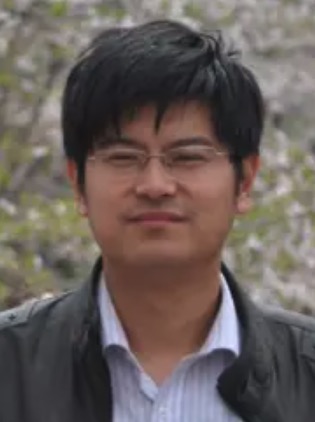 Xiaochi Ma (马骁驰)合作论文数College of Pharmacy, Dalian Medical University2
 Yuelin Song (宋月林)合作论文数School of Chinese Materia Medica, Beijing University of Chinese Medicine;Modern Research Center for Traditional Chinese Medicine, Beijing University of Chinese Medicine2
 Yihua Chen (陈义华)合作论文数State Key Laboratory of Microbial Resources, Institute of Microbiology, Chinese Academy of Sciences;University of Chinese Academy of Sciences2Zhikai Guo合作论文数Chinese Academy of Tropical Agricultural Sciences, Chinese Academy of Tropical Agricultural Sciences2Xu Bao合作论文数2
 Hao Zhou (周皓)合作论文数School of Chemical Science and Technology, Yunnan University2
 Keqiang Fan (范可强)合作论文数State Key Laboratory of Microbial Resources, Institute of Microbiology, Chinese Academy of Sciences2
 Kewu Zeng (曾克武)合作论文数Department of Natural Medicines, School of Pharmaceutical Sciences, Peking University2




