The various sizes of polyps in colonoscopy images lead to low recall rates for current deep learning algorithms during polyp detection. To address this issue, we develop a new model called YOLO-OB, which significantly improves the recall rate for polyp detection while maintaining a very high precision. Our efforts mainly focus on the multiscale feature fusion structure and the polyp bounding box regression strategy for the detection head of YOLO-OB. Specifically, (1) we develop a bidirectional feature fusion structure, BiSPFPN, which efficiently facilitates feature fusion across different layers with varying receptive fields; (2) in contrast to existing polyp detection algorithms, which use specific constraints to filter candidate samples based on particular scale feature maps, we propose a novel polyp bounding box regression strategy, which matches candidate samples across all scales of feature maps by using the center point of the polyp ground truth bounding box. This strategy leverages multi-scale feature maps more effectively, enabling detecting polyps of different sizes on feature maps at any scale. Experiments on the public dataset SUN and the self-collected colon polyp dataset Union demonstrate that the proposed model significantly improves various performance metrics of polyp detection, especially the recall rate. Compared to the state-of-the-art results on the public dataset SUN, the proposed method achieves a 4.77% increase on recall rate from 93.46% to 98.23%. Furthermore, our model is able to achieve real-time polyp detection at a speed of 39 frames per second using a RTX3090 graphics card. The Python implementation of this work can be found here: https://github.com/seanyan62/YOLO-OB.
Aging has a great impact on the liver, which causes a loss of physiological integrity and an increase in susceptibility to injury, but many of the underlying molecular and cellular processes remain unclear. Here, we performed a comprehensive single-cell transcriptional profiling of the liver during aging. Our data showed that aging affected the cellular composition of the liver. The increase in inflammatory cells including neutrophils and monocyte-derived macrophages, as well as in inflammatory cytokines, could indicate an inflammatory tissue microenvironment in aged livers. Moreover, aging drove a distinct transcriptional course in each cell type. The commonly significant up-regulated genes were S100a8, S100a9, and RNA-binding motif protein 3 across all cell types. Aging-related pathways such as biosynthesis, metabolism, and oxidative stress were up-regulated in aged livers. Additionally, key ligand-receptor pairs for intercellular communication, primarily linked to macrophage migration inhibitory factor, transforming growth factor-beta, and complement signaling, were also elevated. Furthermore, hepatic stellate cells (HSCs) serve as the prominent hub for intrahepatic signaling. HSCs acquired an "activated" phenotype, which may be involved in the increased intrahepatic vascular tone and fibrosis with aging. Liver sinusoidal endothelial cells derived from aged livers were pseudocapillarized and procontractile, and exhibited down-regulation of genes involved in vascular development and homeostasis. Moreover, the aging-related changes in cellular composition and gene expression were reversed by caloric restriction. Collectively, the present study suggests liver aging is linked to a significant liver sinusoidal deregulation and a moderate pro-inflammatory state, providing a potential concept for understanding the mechanism of liver aging. Extensive single-cell sequencing is performed to chart the landscape of mouse liver aging. The study paints a detailed picture of the changes in cellular compositions, gene expressions, cellular pathways, and intercellular communications across different cell types with age. (Graphical abstract was drawn by Figdraw 2.0.)image
To assess the efficacy of copy number variation sequencing (CNV-seq) and karyotyping for prenatal detection of chromosomal abnormalities in fetuses with increased nuchal translucency. Amniotic fluid samples were extracted from 205 fetuses with increased nuchal translucency (NT ≥ 2.5 mm), diagnosed by ultrasound between gestational ages of 11 and 13 + 6 weeks. Karyotyping and CNV-seq were performed for detecting chromosomal abnormalities. There are 40 fetuses (19.51%) showing increased NT detected with chromosomal abnormalities in karyotyping, and trisomy 21 was found to be the most common abnormalities. There are 50 fetuses (24.39%) identified with chromosomal abnormalities by CNV-seq. The detection of the applied techniques indicated that CNV-seq revealed higher chromosomal aberrations. The risk of chromosomal abnormalities was significantly increased with NT thickening, from 13.64% in the NT group of 2.5–3.4 mm, 38.64% in the NT group of 3.5–4.4 mm, and to 51.72% in the NT group of over 4.5 mm (P < 0.05). The investigated cases with increased NT with presence of soft markers in ultrasound or high risk in non-invasive prenatal testing presented chromosomal abnormalities in higher rates, comparing with those with isolated NT or low risk (P < 0.05). The results indicated that the risk of chromosomal abnormalities was associated with the NT thickness, detected by karyotype or CNV-seq. The combination application of two analysis was efficient to reveal the possible genetic defects in prenatal diagnosis. The finding suggested that the detection should be considered with ultrasonographic soft markers, and the NT thickness of 2.5–3.4 mm could be a critical value for detecting chromosomal abnormalities to prevent the occurrence of missed diagnosis.
This study introduced whole-exome sequencing (WES) in prenatal diagnosis of fetal bowel dilatation to improve the detection outcome when karyotype analysis and copy number variation sequencing (CNV-seq) were uninformative in detecting pathogenic variants. The work reviewed 28 cases diagnosed with fetal bowel dilatation and analyzed the results of karyotype analysis, CNV-seq, and WES. Among the 28 cases, the detection rate in cases with low risk of aneuploidy was 11.54% (3/26), which is lower than 100% (2/2) in cases with high risk of aneuploidy. Ten low-risk aneuploidy cases with isolated fetal bowel dilatation had normal genetic testing results, while the remaining 16 cases with other ultrasound abnormalities were detected for genetic variants at a rate of 18.75% (3/16). The detection rate of gene variation was 3.85% (1/26) by CNV-seq and 7.69% (2/26) by WES. This study suggested that WES could reveal more genetic risk in prenatal diagnosis of fetal bowel dilatation and has value in prenatal diagnosis to reduce birth defects.
Cellular metabolism-induced epigenetic regulation is essential for the maintenance of cellular homeostasis. Nicotinamide N-methyltransferase (NNMT) is emerging as a key point of intersection between cellular metabolism and epigenetic regulation and has a central role in various physiological and pathological processes. NNMT catalyzes the methylation of nicotinamide (NAM) using the universal methyl donor S-adenosyl methionine (SAM) to yield S-adeno-syl-L-homocysteine (SAH) and N1-methylnicotinamide (MNAM), directly linking methylation balance with nicotinamide adenosine dinucleotide (NAD+) contents. NNMT acts on either the SAM-methylation balance or both NAD+ metabolism, depending on the tissue involved or pathological settings where metabolic demand is increased. Under physiological conditions, the liver act as an essential metabolic organ with abundant NNMT expression, while NNMT hepatic function is not mediated by its methyltransferase activity due to other major methyltransferases such as glycine N-methyltransferase (GNMT) in the liver. However, hepatic NNMT, as well as its metabolite is improperly regulated and linked to the worse pathological states in liver diseases, including alcoholic liver disease, non-alcoholic fatty liver disease (NAFLD), liver cirrhosis, and hepatocellular carcinoma (HCC), suggesting a potential role in the process of liver diseases. In this review, we summarize how NNMT regulates cell methylation balance and NAD metabolism, and extensively outline the current knowledge concerning the functions of NNMT in hepatic metabolism including glucose, lipid and energy, with a specific focus on the contribution of NNMT to the pathophysiology of liver-related diseases. NNMT is involved in the development and progression of liver diseases. Understanding the complex NNMT regulatory network and its effects on pathogenesis could provide new therapeutic strategies in the context of liver diseases.
目的:探讨以罗伊适应模式为基础的护理干预对急诊重症监护加护病房心血管疾病老年患者自我效能及自我感受负担的影响.方法:选取2017年3月1日~2019年3月1日急诊重症监护加护病房治疗的60例老年心血管疾病患者为研究对象,采用随机数字表法分为观察组和对照组各30例,对照组给予常规护理,观察组给予以罗伊适应模式为基础的护理干预;比较两组干预前后自我效能感[采用一般自我效能感量表(GSES)]、自我感受负担[采用中文版自我感受负担量表(SPBS)]、生活质量[采用生活质量评分量表(SF-12)]及护理质量.结果:观察组干预后GSES评分高于干预前、对照组干预后(P<0.01);干预后,两组SPBS评分低于干预前(P<0.05),且观察组低于对照组(P<0.05);干预后,两组SF-12评分高于干预前(P<0.05),且观察组高于对照组(P<0.05);观察组护理质量评分高于对照组(P<0.05).结论:以罗伊适应模式为基础的护理干预可提高急诊重症监护加护病房心血管疾病老年患者自我效能感,减轻自我感受负担,提高其生活质量.
目的:利用全外显子测序(WES)技术分析胎儿肠管增宽的致病性突变,为产前诊断及遗传咨询提供帮助.方法:对3例肠管增宽的胎儿进行染色体核型分析、拷贝数变异(CNV)及WES检测.结果:3例胎儿染色体核型分析结果均正常,1例胎儿CNV检出15号染色体微重复,3例胎儿WES结果均发现与肠管增宽相关的基因突变.病例1为GDNF基因c.329G>A杂合变异,遗传自其父亲,可引起先天性巨结肠症3型,该病为常染色体显性遗传,并具有低外显率的特点;病例2为NOTCH2基因的c.1310A>C新发变异,与Alagille综合征2型、Hajdu-Cheney综合征相关,均为常染色体显性遗传;病例3为SLC26A3基因复合杂合突变,包括来自父亲的c.1427del突变和来自母亲的c.269_270 dup突变,可导致常染色体隐性遗传的先天性失氯性腹泻1型.经Sanger验证病例1为临床意义未明突变,根据既往病史判断该突变可能致病,病例2及病例3均为致病性突变.结论:WES技术对于分析胎儿肠管增宽的遗传变异具有重要的诊断价值.
本研究结合夏热冬冷地区的特点,以代表性城市武汉为例,根据其既有办公建筑的实际情况,分析外墙保温优化方案,从外墙保温材料、厚度确定了最佳方案,并分析了该方案的生命周期总费用、净现值.同时总结了影响外墙保温设计方案的主要因素,为现实运用提供客观依据.
江西省金溪县作为千年古县,至今仍保存有众多极为丰富且较为完整的明清古村落群,东源村是其中的古村落之一.以东源村为研究对象,通过文献整理、实地测绘、与村民交流获得东源村的相关资料,从村落的整体空间特征和传统建筑形式及其特征两方面进行解读,阐述东源村这一明清传统村落建筑的历史价值,丰富赣中地区传统村落的研究内容.
 xinyi bian (边欣怡)合作论文数3
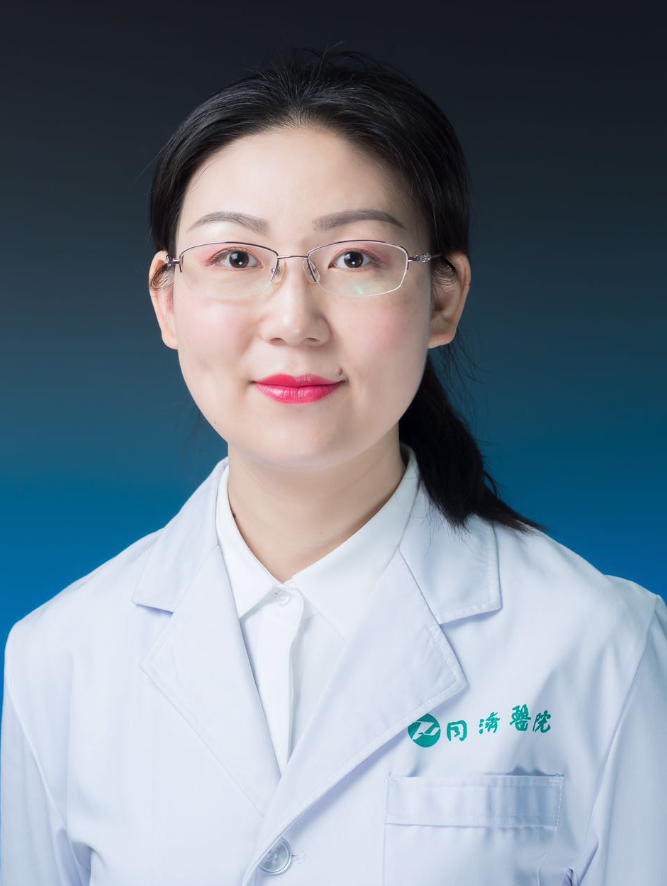 Yuanyuan Wu (吴媛媛)合作论文数Tongji Hospital, Tongji Medical College of Huazhong University of Science and Technology3
 Dongrui Deng (邓东锐)合作论文数Tongji Hospital, Tongji Medical College of Huazhong University of Science & Technology3
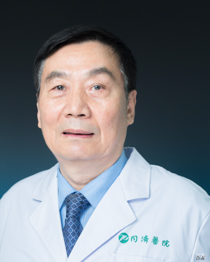 Fuyuan Qiao (乔福元)合作论文数Tongji Hospital, Tongji Medical College, Huazhong University of Science and Technology3
 Ling Feng (冯玲)合作论文数Tongji Hospital, Tongji Medical College, Huazhong University of Science and Technology3
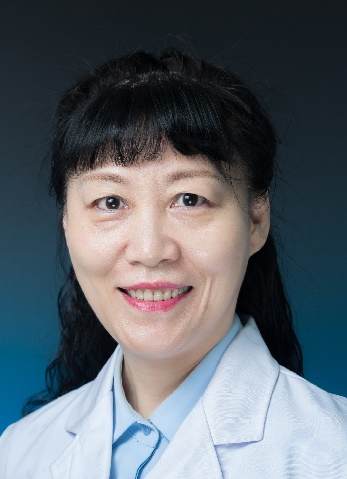 Suhua Chen (陈素华)合作论文数Tongji Hospital, Tongji Medical College, Huazhong University of Science and Technology3
 Xinwei Shi合作论文数Zhengzhou University, Zhengzhou University3Guangyu Liang合作论文数2Jiankun Yang合作论文数2
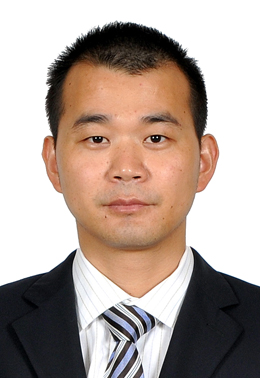 Anding Liu (刘安定)合作论文数Tongji Medical College, Huazhong University of Science and Technology2
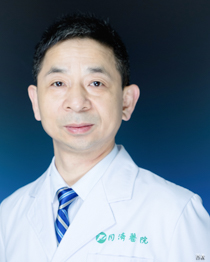 Wanjiang Zeng (曾万江)合作论文数Tongji Hospital, Tongji Medical College, Huazhong University of Science and Technology2Peng Xu合作论文数1Yan Lin合作论文数1Tang Nana (唐娜娜)合作论文数1Peng Han (彭涵)合作论文数1wanlu liu合作论文数1Haoshu Fang合作论文数1DING Jian-lin (丁建林)合作论文数1
 Chunying Long (龙春英)合作论文数Architecture & Design College of Nanchang University1WanJiang Ceng (曾万江)合作论文数1HongJu Tang (唐红菊)合作论文数1YunFeng Zhu (朱云峰)合作论文数1Sun Jian合作论文数1
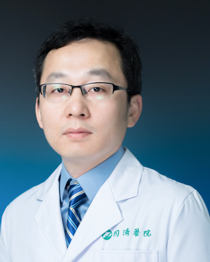 Qi Hu (胡琦)合作论文数Tongji Hospital, Tongji Medical College, Huazhong University of Science and Technology1
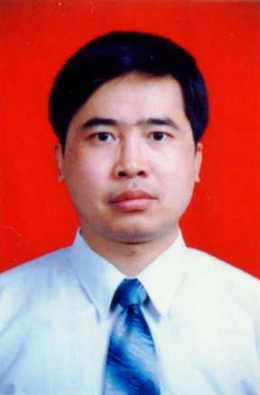 Guangzhi Ma (马光志)合作论文数School of Computer Science & Technology, Huazhong University of Science and Technology1
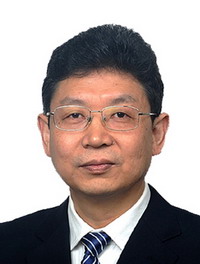 Cuntai Zhang (张存泰)合作论文数Tongji Hospital, Tongji Medical College of Huazhong University of Science and Technology1
 Enmin Song (宋恩民)合作论文数School of Computer Science & Technology, Huazhong University of Science and Technology1




