结合新时期高等医学院校党建实际,本文以加强党的组织体系建设为切入点,将研究视角放在高等医学院校党支部标准化建设,树立"标准决定质量"的理念,并针对支部工作内容及要求进行规范管理,提出可行的实现路径,从而提升党支部建设成效.
目的:探讨提高医学研究生科研诚信的举措.方法:抽样调查上海交通大学医学院各附属医院研究生,对184名医学研究生进行问卷调查.结果:被调查者超过70%认为科研不端行为应严厉禁止,高达67.9%认为当代医学研究生学术诚信状况“比较差”或者“非常差”.讨论及建议:建议从“自我提升”“外部优化”“改善评价体制,加强监督管理”等方面切实提高医学研究生科研诚信.
目的 通过了解医务人员的激励需求,为提高医务人员积极性提供建议.方法 分别在中国东、中、西6座城市对89名医务人员针对其当前工作状态进行半结构式访谈,访谈内容包括其当前工作的压力来源、主要诉求、相关政策的理解等内容.资料分析采用Nvivo 10.0软件.结果 医务人员对“薪酬”和“社会尊重”最为关心,各地区医务人员需求有一定差别,中部地区医务人员最关注“薪酬”方面,而东部地区对“科研教学”和“工作压力”反映频繁,西部地区在各项目上的需要较为均衡.结论 在医疗机构激励措施中,应注重地域化、个性化;针对不同岗位和工作特征采用不同的薪酬模式;建立现代医院人事管理制度,推广医疗责任保险制度.
目的:探讨八年制博士临床能力培养与住院医师规培相结合的目标与策略.方法:对我院进入研究生阶段的八年制博士与正在接受规培的住院医生的年度考核及执业医师考试成绩进行对照研究.结果:我院八年制博士和住院医师在年度考核及执业医师考试成绩方面均无统计学差异.结论与建议:我院八年制博士临床能力基本达到第一阶段住院医师培训所要求的临床工作水平,建议对即将进入住院医师规培的八年制博士毕业生进行临床能力测评,测评合格者缩短相应培训年限.
Objective: To investigate the connection between postgraduate education and standardized residency training.Methods: Collection of the information regarding the training plan,requirements of clinical rotation phase of training and rotation duration of Masters and PhD students in representative affiliated hospitals of Shanghai Jiao Tong University,Fudan University and Second Military Medical University;conduction of a detailed summary and comparison with the period of current Standardized residency training in respective teaching hospitals.Results: Similarities and dissimilarities were both found in the requirements of postgraduate clinical rotations in the three hospitals.For a clinical-based post-graduate candidate,each hospital emphasized that he/she must have had certain period of clinical practice.However,for different types of graduate programs,differences were found in the requirements of the time duration of clinical rotation.Conclusion:Each hospital and individual need to conscientiously implement the clinical rotation training program and successfully connect the postgraduate education and standardized residency training.
With the process of economic globalization, the internationalization of medical education becomes a trend.Different models for internationalization of medical education should be developed at the level of the student, the teacher, the curriculum and the teaching model.The multi-method and multisource assessments should also be implemented during this transformation.Only with continuous exploration and reform, the medical students could become a new generation of doctors with a wide, international outlook and transcultural core competences.
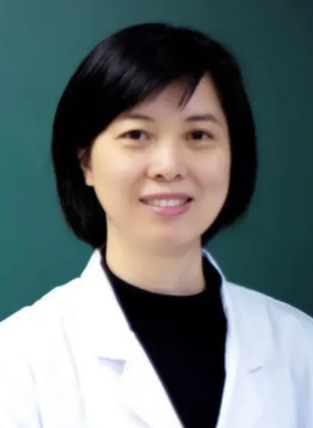 Jie Shao (邵洁)合作论文数Ruijin Hospital, School of Medicine, Shanghai Jiao Tong University2
 pengcheng ge (葛鹏程)合作论文数1LIU Jun (刘军)合作论文数1JingKun Zhao (赵敬坤)合作论文数1LiQun Gu (顾丽群)合作论文数1Liang Fang (房良)合作论文数1ZhiDong Xuan (轩志东)合作论文数1Meng Wang (王盟)合作论文数1YanYan Hu (胡艳艳)合作论文数1
 Chunlin Jin (金春林)合作论文数上海市医学科学技术情报研究所1Ping Wu合作论文数1Qinyi Xu (徐勤毅)合作论文数1Jiamin Zhu (朱佳敏)合作论文数1
 Guohong Li (李国红)合作论文数School of Global Health, School of Medicine, Shanghai Jiao Tong University1




