Radiology report generation focuses on producing comprehensive and clinically precise medical reports based on radiographic images, thereby improving medical efficiency and alleviating the burden on radiologists. Although existing deep learning methods have demonstrated superior performance, they are constrained by the local receptive field of convolutional neural networks and are inadequate for modeling long-range dependencies, making it challenging to detect critical lesion features in medical images. Recently, State Space Models (SSMs), particularly Mamba, have shown great potential in modeling long-range dependencies with linear computational complexity. Inspired by this, we propose MambaGen, the enhanced Mamba model specifically designed for radiology report generation tasks. Specifically, we design a Mamba-Visual Recalibration Module (MVRM), which utilizes a two-stage training strategy to effectively capture the efficient visual representation of medical images. This first stage combines convolutional layers with SSMs to model long-sequence dependencies and learn multi-level visual feature information. This second stage introduces local convolution and a channel attention mechanism to further recalibrate the local feature and mitigate channel redundancy. Comprehensive experiments on widely available datasets, such as IU X-Ray and MIMIC-CXR, demonstrate our model's superior performance compared to existing methods, particularly with an improvement of 2.7% on the BLEU-4 metric. The code is available at https://github.com/Eleanorhxd/MambaGen.git.
Multimodal metaphor understanding poses a significant challenge to the cross-modal reasoning capabilities of multimodal large language models (MLLMs). Existing datasets often lack fine-grained annotations (e.g., source/target domains and attributes) and well-designed hard negatives (distractors) involving mismatched source/target domains or irrelevant source-domain attributes. To address these limitations, we construct the Multimodal Metaphor Understanding challenge (MultiMETu) dataset, which includes 6450 meticulously annotated multimodal metaphor instances, and propose a Multimodal Metaphor Reasoning and Generation Framework (MMRGF).MMRGF employs a staged reasoning process in a tree-structured search space. It sequentially identifies the dominant modality, extracts metaphor-related objects, and analyzes sentiment polarity. We incorporate a backtracking mechanism: when either the object relevance score or thesentiment consistency score falls below predefined thresholds, MMRGF automatically backtracks to earlier stages to re-evaluate and update the selected modality and objects, thereby reducing error propagation.Experiments show that MMRGF consistently outperforms existing methods: it improves F1 scores for target-domain identification, source-domain identification, and source-domain attribute reasoning tasks by 26.71%, 27.27%, and 4.92%, respectively. In the metaphor description generation task, ROUGE-L and BERTScore increase by 4.23% and 0.94%, respectively. Ablation studies validate the effectiveness of the backtracking mechanism. The MultiMETu dataset is publicly available at https://github.com/DUTIR-YSQ/MultiMETu.
With the widespread dissemination of rumors on social media platforms, achieving automated rumor detection in the early stage has become an important challenge. To this end, we propose a Dual-branch Multi-path Propagation Reasoning Network (DMPRN) for rumor detection. For branch 1: to simulate various human thinking chains, we calculate the centrality of the nodes in the propagation graph and use pruning methods to construct propagation graphs of different paths. Then, we use the Graph Convolutional Network to capture the rumor propagation structure. For branch 2: to simulate human logical reasoning based on common sense, we design a Neural-Symbolic Commonsense Reasoning Mechanism. First, we use the Transformer network and the commonsense knowledge graph to dynamically reason about the commonsense knowledge related to tweets. Then, we use neural-symbolic learning to denoise the knowledge and tweets. Finally, we use logic operators boolean AND and boolean OR to integrate the knowledge with the rumor content. The model achieves accuracies of 89.7%, 91.4%, and 78.6% on three publicly available datasets. Compared to state-of-the-art baseline methods, our approach improves accuracy by up to 3% across all three datasets. Moreover, experiments demonstrate that the proposed method is effective for early rumor detection.
With the rapid development of Large Language Models (LLMs), Knowledge Graphs (KGs) have become crucial for enhancing factual reasoning in Natural Language Processing (NLP). However, the inherent incompleteness of KGs limits their effectiveness, motivating the Knowledge Graph Completion (KGC) task, which aims to infer missing relations from known facts. Existing KGC approaches often rely on local subgraphs, which restrict global structural utilization and may introduce noise. To address these limitations, we propose Memory-KGC, a memory-augmented structural learning framework for KGC. Our model introduces a trainable memory module that explicitly captures and stores the global structural knowledge of KGs, while integrating local subgraph information to refine entity matching and reduce noise. Extensive experiments on multiple benchmark datasets, including large-scale graphs with over 4.5 million entities, show that Memory-KGC significantly outperforms state-of-the-art models. Ablation studies further confirm the effectiveness of both the memory module and subgraph integration.
Multimodal Aspect-Based Sentiment Analysis (MABSA) aims to integrate textual and visual modalities to discern sentiment polarity associated with specific opinion aspects. However, existing approaches struggle with semantic alignment, fine-grained cross-modal interaction, and modality fusion due to discrepancies in expression patterns and feature granularity between modalities. To address these challenges, this study proposes an effective adaptive model (CMCL-KMSE) that integrates cross-modal multi-anchor contrastive learning and knowledge-guided multi-view semantic enhancement. First, the cross-modal alignment optimizer in CMCL-KMSE employs a multi-anchor contrastive learning strategy to generate high-quality initial alignment semantics, thereby improving modality coherence. Next, to augment fine-grained sentiment perception pertinent to opinion aspects, the sentiment-driven modal interaction module incorporates prior sentiment knowledge via attention mechanisms, guiding the model to focus on aspect-aware sentiment-relevant textual and visual segments. Additionally, the vision-driven aspect-aware enhancement module refines the model’s attention to aspect-related regions by leveraging interactions between aspect terms and adjective-noun pairs (ANPs) extracted from images, thus mitigating granularity mismatches between modalities. Finally, the soft-routing fusion module dynamically assigns adaptive weights to different modal interaction features, emphasizing their contributions for accurate sentiment classification. Extensive experiments on two benchmark datasets (Twitter-2015 and Twitter-2017) demonstrate that CMCL-KMSE achieves competitive performance in terms of accuracy and Macro-F1, validating its effectiveness in complex sentiment understanding scenarios.
Multimodal Large Language Models (MLLMs) face critical privacy challenges due to the indiscriminate memorization of sensitive data. Existing unlearning methods, largely adapted from Euclidean paradigms, suffer from a geometric mismatch: they fail to disentangle specific instances from general concepts, causing catastrophic forgetting or unsafe substitution. We introduce LOTUS (Lorentz Transport for Unlearning Strategies), a framework for surgical semantic pruning within the Lorentz manifold. Leveraging hyperbolic geometry’s hierarchical nature, LOTUS employs an Inverted Entailment Cone Loss to sever the inheritance of sensitive concepts and a Lorentz Transport mechanism to align pruned features within the tangent space, ensuring compatibility with Euclidean backbones via a safety refusal prior. Experiments on MLLMU-Bench with LLaVA and Qwen show that LOTUS significantly outperforms baselines, effectively erasing targeted visual data while preserving general utility.
Through preliminary studies, we observed that some figurative language detection tasks show consistent biases: a conservative preference for precision over recall and higher agreement within a model’s own judgments than between different models. To address these biases, we first introduce the Inter-Intra Agreement Ratio (IIAR), a novel metric that systematically quantifies LLM generalizability by comparing intra-and inter-model agreement patterns. Then, we propose Consensus-Based LLM Prediction Aggregation (CLPA), which leverages the collective strengths of multiple LLMs to mitigate individual model biases and achieve balanced precision and recall—without fine-tuning or compromising generality. Finally, we present a human–AI co-annotation framework that uses minimal expert input to efficiently determine optimal consensus thresholds, significantly reducing annotation effort. Experiments on the SemEval-2017 pun detection datasets demonstrate that our approach achieves a new state-of-the-art F1 score of 0.963 on heterographic pun detection through multi-LLM consensus aggregation; furthermore, our co-annotation framework requires only 10
Automated Drug Combination Extraction (DCE) from large-scale biomedical literature is crucial for advancing precision medicine and pharmacological research. However, existing relation extraction methods primarily focus on binary interactions and struggle to model variable-length n-ary drug combinations, where complex compatibility logic and distributed evidence need to be considered. To address these limitations, we propose RexDrug, an end-to-end reasoning-enhanced relation extraction framework for n-ary drug combination extraction based on large language models. RexDrug adopts a two-stage training strategy. First, a multi-agent collaborative mechanism is utilized to automatically generate high-quality expert-like reasoning traces for supervised fine-tuning. Second, reinforcement learning with a multi-dimensional reward function specifically tailored for DCE is applied to further refine reasoning quality and extraction accuracy. Extensive experiments on the DrugComb dataset show that RexDrug consistently outperforms state-of-the-art baselines for n-ary extraction. Additional evaluation on the DDI13 corpus confirms its generalizability to binary drugdrug interaction tasks. Human expert assessment and automatic reasoning metrics further indicates that RexDrug produces coherent medical reasoning while accurately identifying complex therapeutic regimens. These results establish RexDrug as a scalable and reliable solution for complex biomedical relation extraction from unstructured text. The source code and data are available at https://github.com/DUTIR-BioNLP/RexDrug
Metaphor plays a fundamental role in human cognition, involving the construction of conceptual mappings that unfold through dynamic neural processes. However, current natural language processing (NLP) systems largely overlook the brain signals engaged during metaphor production, limiting their ability to capture cognitively grounded mechanisms. To address this gap, we introduce ESGME (ERP-Signal-Guided Metaphor Explanation), a framework that integrates event-related potential (ERP) recordings with large language models (LLMs) to generate metaphor explanations conditioned on neural activity. ESGME employs a two-stage design: in Stage 1, an ERP encoder is trained to align ERP signals with the semantic embedding space of the target LLM, enabling neural representations to be mapped to conceptual-level meaning; in Stage 2, the aligned ERP embeddings serve as cognitive cue prompts that guide LLMs in producing metaphor explanations. The framework further incorporates text-based guiding factors to stabilize conceptual mapping during explanation generation. Experiments across multiple LLMs demonstrate that aligned ERP signals provide meaningful cognitive information beyond textual cues. These results highlight the feasibility of translating metaphor-related neural activity into coherent explanatory text and establish a new pathway for bridging cognitive neuroscience with generative NLP. Dataset and code: https://github.com/xinyu706/ESGME.
Multimodal Recommendation (MMR) systems are crucial for modern platforms but are often hampered by inherent noise and uncertainty in modal features, such as blurry images, diverse visual appearances, or ambiguous text. Existing methods often overlook this modality-specific uncertainty, leading to ineffective feature fusion. Furthermore, they fail to leverage rich similarity patterns among users and items to refine representations and their corresponding uncertainty estimates. To address these challenges, we propose a novel framework, Similarity Propagation-enhanced Uncertainty for Multimodal Recommendation (SPUMR). SPUMR explicitly models and mitigates uncertainty by first constructing the Modality Similarity Graph and the Collaborative Similarity Graph to refine representations from both content and behavioral perspectives. The Uncertainty-aware Preference Aggregation module then adaptively fuses the refined multimodal features, assigning greater weight to more reliable modalities. Extensive experiments on three benchmark datasets demonstrate that SPUMR achieves significant improvements over existing leading methods.
Discharge medication recommendation plays a critical role in ensuring treatment continuity, preventing readmission, and improving long-term management for patients with chronic metabolic diseases. This paper present an overview of the CHIP 2025 Shared Task 2 competition, which aimed to develop state-of-the-art approaches for automatically recommending appro-priate discharge medications using real-world Chinese EHR data. For this task, we constructed CDrugRed, a high-quality dataset consisting of 5,894 de-identified hospitalization records from 3,190 patients in China. This task is challenging due to multi-label nature of medication recommendation, het-erogeneous clinical text, and patient-specific variability in treatment plans. A total of 526 teams registered, with 167 and 95 teams submitting valid results to the Phase A and Phase B leaderboards, respectively. The top-performing team achieved the highest overall performance on the final test set, with a Jaccard score of 0.5102, F1 score of 0.6267, demonstrating the potential of advanced large language model (LLM)-based ensemble systems. These re-sults highlight both the promise and remaining challenges of applying LLMs to medication recommendation in Chinese EHRs. The post-evaluation phase remains open at https://tianchi.aliyun.com/competition/entrance/532411/.
The spread of hate speech is becoming increasingly rampant on social media, causing serious harm to both society and individuals. Most existing studies focus on detection techniques or explanation tasks, and there are few studies on unified detection and explanation models. In addition, existing large language models perform poorly on implicit hate speech. Therefore, we propose a unified detection and explanation model: Dethate-LLM. Through the LoRA fine-tuning technology, the LLaMA3-8B models were fine-tuned for hate detection, explanation, and minority target group detection tasks. Subsequently, these fine-tuned expert models are integrated with the original LLaMA3-8B into a comprehensive model, and a routing mechanism is designed to enable the model to automatically select and comprehensively utilize the most suitable expert modules. Experimental results demonstrate that Dethate-LLM outperforms state-of-the-art models in detecting implicit hate speech and excels in generating accurate explanations. On the IHC dataset, compared with the ToXCL baseline, Dethate-LLM increased the F1 score of the detection task by 0.05 points and the BERTScore of the interpretation task by 2.31 points. On the SBIC dataset, Dethate-LLM increased the F1 score of the detection task by 0.96 points, the ROUGE-L score of the interpretation task by 2.48 points, and the BERTScore by 0.26 points. These results mark a substantial advancement in the capabilities of large language models in this field.
Multilingual named entity recognition (NER) is especially challenging in low-resource and typologically diverse languages, where translation drift, morphological variation, and noisy alignments degrade performance. Existing encoder-based methods often rely on dense attention or uniform alignment, which tends to propagate irrelevant signals across languages. We present SEGA, a lightweight and typology-aware framework that incorporates sparse guided attention to select auxiliary signals, alongside a weighted fusion layer that balances representations between cross-lingual and monolingual contexts. Unlike prior approaches, SEGA requires no parallel corpora and supports fully monolingual inference. We evaluate SEGA on six multilingual NER benchmarks spanning over 60 languages, including CoNLL, WikiANN, MasakhaNER 2.0, XTREME-40, WikiNEuRal, and MultiNERD. SEGA achieves new state-of-the-art results on five datasets, with absolute gains of up to +24.2 F1 over strong encoder baselines, and outperforming prompt-based large language models by up to +18.9 F1 in low-resource scenarios. Efficiency analyses show that SEGA adds only similar to 30M parameters beyond a standard dual encoder, making it lightweight and deployable on a single GPU. Comprehensive ablation, visualization, and error analyses confirm that SEGA is robust to alignment noise, morphological complexity, and boundary ambiguity, offering a practical and scalable solution for real-world multilingual NER.
Large language models (LLMs) require robust toxicity evaluation beyond explicit wording. This setting remains underexplored in Chinese, where toxicity may combine semantic indirectness with surface obfuscation. We introduce Chinese Implicit Toxicity Attack (CITA), a controlled red-team evaluation and defense-data generation framework, not a deployable evasion tool. CITA uses three stages: (i) Harmful Intent Learning, (ii) Implicit Toxicity Enhancement, and (iii) Obfuscation Variant Rewriting, to preserve harmful intent, increase implicitness, and add controlled surface variants. On CITA-generated evaluation samples, the seven tested detectors exhibit substantial missed-detection risks, reaching an average ASR of 69.48
Readability controllable summarization aims to identify different readers' readability demands and generate summaries that meet their needs better. Existing methods typically rely on fixed prefix control tags to generate summaries at specific readability levels, which confines them to controlling readability at a coarse level. In this work, we argue that they overlook a key aspect of this task, i.e., recognizing readers' demands regarding the summary content behind readability preferences. These demands vary across instances and readability levels, making them a natural source of fine-grained control signals. Therefore, in this paper, instead of using pre-defined control tags to manage the readability, we first identify readers' varying demands in the form of QA pairs, and then explore demand-oriented controllable summarization for different readability levels, by proposing three methods: (1) demand-enhanced instruction tuning, (2) least-to-most prompting with the concentration of reader demands as a sub-problems chain, and (3) a decoding approach that promotes the model's attention to demand-related information in context for better demand modeling. Compared with previous methods, ours can better distinguish between different readability levels, enabling fine-grained readability control. Experimental results on two public datasets demonstrate the effectiveness and robustness of our methods.1
Automated medical report generation aims to translate medical images into clinically coherent textual descriptions. It has emerged as a critical task in medical image analysis and clinical decision support, with the potential to improve diagnostic efficiency and reduce physicians’ workload. However, existing methods are hindered by data distribution bias and insufficient cross-modal interaction, which compromise their ability to accurately localize abnormal regions and achieve precise alignment between visual and textual modalities. Thus, we propose a Collaborative Cross-modal Fusion Network for medical report generation, named CCFN. Specifically, we design a visual collaborative enhancement module that refines coarse patch-level representations learned by CNNs into fine-grained lesion-sensitive embeddings through a dual calibration mechanism integrating both global and local contextual information. Moreover, we devise a cross-modal semantic fusion module to enable fine-grained alignment between modality-specific representations. This module incorporates a medfuse-mixer to better bridge the semantic gap arising from the heterogeneity of different modal data. We evaluate our method on two public benchmarks, IU X-Ray and MIMIC-CXR, using widely adopted natural language generation metrics and clinical efficacy metrics, which are standard in the field and enable fair comparison with prior works. Compared with strong baselines, CCFN achieves consistent improvements in major metrics, indicating more accurate description of pathological findings and improved clinical consistency of the generated reports. The code is available at https://github.com/Eleanorhxd/CCFN.git
Ultrasound imaging has become increasingly widespread in clinical practice due to its portability, low cost and real-time capability, making ultrasound image segmentation important. However, ultrasound images differ substantially from CT, MRI, and other medical imaging modalities, as they are often affected by speckle noise, low contrast, acoustic shadows and ambiguous boundaries. Existing ultrasound segmentation methods are still mainly limited to task-specific models or visual-prompt-based foundation models, which are either tailored to particular tasks or require expert-provided visual prompts, making them inconvenient for flexible clinical use. To address these challenges, we propose UltraSAM3, a concept-driven foundation model for universal ultrasound image segmentation. Unlike conventional models, UltraSAM3 enables text-based target specification by adapting SAM3 to ultrasound-specific image–mask–concept triplets. The model is trained on a large-scale ultrasound segmentation corpus covering 37 public datasets and 13 anatomical categories, allowing it to align ultrasound visual patterns with clinically meaningful concepts across diverse organs and lesions. To further improve usability under realistic clinical interaction, we propose an instruction-guided agent that parses complex natural language queries into concise ultrasound concept prompts for UltraSAM3. Extensive experiments demonstrate that UltraSAM3 consistently outperforms representative concept- and text-driven biomedical segmentation models on multi-organ ultrasound benchmarks, external datasets, and visual-prompt-enhanced settings. Moreover, the agent improves segmentation robustness for complex user instructions. These results indicate that ultrasound-specific concept adaptation is effective for building generalizable and interactive ultrasound segmentation foundation models.
 Zhihao Yang (杨志豪)合作论文数School of Computer Science and Technology, Dalian University of Technology306
 Jian Wang (王健)合作论文数School of Computer Science and Technology, Dalian University of Technology247
 Liang Yang (杨亮)合作论文数Department of Computer Science and Technology, School of Computer Science and Technology, Dalian University of Technology224
 Bo Xu (徐博)合作论文数School of Computer Science and Technology, Dalian University of Technology132
 Yijia Zhang (张益嘉)合作论文数Information Science and Technology College, Dalian Maritime University114
 Yuanyuan Sun (孙媛媛)合作论文数School of Computer Science and Technology, Dalian University of Technology77
 Shaowu Zhang (张绍武)合作论文数School of Computer Science and Technology, Dalian University of Technology73
 Yuan Lin (林原)合作论文数School of Public Administration and Policy, Dalian University of Technology73
 Sam Xu (许侃)合作论文数School of Computer Science and Technology, Dalian University of Technology69
 Ling Luo (罗凌)合作论文数School of Computer Science and Technology, Dalian University of Technology58
 Dongyu Zhang (张冬瑜)合作论文数School of Foreign Languages, Dalian University of Technology42
 Yanpeng Li (李彦鹏)合作论文数40
 Lei Wang (王雷)合作论文数School of Software, Dalian University of Technology39
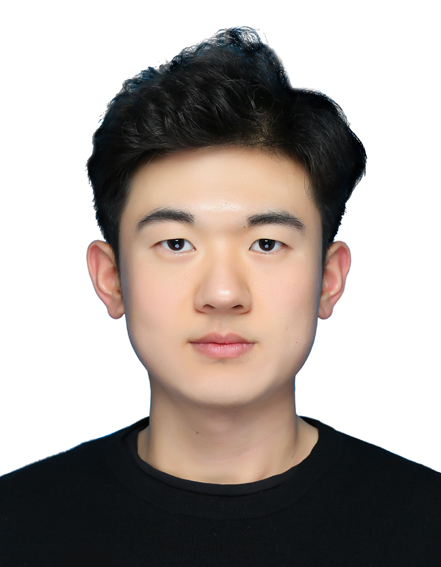 Xiaokun Zhang (张晓堃)合作论文数Department of Computer Science, City University of Hong Kong37
 Yufeng Diao合作论文数Dalian University of Technology35
 Junyu Lu (卢俊宇)合作论文数School of Computer Science and Technology, Dalian University of Technology;Tencent29
 Yonghe Chu合作论文数Department of Computer Science and Technology, Dalian University of Technology, Dalian, China28
 Jiana Meng合作论文数27
 Zheng Ye合作论文数Hangzhou Dianzi University21
 Feng Xia (夏锋)合作论文数School of Computing Technologies, RMIT University19
 Jinzhong Ning合作论文数School of Computer Science and Technology, Dalian University of Technology18
 Di Zhao (赵迪)合作论文数School of Cyber Science and Technology, Beihang University18Xiaoxia Liu合作论文数Dalian University of Technology18
 Chen Shen合作论文数National Institute of Standards and Technology18
 Xiaochao Fan合作论文数17
 Linlin Zong (宗林林)合作论文数School of Software, Dalian University of Technology16LinHong Xu (徐琳宏)合作论文数15
 Shichang Sun (孙世昶)合作论文数15
 Mingyu Lu (鲁明羽)合作论文数College of Artificial Intelligence, Dalian Maritime University15Yao Tianshun合作论文数15
 Haifeng Liu (刘海峰)合作论文数Department of Artificial Intelligence, School of Computer and Electronic Information, Nanjing Normal University14
 Di Wu (吴迪)合作论文数School of Computer Science and Technology, Dalian University of Technology14
 Wei Zheng (郑巍)合作论文数Dalian Jiaotong University14Zhehuan Zhao合作论文数College of Computer Science and Technology,Dalian University of Technology14
 Zhizheng Wang合作论文数Department of Computer Science and Technology, Dalian University of Technology13
 Fenglong Ma合作论文数College of Information Sciences and Technology, The Pennsylvania State University;Institute for Computational and Data Sciences, The Pennsylvania State University13Tongxuan Zhang合作论文数Dalian Univ Technol, Dalian, Peoples R China12Jing Zhao (赵晶)合作论文数12
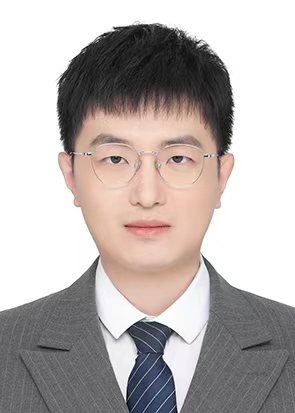 Yuqi Ren (任玉琪)合作论文数School of Computer Science and Technology, College of Intelligence and Computing, Tianjin University12
 Yuhai Yu合作论文数12
 Changrong Min合作论文数School of Computer Science and Technology, Dalian University of Technology;College of Transportation Management, Dalian Maritime University11Jingjie Zeng合作论文数11
 Shengtian Sang合作论文数Dalian Univ Technol, Coll Comp Sci & Technol, Dalian 116024, Peoples R China11
 Xiaoling Sun (孙晓玲)合作论文数School of Public Administration and Policy, Dalian University of Technology11Yumeng Yang合作论文数10
 Dongzhen Wen合作论文数Department of Computer Science, Dalian University of Technology10Lu Ren合作论文数Faculty of Electronic Information and Electrical Engineering, Dalian University of Technology, China10




