MOTIVATION:Protein-protein interactions (PPIs) are central to cellular functions, and predicting mutation-induced changes in binding affinity (ΔΔG) remains challenging. Although existing computational methods integrate sequence- and structure-derived features and thus implicitly capture certain sequence-structure relationships, they typically fuse these modalities through simple concatenation, without explicitly modeling their multidimensional and multiscale interdependencies. RESULTS:Here, we introduce IGMI, an interpretable graph-based model that explicitly encodes multi-level feature interactions across 1D sequences, 2D contact maps, 3D structures, and residue- and atom-level representations. By recalibrating cross-dimensional and cross-scale dependencies, IGMI enables more accurate estimation of both local and long-range mutation effects. Across multiple benchmark datasets, IGMI consistently outperforms state-of-the-art methods in accuracy, robustness, and interpretability. Macro- and micro-level analyses further reveal biologically plausible patterns, distinguishing direct interface perturbations from indirect structural reorganizations. Complementary analyses under different data splitting strategies indicate that the model learns generalizable affinity-related interaction patterns, rather than relying on split-specific information. IGMI provides a reliable and interpretable framework for modeling mutation-induced affinity changes, supporting applications in protein engineering and therapeutic design. AVAILABILITY AND IMPLEMENTATION:IGMI is implemented in PyTorch and released under an open-source license. The full codebase, training scripts, and evaluation utilities are available at https://github.com/ShiweiWu-545/IGMI.git. An archival snapshot containing all source code, pre-trained weights, processed datasets, and reproducibility scripts is available on Zenodo (https://doi.org/10.5281/zenodo.17563574). CONTACT:fengweixing@hrbeu.edu.cn; yulei@nbic.ecnu.edu.cn; zhaochengkui@hrbeu.edu.cn. SUPPLEMENTARY INFORMATION:Supplementary data are available at Bioinformatics online.
Anomaly detection is pivotal in gearbox Prognostics and Health Management (PHM) for ensuring operational safety and identifying early faults. However, most existing studies assume constant operating conditions, limiting their applicability in industrial scenarios. Alternatively, cross-condition methods typically establish baselines from healthy data and detect anomalies via residuals, but often suffer from heteroscedasticity, compromising accuracy. Furthermore, the scarcity of anomalous samples hinders the deployment of many models. To address these challenges, this paper proposes a hybrid framework, DVIB-IF, combining Deep Variational Information Bottleneck (DeepVIB) feature decoupling with a cross-domain Isolation Forest (IF). The framework utilizes DeepVIB to decouple non-stationary vibration signals, stripping away condition-specific interference (e.g., speed and torque) to retain only domain-invariant health features. Subsequently, the Overlap-Add (OLA) method reconstructs condition-independent stationary signals, from which a high-dimensional feature set—spanning time, frequency, and time-frequency domains—is extracted. These features are fed into an IF trained solely on healthy samples for unsupervised detection. Finally, a moment-based statistical mapping mechanism converts raw anomaly scores into a normalized health index, facilitating intuitive detection under varying conditions. Furthermore, a five-fold cross-validation was implemented across all comparative experiments to quantify the uncertainty associated with the detection results.Comparative experiments demonstrate that DVIB-IF outperforms other algorithms, achieving a True Positive Rate (TPR) higher by 0.6%–43.7% and a False Positive Rate (FPR) as low as 2.5%–4.9%. The proposed framework exhibits superior detection performance and generalization, offering significant value for engineering applications. The source code is available at https://github.com/LIChunhui0219/gearbox-annomal.
Recently, deep learning has advanced bearing fault diagnosis; however, most methods still model fault type or fault degree as a single task and tend to degrade under noise and changing operating conditions. To address this, we propose MT-SCGXNet, a multitask framework that fuses spatial and temporal cues to perform fault type diagnosis (FTD) and fault degree diagnosis (FDD) simultaneously. The method employs a Swin Transformer combined with convolutional block attention module (CBAM) to extract spatial features from 2-D signal representations, uses a gated recurrent unit (GRU) to model temporal dependencies, and feeds the fused representation into an XGBoost classifier. We compare five spatial encodings [continuous wavelet transform (CWT), short-time Fourier transform (STFT), Gramian angular difference field (GADF), Markov transition field (MTF), and RP] and select STFT as the default representation because it consistently achieves higher accuracy in high-noise scenarios. On the CWRU and XJTU-SQ datasets, MT-SCGXNet attains similar to 100% accuracy without noise and remains >97% at -5 dB for both FTD and FDD, outperforming strong baseline models across noise levels; even at -8 to -10 dB, accuracy stays around 85%-92%. Relative to the next-best model, the minimum accuracy under noise improves by +1.33% (FTD) and +7.53% (FDD). Ablations show that adding the GRU yields up to +6.71% improvement for FTD at -5 dB, and adding XGBoost yields up to +2.21% for FDD at -3 dB. These results demonstrate a robust, noise-resilient, and condition-invariant multitask diagnostic capability. The source code is available at https://github.com/LIChunhui0219/MT-SCGXNet
In recent years, Graph Convolutional Networks (GCNs) have attracted considerable attention due to their strong capability in modeling graph-structured data. However, as network depth increases, GCNs often suffer from the over-smoothing phenomenon, where node representations become indistinguishable due to excessive feature aggregation. Existing approaches typically focus on modifying graph topology or propagation mechanisms, but often lack a unified treatment of both the structural causes and representational consequences of over-smoothing. To address this challenge, we propose a novel model named DRS-GCN, which includes two strategies: Dynamic Reorganization (DR) and Smoothness Loss (SL). Specifically, DR leverages Ollivier Ricci Curvature (ORC) together with cosine similarity between node representations to adaptively suppress edges that contribute most to excessive smoothing during message passing. Meanwhile, the SL introduces a regularization loss based on distance between neighbor nodes, which encourages compact node representations for nodes with the same label while promoting separability between those with different labels. We conduct experiments on nine public benchmark datasets of diverse types. The results show that DRS-GCN achieves competitive and often superior performance across multiple datasets, obtaining the best or comparable results on the majority of benchmarks. The code is available at https://github.com/Cheng-qi/drs-gcn.git .
Quantifying protein–protein binding affinity is essential for understanding molecular recognition and guiding antibody and inhibitor design. However, binding affinity is governed by tightly coupled sequence, structural, and chemical determinants. Existing models often encode these factors in isolation, limiting their ability to capture the multi-level dependencies underlying binding affinity (ΔG) . We propose MIRAGE, a graph-based framework for direct ΔG prediction that explicitly models interactions across multidimensional (1D sequences, 2D contact maps, 3D structures) and multi-scale (residue-level, atom-level) features. MIRAGE integrates two complementary modules to capture cross-dimensional and cross-scale dependencies, enabling unified residue–atom representation learning. Across public benchmarks, MIRAGE demonstrated strong generalization, achieving Pearson correlations of 0.70 and 0.69 on two independent external test sets and retaining predictive effectiveness under structure-separated cross-validation designed to reduce structural information sharing. In a supplementary analysis with AlphaFold3-predicted complex structures, MIRAGE also preserved significant predictive correlations when experimentally resolved structures were unavailable. Ablation studies confirm the contributions of each module. Interpretability analyses further show that the model focuses on biophysically meaningful interface regions. The source code of MIRAGE is available from https://github.com/ShiweiWu-545/MIRAGE. These results indicate that explicitly modeling multi-level interactions is important for accurately capturing the determinants of binding affinity. MIRAGE provides an interpretable and robust framework for structure-aware ΔG prediction, with potential applications in protein engineering and drug design.
Intelligent fault diagnosis of rotating machinery under multi-modal and multi-condition scenarios presents critical challenges, including the low utilization of structural information and weak model generalization capability. To address these issues, this paper proposes a Structural Awareness Heterogeneous Graph Transformer (SAHGT) framework to achieve unified modeling and robust representation learning of multi-source monitoring signals. The method constructs a unified heterogeneous graph structure to integrate modal features, frequency-domain relationships, and spatial priors. By introducing a heterogeneous graph Transformer with a dual-guided attention mechanism that combines modality-guided and frequency-guided attention, it enhances the selective expression of key features and the discriminative capability for fault patterns. To enhance the model’s adaptability in non-stationary environments, an augmented view-driven contrastive learning mechanism is designed to further strengthen robustness against structural variations and distribution shifts. Notably, this paper establishes a unified training framework that enables switching between Domain Generalization (DG) and Domain Adaptation (DA) tasks solely by configuring loss function combinations without modifying the model architecture. The validation experiments conducted on a high-fidelity gas turbine test platform demonstrate the superior performance of the proposed SAHGT framework, achieving average fault diagnosis accuracies of 83.46% and 99.57% on nine DG tasks and twelve DA tasks, respectively. These results significantly outperform state-of-the-art graph neural network methods, highlighting the model’s strong cross-domain generalization and domain adaptability.
In Emotion recognition in conversation (ERC), recent graph-based methods have shown clear advantages over purely sequential architectures, yet their performance is often limited by over-smoothing when stacking multiple graph neural network layers. In this paper, we propose a Deep Relational Graph Convolutional Network (Deep R-GCN) for ERC that explicitly addresses this issue. At the intra-utterance level, we employ a RoBERTa-large backbone equipped with a lightweight adapter to obtain emotion-enhanced sentence representations while preserving the knowledge encoded in the pretrained language model. At the inter-utterance level, we construct a multi-relational dialogue graph with four types of edges derived from temporal order and speaker identity, and apply a deep R-GCN to capture long-range, speaker-aware dependencies. To mitigate the over-smoothing phenomenon in deep relational propagation, we further introduce two components: Relation-aware Dynamic Reorganization (R-DR), which adaptively filters edges using Ollivier Ricci Curvature and representation similarity, and Relation-aware Smoothness Loss (R-SL), which explicitly balances intra-class compactness and inter-class separability. Experiments on the IEMOCAP benchmark demonstrate that Deep R-GCN achieves superior performance over strong baselines.
Plasma proteins, especially immune-related proteins, are vital for assessing immune health and predicting disease risks. Despite their significance, the link between these proteins and systemic immune function remains unclear. To bridge this gap, researchers developed ProMetaGCN, a model integrating meta-learning, graph convolutional networks, and protein-protein interaction (PPI) data to evaluate immune status via plasma proteomics. This framework identified 309 immune-related factors with associated biological functions and pathways. Using six machine learning methods, four algorithms (Random Forest, LightGBM, XGBoost, Lasso) were selected for immune profiling and aging analysis, revealing ADAMTS13, GDF15, and SERPINF2 as key biomarkers. Validation across two COVID-19 cohorts confirmed the model’s robustness, showing immune status correlates with infection progression and recovery. Furthermore, the study proposed ImmuneAgeGap, a novel metric linking immune profiles to survival rates in non-small-cell lung cancer (NSCLC) patients. These insights advance personalized immune health strategies and disease prevention.
As a vital power system for modern vessels, the marine gas turbine requires intelligent condition monitoring to ensure safe and reliable navigation. Acoustic pressure signals, which serve as key health condition indicators of the gas turbine, are strongly influenced by operating conditions and environmental factors, exhibiting high temporal dependency and structural coupling-posing significant challenges for accurate modeling and anomaly detection. This paper proposes a novel health benchmark model (HBM) and anomaly detection method for acoustic pressure signals, which is based on physical prior knowledge and a spatio-temporal graph convolutional network (PPK-STGCN). The proposed framework integrates thermodynamic principles with deep learning techniques by constructing a hybrid graph architecture that combines a static structure derived from physical priors with a learnable, adaptive adjacency matrix. A Transformer encoder is employed to capture node-level temporal evolution patterns, while a graph convolutional network extracts spatial correlations among variables. Additionally, a composite loss function incorporating sparsity and information entropy regularization is designed to enhance the discriminative capability of the learned graph structure, improving both interpretability and generalization. The proposed method was validated using real marine gas turbine operation data. The results indicated that PPK-STGCN accurately predicted acoustic pressure under various operating conditions, with a mean absolute error of 0.98, a root mean square error of 1.18, and a mean absolute percentage error of 2.03 %. In terms of fault detection, the method demonstrated strong engineering applicability and fault detection capability, achieving an average accuracy of 99.96 % on the test set.
As the operational complexity of gas turbines increases due to grid fluctuation and renewable integration, reliable anomaly detection becomes vital for ensuring safety and efficiency. However, most existing methods require extensive labeled anomalies and face challenges from parameter coupling and data drift. This study proposes a normal behavior modeling spatial-temporal feature-enhanced fusion network that requires only normal operational data to address these challenges. First, the relationships between variables are represented using a directed graph model based on the sensor monitoring scheme, facilitating the selection of relevant input parameters. Then, a temporal convolutional network, combined with channel attention mechanisms, is used to extract spatial features, while a Transformer encoder with multi-head attention captures temporal dependencies. A cross-attention mechanism is incorporated to integrate spatial and temporal information, and a normal behavior model for gas turbine operational parameters is established. Finally, a dynamic threshold calculation method is proposed for anomaly detection, which does not assume a normal distribution but analyzes the residual distribution. Comprehensive evaluations on real industrial operation data demonstrate that the proposed method achieves high prediction accuracy, with a mean absolute error of 0.65 and a root mean square error of 0.83 on the test set. Additional validation on the turbofan engine dataset confirms the method's robustness in detecting anomalies early during degradation processes. This approach provides a reliable foundation for anomaly detection in gas turbine operational parameters.
Graph neural networks (GNNs) have shown great promise in modeling graph-structured data, but the over-smoothing problem restricts their effectiveness in deep layers. Two key weaknesses of existing research on deep GNN models are: (1) ignoring the beneficial aspects of intra-class smoothing while focusing solely on reducing inter-class smoothing, and (2) inefficient computation of residual weights that neglect the influence of neighboring nodes' distributions. To address these weaknesses, we propose a novel Smoothing Deceleration (SD) strategy to reduce the smoothing speed rate of nodes as information propagates between layers, thereby mitigating over-smoothing. Firstly, we analyze the smoothing speed rate of node representations between layers by differential operations. Subsequently, based on this analysis, we introduce two innovative modules: Class-Related Smoothing Deceleration (CR-SD) loss and Smooth Deceleration Residual (NAR). CR-SD loss first takes into account the duality of smoothing, reducing inter-class smoothing while preserving the benefits of intra-class smoothing, thus reducing over-smoothing while maintaining model performance. NAR is specifically designed for graph-structured data, integrating the distribution of neighboring nodes, and is a novel method for computing residual weights. Finally, the comparative experimental results demonstrate that our SD strategy can extend existing shallow GNNs to deeper and delivers superior performance compared to both vanilla models and existing deep GNNs. And, a series of analytical experiments be conducted to prove that our proposed SD strategy effectively mitigates over-smoothing in deep GNNs. The source code for this work is available at https://github.com/cheng-qi/sd.
Introduction:CAR-T cell therapy is a novel approach in the treatment of hematological tumors. However, it is associated with life-threatening side effects, such as the severe cytokine release syndrome (sCRS). Therefore, predicting the occurrence and development of sCRS is of great significance for clinical CAR-T therapy. The study of existing clinical data by artificial intelligence may bring useful information.Methods:By analyzing the heat map of clinical factors and comparing them between severe and non-severe CRS, we can identify significant differences among these factors and understand their interrelationships. Ultimately, a decision tree approach was employed to predict the timing of severe CRS in both children and adults, considering variables such as the same day, the day before, and initial values.Results:We measured cytokines and clinical biomarkers in 202 patients who received CAR-T therapy. Peak levels of 25 clinical factors, including IFN-γ, IL6, IL10, ferritin, and D-dimer, were highly associated with severe CRS after CAR T cell infusion. Using the decision tree model, we were able to accurately predict which patients would develop severe CRS consisting of three clinical factors, classified as same-day, day-ahead, and initial value prediction. Changes in serum biomarkers, including C-reactive protein and ferritin, were associated with CRS, but did not alone predict the development of severe CRS.Conclusion:Our research will provide significant information for the timely prevention and treatment of sCRS, during CAR-T immunotherapy for tumors, which is essential to reduce the mortality rate of patients.
Silencing mRNA through siRNA is vital for RNA interference (RNAi), necessitating accurate computational methods for siRNA selection. Current approaches, relying on machine learning, often face challenges with large data requirements and intricate data preprocessing, leading to reduced accuracy. To address this challenge, we propose a BERT model-based siRNA target gene knockdown efficiency prediction method called BERT-siRNA, which consists of a pre-trained DNA-BERT module and Multilayer Perceptron module. It applies the concept of transfer learning to avoid the limitation of a small sample size and the need for extensive preprocessing processes. By fine-tuning on various siRNA datasets after pretraining on extensive genomic data using DNA-BERT to enhance predictive capabilities. Our model clearly outperforms all existing siRNA prediction models through testing on the independent public siRNA dataset. Furthermore, the model's consistent predictions of highefficiency siRNA knockdown for SARS-CoV-2, as well as its alignment with experimental results for PDCD1, CD38, and IL6, demonstrate the reliability and stability of the model. In addition, the attention scores for all 19nt positions in the dataset indicate that the model's attention is predominantly focused on the 5 ' end of the siRNA. The step-by-step visualization of the hidden layer's classification progressively clarified and explained the effective feature extraction of the MLP layer. The explainability of model by analysis the attention scores and hidden layers is also our main purpose in this work, making it more explainable and reliable for biological researchers.
The T cell receptor (TCR) repertoire is pivotal to the human immune system, and understanding its nuances can significantly enhance our ability to forecast cancer-related immune responses. However, existing methods often overlook the intra- and inter-sequence interactions of T cell receptors (TCRs), limiting the development of sequence-based cancer-related immune status predictions. To address this challenge, we propose BertTCR, an innovative deep learning framework designed to predict cancer-related immune status using TCRs. BertTCR combines a pre-trained protein large language model with deep learning architectures, enabling it to extract deeper contextual information from TCRs. Compared to three state-of-the-art sequence-based methods, BertTCR improves the AUC on an external validation set for thyroid cancer detection by 21 percentage points. Additionally, this model was trained on over 2000 publicly available TCR libraries covering 17 types of cancer and healthy samples, and it has been validated on multiple public external datasets for its ability to distinguish cancer patients from healthy individuals. Furthermore, BertTCR can accurately classify various cancer types and healthy individuals. Overall, BertTCR is the advancing method for cancer-related immune status forecasting based on TCRs, offering promising potential for a wide range of immune status prediction tasks.
BACKGROUND:CAR-T cell therapy represents a novel approach for the treatment of hematologic malignancies and solid tumors. However, its implementation is accompanied by the emergence of potentially life-threatening adverse events known as cytokine release syndrome (CRS). Given the escalating number of patients undergoing CAR-T therapy, there is an urgent need to develop predictive models for severe CRS occurrence to prevent it in advance. Currently, all existing models are based on decision trees whose accuracy is far from meeting our expectations, and there is a lack of deep learning models to predict the occurrence of severe CRS more accurately.RESULTS:We propose PrCRS, a deep learning prediction model based on U-net and Transformer. Given the limited data available for CAR-T patients, we employ transfer learning using data from COVID-19 patients. The comprehensive evaluation demonstrates the superiority of the PrCRS model over other state-of-the-art methods for predicting CRS occurrence. We propose six models to forecast the probability of severe CRS for patients with one, two, and three days in advance. Additionally, we present a strategy to convert the model's output into actual probabilities of severe CRS and provide corresponding predictions.CONCLUSIONS:Based on our findings, PrCRS effectively predicts both the likelihood and timing of severe CRS in patients, thereby facilitating expedited and precise patient assessment, thus making a significant contribution to medical research. There is little research on applying deep learning algorithms to predict CRS, and our study fills this gap. This makes our research more novel and significant. Our code is publicly available at https://github.com/wzy38828201/PrCRS . The website of our prediction platform is: http://prediction.unicar-therapy.com/index-en.html .
Background: With increasing rates of polypharmacy, the vigilant surveillance of clinical drug toxicity has emerged as an important With increasing rates of polypharmacy, the vigilant surveillance of clinical drug toxicity has emerged as an important concern. Named Entity Recognition (NER) stands as an indispensable undertaking, essential for the extraction of valuable insights regarding drug safety from the biomedical literature. In recent years, significant advancements have been achieved in the deep learning models on NER tasks. Nonetheless, the effectiveness of these NER techniques relies on the availability of substantial volumes of annotated data, which is labor-intensive and inefficient. Methods: This study introduces a novel approach that diverges from the conventional reliance on manually annotated data. It employs a transformer-based technique known as Positive-Unlabeled Learning (PULearning), which incorporates adaptive learning and is applied to the clinical cancer drug toxicity corpus. To improve the precision of prediction, we employ relative position embeddings within the transformer encoder. Additionally, we formulate a composite loss function that integrates two Kullback-Leibler (KL) regularizers to align with PULearning assumptions. The outcomes demonstrate that our approach attains the targeted performance for NER tasks, solely relying on unlabeled data and named entity dictionaries. Conclusion: Our model achieves an overall NER performance with an F1 of 0.819. Specifically, it attains F1 of 0.841, 0.801 and 0.815 for DRUG, CANCER, and TOXI entities, respectively. A comprehensive analysis of the results validates the effectiveness of our approach in comparison to existing PULearning methods on biomedical NER tasks. Additionally, a visualization of the associations among three identified entities is provided, offering a valuable reference for querying their interrelationships.
Fault feature extraction is the key technology of fault diagnosis and health management. Aiming at the characteristics of gas turbine gas path parameters with strong coupling and complex features, a gas turbine gas path fault feature extraction method based on correlation network is proposed. The correlation analysis is carried out by using the measurement point correlation network. For the gas turbine measurement point correlation network, the typical fault data set of Marine three-shaft gas turbine gas path is taken as the research object, and the correlation matrix is calculated for the different typical gas path faults and the data under the same fault and different fault degrees. The correlation network is established, and the correlation network attribute parameters are calculated to compare the network attributes under different faults. From the perspective of correlation between parameters, it is of great significance to explore the influence of different fault modes and fault degrees on the change of network characteristic parameters for fault data feature extraction and fault diagnosis.
Chimeric antigen receptor T-cell (CAR-T) immunotherapy, a novel approach for treating blood cancer, is associated with the production of cytokine release syndrome (CRS), which poses significant safety concerns for patients. Currently, there is limited knowledge regarding CRS-related cytokines and the intricate relationship between cytokines and cells. Therefore, it is imperative to explore a reliable and efficient computational method to identify cytokines associated with CRS. In this study, we propose Meta-DHGNN, a directed and heterogeneous graph neural network analysis method based on meta-learning. The proposed method integrates both directed and heterogeneous algorithms, while the meta-learning module effectively addresses the issue of limited data availability. This approach enables comprehensive analysis of the cytokine network and accurate prediction of CRS-related cytokines. Firstly, to tackle the challenge posed by small datasets, a pre-training phase is conducted using the meta-learning module. Consequently, the directed algorithm constructs an adjacency matrix that accurately captures potential relationships in a more realistic manner. Ultimately, the heterogeneous algorithm employs meta-photographs and multi-head attention mechanisms to enhance the realism and accuracy of predicting cytokine information associated with positive labels. Our experimental verification on the dataset demonstrates that Meta-DHGNN achieves favorable outcomes. Furthermore, based on the predicted results, we have explored the multifaceted formation mechanism of CRS in CAR-T therapy from various perspectives and identified several cytokines, such as IFNG (IFN-γ), IFNA1, IFNB1, IFNA13, IFNA2, IFNAR1, IFNAR2, IFNGR1 and IFNGR2 that have been relatively overlooked in previous studies but potentially play pivotal roles. The significance of Meta-DHGNN lies in its ability to analyze directed and heterogeneous networks in biology effectively while also facilitating CRS risk prediction in CAR-T therapy.
Background: Chimeric Antigen Receptor (CAR)-T cell therapy has emerged as a highly effective treatment for hematological tumors. However, the associated adverse reaction, Cytokine Release Syndrome (CRS), poses a significant challenge. While numerous studies have investigated CRS biomarkers during CAR-T cell therapy, the ability to predict CRS risk prior to treatment initiation remains a crucial yet underexplored aspect. Objective: The primary purpose of this study was to address the issue of limited data, explore an alternative approach using public data to identify predictive markers for CRS risk assessment from RNA-Seq in pre-treatment patients data, and comprehend the inducible mechanisms underlying CRS. Methods: We integrated information from two public databases, the FDA Adverse Event Reporting System (FAERS) for adverse reaction reports of CAR-T cell therapy and the Cancer Genome Atlas (TCGA) for RNA-Seq data on corresponding hematological tumors. Candidate genes were screened by correlation analysis between Reported Odds Ratio (ROR) values and RNA-Seq gene expression levels, and then core factors were identified through stepwise analysis of pathway enrichment, cluster analysis, and protein interactions. Results: Our analysis highlighted the correlation between CRS risk and pre-treatment T cell activation/ proliferation, identifying key genes (IFN-γ, IL1β, IL2, IL6, and IL10) as significant CRS indicators. Conclusion: This study offers a unique perspective on predicting CRS risk before CAR-T cell therapy, circumventing the challenges of scarce clinical data by leveraging analysis of public databases. It elucidates the crucial role of T cell activation/proliferation dynamics in CRS. The analytical methods and identified markers provide a reference for the research and clinical application of CAR-T cell therapy.
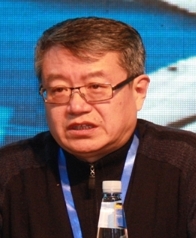 Kejun Wang (王科俊)合作论文数Harbin Engineering University;The Electronic Engineering, Harbin Institute of Information Technology27
 Bo He (贺波)合作论文数College of Intelligent Systems Science and Engineering, Harbin Engineering University25
 Yunlong Liu合作论文数Department of Medical and Molecular Genetics, Indiana University School of Medicine21
 Chengkui Zhao合作论文数16
 Xiufen Ye (叶秀芬)合作论文数College of Intelligent Systems Science and Engineering, Harbin Engineering University16
 Adong Shen (申阿东)合作论文数Beijing Children's Hospital, Capital Medical University;Graduate School, Capital Medical University16
 Weiwei Jiao (焦伟伟)合作论文数Beijing Pediatric Research Institute, Beijing Children’s Hospital, Capital Medical University16Xi-Rong Wu合作论文数16
 Jing Xiao (肖婧)合作论文数Beijing Pediatric Research Institute15Jiayu Xu合作论文数14
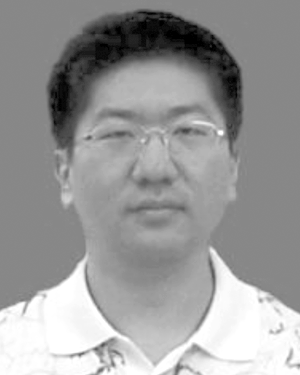 Qi Cheng合作论文数14
 Yunpeng Cao (曹云鹏)合作论文数College of Power and Energy Engineering, Harbin Engineering University14
 Jin Li (李金)合作论文数Harbin Engineering University14
 Lin Sun (孙琳)合作论文数Beijing Children's Hospital, Capital Medical University14Miao Qing合作论文数13
 Lei Yu (俞磊)合作论文数School of Chemistry and Molecular Engineering, East China Normal University13Lang Li合作论文数Department of Biomedical Informatics, College of Medicine, The Ohio State University;Luddy School of Informatics, Computing, and Engineering, Indiana University12
 Min Zhang合作论文数11Nan XU (徐楠)合作论文数11Zhenyu Wei合作论文数10
 Hong Liang (梁洪)合作论文数College of Intelligent Systems Science and Engineering, Harbin Engineering University9Fang Liu (刘芳)合作论文数Capital Medical University9Weixin Xie合作论文数8
 Lei Wang合作论文数8
 Ying Wang合作论文数8
 Yue Wang合作论文数8
 Chen Shen (申晨)合作论文数Beijing Pediatric Research Institute, Beijing Children's Hospital, Capital Medical University8Dan Shen (申丹)合作论文数8
 Xueying Wang合作论文数7
 Xin Wang (王鑫)合作论文数Department of Surgery, Faculty of Medicine, The Chinese University of Hong Kong7Duojiao Chen合作论文数6Ziwei Li合作论文数6
 Shuxiang Guo (郭书祥)合作论文数Department of Electronics and Electrical Engineering, Southern University of Science and Technology6
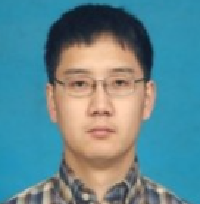 Guohua Wang (汪国华)合作论文数School of Computer Science and Technology, Faculty of Computing, Harbin Institute of Technology6Shuangze Han合作论文数5xianglian meng (孟祥莲)合作论文数5Qing-Qin Yin合作论文数5
 Siwen Xu合作论文数5Qiushi Zhang合作论文数5Limei Wang合作论文数College of Biomedical Informatics and Engineering, Hainan Medical University5Wang Cong合作论文数5Meng Li (李萌)合作论文数5Ya-Jie Guo (郭雅洁)合作论文数4Xiaoyu Han合作论文数4Chien-Wei Chiang合作论文数Ohio State University4Chengzhen Xu (徐成振)合作论文数4
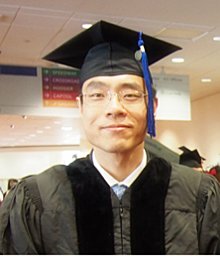 Pengyue Zhang合作论文数Department of Biomedical Informatics College of Medicine, Ohio State University4Liqing Kang合作论文数4
 Sara K Quinney合作论文数Dept Obstet & Gynecol, Indiana Univ Sch Med4




