Uveal melanoma is predominantly an adult malignancy, with Ireland reporting one of the highest incidence rates at 9.5 cases per million adults annually. Paediatric uveal melanoma is extremely rare, accounting for fewer than 1% to 2% of all uveal melanoma cases in published series. This retrospective study included all patients under 18 years of age diagnosed with uveal melanoma in Ireland between 2010 and 2024. Data were collected from medical records and included demographics, tumour location and dimensions, histopathology or cytology (where available), presence of metastasis, treatment modality, baseline and final visual acuity, intraocular pressure, and survival outcomes. Six Caucasian patients (five male, one female), aged 6 to 17 years, were identified. Tumour locations included five choroidal and one ciliochoroidal melanoma. Treatment modalities included enucleation (n = 2), plaque brachytherapy (two Ruthenium-106, one Iodine-125), and proton beam radiotherapy (n = 1). Histopathological analysis was available in two cases, revealing one mixed cell type and one spindle B melanoma. Fine needle aspiration biopsy was performed in two patients. Mean follow-up was 30 months (median 24; range 12–178). All cases remained metastasis-free at last follow-up. This national case series highlights the rarity and clinical relevance of paediatric uveal melanoma. Outcomes have been favourable, but recent case clustering supports the need for international comparative data collection. Early diagnosis and appropriate treatment help preserve vision and reduce morbidity. Molecular profiling, where possible, may guide metastatic risk assessment. Further studies are needed to confirm international incidence trends.
Abstract Widow spiders of the genus Latrodectus are important animals for biomedical, pest and conservation research. Here, we present the assembled genomes of two closely related Latrodectus species: the Australian L. hasselti and the New Zealand endemic L. katipo. The genome of L. katipo consists of 13 scaffolds likely corresponding to chromosomes (90% of the total length) and 1267 short scaffolds (10%). It has a total length of 1.5 Gbp and BUSCO of 94.9%. The genome of L. hasselti consists of 379 scaffolds and has a total length of 1.7 Gbp and a BUSCO score of 95.4%. The repeat content is very similar in both genomes with a total proportion of 37.2% for L. katipo and 39.9% for L. hasselti. Genome annotation predicted 12706 and 15111 genes for L. katipo and L. hasselti respectively. An ortholog analysis shows large overlap between orthogroups suggesting either duplication events in L. hasselti or loss of genes in L. katipo.
OBJECTIVE:Human papillomavirus (HPV) associated oropharyngeal squamous cell carcinoma (OPSCC) exhibits a favourable prognosis compared to non-HPV OPCSCC. Tumour infiltrating lymphocytes (TILs) may predict better survival outcomes for patients with HPV+OPSCC. METHODS:A retrospective review of patients treated for HPV+OPSCC between 2003-2018. TIL density scores for each patient's tumour specimen were determined. Patients were categorised as TIL-Hi or TIL-Lo. Survival outcomes for the two TIL groups were compared. RESULTS:Fifty-seven patients, 33 in the TIL-Hi group, were included. 5-year overall survival was 81.8% in the TIL-Hi and 75% in the TIL-Lo groups. 5-year disease specific survival was 87.9% and 87.5%, respectively. There was no statistically significant difference in survival outcomes between TIL-Hi and TIL-Lo. CONCLUSION:TIL density in HPV+OPSCC has been reported to predict survival outcomes. This is not supported by the findings of this study. Further prospective evaluation with a standardised scoring technique may fully elicit the prognostic value of TILs in HPV+OPSCC.
Detecting the imprints of global environmental change on biological communities is a paramount task for ecological research. But a lack of standardized long-term biomonitoring data prevents a deeper understanding of biodiversity change in the Anthropocene. Novel sources of data for analysing biodiversity change across time and space are urgently needed. By metabarcoding highly standardized biota samples from a long-term pollution monitoring archive in Germany, we here analyse four decades of community diversity for tens of thousands of species across the tree of life. The archived samples-tree leaves, marine macroalgae, and marine and limnic mussels-represent natural community DNA samplers, preserving a taxonomically diverse imprint of their associated biodiversity at the time of collection. We find no evidence for universal diversity declines at the local scale. Instead, a gradual compositional turnover emerges as a universal pattern of temporal biodiversity change in Germany's terrestrial and aquatic ecosystems. This turnover results in biotic homogenization in most terrestrial and marine communities. Limnic communities, in contrast, rather differentiate across space, probably due to the immigration of different invasive species into different sites. Our study highlights the immense promise of alternative sample sources to provide standardized time series data of biodiversity change in the Anthropocene.
Mermessus trilobatus, an invasive North American linyphiid spider, has expanded its invasion range up to 1400 km in Europe, accelerating its dispersal speed in less than 40 years. The high heritability of dispersal behaviour and the spatial sorting of high and low dispersers indicate a genetic basis of dispersal behaviour. However, microbial endosymbionts can moderate dispersal behaviour in related species (Rickettsia in Erigone atra). Hence, dispersal behaviour in M. trilobatus might also be dictated by the activity of dispersal-mediating endosymbionts. Here, we investigated the microbiome of invasive M. trilobatus spiders extracted from (1) high- and low-dispersive individuals and (2) spiders originating from locations close to the edge and core of the expansion. We examine the microbiomes for the presence of potential dispersal- and reproduction-mediating bacterial strains and compare the microbial assemblages of spiders based on their dispersal behaviour and locations of origin. The composition of microbial assemblages was similar among spiders of different geographic origins and dispersal behaviour. However, microbial richness was lower in high- than in low-dispersive individuals. Surprisingly, none of the known dispersal- or reproduction-altering endosymbionts of arthropods was identified in any tested spider. This contrasts with published results from North America, where M. trilobatus is a known host of Rickettsia and Wolbachia. Thus, the invasive European population appears to have lost its associated endosymbionts. As endosymbionts can reduce spider mobility, it is possible that their absence facilitates the spread of the invasive spider population. The absence of endosymbionts among the analysed individuals substantiates the role of genetic mechanisms behind the variable dispersal behaviour of invasive M. trilobatus in Europe.
Uveal melanoma (UM) is the most common primary intraocular malignancy in adults worldwide [...]
The loss of plant diversity in grasslands is implicated as one of the main causes of arthropod decline. The loss of a single plant species can have a cascading effect on specialized arthropod species. It is thus critical to expand our understanding of plant-arthropod interactions. Detecting plant-arthropod interactions, however, has been difficult, as it requires the observation of individual plant visits. A possible solution to this problem is offered by environmental DNA (eDNA) analysis. Here, we test the utility of eDNA to detect fine-scaled community differentiation in grassland arthropods in Germany. Based on eDNA from 13 plant species, we explore community differentiation between plant species, and between flower and green parts of individual plants. We show that eDNA successfully recovers extremely fine-scaled community differentiation. Plant species, as well as plant compartment, emerge as major drivers of arthropod community composition in grasslands, with the differentiation being particularly pronounced in herbivorous arthropods. Terrestrial eDNA on plants thus appears to be deposited in a very localized fashion, making this tool ideally suited to detect very fine-scaled community differentiation. Considering the high specificity we observe in our analysis, our results highlight the necessity of integrating vegetation surveys into future monitoring of arthropod communities.
Uveal melanoma (UM) is the most common intraocular malignancy, with poor prognosis in metastatic cases and limited response to conventional therapies. Despite advances in genetic stratification, the immunological landscape of primary UM remains poorly understood. Secondary data generation of single-cell RNA sequencing (scRNA-seq) of primary class 1 and class 2 (loss of BAP1) UM tumours and flow cytometric analysis of 8 primary UM tumour biopsies were used to characterize the tumour microenvironment, cellular composition, tumour–immune cell interactions, and stromal marker expression associated with tumour progression and immune infiltration. scRNA-seq analysis revealed 16 distinct cell clusters, including melanocytes, T cells, macrophages, and stromal cells. Class 2 tumours contained unique melanocyte subpopulations exhibiting chromosome 8 copy number variations and enriched in hypoxia, PI3K-Akt, and MAPK signalling pathways. Ligand–receptor analysis identified extensive interactions between these aggressive melanocytes and pericytes/macrophages. Flow cytometric analysis confirmed two distinct immune infiltrate profiles: low-infiltrate tumours dominated by CD14⁺ cells, and high-infiltrate tumours with CD8⁺ memory-like T cells expressing PD-1 and CD27. Stromal marker analysis revealed elevated expression of CD81 and NGFR in immune-excluded tumours, implicating them in metastatic potential. Our study reveals cellular and immunological heterogeneity within primary UM tumours. The identification of immunologically distinct tumour types, along with aggressive melanocyte subpopulations and stromal interactions, provides insight into UM pathogenesis and supports stratified immunotherapeutic approaches.
Purpose HPV driven oropharyngeal squamous cell carcinoma (OPSCC) proffers a more favorable prognosis in contrast to its HPV negative counterparts. Consequently, studies have analyzed de-intensification measures of current treatment practices to minimize the associated morbidity. However, 25% of patients with HPV positive OPSCC experience a locoregional recurrence (LR) and/or distant metastasis (DM). This study aimed to determine if patient demographics, tumor characteristics and specific HPV genotyping were attributable to HPV positive OPSCC who develop LR and/or DM based on data collated from the largest Head and Neck Cancer center in the Republic of Ireland, with a mean follow up period of 11.16 years. Methods Patient demographics was obtained from HPV positive OPSCC patients from 3 Dublin Hospitals diagnosed over a 10-year period. In addition, HPV genotyping via Ion Torrent Next Generation Sequencing (NGS) and mutations analysis using smMIP panel based NGS was conducted on the cohort archival tumor DNA. Results 67 patients met the criteria for inclusion and had a mean follow-up period of 11.16 years. 28.36% developed LR and/or DM. A statistically significant correlation was identified linking age at diagnosis (p = 0.047), excessive alcohol consumption (p = 0.017) and a higher clinical stage (p = 0.01) with LR and/or DM.HPV 16 was the most prevalent genotype (93.65%), with dual HPV infection illustrated in 4 cases. BRAF, EGFR, ERBB2, KIT, KRAS, NRAS, PDGFRA somatic mutations were not identified in the recurrence cohort. Conclusion With the ongoing focus to reduce treatment for patient with HPV positive OPSCC, upfront recognition of patients at greater risk of LR and/or DM is essential. In the era of personalized medicine, it is hoped that interrogation of archival tumor tissue via similar techniques used in this study may yield pioneering findings with a clinical and prognostic significance.
An important evolutionary hypothesis posits that much of the biodiversity we see today arose during episodes of natural habitat fragmentation through the interplay of colonization, extinction, adaptation, and speciation. To interrogate the generality of this hypothesis, we leverage the natural experiment provided by arthropod communities in k & imacr;puka-patches of Hawaiian wet forest isolated by lava flows. With DNA metabarcoding, we provide the first simultaneous exploration of ecological and evolutionary characteristics in the k & imacr;puka system. At both species-equivalent (3% radius OTUs) and haplotype-equivalent (zOTUs) scales, we find that richness increases with k & imacr;puka area, and that k & imacr;puka exhibit faster distance decay of similarity compared to continuous forest. K & imacr;puka also differ in OTU and zOTU composition from continuous forest, notably hosting higher proportions of non-native OTUs for an arthropod order in which we can comprehensively classify native/non-native OTUs (Araneae). These findings reveal that natural habitat fragmentation drives parallel changes at species and haplotype scales in the k & imacr;puka system. By integrating ecological and evolutionary perspectives, our study underscores the importance of studying both processes simultaneously if we are to understand, better predict, and more intelligently manage the responses of biological communities to environmental change.
Spiders are a hyperdiverse taxon and among the most abundant predators in nearly all terrestrial habitats. Their success is often attributed to key developments in their evolution such as silk and venom production and major apomorphies such as a whole-genome duplication. Resolving deep relationships within the spider tree of life has been historically challenging, making it difficult to measure the relative importance of these novelties for spider evolution. Whole-genome data offer an essential resource in these efforts, but also for functional genomic studies. Here, we present de novo assemblies for three spider species: Ryuthela nishihirai (Liphistiidae), a representative of the ancient Mesothelae, the suborder that is sister to all other extant spiders; Uloborus plumipes (Uloboridae), a cribellate orbweaver whose phylogenetic placement is especially challenging; and Cheiracanthium punctorium (Cheiracanthiidae), which represents only the second family to be sequenced in the hyperdiverse Dionycha clade. These genomes fill critical gaps in the spider tree of life. Using these novel genomes along with 25 previously published ones, we examine the evolutionary history of spidroin gene and structural hox cluster diversity. Our assemblies provide critical genomic resources to facilitate deeper investigations into spider evolution. The near chromosome-level genome of the 'living fossil' R. nishihirai represents an especially important step forward, offering new insights into the origins of spider traits.
Our planet harbors a biodiversity of millions of species, of which only a small proportion is yet known to science. For yet a smaller proportion do we know the ecological needs, relatedness and interactions and how the species assemble to form biological communities. This knowledge, however, is critical to ultimately understand how species respond to human alterations of their environment. In recent years, metabarcoding has revolutionized our ability to characterize biodiversity. By combining the method of DNA barcoding with high-throughput sequencing, the taxonomic diversity of entire communities can be rapidly and exhaustively recovered by metabarcoding. Besides simple taxonomic characterization, metabarcoding also enables the community-wide detection of interactions and relatedness between taxa, and even genetic variation within species. The resulting wealth of data enables unprecedented insights into biodiversity assembly and closes critical gaps in our knowledge on biological communities. This new knowledge will significantly facilitate the critical task of protecting biodiversity in the Anthropocene. In this chapter, we will (1) provide a methodological overview of the approach of DNA metabarcoding, (2) highlight pitfalls of the approach and how to overcome them and (3) show applications of metabarcoding for characterizing different levels of community diversity, from community composition and assembly processes to interactions and relatedness.
AbstractThe sub-Antarctic terrestrial ecosystems survive on isolated oceanic islands in the path of circumpolar currents and winds that have raged for more than 30 million years and are shaped by climatic cycles that surpass the tolerance limits of many species. Surprisingly little is known about how these ecosystems assembled their native terrestrial fauna and how such processes have changed over time. Here, we demonstrate the patterns and timing of colonization and speciation in the largest and dominant arthropod predators in the eastern sub-Antarctic: spiders of the genus Myro. Our results indicate that this lineage originated from Australia before the Plio-Pleistocenic glacial cycles and underwent an adaptive radiation on the Crozet archipelago, from where one native species colonized multiple remote archipelagos via the Antarctic circumpolar current across thousands of kilometers. The results indicate limited natural connectivity between terrestrial macroinvertebrate faunas in the eastern sub-Antarctic and partial survival of repeated glaciations in the Plio-Pleistocene. Furthermore, our findings highlight that by integrating arthropod taxa from multiple continents, the climatically more stable volcanic Crozet archipelago played a critical role in the evolution and distribution of arthropod life in the sub-Antarctic.
Background: Currently there are limited methods to link disease severity and risk of disease progression in Chronic Kidney Disease (CKD). To better understand this potential relationship, we interrogated the renal transcriptomic profile of individuals with CKD with measures of CKD severity and identified FERM-domain containing protein 3 (FRMD3) as a candidate gene for follow-up study. Methods: RNA-seq was used to profile the transcriptome of CKD biopsies from the North Dublin Renal BioBank the results of which were correlated with clinical parameters. The potential function of FRMD3 was explored by interrogating the FRMD3 interactome and assessing the impact of lentiviral mediated FRMD3 knock down on human renal proximal tubule epithelial cells by assessing cell viability, metabolic activity, and structural markers. Results: We identified a subset of 93 genes which are significantly correlated with estimated glomerular filtration rate and percentage tubulointerstitial fibrosis at time of biopsy and with CKD progression 5 years post-biopsy. These results were validated against transcriptomic data from an external cohort of 432 nephrectomy samples. One of the top-ranking genes from this subset, FRMD3, has previously been associated with the risk of developing diabetic kidney disease. Interrogating the interactome of FRMD3 in tubule epithelial cells revealed interactions with cytoskeletal components of cell-cell junctions. Knockdown of FRMD3 expression in tubule epithelial cells resulted in increased pro-apoptotic activity within the cells as well as dysregulation of E-Cadherin. Conclusions: We have identified a panel of kidney-specific transcripts correlated with severity and progression of kidney disease, and from this have identified a possible role for FRMD3 in tubule cell structure and health.
The prognostic value of the traditional pathologic parameters that form part of the American Joint Committee on Cancer staging system and genetic classifications using monosomy chromosome 3 and structural alterations in chromosome 8 are well established and are part of the diagnostic workup of uveal melanoma (UM). However, it has not been fully clarified whether nuclear protein expression of the tumor suppressor gene BAP1 (nBAP1) by immunohistochemistry alone is as powerful a predictor of overall survival (OS) and/or disease-specific survival (DSS) as chromosome analysis. The protein expression of nBAP1 was evaluated in a retrospective cohort study of 308 consecutive patients treated by primary enucleation between January 1974 and December 2022. We correlated clinical, pathologic, and cytogenetic characteristics to identify the best prognostic indicators for OS and DSS. Loss of nBAP1 was detected in 144/308 (47%) of patients. Loss of nBAP1 expression was significantly associated with poor survival. In patients with disomy chromosome 3, nBAP1 negative is significantly associated with poorer OS but not DSS. We observed that older age (>63 years), presence of metastasis, and nBAP1 negative remained independent prognostic factors in multivariate analysis. nBAP1 protein expression proved to be a more reliable prognostic indicator for OS than the American Joint Committee on Cancer staging, M3 status, or The Cancer Genome Atlas classification in this cohort. This study provides support for accurate prognostication of UM patients in routine histology laboratories by immunohistochemistry for nBAP1 alone.
Adenoid cystic carcinoma (ACC) of head and neck origin is associated with slow but relentless progression and systemic metastasis, resulting in poor long-term survival rates. ACC does not respond to conventional chemotherapy. Determination of molecular drivers may provide a rational basis for personalized therapy. Herein, we investigate the clinical and detailed molecular genomic features of a cohort of patients treated in Ireland and correlate the site of origin, molecular features, and outcomes. Clinical and genomic landscapes of all patients diagnosed with ACC over a twenty-year period (2002-2022) in a single unit in Ireland were examined and analyzed using fluorescence in situ hybridization, DNA sequencing, and bioinformatic analysis. Fourteen patients were included for analysis. Eleven patients had primary salivary gland ACC and three primary lacrimal gland ACC; 76.9% of the analyzed tumors displayed evidence of NFIB-MYB rearrangement at the 6q23.3 locus; 35% had mutations in NOTCH pathway genes; 7% of patients had a NOTCH1 mutation, 14.3% NOTCH2 mutation, and 14.3% NOTCH3 mutation. The presence of epigenetic modifications in ACC patients significantly correlated with worse overall survival. Our study identifies genetic mutations and signaling pathways that drive ACC pathogenesis, representing potential molecular and therapeutic targets.
 Nicholas O. Davidson合作论文数Division of Gastroenterology, John T. Milliken Department of Medicine, Washington University School of Medicine in St. Louis;Digestive Disease Research Core Center, Washington University90
 Xie Yan合作论文数49Jianyang Luo合作论文数46Elizabeth P. Newberry合作论文数40
 Krehenwinkel Henrik合作论文数Department of Evolutionary Genetics, Max Planck Institute for Evolutionary Biology33
 Valerie Blanc合作论文数30
 John Crown合作论文数Department of Medical Oncology, St. Vincent's University Hospital;University College Dublin;Dublin City University27ILKe Nalbantoglu合作论文数Pathology Faculty, Yale School of Medicine, Yale University16Montenegro Grace合作论文数15
 Rosemary G. Gillespie合作论文数Dept of Environmental Science, Policy & Management, University of California14
 Martin Clynes合作论文数National Institute for Cellular Biotechnology, Dublin City University14Noel Horgan合作论文数13
 Annemarie Larkin合作论文数13
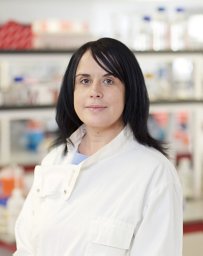 O'Sullivan Jacintha合作论文数Institute of Molecular Medicine, St, James's Hospital12Sekhar Dharmarajan合作论文数12
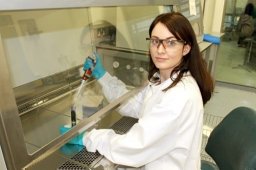 Naomi Walsh合作论文数National Institute for Cellular Biotechnology, Dublin City University10
 Shrikant Anant合作论文数OU Cancer Institute10
 Sinead Toomey合作论文数UCD Conway Institute of Biomolecular & Biomedical Research, University College Dublin10
 Jeffrey Henderson合作论文数10Sung-Hee Chang合作论文数9
 John V. Reynolds合作论文数Trinity College Dublin, University of Dublin9
 Giammanco Antonina合作论文数Dipartimento Biomedico di Medicina Interna e Specialistica, Università degli Studi di Palermo Palermo9
 Timothy Hla合作论文数Boston Children's Hospital;Department of Surgery, Harvard Medical School9
 Amy Buckley合作论文数Trinity Coll Dublin, Trinity Translat Med Inst8Hitoshi Matsumoto合作论文数8
 Breandan Kennedy合作论文数School of Biomolecular and Biomedical Science, University College Dublin8Debnath Mukhopadhyay合作论文数8Bryan T. Hennessy合作论文数8Lorraine O’Driscoll合作论文数8Deborah C. Rubin合作论文数8
 Margaret R Dunne合作论文数Department of Immunology and Institute of Molecular Medicine, Trinity College Dublin8Elaine W. Kay合作论文数8Joanna Fay合作论文数7Aoife Carr合作论文数7Davis Victoria合作论文数7
 Anping Chen合作论文数School of Medicine, Saint Louis University7
 Alex Eustace合作论文数School of Biotechnology, Dublin City University;National Institute for Cellular Biotechnology, Dublin City University7
 Mark Graham合作论文数6Paul Moriarty合作论文数6Norma O'Donovan合作论文数6
 Stefan Prost合作论文数Faculty of Science, University of Oulu6Klos Coen L合作论文数Department of Surgery, Washington University School of Medicine6
 William Gallagher合作论文数School of Biomolecular and Biomedical Science, University College Dublin;Conway Institute of Biomolecular and Biomedical Research, University College Dublin;OncoMark6
 Giuseppe Gullo合作论文数St Vincent's University Hospital6Michael J. Clanahan合作论文数5
 Julian Hans合作论文数5Sven Weber合作论文数5
 Rosemary Gillespie合作论文数Department of Environmental Science, Policy and Management, College of Natural Resources, University of California, Berkeley5
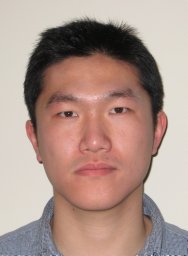 Fan Yue合作论文数5




