OBJECTIVES:Frailty is associated with adverse outcomes among patients with head and neck cancers. We evaluated the awareness of frailty among Irish head and neck healthcare professionals. METHODS:A cross-sectional survey was distributed to Irish multidisciplinary head and neck healthcare professionals. RESULTS:Eighty responses were received with varying clinical experience. Seventy-nine (99 per cent) participants believed frailty could influence: post-treatment functional outcomes (77 [96 per cent]), overall survival (72 [90 per cent]) and treatment related toxicity among head and neck cancer patients. Eighteen (23 per cent) participants had used frailty in practice. A lack of awareness / training (68 [85 per cent]) and time / practical constraints (62 [78 per cent]) were the main barriers identified to the utilisation of frailty in practice. CONCLUSION:Irish head and neck healthcare professionals are aware of frailty and believe it may be of benefit in clinical practice. Barriers to incorporation of frailty in head and neck care included a lack of training, time or resources.
PURPOSE:Our objective was to assess the outcomes of endoscopic orbital decompression for Graves' ophthalmopathy and to compare outcomes in cases where the StealthStation™ S8 surgical navigation was utilized versus those without navigation assistance. METHODS:We reviewed endoscopic orbital decompressions carried out for Graves' ophthalmopathy in the Royal Victoria Eye & Ear Hospital between 2004 and 2024. Outcomes assessed were pre- and postoperative measurements of best corrected visual acuity (BCVA), exophthalmometry, intraocular pressure (IOP), color vision, and optical coherence tomography findings. Results were evaluated by repeated measures analysis of variance. An anonymized survey with 5-point Likert scale questions was also performed to assess surgeons' perspective on image guided navigation (IGS). RESULTS:A total of 67 orbits in 37 patients underwent endoscopic orbital decompression for Graves' ophthalmopathy in the time period, 30 orbits with IGS versus 37 without navigation (non-IGS). Overall, BCVA, proptosis, IOP, and color vision all were significantly improved at 3-month follow-up (p < 0.05). There was no significant difference in nerve fiber layer or ganglion cell layer thickness at 3-month (p > 0.05). BCVA was significantly better at 1- and 3-month post-op (p < 0.05) in the IGS cohort. Ten patients required squint surgery. Survey results indicated surgeon's found IGS made orbital surgery easier and safer to perform. CONCLUSIONS:Endoscopic orbital decompression offers an effective, safe, and minimally invasive treatment for Graves' ophthalmopathy. There is a trend toward continued improvement in outcomes over the course of 3 months post-operatively with visual outcomes being significantly better in cases where surgical navigation was used.
OBJECTIVE:Human papillomavirus (HPV) associated oropharyngeal squamous cell carcinoma (OPSCC) exhibits a favourable prognosis compared to non-HPV OPCSCC. Tumour infiltrating lymphocytes (TILs) may predict better survival outcomes for patients with HPV+OPSCC. METHODS:A retrospective review of patients treated for HPV+OPSCC between 2003-2018. TIL density scores for each patient's tumour specimen were determined. Patients were categorised as TIL-Hi or TIL-Lo. Survival outcomes for the two TIL groups were compared. RESULTS:Fifty-seven patients, 33 in the TIL-Hi group, were included. 5-year overall survival was 81.8% in the TIL-Hi and 75% in the TIL-Lo groups. 5-year disease specific survival was 87.9% and 87.5%, respectively. There was no statistically significant difference in survival outcomes between TIL-Hi and TIL-Lo. CONCLUSION:TIL density in HPV+OPSCC has been reported to predict survival outcomes. This is not supported by the findings of this study. Further prospective evaluation with a standardised scoring technique may fully elicit the prognostic value of TILs in HPV+OPSCC.
INTRODUCTION:Frailty is a multisystem aging-associated syndrome characterised by physiological decline and increased vulnerability to stressors. There will be a need for elderly, and possibly frail patients, to undergo complex and lengthy free-flap reconstruction for large head-and-neck defects. The purpose of this study was to evaluate the impact that frailty has on post-operative complications, functional outcomes, and overall survival in this cohort. METHODS:A retrospective case-control study of patients undergoing free-flap reconstruction of head-and-neck defects was carried out between 2021-2023. 159 cases were included. Demographic data were collected for each patient, and comorbidities were recorded, including variables contributing to the 5 mFI frailty index. Disease and treatment characteristics were recorded, along with post-operative complications, return to theatre or intensive care unit (ICU), return to eating, and overall survival. RESULTS:The mean age of the cohort was 62.11. Patients were characterised as frail in 25.2% of cases. There was a statistically significant increase in respiratory complications (p=0.038), delirium (p<0.001), return to theatre (p=0.010), return to ICU (p<0.001), and delayed return to eating (p=0.028) in the frail cohort. Multivariate analysis demonstrated an increase in post-operative complications in frail patients, in larynx/hypopharynx malignancies, and in patients with a tracheostomy (p=0.005, 0.039, and 0.043 respectively). Overall survival was negatively influenced by age >65 years (p=0.014) and male sex (p=0.042) on multivariate analysis. CONCLUSIONS:Data from this study demonstrated a higher risk of post-operative complications and return to theatre or ICU in patients undergoing free-flap reconstruction of complex head-and-neck defects with higher frailty scores, but were not associated with differences in overall survival.
INTRODUCTION:The lymph-node yield and the lymph-node ratio have emerged as important prognostic tools for head and neck cancer. These metrics are an index of disease burden, but also of quality standards. The objective of the present study was to examine the impact of different lymph-node yield cut-offs and the lymph-node ratio on 10-year recurrence-free interval and overall-survival. METHODS:A single center cohort study was carried out over a 10-year period (2013-2023). A total of 157 patients met inclusion criteria and were available for analysis. Patients met inclusion criteria if they underwent a laryngectomy or laryngo-pharyngectomy for a squamous cell carcinoma of the larynx or hypopharynx. Data collected included pathological factors, surgical characteristics, margin status, recurrence and overall survival. RESULTS:Median follow-up was 64 ± 9 months. The 10-year recurrence-free interval and overall survival were 63 % and 45 %, respectively. Univariate analysis identified extra-nodal extension, salvage surgery, and lymph node ratio >0.05 as negative prognosticators for the recurrence-free interval and overall survival (all p < 0.05). Higher lymph node yield (>18 and >26 nodes/neck) was associated with improved recurrence free interval (HR 0.53 and 0.45, respectively). Multivariate analysis confirmed extra-nodal extension (HR 3.53), salvage surgery (HR 2.49), and lymph node ratio >0.05 (HR 3.43) as independent predictors of worse recurrence free interval. Extra-nodal extension and lymph node ratio >0.05 remained independently associated with worse overall survival. CONCLUSIONS:A lymph node ratio of >0.05 is an independent adverse prognostic factor for both recurrence-free and overall survival, particularly in the context of salvage surgery and extra-nodal extension. These findings support incorporation of nodal metrics into risk stratification frameworks for advanced laryngeal and hypopharyngeal cancers.
Tracheoesophageal puncture and voice prosthesis placement is the preferred method of voice restoration following total laryngectomy. Although this is a safe and effective means of optimizing voice, severe complications can occur. We present the case of a patient who developed cerebritis and ventriculitis secondary to a tracheoesophageal prosthesis eroding his cervical vertebrae 20 years following pharyngo-laryngo-esophagectomy. Despite optimal antimicrobial therapy, he deteriorated and succumbed to his disease. Although tracheoesophageal prostheses are a safe and effective means of voice restoration, life-threatening complications can occur. This case report highlights a rare but severe case of cervical osteomyelitis, epidural abscess, and cerebritis and ventriculitis secondary to tracheoesophageal prosthesis. Clinicians must be aware of this severe complication in postlaryngectomy patients with tracheoesophageal prostheses.
BACKGROUND:Preoperative radiological findings of hypopharyngeal cancers are used to determine suitability for surgical resection. We sought to examine preoperative imaging characteristics to determine how well imaging findings predicted surgical resectability. METHODS:A retrospective case-control study of patients undergoing a pharyngolaryngectomy in a tertiary referral center over a 2-year period was completed. Demographic details, previous treatment, subsite, TNM staging, imaging characteristics, and operative characteristics were collected. RESULTS:A total of 78 patients met initial inclusion criteria, of which 71 patients ultimately underwent successful surgical resection (91.1%). Preoperative images identified suspicion of prevertebral fascia invasion in 24 (30.7%) cases and carotid artery involvement in 14 (17.9%) cases. In cases of suspicion of prevertebral fascia invasion (24), 19 cases (79.2%) were resectable, and in those with carotid artery involvement (14), 11 (78.6%) were resectable. Concern for prevertebral fascia invasion on radiology led to a higher likelihood of a close margin (42% vs. 17%) in those without concerning features (p = 0.088). CONCLUSIONS:The present study demonstrated a high rate of resectability of hypopharyngeal and upper esophageal cancers despite imaging findings suspicious for factors that could limit resectability. In patients with advanced hypopharyngeal, especially in the salvage setting, surgery should be considered.
Major head and neck surgery poses a threat to perioperative airway patency. Adverse airway events are associated with significant morbidity, potentially leading to hypoxic brain injury and even death. Following a review of the literature, recommendations regarding airway management in head and neck surgery were developed with multicenter, multidisciplinary agreement among all Irish head and neck units. Immediate extubation is appropriate in many cases where there is a low risk of adverse airway events. Where a prolonged definitive airway is required, elective tracheostomy provides increased airway security postoperatively while delayed extubation may be appropriate in select cases to reduce postoperative morbidity. Local institutional protocols should be developed to care for a tracheostomy once inserted. We provide guidance on decision making surrounding airway management at time of head and neck surgery. All decisions should be agreed between the operating, anesthetic, and critical care teams.
OBJECTIVE:Accurate staging of advanced laryngeal cancer is important, as treatment can vary significantly between larynx preservation and total laryngectomy. The purpose of this study was to evaluate the accuracy of magnetic resonance imaging (MRI) in assessing features of T4a disease in locally advanced laryngeal cancer and determine if primary site played a role in the accuracy of MRI in this setting. METHODS:A retrospective cohort study of patients undergoing a total laryngectomy in a tertiary referral center for head and neck cancer over a 10-year time period was carried out. Patients met inclusion criteria if they underwent a primary total laryngectomy for squamous cell carcinoma (SCC) of the larynx during the study period. Data collected included basic demographic data, primary tumor subsite, and clinical and pathological staging. The predictive ability of MRI on outer thyroid cortex invasion, extralaryngeal extension, and overall T4a stage was analyzed with receiver operating characteristics analysis. Analysis was compared to histological data on outer thyroid cortex invasion, extralaryngeal extension, and histological T4a stage. RESULTS:A total of 112 patients met inclusion criteria. The mean age of the cohort was 65.1. Glottic primary subsite was associated with a statistically significant elevated risk for histological outer cortex erosion (p = 0.006), but MRI demonstrated worse sensitivity in detecting this outer cortex invasion in glottic primaries(p = 0.002). CONCLUSION:Glottic primaries tumors display an increased likelihood of thyroid cartilage invasion, however, MRI demonstrates a poorer sensitivity for detecting these features. LEVEL OF EVIDENCE:3 Laryngoscope, 135:723-728, 2025.
Worldwide, the incidence of oropharyngeal squamous cell carcinoma (OPSCC) caused by human papillomavirus (HPV), a sexually transmitted virus, is increasing. This increase has yet to be demonstrated in an Irish cohort. To evaluate the number of OPSCC presentations locally, to stratify cases by HPV status and to estimate if any changes in the patient population had occurred over a 10-year period. A STROBE-compliant, retrospective evaluation of patients with OPSCC at St James’s Hospital between 2012 and 2022 was performed. Patients with non-SCC histology, undocumented HPV status and residual or recurrent tumours were excluded. We included 294 patients with a mean age of 60.4 years (95
BACKGROUND:The epidemiology and management of thyroid cancer has changed radically in the recent past, with rising international incidence of early-stage papillary thyroid cancer (PTC) in particular. In this paper, we review the epidemiology of thyroid cancer in Ireland. METHODS:A retrospective cohort study of National Cancer Registry of Ireland data, 1994-2019. RESULTS:Records from 4158 patients were analysed. 73 % (n = 3040) were female. The average age was 50.4 years. Patient sex did not change over time (p = 0.662), while age decreased significantly (p < 0.0001). The most common diagnoses were PTC (n = 2,905, 70 %) and follicular thyroid carcinoma (n = 549, 13 %). Incidence rose over threefold (1.8-6.2 cases/100000 person-years). The incidence of T1 PTC rose over twelvefold (0.169-2.1 cases/100000 person-years), while the incidence of stage III and IV disease did not change significantly. Five-year disease-specific survival (DSS) was 85 % and varied significantly by diagnosis - 97 % for PTC versus 5 % for anaplastic thyroid carcinoma. Survival did not change significantly over time. Male sex was a risk factor for more advanced disease (p < 0.0001) but did not independently predict overall survival except in PTC (HR 1.6, p = 0.03). The use of radioactive iodine declined markedly from 49 % to 12.5 %. RAI improved DSS for PTC patients aged over 55 years (p = 0.02) without a notable effect on survival for those under 55 years (p = 0.99). CONCLUSION:The epidemiology and management of thyroid cancer in Ireland has changed dramatically in a manner reflective of international trends.
Thyroidectomy can lead to significant challenges such as neck pain, disability, and limited range of motion. Therefore, our objective is to conduct a systematic review and meta-analysis of clinical trials to investigate the clinical effectiveness of neck stretching exercises in alleviating neck pain and self-reported disability immediately after thyroidectomy. We systematically searched PubMed, CENTRAL, Scopus, and Web of Science from inception until July 28th, 2023. We assessed the selected trials for the risk of bias using both the RoB-2 and ROBINS-I tools. Our specific outcomes were the severity of neck pain and self-reported disability after thyroidectomy. The results were synthesized using risk ratio (RR) and standardized mean differences (SMD) with 95% confidence intervals (CI) in a random-effects model using Stata software. Nine clinical trials, comprising five randomized and four non-randomized trials, were included, with a total of 1026 patients. Neck stretching exercises were significantly associated with improved mean pain scores both after 1 week (n = 625 patients, SMD = -2.43, 95% CI [-4.65, -0.22], p = 0.03, I2 = 98%) and 1 month (n = 545 patients, SMD = -4.11, 95% CI [-8.12, -0.11], p = 0.04, I2 = 99%). Similarly, neck stretching exercises were significantly associated with improved mean self-reported disability scores both after 1 week (n = 298 patients, SMD = -0.70, 95% CI [-1.36, -0.04], p = 0.04, I2 = 87%) and 1 month (n = 298 patients, SMD = -0.42, 95% CI [-0.65, -0.19], p = 0.0004, I2 = 0%). The pooled analysis showed heterogeneity (chi-square p < 0.01, I2 > 80%), except for the mean self-reported neck disability score after 1 month, which showed homogeneity (chi-square p > 0.01, I2 = 0%). This systematic review and meta-analysis, involving 1026 patients, revealed the potential benefits of neck stretching exercises in alleviating neck pain and self-reported disability after thyroidectomy. However, further research is required to address methodological limitations, evaluate long-term outcomes, investigate potential moderators (i.e., the duration or intensity of the exercise program), and explore patients' analgesic consumption.
OBJECTIVES:Frailty refers to a state of reduced physiological reserve and functional decline. We sought to analyse whether frailty, assessed using the 5-item modified frailty index (5mFI), was associated with increased morbidity and mortality following major mucosal head and neck surgery. MATERIALS AND METHODS:We performed a retrospective study of patients undergoing major mucosal head and neck surgical resection over a 2-year period. Potential confounding variables were controlled by way of multivariable regression analysis. RESULTS:There were 310 patients included with 77 (24.8 %) classified as frail. Most patients were male (219/310, 70.7 %), had a history of smoking (246/310, 79.4 %) and 151 patients (48.7 %) were older than 65 at time of surgery. Most surgeries related to oral cavity or oropharyngeal subsites (227/310, 73.2 %) and 150 patients (48.4 %) underwent microvascular free tissue reconstruction. On multivariable analysis, frail patients were more likely to suffer adverse outcomes such as a return to theatre (OR 3.47, 95 % CI 1.82-6.62, p < 0.001), a Clavien-Dindo grade IV complication (OR 6.23, 95 % CI 2.55-15.20, p < 0.001) or medical complications, such as respiratory complications (OR 2.61, 95 % CI 1.45-4.69; p = 0.001) or delirium (OR 5.05, 95 % CI 2.46-10.33; p < 0.001). Additionally, hospital length of stay was increased among frail patients (ß 16.46 days, 95 % CI 9.85-23.07 days; p < 0.001). Neither 90-day nor 1-year post-operative mortality was increased in frail patients. CONCLUSION:Frailty assessed using the 5mFI was associated with greater post-operative morbidity, but not mortality following major mucosal head and neck surgery.
The role of neck dissection (ND) in advanced laryngeal cancer remains controversial.1 Cervical nodal metastases confer a worse prognosis with higher rates of local recurrence and reduced overall survival observed in this population.2 Elective ND for clinically node negative (N0) patients during laryngectomy has been associated with reduced rates of regional recurrence3; however, the addition of this surgical intervention introduces risk of complications including accessory nerve injury, wound healing issues and infection.1 Select European society guidelines, such as the German guidelines for treatment of laryngeal cancer, recommend ipsilateral ND for lateralised laryngeal malignancy and bilateral ND for midline lesions,4 while guidelines in the United Kingdom and the National Comprehensive Cancer Network (NCCN) in the United States offer more broad recommendations encompassing numerous surgical options.5 In salvage laryngectomy, the role of N0 elective ND remains equally ambiguous.1 The overall rate of occult metastasis following salvage laryngectomy with ND has been reported as 3%–19%.3 Many studies pre-date the development of advanced radiological investigations and therapeutic techniques. Recent attempts at meta-analysis found only three papers suitable for inclusion in pooled analysis.6 To assess the rate of occult metastasis in ND specimens following both primary and salvage laryngectomy. We aim to correlate the pre-operative radiological staging with final histological stage to determine the role of elective ND in the N0 setting in laryngectomy. Following local ethical approval, a retrospective review of all patients who underwent laryngectomy at our institution between 2009 and 2019 was conducted. The study setting is a national, tertiary referral head and neck cancer centre. Patients were identified using the hospital electronic coding database (Hospital In-Patient Enquiry system [HIPE]) using search terms ‘total laryngectomy’, ‘laryngectomy’, ‘partial laryngectomy’, ‘hemi-laryngectomy’, ‘laryngopharyngectomy’, ‘pharyngo-laryngo-oesophagectomy’ and any relevant derivatives. Patients met inclusion criteria if they underwent laryngectomy during the study period for laryngeal squamous cell carcinoma. Patients who underwent laryngectomy for pathology outside the larynx (e.g., cervical oesophagus or hypopharynx) or with pathology other than SCC (e.g., sarcoma) were excluded. Patients designated as N0 on pre-operative radiological investigation but with N+ final histology were considered to have occult metastases, and patients with evidence of nodal disease on pre-operative investigation were excluded. Data collected included basic demographic data (age, sex), pre-operative radiological staging (CT, MRI or PET-CT), operative details, and final histological results. Staging for pathology and radiology was completed using the AJCC 8th edition. All patients were discussed at the institutional multi-disciplinary meeting (MDT) prior to undergoing surgery. Radiology and pathology results were verified by a board-certified specialist with subspecialist interest in head and neck oncology. Typical institutional practice is to complete a level II–IV and level VI ND in laryngectomy cases, with dissection of level I and V reserved for cases where pathological nodes are apparent in these areas. Statistical analysis was performed using IBM® SPSS® version 26 (IBM, SPSS Inc., New York). Pearson's chi-squared test was used to compare two categorical variables, with Bonferroni correction used to compare column proportions. Analysis of variance (ANOVA) was used to compare means amongst several groups, with Bonferroni correction used for post hoc analysis. Correlation between categorical and continuous variables was performed using Point-Biserial correlation. All results are reported as mean ± standard deviation (SD), unless otherwise specified. Statistical significance was assumed when p ≤ .05. A total of 124 patients were identified from the institutional database using the search criteria. Following case review, 8 patients were excluded due to non-larynx primary (n = 7) or non-SCC pathology (n = 1) and 48 patients were excluded for pre-operative node positive disease. Of the 68 patients included in the final analysis, the mean age at presentation was 62.1 years ±9.8, with 84% (n = 68) of patients being male. Primary laryngectomy was completed in 44.1% (n = 30) while salvage surgery was completed in 55.9% (n = 38). In the salvage laryngectomy group, prior treatment included radiotherapy alone in 55.3% (n = 21), with 44.7% (n = 17) receiving chemoradiotherapy. No patients had undergone prior ND. Pre-operative radiological investigations included PET-CT in 86.8% (n = 59), separate CT neck with contrast in 67.6% (n = 46), and MRI in 52.9% (n = 36). The mean size of the primary laryngeal tumour was 13.3 ± 17 mm. Pre-operative staging was recorded as T4 in 52.9% (n = 36), T3 in 13.2% (n = 9), T2 in 19.1% (n = 13) and T1 in 14.7% (n = 10). Only salvage laryngectomy patients were staged T1 or T2 pre-operatively. Nodal staging was N0 in all patients, according to exclusion criteria (Table 1). All patients (n = 68) underwent total laryngectomy. Of those patients, 61 patients (89.7%) underwent unilateral ND. A bilateral ND was performed in 75.0% (n = 51) of cases. A total of 112 ND were included for final analysis. Of the patients that did not have a ND at the time of their laryngectomy (n = 7), one patient underwent subsequent ND for possible nodal recurrence, but remained N0 on final histology following ND. Histological staging for the overall group (n = 68) was T4 in 57.4% (n = 39), T3 in 17.6% (n = 12), T2 in 14.7% (n = 10), and T1 in 10.3% (n = 7). Nodal staging was N0 in 83.8% (n = 57), N1 in 5.9% (n = 4), N2 in 8.8% (n = 6) and N3 in 1.5% (n = 1) (Table 1). The mean size of the primary laryngeal tumour on final histology was 28.1 ± 11 mm. The mean depth of invasion was 12.9 ± 7 mm. Mean number of lymph nodes in ND was 36.1 ± 25 nodes. Amongst patients with N+ disease, the mean number of positive nodes was 0.6 ± 2 nodes. In the primary laryngectomy cohort the most common final histological staging was T4 (83.3%) and N0 (73.3%). A full break-down can be found in Table 1. In the salvage laryngectomy cohort the most common final histological staging was T4 (36.8%) and N0 (92.1%) (Table 1). The risk for occult nodal metastases was 16.2% (n = 11/68) of total cases, a rate of 26.6% (n = 8/30) for the primary group and 7.9% (n = 3/38) for the salvage group. Within this cohort, all patients had undergone pre-operative radiological investigation, which included PET-CT in 86.8% (n = 59), separate CT neck with contrast in 67.6% (n = 46), and MRI in 52.9% (n = 36). Depth of invasion the primary site did not influence the risk of nodal disease (p = .168), whereas the size of the primary site did (p = .003). There was no correlation between T-stage and N-stage (p = .199). The present study aimed to assess the rate of occult metastases in patients undergoing total laryngectomy, both in the primary and salvage setting. We highlight a relatively low rate of overall occult metastases overall at 16.8%, however a high rate of occult disease in the primary laryngectomy setting (26.6%) signalling a role for further investigation to determine the optimal application of ND in laryngectomy for N0 patients. Previously reported rates of occult metastasis in salvage laryngectomy range from 3% to 19%, in keeping with our results.1, 7 We found no association between tumour stage and rates of nodal metastasis or occult metastasis in our series. Similarly, there were no differences noted based on prior treatment protocols or imaging modality used. Three patients (7.9% of the salvage cohort) with pre-operative N0 radiological staging were subsequently found to be N+ on final histology. An increased risk of treatment-related complications following ND is well-established, particularly in salvage laryngectomy. Serious complications have been shown to occur more frequently where concomitant ND is performed during salvage surgery, including pharyngocutaneous fistula formation.7 We demonstrate a rate of occult metastasis of 16.8% overall but only 7.9% in the salvage laryngectomy cohort in our study. Given the very low rate of occult metastasis in this group, these data make a case for reserving ND only for patients with N+ pre-operative scan to reduce rates of surgical complication. One recent, large systematic review and meta-analysis of 1353 patients from 19 series demonstrated an overall rate of occult metastasis of 14% following laryngectomy.3 No statistically significant difference in disease-specific or overall survival was demonstrated when comparing ND to observation. A higher risk of surgical complications was observed when ND was performed (relative risk 1.29), however, risk of regional recurrence was reduced compared with observation (relative risk 0.62).3 The authors of the study recommend a ‘tailored, patient-specific approach’ based upon ‘patient factors, patient preference and tumour characteristics’ to guide decision-making regarding ND.3 Given ND did not alter DSS or OS and increased complications, however, we suggest that the role for ND in the N0 neck in the salvage setting should be examined more critically. Where the decision has been made to perform a concomitant ND at the time of laryngectomy, consideration could be given to performing a limited and unilateral ND to reduce morbidity.1 Risk of contralateral nodal involvement for lateral laryngeal lesions is as low as 4%.8 A very low rate of level IIB metastasis (1.7%) has been established in earlier studies, with recent randomised data supporting omission of level IIB to reduce impairment of shoulder function.8 Spread to level IV has been described as occurring between 3.9% and 7.1%,8 with some authors advocating for omission of level IV during ND for laryngeal malignancies. Our data support these reports which suggest a role to reduce patient exposure to the morbidity of ND on a selective basis. The authors acknowledge that any attempt at surgery for nodal recurrence after salvage laryngectomy presents a major surgical challenge with potential for incomplete resection and complications. Oncological outcomes for salvage surgery of neck recurrences is notably poor, reported previously as producing only a 9% control rate in salvage laryngectomy patients.9 The present study has several limitations, including the lack of survival and outcome data. Survival data was only available for less than half of the patients in the dataset, so was excluded. Outcome data, specifically looking at complications relation to surgery was also incompletely recorded. Length of stay was available for all patients, however, had significant limitations, as it included waiting on step-down facilities, pre-operative investigations and did not accurately represent the risk for surgery-related complications. However, survival and outcome data have since been recorded for patients prospectively and form part of an ongoing prospective study. We demonstrate a low risk of occult metastatic nodal disease in patients undergoing laryngectomy, particularly in the salvage setting. It may be prudent, especially in the clinically N0 salvage setting, to forgo elective ND to reduce surgical complications. High rates of occult disease in the primary laryngectomy setting may still prompt an elective ND in this cohort. Justin M. Hintze, Conall W. R. Fitzgerald, Bronagh Lang and Amy Hannigan devised the project, collected the data, interpreted the data, drafted and approved the final version of the manuscript. John Kinsella, Paul Lennon and Conrad Timon interpreted the data, revised and approved the final version of the manuscript. Open access funding provided by IReL. The authors have no conflicts of interest to disclose. Ethics from St James' - Tallaght University Hospital Joint Ethics Board. The peer review history for this article is available at https://publons.com/publon/10.1111/coa.14032. The data that support the findings of this study are available from the corresponding author upon reasonable request.
Abstract Background Questions exist regarding patient selection for surgery in anaplastic thyroid carcinoma (ATC), particularly with the advent of neoadjuvant‐targeted therapeutics. The present scoping review sought to evaluate what extent of surgical resection should be performed in ATC. Methods A scoping review was carried out in accordance with Joanna Briggs Institute and the preferred reporting items for systematic reviews and meta‐analyses extension for scoping reviews (PRISMA‐ScR) protocols. Included studies were required to provide clear description of the surgery performed for ATC. Results The final search identified 6901 articles. Ultimately only 15 articles including 1484 patients met inclusion criteria. A total of 765 patients (51.5%) underwent attempted curative intent surgery. The approach to resection of adjacent tissues varied between studies. Eight studies considered laryngeal ± pharyngeal resection (8/15, 53.3%), eight studies (53.3%) considered tracheal resection and again eight studies (53.3%) considered esophageal resection. More extensive resections increased morbidity without improving overall survival (OS) (<9 months in the 12 studies using a combination of surgery and chemoradiotherapy). In the three studies utilizing targeted therapy in addition to surgery, OS was notably improved while surgical resection following neoadjuvant therapy was less extensive. Conclusions There is no clear agreement in the literature regarding the limits of surgical resection in locoregionally advanced ATC. A definition of surgically resectable disease will be required to guide surgical decision making in ATC, particularly with the potential to reduce tumor burden using neoadjuvant targeted treatment in suitable patients. Level of evidence III
Background: Oral cavity squamous cell carcinoma (OCSCC) is one of the commonest head and neck cancers in Ireland. The standard of care is surgical management with resection and formal reconstruction (FR) for more advanced tumours, or in the case of defects which require an oral seal to be re-established from adjacent anatomy such as the maxillary sinus, nasal cavity or neck. The benefit from formal free flap reconstruction to restore function in early to intermediate tongue cancers is, however, unclear. The aim of this study is to the observe whether a difference in speech and swallow function exists between patients with T-stage matched oral tongue squamous cell carcinoma (SCC) who have undergone FR or healing by primary/secondary intention [no formal reconstruction (NFR)]. Methods: Observational study of prospective database, limited to adult patients with T1–T3 oral tongue SCC who underwent primary surgery with curative intent +/− adjuvant treatment. The primary outcome was speech/swallow function. Outcome measures included: MD Anderson Dysphagia Inventory, Performance-Status-Scale for Head and Neck cancer, and the Functional Oral Intake Scale (FOIS). The study was conducted in line with STROBE criteria. Results: A total of 64 patients were included. There were 18 T1 tumours (FR =1 vs. NFR =17), 25 T2 tumours (FR =13 vs. NFR =12), and 21 T3 tumours (FR =19 vs. NFR =2). Only three patients from the T3 tumour group with FR were dependent on gastrostomy feeding. All other patients had a FOIS of ≥5/7. All patients had speech intelligibility of ≥90%. Conclusions: Speech and swallow outcomes in this population were broadly similar in the NFR and FR groups.
 Paul Lennon合作论文数39
 John Kinsella合作论文数27
 Mary Toner合作论文数School of Dental Science, Trinity College27John J. O'Leary合作论文数18
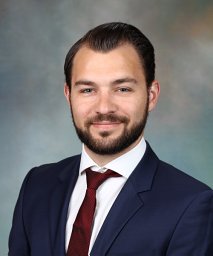 Justin M Hintze合作论文数Royal College of Surgeons in Ireland16
 Ivan James Keogh合作论文数14J. Kinsella合作论文数13Conall Fitzgerald合作论文数12
 Laura Coffey合作论文数12O'Sullivan Eleanor合作论文数12Linda Sharp合作论文数12
 Orla Sheils合作论文数Trinity College, University of Dublin11
 Simon Dunne合作论文数School of Nursing and Human Sciences, Dublin City University10
 Pamela Gallagher合作论文数10
 Patrick Sheahan合作论文数Department of Otolaryngology, The Adelaide and Meath Hospital10Timmons Aileen合作论文数9Woods Robbie合作论文数9P Walshe合作论文数9
 P. J. Byrne合作论文数Department of Surgery, St. James’s Hospital University9EM O'Regan合作论文数8
 T.N. Walsh合作论文数Royal College of Surgeons;Connolly Hospital;Royal College of Surgeons, Connolly Hospital8Susanne Cahill合作论文数8Paul C Smyth合作论文数Institute of Molecular Medicine, University of Dublin8Stephen Finn合作论文数7S Hone合作论文数7
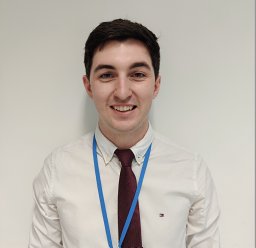 Eoin F. Cleere合作论文数Department of Otolaryngology-Head and Neck surgery, Galway University Hospital7
 Richard Flavin合作论文数Central Pathology Laboratory, St James's Hospital7T. P. J. Hennessy合作论文数7
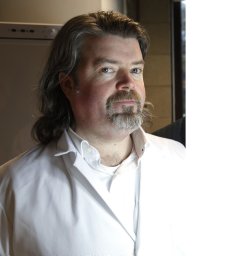 Michael T. Walsh合作论文数and the Materials and Surface Science Institute, University of Limerick7E. O'Regan合作论文数6P. V. Delaney合作论文数6Deirdre Desmond合作论文数6James P O'Neill合作论文数6Howard a Rowley合作论文数6Esther Oregan合作论文数Department of Oral Surgery, Oral Medicine and Oral Pathology, Dublin Dental School and Hospital6Desmond D'Souza合作论文数Kinetium6Rachael Gooberman-Hill合作论文数6M. T. P. Caldwell合作论文数5Cf Mccarthy合作论文数5JP MCGRATH合作论文数5James O'Neill合作论文数5Hugh E Mulcahy合作论文数5Daniella Weir合作论文数5
 Michael G. Goggins合作论文数Department of Pathology, School of Medicine, Johns Hopkins University;Division of Gastroenterology and Hepatology, The Johns Hopkins Hospital;Early Detection of Pancreatic Cancer Laboratory, Johns Hopkins University5
 Susan Rachel Kennedy合作论文数5T. F. Gorey合作论文数5Fiona M Stevens合作论文数Department of Medicine, University College Hospital5H. F. Given合作论文数5
 John Fenton合作论文数Department of Otolaryngology-Head and Neck Surgery, University Clinical Department5




