Reinforcement learning (RL) faces challenges in trajectory planning for urban automated driving due to the poor convergence of RL and the difficulty in designing reward functions. Consequently, few RL-based trajectory planning methods can achieve performance comparable to that of imitation learning-based methods. The convergence problem is alleviated by combining RL with supervised learning. However, most existing approaches only reason one step ahead and lack the capability to plan for multiple future steps. Besides, although inverse reinforcement learning holds promise for solving the reward function design issue, existing methods for automated driving impose a linear structure assumption on reward functions, making them difficult to apply to urban automated driving. In light of these challenges, this paper proposes a novel RL-based trajectory planning method that integrates RL with imitation learning to enable multi-step planning. Furthermore, a transformer-based Bayesian reward function is developed, providing effective reward signals for RL in urban scenarios. Moreover, a hybrid-driven trajectory planning framework is proposed to enhance safety and interpretability. The proposed methods are validated on the large-scale real-world urban automated driving nuPlan dataset. Evaluated using closed-loop metrics, the results demonstrate that the proposed method significantly outperform the baseline employing the identical policy model structure and achieves competitive performance compared to the state-of-the-art method. The code is available at https://github.com/Zigned/nuplan_zigned .
Vehicle dynamics exhibit nonlinear behavior during limit-handling maneuvers and in the presence of environmental disturbances, which complicates motion control under uncertainty. Existing robust MPC schemes can provide feasibility and stability properties under bounded-uncertainty assumptions, but fixed worst-case tubes may be conservative when tire--road conditions change. Learning-enhanced MPC can improve nominal prediction accuracy, but directly inserting learned residual models into the prediction rollout may propagate biased residual predictions under closed-loop covariate shift. To address these issues, we develop a learning-scheduled tube LPV-MPC framework based on nominal--residual separation. CKF-estimated lateral tire forces are converted into recursively smoothed front/rear cornering stiffnesses, which update the LPV nominal model as physically meaningful scheduling variables. A robust polytopic LPV-MPC feedback law is then synthesized offline through a set of LMI conditions, and the online gain is obtained by trilinear interpolation. In parallel, a BNN quantifies the residual mean together with aleatoric and epistemic uncertainties; the resulting bounded residual estimate is used to schedule the robust tube rather than to correct the MPC prediction rollout. RT-HIL tests over 150 stochastic scenarios support the expected tracking and robustness benefits within the tested envelope. Compared with a robust Tube-MPC baseline, the proposed method reduces lateral tracking error by about 63.5% and 68.3% in non-stress and stress tests, respectively, while keeping the average computation time below the 50-ms control period. A supplementary real-vehicle lane-change test under medium adhesion further shows that the controller can be deployed on the physical platform; in this single test, it reduces the lateral and heading-error RMSEs relative to Tube-MPC.%% Remove this line from your manuscript.
Tractor-trailer mass is a crucial factor that affects the stability of vehicle motion control and braking performance. Mass estimation is a valuable technique for ascertaining the mass of vehicles. However, the traditional model-driven approach for estimating tractor-trailer mass suffers from slow convergence and low accuracy. With the advancement of machine learning, data-driven approaches offer a novel solution for tractor-trailer mass estimation. Considering the critical and challenging problems in classical convolutional and cyclic structures, such as inadequate long-term dependency capture and low computational efficiency, an end-to-end tractor-trailer mass estimation method based on a novel time–frequency fusion transformer regression (TFFTR) model is proposed in this paper. The TFFTR regression model consists of three components: a tokenizer, an encoder, and a regressor. Specifically, frequency information of different channels is extracted using the discrete cosine transform and integrated with the corresponding time domain data through element-wise multiplication in the tokenizer. Then, hidden features are extracted in the encoder, and the regressor generates the predicted output. The model was trained and validated using offline, pre-collected real-world tractor-trailer driving datasets. Furthermore, real-vehicle experiments were conducted to validate the effectiveness of the proposed algorithm. This study analyzed the impact of input lengths, frequencies, and characteristics on the model’s performance. The optimal hyperparameters were determined through Bayesian optimization. The experimental results demonstrate that the TFFTR-based method for tractor-trailer mass estimation exhibits superior identification accuracy and achieves state-of-the-art performance.
Vehicle suspension systems are crucial for ensuring passenger comfort, vehicle stability, and overall safety. Magnetorheological (MR) suspension systems have garnered significant attention in the industry due to their fast response and broad adjustability. However, magnetorheological dampers (MRDs) exhibit substantial nonlinear saturation effects, including hysteresis, bi-viscosity, and the Stribeck effect. These nonlinearities limit the full potential of MRD performance and present significant challenges in MRD controller design. In this paper, a load-dependent multi-model affine H∞ robust controller (LDMA-H∞) is proposed to improve the performance of MR suspension system and overcome its nonlinear constraints within MRD. A novel multi-model segmentation approach using a Takagi–Sugeno fuzzy neural network is developed to transform the nonlinear constraints into manageable linear subsystem constraints. An affine H∞ robust controller based on a multi-model Lyapunov function is then designed. The affine term is incorporated into the feedback control law to address damping constraint asymmetry. Furthermore, the multi-model Lyapunov functions ensure system stability under varying loads, reducing the control conservatism. Finally, a real vehicle experiment is completed to identify the effectiveness of the proposed control method. The results show that the LDMA-H∞ controller effectively reduces control conservatism and enhances the ride comfort and handling stability under varying loads for vehicles.
With the rapid advancement of vehicle electrification and intelligence, automotive functions are progressively expanding, leading to the evolution of automotive electronic and electrical architecture towards a centralized approach. This shift necessitates higher demands for system software in terms of reliability, scalability, portability, and development efficiency. Building upon the AUTOSAR standard for automotive open system architecture, this study presents a designed system software architecture for large bus electronic parking brake systems (EPB). Through module division and software layering using a bottom-up development method, agile development of multifunctional EPB modules is achieved. Leveraging automatic code generation technology, the software is integrated into the Renesas RH850 hardware platform to validate the application software functionality of the electronic parking brake system through real-world vehicle experiments. The experimental results demonstrate that the developed control software effectively realizes EPB functionality while meeting national standards and design requirements. Additionally, our proposed software development methodology enables decoupling between software and hardware components facilitating convenient upgrades, transplantation, and maintenance; thus confirming its effectiveness and feasibility in advancing the development process of electronic parking systems. These findings hold significant implications for achieving cost-effective and efficient automotive software development.
Precise trajectory tracking on roads with varying adhesion is a persistent challenge for autonomous vehicles. Conventional MPC frameworks often degrade in such environments because their prediction models cannot adapt to adhesiondependent variations in tire dynamics. This paper proposes a vision-parametrized dynamic switching Koopman MPC framework that integrates perception-derived environmental information directly into the prediction model. A vision-based road surface recognition module provides road adhesion estimation, which are used to schedule a set of Koopman operators capturing residual vehicle dynamics in a lifted linear space while preserving a convex quadratic program. To enhance prediction fidelity, a hybrid model-switching mechanism is introduced that fuses nearfield dynamic estimates with far-field visual cues. By explicitly embedding vision-anticipated adhesion drops into the prediction horizon, the controller proactively adjusts vehicle states before entering low-adhesion zones. A robust slack-based constraint formulation further guarantees feasibility during abrupt adhesion changes. Simulation results show that the proposed approach significantly reduces tracking error and improves stability under split-adhesion and rapidly varying-adhesion scenarios compared with fixed-model MPC baselines.
Electric vehicles (EVs) are mandated to emit warning sounds to notify pedestrians. However, it is desirable that these warning sounds are directed precisely to vulnerable road-users, thereby avoiding unnecessary noise pollution. This paper integrates directional sound technology with object-tracking in artificial Acoustic Vehicle Alerting Systems (AVAS) for electric vehicles. Directional sound is achieved using a loudspeaker array. Real-time locations of road users are accomplished via the vehicle-mounted surround-view cameras. They are integrated to generate a sound field that can adjust its direction in real-time according to the positions of moving road-users. This system supports seven operating cases, including multiple road users in the left, middle, right, left-middle, left-right and right-middle zones of the vehicle, plus the scenario of full vehicle surrounding by road users. Offline simulations and laboratory experiments validated the AVAS effectiveness, showing that the adaptive AVAS can produce targeted directional sound fields within a small angular region, dynamically track moving objects to adjust sound orientation in real time, and cut non-target noise by over 15 dB. In areas distant from moving objects, the warning sound remains at relatively low levels. By reducing unnecessary warning sound in non-critical areas, the proposed adaptive AVAS enhances the environmental performance of EVs and contributes to quieter urban environments.
Accurate estimation of the road adhesion coefficient (RAC) is essential for enhancing vehicle active safety control and extending dynamic performance boundaries. However, existing RAC estimation methods suffer from reduced accuracy under challenging conditions such as non-Gaussian noise, insufficient excitation, and low-quality image inputs. To address these challenges, a novel cross-domain fusion-based RAC estimation method is proposed, which fuses image-based perception with vehicle dynamics information. In the autonomous driving domain, a lightweight classification network based on EfficientNetV2-S is developed using a finely annotated 15-class road surface dataset, providing forward-looking RAC range predictions and confidence scores with Gaussian-weighted temporal smoothing. In the chassis domain, a square-root cubature Kalman filter enhanced by the Maximum Mixture Correntropy Criterion (MMCC-SCKF) is designed to improve the robustness of RAC estimation based on dynamic models under complex noise conditions. Meanwhile, a multi-level fusion strategy, comprising temporal-spatial synchronization, model-level fusion, and decision-level fusion, is introduced to leverage the complementary advantages of visual priors and dynamics-based inference. Extensive simulations and real-world tests conducted at a national standard proving ground demonstrate that the proposed method achieves high accuracy and robustness under complex road conditions and can effectively adapt to abrupt changes in road adhesion during transitions. Compared to conventional SCKF approaches, the fusion-based method achieves up to an 84.7% reduction in RMSE and exhibits faster convergence without requiring sufficient tire excitation. The results validate the effectiveness of the proposed cross-domain fusion-based method in enabling reliable, real-time RAC estimation for intelligent vehicle applications.
Trajectory tracking for autonomous ground vehicles near handling limits is affected by tire nonlinearities and transient changes in road friction. Tube-based robust model predictive control (MPC) can maintain constraint satisfaction, but large worst-case disturbance bounds may lead to conservative steering commands. This paper proposes a learning-augmented tube MPC strategy in which a feedforward deep neural network (DNN) estimates the residual mismatch between a nominal linear time-varying vehicle model and the nonlinear plant. A first-order low-pass filter is applied to the residual sequence before it is used over the prediction horizon. The tube is then constructed from the bounded filtered prediction error, and an LQR feedback law regulates the remaining residual error. In two simulation scenarios, the proposed Tube-DNN-MPC reduces lateral RMSE by 71.8% and 51.7% relative to Tube-MPC, while the average computation time remains below the 50-ms sampling interval used in the tests.
The Impact load is one of the main loads borne by composite cabin structure in spacecraft. It comes from external collision during flight, impact during landing, and vibration during launch and landing. The impact load may cause the damage, crack and deformation of the cabin structure, which poses a serious threat to the safety and maneuverability of the spacecraft. Therefore, the impact response prediction is very important to ensure the design reliability of the cabin structure. In this paper, a numerical analysis model of the composite cabin structure is developed, the modal test is completed and the response surface method is used to model modification. By comparing with the modal experimental results, the accuracy of the numerical analysis model is verified and the accurate dynamic modeling of the composite cabin structure under the impact load and the accurate prediction of the dynamic characteristics are achieved. In addition, the acceleration, stress and strain response of the composite cabin structure under these impacts are investigated and the transfer law of the impact load under different transmission paths is further revealed.
This paper contributes to vehicle dynamics modeling by introducing a model architecture that addresses the state-space representations of nonlinear physical systems through data-driven techniques, thus bypassing the need for extensive parameterization. By effectively compressing time-series field test data, the model enables accurate long-term prediction of vehicle states and onboard sensor outputs, based on the sequential control inputs of driver assistance systems. This makes it suitable for both closed-loop simulation and offline analysis. Additionally, the model overcomes challenges such as sensor data unavailability and the effects of sensor noise in real-world scenarios. Utilizing a reduced-order approach within a neural state-space framework, the model comprises state and output networks configured as multi-layer perceptrons. The model is highly efficient in simulating vehicle dynamics during forward driving, its scalability is enhanced by a kinematics-based state limiter, which facilitates seamless transitions and improved adaptability across complex driving modes. The study also analyzes the impact of data down-sampling on model performance, which is crucial for the practical deployment of V2X. Validated through real-vehicle experiments under various driving conditions, the model demonstrates its capability to accurately replicate vehicle dynamics and its robustness in the face of sensor noise and down-sampled training data. This highlights the role of neural networks in refining both the credibility and practical utility of intelligent driving simulations. The source code used to train and evaluate the model is available at https://github.com/pansong/PyNSSM .
In the field of Active Suspension Control (ASC), traditional control algorithms often lack adaptability and require considerable time and effort for parameter tuning. Artificial Intelligence (AI) technologies offer a promising solution to address these limitations. However, most Deep Reinforcement Learning (DRL) algorithms in ASC are based on passive, reactive responses, which will cause the decline in control performance when encountering transient road surface changes. Hence this study proposes a Preview information-based DRL (P-DRL) for ASC. First, the Twin-Delayed Deep Deterministic Policy Gradient (TD3) algorithm is employed to train the neural controller, with a reward function defined according to the system's expected final state. Then, A new preview experience replay buffer is introduced to store system states at future time steps, and it is combined with the existing experience replay buffer to generate coupled predictive control states. Simulation results validate the proposed algorithm, showing a 70.29% improvement in spring acceleration.
As a core parameter within vehicle stability control systems, the vehicle sideslip angle (VSA) significantly influences both maneuverability and operational safety. However, the prevailing assumption in current research is that measurement noise is Gaussian distributed. In reality, factors such as sensor degradation, measurement anomalies, and external disturbances often result in heavy-tailed, skewed, and time-varying non-Gaussian noise characteristics. Under such conditions, conventional filters tend to diverge, resulting in significant degradation of estimation accuracy. To overcome these challenges, this study proposes a square-root cubature Kalman filter enhanced with the maximum mixture correntropy criterion (MMCC-SCKF) to improve vehicle speed and VSA estimation under non-Gaussian noise conditions. The proposed method maps observation data into a high-dimensional feature space via kernel functions, emphasizing samples with small errors near the mean while assigning lower weights to outliers or samples with large errors far from the mean. This method reconstructs the measurement noise covariance matrix and efficiently mitigates the impact of non-Gaussian noise on system performance. The hardware-in-the-loop (HIL) testing results under different road adhesion conditions demonstrate that the proposed algorithm maintains superior VSA estimation accuracy despite the presence of non-Gaussian noise. Specifically, compared to the SCKF algorithm, the proposed method reduces the RMSE of the VSA by 62.50% on high-adhesion roads and by 66.67% on low-adhesion roads. The outcomes demonstrate that the proposed algorithm achieves notable gains in estimation precision, robustness, and dependability.
The accurate estimation of vehicle mass is critical for optimizing energy-efficient driving strategies and ensuring chassis active safety control in new energy vehicles. However, while data-driven methods achieve high accuracy in training scenarios, they suffer from substantial performance degradation when encountering distribution shifts in input data. To address these challenges, this study proposes a novel deep neural network-based vehicle mass estimation model (tau-DNN) that incorporates input data confidence levels. The confidence levels are quantified by calculating the Euclidean distance between the input data and the clustering centers of the training data, which allows for weighted outputs of the estimation results. To enhance the model's ability to extract features from input sequences, this study integrates the multi-head attention mechanism with convolutional neural networks (CNNs) and bidirectional long short-term memory (BiLSTM) networks, thereby achieving more accurate vehicle mass estimation. Finally, 14 loading conditions and six driving conditions were established to train the tau-DNN model using data collected from heavy-duty vehicles (HDVs) in real-world environments. Offline testing using the self-built dataset and online real-time verification demonstrate that the tau-DNN model can effectively mitigate error peaks when the confidence of input data is low, consistently maintaining the estimated error below 10 % and controlling the RMSE to within 1.09 t. Compared with the existing LSTM and cubature Kalman filter (CKF) methods, the proposed algorithm demonstrates superior estimation performance, exhibiting higher estimation accuracy, stability, and generalization capability.
A mainstream feature fusion method involves enhancing Lidar point cloud information by incorporating camera, but it fails to fully utilize the rich information in images. Another method uses a dual-channel parallel approach to fuse image and point cloud information, but it also faces issues such as excessive module stacking and high computational demands. Therefore, we propose a powerful alternating interaction fusion approach. Firstly, it resolves the problem of unilateral fusion schemes that overly rely on point cloud information and fail to fully utilize image data. Secondly, it tackles the problem of excessive module stacking and high computational demands in dual-channel parallel fusion schemes of point cloud and image data. Specifically, our alternate interactive fusion module implements a method where image and point cloud BEV features mutually enhance each other. Local attention interactions are engaged between image features containing point cloud information and regular image features. This enhances the expressiveness of image features. Subsequently, internal BEV attention interactions occur between point cloud BEV features with enriched image information and regular point cloud BEV features. This step improves the expressiveness of the point cloud BEV features. Experiments on the large-scale nuScenes dataset demonstrate that our proposed method outperforms both the unilateral point cloud-centric fusion and the parallel interactive fusion approaches.
A critical challenge in vehicle state estimation is managing unknown and non-Gaussian noise characteristics resulting from sensor degradation, measurement abnormalities, model inaccuracies, and external interference. However, existing research has problems with filter divergence and insufficient accuracy and robustness. To this end, we propose a robust adaptive filtering estimator, the variational Bayesian maximum correntropy square-root cubature Kalman filter (VBMCSCKF), for the joint estimation of vehicle sideslip angle and tire-road longitudinal/lateral forces. The proposed VBMCSCKF utilizes onboard inertial measurement unit (IMU) data to adaptively estimate noise covariance matrices via the variational Bayesian (VB) method and introduces the maximum correntropy criterion (MCC) for further correction to enhance its accuracy and robustness under unknown and abnormal noise. These features are embedded within the square-root cubature Kalman filter (SCKF) framework, and the estimator for tire force and sideslip angle is developed based on a zero-first derivative and vehicle model. Numerical simulations and Monte Carlo simulation of a double-lane change maneuver under varying speeds and road adhesion conditions demonstrate impressive estimation results for tire-road force and the vehicle sideslip angle. It effectively adapts to time-varying IMU noise and resists abnormal IMU measurements. Compared to MCSCKF and VBSCKF, the performance of VBMCSCKF improves by 44.0% and 28.5%, respectively. Notably, the increase in computation time for VBMCSCKF compared to the standard SCKF is almost negligible.
With the rapid development of intelligent automobiles, the chassis serves as an essential carrier of intelligence and a necessary condition for achieving high-level autonomous driving. Its electronic and electrical architecture is evolving toward centralized development, which is also significantly increasing the complexity of system functions. Meanwhile, with the integration of more sensors and an increase in data volume, stricter requirements have been placed on software scalability, portability, and maintainability. This paper presents a system software design and implementation approach for the chassis domain controller by integrating the AUTOSAR standard with model-based design (MBD). The developed software is subsequently deployed on a domain controller hardware platform based on the Renesas u2a16 chip for integrated testing. The software algorithm development, model-in-the-loop (MIL) testing, hardware-in-the-loop (HIL) testing, and real vehicle calibration processes are described in detail, focusing on the roll stability control software component in the chassis domain controller. A detailed definition of the toolchain for each development stage is also provided. The feasibility and effectiveness of the proposed chassis domain controller software system development process, based on the combination of the AUTOSAR standard and model-based design, are validated through test results. This method effectively achieves software–hardware decoupling and enhances software scalability, module reusability, and reliability, which is of great significance for improving the efficiency and iteration of chassis domain controller development.
In tractor-trailer combinations, accurate estimation of both vehicle mass and road slope is crucial for optimizing performance under varying load conditions. However, existing dynamics based slope and mass estimation algorithms suffer from limitations in robustness, accuracy, and convergence speed. Moreover, although data-driven methods can enhance estimation accuracy, they rely on large amounts of labeled data and expensive hardware. To address these issues, this study proposes a novel hierarchical estimation framework featuring two key innovations: (i) an adaptive road slope and pitch angle estimation method that robustly handles diverse driving scenarios-including acceleration, deceleration, and gear shifting; and (ii) a vehicle mass estimation approach comprising two distinct components. The first component is a tire radius-adaptive mass estimation algorithm that considers tire radius adaptation in the mass estimation task to effectively mitigate errors under high-load conditions. The second component incorporates an IMU bias-derived initial mass as the starting condition, which significantly enhances the convergence of the mass estimation process. Our approach integrates a dynamic model of the tractor's pitching motion with an extended Kalman filter for joint estimation of road slope and pitch angle, and employs a longitudinal dynamic model based on the torque balance equation together with a recursive least squares strategy enhanced by damping and forgetting factors for mass estimation. Real-world experiments demonstrate that the proposed vehicle mass estimation approach achieves an average improvement of 84.45% in MAE under high-load conditions, ensuring fast convergence and high estimation accuracy across various load scenarios.
Accurate mass estimation is crucial for improving vehicle active safety control performance. In the context of tractor-semitrailer systems, the precise estimation of mass presents a formidable challenge. This challenge is rooted in traditional methods affected by model uncertainty, model mismatch, and insufficient training data; furthermore, there is also a lack of algorithm generalization to account for real-world traffic scenarios. To address these challenges, a hybrid algorithm for vehicle mass estimation based on bidirectional long short-term memory (BiLSTM) networks and square-root cubature Kalman filter (SCKF) is proposed in this study. Driven by vehicle time series data, the vehicle mass estimator based on the BiLSTM network is constructed to address model uncertainty. To enhance both estimation accuracy and robustness, the hybrid BiLSTM-SCKF method is constructed by incorporating the BiLSTM mass estimation as the initial state value and measured value in the SCKF algorithm while also formulating a fusion rule. The experimental results under real environments show that the hybrid BiLSTM-SCKF algorithm outperforms single algorithms, particularly under medium and low loads, and the estimated error remains consistently below 10% across all working conditions. Additionally, this proposed method exhibits adaptability to various types of semitrailers, effectively enhancing algorithmic accuracy, reliability, robustness, and interpretability.
Model mismatches can cause multi-dimensional uncertainties for the receding horizon control strategies of automated vehicles (AVs). The uncertainties may lead to potentially hazardous behaviors when the AV tracks ideal trajectories that are individually optimized by the AV's planning layer. To address this issue, this study proposes a safe motion planning and control (SMPAC) framework for AVs. For the control layer, a dynamic model including multi-dimensional uncertainties is established. A zonotopic tube-based robust model predictive control scheme is proposed to constrain the uncertain system in a bounded minimum robust positive invariant set. A flexible tube with varying cross-sections is constructed to reduce the controller conservatism. For the planning layer, a concept of safety sets, representing the geometric boundaries of the ego vehicle and obstacles under uncertainties, is proposed. The safety sets provide the basis for the subsequent evaluation and ranking of the generated trajectories. An efficient collision avoidance algorithm decides the desired trajectory through the intersection detection of the safety sets between the ego vehicle and obstacles. A numerical simulation and hardware-in-the-loop experiment validate the effectiveness and real-time performance of the SMPAC. The result of two driving scenarios indicates that the SMPAC can guarantee the safety of automated driving under multi-dimensional uncertainties.
 Yinong Li (李以农)合作论文数College of Mechanical and Vehicle Engineering, Chongqing University;State Key Laboratory of Mechanical Transmissions, Chongqing University180
 Jie Deng (邓杰)合作论文数School of Marine Science and Technology, Northwestern Polytechnical University25
 Zhenfei Zhan (詹振飞)合作论文数School of Mechatronics and Vehicle Engineering, Chongqing Jiaotong University20
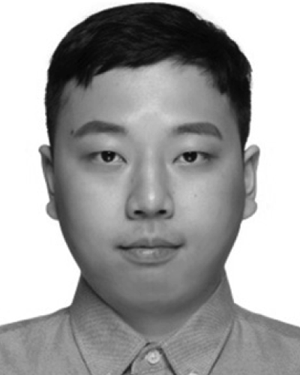 Yue Ren合作论文数19
 Liang Yixiao合作论文数Huawei Technologies17
 Oriol Guasch合作论文数Department of Engineering,
La Salle, Universitat Ramon Llull13
Oriol Guasch合作论文数Department of Engineering,
La Salle, Universitat Ramon Llull13 Yu Yinghong合作论文数12
 Zhang Ziwei (张紫微)合作论文数11
 Zhida Zhang (张志达)合作论文数11
 Jintao Su合作论文数10Zhanpeng Fang合作论文数Zhengzhou Univ Light Ind, Henan Key Lab Intelligent Mfg Mech Equipment, Zhengzhou 450002, Henan, Peoples R China10
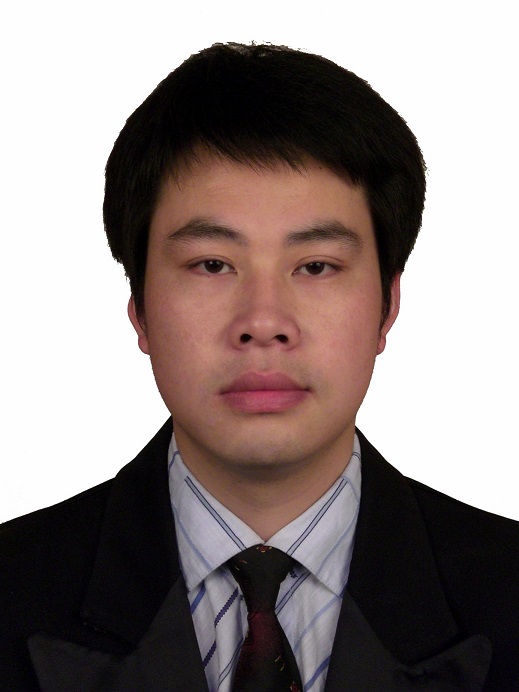 Shaobo Lu (卢少波)合作论文数College of Mechanical and Vehicle Engineering, Chongqing University10
 Amr M. Baz合作论文数King Saud University;Department of Mechanical Engineering, A. James Clark School of Engineering, University of Maryland10
 Dongdong Zhang合作论文数9
 Xuqiang Qiao合作论文数9Li Zhe合作论文数9Zhaoxue Deng合作论文数9Hang Wu合作论文数9
 Jie Ji (冀杰)合作论文数College of Engineering and Technology, Southwest University9
 Zhaoxiang Deng (邓兆祥)合作论文数State Key Laboratory of Mechanical Transmission for Advanced Equipment, Chongqing University9Yiming Hu (胡一明)合作论文数9XIONG Zhoubing (熊周兵)合作论文数8DaiJun Chen (陈代军)合作论文数8
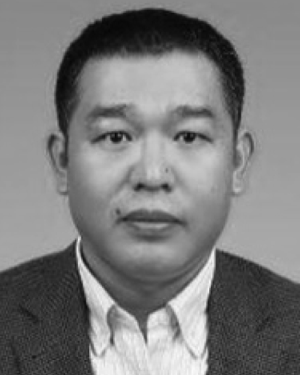 Haochuan Wan合作论文数8
 Jian Pang (庞剑)合作论文数长安汽车工程研究总院8
 Junqi Yang (杨俊起)合作论文数School of Electrical Engineering and Automation, Henan Polytechnic University8Li Yusheng合作论文数7XiaoMin Xu (徐小敏)合作论文数7
 Wei Yang (杨为)合作论文数State Key Lab of Mechanical Transmissions, College of Mechanical and Vehicle Engineering, Chongqing University7Pengyun Zeng合作论文数6Yanyang Wang合作论文数6
 Laurent Maxit合作论文数L.V.A. (Vibrations-Acoustic Laboratory),, INSA de Lyon (National Institute of Applied Sciences),6
 Shuhong Xiang (向树红)合作论文数北京卫星环境工程研究所中国空间技术研究院6XIE Rong-lu合作论文数5Huan Wu合作论文数5
 Qiaobin Liu合作论文数5Hao Zheng合作论文数5Zuolong You (犹佐龙)合作论文数5Yifang ZUO (左益芳)合作论文数5
 Amir Khajepour合作论文数School of Mechanical Engineering, Beijing Institute of Technology;Department of Mechanical and Mechatronics Engineering, University of Waterloo5
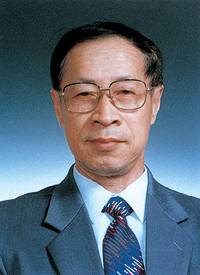 Bangchun Wen (闻邦椿)合作论文数School of Mechanical Engineering and Automation, Northeastern University5
 Shuen Zhao ( 赵树恩)合作论文数School of Mechatronics and Vehicle Engineering, Chongqing Jiaotong University, ChongQing, 400074, China4Bangdong Wang合作论文数4Guiyan Li合作论文数4Jianghua Fu (付江华)合作论文数4
 Xiaolin Tang (唐小林)合作论文数Department of Automotive Engineering, School of Mechanical and Vehicle Engineering, Chongqing University4
 Kan Wang合作论文数4
 Gang Guo (郭刚)合作论文数School of Automotive Engineering, Chongqing University4




