A novel multi-material topology optimization framework based on element-free Galerkin method is developed for designing novel symmetric and chiral negative thermal expansion (NTE) metamaterial structures. A meshless multi-material interpolation model is established by using discrete material optimization to design multi-material NTE metamaterial structures and the equivalent properties of microstructures are evaluated by the numerical homogenization method. The framework is evaluated through numerical examples at both macroscopic and microscopic scales. The effective performance of the optimized structures is verified through simulation analysis and additive manufacturing. The effects of material volume fraction, thermal expansion ratio of the constituent materials and the number of materials on optimal NTE metamaterial structures are evaluated. The results indicate that when two materials are utilized, setting the ratio of the coefficients of thermal expansion between 1:30 and 1:10, along with maintaining the volume fraction ratio of the material with low coefficient of thermal expansion to the material with high coefficient of thermal expansion within the range of 1:1 to 2:1, structures with more excellent negative thermal expansion performance can be obtained. It is suggested that the number of materials constituting the NTE metamaterial structure be 2 or 3, which can balance the structural performance and manufacturability.
A novel biomimetic topology optimization model for the anisotropic multi-material heat transfer structures that integrates neural style transfer and length-scale control (LSC) is proposed based on element-free Galerkin method (EFGM). The bionic features are extracted by using convolutional neural networks in the neural style transfer (NST), and the bionic features are mapped onto topological structures to achieve structural optimization design considering both bio-inspired characteristics and manufacturing feasibility. The alternating active phase algorithm is used to solve the anisotropic multi-material distribution problem, and the effects of off-angle, the number of materials, convolutional layers, style loss weight, MaxLSC and MinLSC on the biomimetic topological structures are studied through the anisotropic heat sink and fuel cell bipolar plate. The results show that heat dissipation performance is enhanced by increasing off-angle and using three types of materials, with 60 degrees-90 degrees identified as an appropriate off-angle range. The richer and more uniformly distributed biomimetic heat transfer branches can be obtained by selecting the Conv123_1 and Conv5_12 convolutional layers, and the style loss weight is suggested to be in the range of 0.25-0.5. The material accumulation phenomenon is improved by MaxLSC, while local fine feature generated by NST in the biomimetic topology is controlled by MinLSC. The thermal compliance is reduced by up to 4%, and it provides a new approach for biomimetic topology optimization design.
A novel topology optimization algorithm named EFGM(Adam_FNN) is proposed for orthotropic multi-material structures by coupling neural networks (NN) and element free Galerkin method (EFGM). A fully connected neural network (FNN) is used to perform topology predictions, and the backpropagation technique of the neural network is applied to perform sensitivity analysis. The differences between different neural network-based topology optimization algorithms and the FEM-based iterative solution algorithm are compared. A numerical example is conducted to examine the influence of network depth, learning rate, material categories, and the off-angle of anisotropic materials on topology results. The results indicate that the proposed algorithm can rapidly obtain a relatively clear topology structure. A shallow neural network may lead to intermediate density regions in the topology, and it is recommended that the number of hidden layers exceeds 4. An excessively large network learning rate may cause poorer convergence of the algorithm. It is recommended that the initial learning rate be set between 0.01 and 0.001 and gradually decayed during the optimization process. The compliance can be lowered by adjusting the orthotropic multi-material off-angle, and the reasonable off-angles are 0–30° or 120–150°.
A novel topology optimization framework is established for orthotropic multi-material structures based on Neural Network (NN) and element free Galerkin method (EFGM). The global coordinates and relative density of EFG nodes in orthotropic multi-material structures are selected as inputs and outputs for a fully connected feedforward neural network (FNN), respectively. Sensitivity analysis is automatically performed using backpropagation technology of the proposed topology optimization framework, and the Adam optimizer is used to adjust network parameters. The computational efficiency of EFGM(Adam_FNN) algorithm and traditional algorithm is compared. The effects of network depth, neural network learning rate, and the off-angle of anisotropic materials on topology results are studied using several numerical cases. The results indicate that the proposed framework can effectively reduce the computational cost of orthotropic multi-material structure topology optimization while maintaining excellent numerical accuracy. A lower network depth will result in intermediate density in topology configuration, the quantity of hidden layers is suggested to be more than 4. A larger learning rate may lead to difficulty in convergence. The compliance of the optimal orthotropic multi-material topology can be reduced by adjusting the off-angle, the off-angle of multi-material structure is suggested to be 0°–30° or 120°–150°.
Topology optimization under deterministic loads suffers from significantly reduced reliability when facing uncertain loads, and traditional mesh-based methods struggle to accurately capture complex structural responses. A robust topology optimization model for multi-material structure with load uncertainty based on the element-free Galerkin method (EFGM) and alternating active-phase algorithm (AAPA) is established. The EFGM and Monte Carlo method are utilized to calculate the mean and standard deviation of compliance to construct the robust objective function. The limitations of single-material robust topology optimization are overcome, and structural responses to load uncertainties are analyzed more accurately by this method. Mechanical analysis and 3D printing of computational results are conducted to verify their feasibility. A simple column is employed to investigate the impact of weighting coefficients, material volume fractions, and the number of materials on materials distribution. The T-shape structure is utilized to analyze the influence on materials distribution when the load direction and magnitude follows different probability distributions. Findings suggest that material with higher Young's modulus is always allocated to positions with higher mechanical requirements, with the remaining materials primarily serving as auxiliary reinforcement. The uncertainty in load direction has a greater influence on material distribution than the uncertainty in load magnitude. Considering structural stability and manufacturability an optimal range of 2-4 materials is suggested. When the load direction probability conforms to a normal distribution, a recommended range for the standard deviation of load direction is it/12-it/18. For a random distribution, the recommended range for load direction variation is between it/6 and it/4.
The multi-material structure topology optimization method considering length scale control (LSC) using the isogeometric analysis approach is put forward. The density distribution function (DDF) is applied for improving structural smoothness, and the resulting structure has smoother and clearer boundaries compared to the conventional finite element method. The alternating activephase algorithm and gradient algorithm are utilized for building the multi-material interpolation model and updating the design variable, respectively. The effects of different LSC scheme, the maximum length scale control (MaxLSC) domain radius Rmax, the radius of DDF influence domain rfil and the aggregation factor pn on the structure performance are investigated. The results show the structure with both MaxLSC and MinLSC applied exhibits a more uniform material distribution, the structural manufacturability is effectively guaranteed. When rfil <= 3h, the jagged boundaries appear in the structure, and when rfil >= 5h, the branching structures decrease. The topological structure obtained when rfil = 3.5h - 4h has the relatively uniform material distribution. When Rmax = 5h, the island phenomenon appears in the structure. When Rmax = 10h, the branching structure is reduced and thickened simultaneously, the recommended range for Rmax is 6h - 8h. When pn= 80 - 110, the topological structure exhibits more branching structure in both materials. It is proved that the effectiveness of the LSC method can still be guaranteed in the three-dimensional problem and curved edge structure.
A multi-material topology optimization model for transient heat transfer structure is established based on element-free Galerkin method (EFGM) and alternative active-phase algorithm (AAPA). The transient thermal dissipation efficiency and multi-material EFGM nodal relative densities are defined as the optimization objective and design variables, respectively. The AAPA is used to enable the competitive optimization of multi-material, and the EFGM and two-point difference method are respectively chosen to discretize the governing equation in the spatial and temporal domains considering the transient thermal loads. The effect of the number of multi-material species and time integration factors on the optimal multi-material transient heat transfer structures are investigated under the time step loads and time dependent periodic loads. The temperature field of the optimal transient heat transfer topological structures with different time integration factors are carried out to evaluate the capacity of heat dissipation. The results indicate that the number of multi-material species and time integration factor is recommended to be 3-4 and 2/3 for transient heat transfer topological structures with multi-material and higher calculation accuracy, respectively. The 3D printed samples demonstrate that the proposed model is effective and transient EFGM topological structures with multi-material possess the superior performance and smooth outer boundaries.
A topology optimization mathematical model for periodic heat transfer structure with anisotropic multi-material is established based on the element-free Galerkin method (EFGM) and alternative active-phase algorithm. The multi-material relative densities of EFGM nodes and thermal compliance are selected as the design variables and optimization objective, respectively. The multi-material relative densities of EFGM nodes in the design sub- domains are adjusted by periodic constraint. The effects of the number of the multi-material categories and design subdomains, and the thermal conductivity factors on the optimal anisotropic multi-material topology of periodic heat transfer structure are investigated. The heat transfer performance analysis of periodic topological structure with anisotropic multi-material is carried out and the optimal topological structures with three types of materials are 3D printed. The results indicate that the profiles of the optimal multi-material topological structures are smooth and the advantages of the proposed model are verified further. The number of multi-material categories and design subdomains are recommended to be 3-4 and 3-5 respectively, and the thermal conductivity factors is suggested to be within the range of 2-4.
Hot compression experiments were conducted on AISI-304L austenitic stainless steel at strain rates of 0.01 and 10 s–1 within the temperature range of 900 to 1200°C, up to a strain of 0.69. Discontinuous dynamic recrystallization (DDRX) plays a significant role in the hot deformation process of AISI 304L ASS, while continuous dynamic recrystallization (CDRX) only plays a synergistic role. As the deformation temperature rises, the fraction of recrystallization (RX) nucleation consistently increases. At the same deformation temperature, the fraction of RX first decreases and then increases with increasing strain rate. The higher fraction of RX occurs at lower strain rates because more deformation time is available for grain boundary migration. At a higher strain rate, the higher stored energy, adiabatic temperature rise (ATR), and post-dynamic recrystallization (PDRX) promote the RX process. Flow stress curves were revised considering the effects of adiabatic heating during hot deformation. The results showed that ATR is improved with increased strain level attained, strain rate, and temperature decrease.
A numerical model for topology optimization of orthotropic static structures is proposed based on isogeometric analysis and element-free Galerkin (IGA-EFGM) coupling method. The equivalence relationship between the moving least square (MLS) approximation function and the isogeometric basis function is achieved through the B-spline basis function reproducing condition, enabling the topology optimization model to realize adaptive local refinement driven by stress intensity. The reliability and advantage of the proposed model are validated, and the reasonable value ranges of element local refinement level Nh, filtering factor Fc, Poisson's ratio factor Bt and off-angle theta are explored through numerical examples. The results show that the IGA-EFGM coupling method not only has the advantages of precise geometric description and convenient application of essential boundary conditions, but also has the advantages of flexible local refinement. The local refinement can improve the mechanical properties of topological structures, and the appropriate range of Nh is 1-2. The optimal topological structures based on IGA-EFGM coupling method have better mechanical properties when the Fc, Bt and theta are within the ranges of 0.4-0.8, 0.6-1 and 60 degrees-90 degrees, respectively. The results also prove that the orthotropic structure has a greater mechanical performance improvement compared with the isotropic structure.
A novel multi-material structures topology optimization framework considering length-scale control is proposed, based on Neural Style Transfer (NST) and element-free Galerkin method (EFGM). The alternating active-phase algorithm (AAPA) is used to achieve the multi-material distribution in topology structures, and the minimum length-scale control (MinLSC) filter is applied to improve the manufacturability of the topology. Convolutional neural networks in NST are used to extract style features from images. The effects of different convolutional layers in NST, the weight coefficient of style loss and content loss, and the MinLSC filter on the optimal topology configurations and performance are studied through numerical examples. The results demonstrate that the convolutional layer depth of style loss mainly affects the fine branches of the topology, while the convolutional layer depth of content loss mainly affects the overall layout of it. When the content and style weights satisfy the relation w(c) = 1 - w(s), as the weight of style loss w(s) gradually decreases, the fine branches in the topology gradually reduce, and the overall structural differences between the topology configuration and the reference image are more emphasized in the NST. The MinLSC filter can reduce the fine branches generated by NST in the topology. The maximum displacement in the topology structure changes by less than 2 %, and the maximum stress is reduced by about 17.96 %similar to 27.54 %.
Agglomeration of granular material is a common phenomenon in industries and exploring its high-efficiency breakup method is important to prolong the service life of equipment. In this work, simulations of the breakup of agglomerates impacted by high-velocity air jet are performed based on a coupled CFD-DEM method. Brazilian test and uniaxial compression test are used to obtain the bonding parameters of agglomerate composed of iron ore particles and lime, and the breakup experiment is conducted to validate the simulation model. The impact force exerted on particles, axial velocity, and turbulent kinetic energy along the centerline of air jet, breakup diameter and depth are used to quantify the jet flow and breakup performance. It was found that the initial debonding of particles appears at the stagnation point and a jet-drilled hole is gradually formed during the breakup process. The breakup performance increases with the increase of air inlet pressure. Results obtained indicate that the optimal attack angle and standoff for the agglomerate used in this work are 75 degrees and 15 mm, respectively.
Purpose An efficient multi-scale topology optimization model of periodic heat transfer structures with anisotropic multi-material is proposed based on the element-free Galerkin method (EFGM). The effectiveness of the model is verified and the effects of multi-material category, design subdomain number, thermal conductivity factor and multi-material off-angle are studied. Design/methodology/approach The alternating active-phase algorithm is applied to achieve the optimal distribution of macroscopic multi-material, and the average relative densities of EFGM nodes at the same position of each design subdomain are kept the same to achieve macroscopic periodicity. The optimal topological configuration and periodicity of the microstructure are achieved by the homogenization. Findings The results indicate the multi-material category mainly affects the thermal conductivity performance of the macrostructure, different combinations of materials show different thermal conductivity properties, and the change of design subdomain number results in different periodic arrangements of macro and microstructures, with the increase of thermal conductivity factor and multi-material off-angle, the minimum thermal compliance of macrostructure decreases and more branching structures are generated. The recommended parameter ranges are 3–4 for multi-material category, 2.5–4 for thermal conductivity factor and 60°–90° for multi-material off-angle. Originality/value An efficient multi-scale topology optimization model of periodic heat transfer structures with anisotropic multi-material is proposed based on the EFGM. The heat dissipation performance of the periodic anisotropic multi-material structure can be effectively enhanced from different perspectives and scales, as well as the macro and micro topology structures with clear and smooth boundaries can be obtained without filtering technology.
Performance optimization of a granulator is an important issue in many industrial applications dealing with granular matter. This work investigates how the particle flow and adhesion behavior in a vertical intensive granulator are affected by four structural parameters: blade type, impeller offset, blade number, and thread pitch. The DEM model was validated by comparing the impeller torque and adhesion behavior of particles. The particle velocity field, velocity fluctuation, coordinate number (CN), the relative standard deviation of contact number (RSDC) were used to quantify the particle dynamics and adhesion behavior. It was found that the particle velocity agitated by thread blade is lower than arc and straight blades; the particle velocity and velocity fluctuation increase with the decrease of impeller offset. Increasing the blade number and thread pitch leads to an increase in the particle velocity. Results obtained indicate that the thread blade with an impeller offset of 55 mm and a thread pitch of 80 mm has the best adhesion behavior, and the adhesion behavior decreases with the increase of blade number. (c) 2025 Published by Elsevier B.V. on behalf of The Society of Powder Technology Japan. All rights are reserved, including those for text and data mining, AI training, and similar technologies.
The periodic topological optimization (TO) technology of anisotropic heat conduction structures is proposed by utilizing element-free Galerkin (EFG) method, while periodic constraints are applied through equally reallocating relative densities of nodes and sensitivities of objective functions. The validity and advantages of the proposed technology are verified. Compared to the finite element method, the optimal EFG periodic structures have fewer intermediate densities and smoother boundaries without any filtering techniques. The influences of number of design subdomains, thermal conductivity factor, and off-angle on optimum EFG periodic structures and their thermal performance are investigated through numerical examples, and proper selections of the above parameters are advised. The temperature field of anisotropic EFG periodic structure is significantly better than isotropic EFG periodic structure, which shows that the anisotropic material can effectively improve the heat rejection characteristic of heat conduction structures when thermal conductivity factors and off-angles are chosen reasonably. Considering the heat transfer performance, a reasonable range of the number of design subdomains, thermal conductivity factor and off-angle can be obtained in the anisotropic CPU heat dissipation fan, which corresponds to 6 × 2 , 0.2 0.8 and 0^∘ 15^∘ , respectively.
In the preparation of thermally conductive polymer composites (TCPC), it is necessary to incorporate a filler network in the polymer matrix. Further enhancement of the thermal conductivity (TC) of TCPCs is challenging due to the exceptional heat absorption of the polymer matrix, which results in heat flow losses in the network. To address this issue, a novel procedure, termed thermal network dredging-plugging, has been proposed. In this study, polydimethylsiloxane (PDMS) composites with a carbon fiber powder (CFP) network and a CFP/glass ball (GB) network enhanced by dredging-plugging were prepared by a coating method. The TC of the PDMS/CFP system increased with an increase in CFP loading from 0 to 12 wt% and a decrease in sample thickness from 0.4 to 0.2 mm. At a 12 wt% CFP loading, the PDMS/CFP composites exhibited a maximum TC of 4.687 W/(mK). With the addition of GBs ranging from 0 to 2 wt%, the dredging-plugging CFP/GB network increased the maximum TC by a factor of 1.26 relative to the dredged CFP network. In conjunction with the thermal resistance method, a mathematical model that considers both the plugging and dilution effects of GBs was constructed. The calculated TCs were validated by using the prepared PDMS/CFP/GB composites, with average absolute relative errors ranging from 0.5% to 4.19%. In addition to TC enhancement, the mechanical properties and thermal management of the PDMS composites were evaluated.
A topology optimization model for periodic heat transfer microstructure with orthotropic multi-material is established by using the element-free Galerkin method (EFGM) and alternating active-phase algorithm (AAPA). The maximum thermal conductivity is chosen as the opposite number of objective function, and the 3-D printing of the microstructure and heat transfer analysis are performed to validate the proposed model. The effects of the number of multi-material categories, the initial distributions of multi-material, the thermal conductivity factor, and the multi-material off-angle on the topological configuration with maximum thermal conductivity are studied. The results show that the multi-material topological configuration is comprised the material with a higher thermal conductivity as the primary frame and surrounded by the material with the lower thermal conductivity. The initial distribution of multi-material has a little impact on the maximum thermal conductivity. The alteration of the thermal conductivity factor will contribute to the accumulating of materials in the direction of the higher thermal conductivity, and the material stacking direction is more inclined to the direction of multi-material off-angle. The reasonable values of multi-material thermal conductivity factor is suggested to be 2-4 and multi-material off-angle is suggested to be 0 degrees-30 degrees and 60 degrees-90 degrees. A topology optimization algorithm based on the element-free Galerkin method (EFGM) for periodic microstructure with anisotropic muti-material is established.Effects of the number of multi-material categories, initial distributions of multi-material, thermal conductivity factor, and multi-material off-angle on maximum thermal conductivity and optimal periodic microstructures are investigated and reasonable ranges of parameters are given.The applicability analysis is carried out according to the optimal periodic microstructure obtained under each influence factor.
A better understanding of the relevance between mixing and heat transfer of granular material is necessary for the design of mixers in various industries. In this work, the effect of impeller speed and filling rate on the mixing and heat transfer of granular material in a ribbon reactor was studied based on DEM simulations. Quantitative criteria which are characterized by the critical mixing time and critical heating time were proposed based on the simulation results. It was found that the area near the vessel wall is heated first, and then the top surface area and the region near the impeller shaft are heated sequentially due to the recirculation effect. Increasing the impeller speed and decreasing the filling rate can improve the mixing and heat transfer performance. The effects of impeller speed and filling rate on mixing and heat transfer weaken as they increase. Results obtained in this work indicate that increasing the mixing performance can enhance the heat transfer of granular material in the ribbon reactor.
A multiscale topology optimization model of anisotropic multilayer periodic structures (MPS) is proposed using the isogeometric analysis (IGA) method. The integrative design of multiscale structures was realized in two stages: the distribution optimization of multilayer periodic materials, which determines the types, distribution, and volume fraction of microstructures, and parallel topology optimization, which optimizes the macrostructure and various microstructures simultaneously. To implement the multilayer periodic constraint, the relative density and sensitivity of the IGA control points were equally redistributed. The correctness and advantages of the proposed model were confirmed by comparing its results with those obtained using finite element methods, and the optimal IGA microstructures displayed smoother boundaries. In addition, the multiscale MPS of the cantilever was 3D printed, confirming the practicality of the proposed model. The influences of the regularization scheme, multilayer periodic constraints, and Poisson's ratio factor on the results of the multiscale multilayer periodic optimization were explored, and recommendations for proper values of these parameters were provided to enhance the structural stiffness.
The topology optimization framework based on element-free Galerkin (EFG) method for orthotropic multi-material structures with length-scale control (LSC) strategy is proposed, including maximum and minimum LSC of solid and void phase. The alternating active-phase algorithm is integrated with the meshless multi-material interpolation model, and the gradient algorithm is used to update the relative density of the meshless nodes. This method is easy to implement and can realize the LSC of single or multiple phase orthotropic materials accurately in the EFG optimal topological structure. The effects of orthotropic off-angles, LSC strategies, filtering radius, and control domain radius on EFG topological structures and minimum compliance are investigated through numerical examples. The results show that the length scale of the EFG optimal topological structure can meet the requirement of the additive manufacturing, and there will be desirable dimensional gaps between the members using the LSC strategy. The appropriate combination of orthotropic multi-material off-angles can reduce the compliance and improve mechanical performance greatly. The sizes and gaps of topological members become more uniform, and the minimum length scale and compliance of the optimal topological structure will increase with the filtering radius which should be smaller than the control domain radius of the maximum LSC.
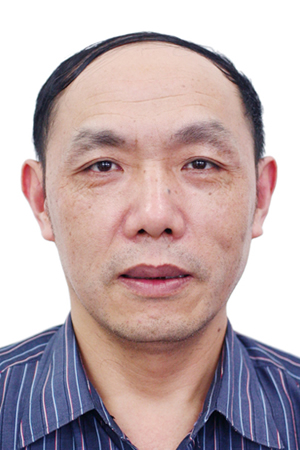 Shuguang Gong (龚曙光)合作论文数School of Mechanical Engineering and Mechanics, Xiangtan University42
 Zhijian Zuo (左志坚)合作论文数School of Mechanical Engineering and Mechanics, Xiangtan University21
 Shuying Wu (吴淑英)合作论文数School of Mechanical Engineering and Mechanics, Xiangtan University16
 Qingsong Zuo (左青松)合作论文数School of Mechanical Engineering and Mechanics, Xiangtan University9
 Haiming Zhang合作论文数8ShuSen Wang (王树森)合作论文数8
 Yankun Jiang (蒋炎坤)合作论文数School of Energy and Power Engineering, Huazhong University of Science and Technology8Haishan Lu合作论文数7
 Guilan Xie (谢桂兰)合作论文数School of Mechanical Engineering and Mechanics, Xiangtan University6Huiyao HU (胡慧瑶)合作论文数6Guoqiang Zhou合作论文数6
 Zhiqi Wang (王志奇)合作论文数School of Mechanical Engineering and Mechanics, Xiangtan University6Jiangpeng Peng合作论文数5
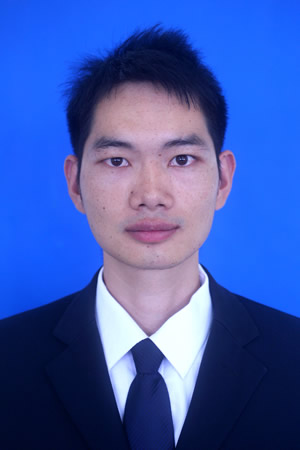 Shuohui Yin (尹硕辉)合作论文数School of Mechanical Engineering and Mechanics, Xiangtan University5
 Xin Liu (刘欣)合作论文数Department of Electrical Engineering, North China Electric Power University5Jiahong Chen合作论文数4LIU Tingxian (刘庭显)合作论文数4
 Yunqing Huang (黄云清)合作论文数School of Mathematics and Computational Science, Xiangtan University4Renke Chen (陈仁科)合作论文数4Tao Luo合作论文数3Yong Xie合作论文数Sch Mech Engn, Xiangtan Univ3Xinning Zhu合作论文数3Sheng Hu (胡胜)合作论文数3Guohui Zhu合作论文数3
 Wei Chen (陈伟)合作论文数School of Mechanical Engineering and Mechanics, Xiangtan University3
 Dabing Zhang (张大兵)合作论文数School of Mechanical Engineering and Mechanics, Xiangtan University3
 Deqi Peng (彭德其)合作论文数School of Mechanical Engineering and Mechanics, Xiangtan University3G. L. Xie合作论文数2Huiling He合作论文数2Jiajie Wang合作论文数2Xingfu Lu合作论文数2Yuanyou Tang合作论文数2Aili TUO (庹艾莉)合作论文数2Jian Huang合作论文数2
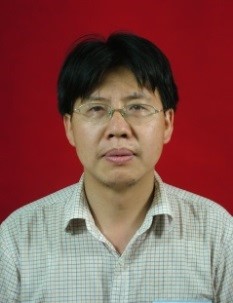 Liping Wan (万里平)合作论文数Petroleum Engineering School, Southwest Petroleum University2
 Lei Zhao (赵磊)合作论文数School of Power and Energy, Northwest Polytechnic University2
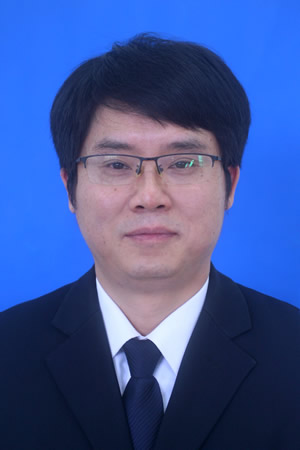 Songhui Nie (聂松辉)合作论文数School of Mechanical Engineering and Mechanics, Xiangtan University2
 Guang Hong合作论文数1Y. M. Li合作论文数1S. H. Nie合作论文数1Zhuowei Tan合作论文数1Zhang Xiaoteng合作论文数1Yanhua Hu合作论文数1
 Dongli Tan (谭东丽)合作论文数1Xuewei Li合作论文数1Hong Xiao合作论文数1




