Cyber attacks have become a serious threat to the security of software systems. Many organizations have built their security knowledge bases to safeguard against attacks and vulnerabilities. However, due to the time lag in the official release of security information, these security knowledge bases may not be well maintained, and using them to protect software systems against emergent security risks can be challenging. On the other hand, the security posts on online knowledge-sharing platforms contain many crowd security discussions and the knowledge in those posts can be used to enhance the security knowledge bases. This paper proposes SynAT, an automatic approach to synthesize attack trees from crowd security posts. Given a security post, SynAT first utilize the Large Language Model (LLM) and prompt learning to restrict the scope of sentences that may contain attack information; then it utilizes a transition-based event and relation extraction model to extract the events and relations simultaneously from the scope; finally, it applies heuristic rules to synthesize the attack trees with the extracted events and relations. An experimental evaluation is conducted on 5,070 Stack Overflow security posts, and the results show that SynAT outperforms all baselines in both event and relation extraction, and achieves the highest tree similarity in attack tree synthesis. Furthermore, SynAT has been applied to enhance HUAWEI's security knowledge base as well as public security knowledge bases CVE and CAPEC, which demonstrates SynAT's practicality.
Low-rank tensor recovery methods within the tensor singular value decomposition (t-SVD) framework have demonstrated considerable success by leveraging the inherent low-dimensional structures of multi-dimensional data. However, previous approaches in this framework often rely on linear transforms or, in some cases, nonlinear transforms constructed with fully connected networks (FCNs). These methods typically promote a global low-rank structure, which may not fully exploit the nature of multiple subspaces in real-world data. In this work, we propose a nonlinear transform to capture long-range dependencies and diverse patterns across multiple subspaces of the data within the t-SVD framework. This approach provides a richer and more nuanced representation compared to the localized processing typically seen in FCN-based transforms. In the transform domain, we construct a low-rank self-representation layer that fully exploits the multi-subspace structure inherent in tensor data. Instead of merely enforcing overall low-rankness, our method minimizes the nuclear norm of a self-representation tensor, allowing for a more precise and joint characterization of multiple subspaces. This results in a more accurate representation of the data's intrinsic low-dimensional structures, leading to superior recovery performance. This new framework, termed the DEep Low-rank Tensor representAtion (DELTA), is evaluated across several typical multi-dimensional data recovery applications, including tensor completion, robust tensor completion, and spectral snapshot imaging. Experiments on various real-world multi-dimensional data illustrate the superior performance of our DELTA.
Currently, notable progress has been attained in small ship target detection for synthetic aperture radar (SAR) imagery, with such advancements being driven by three key methodological innovations within the deep learning framework: self-supervision combined with knowledge distillation, rotated bounding box detection, and multi-scale feature fusion. However, it still faces challenges such as high speckle noise in SAR images, difficulty in extracting small target features, geometric distortion of ship shapes and heading dependence. Therefore, this article proposes a new SAR-NanoShipNet model. To enhance the targeting of ship objects, the proposed method employs a specialized convolution (DABConv) that exhibits greater suitability for ship targets, replacing the conventional standard convolution. As opposed to traditional approaches for SAR target detection, which typically lack the capability to adaptively capture the irregular boundaries and low-contrast features of small ship targets in SAR images, this method pioneers the adaptive capture of these features through deformable convolutions and boundary attention mechanisms, leading to enhanced target localization accuracy. In addition, we introduce the VerticalCompSPPF module (VC-SPPF), which incorporates longitudinal multi-scale convolution alongside a channel attention mechanism. Finally, the design of D-CLEM is linked with DABConv to enhance directional feature extraction while also fusing, improving the accuracy of small object detection. We have validated the superiority of our method on five datasets, particularly for high precision detection of small targets (AP(s)up arrow 2.66%). Our code can be found at https://github.com/Z-Yuhao/1.git.
Deep learning libraries underpin many safety- and reliability-critical applications, yet existing API-level testing techniques often rely on intra-library properties or CPU–GPU differential oracles and may miss defects that behave consistently across hardware backends. We present Xamt, a cross-framework differential fuzzing approach for deep learning library APIs. Xamt constructs and tests execution-validated groups of APIs intended to implement equivalent operations across seven libraries. It uses explicit API aliases and parameter-role normalization to construct candidate correspondences and validates them through pairwise execution and a group-level behavioral check on canonical ordinary inputs. The resulting groups are explored using variance-guided differential fuzzing with ordinary, boundary, and non-finite inputs. Crash and inconsistency oracles flag executions exhibiting abnormal termination or inconsistent outputs for subsequent reproduction and analysis. Across the seven libraries, Xamt constructs 676 execution-validated groups containing 2,563 matched APIs. Among these, Xamt identifies 72 independently reproduced discrepancy cases, including 4 crash cases and 68 output inconsistencies. Among the 72 developer reports, 25 have been confirmed, including 23 that have been fixed.
Facing the challenges of ubiquitous noise in high-dimensional datasets and the embedding of data samples in low-dimensional manifolds, traditional robust NMF algorithms have limitations in noise reduction and preserving the geometric structure of data. This paper proposes a novel algorithm, Manifold Regularized Non-negative Principal Component Analysis (t2,p-MRNPCA), which enhances the model's robustness to noise by introducing t2,p norm constraints and maintains the intrinsic geometric structure of the data. The algorithm further incorporates a Laplacian graph regularization term to preserve local manifold structure, and additionally imposes an independent t 2,1-norm penalty on the residual matrix to enhance robustness. Compared to t2,p-PCA, t2,p-MRNPCA demonstrates stronger local learning ability in image data processing, more effectively recognizing image details and patterns. The main contribution of this study is the proposal of a new method that integrates t2,p regularization, NMF, and manifold learning, enhancing the model's robustness and recognition capabilities. During the optimization of the projection matrix, this method effectively reduces the impact of noise and maintains the geometric integrity of the original data, thus obtaining superior part-based representations. Finally, we designed a Lagrangian-KKT multiplicative update framework to solve t2,p-MRNPCA and conducted experiments on three common datasets and the handwritten MNIST dataset, demonstrating optimal performance.
Deep Neural Networks (DNNs) are increasingly being deployed in security-critical and safety-sensitive applications, which makes rigorous testing essential to identify and mitigate model weaknesses. Existing DNN testing approaches explore either the input space or a learned latent space. While latent-space generation can better maintain plausibility than direct input-space mutation, current methods still face a trade-off among exploration controllability, failure diversity, and seed-relative semantic drift. To overcome these limitations, we propose Latte, a black-box testing framework that generates semantically proximate, diverse, and fault-revealing test cases by leveraging the latent space. Specifically, Latte encodes each input seed with a pre-trained VQ-VAE and performs a seed-centered, one-step latent mutation along directions defined by anchors sampled from alternative classes, followed by quantization and decoding back to the input space. This explores local neighborhoods around each seed within the learned latent manifold, resulting in a larger number and broader diversity of oracle-triggering prediction discrepancies under the same budget. We evaluated Latte on 5 datasets and 10 DNN models in single-model and multi-model testing scenarios. Across the evaluated datasets and models, Latte improves fault exposure and behavioral diversity under matched testing budgets. Under the single-model setting, it also maintains low seed-relative semantic drift with respect to the source seeds.
Deep neural networks are increasingly deployed across heterogeneous and partially untrusted environments, where models are distributed through cloud storage, CI/CD pipelines, containerized services, and edge execution platforms. This broad deployment landscape exposes model parameters to various integrity risks. Unlike input-space adversarial attacks, parameter attacks directly tamper with the model's internal parameters and persist across all subsequent inferences. Existing defenses either require retraining, incur significant accuracy degradation, or are limited to specific attack classes. However, in real-world deployment scenarios, the forms of parameter attacks are often unpredictable. To address this challenge, we present ParDef, a generalized defense for deep neural networks against diverse types of parameter attacks. ParDef integrates keyed channel reparameterization, which obscures sensitive parameter directions, QC-LDPC quantization, which embeds redundancy and supports error correction, and adaptive robust inference, which stabilizes predictions under uncertainty. Our evaluation on CIFAR-10, CIFAR-100, and Tiny-ImageNet using ResNet and VGG models demonstrates that ParDef consistently reduces attack success rates across different parameter attacks while maintaining high model performance and incurring only moderate deployment overhead. These results highlight that ParDef is a practical and generalized defense for DNN deployments.
Android apps rely on application programming interfaces (APIs) to access various functionalities of Android devices. These APIs however are regularly updated to incorporate new features while the old APIs get deprecated. Even though the importance of updating deprecated API usages with the recommended replacement APIs has been widely recognized, it is non-trivial to update the deprecated API usages. Therefore, the usages of deprecated APIs linger in Android apps and cause compatibility issues in practice. This paper introduces GUPPY, an automated approach that utilizes large language models (LLMs) to update Android deprecated API usages. By employing carefully crafted Chain-of-Thoughts prompts, GUPPY leverages GPT-4, one of the most powerful LLMs, to update deprecated-API usages, ensuring compatibility in both the old and new API levels. Additionally, GUPPY uses GPT-4 to generate tests, identify incorrect updates, and refine the API usage through an iterative process until the tests pass or a specified limit is reached. Our evaluation, conducted on 360 benchmark API usages from 20 deprecated APIs and an additional 156 deprecated API usages from the latest API levels 33 and 34, demonstrates GUPPY's advantages over the state-of-the-art techniques.
Leveraging Large Language Models (LLMs) for code generation has increasingly emerged as a common practice in the domain of software engineering. Relevant benchmarks have been established to evaluate the code generation capabilities of LLMs. However, existing benchmarks focus primarily on sequential code, lacking the ability to effectively evaluate LLMs on concurrent code generation. Compared to sequential code, concurrent code exhibits greater complexity and possesses unique types of bugs, such as deadlocks and race conditions, that do not occur in sequential code. Therefore, a benchmark for evaluating sequential code generation cannot be useful for evaluating concurrent code generation with LLMs. To address this gap, we designed a benchmark CONCUR specifically aimed at evaluating the capability of LLMs to generate concurrent code. CONCUR consists of a base set of 43 concurrency problems derived from a standard concurrency textbook, together with 72 validated mutant variants, resulting in 115 total problems. The base problems serve as the semantic core of the benchmark, while the mutants expand linguistic and structural diversity. We conducted an evaluation of a range of LLMs on CONCUR, highlighting limitations of current models. Overall, our work provides a novel direction for evaluating the capability of LLMs to generate code with focus on concurrency.
Python libraries underpin deep learning, scientific computing, data analysis, and computer vision, making their reliability critical to downstream applications. Testing their APIs requires inputs that satisfy both per-parameter constraints and dependencies among parameters. Existing approaches either leave such constraints implicit in generated programs or rely on library-specific parsing rules. This paper introduces VistaFuzz, a document-guided fuzzing technique that uses a locally served open-sourced LLM to extract parameter specifications from API documents and generate inputs that satisfy both parameter constraints and inter-parameter dependencies. We evaluate VistaFuzz on 7,718 APIs across twelve Python libraries. Inter-parameter relationships occur in 40.1% of tested APIs, and disabling their resolution reduces the valid generation rate on those APIs from above 95% to 31.6%–52.8%. VistaFuzz reports 74 issues, of which 43 have been confirmed by developers and 29 have been fixed.
Context: Hybrid (cross-platform) apps aim to share code across Android and iOS, but differences in platform API availability and behavior can introduce platform-specific inconsistencies that are hard to detect manually. Objectives: The objective of this paper is to automatically detecting API-induced platform-specific inconsistencies in cross-platform apps. Methods: This paper introduces PID, a static analysis-based approach designed to automatically detect API-induced platform-specific inconsistencies in hybrid apps. It traverses the JavaScript and TypeScript codebases of hybrid apps and identifies usages of APIs that are documented as platform-specific or accept platform-sensitive parameters. Results: We implemented PID for the React Native Framework and evaluated it on 141 open-source React Native apps, where PID detected 64 instances of platform-specific inconsistencies with 95.31% precision. Conclusions: Our findings demonstrate that such platform-specific inconsistencies are prevalent in React Native apps and highlight the effectiveness of PID in detecting these issues early in the software development lifecycle.
As neural networks are increasingly deployed in safety-critical domains, testing is essential to evaluate and improve their reliability. Existing testing methods, whether black-box or white-box, primarily use global mutation or coverage-guided strategies, both of which struggle to efficiently uncover diverse model failures while remaining proximate to the original data distribution and semantics. We propose BayesWarp, a testing framework that addresses this limitation by mutating decision-critical input regions identified via interpretable saliency techniques and adaptively guiding the testing process using an uncertainty-aware Bayesian Optimization strategy, enabling the discovery of diverse failures while preserving distributional and semantic proximity to the original data. Evaluation on MNIST, CIFAR-10, and ImageNet across six neural network models shows that BayesWarp improves failure discovery, failure diversity, test case quality, and critical neuron coverage under a fixed mutation budget. These results demonstrate that BayesWarp improves testing effectiveness. Moreover, fine-tuning with the generated failure cases leads to improvements in model performance.
Despite the empirical success of non-negative matrix factorization (NMF) methods based on graph embedding, there are still some deficiencies, such as: 1) They are sensitive to affinity matrix due to encoding inherent structure by a self-defined graph cannot perfectly accommodate different underlying distributions of various datasets; 2) There is no comprehensive consideration of global and local structures; 3) The structural consistency of the feature space, the representation space and the original space are not persisted. Hence, we propose a novel model, i.e. robust locality regularized non-negative matrix factorization with structure preservation (RLNMF-SP), to tackle the above issues. Firstly, the low-rank attribute is applied to suppress the negative effects of noise and occlusion on the model, while obtaining a characterization of the global structure of the sample. Secondly, the Euclidean distance is employed to automatically assign appropriate neighborhoods to each data point, which reach to explicitly grasp the geometric topology without human intervention. Finally, graph embedding and positional constraint criteria are adopted to achieve structure preservation. Specifically, the learned similarity matrix is adopted to maintain the neighbor relationship invariant in the representation space, and hold the compactness within classes and separability between classes in the feature space. Numerous experiments have shown that this model exhibits excellent performance on interference-free, noise-containing, occlusion-containing, and mixed noise and occlusion datasets, and its recognition rate is on average 1-4 % higher than that of other models.
Software vulnerabilities exist in open-source software (OSS), and the developers who discover these vulnerabilities may submit issue reports (IRs) to describe their details. Security practitioners need to spend a lot of time manually identifying vulnerability-related IRs from the community, and the time gap may be exploited by attackers to harm the system. Previously, researchers have proposed automatic approaches to facilitate identifying these vulnerability-related IRs, but these works focus on textual descriptions but lack the comprehensive analysis of IR's rich-text information. In this paper, we propose VulRTex, a reasoning-guided approach to identify vulnerability-related IRs with their rich-text information. In particular, VulRTex first utilizes the reasoning ability of the Large Language Model (LLM) to prepare the Vulnerability Reasoning Database with historical IRs. Then, it retrieves the relevant cases from the prepared reasoning database to generate reasoning guidance, which guides LLM to identify vulnerabilities by reasoning analysis on target IRs' rich-text information. To evaluate the performance of VulRTex, we conduct experiments on 973,572 IRs, and the results show that VulRTex achieves the highest performance in identifying the vulnerability-related IRs and predicting CWE-IDs when the dataset is imbalanced, outperforming the best baseline with +11.0
Deep Neural Networks (DNNs) have been widely employed across various domains, including safety-critical systems, necessitating comprehensive testing to ensure their reliability. Although numerous DNN model testing methods have been proposed to generate adversarial samples that are capable of revealing faults, existing methods typically perturb samples in the input space and then mutate these based on feedback from the DNN model. These methods often result in test samples that are not realistic and with low-probability reveal faults. To address these limitations, we propose a black-box DNN test input generation method, ARGUS, to generate realistic, diverse, and fault-revealing test inputs. ARGUS first compresses samples into a continuous latent space and then perturbs the original samples by interpolating these with samples of different classes. Subsequently, we employ a vector quantizer and decoder to reconstruct adversarial samples back into the input space. Additionally, we employ discriminators both in the latent space and in the input space to ensure the realism of the generated samples. Evaluation of ARGUS in comparison with state-of-the-art black-box testing and white-box testing methods, shows that ARGUS excels in generating realistic and diverse adversarial samples relative to the target dataset, and ARGUS successfully perturbs all original samples and achieves up to 4 times higher error rate than the best baseline method. Furthermore, using these adversarial samples for model retraining can improve model classification accuracy.
Existing object detection models are typically designed without considering the small-scale context, leading to significant challenges in detecting small objects within Unmanned Aerial Vehicle (UAV) scenes. Therefore, this paper aims to incorporate a novel hierarchical scale-aware module into the neck component of the classical YOLO architecture. This module hierarchically enhances the object features, progressing from small to large scales. Specifically, the proposed Small-Scale Awareness (SSA) module is designed to enhance features from small-scale objects, while the introduced Receptive Field Expansion (RFE) module is responsible for modeling contextual information in a way that expands the receptive field while maintaining feature diversity for large-scale objects. Additionally, in the backbone of our model, a Stack of Non-Linear Mapping (SNM) module is proposed, which utilizes deformable convolutions to fuse feature maps of diverse scales through a cascade of non-linear mapping units, to capture a wide range of contextual and discriminative information. The experimental results on the VisDrone dataset demonstrate that the proposed model outperforms the state-of-the-art models both on the mean Average Precision (mAP) and Average Precision 50 (AP50) metrics. The ablation studies have proved that the proposed modules are beneficial to improve the detection performance of objects in UAV scenes.
Deep learning powers critical applications such as autonomous driving, healthcare, and finance, where the correctness of underlying libraries is essential. Bugs in widely used deep learning APIs can propagate to downstream systems, causing serious consequences. While existing fuzzing techniques detect bugs through intra-framework testing across hardware backends (CPU vs. GPU), they may miss bugs that manifest identically across backends and thus escape detection under these strategies. To address this problem, we propose XAMT, a cross-framework fuzzing method that tests deep learning libraries by matching and comparing functionally equivalent APIs across different frameworks. XAMT matches APIs using similarity-based rules based on names, descriptions, and parameter structures. It then aligns inputs and applies variance-guided differential testing to detect bugs. We evaluated XAMT on five popular frameworks, including PyTorch, TensorFlow, Keras, Chainer, and JAX. XAMT matched 839 APIs and identified 238 matched API groups, and detected 17 bugs, 12 of which have been confirmed. Our results show that XAMT uncovers bugs undetectable by intra-framework testing, especially those that manifest consistently across backends. XAMT offers a complementary approach to existing methods and offers a new perspective on the testing of deep learning libraries.
In image-based anomaly detection scenarios, current approaches such as deep neural network-based methods (DSVDD), self-supervised learning-based methods (DASVDD), and complete learning-based methods (CDSVDD), are primarily driven by positive (normal) samples. This reliance poses a risk wherein abnormal sample features may fall within the feature space of normal samples, especially when there is significant overlap between the distributions of normal and abnormal samples. To address the aforementioned issues, by absorbing the essence of outlier exposure open-set recognition, we propose an innovative method for anomaly detection called DSVDD-EOE. Our approach aims to minimize the enclosed hypersphere containing the feature region of positive samples while controlling the optimized edge outlier exposure set feature outside of this hypersphere. Unlike existing methods, the proposed method considers the center of the hypersphere as a learnable parameter that can be adjusted according to an evolved deep feature representation. In addition, we construct and optimize the outlier exposure set to participate in anomaly detection modeling, which significantly reduces the likelihood of mapping abnormal sample features into the domain of normal sample features. Experimental results demonstrate that the proposed method achieved an average area under the curve (AUC) value of 90.8% on the CIFAR-10 image benchmark dataset, which is 19.5% higher than that achieved by current state-of-the-art anomaly detection methods. On the FMNIST dataset, the proposed method achieved an impressive 95.8% average AUC value, and on the MNIST dataset, the proposed method achieved an average AUC value of 98.9%, both exceeding the performance of prior techniques. In addition, the proposed method demonstrated superior performance on the more demanding Tiny ImageNet dataset.
 Minghua Wan (万鸣华)合作论文数School of Computer Science, Nanjing Audit University54
 Zhangjing Yang (杨章静)合作论文数School of Computer Science, Nanjing Audit University30
 Fanlong Zhang (张凡龙)合作论文数School of Computer Science and Technology, Guangdong University of Technology24
 Tianming Zhan合作论文数17
 Xuyan Tu (涂序彦)合作论文数School of Computer & Communication Engineering, University of Science and Technology Beijing17
 Meiru Che合作论文数17
 Hai Tan合作论文数13
 Shan Gai合作论文数13
 Shoujue Wang (王守觉)合作论文数Institute of Semiconductors, Chinese Academy of Sciences11
 Sarfraz Khurshid合作论文数Chandra Family Department of Electrical and Computer Engineering, Cockrell School of Engineering, The University of Texas at Austin11
 Junye Wen合作论文数Texas State Univ, San Marcos, TX 78666 USA9
 Teng Yu合作论文数Qingdao University,School of Electronic Information,Qingdao,China9
 Yonggui Kao (考永贵)合作论文数School of Science, Harbin Institute of Technology, Weihai9
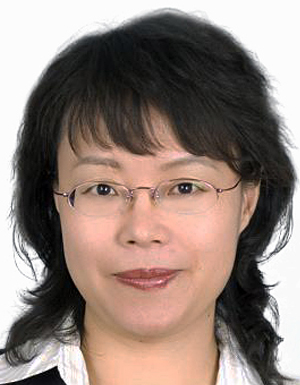 Qing Wang (王青)合作论文数Institute of Software, Chinese Academy of Sciences;University of Chinese Academy of Sciences9
 Pu Huang (黄璞)合作论文数School of Physics, Nanjing University9
 Shaozhong Cao (曹少中)合作论文数北京印刷学院信息工程学院9
 Tarek Mahmud合作论文数Dept Comp Sci, Texas State Univ8Peng Yang合作论文数8
 Corina Pasareanu合作论文数CyLab, Security and Privacy Institute, Carnegie Mellon University;Intelligent Systems Division, NASA Ames Research Center8
 Jieru Chi合作论文数6
 Hongwu Liu合作论文数School of Information Science and Electrical Engineering, Shandong Jiaotong University6
 Qiaolin Ye (业巧林)合作论文数College of Information Science and Technology, Nanjing Forestry University6
 Zhihui Lai (赖志辉)合作论文数College of Computer Science and Software Engineering, Shenzhen University6Yue SUN (孙玥)合作论文数5
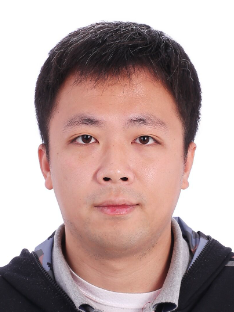 Chenglizhao Chen (陈程立诏)合作论文数College of Computer Science and Technology, China University of Petroleum (East China)5
 Ziyou Jiang合作论文数Institute of Software, Chinese Academy of Sciences5
 Chengli Sun (孙成立)合作论文数Nanchang Hangkong University5
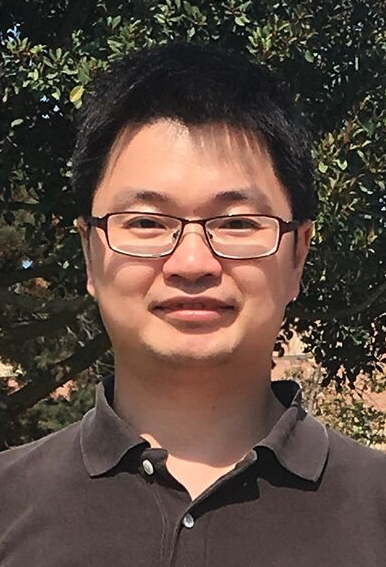 Zebin Wu (吴泽彬)合作论文数School of Computer Science and Engineering, Nanjing University of Science and Technology5
 Mingshu Li (李明树)合作论文数University of Chinese Academy of Sciences;Laboratory for Internet Software Technologies, Institute of Software, Chinese Academy of Sciences5
 Kaien Liu合作论文数5
 Shaohua Qi合作论文数4
 peng yang合作论文数4Shaolong Wu (吴少龙)合作论文数4
 Lin Shi (石琳)合作论文数School of Software, Beihang University4Sheng Zhang合作论文数4
 Yizhong Wang (王以忠)合作论文数4
 Yang Xu (徐洋)合作论文数School of Computer Science and Engineering, Nanjing University of Science & Technology4
 Neha Rungta合作论文数4
 Lingming Zhang (张令明)合作论文数Siebel School of Computing and Data Science, The Grainger College of Engineering, University of Illinois at Urbana-Champaign4
 Suzette Person合作论文数NASA Langley Research Center, Hampton, VA4Liyong Fu (符利勇)合作论文数Institute of Forest Resource Information Techniques, Chinese Academy of Forestry4Mingxiu Cai合作论文数3Fengchang Xu合作论文数3Tina Moghaddam合作论文数3Gaojun Song合作论文数3Liuyi HE (何鎏一)合作论文数3Xueyu Chen合作论文数3
 Ying Fang合作论文数3Rui Qiu合作论文数3




