Cows with ketosis frequently exhibit liver injury, primarily driven by increased influx of nonesterified fatty acids (NEFA) into the liver. This excess NEFA induces lipotoxicity, which triggers hepatic inflammatory responses and ultimately results in liver damage, further exacerbating ketosis. Neural precursor cell expressed developmentally downregulated 4 (NEDD4), an E3 ubiquitin ligase, plays a crucial role in regulating anti-inflammatory processes, yet its role in the hepatic injury in ketotic cows remains unclear. This study aimed to investigate the link between NEDD4 and hepatic inflammatory damage in ketotic cows. Liver biopsies and blood samples were collected from healthy (n = 10) and clinically ketotic (n = 10) cows at 3 to 9 DIM. Primary bovine hepatocytes isolated from healthy one-day-old calves were treated with NEFA (0, 0.6, 1.2, or 2.4 mM, 12 h) or transfected with adenovirus-expressed NEDD4 (Ad-NEDD4) or NEDD4 small interfering RNA (48 h), followed by treatment with 1.2 mM NEFA (12 h). For degradation pathway experiment, Ad-NEDD4 transfected hepatocytes were exposed to chloroquine (50 µM, 6 h) or MG132 (10 µM, 10 h). For molecular cloning, HA-tagged NEDD4 (HA-NEDD4) and flag-tagged bovine receptor-interacting protein kinase 1 (Flag-RIPK1) plasmids were expressed in 293T cells for 48 h, then treated with MG132 (10 µM, 10 h). Compared with the control group, ketotic cows showed higher serum concentrations of BHB, NEFA, TNF-α, and high mobility group box 1 (HMGB1), along with elevated activities of aspartate aminotransferase and alanine aminotransferase, but lower DMI, milk yield, and glucose. Histology analyses revealed inflammatory cell infiltration and pronounced necrosis. Hepatic IL-1β and the ratios of phosphorylated (p-) NF-κB to NF-κB and p-RIPK1 to RIPK1 were elevated. In vitro, the exogenous addition of 1.2 mM and 2.4 mM NEFA significantly reduced the abundance of NEDD4 in bovine hepatocytes, and increased the proportion of propidium iodide-positive hepatocytes. Concurrently, the concentrations of TNF-α and HMGB1 in the culture medium were elevated. Additionally, the protein expression levels of IL-1β and p-RIPK1 in bovine hepatocytes, as well as the ratio of p-NF-κB/NF-κB, were significantly increased. These findings indicate that NEFA can induce inflammatory injury in bovine hepatocytes in a dose-dependent manner. NEDD4 overexpression alleviated these NEFA-induced effects by reducing the protein RIPK1 expression and phosphorylation, whereas NEDD4 silencing exacerbated them. Co-immunoprecipitation demonstrated that NEDD4 interacted with RIPK1, promoting its ubiquitination and degradation of RIPK1 and suppressing phosphorylation. In summary, these data indicate that NEDD4 protects bovine hepatocytes from NEFA-induced inflammatory injury by regulating RIPK1 stability and activity, providing insights into its protective role in ketosis-related liver damage.
Liver injury can lead to severe acute liver failure and even death in patients. Artesunate (ART), which is a derivative of artemisinin that has been approved by the FDA for the treatment of malaria, has significant regulatory effects on cell death and inflammation. In this study, we found that ART exerts a protective effect on various preclinical animal models of liver injury, including mouse models of liver injury induced by APAP, CCl4, and Con A. Mechanistically, CETSA, DARTS and SPR indicate that ART directly binds to the LYS653 and ASP837 residues within the HECT domain of NEDD4L, and enhances the interaction between NEDD4L and the substrate TXNIP, promoting the ubiquitination and proteasomal degradation of TXNIP, ultimately alleviating APAP-induced liver injury. Furthermore, the overexpression of TXNIP as well as the global knockout or liver-specific knockdown of NEDD4L eliminates the effect of ART on alleviating liver injury. These data suggest that the NEDD4L-TXNIP axis participates in the development of liver injury and highlight the potential of ART to be used in the clinical treatment of liver injury.
Prepartum obesity predisposes dairy cows to a higher risk of postpartum metabolic disorder. Volatile fatty acids (VFA) produced through ruminal microbial fermentation of feed substrates serve as a key form of energy for dairy cows. However, the precise mechanisms through which the rumen microbiota promote adipocyte lipid accumulation in obese dairy cows remain to be elucidated. Thus, the aim of this study was to investigate the mechanisms by which rumen microbiota regulates prepartum obesity in dairy cows. Plasma glucose, insulin, triglyceride, and free fatty acids were greater in obese dairy cows. In the adipose tissue, the triglyceride content and expression of genes involved in lipid synthesis were higher in obese dairy cows. In the liver, the expression of genes involved in gluconeogenesis and lipid synthesis was higher in obese dairy cows. The ruminal total VFA, acetate, and propionate were higher in obese dairy cows compared to normal cows. The 16S rRNA gene analysis revealed that rumen bacteria, including Tidjanibacter inops_A, Rikenella massiliensis, Papillibacter cinnamivorans, and Parabacteroides merdae, were enriched in the rumen of obese dairy cows. Enrichment of these bacteria promoted carbohydrate degradation and VFA production. The metabolome analysis showed that obese dairy cows had elevated citric acid level in the rumen, which was positively associated with body condition score, body weight, adipocyte diameter, ruminal VFA concentration, and the abundance of VFA-producing bacteria. Our results suggest that rumen bacterial flora in prepartum obese dairy cows supply more VFA to the host, which may induce lipid deposition in adipocytes.
Metabolic dysfunction-associated steatohepatitis (MASH) is emerging as a leading cause of chronic liver disease. MTOR (mechanistic target of rapamycin kinase) complex 1 (MTORC1) is a potential therapeutic target, whereas suppression of total MTORC1 activity can lead to unwanted effects. Here, we found that byakangelicin (Bya), a natural compound, selectively inhibited MTORC1-mediated phosphorylation of TFEB (transcription factor EB), without affecting canonical MTORC1 substrates. Knockout of hepatic Tfeb blocked the alleviation effects of Bya on hepatic steatosis, inflammation, insulin resistance, and fibrosis in mice, while reintroduction of TFEB restored these effects. We identified Bya directly bound to MET370 and PHE552 of FLCN (folliculin), suppressing the function of the FLCN-FNIP1 (folliculin interacting protein 1)/FNIP2 complex, which in turn inhibited MTORC1-mediated cytoplasmic sequestration of TFEB. Mutation of FLCN (M370A and F552A) in the liver abolished Bya-induced protection against MASH. Thus, Bya is a promising therapeutic natural compound for MASH, and selective inhibition of MTORC1 is a potential approach to treat this disease.Abbreviations: aa, amino acids; AAV, adeno-associated virus; Bio, biotin; Bio-Bya, biotin-conjugated Bya; BSA, bovine serum albumin; BW, body weight; Bya, byakangelicin; CETSA, cellular thermal shift assay; CHIP-atlas, chromatin immunoprecipitation atlas; Cmax, maximum concentration; CQ, chloroquine; DARTS; drug affinity responsive target stability assay; EIF4EBP1/4E-BP1, eukaryotic translation initiation factor 4E binding protein 1; FBS, fetal bovine serum; FDA, food and drug administration; FIMO-JASPAR, find individual motif occurrences-JASPAR; FLCN, folliculin; FNIP1, folliculin interacting protein 1; GAP, GTPase-activating protein; GOT1/AST, glutamic-oxaloacetic transaminase 1; GPT/ALT, glutamic-pyruvic transaminase; GTRD, gene transcription regulatory database; GTT, glucose tolerance test; H&E, hematoxylin and eosin; Hbonds, hydrogen bonds; HFD, high-fat diet; HFHC, high-fat and high-cholesterol; HOMA-IR, homeostatic model assessment of insulin resistance; HSCs, hepatic stellate cells; IP, immunoprecipitation; ITT, insulin tolerance test; KD, dissociation constant; KEGG, kyoto encyclopedia of genes and genomes; KPBS, potassium phosphate-buffered saline; LC-MS/MS, liquid chromatography-tandem mass spectrometry; LW/BW, liver-to-body weight ratio; MAP1LC3/LC3, microtubule associated protein 1 light chain 3; MASH, metabolic dysfunction-associated steatohepatitis; MASLD, metabolic dysfunction-associated steatotic liver disease; MCD, methionine and choline deficient; MST, microscale thermophoresis assay; MTOR, mechanistic target of rapamycin kinase; MTORC1, MTOR complex 1; ND, normal diet; NFKB/NF-κB, nuclear factor kappa B; NFKBIA/IKBA, NFKB inhibitor alpha; OP, oleate acid and palmitate acid; PBS, phosphate-buffered saline; PCA, principal component analysis; qRT-PCR, real-time quantitative PCR; RELA/p65, RELA proto-oncogene, NF-kB subunit; Res, resmetirom; Rg, radius of gyration; RMSD, root-mean-square deviation; RMSF, root-mean-square fluctuation; RPS3, ribosomal protein S3; RPS6KB1/S6K1, ribosomal protein S6 kinase B1; RRAGC, ras related GTP binding C; SASA, solvent-accessible surface area; SNRPD2, small nuclear ribonucleoprotein D2 polypeptide; SQSTM1/p62, sequestosome 1; T1/2, half-life; TFE3, transcription factor binding to IGHM enhancer 3; TFEB, transcription factor EB; TMEM192, transmembrane protein 192; VIM, vimentin; WT, wild-type.
Starch serves as the primary energy source for high-producing dairy ruminants, which include both dairy cows and dairy goats. Optimizing starch digestion is crucial for ensuring high milk production and maintaining animal health. This narrative review summarizes and discusses recent findings concerning the degradability of starch in these species. Dietary starch is classified into three distinct types based on the basis of its degradation characteristics: rumen degradable starch (RDS), which ferments in the rumen; rumen escape starch (RES), which is subsequently digested in the small intestine; and resistant starch (RS), which resists complete digestion and enters the large intestine. This review systematically links feed processing methods, which directly influence starch structure, to their subsequent effects on the gut microbiota composition and host metabolic regulation. Three key insights emerge from this synthesis of literature. First, processing techniques such as steam-flaking critically alter the ratio among the three starch types, thereby shifting the effective site of digestion. Second, the optimal application of RDS differs significantly between dairy cows and dairy goats, primarily because these species exhibit distinct digestive physiologies. Nutritionists must carefully account for these species-specific differences to effectively prevent metabolic disorders. Third, the primary site of starch digestion significantly reshaped the gut microbiota profile. While a proper balance supports beneficial bacteria, excessive RS reduces energy efficiency, whereas an overload of RDS can readily lead to severe rumen acidosis. Therefore, balancing the proportions of RDS, RES, and RS is vital for helping animals effectively manage the elevated energy demands experienced during peak lactation. Future research must focus on developing precise starch management strategies tailored to the specific needs of various ruminant species.
The automated acquisition and processing of spatiotemporal data via wearable Internet of Things (IoT) devices is crucial for Precision Livestock Farming (PLF). While UltraWideband (UWB) sensors provide high-fidelity trajectory coordinate streams, bridging the semantic gap between this non-linear raw data and discrete behavioral states remains a significant computational challenge. This paper presents SmartHerd, an end-to-end IoT computational framework for unsupervised trajectory clustering. We empirically compare two distinct analytical paradigms: a baseline pipeline relying on handcrafted kinematic features, and a deep representation learning approach. The proposed deep learning architecture leverages a Long ShortTerm Memory (LSTM) network to capture long-range temporal dependencies, integrated with a Variational Autoencoder (VAE) to map these dynamics into a probabilistically regularized latent manifold. Topological analysis of the resulting embeddings indicates that the LSTM-VAE framework produces more cohesive and better-separated clusters than the feature-based baseline, with clusters semantically associated with key behaviors including resting, feeding, and walking. These findings suggest that deep representation learning offers a promising computational basis for decoding stochastic IoT trajectory data and supporting automated welfare monitoring.
Elevated circulating nonesterified fatty acids (NEFA) represent a key pathological feature in dairy cows with fatty liver. Palmitic acid (PA), a major component of NEFA, can be enzymatically attached to proteins via a reversible post-translational modification known as palmitoylation, which potently modulates protein activity and function. Studies have revealed that aberrant hepatic palmitoylation is a crucial mechanism promoting lipid accumulation in non-ruminants. Nevertheless, the extent and pathological relevance of hepatic protein palmitoylation in dairy cows with fatty liver have largely remained unexplored. Therefore, this study was conducted to determine the status of hepatic protein palmitoylation in dairy cows with fatty liver and to elucidate its functional role in the development of hepatic steatosis. Blood and liver samples were collected from 10 dairy cows with fatty liver (hepatic triglyceride [TG] content >5%) and 10 control cows (hepatic TG content <1%) that had a similar number of lactations (median: 3, range: 2 to 4) and days in milk (median: 9 d, range: 5 to 14 d). To determine the effects of NEFA on palmitoylation, hepatocytes isolated from calves were treated with 1.2 mM NEFA for 12 h. To investigate the effects of palmitoylation on lipid accumulation in bovine hepatocytes, the cells were treated with 1.2 mM NEFA for 12 h in the presence or absence of a palmitoylation inhibitor (2-bromohexadecanoic acid). The results revealed that dairy cows with fatty liver exhibited liver injury and elevated hepatic palmitoyl-CoA content. Moreover, fatty liver dairy cows showed higher hepatic mRNA abundance of ZDHHC4/5/14/20 and lower mRNA abundance of ZDHHC3/19/21/23/24. In contrast, the mRNA abundance of depalmitoylase-related genes, including lysophospholipase 1 (LYPLA1 and LYPLA2), palmitoyl-protein thioesterase 1 (PPT1 and PPT2) and abhydrolase domain containing 17 (ABHD17A, ABHD17B and ABHD17C), was lower in the liver of cows with fatty liver than in control cows. Consistently, a greater abundance of palmitoylated proteins was observed in the liver of dairy cows with fatty liver. In vitro, NEFA treatment induced lipid accumulation, cell injury, and aberrant protein palmitoylation in bovine hepatocytes. Additionally, the upregulation of palmitoyltransferases and downregulation of depalmitoylases observed in cows with fatty liver were recapitulated in NEFA-treated bovine hepatocytes. Importantly, pharmacological inhibition of palmitoylation significantly alleviated NEFA-induced lipid accumulation and cell damage in bovine hepatocytes. Overall, these findings establish protein palmitoylation as both a critical pathological mechanism and a promising therapeutic target for fatty liver in dairy cows.
Subclinical ketosis in dairy cows is accompanied by adaptive changes in the secretory function of the mammary gland. However, the molecular basis underlying this adaptation remains unclear. The secretory capacity of the mammary gland is closely linked to the activation of the unfolded protein response (UPR) and endoplasmic reticulum (ER) biogenesis, particularly the inositol-requiring enzyme 1α (IRE1α) pathway. Thus, this study aims to investigate whether BHB activates the IRE1α-XBP1 signaling axis to promote ER biogenesis, thereby sustaining casein synthesis. In this study, MAC-T cells were treated with 1.8 mM BHB for 0, 12, 24, or 48 h to mimic subclinical ketotic conditions. We first observed that BHB activated all 3 branches of the UPR without inducing the proapoptotic element of the UPR. Meanwhile, MAC-T cells treated with BHB show a significant increase in ER tracker staining and upregulated mRNA levels of ER biogenesis-related genes, such as choline kinase alpha (CHKA), choline-phosphate cytidylyltransferase alpha (PCYT1A), and Surfeit 4 (SURF4). Subsequently, BHB upregulated the mRNA abundance of genes related to ribosome biogenesis and the proregenerative phenotype in MAC-T cells. The MAC-T cells treated with 1.8 mM BHB also displayed increased protein abundance of β-casein, along with the casein beta (CSN2), casein kappa (CSN3), casein alpha S1 (CSN1S1), and casein alpha S2 (CSN1S2) milk protein genes. Compared with the 1.8 mM BHB group, cotreatment with BHB and KIRA6 significantly suppressed the BHB-induced increase in ER tracker fluorescence, ER biogenesis-related gene expression, and β-casein protein abundance. Silencing XBP1 via small interfering RNA inhibited BHB-induced ER biogenesis and β-casein synthesis, whereas the overexpression of XBP1 alleviated these effects. Furthermore, under BHB treatment, overexpression of XBP1 partially attenuated the suppressive effects of IRE1α inhibition on ER biogenesis and β-casein synthesis. Overall, our data demonstrate that BHB promotes ER biogenesis and milk protein synthesis in mammary epithelial cells through activation of the IRE1α-XBP1 signaling pathway, suggesting a protective and adaptive role for BHB in maintaining mammary gland function under subclinical ketotic conditions.
During the periparturient period, negative energy balance (NEB) in dairy cows leads to increased concentrations of non-esterified fatty acids (NEFA) in the blood, which can induce fatty liver disease and ketosis. Forkhead box protein A3 (FOXA3) is a key transcription factor that regulates liver metabolism; however, its specific role in the pathogenesis of fatty liver in dairy cows remains unclear. This study aimed to investigate the mechanism by which FOXA3 regulates hepatic lipid metabolism. We collected liver samples from dairy cows with fatty liver (n = 10) and from healthy cows (n = 10). Bovine primary hepatocytes were isolated from the liver tissue of calves (n = 5), followed by NEFA treatment, and we utilized FOXA3 overexpression, immunofluorescence, and RNA sequencing (RNA-seq) to conduct our analysis. Our results demonstrated that FOXA3 expression in the livers of cows with fatty liver was significantly lower than in healthy cows. NEFA treatment resulted in the downregulation of FOXA3 protein levels in hepatocytes, promoting triacylglycerol (TAG) accumulation and the expression of lipogenesis-related genes. Conversely, FOXA3 overexpression mitigated NEFA-induced lipid accumulation, inhibited the expression of lipogenesis-related genes and proteins-particularly SREBP1-and affected cell proliferation, and the intracellular localization of FOXA3 and SREBP1. RNA-seq analysis suggested that FOXA3 may influence hepatic lipogenesis through pathways such as PI3K-Akt and the cell cycle. In summary, FOXA3 mitigates NEFA-induced hepatic lipid accumulation through a dual mechanism: regulating SREBP1 expression and inhibiting cellular proliferation. These findings highlight FOXA3's potential as a novel target for the prevention and treatment of fatty liver disease in dairy cows.
Vision-based livestock monitoring in open pastures confronts two distinct bottlenecks: a quality problem-severe image degradation from variable illumination (e.g., nighttime, strong snow reflection) yields abundant but low-quality frames-and a scarcity problem-extreme weather events (e.g., heavy snow, rain) are rare, leaving few training samples for such critical conditions. Generative image editors can in principle enhance degraded inputs and synthesize rare scenarios. However, unsupervised generation frequently introduces semantic artifacts and geometric distortions; na & iuml;vely incorporating these corrupted samples into training misleads detectors and degrades performance. To harness generative data reliably while meeting edge-device constraints, we propose a quality-aware generative distillation framework. First, a dual-branch editing pipeline-built on the large-scale instruction-driven editor Qwen-Image-Edit-restores visibility in low-quality inputs (enhancement branch) and simulates diverse adverse-weather views from clear daytime images (style-edit branch), addressing both quality and scarcity issues at the data level. Second, because generative outputs are unreliable, we design a multi-metric quality assessment module combining perceptual similarity (LPIPS), region-of-interest edge consistency, and CLIP-based semantic alignment to automatically filter corrupted edits before training. Third, to avoid deploying heavy generative models at inference, we train a robust teacher detector on this curated multi-domain dataset, then distill its localization features into a lightweight student via feature-level knowledge transfer; the student trains only on raw images, incurs no enhancement overhead at deployment, yet inherits cross-weather robustness. Experiments on our SnowLivestockDet dataset demonstrate that YOLOv11 and RT-DETR students achieve up to 12.5% mAP@50-95 improvement on adverse-weather subsets compared to single-domain baselines, validating the effectiveness of quality-aware generative distillation.
BackgroundThe pulmonary immune system orchestrates lung homeostasis and protects against environmental insults through coordinated actions of immune and structural cells. Traditional Chinese medicine recognized the functional interaction between the lungs and the large intestine more than 2000 years ago, but direct evidence for this relationship in modern biomedical research remains limited. Although inhaled nanomaterials can induce lung fibrosis, the underlying immune mechanisms and their impact on large intestine remain poorly understood. Here, we integrated spatial transcriptomics, mRNA-seq, metabolomics, microbiome profiling, and validation in vitro to investigate how multi-walled carbon nanotubes (MWCNTs) exposure affects pulmonary immune responses and gut homeostasis in mice.ResultsMWCNTs were administered to mice via oropharyngeal aspiration. We integrated spatial transcriptomics, bulk RNA sequencing, serum metabolomics, 16S rRNA microbiome profiling, and macrophage experiments in vitro. This multi-omics approach mapped pulmonary cellular alterations, identified key cell-cell signaling pathways, and examined downstream metabolic and intestinal changes provoked by MWCNTs. The results suggested that inhaled MWCNTs induced distinct spatial reorganization of pulmonary cellular architecture, characterized by macrophage- and fibroblast-enriched clusters associated with localized immune activation. Furthermore, cell-cell communication analysis identified Slamf7-Slamf7 interactions as key drivers of macrophage superactivation evidenced by excessive pro-inflammatory cytokine release. Notably, knockdown of Slamf7 in alveolar macrophages in vitro effectively attenuated the superactivation. The macrophage superactivation altered serum metabolic profiles, particularly in pathways related to energy metabolism and inflammation. Finally, lung injury extended to the distal intestine, where rectal epithelial barrier integrity was compromised, resulting in microbial and metabolic imbalance.ConclusionThese findings highlight the hazardous potential of inhaled MWCNTs based on macrophage superactivation induced by Slamf7 in the lung, providing mechanistic evidence for the lung-gut link described in traditional Chinese medicine. Together, our results identify molecular targets to mitigate nanomaterial immunotoxicity and inform the design and using of safer, surface-engineered MWCNTs.
Body condition score is key to assessing the health, productivity, and energy balance of dairy cows. However, traditional manual methods are time-intensive, dependent on evaluator experience, and prone to subjective biases, limiting large-scale, frequent monitoring. In smallholder settings, where regular BCS monitoring and nutrition advisory support are unavailable, rationing often focuses on intake targets, overlooking body condition feedback, resulting in overconditioned cows, particularly during the periparturient period. This increases the risk of metabolic disorders such as ketosis from excessive lipid mobilization. Here, we developed and validated a fully automated regression-based BCS system from side-view images. Given a single on-farm photograph, the system automatically detects and crops the bovine region of interest, preserves the aspect ratio, and applies resizing and padding to the target resolution. The cropped image is then fed into a deep image regression model, estimating the continuous BCS and creating an automated evaluation. We validated the system using 3,208 side-view images of 211 Holstein cows from a commercial herd, capturing a range of real-world scenes and lighting conditions. To ensure reliable ground truth, 3 trained assessors independently scored the cows, with an intraclass correlation coefficient of 0.92 at the cow level before consensus fusion. The method employs a 2-stage design: first, a You Only Look Once version 11 model pretrained on the COCO dataset detects and crops the image with a mean average precision of 99.5%, minimizing background interference and standardizing inputs; second, a side-view image regression model predicts the BCS. To ensure unbiased evaluation, we performed a stratified 5-fold cow-level cross-validation, ensuring images of the same cow appeared exclusively in either the training or validation sets. Comparisons of multiple backbones identified ConvNeXt-Tiny as the optimal model, achieving a mean absolute error of 0.41 and a Pearson correlation coefficient of 0.62. These results indicate that the model's prediction error falls within the typical range of interassessor variability. Explainable artificial intelligence techniques revealed the model focuses on key anatomical regions used by human raters, such as tailhead, hooks, pins, and ribs. This suggests the model learned biologically relevant features, not background artifacts or irrelevant signals. This system is noninvasive, cost-effective, and infrastructure-light. A single side-view image suffices for initial screening, enabling both herd-level monitoring and individual follow-up, facilitating early detection of negative energy balance and timely nutritional intervention. To ensure reproducibility and support edge deployment, all inference scripts, model weights, and logs are archived. Extreme BCS cases are rare in large-scale operations, but future work will expand the dataset, perform external validation across farms, and assess uncertainty thresholds to enhance robustness. In conclusion, this study introduces a proof-of-concept automated side-view BCS regression system with multiexpert consensus labeling, a deployable pipeline, and explainability-based validation, offering potential technical support for precision dairy farming and improving animal welfare.
Excessive nonesterified fatty acids (NEFA) during the transition period impose metabolic stress on the bovine mammary gland. High NEFA levels induce oxidative stress and trigger apoptosis in bovine mammary epithelial cells. Prohibitin 2 (PHB2) is a mitochondrial inner-membrane scaffolding protein known for its role in maintaining mitochondrial cristae integrity and regulating apoptosis. However, the specific effect of PHB2 on apoptosis in response to NEFA-induced stress in bovine mammary epithelial cells remains unclear. Therefore, this study aimed to investigate the regulatory role of PHB2 in high-NEFA-induced bovine mammary epithelial cells apoptosis, as well as the underlying mechanisms involved. First, mammary gland tissue from healthy (n = 15, BHB < 0.6 mM) and ketotic cows (n = 15, BHB > 3.0 mM) were collected. Compared with healthy cows, ketotic cows exhibited higher protein abundances of cleaved caspase-3 and cleaved PARP, lower protein abundances of PHB2 and long-form OPA1 (L-OPA1) in mammary glands, increased terminal deoxynucleotidyl transferase dUTP nick end labeling (TUNEL) labeling in mammary tissues, and elevated lactate dehydrogenase activity in milk. Second, MAC-T cells were treated with NEFA (0, 0.3, 0.6, or 1.2 mM). MAC-T treated with 1.2 mM NEFA displayed increased protein abundance of cleaved caspase-3, cleaved PARP and cytoplasmic cytochrome c (Cyt C), and decreased protein abundance of PHB2, L-OPA1, and mitochondrial Cyt C. Additionally, MAC-T treated with 1.2 mM NEFA had increased apoptosis rate and TUNEL labeling. Third, MAC-T cells were transfected with small interfering RNA to silence PHB2 or plasmid for overexpression of PHB2, followed by treatment with or without NEFA. PHB2 silencing aggravated NEFA-induced apoptosis in MAC-T cells, and PHB2 overexpression alleviated this effect. Fourth, MAC-T cells were transfected with noncleavable OPA1 mutant overexpression adenovirus. Overexpression of noncleavable OPA1 mutant ameliorates NEFA-induced mitochondrial dysfunction and apoptosis. In conclusion, PHB2 alleviates NEFA-induced mitochondrial dysfunction and apoptosis by preventing OPA1 cleavage.
ABSTRACT Circulating concentrations of nonesterified fatty acids (NEFAs) are elevated due to lipid mobilization from adipose tissue in periparturient dairy cows. Although this metabolic adaptation facilitates energy homeostasis under the negative energy balance condition, sustained systemic NEFA overload induces profound hepatic impairment. Emerging evidence identifies excessive NEFAs to be the pathophysiological cornerstone of periparturient disorders; however, the precise molecular mechanisms underlying NEFA‐induced hepatotoxicity remain incompletely characterized, hindering the development of effective preventive and therapeutic strategies. This literature review synthesizes contemporary insights into key cellular pathways implicated in NEFA‐mediated hepatotoxicity: disorders in lipid and carbohydrate metabolism, impairment of autophagy, excessive inflammatory response, mitochondrial dysfunction, oxidative stress, endoplasmic reticulum stress, and finally, cell death. Critical analysis reveals two underexplored dimensions in current research paradigms: (1) The dynamic composition of circulating NEFAs modulates hepatotoxic potency through differential membrane incorporation and signaling pathway activation, suggesting that improving blood NEFA composition through dietary fat supplementation offers a potential strategy; and (2) the periparturient inflammatory milieu potentiates NEFA toxicity, suggesting targeted anti‐inflammatory interventions ameliorate transition period adaptation. Consequently, this review advances our mechanistic understanding while providing translational frameworks for improving periparturient management through precision nutrition and therapeutic development.
Portal fibrosis, a determinant of progression in virtually all chronic liver diseases, prototypically develops in biliary diseases. Using single-cell RNA sequencing and genetic cell fate tracing in mouse models, we identify Clec3b⁺ fibroblasts as a distinct subset of portal fibroblasts, which rapidly expand after biliary injury and give rise to the bulk of portal myofibroblasts. Mechanistic analyses reveal that Clec3b⁺ portal fibroblasts activation is governed by a Krüppel-like factor 4 (KLF4)/periostin (POSTN) axis, i.e., KLF4 directly binds to the Postn promoter and represses its transcription in quiescent fibroblasts, whereas after injury, KLF4 is downregulated, which allows POSTN, acting via αvβ5 integrin, to drive portal fibroblast activation and portal fibrosis. Our findings identify Clec3b+ portal fibroblasts as the primary effectors of portal fibrosis and demonstrate that the KLF4/POSTN signaling axis regulates their activation, offering potential therapeutic targets for inhibiting fibrosis in biliary diseases.
The ketogenic diet (KD), an emerging nutritional intervention for cancer, reprograms cellular energy metabolism from glucose to ketone bodies, including acetoacetate (AcAc), acetone (Ac), and β-hydroxybutyrate (BHB). However, the mechanisms connecting ketone body signal sensing to tumor growth suppression remain elusive. Here, we show that RagC, a key component of mTORC1 pathway, senses BHB but not AcAc and Ac, to dictate tumor suppression. KD-derived BHB inhibits mTORC1 activity by promoting β-hydroxybutyrylation (Kbhb) of RagC at lysine 349 (K348 in mice). Mechanistically, RagC-K349bhb is dynamically catalyzed by p300 and erased by SIRT1, disrupting RagC interaction with Raptor/mTOR and blocking mTORC1 recruitment to lysosomes. Clinically, BHB-mediated RagC-K349bhb suppresses colorectal cancer (CRC) growth via mTORC1 inhibition in both RagC-K348R knockin mice and CRC patient-derived samples. Thus, we identify a BHB sensing mechanism by mTORC1 and highlight the potential role of RagC-K349bhb as a therapeutic target for BHB-based CRC treatment.
The aim of this study was to evaluate the effect of Fructus Ligustri Lucidi (FLL) supplementation on energy metabolism, immunity, and the rumen microbiome in peripartum cows. Twenty healthy multiparous Holstein dairy cows were enrolled in the trial based on expected calving date, parity, and previous lactation milk yield. They were randomly assigned to either a control diet (Con; n = 10) or the control diet supplemented with 150 g/d per cow of FLL (FLL; n = 10). The trial spanned 6 wk, from 3 wk prepartum to 3 wk postpartum. Cows were milked thrice daily at 0500, 1100, and 1700 h, with milk yield and SCC recorded. Blood samples were collected from each cow at -3, -2, -1, 0, 1, 2, and 3 weeks relative to calving to evaluate the metabolic, inflammatory, and oxidative profiles. Peripheral blood neutrophils were isolated to measure reactive oxygen species (ROS), phagocytic activity, and neutrophil extracellular traps (NET). Rumen liquid was obtained via esophageal tubing at -3, 0, and 3 wk to investigate microbial biodiversity. Results indicated that FLL supplementation did not significantly affect the milk yield or SCC within 3 wk postpartum. Notably, FLL ameliorated negative energy balance from 1 wk to 3 wk, mitigated inflammation from calving day to 3 wk, and reduced oxidative stress at both -1 and 1 wk. The FLL treatment enhanced neutrophil phagocytosis from calving day to 1 wk, increased NET release at -1 wk, and reduced neutrophil ROS levels on calving day. Moreover, FLL increased rumen microbial α-diversity on calving day. At the phylum level, Firmicutes abundance was higher in the Con group on calving day compared with 3 wk pre- and postpartum, whereas Bacteroidota exhibited the opposite trend; FLL maintained stable Firmicutes and Bacteroidota abundances throughout the peripartum period. At the genus level, Prevotella abundance decreased in both groups on calving day but rebounded by 3 wk, with significantly higher Prevotella levels in the FLL group on calving day. The level 2 Kyoto Encyclopedia of Genes and Genomes pathway prediction further indicated divergent metabolic profiles: lipid metabolism pathways were less active in the FLL group than in the Con group on calving day and at 3 wk, whereas immune-related pathways were enriched in the FLL group. Energy metabolism pathway activity was higher in the FLL group on calving day but lower by 3 wk compared with the Con group. Correlation analysis indicated that rumen microbiome shifts were associated with energy metabolism, immunity, and oxidative stress. In conclusion, this study elucidates the dynamic changes in rumen microbiome during the peripartum period and highlights the beneficial effects of FLL supplementation on energy metabolism, immune function, and rumen microbial homeostasis in peripartum dairy cows.
Ketotic cows undergo severe negative energy balance, in which increased circulating non-esterified fatty acids, specifically palmitic acid (PA), serve as primary drivers of liver injury. Yet, effective strategies for alleviating this lipotoxic injury remain limited. Although tryptophan metabolite indole-3-acetic acid (3-IAA) has been documented to exert hepatoprotective effects in non-ruminants, its role in alleviating lipotoxicity-induced injury in bovine hepatocytes remains unclear. In the present study, ketotic cows exhibited increased serum beta-hydroxybutyrate and non-esterified fatty acid concentrations and hepatic triacylglycerol accumulation and decreased serum glucose and 3-IAA concentrations. Notably, serum 3-IAA concentration negatively correlated with the hepatic triacylglycerol content. In primary bovine hepatocytes, treatment with 200 mu mol/L 3-IAA improved viability and reduced cytotoxicity under PA challenge. Transcriptomic analysis further indicated that 3-IAA mainly regulated pathways related to lipid metabolism and endoplasmic reticulum (ER) stress. Further analysis showed that 3-IAA attenuated PA-induced lipid accumulation and downregulated sterol regulatory element-binding protein 1c protein abundance and its downstream target gene expression, while upregulating the expression of fatty acid oxidation-related molecules, indicating reduced lipogenesis and enhanced fatty acid oxidation. In addition, 3-IAA markedly alleviated PA-induced ER stress, as evidenced by reduced expression of ER stress-related markers. Notably, 3-IAA increased sirtuin 3 (SIRT3) protein and mRNA expression in PA-treated hepatocytes, whereas SIRT3 knockdown partially abrogated the protective effects of 3-IAA. Collectively, these findings demonstrate that 3-IAA mitigates PA-induced lipid accumulation and ER stress in bovine hepatocytes, at least in part through a SIRT3-dependent mechanism, highlighting its potential as an endogenous regulator of hepatic homeostasis in ketotic cows.
Heat stress severely impairs immune function and threatens dairy cow health and productivity. Although heat stress suppresses bovine neutrophil (PMN) phagocytosis, its effects governing PMN survival remain unclear. L-arginine (L-Arg) exerts immunomodulatory and cytoprotective effects, yet its role in repairing heat-damaged PMN has not been defined. In this study, an in vitro heat stress model (42 °C for 2.5 h) was established. Heat stress significantly reduced cell viability, induced abnormal nuclear morphology, and triggered apoptotic signaling, accompanied by severe oxidative stress (elevated reactive oxygen species (ROS)/Malondialdehyde (MDA), decreased SOD/glutathione peroxidase (GSH-Px)). The ROS scavenger N-Acetylcysteine (NAC) mitigated both oxidative stress and apoptosis, confirming oxidative stress as a core mediator of PMN apoptosis induced by heat stress. Pretreatment with 4 mmol/L L-Arg significantly alleviated heat-induced oxidative damage and apoptosis. Mechanistically, in bovine PMN, we first demonstrated that heat stress blocks nuclear factor erythroid 2-related factor 2 (NFE2L2) nuclear translocation; inhibition of NFE2L2 (ML385) abolished L-Arg’s protection, verifying the NFE2L2-dependent ROS scavenging pathway. In conclusion, this study reveals that heat stress induces bovine PMN oxidative injury and apoptosis by suppressing NFE2L2-mediated ROS scavenging, and L-Arg restores PMN viability and immune resilience by reactivating the NFE2L2 antioxidant pathway. These findings provide a targeted L-Arg supplement strategy to improve PMN survival and disease resistance in heat-stressed dairy cows.
 Guowen Liu (刘国文)合作论文数College of Veterinary Medicine, Jilin University140
 Yuxiang Song (宋玉祥)合作论文数72
 Xiaobing Li (李小兵)合作论文数College of Veterinary Medicine, Yunnan Agricultural University65
 Xiliang Du (杜希良)合作论文数College of Veterinary Medicine, Jilin University61
 Wang Zhe合作论文数37
 Lin Lei (雷林)合作论文数College of Veterinary Medicine, Jilin University34Zhe Wang (王哲)合作论文数吉林大学动物医学学院34
 Wenwen Gao合作论文数32
 Juan J. Loor合作论文数Department of Animal Sciences, College of Agricultural, Consumer and Environmental Sciences, University of Illinois, Urbana32Zhiyuan Fang合作论文数23
 Chenxu Zhao (赵晨旭)合作论文数College of Veterinary Medicine, Northwest A&F University23
 Zhicheng Peng合作论文数College of Veterinary Medicine, Jilin University18Yiwei Zhu合作论文数18
 Jingmin Gu (顾敬敏)合作论文数College of Veterinary Medicine, Jilin University17
 Hao Yu (于浩)合作论文数College of Animal Science, Jilin University16
 Liancheng Lei (雷连成)合作论文数College of Veterinary Medicine, Jilin University;Collgege of Animal Science and Technology, Yangtze University15JingFeng Hao (郝景锋)合作论文数14
 Meng Chen (陈猛)合作论文数College of The Environment & Ecology, Xiamen University14Qi SHAO (邵琦)合作论文数13
 Wenyu Han (韩文瑜)合作论文数Institute of Zoonosis, Jilin University13Zhang Yuming合作论文数13
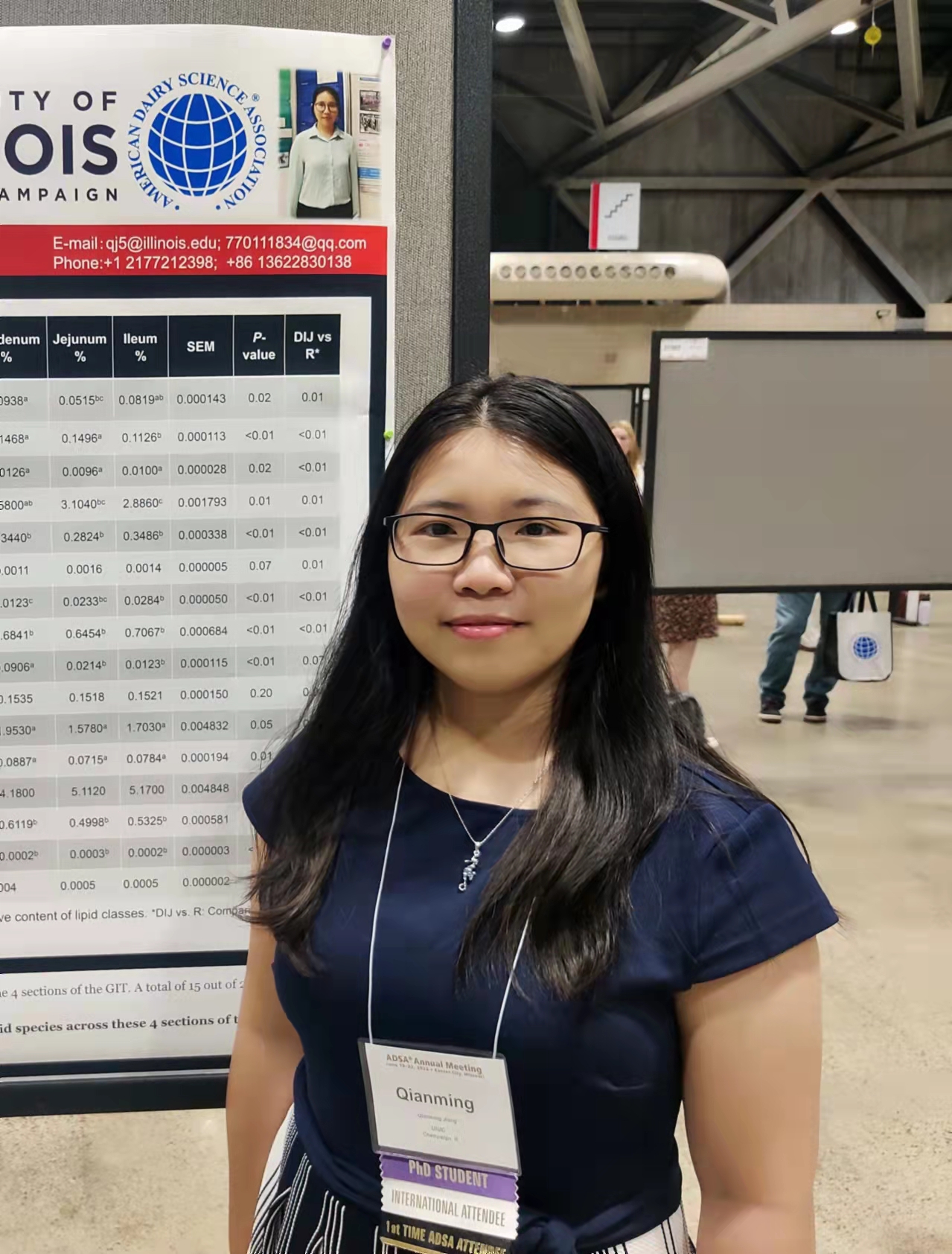 Qianming Jiang (江倩茗)合作论文数12Jihong Dong合作论文数12
 Xin Feng (冯新)合作论文数College of Veterinary Medicine, Jilin University12Qinghua Deng (邓清华)合作论文数12Changjiang Sun (孙长江)合作论文数12SHI Zhen (史珍)合作论文数11Yu-chen YANG (杨宇宸)合作论文数11
 Yu Li (李玉)合作论文数11Hongyan Ding合作论文数11
 Yanfei Li (李艳飞)合作论文数Northeast Agricultural University11Guoquan Sun合作论文数10
 Xudong Sun合作论文数10
 Yuan Xue合作论文数10Hongdou Jia合作论文数9Yazhe Wang合作论文数9Mengdi Jin合作论文数9LiGuang Cao (曹立光)合作论文数9YaZhou Wang (王亚洲)合作论文数9
 Chuang Xu (徐闯)合作论文数College of Veterinary Medicine, China Agricultural University9
 Qiong Yu (俞琼)合作论文数School of Public Health, Jilin University9
 Jianguo Wang (王建国)合作论文数College of Veterinary Medicine, Northwest A&F University9
 Yuan Guan (官员)合作论文数College of Animal Science, Jilin University9
 Taiyu Shen合作论文数8Lingxue Ju合作论文数8Pengjuan Gong合作论文数8Xin Shu合作论文数8YuHang Zhang (张宇航)合作论文数8LiChao Zhang (张利朝)合作论文数8




