Background Randomized controlled trials report conflicting evidence on the efficacy of different skin disinfectants for preventing surgical site infection (SSI).Methods We systematically searched PubMed, Web of Science, Cochrane Library, and Embase for RCTs published up to February 2025 comparing preoperative skin disinfection with povidone-iodine (PVI) versus chlorhexidine (CH). Primary outcomes were overall, superficial, deep, and organ/space SSI rates. Secondary outcomes included hospital stay, readmission, and reoperation.Results CH was superior to PVI in preventing overall SSI (26 studies, n = 29,356; RR: 0.89; 95% confidence interval [CI]: 0.80 to 0.99). The overall SSI incidence rate in the CH group was 7.1% (1,045/14,677), compared with 7.8% (1,152/14,679) in the PVI group, equating to an 11% reduction in relative risk and a 0.7% reduction in absolute risk. The number needed to treat to prevent one SSI was 143. CH demonstrated superiority over PVI in preventing superficial SSI (13 studies, n = 16,867; RR: 0.77; 95% CI: 0.64 to 0.92), but not for deep SSI (11 studies, n = 15,842; RR: 1.00; 95% CI: 0.77 to 1.29) or organ SSI (9 studies, n = 9,471; RR: 1.17; 95% CI: 0.89 to 1.53). No significant differences were found in hospital stay, readmission, or reoperation rates between the two groups.Conclusion CH demonstrates statistical superiority over PVI in preventing overall and superficial SSI, though the absolute clinical benefit is modest. No significant differences were observed for deep or organ/space SSI, nor for secondary outcomes including hospital length of stay, readmission, or reoperation rates.
INTRODUCTION:Hip abnormalities are a major cause of pain and functional impairment, yet missed diagnoses remain common due to high clinical workloads and interobserver variability. Existing deep learning (DL) models predominantly target single pathologies, limiting their utility for comprehensive screening. OBJECTIVES:To develop and validate a DL model for simultaneous screening of multiple hip conditions using a large, multicenter dataset of pelvic radiographs. METHODS:A ResNet-50-based model was trained and internally validated using data from two hospitals (25,908 hips) with enhancements (convolutional block attention module, generalized mean pooling, and class-balanced focal loss) for classifying eight categories: normal, hip osteoarthritis, osteonecrosis of the femoral head, femoral neck fracture (FNF), intertrochanteric fracture (ITF), developmental dysplasia of the hip, total hip arthroplasty, and metallic internal fixation. External validation was performed on 4,600 hips from a third hospital. Model performance was compared with that of six orthopedic surgeons of varying seniority, and a two-phase reader study assessed diagnostic performance with and without model assistance; non-inferiority was prespecified at a 5% margin for accuracy and macro-F1. RESULTS:On the internal test set, the model achieved 93.93% accuracy (95% confidence interval [CI]: 93.26-94.56), macro-AUC 0.99, and macro-F1 90.66% (95% CI: 88.83-92.14). On the external test set, accuracy was 90.11% (95% CI: 89.28-90.98), with macro-AUC 0.99 and macro-F1 87.29% (95% CI: 86.02-88.56). Sensitivity was high for acute injuries (FNF: 95.61% [95% CI: 92.82-98.17]; ITF: 95.31% [95% CI: 90.36-98.94]). The model outperformed residents and attendings (P < 0.001) and was non-inferior to deputy chiefs. Assistance improved surgeon accuracy (gains: 3.93%-11.33%) and inter-rater agreement (κ: from 0.52-0.88 to 0.69-0.88). CONCLUSIONS:We developed and externally validated a DL model for automated screening of multiple common hip abnormalities. The system is well-suited for triage workflows by flagging high-risk cases for expedited review. Additionally, it may function as a supportive second reader in high-volume or resource-limited settings.
Glucagon-like peptide-1 (GLP-1), an incretin secreted by intestinal L-cells in response to nutrients, regulates glucose homeostasis by enhancing insulin secretion, suppressing glucagon release, delaying gastric emptying, and reducing appetite via hypothalamic signaling. Beyond these canonical actions, emerging evidence reveals GLP-1's pleiotropic functions across multiple systems, with relevance to metabolic disorders, chronic inflammation, and aging-related pathologies. This review summarizes molecular mechanisms underlying GLP-1's protective roles, highlighting its contributions to metabolic balance, inhibition of NF-κB-mediated inflammation, and attenuation of cellular aging through mitochondrial enhancement and autophagy promotion. GLP-1 also influences immune cell function and alleviates hallmarks of senescence, thereby offering therapeutic potential beyond diabetes. We further critically assess the translational potential of GLP-1 receptor agonists (GLP-1RAs), pharmacological agents with superior pharmacokinetics versus native GLP-1, in treating conditions linked to dysregulated metabolism, persistent inflammation, and accelerated aging. Despite demonstrated efficacy in preclinical models and clinical studies, important challenges persist, including inter-individual variability, off-target risks, and uncertainties regarding long-term safety. We conclude by emphasizing the necessity of integrated strategies to target the metabolic-inflammatory-aging axis and by advocating optimization of GLP-1RA formulations, identification of predictive biomarkers, and expansion of their utility for age-associated diseases.
Objective The objective of this study was to compare the differences in re-rupture rates, complications, and functional assessments of Achilles tendon ruptures (ATRs) treated operatively or nonoperatively to guide clinical treatment choices.Methods A literature search was performed in the PubMed, Cochrane Library, and Embase databases up to March 1, 2025, for randomized controlled trials (RCTs) involving patients with ATR receiving operative and nonoperative therapies. Primary outcomes included re-rupture rates, complications, and functional assessment. Meta-analysis of the extracted data was carried out using Review Manager 5.3 and Stata 17.0.Results A total of 14 RCTs were included in the meta-analysis, comprising 1,628 participants. The meta-analysis results revealed a considerably lower re-rupture rate in both the minimally invasive (MI) group (risk ratio [RR], 0.28; 95% confidence interval [CI]: 0.11 to 0.74) and the open group (RR, 0.30; 95% CI: 0.19 to 0.50). For complications, subgroup analysis showed no significant difference between the MI and nonoperative groups (RR, 2.40; 95% CI: 0.52 to 10.98), whereas the open group had a higher complication rate (RR, 3.03; 95% CI: 1.75 to 5.26) than nonoperative groups. There was no significant difference in the functional assessment between operative and nonoperative groups. Regarding return to work, the MI group returned to work earlier compared to the nonoperative group.Conclusion Open operative treatment significantly reduces the rate of re-rupture compared to nonoperative treatment but is accompanied by a higher risk of complications. MI treatment offers both of these advantages, along with superiority in return to work.
Objectives:This study aimed to clarify the relationship between sleep behaviors and adiposity indices. Methods:We analyzed NHANES data from 2011 to 2018 for adults aged 20-80, assessing BMI, waist circumference (WC), lean mass, and body fat percentage with DEXA scans and physical measurements. Sleep duration was categorized into short (<7 h), normal (7-9 h), and long (>9 h), as well as their sleep status based on questionnaires. Furthermore, we examined the interaction effects between sleep duration and sleep patterns. Results:Among 19,951 participants providing BMI and WC data, and 10,716 for lean mass and body fat percentage, short sleep duration correlated with higher BMI (β = 0.56, 95% CI: 0.36-0.76), WC (β = 0.90, 95% CI: 0.43-1.37), and lean mass (β = 0.70, 95% CI: 0.32-1.07). Individuals with sleep disorders showed increased values across all indices: BMI (β = 0.93, 95% CI: 0.72-1.13), WC (β = 2.40, 95% CI: 1.92-2.88), lean mass (β = 0.71, 95% CI: 0.30-1.12), and body fat percentage (β = 0.64, 95% CI: 0.37-0.90). No significant interaction effects were found between sleep duration and sleep disorders. Conclusion:Our findings indicate that individuals with short sleep duration and sleep disorders are likely to carry a higher weight burden, indicating potential targets for addressing obesity-related health issues.
BackgroundHip osteoarthritis (HOA) profoundly impairs individuals' quality of life. Accurate Kellgren-Lawrence (KL) grading is essential for guiding interventions to delay the progression of HOA. However, manual KL grading is constrained by inherent subjectivity and low interobserver reliability. This study aimed to develop and validate a deep learning-based model for the automated grading of HOA.MethodsWe retrospectively collected 20,745 hip radiographs from two Chinese hospitals for model development, 1,928 radiographs from a third hospital for external validation, and 1,249 hips from the Osteoarthritis Initiative (OAI) dataset. A ResNet-50 network with a Convolutional Block Attention Module was trained and evaluated. Comprehensive performance was evaluated across multiple metrics and compared with orthopedic surgeons of varying clinical experience. In addition, Gradient-weighted Class Activation Mapping (Grad-CAM) was used for interpretability.ResultsThe model achieved 90.83% (95% confidence interval [CI]: 89.96-91.72) accuracy (area under the receiver operating characteristic curve [AUC]: 0.94) on the internal dataset, 86.67% (95% CI: 85.11-88.12) accuracy (AUC: 0.93) externally, and 82.29% (95% CI: 80.22-84.39) accuracy (AUC: 0.90) on the OAI dataset, with most misclassifications confined to adjacent KL grades. In the reader comparison study, it matched deputy chief surgeons. Grad-CAM confirmed that the model predominantly attended to clinically relevant anatomical features associated with KL grading.ConclusionsThe developed model enables automatic and objective assessment of HOA severity using KL grading across diverse populations and imaging conditions. This tool shows potential to support disease monitoring, and large-scale epidemiologic research to enhance standardization and reproducibility in HOA assessment.
Background:Cobalt ions released from metal objects pose potential systemic toxicity risks, yet comprehensive epidemiological evidence linking blood cobalt ion concentrations with anemia and cardiovascular disease (CVD) remains limited. This study aims to investigate these associations and explore exposure thresholds. Methods:We utilized data from the National Health and Nutrition Examination Survey from 2015 to 2018. Outcomes included anemia, angina pectoris, arrhythmia, heart attack, heart failure, myocardial infarction, and stroke. We first used multivariate linear regression to demonstrate that metal implants are associated with elevated blood cobalt ion concentrations. Afterward, multivariable logistic regression, restricted cubic splines, and threshold effect analyses were applied to evaluate dose-response relationships between cobalt ion concentrations and disease. Results:Participants with metal implants exhibited 0.42 nmol/L higher blood cobalt concentrations than those without (95% confidence interval [CI]: 0.33-0.51). Each 1 nmol/L increase in cobalt was associated with a 36% higher anemia risk (adjusted odds ratio [OR]: 1.36, 95% CI: 1.31-1.41). Non-linear relationships were observed for CVD (inflection point: 3.94 nmol/L), with cobalt ion concentrations below this threshold showing stronger associations (OR: 1.27, 95% CI: 1.12-1.45). Cobalt exposure increased the risks of angina pectoris, arrhythmia, heart attack, heart failure, and stroke (all p < 0.05), but not myocardial infarction. Stratified analyses revealed heightened susceptibility in males. Conclusion:Metal object-derived cobalt exposure demonstrates significant dose-dependent associations with anemia and multiple CVD subtypes. These findings underscore the systemic toxicity of cobalt ions and advocate for enhanced clinical surveillance of blood cobalt levels in patients with metal implants.
The hip-knee-ankle (HKA) angle is essential to assess surgical evaluation and disease progression in patients with knee osteoarthritis (KOA). Rapid, radiation-free assessment methods are a key area of research. This study investigates the reliability and validity of OpenPose, video-based human pose estimation method, for determining the HKA angle in KOA patients. In this study, we analyzed 50 knees affected by osteoarthritis. The HKA angle was measured using the pose estimation method and X-ray imaging before total knee arthroplasty. The pose estimation method demonstrated excellent test-retest reliability (ICC 1,1 = 1.000) and good consistency with radiography (ICC 2,1 = 0.897), with linear regression analysis showing a good correlation (R2 = 0.814). Compared with radiography, the pose estimation method exhibited a fixed error of 0.131°. This is the first study to examine the feasibility of measuring the HKA angle from frontal-view videos of patients walking normally by using the pose estimation method. Using the pose estimation method to measure the HKA angle in knee osteoarthritis patients is reliable and valid. The pose estimation method provides a safe, cost-effective, and user-friendly solution for monitoring lower limb alignment, with promising applications in remote healthcare and rehabilitation management. It eliminates radiation exposure, avoiding the health risks associated with X-ray imaging, and it does not require specialized medical equipment, enabling fully automated analysis.
Abstract Background There is currently a lack of comprehensive prevalence information on arthritis and its various classifications among adults in the U.S., particularly given the notable absence of detailed data regarding the Asian population. We examined the trends in the prevalence of arthritis, including osteoarthritis (OA), rheumatoid arthritis (RA), psoriatic arthritis (PsA), and other types of arthritis, among U.S. adults by race between 2011 and 2018. Methods We analyzed data from the National Health and Nutrition Examination Survey (NHANES), spanning from 2011 to 2018. Our study focused on a nationally representative sample of U.S. adults aged 20 and older. Participants who answered “y es” to the research question “Doctors ever said you had arthritis?” were classified as having arthritis. Further classification into specific diseases was based on responses to the question “Which type of arthritis was it?” with options including “OA or degenerative arthritis, ” “RA, ” “PsA, ” or “Other. ” Results We analyzed 22,566 participants from NHANES (2011–2018), averaging 44.8 years, including 10,927 males. The overall arthritis prevalence rose significantly from 22.98% (95% CI: 21.47–24.55%) in 2011–12 to 27.95% (95% CI: 26.20–29.76%) in 2017–18 (P for trend < 0.001). OA increased from 12.02% (95% CI: 10.82–13.35%) in 2011 to 14.93% (95% CI: 13.47–16.51%) in 2018 (P for trend < 0.001). RA and PsA remained stable (P for trend = 0.220 and 0.849, respectively), while other arthritis rose from 2.03% (95% CI: 1.54–2.67%) in 2011–12 to 3.14% (95% CI: 2.56–3.86%) in 2017–18 (P for trend = 0.001). In Whites, Asians, and other races , arthritis and RA prevalence increased significantly (P for trend < 0.05). OA and other arthritis rose in Whites and other races (P for trend < 0.05), but no significant change occurred in the black population. The prevalence of PsA remained stable across all racial groups, with no statistically significant changes. Conclusions In this nationally representative U.S. adult survey spanning 2011 to 2018, we identified a rising prevalence trend in arthritis, OA, and other arthritis, with notable variations among different racial groups.
Background: Accurate classification can facilitate the selection of appropriate interventions to delay the progression of osteonecrosis of the femoral head (ONFH). This study aimed to perform the classification of ONFH through a deep learning approach. Methods: We retrospectively sampled 1,806 midcoronal magnetic resonance images (MRIs) of 1,337 hips from 4 institutions. Of these, 1,472 midcoronal MRIs of 1,155 hips were divided into training, validation, and test datasets with a ratio of 7:1:2 to develop a convolutional neural network model (CNN). An additional 334 midcoronal MRIs of 182 hips were used to perform external validation. The predictive performance of the CNN and the review panel was also compared. Results: A multiclass CNN model was successfully developed. In internal validation, the overall accuracy of the CNN for predicting the severity of ONFH based on the Japanese Investigation Committee classification was 87.8%. The macroaverage values of area under the curve (AUC), precision, recall, and F-value were 0.90, 84.8, 84.8, and 84.6%, respectively. In external validation, the overall accuracy of the CNN was 83.8%. The macroaverage values of area under the curve, precision, recall, and F-value were 0.87, 79.5, 80.5, and 79.9%, respectively. In a human-machine comparison study, the CNN outperformed or was comparable to that of the deputy chief orthopaedic surgeons. Conclusion: The CNN is feasible and robust for classifying ONFH and correctly locating the necrotic area. These findings suggest that classifying ONFH using deep learning with high accuracy and generalizability may aid in predicting femoral head collapse and clinical decision-making. (c) 2023 Elsevier Inc. All rights reserved.
Depressive disorder is a common mental health disorder that can affect both mental and physical health. Its co-occurrence with chronic diseases and significant contribution to disability-adjusted life years (DALYs) underscores the imperative for thorough research into its global burden, particularly among adolescents and young adults. This study leveraged data from the Global Burden of Diseases Study 2019 This study leveraged data from the Global Burden of Diseases Study 2019, concentrating on the incidence, prevalence, and DALYs associated with dysthymia and major depressive disorder (MDD) in individuals aged 15-39 years. We calculated age-standardized incidence rates to elucidate disparities in the burden of depression over time by region, gender, and age. Joinpoint regression analysis was utilized to discern temporal trends. The analysis revealed pronounced gender disparities in both the incidence and DALYs of depression in 2019, with females exhibiting higher rates. Globally, age-standardized rates for dysthymia in adolescents and young adults have escalated over the past two decades, while MDD rates have declined, albeit with a minor resurgence in the past nine years. Notable worldwide variations in the incidence and DALYs rates of depression were found, with Greenland recording the highest rates. Our findings highlight the complex and evolving nature of the global burden of depressive disorders among adolescents and young adults, pointing to the necessity of tailored interventions that address socio-economic and gender disparities. The rising trend of dysthymia and fluctuating incidence of MDD across different regions call for deeper exploration into the factors driving these patterns. not applicable
The biomechanical effects of acetabular revision with jumbo cups are unclear. This study aimed to compare the biomechanical effects of bionic trabecular metal vs . titanium jumbo cups for the revision of acetabular bone defects. We designed and reconstructed American Academy of Orthopaedic Surgeons (AAOS) type I–III acetabular bone defect models using computed tomography scans of a man without acetabular bone defects. The implantation of titanium and trabecular metal jumbo cups was simulated. Stress distribution and relative micromotion between the cup and host bone were assessed using finite element analysis. Contact stress on the screws fixing the cups was also analyzed. The contact stress analysis showed that the peak contact stress between the titanium jumbo cup and the host bone was 21.7, 20.1, and 23.8 MPa in the AAOS I–III models, respectively; the corresponding values for bionic tantalum jumbo cups decreased to 4.7, 6.7, and 11.1 MPa. Analysis of the relative micromotion showed that the peak relative micromotion between the host bone and the titanium metal cup was 10.2, 9.1, and 11.5 μm in the AAOS I–III models, respectively; the corresponding values for bionic trabecular metal cups were 17.2, 18.2, and 31.3 μm. The peak contact stress on the screws was similar for the 2 cup types, and was concentrated on the screw rods. Hence, acetabular reconstruction with jumbo cups is biomechanically feasible. We recommend trabecular metal cups due to their superior stress distribution and higher relative micromotion, which is within the threshold for adequate bone ingrowth.
AbstractBackground:Total knee arthroplasty is an effective procedure for the treatment of severe knee osteoarthritis. However, periprosthetic joint infection is one of the serious complications after arthroplasty. Most of the periprosthetic joint infections are caused by bacteria, while fungal periprosthetic joint infection is rare, accounting for about 1% of the total number of periprosthetic joint infections. Currently, there is a lack of reliable systemic and topical antifungal drugs, and no international guidelines have yet defined a gold standard for the medical and surgical treatment of fungal periprosthetic joint infection following total knee arthroplasty.Methods:In this paper, we report of a case of fungal periprosthetic joint infection healed with debridement, antibiotics and implant retention after total knee arthroplasty. At the same time, we searched PubMed, Embase, and Google Scholar for fungal periprosthetic joint infection following total knee arthroplasty between January 1980 and August 2022.Results:Forty-nine full-text articles and 62 finished cases were included for comparison with the present case. In all 63 included cases, 18 fungal pathogens were identified. Thirty-nine patients (62%) had other comorbidities or risk factors. For patient symptoms, pain (47/63) was the most common, followed by swelling (40/63) and localized skin warmth (12/63).Candida parapsilosiswas the most common fungal pathogen, with 22 positive cultures, followed byCandida albicanswith nine positive cultures. Forty-one patients were treated with two-stage revision arthroplasty or one-stage revision arthroplasty. The results showed that of 32 patients who underwent two-stage revision arthroplasty, 28 patients were successfully treated, three patients had controlled infections awaiting prosthetic reimplantation, and one patient had mild postoperative pain. Of nine patients who underwent one-stage revision arthroplasty, eight patients were successfully treated, and one had infection recurrence. Overall, two-stage revision arthroplasty could be considered the better choice.Conclusions:Fungal periprosthetic joint infection is a rare complication of total knee arthroplasty. It lacks specific clinical manifestations, but it can lead to severe debilitating symptoms and impaired patient function.Candidais the most common cause. A fungal culture is difficult yet critical. Two-stage revision arthroplasty is the most used surgical treatment, offering a higher chance of success, but it is still controversial.
Osteoradionecrosis (ORN) of the femoral head is an important issue for orthopedists and radiologists in clinical practice. With the rapid development of technological advances in radiation therapy and the improvement in cancer survival rates, the incidence of ORN is rising, and there is an unmet need for basic and clinical research. The pathogenesis of ORN is complex, and includes vascular injury, mesenchymal stem cell injury, bone loss, reactive oxygen species, radiation-induced fibrosis, and cell senescence. The diagnosis of ORN is challenging and requires multiple considerations, including exposure to ionizing radiation, clinical manifestations, and findings on physical examination and imaging. Differential diagnosis is essential, as clinical symptoms of ORN of the femoral head can resemble many other hip conditions. Hyperbaric oxygen therapy, total hip arthroplasty, and Girdlestone resection arthroplasty are effective treatments, each with their own advantages and disadvantages. The literature on ORN of the femoral head is incomplete and there is no criterion standard or clear consensus on management. Clinicians should gain a better and more comprehensive understanding on this disease to facilitate its early and better prevention, diagnosis, and treatment. This article aims to review the pathogenesis, diagnosis, and management of osteoradionecrosis of the femoral head.
Rationale:Fungal periprosthetic joint infections (fPJIs) are relatively uncommon, accounting for approximately 1% of all PJIs. Revision surgery is typically recommended for fungal infections; however, the physical and financial impact on patients is significant. In this report, we present a case of fPJI successfully treated with debridement, antibiotics, and implant retention (DAIR) with a favorable outcome over a 5-year period.Patient Concern:A 56-year-old male patient presented with a non-healing surgical incision 1 week after undergoing primary total knee arthroplasty on the right side.Diagnosis:Microbiological culture of the wound effusion identified Candida parapsilosis. Postoperatively, the patient exhibited a significant decrease in serum albumin levels and poor glycemic control. Both C-reactive protein and erythrocyte sedimentation rate were elevated.Interventions:A comprehensive DAIR procedure was performed, along with continuous closed irrigation using fluconazole for 1 week. The patient received intravenous voriconazole for 4 weeks, followed by oral fluconazole for an additional 3 months.Outcomes:At 1- and 5-year follow-up appointments, the patient C-reactive protein and erythrocyte sedimentation rate levels were within normal limits, and there was no evidence of swelling, erythema, or tenderness in the right knee joint, indicating no signs of infection.Lessons:DAIR is an effective treatment for early fPJIs, and continuous closed irrigation may provide specific advantages. The patient nutritional status plays a crucial role in the management of periprosthetic infections.
BACKGROUND:The diagnosis of early osteonecrosis of the femoral head (ONFH) based on magnetic resonance imaging (MRI) is challenging due to variability in the surgeon's experience level. This study developed an MRI-based deep learning system to detect early ONFH and evaluated its feasibility in the clinic.METHODS:We retrospectively evaluated clinical MRIs of the hips that were performed in our institution from January 2019 to June 2022 and collected all MRIs diagnosed with early ONFH. An advanced convolutional neural network (CNN) was trained and optimized; then, the diagnostic performance of the CNN was evaluated according to its accuracy, sensitivity, and specificity. We also further compared the CNN's performance with that of orthopaedic surgeons.RESULTS:Overall, 11,061 images were retrospectively included in the present study and were divided into three datasets with ratio 7:2:1. The area under the receiver operating characteristic curve, accuracy, sensitivity, and specificity of the CNN model for identifying early ONFH were 0.98, 98.4, 97.6, and 98.6%, respectively. In our review panel, the averaged accuracy, sensitivity, and specificity for identifying ONFH were 91.7, 87.0, and 94.1% for attending orthopaedic surgeons; 87.1, 84.0, and 89.3% for resident orthopaedic surgeons; and 97.1, 96.0, and 97.9% for deputy chief orthopaedic surgeons, respectively.CONCLUSION:The deep learning system showed a comparable performance to that of deputy chief orthopaedic surgeons in identifying early ONFH. The success of deep learning diagnosis of ONFH might be conducive to assisting less-experienced surgeons, especially in large-scale medical imaging screening and community scenarios lacking consulting experts.
PURPOSE:The aim of this study was to develop a deep convolutional neural network (DCNN) for detecting early osteonecrosis of the femoral head (ONFH) from various hip pathologies and evaluate the feasibility of its application.METHODS:We retrospectively reviewed and annotated hip magnetic resonance imaging (MRI) of ONFH patients from four participated institutions and constructed a multi-centre dataset to develop the DCNN system. The diagnostic performance of the DCNN in the internal and external test datasets was calculated, including area under the receiver operating characteristic curve (AUROC), accuracy, precision, recall, and F1 score, and gradient-weighted class activation mapping (Grad-CAM) technique was used to visualize its decision-making process. In addition, a human-machine comparison trial was performed.RESULTS:Overall, 11,730 hip MRI segments from 794 participants were used to develop and optimize the DCNN system. The AUROC, accuracy, and precision of the DCNN in internal test dataset were 0.97 (95% CI, 0.93-1.00), 96.6% (95% CI: 93.0-100%), and 97.6% (95% CI: 94.6-100%), and in external test dataset, they were 0.95 (95% CI, 0.91- 0.99), 95.2% (95% CI, 91.1-99.4%), and 95.7% (95% CI, 91.7-99.7%). Compared with attending orthopaedic surgeons, the DCNN showed superior diagnostic performance. The Grad-CAM demonstrated that the DCNN placed focus on the necrotic region.CONCLUSION:Compared with clinician-led diagnoses, the developed DCNN system is more accurate in diagnosing early ONFH, avoiding empirical dependence and inter-reader variability. Our findings support the integration of deep learning systems into real clinical settings to assist orthopaedic surgeons in diagnosing early ONFH.
Background: The objective of this study was to compare cup survival and the incidence of adverse events associated with the use of trabecular metal (TM) and non-TM cups for acetabular revision surgery.& nbsp;Methods: The MEDLINE, EMBASE, and Cochrane Library databases were searched for comparative studies that reported cup survival and the incidence of adverse events associated with the use of TM and non-TM cups for acetabular revision surgery. Primary outcomes included cup survival, aseptic loosening, dislocation, and infection.& nbsp;Results: The meta-analysis included 6 studies that involved 13,864 total hip arthroplasty (THA) revisions who underwent acetabular revision surgery with TM (n = 5,619) or non-TM (n = 8,245) cups. The meta-analysis demonstrated no significant difference in cup survival using re-revision for any reason or aseptic loosening as the endpoint following acetabular revision surgery with TM or non-TM cups (HR = 0.96; [95% CI, 0.84-1.09]; HR = 1.29; [95% CI, 0.70-2.38]). Pooled data indicated that the overall incidence of adverse events for TM or non-TM cups was 6.8% (382/5,289) and 9.0% (725/8,083), respectively, and not significantly different (OR = 0.91; [95% CI, 0.80-1.04]). The incidence of aseptic loosening and infection were significantly lower (OR = 0.75; [95% CI, 0.58-0.96]; OR = 0.70; [95% CI, 0.54-0.90]) and the incidence of dislocation was significantly higher (OR = 1.53; [95% CI, 1.22-1.91]) for TM compared to non-TM cups.& nbsp;Conclusion: This review was the first to use reconstructed time-to-event data to find that there was no difference in survival of TM and non-TM cups in acetabular revision surgery. Overall, fewer adverse events were associated with the use of TM compared to non-TM cups, but the difference was not significant. The incidence of aseptic loosening and infection were significantly lower and the incidence of dislocation was significantly higher for TM compared to non-TM cups. This information is expected to guide orthopedic surgeons in the selection of appropriate acetabular components for THA revision.
Background: Osteoradionecrosis of the hip is a serious complication of radiotherapy that is easily overlooked by physicians and patients in the early stages. There are relatively few reports on this subject, so there is no clear scientific consensus for the pathogenesis, early diagnosis, and clinical treatment of hip osteoradionecrosis. In this paper, we report two cases of hip osteoradionecrosis and systematically review the related literature. Case Presentation: We report two cases of hip osteoradionecrosis. One patient successfully underwent total hip arthroplasty in our hospital and recovered well postoperatively. Another patient although we offered a variety of surgical options for this patient, the patient was worried that the bone loss would lead to poor prosthesis fixation, resulting in prosthesis loosening and infection, and therefore ultimately refused surgical treatment. Conclusion: With the development of radiological techniques, the incidence of hip osteoradionecrosis is decreasing year by year, but early diagnosis and rational treatment remain challenging. The effects of non-surgical treatment are limited. Early prevention, early detection, and early intervention are crucial to delay or prevent the emergence of more serious complications.
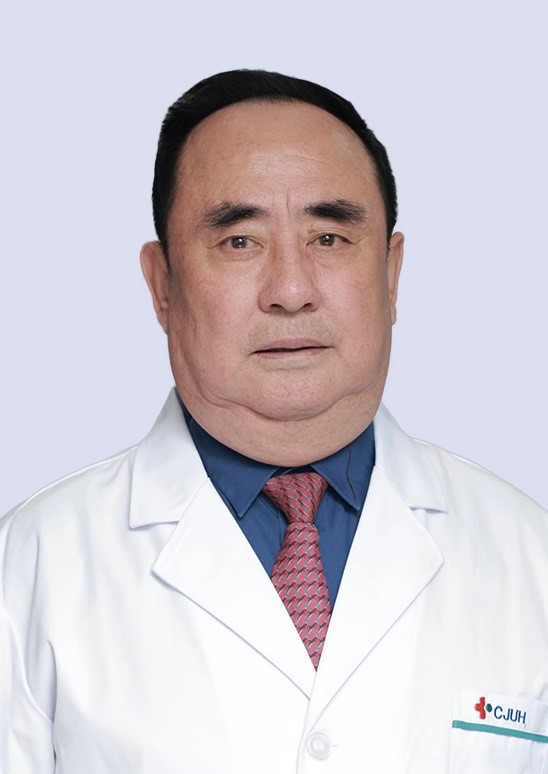
 Jianlin Zuo (左建林)合作论文数China-Japan Union Hospital of Jilin University29
 Zhongli Gao (高忠礼)合作论文数China-Japan Union Hospital of Jilin University26
 Yanguo Qin (秦彦国)合作论文数The Second Norman Bethune Hospital of Jilin University;School of Artificial Intelligence, Jilin University24
 Xianyue Shen合作论文数22
 Shenghao Xu合作论文数18YuHui Yang (杨玉辉)合作论文数12Xiongfeng Tang合作论文数6Shangjun Chen (陈尚钧)合作论文数6
 Xueli Zhou (周雪莉)合作论文数College of Biological and Agricultural Engineering, Jilin University6
 Jincheng Wang (王金成)合作论文数The Second Norman Bethune Hospital of Jilin University;China-Japan Union Hospital of Jilin University6LanYu Zhu (朱蓝玉)合作论文数5
 Bo Chen (陈博)合作论文数School of Archaeology and Cultural Heritage, Zhengzhou University5Jinshuo Tang合作论文数4Xinggui Wen合作论文数4Xin Zhao合作论文数4
 Tong Liu (刘彤)合作论文数Art College of Jilin University4Zhongsheng Zhou合作论文数3Jia Luo合作论文数3Chen Bo合作论文数3Jianhui Mou合作论文数3Zhaolin Wang合作论文数3Shuanglu LIU (刘双鲁)合作论文数3
 Yang Li合作论文数3Li Xuezhou合作论文数3
 Meng Xu (许猛)合作论文数The Second Norman Bethune Hospital of Jilin University3
 You Zhou合作论文数3
 Ziling He合作论文数2Yu Sun合作论文数2Dengwei Zhang合作论文数2Yanbing Wang合作论文数2Yi-Ming Dou合作论文数2Jingpei Liu合作论文数2Jianpeng Gao合作论文数2Hao Tian合作论文数2
 Haowen Xue合作论文数2Jie Cheng合作论文数2Zikun Ma合作论文数2jianhui zhao (赵建辉)合作论文数2RuoFeng Yin (尹若峰)合作论文数2Dong Sun (孙东)合作论文数2
 Peng Liu (刘鹏)合作论文数Army Medical University2
 Zhe Zhu (朱哲)合作论文数The Second Norman Bethune Hospital of Jilin University2
 Mo Li (李沫)合作论文数The Second Norman Bethune Hospital of Jilin University2Rui Jiang合作论文数2
 Rui Gu (顾锐)合作论文数China-Japan Union Hospital, Jilin University2
 Chenyu Wang合作论文数2




