BACKGROUND:Secondary hemophagocytic lymphohistiocytosis/macrophage activation syndrome (sHLH/MAS) is a rare but highly fatal complication after allogeneic hematopoietic cell transplantation (allo-HCT), frequently diagnosed under conditions of clinical uncertainty. We aimed to characterize post-transplant sHLH/MAS and to identify clinically accessible factors associated with early mortality. METHODS:We retrospectively analyzed adult patients who developed sHLH/MAS after allo-HCT between 2018 and 2025. Inclusion required an HScore ≥ 169. Overall survival within 60 days from sHLH/MAS onset was the primary endpoint. Clinical and laboratory variables were evaluated using Cox proportional-hazards models, and patients were stratified according to the number of adverse prognostic factors identified. RESULTS:Seventy-two patients met inclusion criteria. Median time from allo-HCT to sHLH/MAS onset was 22 days. Sixty-day overall survival was poor. In univariable and multivariable analyses, vasopressor-dependent sepsis (HR 7.77, p < 0.001) and ferritin > 15 000 μg/L (HR 3.48, p = 0.002) were independently associated with early mortality. Stratification based on these two factors separated patients into low-, intermediate-, and high-risk groups with 60-day survival of 92%, 52%, and 9%, respectively (p < 0.001). CONCLUSIONS:Post-transplant sHLH/MAS is associated with extremely high early mortality. Vasopressor-dependent sepsis and extreme hyperferritinemia identify patients at particularly high risk. These findings require confirmation in independent cohorts.
Abstract Graft failure (GF) after allogeneic hematopoietic stem cell transplant (HSCT) is a life-threatening complication. The Inborn Errors Working Party conducted a retrospective study to examine the outcome of a second HSCT for children with nonsevere combined immunodeficiency (SCID) inborn errors of immunity (IEI); 159 children from 37 centers who received a second transplant between 2009 and 2020 were included in this analysis. The median interval between first and second HSCT was 6.9 months (0.7-155.2 months). The 5-year overall survival (OS) and event-free survival (EFS) rates were 78% and 69%, respectively. The second HSCT for primary GF had a significantly lower OS (69%, 55%-83% vs secondary GF, 81%, 73%-89%; P = .044) and EFS (52%, 37%-68% vs secondary GF, 75%, 67%-84%; P< .001). Improved EFS was observed in patients who received myeloablative conditioning/reduced-toxicity conditioning (74%, 66%-81%) compared with nonmyeloablative conditioning (50%, 29%-71%; P = .003), but this association was not observed in OS. Upon multivariable analysis, cord blood was the only independent negative predictor for EFS (hazard ratio, 4.9, 1.3-18.7; P = .020). The 1-year cumulative incidence (CIN) of all GF after the second HSCT was 13% (95% confidence interval, 8%-19%). The day-100 CINs of grade 2 and grade 3 to 4 acute graft-versus-host disease were 19% (13%-25%) and 8% (4%-13%), respectively. Whole-blood chimerism >90% was reported in 84.3% at last follow-up. We report, to our knowledge, the first international experience with the largest cohort of second conditioned HSCT in non-SCID IEI to date. This study provides valuable insights into the clinical outcomes following second transplant, identifying key predictors of survival.
Secondary autoimmune and inflammatory diseases (SAIDs) are underrecognized and poorly described after allogeneic hematopoietic stem cell transplantation (allo-HSCT). The standardization of management is hindered by the scarcity of data on epidemiology, pathogenesis, and clinical outcomes. To improve the evidence base, we performed a retrospective multicenter EBMT database study of patients who underwent allo-HSCT between 2005 and 2019 for either hematological malignancy or severe aplastic anemia with available information on SAIDs. We included 129 cases of SAIDs and 14,617 controls. The 5-year incidence of SAIDs was 0.9% (95% confidence interval (CI): 0.7-1.1), and the 10-year incidence was 1.1% (95% CI: 0.9-1.3). The median time from allo-HSCT to the diagnosis of SAIDs was 442 days [interquartile range (IQR): 242-1082]. Overall survival after the onset of SAIDs was 83.4% (95% CI 74.6-89.3) at 2 years and 73.4% (95% CI: 62-82) at 5 years. In multivariate analysis, risk factors significantly associated with SAIDs were bone marrow failure (Hazard Ratio (HR): 3.41 [95% CI, 1.55-7.52], p = 0.002), female donor to male patient (HR 1.77 [95% CI, 1.15-2.73], p = 0.009), and the presence of chronic GvHD (HR 1.61 [95% CI, 1.04-2.51], p = 0.034). SAIDs after allo-HSCT are rare but clinically significant entities requiring further investigations, exploring treatment and prevention strategies, as well as improving diagnostic approaches.
Background:CNS disorders (CNSD) after haematopoietic stem cell transplantation (HSCT) are a significant complication, although there are few specific studies on it. The major objective of this prospective case-control observational study was to characterise infectious and non-infectious CNSD (iCNSD and niCNSD, respectively) after HSCT. Methods:Patients were eligible for the CNSD group if they underwent HSCT between January 2021 and December 2022 at 20 centres in 11 countries and developed either an iCNSD or a niCNSD at any time after the start of conditioning prior to HSCT, up to the study termination (June 2023). Data were collected by local investigators and sent to the EBMT Leiden Study Unit, Leiden, Netherlands. For each case, two controls surviving the same period after HSCT without CNSD as the respective case were selected. Primary endpoints of this study were (1) percentage of iCNSD and niCNSD, including different causes, (2) characteristics of CNSD (e.g., percentage of patients with an abnormal brain imaging pattern), and (3) the course (e.g., mortality and overall survival [OS] = at different time points). This study is registered at ClinicalTrials.gov (NCT04737785). Findings:237 patients (84 cases and 153 controls) were included, of whom 98 (41%) were female and 139 (59%) were male. The frequency of CNSD after HSCT was estimated at 2.9% (84 of 2910 transplanted patients, 95% CI 2.3-3.6%). Among cases, 21 (25%) had a proven/probable iCNSD, 47 (56%) had a proven/probable niCNSD, and 16 (19%) had a possible or unclassified CNSD. Human herpes virus-6 (meningo-)encephalitis was the most frequent proven/probable iCNSD (n = 9, 43%). In patients with proven/probable niCNSD, vascular pathologies were dominant (n = 15, 32%). In a multivariable Cox regression analysis, CNSD at the inclusion time point (HR 2.96, 95% CI 1.13-7.74, p = 0.027) remained the only significant predictor of inferior OS. Causes of death in the CNSD group were the CNSD (n = 15/36, 42%, eight with proven/probable iCNSD, five with proven/probable niCNSD and two with possible/unspecified CNSD), other HSCT-related causes (n = 7, 19%), relapse/progression (n = 5, 14%), or other (including multifactorial reasons, n = 9, 25%). Relapse/progression was the most frequent cause of death among controls (n = 17/25, 68%). Interpretation:CNSD represent a serious complication after HSCT with an estimated 2.9% frequency and non-infectious causes prevailing over CNS infections. Patients with a CNSD after HSCT have a reduced OS, with the CNSD itself being the main cause of death. Funding:None.
Acute graft-versus-host disease (aGvHD) is a major cause of non-relapse mortality following allogeneic hematopoietic stem cell transplantation (alloHSCT). While corticosteroids are the standard first-line therapy, approximately half of the patients become steroid-refractory or -dependent (SR/D). Fecal microbiota transplantation (FMT) has emerged as a therapeutic strategy targeting the underlying gut dysbiosis associated with aGvHD. This study presents retrospective data on FMT for SR/D-aGvHD. This retrospective, multicenter study was conducted by the Complications Working Party of the EBMT. Data were collected from 9 centers on patients who received FMT for the treatment of SR/D-aGvHD between 2014 and 2019. The primary endpoint was the overall response rate (ORR) at day 28 post-FMT. Forty-seven patients were analyzed. The primary indication for FMT was gastrointestinal aGvHD (GI-aGvHD). In this heavily pre-treated, ruxolitinib-naïve population, the ORR at day 28 was 60.5%, increasing to 69.2% by day 56. At last follow-up, 23 patients (64% of survivors) had no symptoms of aGvHD. Adverse events related to FMT were reported in 24 patients (51.1%). A clinically significant secondary benefit was the 54.5% decolonization rate of antibiotic-resistant bacteria. In this cohort FMT demonstrated efficacy for SR/D-aGvHD, with response rates comparable to those of modern targeted agents.
Allogeneic hematopoietic stem cell transplantation (HSCT) remains the only curative option for secondary acute myeloid leukemia (sAML). Post-transplant cyclophosphamide has improved graft-versus-host disease (GVHD) prophylaxis, enabling the broader use of alternative donors. For patients lacking a human leukocyte antigen (HLA)-matched donor, haploidentical donor (Haplo) or 9/10 HLA mismatched unrelated donor (MMUD) HSCTs are widely used, yet their relative effectiveness in sAML is uncertain. We retrospectively compared outcomes after Haplo versus MMUD HSCT in adults with sAML in first complete remission transplanted between 2010 and 2022. Among 711 patients, 602 received Haplo and 109 MMUD grafts. Patient and transplant characteristics differed between cohorts, including donor age, conditioning intensity, graft source, and transplant year. Neutrophil recovery was faster after MMUD transplantation, while platelet recovery was comparable. Rates of acute and chronic GVHD, relapse incidence, non-relapse mortality, overall survival, leukemia-free survival, and GVHD-free/relapse-free survival were similar. Reduced intensity conditioning lowered acute GVHD risk, while peripheral blood grafts increased chronic GVHD. Lower Karnofsky score, older age and adverse-risk cytogenetics were adverse prognostic factors. Haplo and MMUD transplantation demonstrated comparable efficacy and safety with post-transplant cyclophosphamide, supporting both approaches as viable alternatives in the absence of an HLA-matched donor.
BACKGROUND:Autologous haematopoietic cell transplantation (auto-HCT) is the recommended treatment for chemosensitive relapsed Hodgkin lymphoma, while allogeneic haematopoietic cell transplantation (allo-HCT) is indicated for patients who had unsuccessful auto-HCT. The introduction of novel therapeutic agents, alongside advances in donor selection, conditioning regimens, and graft-versus-host disease prophylaxis, might improve post-transplantation outcomes, however supporting data remain limited. We aimed to evaluate changes in post-transplantation outcomes over the period 2010-22, and to identify predictors of these outcomes. METHODS:We conducted a retrospective, registry-based cohort study of patients aged 18 years or older with relapsed or refractory classical Hodgkin lymphoma undergoing first auto-HCT or first allo-HCT between Jan 1, 2010, and Dec 31, 2022, registered with the European Society for Blood and Marrow Transplantation (EBMT), with data from more than 600 transplantation centres, across 53 countries, reporting all HCTs and yearly follow-ups. Patients who received allo-HCT for relapse after auto-HCT were included but tandem transplantations were excluded. For allo-HCT, we included patients who received grafts from matched related donors, mismatched related donors, and unrelated donors. The primary endpoints were overall survival and progression-free survival, which were assessed with the Kaplan-Meier method at 2 years and 5 years after HCT. Multivariate analyses were performed using the Cox proportional-hazards regression model to identify predictive factors. FINDINGS:We identified 22 047 patients who received a first transplantation for relapsed or refractory Hodgkin lymphoma, after excluding 1324 patients with missing follow-up data and 1225 patients with nodular lymphocyte predominant Hodgkin lymphoma, 19 498 patients were retained: 15 648 received auto-HCT (6772 [43%] were female and 8839 [57%] were male, data were missing for 37 patients); median age at HCT was 35 years [IQR 27-47]; median follow-up was 2·4 years [IQR 2·3-2·5]), and 3850 received allo-HCT (1572 [41%] female and 2273 [59%] were male, data were missing for five patients; median age at HCT 32 years [IQR 26-42]; median follow-up was 3·9 years [IQR 3·8-4·1]). For auto-HCT, from years 2010-14 to years 2019-22, the 2-year progression-free survival increased from 63% (95% CI 62-65) to 73% (71-74) and overall survival increased from 85% (95% CI 84-86) to 93% (91-94). Partial response (hazard ratio [HR] 1·92 [95% CI 1·74-2·11]) or stable or progressive disease (2·45 [2·17-2·76]) at transplantation negatively affected progression-free survival. For allo-HCT, from years 2010-14 to years 2019-22, the 2-year progression-free survival, and overall survival, increased from 44% (95% CI 41-46) to 62% (58-66), and from 66% (63-68) to 72% (68-75), respectively. Partial response (HR 1·58 [95% CI 1·39-1·78]) or stable/progressive disease (2·28 [2·02-2·58]) at transplantation negatively affected progression-free survival. INTERPRETATION:To our knowledge, this is the largest study on HCT for Hodgkin lymphoma in recent years, and our findings that outcomes after auto-HCT and allo-HCT improved over time provide relevant information that could set the basis for prospective trials or additional studies. FUNDING:None.
Haploidentical stem cell transplantation (haplo-HSCT) with post-transplant cyclophosphamide (PTCy) is a therapeutic option for secondary acute myeloid leukemia (sAML). The study aimed to compare peripheral blood stem cells (PBSC) vs. bone marrow (BM) as a graft source for haplo-HSCT with PTCy in patients with sAML in first complete remission. A total of 554 patients were included, BM = 136, PBSC = 418. Median follow-up was 3 years. The median year of transplant was 2018 (range, 2010-2021). The antecedent hematological disease was myelodysplastic syndrome /myeloproliferative neoplasms in most patients. Patients in the BM group were younger, median age 59.2 vs. 61.7 years (p = 0.008), and received myeloablative conditioning more frequently (66.4% vs. 47.4%, p < 0.001). Time from diagnosis to haplo-HSCT was 5.3 vs. 4.8 months, respectively (p = 0.019). Performance status, cytogenetic risk, gender, cytomegalovirus serostatus, and donor age did not differ. There were no differences between the groups with respect to main transplantation outcomes. In conclusion, outcomes of haplo-HSCT with PTCy in sAML with either PBSC or BM grafts are similar, with no differences in major transplantation outcomes.
Limited data is available on outcomes of mixed phenotype acute leukemia (MPAL) following allogeneic stem cell transplantation (HCT), and the impact of haploidentical HCT with post-transplant cyclophosphamide in this setting is lacking. We retrospectively analyzed 195 adults with MPAL undergoing HCT in first complete remission from 2014 to 2023. The 2-year overall survival (OS) and leukemia free survival (LFS) were 70.7% and 56.4%. Relapse incidence (RI) was 29.8% and non-relapse mortality was 13.8% at 2 years. The cumulative incidence of grade II-IV and III-IV acute graft versus host disease (GvHD) was 28.8% and 9.3% at 100 days. The 2-year cumulative incidence of chronic GvHD was 36.6%. The 2-year GvHD-free-relapse free survival was 37.6% (95%CI 29.9-45.3%). In multivariate analysis, patients undergoing myeloablative conditioning had better OS (HR 0.5, 95%CI 0.27-0.93, p = 0.03) and LFS (HR 0.49, 95%CI 0.26-0.94, p = 0.03). The use of peripheral blood was associated with better LFS (HR 0.36, 95%CI 0.17-0.76, p = 0.008) and lower RI (HR 0.33, 95%CI 0.12-0.93, p = 0.04). In vivo T-cell depletion was associated with lower incidence of chronic GvHD (HR 0.32, 95%CI 0.17-0.63, p < 0.001). These findings highlight that conditioning intensity, graft source, and T-cell depletion strategies are critical factors in optimizing transplant outcomes for MPAL.
Data on late events after allogeneic hematopoietic stem cell transplantation (allo-HSCT) with posttransplant cyclophosphamide (PT-Cy)-based graft-versus-host disease (GVHD) prophylaxis in patients with acute myeloid leukemia (AML) remain very limited. We analyzed long-term outcomes in 1289 patients from the European Society for Blood and Marrow Transplantation registry who underwent PT-Cy-based allo-HSCT for AML in first remission from haploidentical (n = 906), 10/10 matched unrelated donors (MUD, n = 208), or matched sibling donors (MSD, n = 175), and who remained leukemia-free 2 years after transplantation. At 2 years from the landmark, the cumulative incidence of relapse and nonrelapse mortality (NRM) was 6% and 4% in haploidentical, 7% and 3% in MUD, and 8% and 4% in MSD recipients, respectively. Similarly, 2-year estimates of leukemia-free survival and overall survival were 91% and 93% for haploidentical, 90% and 95% for MUD, and 88% and 93% for MSD recipients, respectively. No statistically significant association was found between donor type and long-term transplantation outcomes. In contrast, transplantation from a female donor to a male recipient (hazard ratio [HR], 2.70; P = .013) and older donor age (HR per 10-year increase, 1.34; P = .036) were associated with increased risk of late NRM. These associations were confirmed in subanalyses in the haploidentical cohort. Notably, no factors associated with late relapse were identified in the multivariable models. PT-Cy-based allo-HSCT is associated with favorable outcomes in patients with AML who remain leukemia-free 2 years after transplant. Long-term outcomes after haploidentical allo-HSCT were comparable with those of 10/10 MUD or MSD recipients in the setting of PT-Cy GVHD prophylaxis.
Post-transplantation cyclophosphamide (PTCy)-based graft-versus-host disease (GVHD) prophylaxis is an emerging standard of care in allogeneic hematopoietic cell transplantation (HCT), however, it should be combined with other immunosuppressive agents in unrelated and haploidentical allografts. These combinations have not been previously compared in randomized clinical trials. We compared most common combination of PTCy, tacrolimus (Tac) and mycophenolate mofetil (MMF) to a new calcineurin-free combination of PTCy and ruxolitinib (PTCy-Ruxo). The multicenter prospective open-label phase II noninferiority randomized trial compared GVHD PTCy-Ruxo prophylaxis to PTCy-Tac-MMF in unrelated and haploidentical donor HCT. The study recruited 128 adult patients with acute myeloid leukemia and acute lymphoblastic leukemia in complete remission. Patients were randomized 1:1 and stratified by donor type and disease risk index. PTCy in both groups was administered intravenously at 50 mg/kg on days +3 and +4. Ruxolitinib was given orally at 5 mg TID during conditioning and from day+5 to 21 after HCT, and at 5 mg BID from day+22 to 150. Tac was targeted for a 5 to 15 ng/mL concentration. MMF was administered at 30 mg/ kg/day per os in 10/10 HLA compatible HCT and 45 mg/kg/day per os in <10/10 HLA compatible HCT from D+5 to D+35 The aim was to demonstrate noninferiority of PTCy-Ruxo for prevention of acute grade II-IV compared with PTCy-Tac-MMF with a noninferiority-margin of 10% and one-sided type 1 error of 2.5%.The trial was completed and registered at ClinicalTrials.gov, NCT04669210. The study met its primary endpoint of noninferior efficacy of PTCy-Ruxo GVHD prophylaxis. Cumulative incidence of acute GVHD grade II-IV at 125 days was 12.9% versus 21.2% in PTCy-Ruxo and PTCy-Tac-MMF groups respectively (superiority P = .20, noninferiority P = .0041). The acute GVHD II-IV risk difference was -8.3% (95% CI: -21.2% to 4.6%) for PTCy-Ruxo. The study met its secondary endpoints of noninferior chronic GVHD cumulative incidence at 2 years and a better safety profile with PTCy-Ruxo prophylaxis. Cumulative incidence of moderate and severe chronic GVHD was 24.2% versus 39.5% (superiority P = .09, noninferiority P = .0012). The moderate and severe chronic GVHD risk difference was -15.2% (95% CI: -31.1% to .7%) for PTCy-Ruxo. PTCy-Ruxo prophylaxis was associated with reduced incidence of grade 2 to 4 acute kidney injury (1.6% versus 12.1%, P = .02), endothelial complications (1.6% versus 13.6%, P = .01), and severe poor graft function (21.1% versus 42.6%, P = .01). No differences in overall survival (80.6% versus 72.5%, P = .28) or GVHD-relapse-free survival were observed between groups (61.3% versus 48.1%, P = .19). The study demonstrated noninferior efficacy of PTCy-Ruxo GVHD prophylaxis compared to PTCy-Tac-MMF with a 10% margin in unrelated and haploidentical HCT. Given the improved safety profile of PTCy-Ruxo compared with PTCy-Tac-MMF this regimen warrants further exploration as an alternative to calcineurin-based regimens.
Background: The use of tyrosine kinase inhibitors (TKIs) has improved the prognosis of patients with Philadelphia chromosome-positive acute lymphoblastic leukemia (Ph+ ALL). The current standard of care for fit patients involves combining TKIs with chemotherapy. Allogeneic hematopoietic cell transplantation (allo-HCT) remains a key component in the management of Ph+ ALL, particularly in patients with delayed measurable residual disease (MRD) clearance. Multiple TKIs are used in frontline therapy, including imatinib and more potent second- and third-generation TKIs. Early molecular remission is more frequently achieved with newer generation TKIs, and predicts better long-term outcomes. However, the impact of different TKIs used before and after allo-HCT on long-term clinical outcomes in Ph+ ALL remains to be explored. This study aimed to evaluate clinical outcomes associated with various TKIs used in pre-allo-HCT and the use of post-transplant TKI maintenance in patients with Ph+ ALL transplanted in first complete remission (CR1). Methods: This was a retrospective, registry-based analysis conducted using data from the European Society for Blood and Marrow Transplantation, approved by the Acute Leukemia Working Party. Adult patients (≥18 years) diagnosed with Ph+ ALL, treated with TKI-based induction therapy, and who underwent allo-HCT in CR1 regardless of MRD between 2010 and 2022 were included. The use of a prophylactic TKI was evaluated as a time dependent covariate in an adjusted Cox model. Results: A total of 958 patients were analyzed (median age: 44 years [range 18–76]; 54% male). The median time from diagnosis to transplant was 5.5 months. At the time of allo-HCT, 61% were MRD-undetectable, assessed by PCR (75%) or flow cytometry (21%). Donor types included matched related (37%), haploidentical (21%), and matched unrelated (26%). Peripheral blood stem cells were used in 84% of cases, with 79% receiving myeloablative conditioning, and 51% receiving total body irradiation. TKI use prior to transplant included imatinib (N=612, 64%), dasatinib (N=210, 22%), nilotinib (N= 96, 10%), and ponatinib (N=40, 4%). Ponatinib was used more recently (median transplant year: 2020), compared to second-generation TKIs (2018) and imatinib (2016) (p<0.001). Patients receiving ponatinib were older (median age: 51 vs. 44 vs. 45 years for ponatinib, second-generation TKIs, and imatinib, respectively; p<0.001). MAC was more frequently administered to patients treated with second-generation TKIs (86%) compared to imatinib (74%) and ponatinib (75%) (p<0.001). Other baseline characteristics, including MRD status, were balanced across groups. The 3-year post-allo-HCT prophylactic TKI incidence was 31% including imatinib, dasatinib, nilotinib and ponatinib, in 51%, 28%, 16%, and 3% respectively. After a median follow-up of 5.2 years (95%CI: 4.9-5.7), 3-year overall survival (OS) was 73% (95% CI: 70–76), and the OS with imatinib was 70%, dasatinib 78%, nilotinib 81%, and ponatinib 84%. Three-year leukemia-free survival (LFS) was 62% (95% CI: 59–65): imatinib 57%, dasatinib 69%, nilotinib 75%, ponatinib 70%. The 3-year relapse incidence was 21%: imatinib 24%, dasatinib 14%, nilotinib 13%, ponatinib 22%. Graft-versus-host disease-free, relapse-free survival was 47%: imatinib 43%, dasatinib 53%, nilotinib 51%, ponatinib 65%. Multivariable analysis showed that use of pre-transplant TKIs other than imatinib was independently associated with improved LFS (hazard ratio [HR]: 0.75; 95% CI: 0.58–0.97; p=0.03). Increasing age negatively affected both LFS (HR: 1.06; p=0.008) and OS (HR: 1.12; p<0.001). Use of a prophylactic post-allo-HCT TKI was associated with significantly improved LFS (HR: 0.62; 95% CI: 0.47–0.81) and OS (HR: 0.50; 95% CI: 0.36–0.70), both p<0.001. There was no significant interaction effect on OS between MRD status at HCT and prophylactic TKI use. Donor type, TBI use, and pre-transplant MRD status were not significant predictors of survival outcomes. Conclusion: In this large, multicenter cohort of patients with Ph+ ALL undergoing allo-HCT in CR1, the use of second- and third-generation TKIs during induction was associated with superior survival outcomes compared to imatinib. Post-transplant TKI prophylaxis significantly improved LFS and OS, regardless of pre-transplant MRD status. These findings support the incorporation of newer TKIs and prophylactic strategies in the transplant setting to optimize long-term outcomes in Ph+ ALL.
Introduction While the tyrosine kinase inhibitors (TKIs) have dramatically improved outcomes for Philadelphia chromosome-positive B-cell acute lymphoblastic leukemia (Ph+ B-ALL), relapse remains a significant challenge. More recently, novel immunotherapies such as blinatumomab and CAR-T cell therapy have emerged as highly effective options. Nevertheless, hematopoietic stem cell transplantation (HCT) remains a vital curative strategy to consolidate remission, particularly for patients who are intolerant to these therapies, or in settings where these novel agents have limited accessibility. For patients lacking a matched sibling donor, both auto-HCT and haplo-HCT are feasible options. However, the optimal transplantation strategy between autologous and haploidentical HCT for this population remains to be explored. Methods We retrospectively analyzed data from the European Society for Blood and Marrow Transplantation (EBMT) registry on adult patients with Ph+ B-ALL in first complete remission (CR1) who underwent their first auto-HCT or haplo-HCT between 2010 and 2022. All recipients had received a TKI for induction and/or consolidation therapy before HCT. To balance the cohorts, a 2:1 pair-matching algorithm was applied. Matching was based on an exact match for minimal residual disease (MRD) status prior to HCT and transplant region (China vs. other), as well as propensity score matching for age at HCT, year of HCT, and the time interval between diagnosis and HCT. Results The study comprised 434 patients: 117 in the auto-HCT group and 317 in the haplo-HCT group. Auto-HCT recipients were older than those undergoing haplo-HCT (median age: 46 vs. 38 years, P < 0.001). Patients in the auto-HCT group underwent transplantation in earlier years (median: 2018 vs. 2020, P < 0.001) and had a longer interval from diagnosis to HCT (median: 6.8 vs. 5.8 months, P < 0.001). Regarding MRD evaluation, a higher proportion of auto-HCT recipients achieved MRD negativity prior to HCT compared to haplo-HCT recipients (81.4% vs. 62.3%, P < 0.001). The auto-HCT group had a lower rate of Cytomegalovirus (CMV) seropositivity (51.2% vs. 67.5%, P = 0.01) and used peripheral blood more frequently as the graft source (95.7% vs. 65.9%, P < 0.001). Myeloablative conditioning (MAC) was used less often in the auto-HCT group compared to the haplo-HCT group (72.8% vs. 87.1%, P < 0.001). Baseline characteristics such as sex and Karnofsky Performance Status (KPS) were similar between the two groups. After matching, 97 auto and 159 haplo recipients were included in the analysis. Main causes of death were relapse (88.2% vs 38.7%) and infection (5.9% vs 38.7%) in the auto-HCT group and the haplo-HCT group, respectively. The cumulative incidence of neutrophil recovery at 30 days was 100% in the auto-HCT group and 97.6% (95% CI, 93%-99.1%) in the haplo-HCT group. Platelet recovery at 60 days was 97.8% (95% CI, 89.3%-99.6%) in the auto-HCT group and 94.1% (95% CI, 88.3%-97.1%) in the haplo-HCT group. Regarding transplant outcomes, no significant difference was observed in 3-year Leukemia-Free Survival (LFS) between the auto-HCT and haplo-HCT groups (69.9% vs. 75%; HR, 0.78; P = 0.3). Similarly, 3-year Overall Survival (OS) was at 80.5% for auto-HCT and 78.6% for haplo-HCT; a formal hazard ratio was not calculated as the proportional hazards assumption was violated. Notably, compared to the auto-HCT group, the haplo-HCT group had a significantly lower 3-year relapse incidence (RI) (10.3% vs. 28%; HR, 0.35; P = 0.001) but a significantly higher 3-year non-relapse mortality (NRM) (14.8% vs. 2.1%; HR, 7.46; P = 0.008). Conclusion For Ph+ B-ALL patients in CR1 with TKI therapy before transplantation, auto-HCT and haplo-HCT provide non different LFS, as the significantly lower relapse rate of haplo-HCT is counterbalanced by its higher NRM.
ABSTRACT:Checkpoint inhibitors (CPIs) have shown remarkable efficacy in Hodgkin lymphoma (HL), and are now used routinely. While allogeneic hematopoietic cell transplantation (allo-HCT) remains a curative option for HL, there are concerns prior CPIs may exacerbate post-allo-HCT complications, particularly graft-versus-host disease (GVHD), and lead to worse outcomes. Given the relative paucity of data, we performed a Center for International Blood and Marrow Transplant Research/European Society for Blood and Marrow Transplantation study to examine the impact of prior CPIs in allo-HCT. We included 2186 adult patients aged >18 years who received a first allo-HCT using a matched related, unrelated, or haploidentical donor from 2008 to 2023. Twenty-seven percent of patients received prior CPIs. GVHD prophylaxis was posttransplant cyclophosphamide (PTCy) in 55.8% of patients in the CPI cohort, and 35% in the non-CPI cohort. Median follow-up among survivors was longer for the non-CPI (39 months) than CPI cohort (16.5 months). In multivariate analysis, prior CPI exposure did not affect overall survival (OS) or nonrelapse mortality, but resulted in improved progression-free survival (non-CPI vs CPI hazard ratio [HR], 0.81; 0.67-0.98; P = .03) and lower relapse incidence (HR, 0.58; 0.45-0.76; P < 001). While grade 2 to 4 (HR, 1.26; 1.04-1.53; P = .02) and 3 to 4 (HR, 1.41; 1.04-1.92; P = .03) acute GVHD (aGVHD) were increased, differences in chronic GVHD (cGVHD) were not significant. PTCy-based GVHD prophylaxis resulted in improved OS, lower grade 2 to 4 aGVHD, and cGVHD in patients with prior CPI exposure. In summary, allo-HCT should still be considered a curative option for patients with HL in the era of CPIs.
 Ivan S Moiseev合作论文数152
 Elena V. Morozova合作论文数65Sergey N. Bondarenko合作论文数62Kirill Lepik合作论文数56Ludmila Zubarovskaya合作论文数51
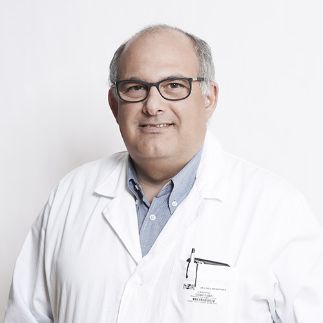 Ciceri Fabio合作论文数Universita Vita-Salute San Raffaele51
 I. M. Barkhatov合作论文数50
 Tatiana Gindina合作论文数48
 Didier Blaise合作论文数Institut Paoli-Calmettes;Université Aix Marseille40
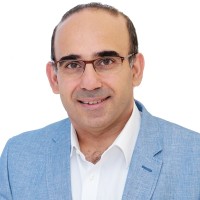 Mohamad Mohty合作论文数Clinical Hematology and Cellular Therapy Department, Saint-Antoine Hospital, Sorbonne University;Saint-Antoine Research Centre39Marina Popova合作论文数37Vlasova Yulia A合作论文数35
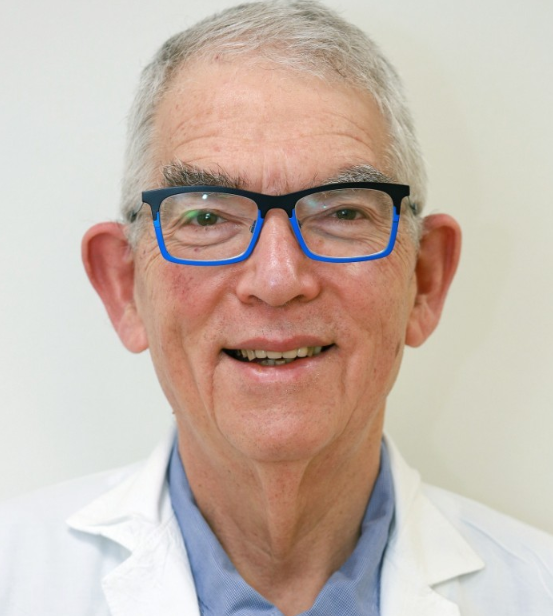 Arnon Nagler合作论文数Hemato-Oncology Center, Sheba Tel Hashomer City of Health;EBMT;Tel Aviv University;Israeli Bone Marrow Association35Vadim Baykov合作论文数Department of Pathology, First Pavlov State Medical University of St. Petersburg34I. A. Lisukov合作论文数32Elena Babenko合作论文数32
 Anna G. Smirnova合作论文数32Jaime Sanz合作论文数32е в семенова合作论文数31Jan Vydra合作论文数30
 Tatiana Bykova合作论文数30I. Lisukov合作论文数29Afanasyev Boris合作论文数29
 Simona Sica合作论文数28
 Tatiana Rudakova合作论文数27
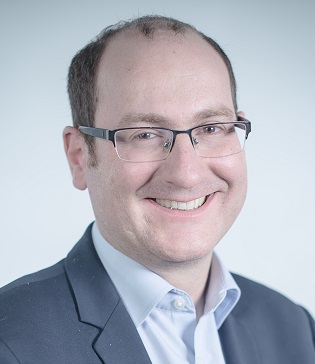 Regis Peffault De Latour合作论文数Department of Hematology and Bone Marrow Transplant, Saint-Louis Hospital27
 Anna Osipova合作论文数26
 Yener Koc合作论文数Stem Cell Transplant Unit, Medicana International Istanbul26Myriam Labopin合作论文数Hospital Saint-Antoine;University Paris625
 Ali Bazarbachi合作论文数Department of Internal Medicine, American University of Beirut25
 P.V. Kozhokar合作论文数24Natalia B. Mikhailova合作论文数24
 L. S. Zubarovskaya合作论文数23Eolia Brissot合作论文数Faculté de Médecine, Université de Nantes23Olesya Paina合作论文数22
 Maria D. Vladovskaya合作论文数Saint Petersburg State Medical University22
 Nicolaus Kröger合作论文数Department of Stem Cell Transplantation, University Medical Center Hamburg-Eppendorf;Center for Oncolog, University Medical Center Hamburg-Eppendorf;University of Hamburg22
 O. V. Goloshchapov合作论文数20
 Goda Choi合作论文数Academic Medical Center, University of Amsterdam;Academic Medical Center, University of Amsterdam;University of Amsterdam, University of Amsterdam20I. Kruchkova合作论文数19
 Mi Kwon合作论文数19
 A. Yu. Polushin合作论文数19Liudmila V Fedorova合作论文数19
 Maija Itala-Remes合作论文数19Moiseev Ivan S合作论文数19Stefania Bramanti合作论文数19E V Babenko合作论文数18
 Andrey Kozlov合作论文数18Elena Kondakova合作论文数17




