Immunized platelet transfusion refractoriness (immunized-PTR) correlates with poor outcomes in hematological malignancies (HM) patients during allogeneic hematopoietic stem-cell transplantation (allo-HSCT). The efficacy and outcomes of desensitization with rituximab (RTX) and therapeutic plasma exchange (TPE) for immunized-PTR remain controversial. The study included 83 Ab-negative non-PTR patients and 65 patients with severe immunized-PTR who underwent allo-HSCT. Based on pre-transplant desensitization, 30 and 35 patients were classified into the Ab-positive PTR-treatment and Ab-positive PTR groups. After desensitization, HLA antibodies were decreased (71 ± 19 vs. 26 ± 22, P <0.01), 14h-corrected count increment (CCI) was increased(14.64 ± 5.36 vs. 2.00 ± 1.33, P <0.001), and the cumulative incidence of platelet engraftment at day 21 and 6 months was higher (93.3
Patients with refractory/relapsed (R/R) B-cell acute lymphoblastic leukemia (B-ALL) harboring TP53 alterations have a dismal prognosis due to profound chemoresistance. While CD19 chimeric antigen receptor T-cell (CAR-T) therapy has shifted the treatment landscape, long-term efficacy in this high-risk subset remains limited. The dual-target CD19/22 CAR-T has been developed to enhance anti-tumor activity; however, its comparative efficacy and long-term survival relative to CD19 CAR-T in this high-risk population remain unclear and require further elucidation to inform clinical decision-making. This study included 55 patients with TP53-altered R/R B-ALL who were enrolled in clinical trials (NCT03919240, NCT03275493, and NCT03614858) and treated with either CD19 (n = 27) or CD19/22 (n = 28) CAR-T therapy. The outcomes assessed included the complete remission (CR) rate, minimal residual disease (MRD)-negative CR rate, overall survival (OS), leukemia-free survival (LFS), and cumulative incidence of relapse (CIR). Multivariable Cox regression models were used to estimate hazard ratios (HRs) for OS and LFS. The CR rate was high in both groups (CD19/22: 100
Central nervous system involvement in chronic graft-versus-host disease (CNS-cGVHD) is rare. This case report describes a young man who developed anti-glutamic acid decarboxylase 65 (GAD65) antibody-associated epilepsy after undergoing matched sibling donor hematopoietic stem cell transplantation. The therapeutic approach included intensive immunotherapy with methylprednisolone, immunoadsorption, Rituximab, and low-dose Daratumumab, in combination with four antiepileptic drugs and mycophenolate mofetil. This regimen led to a marked reduction in anti-GAD65 titers and an improvement in the NHS3 seizure severity score, decreasing from 8 to 3. Additionally, a review of the literature on post-transplant autoimmune encephalitis is also provided.
Dendritic cells (DCs) are central orchestrators of anti-tumor immunity, yet their therapeutic utility has been limited by dysfunction and insufficient activation within solid tumors. Here, we report chimeric antigen receptor-engineered DCs (CAR-DCs) that potently prime T cells and reprogram the tumor microenvironment. We identify the intracellular domains of CLEC9A or DEC205 as essential for functional CAR-DC activity, enabling enhanced antigen uptake, cross-presentation, and robust cytokine production that drive strong T cell expansion and effector differentiation. Mechanistically, CARs incorporating CLEC9A or DEC205 intracellular domains triggered SYK phosphorylation and downstream signaling pathways. In both murine and humanized models, CAR-DC therapy suppressed tumor growth and promoted expansion of tumor-reactive T cells. These findings establish CAR-DCs as a scalable and clinically translatable platform for next-generation solid tumor immunotherapy.
Chemical irritants or ultraviolet exposure can lead to an imbalance in skin barrier homeostasis and trigger various inflammatory skin diseases. Daphnetin, a bioactive coumarin compound extracted from the traditional Chinese medicine Cortex Daphnes (Zushima), has been shown to suppress skin lesions induced by chemical irritants such as DNCB or DNFB in mice. However, the molecular mechanism underlying the action of daphnetin remains unclear. Here, we report that daphnetin alleviates skin inflammation by directly targeting the calcium-permeable and warmth-selective TRPV3 channel. Subcutaneous administration or topical application of daphnetin efficaciously suppresses DNFB- or UVB-induced dermatitis in wild-type mice but confers no additional benefit in Trpv3 knockout mice. In whole-cell patch-clamp recordings, daphnetin selectively inhibits human and mouse TRPV3 channel currents induced by 2-APB in a concentration-dependent manner, with IC50 values of 19.91 ± 2.83 μM (hTRPV3) and 24.10 ± 2.20 μM (mTRPV3), respectively. The single-channel patch-clamp results show that daphnetin significantly reduces the open probability and open frequency without significantly altering the unitary conductance of TRPV3 channel. Molecular docking and site-directed mutagenesis indicate that residue Q580 on the S4-S5 linker and residue T665 on the S6 segment of TRPV3 are critical for daphnetin binding to TRPV3. Taken together, our results demonstrate that daphnetin exerts its anti-inflammatory effects by selectively inhibiting TRPV3 channel via a novel dual-binding-site mechanism. Thus, daphnetin not only provides a valuable tool compound for understanding TRPV3 channel gating mechanisms but also serves as a lead compound for further modification of specific TRPV3 channel inhibitors.
IntroductionAcute graft-versus-host disease (aGVHD) is a major cause of mortality following hematopoietic stem cell transplantation (HSCT). Its pathogenesis is primarily driven by alloimmune T cells, which recognize host tissues as foreign. A deeper characterization of the T cell receptor (TCR) repertoires in patients with aGVHD could provide critical insights into the disease's mechanisms and identify potential predictive biomarkers.MethodsWe employed next-generation sequencing to comprehensively profile the T cell receptor alpha (TRA) and beta (TRB) chains in HSCT recipients, comparing those with and without aGVHD. Our analysis focused on defining the functional kinetics of TCR clones, monitoring changes in overall T-cell diversity through the identification of complementarity-determining region 3 (CDR3) sequences, and quantifying the extent of clonal expansion within the T-cell population.ResultsOur analysis revealed that TCR repertoires exhibited significantly increased diversity in patients with active aGVHD compared to those without. Notably, this elevated diversity was dynamic and decreased as the symptoms of aGVHD improved clinically. Furthermore, TCR clustering analysis identified the presence of common TCR repertoire signatures among different patients who developed aGVHD, suggesting shared antigen-driven T cell responses.DiscussionThe dynamic changes and shared signatures within the TCR repertoire are closely associated with the development and resolution of aGVHD. These findings indicate that monitoring the TCR repertoire could serve as a valuable tool for predicting the onset of aGVHD. This approach holds promise for facilitating more personalized diagnostic and treatment strategies for aGVHD, and potentially for other T-cell-mediated pathologies.
ABSTRACT Objectives Studies on the efficacy and safety of haploidentical hematopoietic stem cell transplantation (haplo‐SCT) with anti‐thymocyte globulin (ATG) in patients aged ≥ 60 years remain limited. Methods We performed a study presenting data from 54 patients aged ≥ 60 years with hematologic malignancies who underwent haplo‐SCT with ATG. Results The median follow‐up was 15 months. The median overall survival (OS) at 1‐, 2‐, and 3‐year was 68.4%, 51.2%, and 47.6%, respectively. The cumulative incidence of non‐relapse mortality (NRM) at 1 and 3 years post haplo‐SCT was 22.9% and 34.8%, respectively. The cumulative incidence of 1‐ and 3‐years relapse rate was 11.3% and 25.6%. The 100‐day cumulative incidence of Grade II–IV acute graft‐versus‐host disease (aGvHD) was 23.1%, while the 3‐year cumulative incidence of extensive chronic graft‐versus‐host disease (cGvHD) was 10.4%. The absence of complete remission at the time of haplo‐SCT was identified as a risk factor for OS, relapse, and NRM. Conclusions Our study suggests that haplo‐SCT with ATG is a safe and effective treatment option for patients aged ≥ 60 years. Trial Registration: The authors have confirmed clinical trial registration is not needed for this submission.
Cytomegalovirus (CMV) is an increasingly recognized complication of chimeric antigen receptor T-cell (CAR-T) and bispecific antibody (BsAb) therapies for hematologic malignancies, driven by therapy-related immunosuppression and cumulative exposure to lymphodepleting or steroid regimens. Given China's high adult CMV IgG seroprevalence (>90%), baseline risk, interpretation of low-level DNAemia, and operational thresholds differ from low-seroprevalence settings, requiring context-specific guidance. This China-adapted, evidence-graded consensus was developed by a multidisciplinary panel from major centers using a modified Delphi process and Oxford Centre for Evidence-Based Medicine levels to translate international guidance into a high-seroprevalence setting. Recommendations prioritize early risk stratification and pragmatic surveillance. We advise routine CMV monitoring by real-time quantitative PCR during the first 30 days after therapy, with risk-adapted extension thereafter. Interpretation and treatment triggers are anchored to WHO-traceable IU/mL and specified by specimen matrix to support comparability across assays. Consideration of prophylaxis is proposed for well-defined high-risk subgroups, acknowledging the need for prospective validation. Syndrome-based diagnostic and treatment algorithms are provided for tissue-invasive disease, including CMV pneumonia and encephalitis, with guidance on antiviral induction, step-down, and monitoring for virologic response and drug toxicity. This consensus explicitly adapts international recommendations to China's epidemiology, assay practice, and drug accessibility. By standardizing prevention, surveillance, and management in CAR T-cell and BsAb recipients, this consensus aims to lower non-relapse mortality and improve long-term outcomes. Priority research needs include harmonized viral-load thresholds, validation of risk-adapted prophylaxis strategies, and studies that clarify the significance of low-level DNAemia in this population.
Epstein-Barr virus (EBV) reactivation is a common complication following allogeneic hematopoietic stem cell transplantation (allo-HSCT), particularly in patients receiving high-dose anti-thymocyte globulin (ATG)-containing conditioning regimens. If left untreated, EBV reactivation may progress to post-transplant lymphoproliferative disorder (PTLD), a life-threatening condition. While preemptive therapy with the standard dose of rituximab (RTX), 375 mg/m², is recommended for EBV-related complications, such a high dose may be unnecessary in post-transplant settings where the total lymphocyte mass is significantly reduced compared to lymphoma conditions. This retrospective study assessed the efficacy and safety of fixed low-dose RTX (100-200 mg per dose) as an exploratory dose de-escalation preemptive therapy for low-load EBV DNA-emia (<10,000 copies/mL) occurring within four months post-transplantation. Among 83 high-risk patients, RTX achieved a high EBV clearance rate of 93.9% (95% CI: 88.6%-99.2%), with comparable effectiveness observed between the 100 mg and 200 mg dosage groups. Viral clearance was rapid, with most patients becoming EBV-DNA negative after 1 to 2 doses. RTX was well tolerated, with no treatment discontinuations due to adverse events. Despite preemptive RTX, four patients (5%) developed PTLD, which aligns with previously reported rates in similar populations. At a median follow-up of 41.6 months, the 3-year overall survival (OS) rate was 67.7%, with no significant differences in OS, relapse, or nonrelapse mortality between the two dosage cohorts. These findings suggest that a fixed low-dose RTX regimen, as an exploratory dose de-escalation strategy, is safe, effective, and well-tolerated for the preemptive management of low-load EBV DNA-emia in allo-HSCT recipients. While these results are hypothesis-generating, they indicate rapid viral clearance and favorable long-term outcomes, warranting further validation in comparative studies.
This study aimed to develop a predictive nomogram model and to validate the value of tear interleukin-6 (IL-6) detection using the i-ImmunDx™ platform combined with ocular surface signs for the early diagnosis of ocular graft-versus-host disease (oGVHD). A total of 79 patients who underwent allogeneic hematopoietic stem cell transplantation (allo-HSCT) at the Fourth Affiliated Hospital of Soochow University from November 2021 to July 2024 were enrolled. They were randomly divided into a training set (49 cases) and a validation set (30 cases). Tear inflammatory factors in the training set were detected using flow cytometric bead array (CBA), while the validation set was analyzed with the i-ImmunDx™ system. Ocular surface signs, including lid margin hyperemia, lid margin irregularity, meibomian gland obstruction, meibum quality and conjunctival lesion were recorded for all patients. Stepwise logistic regression identified ln(IL-6), lid margin hyperemia, lid margin irregularity, and meibomian gland obstruction as significant predictors associated with oGVHD. A nomogram model was constructed based on these factors. The model’s performance was evaluated using receiver operating characteristic (ROC) curves, Hosmer-Lemeshow tests, and decision curve analysis (DCA). The area under the curve (AUC) values for the training and validation sets were 0.93 (95
PurposeTo investigate the outcome of single amniotic membrane transplantation (AMT) in the treatment of corneal melting associated with ocular graft-versus-host disease (oGVHD) after allogeneic hematopoietic stem cell transplantation (HSCT), and to explore the correlative risk factors.MethodsA retrospective case series study. Data of 303 patients with oGVHD were reviewed, and cases of corneal melting undergoing AMT were collected. Patients were divided into the single-AMT success group and the single-AMT failure group according to the recurrence of corneal melting within 6 months after receiving the initial AMT. The preoperative ocular assessments (including corneal fluorescence staining, conjunctival congestion, lid margin lesion score, and corneal optical coherence tomography) and characteristics related to HSCT were compared between the two groups.ResultsA total of 31 patients were enrolled in this retrospective study, comprising 21 males (67.74%). At 6 months after the initial AMT, 21 cases achieved corneal healing, while corneal melting recurred in 10 cases. There were no differences in the primary disease and donor sources between the single-AMT success group and the failure group. The incidence of lung GVHD in the failure group was higher than that in the success group (OR = 8.021, 95% CI: 1.379 to 64.902, p = 0.020).ConclusionAmniotic membrane transplantation can be used as a treatment for oGVHD-related corneal melting. Lung GVHD may be associated with the failure of single AMT surgery. It is recommended to strengthen postoperative immune regulation and follow-up management.
Introduction Mixed phenotype acute leukemia (MPAL) is a rare type of leukemia with a poor prognosis and lack of standard treatment. Venetoclax (ven) plus azacitidine (aza) has been the standard care for patients with newly-diagnosed acute myeloid leukemia who are unfit for intensive chemotherapy. Methods We retrospectively analyzed the efficacy and safety of the ven-aza-based chemo-free regimen as induction therapy in patients with newly-diagnosed MPAL at the First Affiliated Hospital of Soochow University from July 2021 to October 2023. Results Sixteen patients were enrolled with a median age of 45 years in whom six patients bearing BCR-ABL1 fusion gene. The response rate was 100%, including 9 (56.3%) patients who achieved complete response and 7 (43.7%) patients who achieved complete remission with incomplete blood count recovery. Eight (50%) patients attained measurable residual disease negativity. Thirteen (81.3%) patients received hematopoietic stem cell transplantation (HSCT), 10 of whom underwent HSCT in their first remission. Four (25%) patients experienced relapse, the median time to relapse after remission was 3.7 months. The median follow-up was 30.8 (16.2-43.6) months. The 3-year event-free survival and overall survival were 67.5% (95%CI, 43.8%-91.2%) and 85.7% (95%CI, 67.3%-104.1%), respectively. The severe adverse events were limited to hematologic toxicity and infections and no treatment-related deaths. Conclusions The ven-aza-based chemo-free regimen demonstrated high efficacy and safety in newly-diagnosed MPAL, enabling these patients to receive individualized post-induction strategies and improve long-term prognosis.
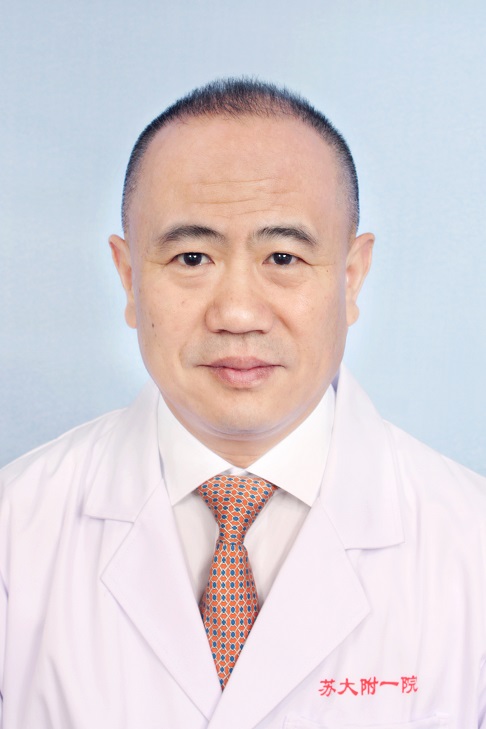 Depei Wu (吴德沛)合作论文数The First Affiliated Hospital of Soochow University;State Key Laboratory of Radiation Medicine and Protection, Soochow University369
 Aining Sun合作论文数232Huiying Qiu (邱慧英)合作论文数156
 Zhengming Jin (金正明)合作论文数The First Affiliated Hospital of Soochow University132
 Yue Han (韩悦)合作论文数School of Life Science and Biotechnology, Shanghai Jiao Tong University120Xiao Ma合作论文数103SuNing Chen (陈苏宁)合作论文数102Shengli Xue合作论文数92Chengcheng Fu合作论文数91HuiYing Chou (仇惠英)合作论文数63Zhengzheng Fu合作论文数62HaiPing Dai (戴海萍)合作论文数55
 Guangsheng He (何广胜)合作论文数Jiangsu Province Hospital51Ying Wang合作论文数49Yang Xu合作论文数46
 Jia Chen合作论文数46XiaMing Zhu (朱霞明)合作论文数44
 Li Zheng合作论文数41XiaoJin Wu (吴小津)合作论文数40Qingya Cui合作论文数39Miao Miao合作论文数39
 Feng Chen (陈风)合作论文数Shanghai Sixth People’s Hospital38Jia Yin合作论文数31YueJun Liu (刘跃均)合作论文数29
 Lei Yu (俞磊)合作论文数School of Chemistry and Molecular Engineering, East China Normal University29Liqing Kang合作论文数28XiaoHui Hu (胡晓慧)合作论文数26
 Mingqing Zhu (朱明清)合作论文数Jiangsu Institute of Hematology, The First Affiliated Hospital of Soochow University26Guanghua Chen合作论文数24
 Changgeng Ruan (阮长耿)合作论文数Jiangsu Institute of Hematology, The First Affiliated Hospital of Soochow University;State Key Laboratory of Radiation Medicine and Protection, Soochow University;Tongji University24Yanming Zhang合作论文数24ZiLing Zhu (朱子玲)合作论文数23Wei Cui合作论文数Dept Pathol & Lab Med, Univ Kansas22Ye Zhao (赵晔)合作论文数21WeiRong Chang (常伟荣)合作论文数20Hui-Fen Zhou合作论文数Department of Inorganic Materials, Central South University20Hongjie Shen合作论文数19Y. Han合作论文数18Yuanhang Qiu合作论文数16Limin Liu合作论文数16XiuLi Wang (王秀丽)合作论文数16M Miao合作论文数14
 Xinliang Mao (毛新良)合作论文数School of Basic Medical Sciences, Guangzhou Medical University14Jiaqian Qi (戚嘉乾)合作论文数13Yunju Ma合作论文数13Sining Liu合作论文数13
 Qingzhu Zhang (张庆竹)合作论文数Environment Research Institute, Shandong University13Caixia Li合作论文数12




