Objective:To develop and validate a noninvasive radiomics approach based on Sonazoid contrast-enhanced ultrasound (CEUS) for preoperative prediction of Glypican-3 (GPC3) status in solitary hepatocellular carcinoma (HCC) patients and to evaluate its association with early recurrence-free survival (RFS). Materials and Methods:This diagnostic accuracy study retrospectively included 278 solitary HCC patients at a grade A Tertiary Hospital (2020.3-2024.1). Radiomics features were extracted from CEUS images, and robust feature selection was performed using minimum redundancy-maximum relevance (mRMR) and least absolute shrinkage and selection operator (LASSO). A logistic-regression radiomics model was trained and internally validated using a pathologic reference standard. A hybrid model combining the radiomics signature with significant clinical variables was then constructed. Model performance was assessed by the area under the receiver operating characteristic curve (AUC). RFS was compared using the log‑rank test. Results:Among 278 patients (median age, 57 years; IQR, 49-64 years; 232 males), alpha-fetoprotein (AFP) > 200 ng/mL and the radiomics score were independent predictors of GPC3 positivity. The hybrid model integrating CEUS-based radiomics features and AFP achieved AUCs of 0.81 (95% CI: 0.74-0.89) and 0.78 (95% CI: 0.66-0.89) in the training and validation sets, respectively, significantly outperforming the radiomics model (AUC 0.74 (95% CI: 0.65-0.83) and 0.67 (95% CI: 0.52-0.83), both p < 0.01). The radiomics score was not significantly associated with early RFS (p > 0.05). Conclusion:A hybrid model integrating CEUS-based radiomics features and AFP, developed in solitary HCC, shows potential for non-invasive preoperative prediction of GPC3 positive expression in HCC, which may facilitate personalized preoperative treatment planning for these patients. However, it did not predict early recurrence-free survival, and its prognostic value was not demonstrated in this study.
BACKGROUND:Transarterial chemoembolization (TACE) or systemic treatments are recommended for unresectable hepatocellular carcinoma (uHCC) but have low conversion-to-resection rates. This single-arm phase II trial (PLATIC) aims to investigate the conversion efficacy of PD-1 inhibitor sintilimab, lenvatinib plus TACE and hepatic arterial infusion chemotherapy (TACE-HAIC) in uHCC. METHODS:57 uHCC patients received 200 mg of sintilimab and lenvatinib (8/12 mg for body weight <60 kg or ≥60 kg) and TACE-HAIC every 3-4 weeks. The primary endpoint was conversion-to-resection rate. A historical-based cohort treated with TACE-HAIC was included as control. FINDINGS:After a median of three treatment cycles, 44 (77.2%; 95% confidence interval [CI], 0.64-0.87]) patients underwent conversion resection. The objective response rates were 80.7% (95% CI, 0.68-0.90) according to modified Response Evaluation Criteria in Solid Tumors (mRECIST) and 43.8% (95% CI, 0.31-0.58) according to RECIST 1.1. Grade ≥ 3 treatment-related adverse events (TRAEs) occurred in 37 (64.9%) patients; no treatment-related deaths were reported. Among the 44 patients receiving resection, the median progression-free survival (PFS) was 17.3 months, and the median overall survival (OS) was unavailable. After inverse probability of treatment weighting analysis, the PLATIC cohort exhibited longer PFS (hazard ratio [HR] = 0.55, 95% CI, 0.33-0.94; p = 0.020) and OS (HR, 0.50, 95% CI, 0.28-0.92; p = 0.029) than the historical cohort. CONCLUSIONS:Sintilimab, lenvatinib, and TACE-HAIC demonstrated favorable conversion-to-resection rates and acceptable TRAEs in uHCC. FUNDING:Supported by grants from the National Natural Science Foundation of China (no. 82172815 and 82272887) and Cancer Innovative Research Program of Sun Yat-sen University Cancer Center (no. PT22040201).
To develop and validate a machine learning model integrating ultrasound radiomics and clinicopathological parameters to predict intrahepatic recurrence in colorectal cancer liver metastases (CRLM) patients after curative hepatectomy. This retrospective study enrolled 278 eligible CRLM patients (age, 55 ± 12 years; male, 188) from two centers, including a main cohort (n = 224, July 2010–February 2021) and an external cohort (n = 54, February 2015–October 2020). Patients were stratified by recurrence status during a 2-year follow-up. Preoperative ultrasound images and clinicopathological parameters were collected. Radiomics features were extracted from liver metastases, peri-tumor areas, and disease-free liver parenchyma. Using least absolute shrinkage and selection operator (LASSO) analysis and support vector machine algorithms, three predictive models were developed: clinical, radiomics, and clinical-radiomics combined (cRadiomics) models. Model performance was assessed using five-fold cross-validation (main cohort) and external validation (external cohort), with metrics including receiver operating characteristic (ROC) curve, the area under the ROC curve (AUC), accuracy, sensitivity, and specificity. Six clinical parameters (pathological lymph node positivity, synchronous liver metastases, bilobar liver metastases, preoperative chemotherapy, use of targeted drugs, and preoperative CA19-9 > 200 U/mL) and seven radiomics features were identified as strong predictors. The cRadiomics model achieved AUC values of 0.811 (95
Background:To evaluate the clinical utility of ultrasound radiomics in predicting parotid lymph node metastasis (PLNM) in nasopharyngeal carcinoma (NPC) patients. Methods:Grayscale ultrasound (US) images of parotid gland nodules were segmented, and radiomics features were extracted. An support vector machine (SVM) model was built using the Least Absolute Shrinkage and Selection Operator (LASSO) algorithm for feature selection. Different SVM models were built based on clinical characteristics, radiomics features, and a combination of these features. Performance of the models was assessed using the area under the curve (AUCs), sensitivity and specificity. Results:Among 406 patients (192 PLNM, 214 benign), a total of 406 nodules were included in this study. Thirty-one radiomics features were selected as significant using the LASSO algorithm from the 474 extracted radiomics features. In the clinical model, NPC patients with suspicious parotid gland nodules of irregular shape, poorly defined margins, long/short axis ratio (LSR) <1, and posterior acoustic enhancement (PAE) were significant variables for PLNM (p<0.05). In the validation dataset, the AUC were 0.916 (95% CI: 0.876-0.983) in the clinical model, 0.830 (95% CI: 0.784-0.872) in the single radiomics model, and 0.928 (95% CI: 0.792-0.945) in the combined model. The calibration curve of the different models and decision curve analysis (DCA) demonstrated the diagnostic performance of the combined model. Conclusion:The combined model using ultrasound radiomics has clinical utility in identifying useful US features and enhancing the diagnostic accuracy of ultrasound for detecting PLNM in patients with NPC.
Recently, a hepatic arterial infusion chemotherapy (HAIC)-associated combination therapeutic regimen, comprising HAIC and systemic therapies (molecular targeted therapy plus immunotherapy), referred to as HAIC combination therapy, has demonstrated promising anticancer effects. Identifying individuals who may potentially benefit from HAIC combination therapy could contribute to improved treatment decision-making for patients with advanced hepatocellular carcinoma (HCC). This dual-center study was a retrospective analysis of prospectively collected data with advanced HCC patients who underwent HAIC combination therapy and pretreatment contrast-enhanced ultrasound (CEUS) evaluations from March 2019 to March 2023. Two deep learning models, AE-3DNet and 3DNet, along with a time-intensity curve-based model, were developed for predicting therapeutic responses from pretreatment CEUS cine images. Diagnostic metrics, including the area under the receiver-operating-characteristic curve (AUC), were calculated to compare the performance of the models. Survival analysis was used to assess the relationship between predicted responses and prognostic outcomes. The model of AE-3DNet was constructed on the top of 3DNet, with innovative incorporation of spatiotemporal attention modules to enhance the capacity for dynamic feature extraction. 326 patients were included, 243 of whom formed the internal validation cohort, which was utilized for model development and fivefold cross-validation, while the rest formed the external validation cohort. Objective response (OR) or non-objective response (non-OR) were observed in 63% (206/326) and 37% (120/326) of the participants, respectively. Among the three efficacy prediction models assessed, AE-3DNet performed superiorly with AUC values of 0.84 and 0.85 in the internal and external validation cohorts, respectively. AE-3DNet's predicted response survival curves closely resembled actual clinical outcomes. The deep learning model of AE-3DNet developed based on pretreatment CEUS cine performed satisfactorily in predicting the responses of advanced HCC to HAIC combination therapy, which may serve as a promising tool for guiding combined therapy and individualized treatment strategies. Trial Registration: NCT02973685.
e16000 Background: Esophageal squamous cell carcinoma (ESCC) with cervical lymph node metastasis (CLNM) has a poor prognosis. Guidelines recommend chemotherapy combined with immunotherapy (CIT), showing 26-45% 1-year progression-free survival, with local recurrence rates reaching 40%. Neoadjuvant CIT shows increasing efficacy and safety for ESCC. Patients with CLNM have better survival than those with other distant metastases and may benefit from surgery. Adding surgery to CIT could improve outcomes. This retrospective pilot study may offer clinical insights. Methods: From January 2023 to December 2024, 20 patients were pathologically confirmed of both ESCC and CLNM before initial therapy in our center and no other distant metastasis was indicated. They subsequently underwent neoadjuvant CIT, and received McKeown esophagectomy with three-field lymph node dissection. We retrospectively collected the response, survival and adverse events data from these patients. Results: The characteristics of the 20 patients were shown in the table. All received 3-4 cycles of neoadjuvant CIT except for one who underwent surgery after the second cycle due to cutaneous adverse reactions. 19 patients received camrelizumab, nab-paclitaxel, and S-1 regimen and 1 received tislelizumab, nab-paclitaxel and nedaplatin regimen. After neoadjuvant treatment, 90.0% (18/20) patients had cervical lymph nodes turned negative, with a median of 17 [interquartile range (IQR), 12-34] dissected cervical lymph nodes. The pathological complete response (pCR) for esophageal lesions was 40.0% (8/20), and the total pCR rate was 35.0% (7/20). The median postoperative stay was 15 days (IQR, 13-29.5). With a median follow-up of 8.2 months, the cohort exhibited a 1-year disease-free survival rate of 80%. One patient had recurrence at postoperative day 317. No death happened in the follow-up. Safety data showed no grade ≥3 treatment-related adverse events. The most common adverse event was anemia (40%). Postoperative complications included pneumonia (35%), recurrent nerve paralysis (15%), and anastomotic leak (10%), and no Clavien-Dindo grade ≥4 complications occurred. Conclusions: With manageable safety profiles, high pathological response rates and enhanced survival rates, neoadjuvant CIT shows significant potential for improving clinical outcomes in ESCC and CLNM. Further prospective trials are needed to fully evaluate the effectiveness and safety of this treatment strategy for these patients. Baseline characteristics of the patients. Characteristic Case No. (%) Clinical T staging ≥ 3 16 (80%) Clinical N staging ≥ 2 14 (14%) Baseline level VI CLNM 12 (60%) Baseline level V CLNM 1 (5%) Baseline level IV CLNM 15 (75%) Bilateral CLNM 5 (20%) Baseline CLNM amount (ultrasound indicated) 1 5 (25%) >1 15 (75%)
OBJECTIVE:Early assessment of treatment response following locoregional therapy remains a challenge in managing hepatocellular carcinoma (HCC). Recent advancements in contrast-enhanced ultrasound (CEUS) have demonstrated significant potential in the early assessment of tumor viability. This study compared the evaluation capabilities of CEUS and CT/MRI in assessing treatment response to hepatic arterial infusion chemotherapy (HAIC) and transarterial chemoembolization (TACE). MATERIALS AND METHODS:This study included patients who had received TACE or HAIC between 2010 and 2024. 1:1 propensity score matching was used to reduce confounding bias between the TACE and HAIC groups. A comparative analysis was carried out using pathological complete response of treated lesions as the reference standard to assess the diagnostic performance of CEUS and CT/MRI across different treatment strategies. RESULTS:A total of 154 patients with 167 observations were ultimately included. In the propensity score matching cohort, CEUS and CT/MRI demonstrated similar diagnostic performance, with no significant differences in sensitivity (96% vs 92%, p = 0.07) or specificity (67% vs 57%, p > 0.99). Additionally, CEUS showed comparable results between HAIC and TACE groups in both sensitivity (98% vs 94%, p = 0.61) and specificity (50% vs 77%, p = 0.35). CONCLUSION:CEUS demonstrated no significant difference in diagnostic performance compared with CT/MRI in evaluating HCC treatment response to HAIC and TACE.
Background:The widely accepted view that portal hypertension (PHT) is a con-traindication to hepatectomy for patients with hepatocellular carcinoma (HCC)is being increasingly challenged. The long-term survival outcomes and safetyof partial hepatectomy versus interventional treatment using ablation with orwithout pre-ablation transarterial chemoembolization (TACE) in patients withHBV-related HCC within the Milan criteria and with clinically significant PHTwere compared in this study. Methods:This open-label randomized clinical trial was conducted on consecu-tive patients with clinically PHT and hepatitis B virus (HBV)-related HCC withtumors which were within the Milan criteria. These patients were randomized1:1 to receive either partial hepatectomy or interventional treatment betweenDecember 2012 and June 2018. The primary endpoint was overall survival (OS);secondary endpoints included recurrence-free survival (RFS) and therapeuticsafety. Results:Each of the 2 groups had 80 patients. The 1-, 3- and 5-year OS ratesin the partial hepatectomy group and the interventional treatment group were95.0%, 86.2%, 69.5% versus 93.8%, 77.5%, 64.9%, respectively (P=0.325). Thecorresponding RFS rates were 78.8%, 55.0%, 46.2% versus 71.3%, 52.5%, 45.0%,respectively (P=0.783). The partial hepatectomy group had a higher compli-cation rate compared to the interventional group (67.5% vs. 20%,P<0.001).However, the differences were mainly in Clavien-Dindo Grade I complications(P<0.001), while not significant in Grade II/III/IV/V (AllP>0.05). Conclusions:This study shows that partial hepatectomy treatmentdid not meetprespecified significance for improved OS and RFS compared to interventionaltreatment for patients with HBV-related HCC within the Milan criteria and withclinically significant PHT. However, partial hepatectomy is still a safe procedureand should be considered as a treatment option rather than a contraindication.
BACKGROUND:Hepatectomy is the optimal treatment for less than 20 % patients with hepatocellular carcinoma (HCC). A combination of hepatic artery infusion chemotherapy and systemic therapy-based conversion therapy provides a chance of resection for those with unresectable HCC. Yet, the prognosis for those successfully conversion resection is still unknown. The study is to determine the factors predicted prognosis of patients after conversion hepatic resection. METHODS:A total of 343 HCC patients underwent hepatectomy following conversion therapy from August 2018 to April 2023. Univariate and multivariate analysis were used to screen for independent factors affecting patients' prognosis. RESULTS:One hundred and fifty-seven (45.8 %) patients developed recurrence or metastasis at a median time of 16.7 months (95 % CI 12.4-21.0 months) from hepatectomy. Univariate and multivariate analysis identified tumor number, alpha fetoprotein (AFP) response, tumor response, and successful downstaging were independent recurrent-free survival related predictors. Albumin bilirubin (ALBI) score and AFP response were independent death related predictors. CONCLUSIONS:Clinical parameters reflecting the depth of conversion therapy response, were promising in predicting prognosis for HCC patients after conversion hepatic resection.
BACKGROUND:We aimed to evaluate the role of Contrast-enhanced intraoperative ultrasound (CE-IOUS) with perfluorobutane microbubbles (Sonazoid) in improving the prognosis of patients with unresectable colorectal cancer liver metastases (CRLM). METHODS:A total of 130 Patients with unresectable CRLM who underwent curative hepatic resection at our institute were retrospectively analyzed. Of these 130 enrolled patients, 67 underwent intraoperative ultrasound alone (IOUS group); 63 underwent additional CE-IOUS and IOUS (CE-IOUS group). Normalized inverse probability treatment weighting (IPTW) was employed to balance baseline characteristics between groups. Hepatic recurrence-free survival (HRFS) and overall survival (OS) were compared. RESULTS:The treatment strategy was altered in 25 patients (25/63, 39.9%) due to the additional use of CE-IOUS. After applying IPTW, the CE-IOUS group exhibited a significantly lower rate of hepatic recurrence (hazard ratio [HR], 0.55; 95% confidence interval [CI] 0.32-0.95; P = 0.032). Subgroup analysis showed that CE-IOUS provided a significant benefit over IOUS in patients with bilobar liver metastases (P = 0.007), or with a number of live tumors < 3 (P = 0.021), or without DLM (P = 0.018), or with extrahepatic metastasis (P = 0.034), or with a minimum of 6 cycles of systemic therapy (P = 0.03). CONCLUSIONS:CE-IOUS is necessary for unresectable CRLM after preoperative chemotherapy, as it enhances detection accuracy and improves the prognosis of unresectable CRLM patients.
BACKGROUND:The optimal subsequent management for patients with initially unresectable hepatocellular carcinoma (uHCC) who have achieved complete response (CR) following conversion therapy remains unclear. This study aims to evaluate the feasibility and outcomes of the watch-and-wait (W-W) strategy versus surgical resection (SR) for these patients. MATERIALS AND METHODS:This retrospective study reviewed patients with initially uHCC who underwent conversion therapy employing transarterial therapies combined with or without systemic therapies. Radiologic CR (rCR), clinical CR (cCR), and pathologic CR (pCR) were evaluated. Overall survival (OS) and progression-free survival (PFS) were compared between the W-W and SR groups. RESULTS:Among 1880 patients with uHCC who underwent conversion therapy, 207 (11.0%) achieved rCR. Finally, we enrolled 149 patients meeting the inclusion criteria, including 74 receiving W-W strategy and 75 undergoing SR. Among the 149 patients with rCR, the W-W group demonstrated comparable 3-year OS rates to the SR group (80.9 vs 83.1%, P =0.77), but demonstrated inferior PFS rates (14.4 vs 46.5%, P =0.002). These results remained consistent after propensity score matching. For the 57 patients who achieved cCR, the W-W group exhibited comparable 3-year OS (88.1 vs 87.9%, P =0.89) and PFS rates (27.8 vs 40.8%, P =0.34) compared to SR group. Among the 75 patients in the SR group, 31 (41.3%) achieved pCR and 44 (58.7%) reached non-pCR. When compared with patients with pCR, those who achieved rCR in the W-W group showed comparable OS but inferior PFS rates. Moreover, patients who achieved rCR in the W-W group displayed both comparable OS and PFS rates to those with non-pCR. CONCLUSION:The W-W strategy offered comparable survival outcomes to SR in patients with initially uHCC who achieved rCR or cCR after conversion therapy. For these patients, the W-W strategy could be offered as an alternative treatment option.
PDF file - 88KB, Supplementary Figure 5. Time to recurrence (TTR) and overall survival (OS) curves based on SYK(L) and SYK(S) co-expression.
PDF file - 166KB, Supplementary Figure 3. Effects of suppressed expression of SYK(L) or SYK(S) on cell proliferation and invasion in Huh7 SYK(L)-positive (A), MHCC-97H both SYK(L) and SYK(S)-positive (B), and SMMC7721 cells ectopically expressing SYK(L) (C) or SYK(S) (D).
PDF file - 154KB, Supplementary Figure 2. Differential subcellular distribution of SYK(L) and SYK(S) in HCC.
It is critical to understand factors associated with nasopharyngeal carcinoma (NPC) metastasis. To track the evolutionary route of metastasis, here we perform an integrative genomic analysis of 163 matched blood and primary, regional lymph node metastasis and distant metastasis tumour samples, combined with single-cell RNA-seq on 11 samples from two patients. The mutation burden, gene mutation frequency, mutation signature, and copy number frequency are similar between metastatic tumours and primary and regional lymph node tumours. There are two distinct evolutionary routes of metastasis, including metastases evolved from regional lymph nodes (lymphatic route, 61.5%, 8/13) and from primary tumours (hematogenous route, 38.5%, 5/13). The hematogenous route is characterised by higher IFN-γ response gene expression and a higher fraction of exhausted CD8+ T cells. Based on a radiomics model, we find that the hematogenous group has significantly better progression-free survival and PD-1 immunotherapy response, while the lymphatic group has a better response to locoregional radiotherapy.
PDF file - 114KB, Supplementary Figure 4. Suppression of MAPK/ERK signaling by SYK(L), but not SYK(S), in HCC cell lines and xenografts.
Ultrasound imaging can vary in style/appearance due to differences in scanning equipment and other factors, resulting in degraded segmentation and classification performance of deep learning models for ultrasound image analysis. Previous studies have attempted to solve this problem by using style transfer and augmentation techniques, but these methods usually require a large amount of data from multiple sources and source-specific discriminators, which are not feasible for medical datasets with limited samples. Moreover, finding suitable augmentation methods for ultrasound data can be difficult. To address these challenges, we propose a novel style transfer-based augmentation framework that consists of three components: mixed style augmentation (MixStyleAug), feature augmentation (FeatAug), and mask-based style augmentation (MaskAug). MixStyleAug uses a style transfer network to transform the style of a training image into various reference styles, which enriches the information from different sources for the network. FeatAug augments the styles at the feature level to compensate for possible style variations, especially for small-size datasets with limited styles. MaskAug leverages segmentation masks to highlight the key regions in the images, which enhances the model’s generalizability. We evaluate our framework on five ultrasound datasets collected from different scanners and centers. Our framework outperforms previous methods on both segmentation and classification tasks, especially on small-size datasets. Our results suggest that our framework can effectively improve the performance of deep learning models across different ultrasound sources with limited data.
Supplementary Figure legends. this file provide figure legenDs for three supplementary figures
 Yunfei Yuan (元云飞)合作论文数Sun Yat-sen University Cancer Center50
 Binkui Li (李斌奎)合作论文数37Yun Zheng (郑云)合作论文数27Jiliang Qiu合作论文数27
 Wei He合作论文数24
 Anhua Li (李安华)合作论文数.State Key Laboratory of Oncology in Southern China,Department of Ultrasound,Cancer Center,Sun Yant-sen University,Guangzhou ,China22
 Jing-Xian Shen合作论文数21Yadi Liao (廖亚帝)合作论文数21
 Jian Hong (洪健)合作论文数School of Medicine, Jinan University20
 Pinzhu Huang合作论文数Cancer Center, Sun Yat-sen University18
 Feng Han (韩峰)合作论文数Sun Yat-Sen University Cancer Center16
 Yuanping Zhang合作论文数12
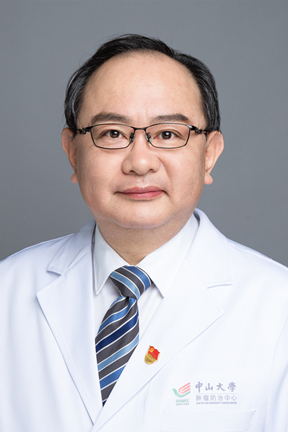 Ming Shi (石明)合作论文数Sun Yat-sen University Cancer Center12
 Chenwei Wang合作论文数11
 Wenwu Liu合作论文数Sun Yat-sen University Cancer Center11
 Yixin Zeng (曾益新)合作论文数Department of Experimental Research, Sun Yat-Sen University Cancer Center11
 Liang Yi (易良)合作论文数11
 Jianhua Zhou (周建华)合作论文数School of Biomedical Engineering, Sun Yat-sen University11Wenyu Lin合作论文数11
 Chuanlong Zhu (朱传龙)合作论文数The First Affiliated Hospital, Nanjing Medical University;The Second Affiliated Hospital of Hainan Medical University11Yichuan Yuan合作论文数10Chuan Peng合作论文数10Li Qijiong合作论文数10Jia Le Dai合作论文数10
 Raymond Chung合作论文数Mass General Research Institute, Massachusetts General Hospital;Harvard Medical School9
 Rongping Guo (郭荣平)合作论文数Sun Yat-Sen University Cancer Center9
 Zhiwen Yang合作论文数8Xiaoqing Pei合作论文数8Zongwei Wang合作论文数7Yong-Fa Zhang (张永法)合作论文数7
 Haiqiang Mai (麦海强)合作论文数Sun Yat-sen University Cancer Center7
 Jianping Wang (汪建平)合作论文数Second People's Hospital of Yunnan Province7
 Mingyuan Chen (陈明远)合作论文数Sun Yat-sen University Cancer Center7
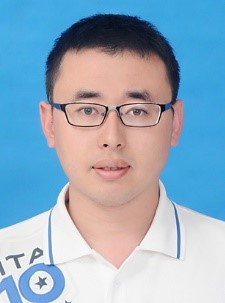 Kai Li (李凯)合作论文数State Key Laboratory of Rare Earth Resource Utllization, Changchun Institute of Applied Chemistry, Chinese Academy of Sciences7Dinglan Zuo合作论文数5Jianwei Wang合作论文数5
 Minke He合作论文数5Huifang Li合作论文数5Yongjin Wang合作论文数5YongHong Xiong (熊永红)合作论文数5
 Laura Beretta合作论文数Department of Molecular and Cellular Oncology, The University of Texas MD Anderson Cancer Center5
 Pei-Yu Huang (黄培钰)合作论文数Department of Nasopharyngeal Carcinoma, Sun Yat-sen University Cancer Center5
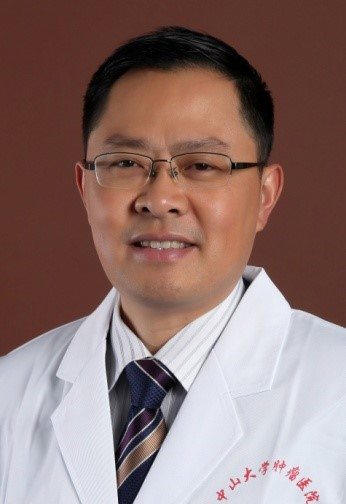 Chaonan Qian (钱朝南)合作论文数Department of Nasopharyngeal Carcinoma, Cancer Center, Sun Yat-sen University;Guangzhou Concord Cancer Center5
 Qiuyan Chen (陈秋燕)合作论文数Sun Yat-sen University Cancer Center5Silvia Cermelli合作论文数4Han-Yue OuYang合作论文数4Kyle Muir合作论文数4Yu-Long Xie合作论文数4




