Spaceflight analog missions incorporate exercise countermeasures to mitigate the negative effects of isolation, reduced activity, and monotony on crew health and performance. Time-efficient, low-risk monitoring of aerobic fitness can be obtained from kinetic responses to moderate-intensity work rate changes to evaluate countermeasure efficacy, ensure mission readiness, and adapt strategies in real time to meet mission objectives. Within two four-month isolation missions (Sirius-19, N = 6, endurance countermeasure training & Sirius-21, N = 5, endurance and resistance countermeasure training), a monitoring test assessed aerobic fitness by cardiorespiratory kinetics (i.e., peak response and time course) and cognition by inhibitory control (i.e., Flanker Task) during steady-state exercise once before and every four weeks during isolation. The time courses of HR and V-center dot O-2 kinetics responses were not significantly different between test days (both p > 0.507, eta(2)(P) < 0.084) but were slowed after periods without exercise training. Lower HR and V-center dot O-2 demands during steady-state exercise suggested improvements in aerobic fitness, unaffected by the participants' baseline fitness (p = 0.721, eta(2)(P) = 0.017). Cognition was preserved during the mission (p > 0.863, eta(2)(P) < 0.197), but Accuracy and the Flanker Effect were negatively affected by exercise intensity (p < 0.050, eta(2)(P) < 0.349) without differences between campaigns (p = 0.875, eta(2)(P) = 0.004). Combined monitoring of cognition and cardiorespiratory kinetics proved time-efficient and low-risk, providing valuable regulatory information to assess aerobic fitness. We recommend controlling baseline fitness and consistent countermeasure regimes for analog studies to facilitate the translation of findings to space missions and reduce confounding variables.
Relevance. Prolonged exposure to weightlessness causes serious violations of the functions of the physiological systems of the body: redistribution of fluids in the cranial direction, loss of bone and muscle mass, decreased aerobic performance, orthostatic intolerance, space motion sickness. These effects make it difficult to adapt to the conditions of Earth's gravity and pose a critical risk for future interplanetary missions (to the Moon, Mars), where assistance to the crew at the landing site is impossible. Goal. To systematize modern software and hardware tools for the prevention of negative effects of weightlessness currently used on the International Space Station (ISS), with an emphasis on the Russian segment, and to evaluate their effectiveness. Methods. Comparative assessment of Russian (BD-2, WB-3M, “Chibis”, etc.) and international (ARED, CEVIS, T2) preventive measures on the ISS, review of training programs (the Russian system for preventing the negative effects of weightlessness with an emphasis on performing natural locomotion - walking and running; NASA program with the predominance of strength training) and scientific literature. Results. Physical training is the basis for the prevention of negative effects of weightlessness: - on a treadmill with axial loading, it is a key tool for maintaining the functions of the cardiovascular system, aerobic performance, orthostatic stability and the ability to perform natural locomotion - walking and running. Running in the "passive" mode of treadmill movement and fast running are especially effective; on a strength trainer - the most effective remedy against bone loss and muscle atrophy (the main training tool of NASA); - on the bicycle ergometer - they support the aerobic/anaerobic capabilities. Additional means in the Russian countermeasure system are: occlusal cuffs used at the initial stage of the flight; muscle stimulators and a support unloading compensator, which are used at the request of the cosmonaut during the flight; a suit for creating negative pressure on the lower body (pneumatic vacuum suit "Chibis"), used at the final stage of the flight; water-salt additives and an anti-overload The Centaur anti-g suit. When comparing the approaches, it was revealed that the Russian system focuses on performing natural locomotion - walking and running on a treadmill, while the system of NASA partners focuses on cycling (CEVIS cycle ergometer) and strength training (ARED strength trainer). Conclusions. Existing means and methods of prevention of negative effects of microgravity, based on performing physical training on special simulators, significantly mitigate the negative effects of weightlessness on the ISS. The Russian approach to preventing the negative effects of weightlessness consists primarily in performing natural locomotion - walking and running, with an emphasis on fast running and running in the "passive"mode of treadmill. The international partners on the ISS focus on performing cycling and strength training. Nevertheless, the problem of protecting the human body from the negative effects of weightlessness has not been completely solved, no system guarantees complete prevention of physiological changes and rapid readaptation to gravity. For future interplanetary missions, it is necessary to further optimize training protocols and develop new methods of dosing and load adjustment using modern information technologies.
The planning of interplanetary missions makes it important to search for indicators reflecting the state of functional reserves of the human organism during adaptation to weightlessness. The paper discusses the results obtained during the approbation of a new locomotor test in a group of cosmonauts who performed a six-month flight and for a cosmonaut who performed a one-year flight. The state of the cardiorespiratory and neuromuscular system was assessed when performing the standard locomotor test 'Individual Strategies' on a treadmill. Sufficient stability of the parameters characterising the state of the cardiovascular system in long and ultra-long space flights was shown. The depth of functional rearrangements in the cardiorespiratory system after a one-year mission did not exceed the changes after six-month missions. An important practical result is the possibility for a cosmonaut to run at a speed of 15 km/h on the ninth day after a one-year space flight.
Human expedition to Mars is a mission with untold risks and rewards. Of all the planets, Mars could conceivably be inhabited by humans in the later part of the 21st century. The International Academy of Astronautics (IAA) assembled a diverse, international group of subject matter experts to evaluate a task. This group, SG-2.14, concentrated its efforts on the Medical Support for an International Human Expedition to Mars. This is a summary of a report entitled ‘Challenges in Medical Support for an International Human Expedition to Mars’. This report summarizes the current and potential future challenges and opportunities that we will face on any expedition and eventual settlement on the Martian surface. It highlights the findings and assertions of the final report to the IAA.
Синтезированы гибридные гидрогели посредством прививки акриламида к макромолекулам картофельного крахмала по радикальному механизму в водно-полимерных системах. В качестве инициатора полимеризации использовали персульфат аммония, а в качестве сшивающего агента ‒ N,N′-метилен-бис-акриламид. Структура и свойства привитого сополимера крахмала с акриламидом изучена методами фурье-ИК-спектроскопии, рентгенофазового анализа и термогравиметрии. Высказано предположение, что центрами прививки полиакриламида к макромолекулам крахмала являются преимущественно первичные атомы углерода полисахарида. Изучено влияние массовых соотношений реагентов на сорбционные и реологические свойства полученных гидрогелей. Проведено химическое модифицирование гидрогелей на основе привитых сополимеров крахмала с акриламидом посредством щелочного гидролиза. Установлено влияние гидролиза на сорбционную способность гидрогелей по отношению к ионам тяжелых металлов (на примере ионов Cu(II)).
The phase state of Cu2+ complexes with acrylamide and sodium acrylate copolymers at different copolymer concentrations and components molar ratios was studied. The change in complex stoichiometry from 2 to 3 carboxylate groups per Cu2+ ion was detected with an increase of copolymer concentration. In the concentrated solutions of copolymers, gelation is observed upon addition of Cu2+ ions, with the lowest concentration of copper required for gelation decreasing with the increase in copolymer concentration. These hydrogels are attributed to the formation of meta-stable inter-polymer metal complexes, which are able to persist due to a low segment mobility. The phase separation of complexes is shown to be associated with the bidentate coordination of carboxylate groups to Cu2+ ions, while the hydrogels formed in concentrated solutions mostly consist of bridging structures. Gelation threshold corresponds to the second critical concentration of poly(acrylamide-co-sodium acrylate) and is lower for copolymers with the higher molecular weight. Low acrylate content in the copolymers prevents collapse of the hydrogels caused by the salting-out effect. A higher gel content can be reached by increasing the copolymer concentration or the molar ratio of copper ions to carboxylate groups, with the latter reducing the swelling degree.
According to the existing scenarios of interplanetary missions, the Moon is considered as an intermediate base on the way to deep space. The paper presents the results of a pilot study performed during a short-term space flight. A new experience of using countermeasure impacts of lower body negative pressure at the early stages of adaptation to microgravity conditions has been gained. Preparation for extravehicular activity on the Moon's surface requires milder LBNP effects in comparison with preparation for return to Earth. Regulatory mechanisms of the cardiovascular system proved to be quite effective when creating decompression up to -20 mm Hg. For the first time the dynamics of motor control system readaptation, verticalization strategy and success of dual task solution from the first to the third day after the short-term space flight is described. Unique data on rearrangements of gravity-dependent physiological systems in short-term flight have been obtained. Assessment of the state of gravity-dependent physiological systems after short-term flight indicates the decrease of functional reserves of the organism and the necessity to develop appropriate countermeasures. The study was one of the first steps in the development of new medical control operations at the stage of paradigm shift from orbital flights to deep space exploration.
In the first days after a spaceflight (SF), re-entry motion sickness and motor coordination problems reflect the need to readapt back to the natural gravitational state. Gravity is a natural stimulus for the receptors of vestibular apparatus, which plays an important role in multisensory interactions. Changes indicating an increase in excitability of the vestibular apparatus during SF (Kornilova et al., 2017) suggest a high probability of the occurrence of gaze-evoked nystagmus after prolonged SF. Russian-American experiment "Field Test" included a nystagmus test. 22 ISS crewmembers (14 Russian cosmonauts and 8 astronauts; flight duration 159.8 +/- 19.5 days) participated in the experiment. The study was conducted twice before flight and several times after flight, starting within 3 h after landing. In a seated position, astronauts tracked with their eyes only (without moving their head) horizontal and vertical movements of the researcher's finger from the central position to the gaze end points (right, left, upper). Eye movements were recorded with a video camera. The videos were analyzed qualitatively for presence of nystagmus. Preflight, gaze-evoked nystagmus was detected in 5 people, the greatest changes were observed on landing day. 10 crewmembers exhibited nystagmus in the extreme left gaze position and 13 crewmembers - in the extreme right gaze position (partial recovery was observed 1-4 days after SF). A noticeable decrease in the frequency of manifestation of the nystagmus was observed only 10-13 days after landing (n = 16). Gaze-evoked nystagmus is usually considered a clinical sign of cerebellar alterations. However, it is often described in healthy people with a prevalence of up to 21 %. In a similar study involving 18 astronauts, participants of long-term SF, the frequency of occurrence of gaze-evoked nystagmus also increased in the first hours after SF (Reschke, Good and Clement, 2017). However, in this study, a detailed analysis of the presence of nystagmus in various directions was conducted for the first time. Of particular interest is the frequent detection of a gaze-evoked nystagmus in the right position after SF- this phenomenon may be a sign of presence of a central vestibular imbalance (Robinson et al., 1984), which also occurs in patients with cerebellar disorders (Bayer and Dietrich, 2011). The results allow us to expand our understanding of the severity and frequency of vestibular disorders and the dynamics of their recovery after prolonged SF.
According to the existing scenarios of interplanetary missions, the Moon is considered as an intermediate base on the way to deep space. In order to prepare for landing and work on the Moon, it is important to study the applicability of countermeasures in such missions. The paper presents the results of a pilot study performed during a short-term spaceflight (12 days). A new experience of using countermeasure impacts of lower body negative pressure (LBNP) at the early stages of adaptation to microgravity conditions has been gained. To assess the effectiveness of LBNP and changes in human physical performance after the spaceflight, we conducted tests on a treadmill, a bicycle ergometer, and testing with model tasks of on-planetary activity "express test". Regulatory mechanisms of the cardiovascular system proved to be quite effective when creating decompression up to -20 mm Hg, which is less than in preparation for returning to Earth. In the treadmill test, a lower speed was achieved after the spaceflight than before (13 km/h and 15 km/h, respectively) and cardiovascular system response to the change in load was slower. At the same time changes in such physiological parameters as oxygen consumption, respiratory rate and pulmonary ventilation were minimal. In the bicycle ergometer test, peak heart rate values were higher after the spaceflight than before, the physiological value of the standard exercise increased. «Express test» showed the positive dynamics from the first day to the third after returning to Earth: the performance of a dual task, the task of controlling the movement of the non-leading hand, and getting up from the supine position improved. Thus, assessment of the state of gravity-dependent physiological systems after short-term flight indicates the decrease of functional reserves of the organism and the necessity to develop appropriate countermeasures. The study was one of the first steps in the development of new medical control operations at the stage of paradigm shift from orbital flights to deep space exploration.
The autonomic nervous system is a key link in the course of adaptation and adaptive reactions of an organism to various environmental factors. The aim of this study was to assess the heart rate variability (HRV) of primary school children during a course of speleoclimatotherapy. The HRV was evaluated in 175 practically healthy children aged 7–10 years. In the course of the study of the effect of speleoclimatotherapy on the balance between the sympathetic and parasympathetic nervous system was studied using the parameters of spectral analysis of HRV. HRV data were analyzed in the frequency domain: total power of the wave (TP), high frequency (HF) waves, low frequency (LF) waves, very low frequency (VLF), and vagosympathetic index LF/HF. After a course of speleoclimatotherapy the analysis of the results allowed us to establish statistically significant differences in the groups of boy and girls with vagotonic and normotonic type of regulation. After a course of speleoclimatotherapy reduction of the index of a vagosympathetic balance (LF/HF) to normal values was found in the groups of sympathotonic boys and sympathotonic girls, while in sympathotonic girls there was an increase in the value of the TP. It is possible to speak about the restoration of vegetative equilibrium and increase of adaptive capabilities of a child due to adaptation to the microclimate of speleo-chambers.
In space medicine, the definition of “health” is considered as the ability of a crew member to carry out a high-quality space mission program and at the same time retain enough functional reserves for readaptation to earth conditions after it is completed (Baevsky et al., 2013). Professional space crews are formed from specially selected, practically healthy people trained to work in changed conditions and under constant stress (Kovacs and Shadden, 2017). Monitoring of their functional state is based on the assessment of changes within the physiological norm, where the main ones are shifts (reorganizations) occurring in the mechanisms of regulation and developing at the information-temporal or informationenergy levels of the body (Baevsky et al., 2011). In this sense, the individual approach of space medicine to health assessment can be seen as a prerequisite for modern personalized medicine (Dietrich et al., 2018; Pavez Loriè et al., 2021). On the one hand, the structural elements of the human body are a system of independent components, on the other hand, they are characterized by complex interactions (Burggren and Monticino, 2005; Grenfell et al., 2006), therefore, the creation of a unified concept of health in space medicine is an integrative task that can be solved from the standpoint of systems biology. The totality of space flight factors requires the human body to exert constant tension on its regulatory systems to maintain homeostasis (Baevsky et al., 2014). The complex impact of stress factors leads to the fact that ever-higher levels of control over the physiological functions of the body are involved in the adaptation process (Baevsky et al., 2007; Baevsky et al., 2009). This ensures the necessary coordination of various systems and processes within the framework of a single goal—balancing the body with the environment (Baevsky and Chernikova, 2016). One of the characteristics of a system that ensures the quality of its functioning is plasticity, which allows it to quickly cope with the challenges of a changing environment (Goldberger, 1991; Beckers et al., 2006; McCraty et al., 2009; Smith et al., 2017). First of all, this is due to the ability of neurons, neural structures, and neural networks of the brain to dynamically change structural and functional characteristics and modify response patterns in response to changes in external conditions and afferent stimuli (Slenzka, 2003; Pearson-Fuhrhop and Crame, 2006). OPEN ACCESS
Exercise could prevent physical and psychological deteriorations, especially during pandemic times of lock-down scenarios and social isolation. But to meet both, the common exercise protocols require optimization based on holistic investigations and with respect to underlying processes. This study aimed to explore individual chronic and acute effects of continuous and interval running exercise on physical and cognitive performance, mood, and affect and underlying neurophysiological factors during a terrestrial simulated space mission. Six volunteers (three females) were isolated for 120 days. Accompanying exercise training consisted of a continuous and interval running protocol in a cross-over design. Incremental stage tests on a treadmill were done frequently to test physical performance. Actigraphy was used to monitor physical activity level. Cognitive performance, mood (MoodMeter®), affect (PANAS), brain-derived neurotrophic factor (BDNF), insulin-like growth factor 1 (IGF-1), vascular-endothelial growth factor (VEGF), and saliva cortisol were investigated prior to, four times during, and after isolation, pre- and post-exercise on two separate days, respectively. As a chronic effect, physical performance increased (and IGF-1 tended) in the course of isolation and training until the end of isolation. Subjective mood and affect state, as well as cognitive performance, basal BDNF and VEGF levels, were well-preserved across the intervention. No acute effects of exercise were detected, besides slower reaction time after exercise in two out of nine cognitive tests, testing sensorimotor speed and memory of complex figures. Consistently higher basal IGF-1 concentrations and faster reaction time in the psychomotor vigilance test were found for the continuous compared to the interval running protocol. The results suggest that 120 days of isolation and confinement can be undergone without cognitive and mental deteriorations. Regular, individual aerobic running training supporting physical fitness is hypothesized to play an important role in this regard. Continuous running exercise seems to trigger higher IGF-1 levels and vigilance compared to interval running. Systematic and prolonged investigations and larger sample size are required to follow up on exercise-protocol specific differences in order to optimize the exercise intervention for long-term psycho-physiological health and well-being.
PURPOSE: Long-term isolation is known for the detrimental effects of inactivity and decreased external stimuli on physical and cognitive systems, which is relevant for space travel in microgravity but also for pandemic-related isolation periods. Exercise countermeasures are investigated in terrestrial analog settings concerning feasibility, time efficiency, and overall beneficial effects on cardiorespiratory and cognitive fitness (i.e., positive exercise-cognition interaction). In terrestrial settings, interval (INT) and continuous (CON) treadmill exercise showed positive effects on heart rate (HR) and oxygen uptake (V̇O2) capacities and kinetics, but research for space application is still pending. We expected (I) negative effects of isolation on cognitive performance and (II) physical fitness improvements, especially from INT. METHODS: Six participants (34 ± 6 years, 3 females) spent 120 days in isolation on a simulated journey to the moon (SIRIUS-19). 8 weeks of CON, followed by 8 weeks of INT aerobic exercise on a treadmill were conducted in a crossover design. Cardiorespiratory capacities, kinetics (HR, V̇O2), and cognitive performance (Flanker task measuring inhibitory control) were assessed with an exercise protocol, including pseudo-random binary sequences (PRBS), constant work-rate phases (Rest, 3, 6, 9 km h-1, recovery), and incremental exercise for Pre, Post, and five times during isolation (ANOVA: time x phase). RESULTS: Peak values for HR (P = 0.025), V̇O2 (P = 0.012), and respiratory exchange ratio (P = 0.001) had significant time effects with lower values during isolation. Kinetics of HR and V̇O2 improved during the mission with slightly better effects for INT (both p < 0.05). Inhibitory control was not altered by 120 days of isolation. CONCLUSIONS: This study proved the successful implementation of cognitive testing within our endurance exercise test. Positive effects for INT and CON aerobic exercise were confirmed for HR, but not for V̇O2 kinetics during isolation periods. We assume the lack of general physical activity is merely compensated for by the applied exercise countermeasure, at least in 1G contexts. Currently, additional exercise modalities (i.e., strength training, passive treadmill exercise) are investigated during a consecutive 240-day mission (SIRIUS-21).
The study was aimed at exploring informative value of nonlinear parameters of surface electromyogram (sEMG) to characterization of neuromuscular activity in respect with duration of space flight (SF) and stepping mode. The working hypothesis held that sEMG entropy, correlation dimension (CD), and Lyapunov's exponent, which characterize signals in terms of regularity and predictability, may inform on motor units (MUs) synchronization or content of MUs of different types in muscle activity. In addition, median frequency (MDF), mean amplitude, and kurtosis of the probability distribution of sEMG were computed. sEMG samples were collected from the soleus of 6 cosmonauts on board of the International Space Station during 5 modes of stepping on the passive-mode treadmill in the MO-3 test, and 5 study points - before and after SF on ground (preSF, postSF) and for 3 periods of time in SF (1–80, 81–120, 120–170 days of SF). Altogether, 15 individual sEMG sample sets were successfully obtained. It was found that 1) the sEMG parameters pooled for all subjects by the stepping mode, except for MDF and kurtosis, did modify in the direction of higher regularity of the signal with growing speed of stepping, 2) the conditions of SF exerted effect on MDF, Lyapunov's exponent, entropy, and kurtosis of the probability distribution of sEMG, which probably indicated on greater involvement of the faster type motor units in muscle activity. In conclusion, nonlinear sEMG parameters look promising for characterizing the neuromuscular activity of skeletal muscles under SF conditions. Nonetheless, a small number of sample sets combined with different study points in different cosmonauts allow considering these facts as promising, but not yet definitely established.
Introduction: Confinement during sojourns in microgravity affects cardiorespiratory fitness, cognitive parameters, and their interaction with influences on mission success, fitness, and overall well-being. The aim of the experiment was to test the efficacy of two endurance exercise countermeasures to maintain aerobic fitness, indicated by cardiorespiratory kinetics, and cognitive performance during 120 days of confinement.Methods: Six participants (34 +/- 6 years, 3 females) spent 120 days in confinement, conducting eight weeks of either continuous (CON) or interval (INT) aerobic treadmill exercise in a crossover design. Heart rate (HR) and oxygen uptake ( VO2) were assessed with an exercise test protocol, including pseudo-random work rate (WR) changes to determine the respective kinetics before the start of confinement (PRE), five times during confinement (mission day (MD) 9(+/- 1), 29(+/- 1), 57(+/- 1), 87(+/- 1), and 117(+/- 1)), and after the termination of the mission phase (POST). Additionally, constant WR phases and incremental exercise were part of the protocol. During the constant phases of the exercise protocol, cognitive performance was assessed.Results: HR kinetics accelerated, and mean HR values during the work rate protocol decreased as the mission progressed (p < 0.05). CON and INT exercise both seemed to speed HR kinetics during the mission, with slightly better effects for INT. Inhibitory control was not altered by 120 days of confinement.Conclusion: Detrimental effects on cardiorespiratory fitness and cognitive performance from the lack of general physical activity during confinement were compensated by the applied exercise countermeasure, with no clear advantage for CON or INT exercise.
Introduction: The aim of the preliminary presentation of results of the ongoing project onboard the International Space Station (ISS) is to evaluate whether the application of a kinetics test protocol with pseudo randomized changes of moderate walking speeds on a treadmill is feasible on board the ISS, and whether potential changes in cardiorespiratory parameters can be tracked. Methods: Overall, 5 male cosmonauts (47 +/- 3 yrs) were tested before and after the space mission on a treadmill, applying pseudo randomized changes in speed until subjective exhaustion. Of these, 3 cosmonauts were also tested during space flight. Oxygen uptake (only pre/post) and heart rate (HR) were measured and time series analysis was used to obtain kinetics information. Higher maxima of the cross-correlation functions (CCFmax) between the applied velocity and the respective parameter indicate faster kinetics. Results: Peak treadmill velocity (pre vs. post: 13.9 +/- 1.7 vs. 12.4 +/- 1.9 km/h; p = 0.043) was significantly slower after space flight. Average HR values during rest (69 +/- 5 vs. 79 +/- 10 beats/min, p = 0.043), 6 km/h (102 +/- 14 vs. 113 +/- 16 beats/min, p = 0.043) and 10 km/h (129 +/- 9 vs. 138 +/- 11 beats/min, p = 0.043) were higher, and HR kinetics (0.68 +/- 0.08 vs. 0.44 +/- 0.08, p = 0.043) were significantly slower after space flight. Discussion: The kinetics test with pseudo randomized, moderate work rate (WR) changes on a treadmill is applicable in the exercise test setting onboard the ISS. Cardiorespiratory kinetics were slowed after the long duration space flight, which provides important information about the underlying mechanisms of decreases in physical fitness.
Goal of the investigation is extantion of our knowledge about the gravity-dependent changes in motor control due to a prolonged stay in the spaceflight conditions using the stepping-over-obstacle test. The paper presents mechanical characteristics of locomotions performed by 7 cosmonauts onboard the International space station in 171 ± 19 day missions. Subjects of analysis were time of standing on one leg and distance of the knee joint, ankle joint and distal aspect of foot elevation over the obstacle, as well as angles of the hip, knee and ankle joints of the leg first to step over. It was shown that after long space missions the stepping-over task was fulfilled with lowered joint amplitudes as compared to the pre-flight data. Time of standing on one leg and distance between the obstacle and leg first to step over were both increased considerably only at the hight of 30 cm.
 Nataliya Lysova合作论文数11
 Inessa B Kozlovskaya合作论文数8
 T.B. Kukoba合作论文数5Alexey Grishin合作论文数5
 Alexandra Savinkina合作论文数5
 Jessica Koschate合作论文数5Uwe Hoffmann合作论文数5K. V. Uskov合作论文数4E.N. Yarmanova合作论文数4Vera Bakhtereva合作论文数4Vladimir Kitov合作论文数4
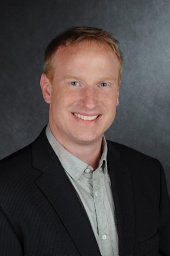 Fabian Steinberg合作论文数Institute of Physiology and Anatomy, German Sport University Cologne;Institute of Sport Science, Johannes Gutenberg University Mainz;German Sport University Cologne, Johannes Gutenberg University Mainz4
 Stefan Schneider合作论文数German Sport University Cologne4
 E. V. Bobrova合作论文数4
 Ирина Богачева合作论文数4
 Elena Tomilovskaya合作论文数Russian Federation State Research Center, Institute for Biomedical Problems of the Russian Academy of Sciences4D. R. Babich合作论文数3Marissa J. Rosenberg合作论文数3
 Fabian Moller合作论文数3Vera Abeln合作论文数3Rukavishnikov Ilya合作论文数3Uwe Drescher合作论文数3Kofman Igor S合作论文数3E. V. Grinyuk合作论文数Research Institute of Physicochemical Problems;Belarussian State University;Research Institute of Physicochemical Problems, Belarussian State University3
 Millard F. Reschke合作论文数3O. I. Orlov合作论文数3M V Chernova合作论文数2В.А. Ляховецкий合作论文数2T. A. Berendeeva合作论文数2E. N. Antropova合作论文数2S. A. Kalinin合作论文数2Е.А. Timme合作论文数2Sergey Ponomarev合作论文数2
 Mathias Haeger合作论文数2
 Vsevolod Lyakhovetskii合作论文数Russian Acad Sci, Pavlov Inst Physiol2
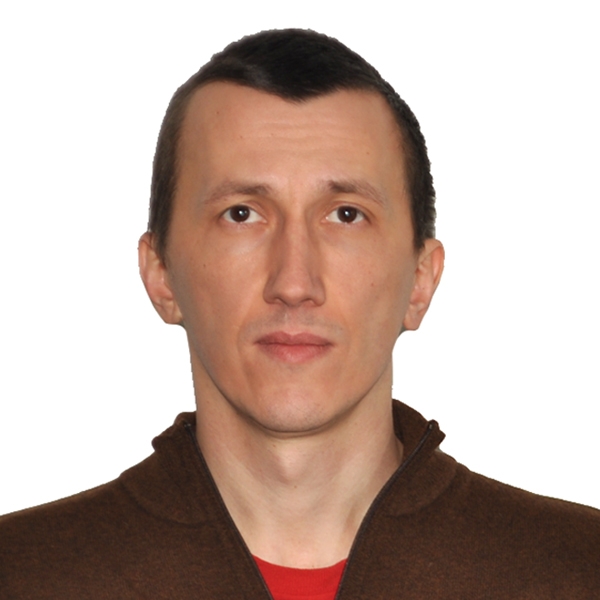 Alexey Kononikhin合作论文数Laboratory of Omics Technologies and Big Data for Personalized Medicine and Health, Skolkovo Institute of Science and Technology2
 Tobias Vogt合作论文数2Kireev K S合作论文数2
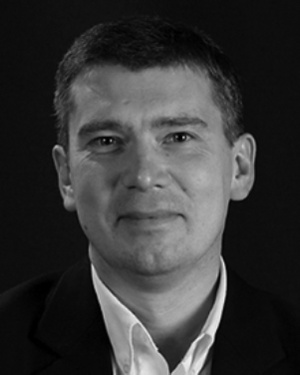 Alexander Meigal合作论文数Petrozavodsk State University2
 Evgeny S. Tiys合作论文数2M. Rykova合作论文数2Irina M. Larina合作论文数1I. M. Larina合作论文数1V. E. Novikov合作论文数1О. В. Комиссарова合作论文数1v i stepantsov合作论文数1S. O. Fedyay合作论文数1H. K. Strueder合作论文数1




