Relapse is a major cause of treatment failure after allogeneic hematopoietic stem-cell transplantation(allo-HSCT) for high-risk myeloid malignancies. This single center, retrospective study enrolled patients with high-risk acute myeloid leukemia or myelodysplastic syndromes who received allo-HSCT from January 1, 2022 to December 31, 2024. Post-transplant maintenance therapy consisted of azacitidine (32 mg/m²/day, day 1-5) plus venetoclax (400 mg/day, day 1-7), starting from the 60th day posttransplant and repeated every 28 days until up to 1-year posttransplant. Outcomes were compared with a contemporaneous control group constructed via propensity score matching (azacitidine-venetoclax, n = 35; control, n = 59). After a median follow-up of 22.5 months, the 1-year disease-free survival was 88.6% (95% CI, 78.6%-99.8%), the 1-year cumulative incidence of relapse was 5.7% (95% CI, 0%-13.5%). The azacitidine-venetoclax group demonstrated significantly superior 1-year overall survival compared to control (P = 0.037). Win ratio analysis further confirmed a significant overall clinical benefit (P < 0.001). Subgroup analysis revealed a pronounced overall survival benefit for MRD-positive patients (HR, 0.288; P = 0.037). The safety profile was manageable, no significant increase in the incidences of EBV and CMV infection or graft-versus-host disease. Immune reconstitution analysis showed delayed B-cell recovery but preserved T-cell and NK-cell recovery.
BYSL, located on chromosome 6p21.1, is implicated in tumor progression, but its role in acute myeloid leukemia (AML) remains unclear. BYSL expression was analyzed using public databases and AML clinical samples. A prognostic model incorporating BYSL was constructed and validated. Functional assays were performed by knocking down BYSL in AML cell lines to evaluate proliferation, apoptosis, and cell cycle regulation. To investigate the underlying mechanism, Gene set enrichment analysis (GSEA), Western blotting and chromatin immunoprecipitation-quantitative polymerase chain reaction (ChIP-qPCR) assays were performed. BYSL was significantly overexpressed in AML, with high expression correlating with severe anemia and poor overall survival. A risk model incorporating BYSL along with clinical factors (age, cytogenetic risk, transplantation, gene mutations) demonstrated strong predictive accuracy (c-index = 0.754). Functional assays showed that BYSL knockdown significantly inhibited cell proliferation, reduced colony-forming ability, and induced cell cycle arrest at the G0/G1 phase. Mechanistically, BYSL suppression notably decreased PI3K and AKT phosphorylation, implicating this signaling pathway. Additionally, ChIP-qPCR experiments confirmed that BYSL is transcriptionally regulated by c-MYC through direct promoter binding. Our findings support a role for BYSL in AML pathogenesis, potentially through modulation of the PI3K/AKT signaling pathway. Transcriptionally regulated by c-MYC, BYSL may serve as a prognostic biomarker and warrants further investigation as a potential therapeutic target.
BACKGROUND:Immune reconstitution is critical for outcomes after allogeneic hematopoietic stem cell transplantation (allo-HSCT), but its prognostic role in haploidentical peripheral blood stem cell transplantation (haplo-PBSCT) remains unclear. METHODS:We retrospectively analysed 577 patients who underwent T-cell replete haplo-PBSCT between 2016 and 2024. Longitudinal reconstitution of CD4⁺, CD8⁺ T cells and their subsets, CD3⁺CD69⁺, CD3⁺HLA-DR⁺ T cells, NK cells and B cells was assessed from 1 to 12 months post-transplant. Cox regression and causal mediation analyses were performed to identify prognostic associations and mechanisms. RESULTS:Early and robust regulatory T cell (Treg) reconstitution significantly reduced transplant-related mortality (TRM) and improved overall survival. Naïve CD8⁺ T cell recovery correlated with reduced TRM and relapse. Higher late CD3⁺CD69⁺ T cells were linked to decreased relapse risk. Sustained B cell reconstitution reduced TRM and was associated with a lower incidence of moderate-to-severe chronic graft-versus-host disease. Early Treg reconstitution was associated with lower cytomegalovirus (CMV) reactivation. Mediation analysis revealed that Treg recovery reduced TRM partially through suppression of CMV reactivation (ACME = -0.22, p = 0.032). CONCLUSION:Distinct lymphocyte subset reconstitution profiles predict transplant outcomes in haplo-PBSCT. Early Treg recovery, partly by limiting CMV reactivation, may serve as a target for immune-guided intervention.
Reduced-intensity conditioning (RIC) is associated with a high relapse rate in high-risk acute myeloid leukaemia (AML) and myelodysplastic syndromes (MDS) undergoing allogeneic haematopoietic stem cell transplantation (allo-HSCT). It remains unclear whether venetoclax, an anti-leukaemic agent, can enhance RIC efficacy. A prospective, single-arm, phase 2 trial enrolled patients with high-risk AML or MDS, aged ≥55 years, who underwent allogeneic peripheral blood stem cell transplantation (allo-PBSCT). All patients received venetoclax-enhanced RIC (VEN-RIC), comprising venetoclax, busulfan, fludarabine, cytarabine and low-dose total body irradiation (TBI). Fifty patients (median age 62) were enrolled. At a median follow-up of 14.9 months, the 1-year progression-free survival (PFS) was 72.5%, while 1-year overall survival (OS) and graft-versus-host disease/relapse-free survival (GVHD/GRFS) were 73.8% and 56.9% respectively. The 1-year cumulative incidence of relapse and non-relapse mortality were 16.8% and 10.6%. The 180-day cumulative incidence of acute GVHD was 22.9%, while the 1-year cumulative incidence of chronic GVHD was 25.8%. Multivariable analysis showed TP53 mutation was the strongest predictor of worse OS, PFS and GRFS, as well as higher relapse. We conclude that VEN-RIC is feasible and associated with encouraging survival and a manageable safety profile, warranting confirmation in randomized studies.
Post-transplant relapse remains the chief therapeutic challenge in Ph-negative B cell acute lymphoblastic leukemia (Ph - B-ALL). This retrospective study evaluated whether short-course blinatumomab for measurable resident disease (MRD) eradication could improve transplant outcomes. We compared 23 patients receiving pre-transplant short-course blinatumomab (2-week) for MRD eradication with 46 chemotherapy-only controls. All achieved MRD-negative before allogeneic peripheral blood stem cell transplantation (allo-PBSCT). Only two patients developed grade 2 cytokine release syndrome with blinatumomab. The neutrophil and platelet engraftment times were similar between the two groups. The blinatumomab cohort had a significantly lower 18-month cumulative incidence (CI) of relapse ( p = 0.05) and chronic graft-versus-host disease (GVHD) (14.8% vs. 41.8%; p = 0.05), with comparable non-relapse mortality (NRM) ( p = 0.98) and 180-day grade II-IV acute GVHD rates ( p = 0.93). Consequently, this cohort showed superior 18-month relapse-free survival (RFS) (90.9% vs. 65.2%; HR 0.30, 95% CI 0.09-1.04; p = 0.04), improved 18-month overall survival (OS) (95.7% vs. 81.9%; HR 0.20, 95% CI 0.03-1.71), and a trend toward better GVHD-free and relapse-free survival (GRFS) (74.71% vs. 63.71%; HR 0.64, 95% CI 0.23-1.78). Multivariate analysis confirmed blinatumomab as an independent favorable factor for RFS. In conclusion, short-course blinatumomab as a bridge-to-transplantation could reduce the risk of relapse and improve survival for Ph - B-ALL patients undergoing allo-PBSCT.
Adoptive T cell therapy, particularly T cell receptor-engineered T (TCR-T) cell therapy, holds promise for cancer treatment in solid tumors and hematological malignancies. Conventional lentiviral TCR-T cell therapies face insertional mutagenesis risks, while CRISPR-mediated T cell receptor α constant (TRAC) locus targeting suffers from suboptimal knockin efficiency and chromosome 14 loss. To address these challenges, we introduced a non-viral strategy combining CRISPR-Cas9 electroporation with methotrexate (MTX) metabolic selection. Primary human T cells were engineered to integrate a CMV-pp65-specific TCR and an MTX-resistant dihydrofolate reductase (DHFR)-FS cassette into the TRAC locus via homology-directed repair (HDR). Systematic optimization of electroporation timing, buffer systems, and HDR enhancers achieved initial TCR integration efficiency of ∼20%. Subsequent 6-day MTX treatment enriched engineered cells to ∼70% purity while selectively depleting unedited and chromosomally aberrant clones. Fluorescence in situ hybridization revealed that MTX enrichment reduced CRISPR-associated chromosome 14 loss comparable to unedited T cells. Functionally, TRAC-TCR-T cells exhibited enhanced interferon (IFN)-γ/tumor necrosis factor alpha (TNF-α) secretion and reduced exhaustion markers versus lentiviral counterparts, while maintaining equivalent tumor clearance efficacy in vitro and in xenograft models. In conclusion, this integrated platform mitigates viral vector risks, alleviates concerns of CRISPR-associated genomic instability, and provides a good manufacturing practice (GMP)-compatible approach that may facilitate the development of safer adoptive TCR-T immunotherapies.
Full engraftment and early immune reconstitution of donor hematopoietic stem cells (HSCs) after allogeneic HSC transplantation (allo-HSCT) are crucial. However, effective and safe clinical modality remains lacking. Here, very-late antigen (VLA-4) was identified as a pivotal target for HSC engraftment, and one of its agonists was identified, which significantly promotes donor HSC engraftment and long-term hematopoietic reconstitution by enhancing its self-renewal capacity in allogeneic transplantation and serial xenotransplantation mouse models. Furthermore, the VLA-4 agonist facilitated early immune reconstitution by augmenting T-cell differentiation from HSCs, with the reconstituted immune cells exhibiting potent antiviral effects without exacerbating acute graft-versus-host disease. Mechanistically, VLA-4 A2 activated ERK1/2 phosphorylation to regulate HSC function and lymphoid progenitor differentiation, without inducing leukemogenic gene expression. These findings underscore the significant clinical translational potential of the VLA-4 agonist in promoting HSC engraftment and early cellular immune reconstitution following allo-HSCT.
e23343 Background: Adult patients with relapsed/refractory (R/R) extramedullary B-ALL have a dismal prognosis with conventional therapies. Despite the success of CD19 CAR-T in hematologic relapse, its efficacy in extramedullary disease remains underexplored, as pivotal trials often excluded these high-risk pts. This large, multicenter, real-world study aims to define the outcomes of Inaticabtagene autoleucel (Inati-cel) in this challenging population. Methods: Eligible patients had R/R extramedullary B-ALL, underwent apheresis for Inati-cel following its approval (November 7, 2023), and completed at least 30 days of follow-up. The primary endpoints were overall survival (OS) and relapse-free survival (RFS). Secondary outcomes included the complete remission (CR) rate, minimal residual disease (MRD) negativity rate, and toxicity profiles. CR was defined as ≤5% bone marrow blasts morphologically, no circulating lymphoblasts, and resolution of extramedullary disease. MRD was evaluated via flow cytometry, RQ-PCR, and/or NGS. CRS and ICANS were graded according to ASTCT criteria. Results: As of the data cutoff (December 31, 2025), a total of 50 patients with R/R extramedullary B-ALL from over 20 centers across China received Inati-cel therapy. The median age was 39.5 years (range, 14–79), and 60% were male. Extramedullary disease involved the central nervous system (CNS) in 64%(32/50) of pts, non-CNS disease in 28%(14/50), and both in 8%(4/50). Following infusion, 41 of 48 evaluable pts (85.4%) achieved CR in both bone marrow and EM disease, with 100% of responders achieving bone marrow MRD negativity. Among pts with CNS involvement, the CR rate was 93.3% (28/30), compared with 78.6% (11/14) in those with non-CNS EM disease and 50% (2/4) in pts with both CNS and non-CNS EM disease. After a median follow-up of 7.2 months, the median OS and RFS had not been reached; Notably, the 1-year OS and RFS rates were 86.8% and 61.9%, respectively. Compared to their Ph-positive counterparts, patients with Ph-negative disease had significantly worse OS (100% vs 76.4%; P = 0.026) and RFS (81.2% vs 45.6%; P = 0.039). Similarly, IKZF1 deletion was associated with significantly poorer OS (89.4% vs 66.7%; P = 0.044) and RFS (67.1% vs 33.3%; P = 0.004). Regarding safety, any-grade CRS occurred in 66% of pts (4% Grade 3–4), and ICANS occurred in 14% (4% Grade 3). All toxicities were manageable and reversible, with no treatment-related deaths. Conclusions: This largest real-world study demonstrates that commercial CD19 CAR-T therapy with Inati-cel induces high response rates and durable survival in adult patients with high-risk R/R extramedullary B-ALL, exhibiting a manageable safety profile. These findings establish Inati-cel as an effective standard-of-care option for this population and support its use even in settings typically excluded from clinical trials.
Objective: Facial nerve injury induces autophagy and apoptosis in facial nerve nucleus motoneurons of the CNS, impairing nerve regeneration and functional recovery. The function of P2Y2R after facial nerve injury remains to be determined. This study hypothesizes that inhibiting P2Y2R may play a protective role in facial nerve injury by modulating the autophagy signaling pathway. Methods: An in vivo mouse model of facial nerve crush injury was utilized in this study. Mice received either a P2Y2R agonist or antagonist through intrathecal injections of 10 μL/daily for 4 weeks. This study measured facial nerve function, examined fibrogenesis, and analyzed expression of autophagy regulatory proteins. In an in vitro experiment, NSC34 cells were treated with a P2Y2R agonist or an antagonist, and changes in the levels of phosphorylated PI3K, Akt, and mTOR, as well as autophagy regulatory proteins determined. Results: Inhibition of P2Y2R significantly increased autophagy levels and enhanced facial nerve function. These protective outcomes were linked to the suppression of phosphorylated PI3K, Akt, and mTOR signaling pathways. Conclusion: The study suggests that P2Y2R inhibition may improve facial nerve function by improving autophagy, making it a promising therapeutic approach for treating facial nerve injury.
Abstract The optimal graft-versus-host disease (GVHD) prophylaxis strategy in haploidentical peripheral blood stem cell transplantation remains controversial. In this open-label, phase 3 study, patients aged 14 to 70 years with acute myeloid leukemia or myelodysplastic syndromes with excess blasts Ⅰ or Ⅱ were randomized (2:1:1) to receive low-dose antithymocyte globulin (ATG; 5 mg/kg) plus posttransplant cyclophosphamide (PTCy; 50 mg/kg; referred to as ATG/PTCy), standard-dose ATG (total dose, 10 mg/kg), or a PTCy-based (total dose, 100 mg/kg) regimen for GVHD prophylaxis. The coprimary end points were the cumulative incidence (CI) of grade 2 to 4 acute GVHD (aGVHD) by day 100 and GVHD-free, relapse-free survival at 1 year after transplant. A total of 407 patients were randomized to receive an ATG/PTCy (185 patients), ATG (113 patients), or PTCy (109 patients) regimen for GVHD prophylaxis. By day +100, the CI of grade 2 to 4 aGVHD did not differ significantly among the 3 groups (P = .210). Although the overall incidence of chronic GVHD (cGVHD) was comparable across all groups (P = .110), the 2-year CI of moderate-to-severe cGVHD was numerically lower in the ATG/PTCy (17.4%) and ATG (17.3%) groups than the PTCy group (28.3%), without reaching statistical significance (P = .095). No significant differences were observed in survival outcomes among the 3 groups. Notably, the CI of neutrophil and platelet recovery was significantly higher in the ATG/PTCy group than in the other groups (P< .001). This trial suggested that the 3 GVHD prophylaxis strategies presented similar efficacy in preventing grade 2 to 4 aGVHD and yielded comparable survival. This trial was registered at www.clinicaltrials.gov as NCT03608059.
Sequential allogeneic hematopoietic stem cell transplantation (allo-HSCT) is a critical approach to enhance the efficacy of chimeric antigen receptor T cell (CAR-T) therapy for relapsed/refractory acute lymphoblastic leukemia (R/R ALL). The long-term survival rates following allo-HSCT after CAR-T cell therapy remain controversial. We previously reported the results of 122 patients with R/R B-ALL who achieved minimal residual disease negative (MRD-) complete remission (CR) after anti-CD19 CAR-T, including 67 patients without subsequent transplantation (non-transplant group) and 55 patients with subsequent haplo-HSCT (transplant group). Here, we present the extended follow-up of this cohort, with a median of 72.9 months. Compared with the non-transplant group, transplantation recipients had a higher 5-year LFS (50.5% vs. 25.7%; p < 0.001) and OS (53.5% vs. 25.6%; p < 0.001). Multivariable analysis identified MRD positivity at transplantation as an independent factor associated with worse LFS, OS, and a higher cumulative incidence rate of relapse (CIR). MRD-negative patients before transplant (MRD- group) had a lower 5-year CIR compared to MRD-positive patients (MRD+ group) (20.8% vs. 50.0%; p = 0.014). The 5-year LFS rates in the MRD+ and MRD- groups were 26.7% and 59.4%, respectively (p = 0.003). The 5-year OS of the MRD- group was higher than that of the MRD+ group (62.0% vs. 30.5%; p = 0.006). For patients who achieve CR after CAR-T therapy, haplo-HSCT with pre-transplant MRD negativity was associated with better long-term survival. However, infections emerged as a significant complication that may reduce the long-term survival benefits. Trial Registration: ClinicalTrials.gov identifier: ChiCTR1900023957.
Malignant tumors with TP53 mutations exhibit poor therapeutic outcomes and high recurrence rates. T cell receptor-based (TCR-based) T cell therapy shows great promise for targeting intracellular cancer neoantigens. However, the immunogenic potential of TP53 hotspot mutations remains poorly characterized. Here, we identified an immunogenic neoantigen derived from the recurrent TP53R248Q mutation, presented by the prevalent HLA-A*11:01 allele. Additionally, we isolated a TP53R248Q-reactive TCR that specifically recognized the TP53R248Q mutation without any discernible cross-activity with cognate WT TP53 or other TP53 mutants at the same codon position. Functional characterization revealed that TP53R248Q TCR-T cells exhibited selective cytotoxicity against tumor cells expressing both the TP53R248Q mutation and HLA-A*11:01 in vitro. Importantly, the adoptive transfer of TP53R248Q TCR-T cells exhibited significant antitumor activity in a clinically relevant patient-derived xenograft model engrafted with TP53R248Q/HLA-A*11:01-positive human tumor tissues. Collectively, our study validates the immunogenicity of the TP53R248Q hotspot mutation and provides a TCR with high therapeutic potential for the development of T cell therapies targeting TP53R248Q/HLA-A*11:01-positive cancers.
Allogeneic hematopoietic stem cell transplantation (allo-HSCT) remains the cornerstone of curative therapy for acute myeloid leukemia (AML), yet precise molecular prognostic tools are currently insufficient. This study developed a prognostic model, AML-PRSS, integrating genomic and clinical factors from 389 adult AML patients undergoing their first allo-HSCT between 2013 and 2021. Seven genetic mutations significantly associated with leukemia-free survival (LFS) were categorized as favorable (DNMT3A, CEBPA bZIP domain, NPM1 without FLT3-ITD or with FLT3-ITD plus tyrosine kinase inhibitors), unfavorable (NRAS and GATA2), and high-risk (TP53 and U2AF1). Multivariate analysis identified molecular risk, cytogenetic risk, pre-transplant disease status, age, and hematopoietic cell transplant-comorbidity index (HCT-CI) score as independent predictors of LFS. AML-PRSS stratified patients into four risk groups with stepwise increasing hazard of LFS failure. Validation in an independent multi-center cohort of 266 patients confirmed robust predictive accuracy, highlighting AML-PRSS as an effective tool for personalized prognostication and clinical decision-making.
To evaluate the efficacy of mesenchymal stem cells (MSCs) as an adjuvant therapy for cytomegalovirus (CMV) pneumonia after allogeneic hematopoietic stem cell transplantation (allo-HSCT) through a prospective study. From June 2016 to June 2022, 43 patients were diagnosed with CMV pneumonia after allo-HSCT and received antiviral therapy, of whom 24 received MSCs infusion. The primary endpoints of the study were the cure rate and the time to cure of CMV pneumonia, and the secondary endpoint was the overall survival after CMV pneumonia. The 2-year overall survival post-pneumonia in MSCs group was significantly better than that in non-MSCs group (74
BACKGROUND:Peripheral T-cell lymphoma (PTCL) represents a highly heterogeneous group of non-Hodgkin's lymphomas, often with aggressive biological behaviour. CD30 serves as a pivotal surface antigen in PTCL, however, its biological functions and therapeutic potential warrant further investigation. METHODS:We analysed 415 de novo patients with PTCL including 314 in the training cohort and 101 in the validation cohort across 11 medical centres in China. Genomic and transcriptomic profiles were examined by DNA- and RNA-sequencing in 355 and 169 patients, respectively. FINDINGS:In both cohorts, CD30+ PTCL presented significantly increased frequencies of SETD2, STAT3, and PTPRS mutations. Therefore, three molecular subtypes with distinct biological signatures were identified, including the HMA subtype characterised by dysregulation of histone methylation and acetylation, the JNE subtype by alterations in JAK-STAT, Notch signalling pathway, and EBV infection, and the PCT subtype by mutations in phosphorylation, chromatin remodelling, and T-cell receptor-major histocompatibility complex interaction, with extracellular matrix enrichment. Clinically, the JNE subtype demonstrated inferior progression-free survival (PFS) and overall survival (OS), as compared to the HMA and PCT subtypes. Brentuximab vedotin (BV)-containing treatment was associated with improved PFS and OS in the JNE and PCT subtypes. Furthermore, gene expression profile analysis demonstrated underlying vulnerabilities for the HMA, JNE, and PCT subtypes to epigenome-targeting agents, JAK or PI3K inhibitors, and PD-1 inhibitors, respectively. INTERPRETATION:The molecular subtypes of CD30+ PTCL demonstrated prognostic significance and varied sensitivity to BV treatment. Our findings further elucidated molecular regulatory networks of CD30+ PTCL, providing potential co-targeted approaches for genotype-guided precision medicine in PTCL. FUNDING:This study was supported by National Key R&D Program of China, National Natural Science Foundation of China, Clinical Research Plan of Shanghai Hospital Development Centre, Shanghai Clinical Research Centre for Cell Therapy, Shanghai Municipal Health Commission, and China Postdoctoral Science Foundation.
The optimal intensity of conditioning regimens for allogeneic hematopoietic stem cell transplantation (allo-HSCT) in patients diagnosed with myelodysplastic syndromes with excess blasts (MDS-EB) remains debated. We retrospectively analyzed the clinical outcomes of 102 MDS-EB patients who received an individualized conditioning protocol based on age and comorbidity, including busulfan, fludarabine, cytarabine, and low-dose total body irradiation (TBI). All patients achieved successful engraftment, with a median time to neutrophil and platelet engraftment of 12 and 13 days, respectively. The cumulative incidence of grade II-IV acute graft-versus-host disease (GVHD) at 180 days was 16.9%, while moderate-to-severe chronic GVHD at 2 years occurred in 15.0% of patients. After a median follow-up of 23 months, the 2-year relapse incidence was 11.5%. The 2-year overall survival (OS), progression-free survival (PFS), and GVHD-free/relapse-free survival (GRFS) were 81.9%, 77.3%, and 66.4%, respectively. The very high-risk subgroup of the International Prognostic Scoring System for MDS (IPSS-M) exhibited significantly higher relapse rates compared with the lower-risk groups (17.8% vs 2.4%, P = 0.03). Multivariate analysis identified IPSS-M as the only independent predictor of PFS (hazard ratio (HR) = 3.30, P = 0.04), whereas transplant conditioning intensity (TCI) showed no association with survival outcomes. These findings suggest that the age- and comorbidity-adjusted conditioning regimen achieves high engraftment rates, low relapse, and favorable survival in MDS-EB patients, with disease biology (IPSS-M) outweighing conditioning intensity in prognostic relevance.
Introduction: Inaticabtagene autoleucel (Inati-cel), featuring a CD19 scFv derived from the HI19a clone and a 4-1BB/CD3-ζ costimulatory domain, was approved in China for adult patients with r/r B-ALL and demonstrated high MRD-negative CR/CRi rate (85.4%) and an estimated 2-year OS rate of 55.2% (Wang Y et al. Blood Adv. 2025). Here, we report the real-world outcomes with more patients and key subgroups described. Methods: The multi-center real-world study (NCT06450067) was conducted from 2023. The endpoints included overall remission rate (ORR), minimal residual disease (MRD) negativity rate, overall survival (OS), relapse-free survival (RFS) and other relevant measures. Both OS and RFS were calculated from the day of Inati-cel infusion. Results: From November 20, 2023, to July 22, 2025, 210 patients underwent leukapheresis, with 156 receiving Inati-cel and 145 included in efficacy and safety analyses. Fifty-four patients underwent apheresis but did not receive the infusion due to manufacture failure (4 pts: 1 for insufficient lymphocytes in the apheresis product, 1 for low CD4/CD8 ratio, and 2 for unknown reasons) or infection (2 pts), or still waiting for infusion. The median age was 39 years (range, 13-76), with 28 patients aged≥60 years. Patients were pretreated with a median of 1 prior lines of therapy (range 1-5). Prior immunotherapies included: HSCT (21.4%), inotuzumab ozogamicin (18.6%), and blinatumomab (28.3%). There were 81 (55.9%) R/R ALL patients:15 (10.3%) primary refractory and 26 (17.9%) with extramedullary lesions, and 64 (44.1%) in CR1 (12 MRD-positive and 52 MRD-negative). About 50% carried high-risk genetic abnormity such as TP53 deletion or mutation (7.6%), MLL rearrangement (9.7%), alterations of IKZF1 (16.6%), Ph-like (4.8%), alterations of PAX5 (5.5%). The median infusion dose was 0.60 (range: 0.42-1.14) ×108CAR-T live cells, with 88% of patients receiving bridge therapy. With a median follow-up of 6.18 months (range: 0.85–19.13months), the BOR in all patients was 92.4% (134/145), and among the cases with remission, the MRD negativity rate was 97.8%. In R/R ALL caess, the BOR and MRD negativity rate were 86.4% (70/81) and 97.1%, respectively. Among the 12 patients with MRD-positive, the MRD-negativity rate reached 100%. Of the 26 patients with extramedullary disease, the ORR was 80%; notably of the 16 patients with CNSL, 15 attained CR. Of the 71 patients with available MRD results assessed by q-PCR or NGS for IG rearrangement after Inati-cel, 87.3% achieved MRD negative. Following infusion, expansion of Inati-cel was observed, even in patients with MRD-negative CR prior to infusion, with peaking around day 14. The longest detectability lasted up to 15 months post-infusion in a patient maintaining CR. The median OS, RFS and DOR have not been reached. The estimated 1-year OS, RFS and DOR rates were 89.3%, 78.1% and 84.7%, respectively. Seven proceeded to allo-HSCT following Inati-cel. Among all responsed patients no significant differences were observed in OS and RFS (P = 0.59 and 0.60, respectively) regardless of the subsequent transplant status, however, significant difference in RFS was observed between patients with subsequent anti-tumor treatment and those without (P = 0.003). Thirteen relapses were observed, with 6 CD19-positive, 6 CD19-negative, and 1 with unknown CD19 status. In the univariate analysis, the number of prior treatment lines, age, previous exposure to blinatumomab, or inotuzumab ozogamicin, and prior history of HSCT were not identified as significant prognostic factors for RFS and OS. A total of 9 patients died: 5 died from disease progression, 2 from transplant-related complications, 1 from infection, and 1 from unknown causes. The most common adverse events (AEs) of special interest were cytokine release syndrome (CRS) and immune effector cell-associated neurotoxicity syndrome (ICANS). The incidence rates of CRS and ICAN were 53.8% and 4.9%, respectively, while grade ≥3 CRS and ICANS occurring in 2.8% and 2.8%, respectively. All patients recovered without sequelae, with 38 treated with corticosteroids, and 33 with tocilizumab or siltuximab. Conclusion: Real-world data on Inati-cel corroborates its robust response rate, favorable toxicity profile, and survival benefits. Inati-cel demonstrates efficacy in patients with active extramedullary diseases, particularly those with CNSL. In vivo expansion was observed across different disease states.
Background Adult patients with B-cell acute lymphoblastic leukemia (B-ALL) harboring high-risk molecular alterations face an unfavorable prognosis. Traditional treatment modalities, including chemotherapy and allogeneic hematopoietic stem cell transplantation (allo-HSCT), are associated with a high recurrence risk in this population. Inaticabtagene Autoleucel (Inati-cel) injection, the only CD19-targeted chimeric antigen receptor T-cell (CAR-T) product approved by China's National Medical Products Administration (NMPA) for adult relapsed/refractory (R/R) B-ALL, has shown potential efficacy in real-world settings for subgroups with high-risk molecular alterations. However, its clinical effectiveness in this specific patient population requires further elucidation. Methods This multicenter, non-interventional real-world study( ClinicalTrials.gov identifier: NCT06450067) enrolled 41 adult B-ALL patients with high-risk molecular alterations who received Inati-cel treatment between December 2023 and June 2025. The cohort included 12 males and 29 females with a median age of 42 years (range: 30-58 years) and a median follow-up duration of 166 days (95% confidence interval [CI]: 103-202 days).The timing of Inati-cel administration was determined based on physician's clinical judgment and patient preference. Following CAR-T cell infusion, patients were either administered combination therapy or underwent observational follow-up. The primary endpoint was defined as recurrence-free survival (RFS). Results In the overall cohort, the median RFS and overall survival (OS) were both not reached. Among the 41 patients, the distribution of high-risk molecular alterations was as follows: 9 cases with MLL rearrangements, 19 cases with IKZF1 alterations (including 7 mutations and 12 deletions), 4 cases with TP53 mutations, and 9 cases with ≥2 high-risk factors. Statistical analysis revealed that the median RFS in the ≥2 high-risk factors group was 101 days (95% CI: 0-345 days). This values were significantly shorter than those in the MLL rearrangements/IKZF1 alterations groups (median RFS not reached, P=0.00064).Regarding treatment timing, 13 patients received Inati-cel during first complete remission with minimal residual disease negativity (CR1-MRD⁻), 3 patients in CR1 with minimal residual disease positivity (CR1-MRD⁺), and 25 patients in refractory or relapsed (R/R) status. The CR1-MRD⁻ group exhibited a trend toward superior median RFS compared to the combined CR1-MRD⁺ and R/R group (not reached vs. 404 days [95% CI: 30-777 days], P=0.073).In terms of post-CAR-T management, 20 patients received combination therapy (including three patients received tyrosine kinase inhibitors, one patients received zanubrutinib, two patients received pomalidomide, three patients received venetoclax, one patients received blinatumomab, one patients received inotuzumab ozogamicin, and four patients received allo-HSCT), while 21 patients underwent observation only. No significant difference in median RFS was observed between the two groups (404 days [95% CI: 104-703 days] vs. not reached, P=0.49).The incidence rates of CRS and ICANS were 68.3% and 7.3%, respectively, while grade ≥ 3 CRS and ICANS occurred in 2.4% and 4.9%, respectively. All patients recovered without sequelae. Conclusion In adult B-ALL patients with high-risk molecular alterations, Inati-cel demonstrates favorable efficacy, partially mitigating the adverse prognosis associated with isolated MLL rearrangements or IKZF1 alterations. However, patients with ≥2 high-risk aberrations exhibit significantly shortened RFS. Front-line consolidation with CAR-T during CR1-MRD⁻ in patients with high-risk molecular alterations may yield better RFS outcomes compared to treatment administered in R/R or MRD⁺ settings. No RFS benefit from post-CAR-T combination therapy was observed in this cohort, highlighting the need for validation with longer follow-up durations and larger patient cohorts.
Introduction Inaticabtagene autoleucel (Inati-cel) featuring a CD19 single-chain variable fragment derived from an HI19a clone and a 4-1BB/CD3-ζ costimulatory domain has been approved in China for adult patients with relapsed or refractory (R/R) B-cell acute lymphoblastic leukemia (B-ALL). Inati-cel yielded a high minimal residual disease (MRD)-negative complete remission (CR)/CR with incomplete count recovery (CRi) rate (85.4%) and an estimated 2-year overall survival (OS) rate of 55.2% (Wang Y. et al., Blood Adv, 2025). Adding tyrosine kinase inhibitors (TKIs) significantly improves the prognosis of Ph-positive (Ph+) B-ALL. However, some patients remain resistant to conventional therapies or relapse post-treatment. Emerging evidence indicates that chemotherapy-free treatments for Ph+ B-ALL are associated with high rates of molecular response and favorable survival outcomes. Herein, we evaluate the efficacy and safety of Inati-cel in Ph+ B-ALL patients. Methods We conducted a multi-institutional real-world study of Inati-cel (NCT06450067), enrolling patients treated since 2024. Endpoints included OS, complete hematologic response, complete molecular response, relapse-free survival (RFS), and other relevant measures. OS and RFS were calculated from the day of Inati-cel infusion. Results From January 8, 2024, to July 20, 2025, 156 patients received Inati-cel, among whom 54 cases with Ph+ B-ALL underwent efficacy and safety evaluations. Their median age was 45 years (range: 15–76 years), with 13 patients (24.1%) aged ≥ 60 years. The patients had received a median of 1 prior line of therapy (range: 1–5). Prior therapies included hematopoietic stem cell transplantation (HSCT) (24.1%), inotuzumab ozogamicin (14.8%), and blinatumomab (24.1%). Patients with R/R disease and those in first complete remission (CR1) each accounted for 50%. Fourteen patients had extramedullary relapses, including 13 with central nervous system leukemia (CNSL). The median infusion dose was 0.60 (range: 0.44–1.00) × 108viable CAR-T cells, with 88.9% of patients receiving bridge therapy. The median interval from apheresis to infusion was 38 days (range: 23–181). With a median follow-up of 6.25 months (range: 0.95–16.93), the best overall response rate (ORR) in the R/R patients was 96.7%; among responders, the MRD negativity rate (assessed using flow cytometry) was 100.0%. All 5 patients with baseline MRD positivity achieved MRD negativity after Inati-cel administration. Of the 48 patients with available BCR/ABL1 fusion genes assessed using q-PCR post-infusion, 87.5% achieved negativity. Notably, of the 13 patients with CNSL, the ORR was 92.3%. Post-infusion, Inati-cel expanded even in patients with MRD-negative CR pre-infusion, with peak levels observed around day 14. The longest duration of detectability was 15 months post-infusion in a patient in sustained CR. Detectable CAR-T cells were observed in the cerebrospinal fluid of some patients. No patients underwent subsequent allo-HSCT while in remission; most received maintenance therapy with TKIs, with the longest RFS exceeding 16 months. The median OS and RFS were not reached in the overall population. In the R/R and CR1 patients, the estimated 1-year OS and RFS rates were 93.3% and 84.7%, respectively, and 100% and 95.2%, respectively. In a univariate analysis, IKZF1 abnormalities, prior exposure to inotuzumab ozogamicin, and the fusion gene turning negative after Inati-cel use were not significant prognostic factors for RFS or OS. Three relapses were documented: 1 with CD19 positivity, and 2 with CD19 negativity. Five patients exhibited persistent BCR/ABL1 fusion gene positivity, and 3 experienced fusion gene relapses. One patient died from unknown causes (more than 3 months after Inati-cel infusion). The most common adverse events of interest were cytokine release syndrome (CRS) and immune effector cell-associated neurotoxicity syndrome (ICANS). CRS occurred in 50.0% of patients, with only 1 case of grade 3; ICANS developed in 2 patients-both grade 1. All patients recovered without sequelae: 9 received corticosteroids, and 11 received tocilizumab. Conclusion Real-world data demonstrate that Inati-cel exhibits excellent efficacy in patients with Ph+ B-ALL, yielding low toxicity, short treatment cycles, high complete molecular response rates, and favorable long-term survival. Extended follow-up could illuminate the long-term outcomes of Inati-cel use.
 Jianmin Wang (王健民)合作论文数Changhai Hospital89
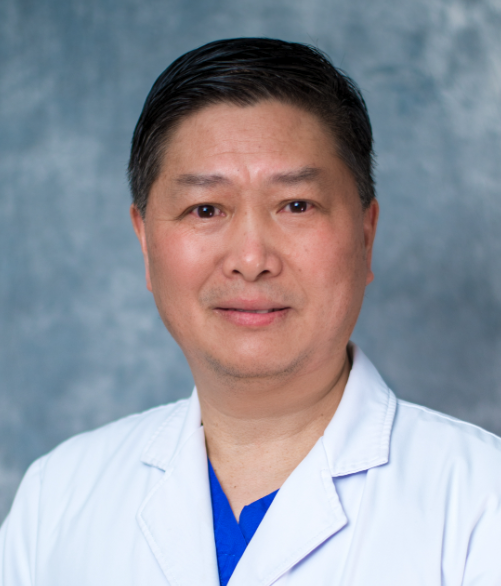 Weiping Zhang (章卫平)合作论文数Changhai Hospital;Shanghai Jiaotong University School of Medicine66
 Liping Wan (万理萍)合作论文数Shanghai General Hospital61
 Huiying Qiu (邱慧英)合作论文数61Yu Cai合作论文数51Jianmin Yang合作论文数49Chongmei Huang合作论文数48Li Chen (陈莉)合作论文数海军军医大学第一附属医院血液内科44
 Yin Tong (童茵)合作论文数The First Affiliated Hospital, Zhejiang University School of Medicine41Jun Yang合作论文数33Xiaoxia Hu (胡晓霞)合作论文数33Jun Hou (侯军)合作论文数27Xiaoqian Xu (许晓倩)合作论文数26Chang Shen合作论文数25
 Xiong Ni合作论文数25ShengLan Gong (龚胜蓝)合作论文数23
 Hongliang Zheng (郑宏良)合作论文数Department of Otorhinolaryngology-Head and Neck Surgery, Changhai Hospital, Second Military Medical University22Xu Xiaowei合作论文数21Kun Zhou合作论文数19Jiahua Niu合作论文数19ShuQing Lv (吕书晴)合作论文数16Qiaomei He (何巧梅)合作论文数15Zhou, Kun合作论文数15Lei Gao (高磊)合作论文数15Shuqing Lü (吕书晴)合作论文数15Erlie Jiang合作论文数14Xinxin Xia合作论文数14
 Jie Chen (陈洁)合作论文数Changhai Hospital, Second Military Medical University14
 Xin Du (杜欣)合作论文数Guangdong Provincial People's Hospital14Hong Zhou (周虹)合作论文数Department of Hematology,Changhai Hospital,Second Military Medical University,Shanghai ,China14Minhui Zhu合作论文数13XiaoQin Ding (丁晓勤)合作论文数13
 Xiaojun Huang (黄晓军)合作论文数Peking University People's Hospital;Institute of Hematology, Peking University;Center for Life Sciences13
 Xi Zhang (张曦)合作论文数The Second Affiliated Hospital of Army Medical University;The First Hospital of Lanzhou University13
 Chun Wang (王椿)合作论文数GoBroad Medical Institute of Hematology (Shanghai Center)13
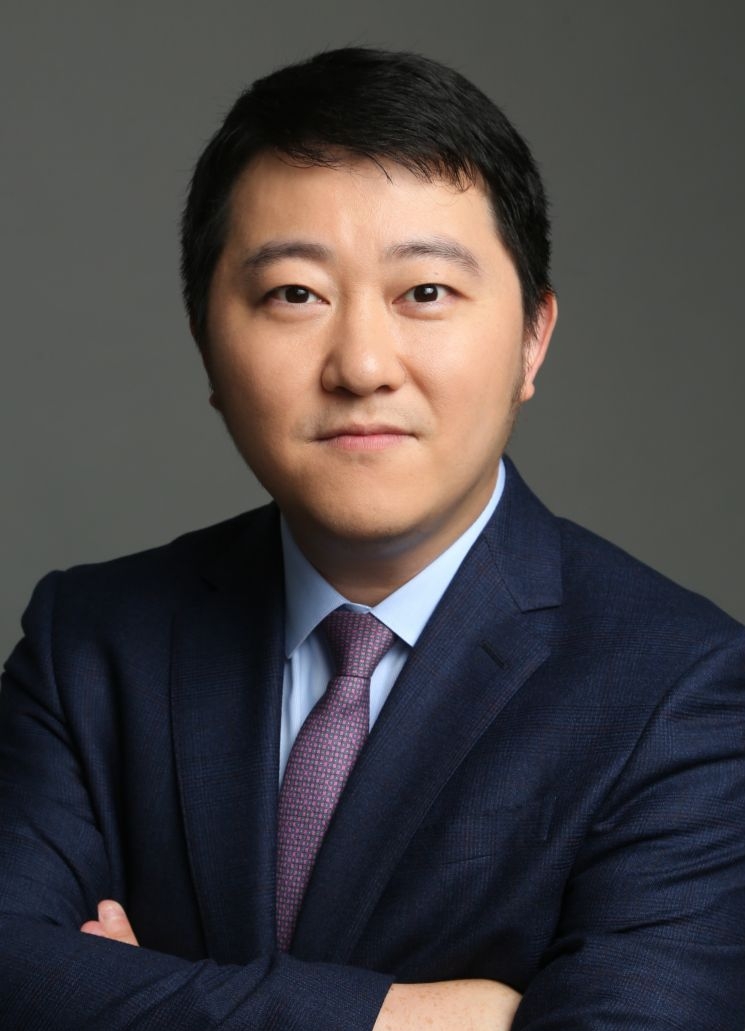 Hui Cheng (程辉)合作论文数Institute of Hematology, Chinese Academy of Medical Sciences & Peking Union Medical College13Jieling Jiang合作论文数12Wang Libing合作论文数12
 Yuhua Li (李玉华)合作论文数Department of Hematology, Zhujiang Hospital, Southern Medical University12CaoBo Feng (冯曹波)合作论文数11XiaoPing Ju (居小萍)合作论文数11
 Xiaoping Xu (许小平)合作论文数复旦大学附属华山医院血液科11
 Ying Zhang (张莹)合作论文数School of Nursing, Shanghai Jiao Tong University11BiHe Min (闵碧荷)合作论文数10ShiCai Chen (陈世彩)合作论文数10Ding Xiaodan合作论文数10
 Xi Sun (孙希)合作论文数Zhongshan School of Medicine, Sun Yat-Sen University10
 Zimin Sun (孙自敏)合作论文数The First Affiliated Hospital of USTC10




