Sepsis is a life-threatening disease caused by a dysfunctional host response to infection. During sepsis, inflammation-related immunosuppression is the critical factor causing secondary infection and multiple organ dysfunction syndrome. The regulatory mechanisms underlying Treg differentiation and function, which significantly contribute to septic immunosuppression, require further clarification. In this study, we found that neutrophil extracellular traps (NETs) participated in the development of sepsis-induced immunosuppression by enhancing Treg differentiation and function via direct interaction with CD4+ T cells. Briefly, NETs anchored enolase 1 (ENO1) on the membrane of CD4+ T cells through its key protein myeloperoxidase (MPO) and subsequently recruited interferon-induced transmembrane protein 2 (IFITM2). IFITM2 acted as a DNA receptor that sensed NET-DNA and activated intracellular RAS-associated protein 1B (RAP1B) and its downstream ERK signaling pathway to promote Treg differentiation and function. ENO1 inhibition significantly attenuated NET-induced Treg differentiation and alleviated sepsis in mice. Overall, we demonstrated the role of NETs in sepsis-induced immunosuppression by enhancing Treg differentiation, identified ENO1 as an anchor of NET-MPO, and elucidated the downstream molecular mechanism by which IFITM2-RAP1B-ERK regulates Treg differentiation. These findings improve our understanding of the immunopathogenesis of sepsis and provide potential therapeutic targets for sepsis-induced immunosuppression.
Sepsis-associated encephalopathy (SAE) is a neurofunctional disorder resulting from sepsis, primarily manifested as acute brain dysfunction and long-term cognitive decline. This study utilizes the cecal ligation and puncture (CLP) model to investigate the role of Gasdermin E (GSDME)-mediated pyroptosis in hippocampal astrocytes in the pathogenesis of SAE-related cognitive dysfunction, as well as the therapeutic potential of geniposide, an active compound from the traditional Chinese medicine formula An-gong Niu-huang pill (Ag-NhP). Our results demonstrate that CLP significantly upregulates GSDME expression and cleavage in hippocampal astrocytes, which contributes to cognitive dysfunction in mice. Notably, astrocyte-specific knockdown of GSDME markedly alleviates cognitive impairment in septic mice, highlighting the critical role of GSDME-mediated pyroptosis in SAE. Further, we identified geniposide as an active component of Ag-NhP that inhibits GSDME-mediated pyroptosis. Geniposide not only inhibits GSDME activation but also prevents the translocation of cleaved GSDME to the cell membrane. In vivo, geniposide administration significantly improves cognitive dysfunction induced by SAE. In conclusion, our findings reveal that GSDME-mediated astrocytic pyroptosis in the hippocampus plays a pivotal role in the development of cognitive dysfunction, and that geniposide effectively inhibits this process, offering potential therapeutic benefits for SAE-induced cognitive impairment.
Sepsis-induced lung injury, characterized by unregulated inflammation and impaired alveolar epithelial integrity, significantly contributes to sepsis-related mortality. Although receptor-interacting serine/threonine-protein kinase 1 (RIPK1) is critical in regulating necroptosis and inflammation, its precise contribution to sepsis-induced lung injury remains poorly understood. In this study, selective activation of RIPK1 in type II alveolar epithelial cells (AECs) is observed during sepsis. CXCL1 is identified as a critical downstream target of RIPK1 through integrative transcriptomic and proteomic analyses. Mechanistically, RIPK1 interacts with JAK1 to induce STAT3 phosphorylation, facilitate its nuclear translocation, and promote its binding to the Cxcl1 promoter, thereby upregulating its expression and driving excessive neutrophil recruitment. Genetic or pharmacological inhibition of RIPK1 attenuated CXCL1 production, neutrophil infiltration, and alveolar damage, improving survival in septic mice. Compound 62, a selective RIPK1 inhibitor, has demonstrated efficacy in attenuating systemic inflammatory cascades, preserving epithelial barrier integrity, and improving survival rates in mice. These findings establish RIPK1 as a therapeutic target in sepsis-induced lung injury and redefine alveolar epithelial cells as positive contributors to inflammatory amplification. This work advances precision strategies to mitigate sepsis-induced lung injury, addressing a critical unmet need in critical care medicine.
Lung transplantation is a critical treatment for patients with end-stage lung disease, demanding precise intraoperative anesthetic management. This study aims to assess the current state of anesthesia management in lung transplant surgeries across China. An online survey was conducted in June 2024 among anesthesiology trainees from Wuxi People's Hospital, covering those trained between 2015 and 2024. The survey, comprising 34 questions, was distributed to participants who were stratified into intermediate and senior groups based on their clinical experience and professional designation. Out of 85 eligible anesthesiologists, 70 (82.4%) from 52 hospitals across 22 provinces in China responded. The most commonly used induction agent was etomidate (95.7%), followed by propofol (58.6%). Sufentanil was universally employed for intraoperative analgesia (100%), alongside remifentanil (71.4%) and oxycodone (24.3%). Extracorporeal membrane oxygenation (ECMO) was the predominant mechanical support used (98.6%), while pressure-controlled ventilation was the preferred mode (95.7%). Significant variations were observed in anesthetic practices, including fluid management, coagulation monitoring, and the use of transesophageal echocardiography (TEE). This study underscores the critical role of anesthesiologists in lung transplantation and highlights the need for standardization and enhanced education to improve patient outcomes. Future research should focus on refining anesthetic protocols and integrating advanced monitoring tools to elevate the safety and efficacy of lung transplants in China.
ObjectiveTo identify the effect of stellate ganglion block on the incidence of postoperative nausea and vomiting.MethodsWe systematically searched electronic databases for published randomized controlled trials comparing stellate ganglion block with placebo for reducing postoperative nausea and vomiting. The primary outcome was the incidence of postoperative nausea and vomiting after general anesthesia. Meta-regression analysis was performed to investigate potential sources of heterogeneity. Trial sequential analysis was also carried out to calculate the required information size.ResultsIn total, 16 randomized controlled trials including 1385 patients were included in the study. Stellate ganglion block significantly reduced the incidence of postoperative nausea and vomiting (relative risk, 0.59; 95% confidence interval, 0.49-0.70; P < 0.0001). Our meta-regression analysis confirmed that the significant correlation between stellate ganglion block and reduced postoperative nausea and vomiting risk remained robust and was not significantly influenced by study-level characteristics, including prophylactic antiemetic use, surgical technique, postoperative analgesia, female proportion, age, opioid administration, and inhalation anesthesia. In addition, trial sequential analysis indicated that the Z curve for stellate ganglion block not only crossed the conventional boundary but also the trial sequential analysis boundary for benefit.ConclusionThis meta-analysis suggested an association of stellate ganglion block with a decreased incidence of postoperative nausea and vomiting after general anesthesia. Trial sequential analysis showed that further studies are unlikely to alter the conclusions regarding the incidence of postoperative nausea and vomiting.PROSPERO registration number: CRD42024504829.
Perioperative peripheral nerve injury (PNI) and impaired repair constitute a common pathological mechanism triggering acute and chronic postoperative pain. The current key challenge lies in the difficulty of achieving synergistic intervention for both excessive inflammation in the acute phase and the lack of neural structure during the repair phase. Accordingly, this study constructs an IL-10-engineered injectable short fiber (IL10-mPDA@SF) system based on immune-structure synergistic regulation to promote peripheral nerve repair and suppress acute and chronic postoperative pain. On one hand, IL10-mPDA@SF achieves immune regulation by locally and continuously releasing IL-10, which effectively induces macrophage polarization toward the M2 phenotype by activating macrophage surface receptors. This remodels the anti-inflammatory microenvironment and blocks neuronal hyperexcitability. On the other hand, its extracellular matrix (ECM)-like short fiber structure provides physical guidance for the directional migration of Schwann cells and the orderly regeneration of nerve axons, thereby inhibiting the traumatic neuroma formation and achieving guided neural structural regeneration. In vitro experiments demonstrate the effectiveness of this dual-modal synergistic mechanism. In a mouse plantar incision model, local injection of IL10-mPDA@SF significantly reduces the acute mechanical hypersensitivity threshold by over 50%, promotes the repair of nerve function and wounds, and suppresses traumatic neuroma occurrence.
Sepsis-induced immunosuppression is related to increased susceptibility to secondary infections and death. Lung is the most vulnerable target organ in sepsis, but the understanding of the pulmonary immunosuppression state is still limited. Here, single-cell RNA sequencing of bronchoalveolar lavage fluid (BALF) is performed to map the landscape of immune cells, revealing a neutrophil-driven immunosuppressive program in the lungs of patients with immunosuppressive sepsis. Although immunosuppressive genes are upregulated in different immune cells, only neutrophils dramatically increase in the BALF of patients in immunosuppressive phase of sepsis. Five neutrophil subpopulations in BALF are identified, among which CXCR2+ and CD274 (PD-L1 coding gene)+IL1RN+ neutrophil subpopulations increased significantly during septic immunosuppression. Interestingly, a developmental trajectory from CXCR2+ to CD274+IL1RN+ neutrophil subpopulation is disclosed. Moreover, the therapeutic effect of CXCR2 blockade is observed on the survival of septic mice, along with a decreased number of PD-L1+ neutrophils. Taken together, the CXCR2+ neutrophil subpopulation is discovered as a contributor to immunosuppression in sepsis and identified it as a potential therapeutic target in sepsis treatment.
Demyelination, a hallmark of multiple sclerosis (MS), disrupts neural conduction due to myelin sheath degradation. Microglia-mediated inflammation plays a pivotal role in this process, with emerging evidence implicating gasdermin E (GSDME) in neuroinflammation and neurodegeneration. However, the specific role of GSDME in MS remains unclear. Here, we investigated the involvement of GSDME in MS using brain tissues from MS patients and cuprizone (CPZ)-induced demyelination model mice. We observed elevated GSDME expression in the central nervous system (CNS) lesions of MS patients, with pronounced GSDME cleavage in microglia at injury sites. Genetic knockout of Gsdme alleviated CPZ-induced motor deficits, demyelination, and neuroinflammation. Furthermore, caspase-3 inhibition significantly suppressed GSDME activation, resulting in reduced demyelination, motor coordination impairment, and neuroinflammation. In an experimental autoimmune encephalomyelitis (EAE) model, caspase-3/GSDME-mediated microglial pyroptosis critically mediated the progression of neuroinflammation and white matter demyelination. Transcriptome sequencing revealed that GSDME regulated the expression of genes related to disease-associated microglia (DAMs) and impaired microglial autophagy, a process critical for myelin debris clearance. Gsdme knockout downregulated the expression of genes associated with DAMs and CPZ-induced microglia-driven demyelination while increasing the expression of remyelination-related genes (Cybb and Cd74). In vitro, GSDME suppression promoted microglial autophagy and myelin debris clearance. Collectively, our findings highlight GSDME-mediated pyroptosis as a key driver of demyelination and neuroinflammation in MS, suggesting novel therapeutic targets for neuroinflammatory disorders.
Programmed cell death protein 1 (PD-1) blockade is essential in treating progressive colorectal cancer (CRC). However, some patients with CRC do not respond well to immunotherapy, possibly due to the exhaustion of CD8+ T cells in the tumor microenvironment. N-Acetylcysteine (NAC) can reduce CD8+ T cell exhaustion in vitro and induce their differentiation into long-lasting phenotypes, thus enhancing the anti-tumor effect of adoptive T cell transfer. However, whether NAC can be combined with PD-1 blockade in CRC treatment and how NAC regulates CD8+ T cell differentiation remain unclear. Hence, in this study, we aimed to investigate whether NAC has a synergistic effect with PD-1 blockers against CRC progression. We constructed a mouse CRC model to study the effect of NAC on tumors. The effect of NAC on CD8 + T cell differentiation and its potential mechanism were explored using cell flow assay and other studies in vitro and ex vivo. We demonstrated that NAC synergized PD-1 antibodies to inhibit CRC progression in a mouse CRC model mediated by CD8+ T cells. We further found that NAC can induce TCF1+PD1+CD8+ T cell differentiation and reduce the formation of exhausted T cells in vitro and in vivo. Moreover, NAC enhanced the expression of Glut4 in CD8+ T cells, promoting the differentiation of TCF1+PD1+CD8+ T cells. Our study provides a novel idea for immunotherapy for clinically progressive CRC and suggests that Glut4 may be a new immunometabolic molecular target for regulating CD8+ T cell differentiation.
Gas signaling molecules, including carbon monoxide (CO), nitric oxide (NO), and hydrogen sulfide (H2S), have been shown to have cancer therapeutic potential, pointing to a new direction for cancer treatment. In recent years, a series of studies have confirmed that hydrogen (H2), a weakly reductive gas, also has therapeutic effects on various cancers and can mitigate oxidative stress caused by radiation and chemotherapy, reducing tissue damage and immunosuppression to improve prognosis. Meanwhile, H2 also has immunomodulatory effects, inhibiting T cell exhaustion and enhancing T cell anti-tumor function. It is worth noting that human intestinal flora can produce large amounts of H2 daily, which becomes a natural barrier to maintaining the body's resistance to diseases such as tumors. Although the potential anti-tumor mechanisms of H2 are still to be investigated, previous studies have shown that H2 can selectively scavenge highly toxic reactive oxygen species (ROS) and inhibit various ROS-dependent signaling pathways in cancer cells, thus inhibiting cancer cell proliferation and metastasis. The ROS scavenging ability of H2 may also be the underlying mechanism of its immunomodulatory function. In this paper, we review the significance of H2 produced by intestinal flora on the immune homeostasis of the body, the role of H2 in cancer therapy and the underlying mechanisms, and the specific application of H2 to provide new ideas for the comprehensive treatment of cancer patients.
Sepsis is a life-threatening organ dysfunction caused by a dysregulated host response to infection. The inflammatory cytokine storm causes systemic organ damage, especially acute lung injury in sepsis. In this study, we found that the expression of S-phase kinase-associated protein 2 (Skp2) was significantly decreased in sepsis-induced acute lung injury (ALI). Sepsis activated the MEK/ERK pathway and inhibited Skp2 expression in the pulmonary epithelium, resulting in a reduction of K48 ubiquitination of solute carrier family 3 member 2 (SLC3A2), thereby impairing its membrane localization and cystine/glutamate exchange function. Consequently, the dysregulated intracellular redox reactions induced ferroptosis in pulmonary epithelial cells, leading to lung injury. Finally, we demonstrated that intravenous administration of Skp2 mRNA-encapsulating lipid nanoparticles (LNPs) inhibited ferroptosis in the pulmonary epithelium and alleviated lung injury in septic mice. Taken together, these data provide an innovative understanding of the underlying mechanisms of sepsis-induced ALI and a promising therapeutic strategy for sepsis.
Energy stress, characterized by the reduction of intracellular ATP, has been implicated in various diseases, including cancer. Here, we show that energy stress promotes the formation of P-bodies in a ubiquitin-dependent manner. Upon ATP depletion, the E3 ubiquitin ligase TRIM23 catalyzes lysine-63 (K63)-linked polyubiquitination of HCLS1-associated protein X-1 (HAX1). HAX1 ubiquitination triggers its liquid‒liquid phase separation (LLPS) and contributes to P-bodies assembly induced by energy stress. Ubiquitinated HAX1 also interacts with the essential P-body proteins, DDX6 and LSM14A, promoting their condensation. Moreover, we find that this TRIM23/HAX1 pathway is critical for the inhibition of global protein synthesis under energy stress conditions. Furthermore, high HAX1 ubiquitination, and increased cytoplasmic localization of TRIM23 along with elevated HAX1 levels, promotes colorectal cancer (CRC)-cell proliferation and correlates with poor prognosis in CRC patients. Our data not only elucidate a ubiquitination-dependent LLPS mechanism in RNP granules induced by energy stress but also propose a promising target for CRC therapy.
Regulatory T cells (Tregs) are a key determinant for the immunosuppressive and premetastatic niche for cancer progression after surgery resection. However, the precise mechanisms regulating Tregs function during surgical stress-facilitated cancer metastasis remain unknown. This study aims to unravel the mechanisms and explore potential strategies for preventing surgical stress-induced metastasis by targeting NEDD8. Using a surgical stress mouse model, we found that surgical stress results in the increased expression of NEDD8 in Tregs. NEDD8 depletion abrogates postoperative lung metastasis of colon cancer cells by inhibiting Treg immunosuppression and thereby partially recovering CD8 + T cell and NK cell-mediated anti-tumor immunity. Furthermore, Treg mitophagy and mitochondrial respiration exacerbated in surgically stressed mice were attenuated by NEDD8 depletion. Our observations suggest that cancer progression may result from surgery-induced enhancement of NEDD8 expression and the subsequent immunosuppressive function of Tregs. More importantly, depleting or inhibiting NEDD8 can be an efficient strategy to reduce cancer metastasis after surgery resection by regulating the function of Tregs.
PurposeTo identify factors and indicators that affect chronic pain and pain relief, and to develop predictive models using machine learning.MethodsWe analyzed the data of 67,028 outpatient cases and 11,310 valid samples with pain from a large retrospective cohort. We used decision tree, random forest, AdaBoost, neural network, and logistic regression to discover significant indicators and to predict pain and treatment relief.FindingsThe random forest model had the highest accuracy, F1 value, precision, and recall rates for predicting pain relief. The main factors affecting pain and treatment relief included body mass index, blood pressure, age, body temperature, heart rate, pulse, and neutrophil/lymphocyte × platelet ratio. The logistic regression model had high sensitivity and specificity for predicting pain occurrence.ImplicationsMachine learning models can be used to analyze the risk factors and predictors of chronic pain and pain relief, and to provide personalized and evidence-based pain management.
Sepsis-associated encephalopathy (SAE) is a critical neurological complication of sepsis and represents a crucial factor contributing to high mortality and adverse prognosis in septic patients. This study explored the contribution of NAT10-mediated messenger RNA (mRNA) acetylation in cognitive dysfunction associated with SAE, utilizing a cecal ligation and puncture (CLP)-induced SAE mouse model. Our findings demonstrate that CLP significantly upregulates NAT10 expression and mRNA acetylation in the excitatory neurons of the hippocampal dentate gyrus (DG). Notably, neuronal-specific Nat10 knockdown improved cognitive function in septic mice, highlighting its critical role in SAE. Proteomic analysis, RNA immunoprecipitation, and real-time qPCR identified GABA B R1 as a key downstream target of NAT10. Nat10 deletion reduced GABA B R1 expression, and subsequently weakened inhibitory postsynaptic currents in hippocampal DG neurons. Further analysis revealed that microglia activation and the release of inflammatory mediators lead to the increased NAT10 expression in neurons. Microglia depletion with PLX3397 effectively reduced NAT10 and GABA B R1 expression in neurons, and ameliorated cognitive dysfunction induced by SAE. In summary, our findings revealed that after CLP, NAT10 in hippocampal DG neurons promotes GABA B R1 expression through mRNA acetylation, leading to cognitive dysfunction.
Sepsis is a life-threatening systemic inflammatory response syndrome caused by the host imbalanced response to infection. Lung injury is the most common complication of sepsis and one of the leading causes of patient death. Pyroptosis is a specific programmed cell death characterized by the release of inflammatory cytokines. Appropriate pyroptosis can reduce tissue damage and exert a protective effect against infection during sepsis. However, overactivated pyroptosis results in massive cell death, leading to septic shock, multiple organ dysfunction syndrome, and even an increased risk of secondary infection. Recent studies suggest that pyroptosis can interact with and cross-regulate other types of cell death programs to establish a complex network of cell death, which participates in the occurrence and development of septic lung injury. This review will focus on the interactions between pyroptosis and other types of cell death, including apoptosis, necroptosis, PANoptosis, NETosis, autophagy, and ferroptosis, to summarize the role of pyroptosis in sepsis-induced lung injury, and will discuss the potential therapeutic strategies of targeting pyroptosis during sepsis treatment.
Supplementary Table 3 shows top 2500 upregulated genes for each cluster utilized for pathway enrichment analysis.
Sepsis-associated encephalopathy (SAE) is a diffuse brain dysfunction caused by sepsis that manifests as a range of brain dysfunctions from delirium to coma. It is a relatively common complication of sepsis associated with poor patient prognosis and mortality. The pathogenesis of SAE involves neuroinflammatory responses, neurotransmitter dysfunction, blood-brain barrier (BBB) disruption, abnormal blood flow regulation, etc. Neuroinflammation caused by hyperactivation of microglia is considered to be a key factor in disease development, which can cause a series of chain reactions, including BBB disruption and oxidative stress. Metabolic reprogramming has been found to play a central role in microglial activation and executive functions. In this review, we describe the pivotal role of energy metabolism in microglial activation and functional execution and demonstrate that the regulation of microglial metabolic reprogramming might be crucial in the development of clinical therapeutics for neuroinflammatory diseases like SAE.
Figure S2 shows ORF screen for resistance to FGFR inhibition and Figure S3 shows candidate mediators of resistance to FGFR inhibition based on ORF screen.
 Changhong Miao合作论文数59
 Hao Zhang合作论文数24GU Jia-hui (顾佳慧)合作论文数15Zhirong Sun合作论文数Fudan Univ, Dept Anaesthesiol, Shanghai Canc Ctr, Shanghai, Peoples R China15Zhu Minmin合作论文数15Mengdi Qu合作论文数14Zhaoyuan Chen合作论文数12Shenjia Gao合作论文数11
 Juan P Cata合作论文数Department of Anesthesiology and Perioperative Medicine, Division of Anesthesiology, Critical Care Medicine, and Pain Medicine, The University of Texas MD Anderson Cancer Center11Qichao Wu合作论文数10
 Ke Nan合作论文数9Tianxia Li合作论文数9Maria Rusan合作论文数Department of Otorhinolaryngology, Aarhus University Hospital9Weng Meilin合作论文数9
 Bockorny Bruno合作论文数9
 Nathanael S. Gray合作论文数Stanford University;Dana-Farber Cancer Institute;Harvard Medical School9
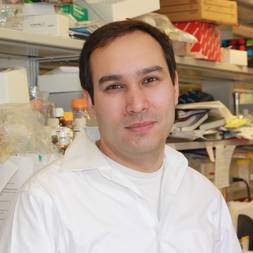 Adam Bass合作论文数Novartis Institutes for BioMedical Research9
 Yvonne Li合作论文数Meyerson Laboratory, Dana-Farber Cancer Institute9
 Matthew L. Meyerson合作论文数Harvard Medical School;Center for Cancer Genomics, Dana-Farber Cancer Institute9Peter S. Hammerman合作论文数Department of Cancer Biology and Abramson Family Cancer Research Institute, University of Pennsylvania9Kefang Guo合作论文数8Yanxi Zhang合作论文数8
 Jun Wang (汪军)合作论文数Department of Integrative Medicine and Neurobiology, School of Basic Medical Sciences, Fudan University8Rachel G. Liao合作论文数Medical Oncology,;Cancer Program, Broad Institute of Harvard and MIT, Cambridge, MA 02141;;Cancer Program, Broad Institute of Harvard and MIT8Piccioni Federica合作论文数8Therese Ovesen合作论文数8Aaron R Thorner合作论文数8
 Geoffrey Shapiro合作论文数Center for Cancer Therapeutic Innovation, Dana-Farber Cancer Institute;Harvard Medical School8Huihui Wang合作论文数7
 Duan Ma (马端)合作论文数School of Basic Medical Sciences, Fudan University;Fuzhou University School of Medicine7Yanghanzhao Wang合作论文数6Ziwen Zhong合作论文数6Yun Liao合作论文数6XingFeng Sun (孙星峰)合作论文数6RuLing Shen (沈如凌)合作论文数6
 David M. Kwiatkowski合作论文数Cardiovascular Institute, Stanford University;Lucile Packard Children's Hospital6Shuainan Zhu合作论文数5Wen-Chang Zhou合作论文数5Xiangyuan Chen合作论文数Fudan Univ, Dept Anaesthesiol, Shanghai Canc Ctr, Dept Oncol,Shanghai Med Coll, Shanghai 200032, Peoples R China5
 Jing Zhong合作论文数Zhongshan Hospital, Fudan University5Jie Zhang合作论文数4
 Bin Yu合作论文数4Jinlong Liu合作论文数4Pengfei Sun合作论文数Department of Anesthesiology, Fudan University Shanghai Cancer Center, Shanghai, 200032, China.4
 Han Wu合作论文数4Yajun Xu合作论文数4
 Li Tan (谭利)合作论文数3




