ABSTRACT Extracellular vesicles (EVs) mediate intercellular communication within the tumour microenvironment by carrying cargoes from paracrine parent cells. EVs have attracted great research interest for their ability to carry nucleic acids into recipient cells and modulate cellular functions. However, previous studies have largely focused on RNA sequence information rather than RNA structure features. Here, we observed that EVs derived from colorectal cancer cells are enriched with endogenous double‑stranded RNA (dsRNA), a danger‑associated molecular pattern (DAMP) that leads to the activation of dsRNA‑sensing pathways in recipient cells. Crucially, we investigated the specific crosstalk between tumour‐derived EVs and circulating platelets. As anucleate cells, platelets are uniquely suited models for isolating the effects of exogenous nucleic acids. Our analysis reveals that endogenous dsRNA from tumour EVs activates the platelet OAS–RNASEL innate immune ribonuclease cascade and the RNASEL/ABCE1/PELO axis, resulting in the decay of ribosomal protein mRNAs. This study, spanning from clinical observation to mechanistic validation, uncovers a novel pathway of tumour–platelet communication. We identify EV‐enriched endogenous dsRNA as a functional mediator that enables tumour cells to directly reprogram platelet transcriptomes, revealing a new dimension of tumour–immune modulation.
Background SLC7A11 is aberrantly overexpressed in many solid tumors, including colorectal cancer (CRC), but its complex 12-transmembrane structure has hindered effective antibody targeting. Methods We generated a human SLC7A11-specific murine monoclonal antibody (SLC7A11-Ab) using cell-based immunization and hybridoma technology. Subcutaneous and orthotopic CRC mouse models were established. Tumor immune microenvironment changes were assessed by multicolor immunofluorescence, flow cytometry, and single-cell RNA sequencing, with specific validation of effects on CD4⁺ and CD8⁺ T cells. Results High SLC7A11 expression correlated with regulatory T cell (Treg) activation, advanced tumor grade, lymphatic metastasis, and poor prognosis in CRC. SLC7A11-Ab blocked transporter function, inducing apoptosis and ferroptosis in multiple cancer cell types and showing significant antitumor efficacy in vivo. Mechanistically, SLC7A11 inhibition enhanced antitumor immunity by suppressing Treg activation and reducing tumor-associated macrophage infiltration, without impairing CD8⁺ T cell activation or function. Conclusion We developed a novel anti-SLC7A11 antibody with potent antitumor and immunomodulatory effects in CRC, highlighting SLC7A11 as a key regulator of tumor immune evasion and a promising therapeutic target.
Ulcerative colitis (UC) is a chronic inflammatory bowel disease driven by dysregulated immune responses, particularly the aberrant activation of T helper 17 (Th17) cells. While microbiome-based therapies show promise, wild-type probiotics often lack specific mechanisms to target the metabolic and immunological drivers of inflammation. In this study, we engineered a cysteine-auxotrophic strain of Bacteroides vulgatus (BV1608) by chromosomally integrating the E. coli cyuP gene to enhance cysteine uptake. We evaluated its colonization capability, safety, and therapeutic efficacy in dextran sulfate sodium (DSS)-induced acute and chronic colitis murine models. BV1608 exhibited superior colonization and cysteine assimilation compared to the wild-type strain. Oral administration of BV1608 significantly alleviated colitis symptoms, reduced pro-inflammatory cytokines, and restored intestinal barrier integrity. Mechanistically, BV1608 created a localized cysteine-restricted microenvironment in the gut and suppressed pathogenic Th17 differentiation. Under cystine-restricted conditions, ATF6 was activated in CD4⁺ T cells, and its inhibition partially restored IL-17A⁺ CD4⁺ T cell differentiation, indicating a functional role for ATF6. Meanwhile, cystine restriction was associated with increased BATF2 expression and enhanced ATF6 binding at the BATF2 promoter, suggesting BATF2 as a potential downstream node. Our findings demonstrate that metabolically engineered B. vulgatus BV1608 ameliorates colitis by coupling microbial cysteine sequestration with host immune modulation via the ATF6-dependent suppression of Th17 differentiation, while implicating BATF2-associated transcriptional regulation as a potential downstream mechanism. This study provides a novel synbiotic strategy for treating UC by targeting the immunometabolic interface.
Abstract Chimeric antigen receptor (CAR) T cell therapy has achieved remarkable success in hematological malignancies but remains largely ineffective in solid tumors, primarily due to functional exhaustion and impaired metabolic fitness of CD8⁺ T cells. Targeting immunometabolic checkpoints may provide a strategy to overcome these limitations. However, the metabolic pathways governing CD8⁺ T cell exhaustion in solid tumors remain incompletely defined.To identify metabolic regulators of CD8⁺ T cell exhaustion, we established an in vitro exhaustion model and performed transcriptomic profiling, which revealed significant upregulation of the cystine/glutamate antiporter SLC7A11 in exhausted CD8⁺ T cells. Elevated SLC7A11 expression was further confirmed in PD-1⁺TIM-3⁺ exhausted CD8⁺ T cells from colorectal cancer patient samples. We generated and humanized a monoclonal antibody targeting SLC7A11, and its specificity and binding affinity were validated by flow cytometry and surface plasmon resonance analysis.Functional studies demonstrated that pharmacologic blockade or genetic inhibition of SLC7A11 alleviated CD8⁺ T cell exhaustion, promoted the expansion of stem-like memory (TSCM) cells, and reduced the expression of exhaustion markers. In CEA-specific CD8⁺ CAR-T cells, SLC7A11 inhibition enhanced tumor cytotoxicity, decreased exhaustion-associated transcriptional programs, and upregulated memory-associated gene signatures. Metabolic analyses revealed that limiting cystine uptake increased mitochondrial oxidative phosphorylation, ATP production, mitochondrial mass, and cristae density, indicating improved bioenergetic fitness.Mechanistically, cystine restriction activated the integrated stress response, characterized by activation of the GCN2-eIF2α-ATF4 pathway and transcriptional upregulation of the glutamine transporter SLC1A5. Increased glutamine uptake and mTORC1 signaling further supported mitochondrial metabolism. Chromatin immunoprecipitation confirmed direct binding of ATF4 to the SLC1A5 promoter, establishing a mechanistic link between cystine restriction and metabolic reprogramming in CAR-T cells. In vivo, treatment with the anti-SLC7A11 antibody significantly enhanced CAR-T cell-mediated tumor control in colorectal and breast cancer cell-derived xenograft models, outperforming either monotherapy. Consistently, genetic ablation of Slc7a11 in mice reduced tumor burden and synergized with immune checkpoint blockade. Single-cell RNA sequencing of tumor-infiltrating lymphocytes revealed a shift toward naïve, stem-like, and memory CD8⁺ T cell states, reduced exhausted populations, and altered clonal dynamics following Slc7a11 deletion. Collectively, our findings identify cystine metabolism as a previously underappreciated immunometabolic checkpoint regulating CD8⁺ T cell exhaustion and demonstrate that targeting SLC7A11 represents a promising strategy to enhance CAR-T cell efficacy in solid tumors. Citation Format: Xiaoxue Pan, Yuhang Yin, Pengyuan Wang, Shanwen Chen. Cystine restriction enhances CD8+ CAR-T potency by promoting OXPHOS via GCN2-eIF2α-SLC1A5 axis [abstract]. In: Proceedings of the American Association for Cancer Research Annual Meeting 2026; Part 2 (Late-Breaking, Clinical Trial, and Invited Abstracts); 2026 Apr 17-22; San Diego, CA. Philadelphia (PA): AACR; Cancer Res 2026;86(8_Suppl):Abstract nr LB293.
High-throughput sequencing has generated large-scale genomic, transcriptomic, and multimodal datasets, but converting these data into biological interpretation remains difficult because of dimensionality, sparsity, noise, and incomplete ground truth. Deep learning offers flexible representation-learning frameworks for modeling local sequence motifs, long-range dependencies, relational structures, and latent cellular states. In this narrative review, we summarize convolutional, recurrent, graph-based, generative, and transformer architectures and examine representative applications in regulatory genomics, RNA structure prediction, single-cell and spatial transcriptomics, pathology-linked multimodal inference, and proteome-related prediction tasks. We emphasize that these models mainly produce statistical predictions, learned representations, and candidate regulatory signals; they can support functional hypotheses but do not establish biological function without independent validation. We also discuss recurring limitations, including dataset and annotation bias, domain shift, tokenization choices, computational cost, limited reproducibility, incomplete uncertainty quantification, and weak causal identifiability. Finally, we discuss artificial-intelligence virtual cells as an emerging conceptual objective rather than an established capability. Overall, deep learning is framed as a powerful tool for pattern discovery and hypothesis generation, whose biological interpretation requires careful benchmarking, external validation, and experimental follow-up. Advancements in Deep Learning Architectures: This review examines the use of deep learning architectures in bioinformatics, including CNNs, RNNs, GNNs, andTransformers, highlighting their strengths and limitations in modeling complexbiological data. Applications to Genomics: Deep learning has substantially advanced regulatory genomic modeling, RNA structure prediction, single-cell and spatial transcriptomics,pathology-linked multimodal inference, and proteome-related prediction tasks, whilerequiring careful validation before functional interpretation. Challenges and Future Directions: Although deep learning can model individual biological layers (DNA, RNA, proteins), Artificial Intelligence Virtual Cells (AIVCs) remain a conceptual future direction that will require validated multi-omics integration, quantitative calibration, and careful causal testing.
Current liquid biopsy methods for multi-cancer detection using plasma cell-free RNA (cfRNA, short RNA fragments circulating in blood that can reflect disease states) typically rely on gene annotations, which can overlook signals from unannotated or repetitive genomic regions. We present GeneLLM, a Transformer-based model that directly processes the nucleotide sequences of human-mapped cfRNA reads to identify cancer-indicative signatures. By bypassing gene-level quantification, the model retains signals from transcriptomic dark matter. The model learns latent pseudo-biomarkers (prototype representations from aggregated cfRNA read embeddings) that serve as discriminative features for cancer classification, rather than corresponding to explicit genomic sequences. Here we show that, in a multi-centre cohort, GeneLLM achieves ROC-AUC values ranging from 0.9250 to 0.9962 across several cancers, while maintaining comparable performance at one-sixth of the typical sequencing depth. These results suggest that sequence-level modelling of plasma cfRNA can capture diagnostically relevant information beyond annotation-dependent approaches, enabling more cost-efficient and scalable cancer screening.
Terahertz (THz) waves, positioned between microwave and infrared in the electromagnetic spectrum, have promising applications in medical imaging and biomedicine. In this study, terahertz irradiation at 2.52 THz (100 mW/cm2) did not alter the proliferation of human umbilical vein endothelial cells (HUVECs), but significantly enhanced their angiogenic capacity. This enhancement was accompanied by increased levels of angiogenesis-related proteins such as VEGF in the culture supernatant. ATAC sequencing and RNA sequencing revealed a significant increase in the expression of cytoskeleton-associated genes, including PDXP and SH3BP1, post-irradiation. Additionally, intracellular calcium concentration, closely linked to angiogenesis, markedly increased following terahertz exposure. However, diltiazem significantly mitigated the enhanced angiogenic capacity induced by terahertz irradiation. In conclusion, terahertz irradiation promotes angiogenesis in HUVECs, partly by activating the VEGF signaling pathway through increased calcium fluxes.
SLC7A11 is highly expressed in various solid tumors, including colorectal cancer and pancreatic cancer. The aim of the study was to report the therapeutic potential of SLC7A11 CAR-T therapy. The SLC7A11-specific antibodies were generated by hybridoma and humanization technologies. The cytotoxicity was validated in vitro through co-culture assays of effector cells with cancer cell lines. The anti-tumor studies in vivo were evaluated by cell line-derived xenograft (CDX) and patient-derived xenograft (PDX) models. We first confirmed the tumor specificity of SLC7A11 and then successfully developed SLC7A11-specific CAR-T cells. CCK-8 and LDH cytotoxicity assays demonstrated that cancer cells co-cultured with CAR-T cells exhibited higher mortality rates. Animal experiments showed that SLC7A11 CAR-T treatment suppressed the tumor growth without causing significant abnormalities in blood biochemical parameters. In conclusion, SLC7A11 CAR-T cell therapy showed remarkable anti-tumor capabilities and safety in colorectal and pancreatic cancer.
Cysteine is a key immunoregulatory nutrient in colorectal cancer (CRC). Cystine uptake is primarily mediated by the cystine/glutamate transporter SLC7A11, which consists of 12 transmembrane α-helices that forming a channel through the cell membrane. Given SLC7A11’s role in both metabolic competition and resistance to ferroptosis, we aim to explore whether SLC7A11 can be effectively targeted with monoclonal antibodies as a therapeutic strategy for colorectal cancer. Using a cell-based in vivo immunoassay and standard hybridoma technology, we generated a human SLC7A11-specific murine monoclonal antibody, designated 1A4. Subcutaneous and orthotopic colorectal cancer models in mice, as well as an AOM/DSS-induced colitis-associated colorectal cancer model was established. We evaluated the effects of the SLC7A11 antibody on the immune microenvironment of colorectal cancer by multicolor immunofluorescence and flow cytometry. Furthermore, single-cell sequencing was employed to analyze alterations in immune cell subpopulations and to investigate the impact of the SLC7A11 antibody on immune cell metabolism and intercellular interactions within the tumor microenvironment. Flow cytometry was further utilized to validate the differential effects of the SLC7A11 antibody on CD4+ and CD8+ T cells. Subcutaneous and orthotopic cancer model of colon cancer showed that treatment with 1A4 significantly reduced tumor volume. Multiplex immunofluorescence analysis showed that both duel immune checkpoint blockade and 1A4 increased the number of infiltrating CD8+ T cells and the CD8+T/Treg ratio in tumor tissues, with a more pronounced increase observed in tumors treated with 1A4. Single-cell sequencing results demonstrated that 1A4 modulated the tumor immune microenvironment by increasing the infiltration of T cells, B cells, and NK cells within the tumor tissue. RNA sequencing on CD4+ T cells exhibited more pronounced alterations in metabolic pathways. The flow cytometry results showed that treatment of CD8+ T cells with 1A4 enhanced stemness and a reduction in the proportion of exhausted CD8+ T cells. This study developed an antibody targeting the SLC7A11 and validated its anti-tumor effects in colorectal cancer. Targeting SLC7A11 potently creates a favorable immune microenvironment through inhibiting the activation of Tregs and increasing the stemness of CD8+ T cells. Jichang Li, Xiaoxue Pan, Kang Xia, Zeruo Yang, Xiaojing Yang, Pengyuan Wang, Shanwen Chen. Targeting SLC7A11 creates a favorable immune microenvironment in colorectal cancer. [abstract]. In: Proceedings of the American Association for Cancer Research Annual Meeting 2025; Part 1 (Regular Abstracts); 2025 Apr 25-30; Chicago, IL. Philadelphia (PA): AACR; Cancer Res 2025;85(8_Suppl_1):Abstract nr 2696.
Patients with ulcerative colitis (UC) have a significantly impaired intestinal barrier. Hydrogen Sulfide (H2S) is a gaseous mediator that makes notable contributions in a variety of diseases, such as reducing inflammatory response in colitis. The experimental content includes the establishment of a mouse DSS-induced colitis mouse model, mouse colon epithelial organoids culture, H&E staining and mass spectrometry analysis. We recognized that exogenous H2S donor-GYY4137 significantly alleviated the symptoms in UC mice models and maintained Minichromosome Maintenance Complex Component 2 (MCM2) expression. CBS knockdown reduced the expression of sulfhydrated Ribosomal protein S20 (RPS20-ssh) and MCM2 in the mouse colon. Cell experiments indicated that the expression of RPS20-ssh, rather than total expression of RPS20, is responsible.Our investigation indicated that CBS-H2S axis increases the sulfhydration level of RPS20, leading to enhanced binding between RPS20 and MCM2 mRNA, thereby promoting intestinal epithelial proliferation. This may provide a novel therapeutic strategy for the clinical treatment of colitis.
An ultra-broadband absorption spectral database encompassing 20 solid-state amino acids is meticulously constructed, spanning an unprecedented frequency range of 0.2-120 THz (6.7-4000 cm-1). Spectral acquisition is achieved through a hybrid methodology: terahertz time-domain spectroscopy (THz-TDS) is employed for the low-frequency regime (0.2-3 THz, 6.7-100 cm-1), while Fourier transform infrared spectroscopy (FTIR) is utilized to probe the far-infrared (FIR: 1.5-20.4 THz, 50-680 cm-1) and mid-infrared (MIR: 12-120 THz, 400-4000 cm-1) regions. These comprehensive measurements are systematically analyzed and cross-validated against previous data, thereby verifying and supplementing the amino acids spectral database. Furthermore, we propose a novel, user-friendly powder sample preparation approach for FIR spectroscopy, significantly enhancing operational efficiency, and accessibility-thereby lowering the barrier to adoption for researchers investigating low-frequency vibrational phenomena.
Objective:This study investigated the correlation between circadian rhythm genes and ulcerative colitis (UC), aiming to identify biomarkers linked to immune microenvironment changes in UC. Methods:Gene expression data from UC patients and healthy controls were obtained from the GEO database. Data preprocessing included batch correction and PCA for consistency assessment. Differentially expressed genes (DEGs) were identified using the "limma" package, and functional enrichment analysis was performed. Machine learning methods (LASSO, SVM, RF) refined candidate biomarkers. RNA sequencing in a mouse colitis model and immune infiltration analysis validated key genes. A regulatory network of lncRNA, miRNA, and mRNA for hub genes was constructed. Results:805 DEGs were identified, including 15 rhythm genes. Four key genes (CPT1A, PRKG2, PPARGC1A, SLC6A4) were screened, with PPARGC1A and SLC6A4 validated as hub genes. These genes were associated with immune cell infiltration and hold potential as biomarkers for UC diagnosis. Conclusion:Disruptions in circadian rhythm are closely associated with the pathogenesis of ulcerative colitis (UC). The biomarkers PPARGC1A and SLC6A4 demonstrated significantly altered expression in UC patients and were correlated with immune cell infiltration. These findings underscore their potential as diagnostic markers, provide new insights into the immune microenvironment and pathogenesis of UC, and suggest potential therapeutic targets for the disease.
Colorectal cancer is a common malignant tumor of the digestive tract with a high mortality rate. TFF3 is a secreted protein expressed in various cancers. The aim of the study is to report that inhibiting TFF3 increases the function and infiltration of CD8+ T cells in colorectal tumor tissues. The proteomics analysis confirmed the high expression of secreted TFF3 in the supernatant of colorectal cancer cells, and databases were used to analyze the immune infiltration in tumor tissues. qPCR test was used to demonstrate the high levels of secreted TFF3 affecting the function of CD8+ T cells. In vivo experiments were used to observe the effects of TFF3 knockdown on tumor growth and immune cell infiltration. Tumor-infiltrating T lymphocytes were sorted for RNA sequencing and mechanism explanation. Inhibiting the expression of TFF3 in tumor tissues improved immune cell infiltration and enhanced anti-tumor effects. TFF3 knockdown downregulated the expression of PD-L1 in tumor tissues through the AKT/mTOR pathway, which enhanced the function of CD8+ T cells. Knockdown of TFF3 improved the infiltration of CD8+ T cells and anti-tumor capabilities.
Ulcerative colitis is a type of inflammatory bowel disease that can significantly impact patients’ life, leading to long-term complications. Cellular senescence plays a significant role in the occurrence and development of enteritis. The purpose of this study is to identify a specific drug and potential target that can inhibit intestinal cell senescence, thereby improving the clinical outcomes of enteritis. Bioinformatics analysis was used to identify the drug and target that associated with cellular senescence and ulcerative colitis. LPS-induced in vitro models and DSS-induced in vivo colitis models were used to confirm the association between colitis and aging, as well as the ability of the drug to alleviate colitis symptoms. Bioinformatics analysis suggested that Fenretinide (4-HPR) may influence the progression of ulcerative colitis by targeting LCN2 to modulate cellular senescence. Western blot analysis revealed high expression of LCN2 in patients with ulcerative colitis (p- value < 0.05). In the in vivo experiments utilizing a DSS-induced colitis model, 4-HPR was shown to be both safe and effective in inhibiting colitis progression. Western blot analysis indicated the downregulation of the senescence markers P16 and P21 following 4-HPR treatment (adjusted p-value < 0.0001). Moreover, β-galactosidase staining of intestinal tissues revealed a reduction in the accumulation of senescent cells in the 4-HPR-treated group compared to the DSS group (adjusted p-value < 0.0001). The potential mechanism might be related to the regulation of the Treg/Th17 balance. 4-HPR reduced the intestinal cell senescence by inhibiting the expression of LCN2 that alleviated the symptoms of ulcerative colitis.
OBJECTIVE AND DESIGN:This study investigates the effect and underlying mechanism of targeting SLC7A11 in mitigating dextran sulfate sodium (DSS)-induced intestinal inflammation and injury in colitis. METHODS:We utilized wild-type and SLC7A11-/+ mice to assess the inflammatory damage in DSS-induced colitis in vivo. In vitro, colon tissues from patients with ulcerative colitis were analyzed to compare SLC7A11 expression between inflamed and non-inflamed regions. Further mechanistic insights were obtained using Caco-2 cells and bone marrow-derived dendritic cells (BMDCs). RESULTS:In human colon tissues, SLC7A11 expression was significantly elevated in inflamed regions compared to non-inflamed areas, particularly in dendritic cells. In vivo inhibition of SLC7A11 markedly alleviated DSS-induced colitis symptoms. In vitro, suppressing SLC7A11 restored the integrity of the Caco-2 monolayer intestinal epithelial model. Both knockout and inhibition of SLC7A11 enhanced ERK1/2 phosphorylation and increased efferocytosis in BMDCs. CONCLUSIONS:Targeting SLC7A11 augments dendritic cell efferocytosis and preserves intestinal epithelial barrier function, potentially offering a therapeutic avenue for alleviating ulcerative colitis.
Plasma cell-free RNA (cfRNA) has recently emerged as a promising biomarker for non-invasive early cancer detection and treatment monitoring. Here, we introduce GeneLLM, a novel large language model designed to interpret cfRNA sequences directly, bypassing the need for genome annotations. GeneLLM significantly advances the detection accuracy of various cancer types. Our study demonstrates that this method achieves higher accuracy than traditional biomarkers and effectively handles large datasets from different centres, even with low sequencing depth. By avoiding the use of bioinformatics tools to count known genes, GeneLLM also discovered cfRNAs from previously unknown genes, referred to as 'dark matters' in the genome, as cancer detection 'pseudo-biomarkers'. Our results showcase the potential of GeneLLM to revolutionise cancer detection, making it more accessible and cost-effective. By offering a method that does not depend on bioinformatics tools to count known genes, GeneLLM opens new avenues for biomarker discovery and enhances our understanding of intercellular communication through novel RNA molecules. ### Competing Interest Statement The authors have declared no competing interest.
 Pengyuan Wang (王鹏元)合作论文数中国科学院深圳先进技术研究院57
 Yucun Liu (刘玉村)合作论文数Health Science Center, Peking University55
 Jing Zhu合作论文数Peking University Laboratory of Colon Cancer, Peking University45
 Xin Wang (汪欣)合作论文数Peking University First Hospital42
 Zuo Shuai合作论文数26
 Taohua Yue合作论文数24
 Yisheng Pan (潘义生)合作论文数Department of General Surgery, Peking University First Hospital20
 Guowei Chen (陈国卫)合作论文数Peking University First Hospital18Shihao Guo合作论文数15
 Junling Zhang (张俊玲)合作论文数College of Fisheries and Life Science, Shanghai Ocean University14Ju Ma合作论文数13Yongchen Ma合作论文数12Jianwen Hu合作论文数9Zhihao Huang合作论文数9Dingfang Bu (卜定方)合作论文数9Tengyu Li合作论文数8Yingchao Wu合作论文数6Chen Ziyi合作论文数6Jichang Li合作论文数6
 John Lu (鲁志)合作论文数MOE Key Lab of Bioinformatics, School of Life Sciences, Tsinghua University6Yuanyuan Ma合作论文数5Jingui Wang合作论文数5
 Xiaoqian Zhang合作论文数5
 Xiaoyun Liu (刘小云)合作论文数School of Basic Medical Sciences, Peking University5Sun Lie合作论文数5Shaozhen Xing合作论文数4Youwen Zheng合作论文数4Jia Liu合作论文数4Zeyang Chen合作论文数4Long Wen合作论文数4Changji Li合作论文数4Yuhuan Tao合作论文数3Yunfan Jin合作论文数3Zihao Yao合作论文数3Hao Xu合作论文数3Pengfei Bao合作论文数3Wang Peng-Yuan合作论文数3Hongjie Guo合作论文数2
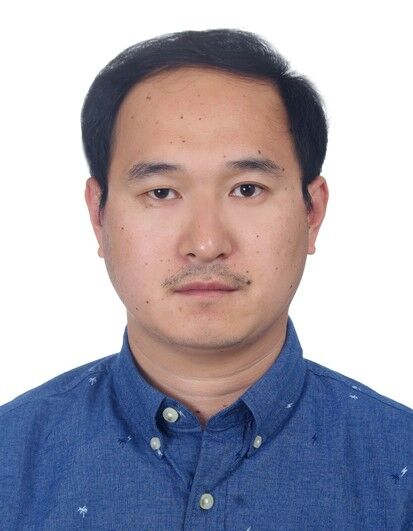 Meng Chen (陈猛)合作论文数University of Chinese Academy of Sciences;Institute of Mechanics, Chinese Academy of Sciences2Yurong Wang合作论文数2Tao Wu合作论文数2Long Rong合作论文数2
 Yumin Zhu (朱昱敏)合作论文数Medical School of Nanjing University;The Affiliated Hospital of Nanjing University Medicine School2Yanpeng Yang合作论文数2Xiaohua Zhang合作论文数2
 Qian Lu (卢倩)合作论文数School of Clinical Medicine, Tsinghua University;Beijing Tsinghua Changgung Hospital2
 Xianbo Wang (王宪波)合作论文数Beijing Ditan Hospital Capital Medical University2
 Ying Feng (冯颖)合作论文数West China School of Basic Medical Sciences & Forensic Medicine, Sichuan University2
 Qiaoran Xi (郗乔然)合作论文数School of Life Sciences, Tsinghua University2




