Differentially expressed genes (adjusted P <0.01 ) in STAG2/LMO2 subtype compared to other T-ALL cases.
Differentially expressed genes (adjusted P <0.05) in three TLX3 subtypes (TLX3 γδ, TLX3 immature, TLX3 DP-like) compared to other T-ALL cases.
Differential peaks of H3K27ac and differentially expressed genes in gene-edited PF382 model.
Comparison of clinical characteristics and outcomes between gamma delta T-ALL and non-gamma delta T-ALL.
Patient characteristics of 24 cases of STAG2/LMO2 subtype T-ALL that were performed genomic analysis.
Up-regulated pathways in STAG2/LMO2 subtype compared to other T-ALL cases for mouse leukemia initiating cells (LIC) signatures analyzed by gene-set enrichment analysis (GSEA).
BACKGROUND:ATP-binding cassette transporter A3 (ABCA3) deficiency is a rare form of interstitial lung disease caused by biallelic pathogenic variants in ABCA3, it is the most common cause of genetic surfactant deficiency among European and US infants and children. This study aimed to elucidate the genetic features of ABCA3 deficiency in Japanese children. MATERIALS AND METHODS:From April 2011 to March 2024, 291 candidates with children's interstitial lung disease (chILD) were enrolled. Sanger sequencing or next-generation sequencing for ABCA3 was performed for all candidates. RESULTS:Eleven cases of ABCA3 deficiency were identified, including one pair of siblings. Among eight cases with onset at birth, five-including the siblings-died. All three cases whose disease onset occurred after 1 yr of age survived, and no cases presented between 1 month and 1 yr of age. Of the 11 cases, nine carried compound heterozygous ABCA3 variants. In the remaining two cases, diagnosed as ABCA3 deficiency based on specific pathological findings, only one pathogenic variant was detected in each. No homozygous variants were found, and aside from the siblings, no cases shared the same pathogenic variants. Eighteen distinct pathogenic variants were identified, including nine missense, five nonsense, three splicing, and one frameshift variant. All were considered disease-causing. DISCUSSION:The incidence of ABCA3 deficiency among chILD candidates (11/291, 3.8%) was significantly lower (p < 0.0001) than those reported in the United States (185/632, 29.3%), Europe (79/398, 19.8%) and Argentina (14/50, 28%). The frequency of ABCA3 deficiency among Japanese children is low.
PURPOSE:Male childhood cancer survivors (CCS) are at increased risk of hypogonadism, which may be overlooked due to subtle symptoms. Early detection of male hypogonadism remains challenging. In Japan, lacking a nationwide surveillance system for gonadal dysfunction in CCS, few studies focus on male CCS. This study aimed to prospectively identify compensated primary hypogonadism (cPH) among male CCS using a comprehensive medical checkup system. METHODS:We prospectively recruited CCS aged 18 and older who had been diagnosed with pediatric cancer over 10 years ago and untreated for more than 5 years. Physical checkup and mental health examination were conducted for both CCS and healthy CCS siblings, and analyzed data from male participants. We defined cPH if their testicular volume was 10 mL or lower and/or the follicle-stimulating hormone level was greater than 10 IU/L. RESULTS:Among 30 CCS aged 19-41, 12 were identified as having cPH. Factors significantly associated with cPH in CCS included receiving a cyclophosphamide equivalent dose greater than 7.5 g/m2, experiencing secondary cancers, and older age at medical checkup. CCS with cPH exhibited higher fasting blood sugar and elevated luteinizing hormone levels. Furthermore, CCS with cPH reported significantly lower mental component summary scores and reported greater psychological distress. CONCLUSION:Despite the limited sample size, our preliminary findings suggest that this surveillance approach may help identify male CCS at risk for hypogonadism. These survivors warrant monitoring for gonadal dysfunction and associated complications.
 Motohiro Kato合作论文数Graduate School of Medicine, Kyushu University111
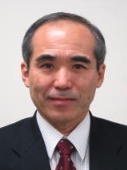 Keizo Horibe合作论文数Clinical Research Center, National Hospital Organization Nagoya Medical Center;Department of Clinical Trials and Research, National Hospital Organization Nagoya Medical Center111Daisuke Hasegawa合作论文数108Katsuyoshi Koh合作论文数104
 Toshihiko Imamura (今村俊彦)合作论文数Department of Pediatrics, Kyoto Prefectural University of Medicine92
 Daisuke Tomizawa合作论文数Division of Leukemia and Lymphoma, Children's Cancer Center, National Center for Child Health and Development79Hirabayashi Shinsuke合作论文数77Takao Deguchi合作论文数76
 Masatoshi Takagi合作论文数Department of Cell Biology and Neuroscience;Graduate School of Medicine;Osaka University74
 Atsushi Sato合作论文数70Junko Takita (滝田順子)合作论文数Graduate School of Medicine, University of Tokyo70N. Kiyokawa合作论文数66Akira Ohara合作论文数65
 Shunsuke Kimura合作论文数Laboratory for Epithelial Immunobiology, RIKEN Research Center for Allergy and Immunology59Takako Miyamura合作论文数58
 Ching-Hon Pui (裴正康)合作论文数Leukemia/Lymphoma Division, Department of Oncology, St. Jude Children's Research Hospital54
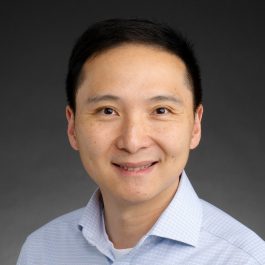 Jun J. Yang (杨俊)合作论文数Department of Pharmacy and Pharmaceutical Sciences, St. Jude Children's Research Hospital51
 Allen Yeoh Eng Juh合作论文数Yong Loo Lin School of Medicine, National University of Singapore49Masahiro Tsuchida合作论文数49
 R. (Rob) Pieters合作论文数Utrecht University48Kjeld Schmiegelow合作论文数48
 Martin Schrappe合作论文数Klinik für Kinder- und Jugendmedizin I, Universitätsklinikum Schleswig-Holstein;Christian-Albrechts-University47
 Gabriele Escherich合作论文数47
 Akiko Saito合作论文数46Hiroto Inaba合作论文数46
 Jan Stary合作论文数Department of Paediatric Haematology and Oncology, Second Faculty of Medicine, Charles University45
 Andishe Attarbaschi合作论文数Department of Pediatrics, Pediatric Hematology and Oncology, St Anna's Kinderspital44Chi Kong Li合作论文数44Valentino Conter合作论文数44Elitzur Sarah合作论文数43Koichi Oshima合作论文数Dept Hematol Oncol, Saitama Childrens Med Ctr42
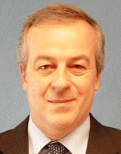 Franco Locatelli合作论文数Department of Pediatric Hematology-Oncology, Ospedale Pediatrico Bambino Gesu, University of Pavia42Mariko Eguchi合作论文数42Kenneth Caldwell合作论文数41
 Ilaria Iacobucci合作论文数41Yukayo Terashita合作论文数41
 Yunchao Chang合作论文数41
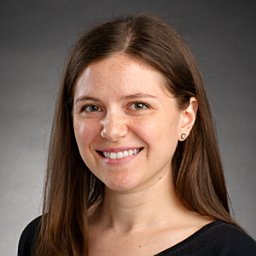 Lindsey Montefiori合作论文数St Jude Childrens Res Hosp, Dept Pathol, 332 N Lauderdale St, Memphis, TN 38105 USA41
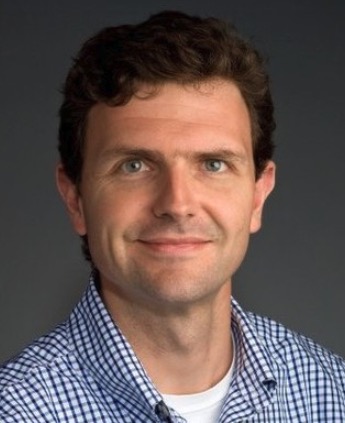 Charles G. Mullighan合作论文数Department of Pathology, St. Jude Children's Research Hospital;Comprehensive Cancer Center, St. Jude Children's Research Hospital41
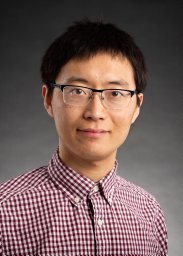 Qingsong Gao合作论文数Shandong University, Shandong University41
 Petri Polonen合作论文数A.I. Virtanen Institute for Molecular Sciences, University of Eastern Finland;School of Medicine, University of Eastern Finland;University of Eastern Finland, University of Eastern Finland41
 Riccardo Masetti合作论文数Department of Medical and Surgical Sciences, University of Bologna;St. Orsola Malpighi University Hospital41Barbara Buldini合作论文数41Sharnise Mitchell合作论文数40Chelsey Chen合作论文数40Yuko Cho合作论文数40Chunxu Qu合作论文数St Jude Childrens Res Hosp, Dept Pathol, 332 N Lauderdale St, Memphis, TN 38105 USA40Zhaohui Gu合作论文数40Jacob M. Rowe合作论文数40




