Numerous studies show that deep neural networks (DNNs) are vulnerable to adversarial patch attacks. Many existing adversarial defense strategies present two major drawbacks. First, they cannot handle adversarial patches of random locations and sizes. Second, they attempt to improve defense performance by integrating information from clean and adversarial examples, but this is susceptible to salient and camouflaged features, resulting in weakened generalization and natural accuracy. To address these issues, in this paper we propose an adversarial training method equipped with a novel mechanism of attention-guided feature fusion (or AttFus in short) and inclusive contrastive learning (ICL). By generating attention difference maps based on clean and adversarial examples and performing piecewise fusion of features, AttFus enables the DNN model to refocus on key areas of the image, overcoming the negative effect of adversarial patches, thereby achieving highly accurate image classification. Moreover, the proposed ICL using both clean and adversarial examples as positives allows for a smooth transition between similar examples in the representation space and better discriminates between signal and noise, thus heightening the model’s natural accuracy and resistance to adversarial attacks. Compared with state-of-the-art adversarial defense methods on benchmark datasets, the proposed method demonstrates competitive performance. When faced with the cross-attack, cross-model and cross-dataset challenges, the proposed method demonstrates excellent robustness and generalization. Our code is available at https://github.com/SunX81/AT-with-AttFus-and-ICL.
Document images frequently suffer from interference factors such as watermarks, seals, and blur, which severely reduce readability and constrain the performance of downstream tasks like Optical Character Recognition (OCR). Existing restoration methods struggle to balance interference suppression and detail preservation in complex scenarios. To address this issue, we propose a Frequency-Aware Multi-scale Purification Network (FAMPN). The network introduces a Complex Frequency Domain Module (CFDM) to leverage frequency-domain properties to model spectral differences and improve its interference suppression capability. Furthermore, a Multi-scale Feature Purification Module (MFPM) is designed, combining multi-scale dilated convolutions and dynamic attention mechanisms to adaptively select and enhance effective detail features. Ultimately, FAMPN achieves interference suppression while concurrently preserving document content information. Experimental results on watermark removal, seal removal, and deblurring datasets demonstrate the effectiveness of the proposed method.
Screening potential formulations from numerous medicines is a critically important task in the field of Traditional Chinese Medicine (TCM), which is typically completed by experienced physicians based on the patient's symptoms and the properties of different Medicines. However, the complex mechanism of action of TCM makes this task very challenging. To overcome these hurdles, research on TCM formulations has shifted towards target-based methods inspired by evaluation methods used in Western medicine, aiming for gaining a deeper understanding of TCM and its potential efficacy. Nevertheless, TCM has more action targets compared to Western medicine, which often leads to computational bottlenecks. Traditional machine learning-based methods can significantly reduce computational time, but they are less interpretable and more prone to overfitting. To this end, this paper proposes an efficient and accurate framework for screening TCM prescriptions. Specifically, we start by identifying the key targets for the specific disease and analyzing the interaction relationships between these targets. We then utilize a Graph Convolutional Network to extract community relationships between the targets and build a trustworthy hypergraph based on this information. Using this structure, we obtain a prescription representation and train a prescription evaluation network to learn the merits of existing TCM prescriptions. Finally, we evaluate our proposed method on two common chronic diseases in clinical practice, Parkinson's disease and chronic gastritis, and the results demonstrate the effectiveness of proposed method in TCM prescription screening and evaluation.
Accurately identifying the basic motion behaviors of cattle, such as grazing and drinking, is crucial for monitoring their health status. Traditional manual monitoring methods are not only time-consuming and inefficient but also highly subjective, making continuous 24-hour surveillance challenging. Moreover, wearing physical sensors for extended periods can interfere with normal cattle activities, causing discomfort to the animals. Existing algorithms using video surveillance for detecting the basic motion behaviors of cattle have several shortcomings, including low model accuracy, poor robustness, and difficulties in effective real-world application. To overcome these shortcomings, this paper proposes a novel two-stream inflated EMAInception3D ConvNet (referred to as two-stream M3D), which consists of two parallel branches. The upper branch is the RGB M3D network, which processes the original RGB video frame sequence and extracts spatial features related to visual appearance. The lower branch is the Optical Flow M3D network, which processes the optical flow image frame sequence generated by calculating the differences between superimposed video frames. By learning from the optical flow images, the Optical Flow M3D network is able to capture temporal variations that are not discernible in static images, understand the correlations between successive action changes, and extract more in-depth motion features of cow actions in the temporal dimension. Finally, the outputs of the two branches are fused to extract richer and more robust features. Traditional single-scale feature extraction methods often overlook subtle multi-scale features. Therefore, we have introduced the Efficient Multi-Scale Attention Module (EMA) to enhance the network's ability to capture details and filter background. Furthermore, to further improve the model's capability in analyzing temporal dimensions and capturing long-term dependencies in behavior, we have incorporated a Non-Local module. The Non-Local module, by calculating the relationships between different positions in video sequences, enhances the network's understanding of dynamic information. The two-stream M3D model, integrating EMA and Non-Local, can effectively utilize the spatio-temporal information of behavior videos to identify and analyze subtle changes in the basic motion behaviors of cattle. Compared with traditional methods, the model proposed in this study has achieved state-of-the-art recognition performance, and the accuracy of motion recognition was 94.281%, which was 1.771% higher than the two-stream I3D model.
Thrombocytopenia is a common complication among critically ill patients. To enable early prediction, we conducted a retrospective study using five machine learning (ML) models developed with a sequence embedding approach that integrates temporal medication and diagnostic data. Models were trained on the MIMIC-IV database and evaluated on the eICU database. We propose a novel sequence feature fusion method combining explicit and implicit features with embeddings for ICD codes and drug sequences to capture complex interactions. To our knowledge, this is the first study to make continuous predictions for ICU patients until thrombocytopenia onset. Model performance was assessed using AUC; t-SNE and SHAP were used to evaluate feature importance. XGBoost with sequence feature fusion performed best, achieving AUCs of 0.80, 0.85, and 0.92 at ICU admission, and 72 h and 24 h before onset, respectively. Platelet count, phosphate, and lactate were the top predictors. These findings demonstrate that ML models with sequence embeddings can effectively predict thrombocytopenia by capturing temporal patterns in patient data.
Recently, driver drowsiness detection has received significant research attention, primarily due to the escalating number of road accidents caused by drowsiness driving. To tackle this issue, computer vision has been employed to detect drowsy states by analyzing drivers' facial expressions. However, existing methods based on computer vision often rely on one or two facial regions (i.e., eyes, and mouth) to detect drowsiness. This approach leads to a failure to account for the driver individual differences. Moreover, although facial regions are highly structured, existing methods employ non-structural architectures to model the drowsiness feature space, lacking guidance from prior knowledge and resulting in the loss of high-level detail features. To this end, we propose a prior knowledge-guided multi-information graph convolutional network (MIGCN) to address these issues for driver drowsiness detection. Compared to driver drowsiness detection methods based on CNN models, the structural MIGCN can effectively learn spatial facial features, enhancing feature representation. Additionally, the core of the proposed MIGCN consists of three modules: the multi-source features extraction module (MSFE), the multi-information representation module (MIRM), and the multi-information GCN and fusion module (MIGCN-F). The MSFE extracts multi-source features from five prior knowledge and entire facial regions to enhance the drowsiness feature space. These prior knowledge provide detailed information, and the entire facial region offers global high-level information. The MIRM injects class, attention, and temporal information into the multi-source features and also provides mean features from the same class, resulting in enriched multi-information features. Together, the MSFE and MIRM address the issue of drivers individual differences. Additionally, we design a task-driven novel MIGCN-F module, whose nodes are composed of multi-information features. This design not only preserves the multi-information of each node but also models the spatial relationships among multi-information features, thereby extracting more discriminative features. Experimental results on the DROZY and UTA-RLDD datasets show that MIGCN achieves accuracy of 94.78% and 97.52%, respectively, outperforming state-of-the-art methods by 1.68% and 2.84%, thus demonstrating its effectiveness.
Drug–target affinity (DTA) prediction is a critical step in virtual screening and significantly accelerates drug development. However, existing deep learning-based methods relying on single-modal representations (e.g., text or graphs) struggle to fully capture the complex interactions between drugs and targets. This study proposes CM-DTA, a cross-modal feature fusion model that integrates drug textual representations and molecular graphs with target protein amino acid sequences and structural graphs, enhancing feature diversity and expressiveness. The model employs the multi-perceptive neighborhood self-attention aggregation strategy to capture first- and second-order neighborhood information, overcoming limitations in graph isomorphism networks (GIN) for structural representation. The experimental results on the Davis and KIBA datasets show that CM-DTA significantly improves the performance of drug–target affinity prediction, achieving higher accuracy and better prediction metrics compared to state-of-the-art (SOTA) models.
In real-field cattle farming environments, precise cattle recognition is imperative for effective animal husbandry practices such as monitoring individual behaviors and screening health to ensure animal welfare. Recently, datadriven deep learning models provide efficient and non-intrusive face recognition. However, their application in real-world scenarios presents significant challenges due to data domain drift over time, encompassing geometric variations in face pose, illumination fluctuations, and disruptions in the background environment. To tackle these challenges, this paper introduces a framework for cattle face recognition with innovative techniques based on farm knowledge that guides the model's training and inference process. First, we combine temporal and pose alignment to mitigate the impact of geometric pose variations. Second, we employ illumination augmentation to adapt to varying illumination conditions, bolstering model robustness. Third, we use semantic segmentation to isolate the facial components, enhancing recognition precision and maintaining focus on facial attributes. Empirical experiments validate our approach, demonstrating its effectiveness for real-world deployment, ensuring robust performance across changing environmental conditions. Our model maintains high accuracy, underscoring its reliability in managing the complexity of real-world scenarios. In summary, this paper presents a comprehensive strategy to address domain drift challenges in cattle face recognition within extended real-world settings, equipping the model to meet the demands of genuine cattle farming contexts effectively.
Accurate long-term tracking of individual cattle is essential for precision livestock farming but remains challenging due to occlusions, posture variability, and identity drift in free-range environments. We propose a multi-camera tracking framework that combines bird’s-eye-view (BEV) trajectory matching with cattle face recognition to ensure identity preservation across long video sequences. A large-scale dataset was collected from five synchronized 4K cameras in a commercial barn, capturing both full-body movements and frontal facial views. The system employs center point detection and BEV projection for cross-view trajectory association, while periodic face recognition during feeding refreshes identity assignments and corrects errors. Evaluations on a two-day dataset of more than 600,000 images demonstrate robust performance, with an AssPr of 84.481% and a LocA score of 78.836%. The framework outperforms baseline trajectory matching methods, maintaining identity consistency under dense crowding and noisy labels. These results demonstrate a practical and scalable solution for automated cattle monitoring, advancing data-driven livestock management and welfare.
To classify the sentiment polarity of the aspect entity in a sentence, most existing research evaluates the semantic knowledge among a certain aspect of a sentence and corresponding context as significant clues for the task. However, available accompanying information has not been completely exploited, especially the coarse-grained category-level knowledge in contexts. Such knowledge can help to alleviate polysemy and ambivalence problems. In this article, we propose a multi-task learning framework Co-interactive Attention Network(CoAN) to jointly learn and handle multiple granularity features at both target and category levels. In order to leverage the fine-grained and coarse-grained knowledge in contexts and get multi-granularity sentiment related sentence representations, we introduce two co-interactive attention layers to conduct accompanying semantic interactions at the word-level and the feature-level. The experimental results on three restaurant review datasets prove that CoAN is superior to the baselines by 1.41% in accuracy and 2.81% in F1-score. Furthermore, ablation studies and attention visualizations showthat the multi-task framework and novel co-interactivemechanisms can distinguish and fuse multi-granularity knowledge, which benefits the two subtasks in aspect based sentiment analysis.
The medical dialogue system aims to create a smart consultation platform for diagnosing diseases. Prior research uses doctor-patient dialogue history for responses, neglectingmedical clues guidance. This oversight can lead to inconsistencies between responses and crucial medical clues in context. To solve this problem, we propose Entity Perception and Reasoning forMedical Dialogue System (EPR), which is built on two components, i.e., Entity-PerceptionModule and Local Entity Attention Module. Entity-Perception Module first predicts medical entities (e.g., symptoms, diseases, and medicines) included in the next response through dialogue history as explicit clues to simulate the diagnosis process of real doctors, then Local Entity Attention Module detects the corresponding relevance between medical entities in dialogue history and medical entities in the next response as implicit clues to reason internal transferability between medical entities. Finally, EPR aggregates above medical clues and guide dialogue history to achieve the consistency of medical response and contextual reasoning logic. Experimental results show that these methods effectively improve entity-based metrics on MedDG.
Cow behavior carries important health information. The timely and accurate detection of standing, grazing, lying, estrus, licking, fighting, and other behaviors is crucial for individual cow monitoring and understanding of their health status. In this study, a model called CAMLLA-YOLOv8n is proposed for Holstein cow behavior recognition. We use a hybrid data augmentation method to provide the model with rich Holstein cow behavior features and improve the YOLOV8n model to optimize the Holstein cow behavior detection results under challenging conditions. Specifically, we integrate the Coordinate Attention mechanism into the C2f module to form the C2f-CA module, which strengthens the expression of inter-channel feature information, enabling the model to more accurately identify and understand the spatial relationship between different Holstein cows’ positions, thereby improving the sensitivity to key areas and the ability to filter background interference. Secondly, the MLLAttention mechanism is introduced in the P3, P4, and P5 layers of the Neck part of the model to better cope with the challenges of Holstein cow behavior recognition caused by large-scale changes. In addition, we also innovatively improve the SPPF module to form the SPPF-GPE module, which optimizes small target recognition by combining global average pooling and global maximum pooling processing and enhances the model’s ability to capture the key parts of Holstein cow behavior in the environment. Given the limitations of traditional IoU loss in cow behavior detection, we replace CIoU loss with Shape–IoU loss, focusing on the shape and scale features of the Bounding Box, thereby improving the matching degree between the Prediction Box and the Ground Truth Box. In order to verify the effectiveness of the proposed CAMLLA-YOLOv8n algorithm, we conducted experiments on a self-constructed dataset containing 23,073 Holstein cow behavior instances. The experimental results show that, compared with models such as YOLOv3-tiny, YOLOv5n, YOLOv5s, YOLOv7-tiny, YOLOv8n, and YOLOv8s, the improved CAMLLA-YOLOv8n model achieved increases in Precision of 8.79%, 7.16%, 6.06%, 2.86%, 2.18%, and 2.69%, respectively, when detecting the states of Holstein cows grazing, standing, lying, licking, estrus, fighting, and empty bedding. Finally, although the Params and FLOPs of the CAMLLA-YOLOv8n model increased slightly compared with the YOLOv8n model, it achieved significant improvements of 2.18%, 1.62%, 1.84%, and 1.77% in the four key performance indicators of Precision, Recall, mAP@0.5, and mAP@0.5:0.95, respectively. This model, named CAMLLA-YOLOv8n, effectively meets the need for the accurate and rapid identification of Holstein cow behavior in actual agricultural environments. This research is significant for improving the economic benefits of farms and promoting the transformation of animal husbandry towards digitalization and intelligence.
Driver drowsiness is a leading cause of traffic accidents. Utilizing deep neural networks, facial feature-based methods have achieved promising results in drowsiness detection. However, these methods suffer from two limitations. Firstly, they only focus on features from one or two facial regions, thus overlooking the relationships between features across different facial regions. Secondly, these methods struggle to account for individual driver variability, a common phenomenon where drivers may display dissimilar signs of drowsiness. These limitations lead to inaccurate drowsiness detection. To address these issues, in this paper we propose a multi-aware graph convolutional network (MAGCN). At the heart of MAGCN are two feature extractors: the class- and attention-aware extractor (CAAE), and the composite temporal-aware extractor (CTAE). The CAAE explores interdependencies within global and local facial features, while the CTAE leverages temporal information to capture dynamic changes in features. Moreover, a task-oriented graph convolutional network is designed to refine the drowsiness feature space for precise detection. Experiment results show that the proposed MAGCN exhibits competitive detection performance, when compared with state-of-the-art drowsiness detection approaches on two public datasets. In summary, the proposed model not only learns and analyzes correlations between features from various facial regions, but also tackles individual driver variability.
Although plant disease recognition has witnessed a significant improvement with deep learning in recent years, a common observation is that current deep learning methods with decent performance tend to suffer in real-world applications. We argue that this illusion essentially comes from the fact that current plant disease recognition datasets cater to deep learning methods and are far from real scenarios. Mitigating this illusion fundamentally requires an interdisciplinary perspective from both plant disease and deep learning, and a core question arises. What are the characteristics of a desired dataset? This paper aims to provide a perspective on this question. First, we present a taxonomy to describe potential plant disease datasets, which provides a bridge between the two research fields. We then give several directions for making future datasets, such as creating challenge-oriented datasets. We believe that our paper will contribute to creating datasets that can help achieve the ultimate objective of deploying deep learning in real-world plant disease recognition applications. To facilitate the community, our project is publicly available at https://github.com/xml94/PPDRD with the information of relevant public datasets.
Sepsis is the third leading cause of death worldwide. Antibiotics are an important component in the treatment of sepsis. The use of antibiotics is currently facing the challenge of increasing antibiotic resistance (Evans et al., 2021). Sepsis medication prediction can be modeled as a Markov decision process, but existing methods fail to integrate with medical knowledge, making the decision process potentially deviate from medical common sense and leading to underperformance. (Wang et al., 2021). In this paper, we use Deep Q-Network (DQN) to construct a Sepsis Anti-infection DQN (SAI-DQN) model to address the challenge of determining the optimal combination and duration of antibiotics in sepsis treatment. By setting sepsis clinical knowledge as reward functions to guide DQN complying with medical guidelines, we formed personalized treatment recommendations for antibiotic combinations. The results showed that our model had a higher average value for decision-making than clinical decisions. For the test set of patients, our model predicts that 79.07% of patients will achieve a favorable prognosis with the recommended combination of antibiotics. By statistically analyzing decision trajectories and drug action selection, our model was able to provide reasonable medication recommendations that comply with clinical practices. Our model was able to improve patient outcomes by recommending appropriate antibiotic combinations in line with certain clinical knowledge.
In our paper, we propose the Adaptive Attention-based Generative Adversarial Network (AAGAN) for text to image generation, and the modal combines the multi-layer GANs and Adaptive Attention Mechanisms to control the fine-grained image generation process at different levels. The core components of AAGAN include the Adaptive Attention Module (AAM) and Spatial-Channel Instance Normalization (SCIN). AAM can dynamically improve the attention weights depending on instructive attention standard based on the paired text-image features in both spatial and channel dimensions. In addition, we propose the loss function for spatial and channel respectively to constrain the proximity of the correlation to the instructive standard. SCIN ensures that the training process is not influenced by samples within the same batch. According to our experimental results, AAGAN can achieve high-quality image generation based on natural language descriptions.
Stock market forecasting remains a significant challenge within the financial sector. The employment of nonlinear predictive techniques has become increasingly prevalent in this domain. This paper introduces a novel approach to stock prediction that leverages a latent space to address the complexities of high-dimensional and intricate stock data. Our methodology integrates Variational Auto-Encoders (VAE) with Long Short-Term Memory networks (LSTM) to first embed the original data into a latent space via VAE, followed by training an LSTM model within this space. This approach not only reduces the model's complexity but also enhances the efficiency of the training process. The proposed model's effectiveness is empirically validated through its application to the S&P 500 dataset, which represents the United States stock market.
Policy search is an efficient learning method in the field of deep reinforcement learning (DRL), which is capable of solving large-scale problems with continuous state and action spaces and widely used in real-world problems. However, such method usually requires a large number of trajectory samples and extensive training time, and may suffer from poor generalization ability, making it difficult to generalize the learned policy model to seemingly small changes in the environment. In order to solve the above problems, this paper proposes a policy search DRL method based on latent space. Specifically, this paper extends the idea of state representation learning to action representation learning, i.e. learning a policy in the latent space of action representations, and then mapping the action representations to the real action space. With the introduction of representation learning models, this paper abandons the traditional end-to-end training manner in DRL and divides the whole task into two stages: large-scale representation model learning and the small-scale policy model learning, where unsupervised learning methods are employed to learn the representation models and policy search methods are used to learn the small-scale policy model. Large-scale representation models can ensure the capacity for generalization and expressiveness, while small-scale policy model can reduce the burden of policy learning, thus alleviating the issues of low sample utilization, low learning efficiency and weak generalization of action selection in DRL to some extent. Finally, the effectiveness of introducing the latent state and action representations is demonstrated by the intelligent control task CarRacing and Cheetah.
Multi-scenario text generation is an essential task in natural language generation because of the multi -scene interlaced property of real-world problems. Traditional methods typically train the multi-scenario text generation models based on maximum likelihood estimation, which may suffer from the problem of exposure bias. Reinforcement learning (RL) based text generation methods could mitigate the exposure bias problem to some extent. However, the RL-based text generation methods are limited to the single -scenario tasks, which cannot be straightforwardly generalized to new scenario tasks. To address this prob-lem, in this paper, we propose a multi-scenario text generation method based on meta RL (MetaRL-TG), which implements the method of model-agnostic meta-learning (MAML) in the framework of RL-based text generation. The proposed MetaRL-TG method first learns the initial parameters from multiple train-ing tasks, then fine-tunes them in the target task. Thus, the proposed method is expected to efficiently achieve high-quality generated text in the new scenario. Finally, the effectiveness and generalization ca-pability of the proposed method are demonstrated for eight scenarios through English test datasets.(c) 2022 Elsevier B.V. All rights reserved.
 Dong Sun Park合作论文数52
 Yarui Chen (陈亚瑞)合作论文数College of Artificial Intelligence, Tianjin University of Science and Technology39
 Sook Yoon合作论文数35
 Tingting Zhao (赵婷婷)合作论文数College of Computer Science and Information Engineering, Tianjin University of Science & Technology;College of Artificial Intelligence, Tianjin University of Science and Technology18
 Shan Juan Xie合作论文数18
 Yuan Wang合作论文数Nankai University11
 Zhijun Fang (方志军)合作论文数上海工程技术大学10Chuanlei Zhang (张传雷)合作论文数10
 Shujie Han合作论文数Coll Comp Sci & Informat Engn, Tianjin Univ Sci & Technol9YanCui Shi (史艳翠)合作论文数9
 Song Wang合作论文数Department of Engineering, La Trobe University8
 Na Liu合作论文数Beijing Institute of Technology(Beijing Institute of Technology,Beijing Inst. of Technol.),Beijing,China7Jian-zheng Liu (刘建征)合作论文数天津科技大学7
) Lu Yu (虞露)合作论文数Institute of Information and Communication Networks Engineering, College of Information Science and Electronic Engineering Zhejiang University7Jinwook Shin合作论文数7
Lu Yu (虞露)合作论文数Institute of Information and Communication Networks Engineering, College of Information Science and Electronic Engineering Zhejiang University7Jinwook Shin合作论文数7 Alvaro Fuentes合作论文数Chonbuk National University6Yuan WANG (王嫄)合作论文数6YanBin Jiao (焦艳彬)合作论文数6
 Mingle Xu合作论文数5Wenhui Sun合作论文数Tianjin Univ Sci & Technol, Coll Comp Sci & Informat Engn, Tianjin, Peoples R China5
 Wei Feng (冯伟)合作论文数Visual Intelligence Lab, College of Intelligence and Computing, Tianjin University;School of Computer Science and Technology, Tianjin University5Song Dong合作论文数5
 Jinfeng Yang (杨金锋)合作论文数中国民航大学电子信息与自动化学院5JianHua Cao (曹鉴华)合作论文数4CongCong Xiong (熊聪聪)合作论文数4Xiaoyuan Zhang合作论文数4
 Wencheng Yang合作论文数School of Mathematics, Physics and Computing, University of Southern Queensland4
 Shanwen Zhang (张善文)合作论文数Institute of Photonics Technology, College of Physics & Optoelectronic Engineering, Jinan University4Chao Wu合作论文数4Xiao Sun合作论文数4
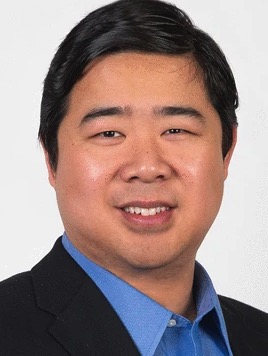 Naixue Xiong合作论文数Department of Computer, Mathematical and Physical Sciences, Sul Ross State University4
 Shuoran Jiang合作论文数School of Computer Science and Technology, Harbin Institute of Technology (Shenzhen)3Lingchao Zhang合作论文数3Lei MAO (毛磊)合作论文数3Shanshan Fang合作论文数3Xiangzi DAI (代翔子)合作论文数3
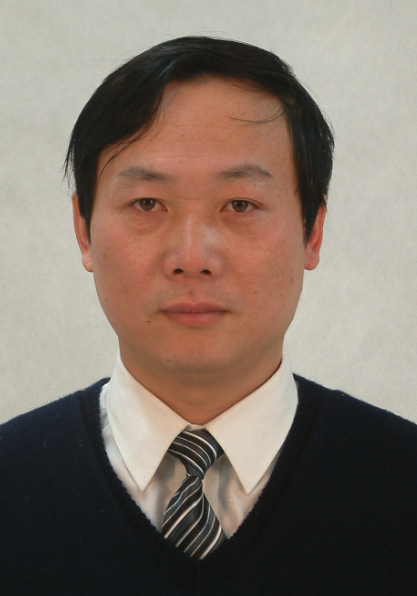 Jiankun Hu合作论文数School of Engineering & Information Technology, The University of New South Wales Canberra;School of Systems & Computing, The University of New South Wales Canberra3Yingyi Zhang合作论文数College of Intelligence and Computing, Tianjin University;State Key Laboratory of Communication Content Cognition, People’s Daily Online3
 Zhihui Wang (王智慧)合作论文数School of Software, Dalian University of Technology3
 Athanasios V. Vasilakos合作论文数Center for AI Research, University of Agder;Department of Computer Science, Electrical and Space Engineering, Lulea University of Technology3Ye Yan合作论文数3
 Shiqian Wu (伍世虔)合作论文数Artificial Intelligence and Machine Vision Laboratory, Wuhan University of Science and Technology;School of Information Science and Engineering, Wuhan University of Science and Technology;Institute of Robotics & Intelligent Systems, Wuhan University of Science and Technology3
 Shouyuan Yang (杨寿渊)合作论文数3Byoungjun Min合作论文数3Jia Chen (陈佳)合作论文数2Jw Shin合作论文数2Hui Cheng合作论文数2Yu Lu (卢宇)合作论文数2




