Compared with liquid helium cooling, liquid hydrogen cooling provides higher refrigeration efficiency and better stability. Furthermore, liquid hydrogen can also be used as fuel for fuel cells or hydrogen turbines. Through the in-depth integration of Superconducting Magnetic Energy Storage (SMES) with hydrogen energy storage, the hydrogen-superconducting integrated energy storage system can, on the one hand, achieve complementary advantages in power density and energy density, and on the other hand, reduce the demand for cryogenic refrigeration equipment while improving the overall refrigeration efficiency. However, such integrated systems still encounter numerous challenges and issues regarding compact layout, safety, adaptability to fluctuating renewable energy sources, and economic feasibility. This paper focuses on the system design technology of liquid hydrogen-superconducting integrated energy storage. From the perspectives of both superconducting energy storage and hydrogen liquefaction storage, two system design schemes are proposed: a liquid neon evaporative cooling SMES system based on a liquid hydrogen cold energy source, and a magnetic refrigeration hydrogen liquefaction system based on SMES. Taking the design of the liquid neon evaporative cooling SMES powered by a liquid hydrogen cold source as an example, the economic performance and safety of the integrated system are analyzed.
Fast and accurate DC fault-current evaluation is crucial for the design and protection of multi-terminal MMC– HVDC grids, especially under low-impedance metallic pole-to-pole (P2P) short circuits with steep current rise. This paper proposes a semi-analytical EMT-oriented fault calculation method for an n-terminal DC grid in which a metal-oxide varistor (MOV) is connected in parallel with the outlet smoothing reactor to realize source-side energy suppression. In this paper, the term shunt-MOV reactor denotes an outlet smoothing reactor whose terminals are shunted by an MOV. The key challenge is to embed the nonlinear MOV-shunted smoothing reactor into a sparse nodal matrix framework without sacrificing computational efficiency. To this end, an odd-symmetric MOV characteristic is represented by a piecewise-affine PWL companion, where both the conductance term and the affine current-injection term are explicitly stamped into the EMT nodal equation. A one-shot (iteration-free) segment selection rule based on a predictor voltage is further adopted so that each time step requires only one sparse linear solve, with an optional single corrective reselection when needed. The method is specialized to a three-terminal star MMC–HVDC grid with bipolar stacking and a near-end low-impedance metallic P2P fault. EMT validations confirm that the MOV-shunted smoothing reactor effectively limits the fault current and reduces its rise rate, and that the proposed semi-analytical calculation closely matches the EMT benchmark for the limited fault current. The verified source-side limiting capability suggests a reduced energy stress on downstream DC protection devices, such as DC circuit breakers, pending device-level sizing assessment.
Gravity energy storage systems (GESS) have emerged as a promising long-duration energy storage technology capable of supporting large-scale renewable integration and enhancing grid resilience. However, the modeling framework for the hoisting electromechanical subsystem in wire-rope-based GESS remains underdeveloped, thereby limiting the accurate characterization of its transient grid-connected behavior, dynamic operating response, and cross-domain coupling effects. Existing studies commonly simplify wire ropes and related transmission components as rigid bodies or low-dimensional mechanical elements, failing to adequately account for their flexibility and the resulting high-dimensional nonlinear dynamics. Although related studies in mine hoisting and elevator systems have addressed mechanical vibration phenomena, they primarily focus on mechanical-side effects, such as shock loading and guide-structure response, whereas the mechanism by which flexible mechanical vibrations propagate through electromechanical coupling and influence electrical dynamic performance remains inadequately understood. To address this gap, this study establishes a distributed-parameter model for the wire-rope hoisting mechanism based on Hamilton’s principle and solves the corresponding vibration governing equations using the Galerkin method to capture nonlinear multi-modal dynamics. An electromechanical coupling model is then developed to elucidate how rope-vibration-induced tension fluctuations propagate through the drive chain, resulting in torque ripple, electrical interharmonics, and low-frequency grid-side oscillations. A Bessel-function-based analytical representation is further introduced to explain the formation of interharmonic clusters and beat-frequency phenomena under converter modulation. An experimental prototype is constructed to validate the proposed modeling framework. The measured vibration spectra, beat-frequency characteristics, and torque ripple align closely with analytical predictions, confirming the model’s capability to capture key propagation paths from rope vibration to electromechanical oscillation and grid-side dynamic response. The results provide a solid theoretical foundation for vibration mitigation, dynamic analysis, and control design of hoisting electromechanical subsystems in gravity energy storage applications.
Superconducting magnetic energy storage (SMES) is widely recognized for its fast dynamic response, high energy storage efficiency, and flexible active and reactive power regulation capability. To address the challenges associated with large-capacity SMES systems, this paper proposes an efficient power conditioning system (PCS) topology and corresponding control strategy. A cascaded H-bridge inverter combined with a chopper circuit is adopted to realize high voltage and high-power conversion for a 4 MW / 8 MJ SMES system. The cascaded modular structure enables direct connection to a 10 kV grid while improving output waveform quality through phase-shifted PWM. A detailed simulation model of the SMES system and grid interaction is established in MATLAB/Simulink. The operating modes of the SMES system, including charging, persistent current operation, and discharging, are analyzed, and the converter control strategy for active power regulation under unity power factor operation is implemented. The results demonstrate that the proposed topology and control strategy allow the SMES system to respond rapidly to grid load disturbances, provide rapid active power compensation, and maintain stable grid voltage and high power factor.
High-power SMES converters face three core practical constraints: SMES outlet insulation limits max port voltage, forcing power improvement to rely on current enhancement-yet traditional topologies lack effective current expansion, risking device overload; conventional converters have high THD, degrading power quality and needing bulky, costly filters; low modularity complicates high-power scaling/maintenance, reducing reliability. To address these, this paper proposes a modular cascaded multilevel SMES converter topology: it uses parallel H-bridges for current sharing, integrates a secondary multi-winding transformer to step down voltage, and achieves high power via coordinated current expansion. Meanwhile, its multilevel H-bridge minimizes harmonics/simplifies filters; modularity enables scalable expansion and localized maintenance, overcoming existing limits. For harmonic suppression/optimization, a dedicated control strategy is designed: H-bridges use carrier phase-shifted modulation to minimize harmonics. Specifically, the inverter adopts dq-axis decoupling control for independent active/reactive power regulation, while the chopper uses voltage threshold control for precise SMES magnet charging/discharging. Experimental results show the scheme meets megawatt-scale SMES requirements.
Fluorinated liquids have emerged as effective coolants due to their thermal and electrical performance, which play a significant role in immersion cooling of data center and power electronic devices. However, the electrical breakdown characteristics of such liquids in vapor-liquid two-phase states are not fully understood, especially the mechanisms associated with the role of thermally induced bubbles in deteriorating dielectric properties. Here, we conducted breakdown experiments for one kind of fluorinated liquid under various heat transfer conditions in a non-uniform alternating electric field to figure out its dielectric properties in two-phase states, and performed simulations to probe into the interactions between the thermally induced bubble and the external electric field. Analyses verify that the boiled fluorinated liquid possesses a weaker breakdown strength as expected, with bubbles distorting electric fields, becoming dielectric weak points, and creating vapor channels between electrodes. These findings provide a better understanding of the breakdown characteristics of fluorinated liquid in two-phase vapor-liquid states, and they lay the foundation for the design of electrical insulation systems of power electronics using immersion cooling.
To address the challenge of providing long-term and stable power supply to wireless sensors embedded inside wind turbine blades, this paper proposes an electromagnetic energy harvester that converts rotational energy into electrical energy based on the principle of electromagnetic induction. The harvester consists of permanent magnets and coils. When the wind turbine blade rotates in the vertical plane, the permanent magnets undergo periodic vibration under the influence of gravity, resulting in a changing magnetic flux through the area enclosed by the coils and thereby inducing an electromotive force (EMF) in the coils. Theoretical analysis and simulation are conducted to investigate the effects of various parameters on the output power of the harvester. Furthermore, an improved configuration featuring three permanent magnets and five coils is proposed. Modeling and simulation demonstrate that the maximum output power of the improved harvester is significantly enhanced—by a factor of 33.9 compared to the original design.
Nitrogen/tetrafluoromethane (N2/CF4) has emerged as an effective refrigerant mixture, which plays a significant role in various high-Tc superconducting (HTS) power devices and energy systems. Several studies have documented the superior performance of such zeotropic binary mixtures in heat transfer and energy conservation compared to pure liquids. However, boiling heat transfer characteristics of liquid mixtures on the molecular scale are not fully understood, especially the mechanisms associated with the role of the additive in regulating thermal properties. Here, we performed the molecular dynamics simulations for the pure N2 and the mixtures containing 20 and 40 mol% of CF4 to probe into the boiling heat transfer process on an ideal copper substrate. Analyses suggest that the boiling process of the N2/CF4 mixture shares similar features with the pure N2, but the binary refrigerant manifests advantages at higher substrate temperatures. Specifically, the additive CF4 delays the onset of film boiling, and the operational temperature range could be enlarged by almost 40% compared to pure N2 in terms of the 40 mol% mixture. Moreover, the mixture with CF4 additive maintains a small interfacial resistance even if the substrate temperature exceeds the critical value of film boiling for pure N2, highlighting the potential to use such mixtures for devices that may suffer from high heat flux levels. Finally, analyses regarding the mixture composition and the solid-liquid interactions confirm the essential role of the additive CF4 in mitigating the mismatch of the vibrational density of states at a high substrate temperature, which may reveal the mechanisms concerning the CF4 improving the heat transfer performance of the original N2. These findings provide a better understanding of the advantage of N2/CF4 at high substrate temperatures, and they lay a foundation for designing the cooling systems of HTS apparatuses.
The superconducting fault current limiter (SFCL) improves the power grid safety by restricting the drastically increased current when the circuit fault occurs. However, the SFCL suffers from a long recovery time and can hardly recover to the superconducting state before the breaker attempts to reclose, which hinders its practical application. This paper presents the implementation of the rapid-recovery SFCL with efficient heat dissipation even if encountering a large fault current. This is enabled by thermal performance regulation of the working coolant through adding tetrafluoromethane (CF4) into the liquid nitrogen (LN2). The proposed mixed coolant features a high critical heat flux that suppresses the onset of film boiling. Controlled experiments were performed with the fabricated current-limiting coil immersed in the N-2/CF4 mixed coolants containing 0, 20 and 40 mol% of CF4. Measured results regarding both quenching and recovery processes are reported, demonstrating an 85.4% reduction in recovery time for the 40 mol% composition compared to the conventionally used pure LN2. Analyses of the electrical parameters of the coil verify its effective quenching performance in the proposed immersion cooling system with an overall current limiting rate of over 55%. These findings lay a foundation for designing the rapid-recovery-type SFCL and facilitating its application in power systems.
Nitrogen/tetrafluoromethane (N2/CF4) has attracted wide attention for its reliable dielectric performance and potential to be utilized as a coolant and insulator of power apparatus. Several studies have investigated the basic properties of N2/CF4, but dielectric responses of such a mixture under extreme electric fields are not fully understood, primarily on a molecular level. Here, we modeled the N2/CF4 complex and calculated the molecular properties under different external electric fields through computational quantum chemistry methods. Results suggest that the electric-field-induced polarization can be apparently observed in both positive and negative direction cases; the deformed electronic structure leads to an increased dipole moment and a narrowed energy gap. In addition, the molecular vibrational modes are sensitive to external electric fields, resulting in the splitting and shifting of IR spectra. Moreover, the external electric field also affects the excited-state properties of N2/CF4, and the emerged absorption peaks under extreme electric fields were analyzed in detail. These findings provide a better understanding of the N2/CF4 properties under external electric fields and lay a foundation for designing the electrical insulation systems of the power apparatus.
大力发展以光伏、风电为主的新能源是实现"双碳目标"、解决我国能源战略安全问题以及推动生态文明建设的重要途径.新能源电源出力具有随机性、波动性、间歇性的特点,且大多为非同步机电源,不具备传统电源对电网的惯量支撑特性.随着新能源电源渗透率的逐渐增高,传统电源容量占比逐渐降低,电力系统所面临的频率暂态稳定性问题变得愈发严重.新型电力系统暂态频率响应特性主要由惯量支撑和调频特性决定,因此,对系统惯量支撑和调频的建模以及特性分析成为新型电力系统频率稳定性研究以及解决方案设计的关键.本文旨在综述新型电力系统惯量支撑和调频特性研究过程中所需的模型,总结仿真建模过程中的典型模型和关键参数,以期为同领域的研究者在新型电力系统惯量支撑和调频研究过程中提供有益的参考.
Liquid nitrogen/tetrafluoromethane (LN _2 /CF _4 ) mixture with a wide liquefied temperature range of 50 to 100 K might be a promising coolant for high- T_c superconducting (HTS) apparatus. However, certain features have not yet been clarified before further application, particularly the insulation properties regarding the composite insulation system consisting of such a cryogenic mixture and polypropylene laminated paper (PPLP). In this paper, AC and DC breakdown experiments and simulations of LN _2 /CF _4 - PPLP composite insulation system are carried out with various molar fractions of each constituent part taken into account using sample cables insulated by the foregoing composite insulation. Results indicate that such a mixture/PPLP composite insulation system possess a superior breakdown strength compared to pure LN _2 /PPLP system; LN _2 /CF _4 can therefore be an advantageous choice for HTS power apparatus.
Restricted by cost and technology, increasing the power of a single flywheel energy storage device is difficult. Using flywheel array can not only increase the total energy storage capacity of the flywheel system, but also reduce the development and production cost of the unit. For the flywheel array energy storage system, the research on the control strategy of coordinated control and mutual cooperation of each energy storage unit is the solution to realize the efficient and safe operation of the array. This paper firstly discusses the research progress of coordinated control strategies for flywheel array energy storage systems internationally in recent years, and summarizes and analyzes the advantages and disadvantages of various control strategies in flywheel energy storage power distribution and array parallel control. By summarizing and researching the coordinated control strategies of flywheel array energy storage systems in the fields of grid regulation, UPS, rail transit energy recovery, pulse power supply, and integrated energy storage technology, the paper provides reference for the design and innovation of array control strategy of the integrated physical energy storage system.
以交联聚乙烯(XLPE)绝缘电缆为例,分析了绝缘介质微观结构对载流子在不同电场下运动规律的不同影响,讨论了交/直流电缆绝缘介质中的电场分配机制,在综合考虑微观载流子与陷阱的耦合机制中,进一步讨论了影响绝缘稳定性与电缆运行稳定性的主要因素.基于此,总结了交/直流电缆绝缘及其运行特性的主要区别,结果表明:电缆绝缘介质微观载流子在工频交流电场和稳恒电场下的不同响应,决定了交/直流电缆绝缘特性和运行特性的显著差异,空间电荷是影响直流电缆绝缘特性的主要因素,而局部放电是交流电缆绝缘老化的主要影响因素.该研究为交/直流电缆绝缘在结构设计中的不同技术考量以及电缆的运行维护等提供了理论依据.
In a liquid medium, shock waves may cause a drastic compression response, accompanied by complex physical and chemical processes. Several studies have documented the phase transitions and the reactions occurring during the compaction. However, the response of liquid mixtures to shock compression is not fully understood, especially on the molecular scale. Here, we performed the ab initio molecular dynamics to study the compression response of the nitrogen / tetrafluoromethane (N2/CF4) liquid mixture, which is considered as a promising cryogenic coolant for high-Tc superconducting apparatus. If suffering from a 10-km/s shock wave, the response pressure can reach dozens of gigapascals, and the value is likely to rise with increasing the content of CF4 (59.4, 67.7 and 75.4 GPa for 0, 20 and 40 mol% of CF4 respectively). Besides the sharply increased pressure, the intense breakage or formation of chemical bonds detected during the compression is another essential response. Moreover, the analysis concerning the evolution of chemical species reveals that the polymerization and fragmentation effects are the most significant features of shock compression, where the homolysis of CF4 plays a vital role in promoting freeradical reactions. These findings may provide detailed insights into the molecular behavior and the pressure-induced reactions during the compression in the N2/CF4 liquid mixture.(c) 2023 Elsevier B.V. All rights reserved.
In a novel high temperature superconducting (HTS) hybrid energy pipe, the liquefied natural gas (LNG) and electricity are transported together along the energy pipeline to attain high energy transmission efficiency. When the pipe is exposed to thermal disturbance, the protective medium, liquid nitrogen (LN2), can restrain the quench phenomenon by boiling heat transfer. In order to analyze the multi-field coupled effects of thermal disturbance on the quench and recovery process of the hybrid energy pipe, a one-dimensional quench model is originally proposed in this paper. The model can reflect the intricate interaction of fluid dynamics, boiling heat transfer and current sharing. The results indicate that the high temperature region moves towards the upstream direction in the recovery process. There are three different characteristics: thermal stable zone, quench controllable zone and quench propagation zone. The critical quench energy Qqc is 18% of the critical recovery energy Qrc and the critical quench distance lqc is 9 times as long as the critical recovery distance lrc, independent of the operation conditions. The Qqc and lqc will results in the longest recovery process of the pipe. The pulse duration hardly affects the quench and recovery characteristics. The critical equilibrium current Iec is a constant value of 1800 A, independent of the heat pulse parameters. The Iec will cause the infinite recovery time, which is harmful for the hybrid energy pipe. These rules are significant for the stable operation and design of the hybrid energy pipe. The proposed model can reflect the multi-field strong coupled effect of the thermal disturbance on the quench of system, which fulfils the fast prediction of the quench and recovery behavior.
The cooling of cryogenic liquid fuel in a superconducting cable is an important technical means to realize efficient energy and power transmission. However, there are only few types of cryogenic liquid fuels that can maintain the superconducting strip below the critical temperature, and little is known about the insulating properties of fuels other than liquid hydrogen. Besides, cryogenic liquid fuels are flammable and explosive, and a safe operating procedure is essential to conduct the discharge tests. Based on the trinitrotoluene equivalent method, the safety distance of the discharge test is determined, and the safety precautions are summarized in this article. Taking the molar ratio of methane to propane as 3:1, the breakdown and flashover voltages of liquefied small molecular alkanes were studied, and the test of long-time withstand voltage was also carried out. At last, the discharge parameters and waveform, as well as the surface state of the polymer after flashover in the fuel, were analyzed. The breakdown field strength of cryogenic liquid fuel is 22.9 kV/mm, and the flashover field strength is 15.9 kV/mm. The reduction of breakdown strength is not found in the test of long-time withstand voltage. Therefore, it has some advantages for the liquid fuels to directly cool the superconducting strips from the cost and electrical performance. This study aims at the superconducting energy pipeline cooling by liquefied natural gas, and it can also provide technical references for the electrical property and safety research of other fuels.
NdFeB rare earth permanent magnets are widely used in permanent magnet motors due to their high remanence, high coercivity and high magnetic energy product. However, their relatively poor thermal stability and low senice temperature limit the application of NdFeB magnets. The coercivity can be effectively improved by doping with heavy rare earths to compensate for the flux loss at high temperature. However, the antiferromagnetic coupling between heavy rare earth atoms and Fe atoms will also reduce the remanent magnetization and magnetic energy product of NdFeB magnets. The influence of heavy rare earth doping on the remanence and magnetic energy product of NdFeB magnets can be reduced by process selection and process optimization control while increasing the coercivity as much as possible. The improvement of the performance of heavy rare earth doping can effectively avoid the local demagnetization of magnets, thus expanding its application prospects and potential in permanent magnet motors.
Resistive type superconducting fault current limiter (R-SFCL) is one of the most promising candidates to suppress fault currents in power grids. However, the violently boiled cryogen liquids, commonly liquid nitrogen, occurred due to fault currents, poses a crucial cryogenic insulation challenge for R-SFCL. Here we report the design and development of a Cryogenic Insulation Supporter Module (CISM) for a 220 kV R-SFCL. First, we present the design and test of the prototype Cryogenic Insulations Supporter (CIS). The developed CIS passed the high voltage tests under operating conditions. Following on this, we then present the design of CISM, which consists of 14 CISs, with the length and outer diameter of 12 m and 2.5 m, respectively.
In a cryogenic liquid medium, shock waves will be formed by the expansion of compressed gas that has been vaporized due to the injection of a large amount of energy. This may severely threaten the reliability of high-Tc superconducting (HTS) apparatus. Several studies have documented the destructive forces of evaporating nitrogen produced by arc energy. However, the properties of and propagation mechanisms relating to pressure waves in liquid nitrogen have yet to be understood. The aim of this study was to clarify the evolution of pressure waves within an enclosed pipeline and reveal the effects of several factors such as the pipe size and the injected energy on the shock-wave impact using explosion dynamics simulations. The results provide evidence for the strengthening of shock waves due to multiple reflection and superposition. In addition, analysis of the pressure impulse and effective strain reveals that, in the case of moderate injected energy, the overall shape of the inside wall of the pipe will remain unchanged except at the points closest to the explosion center; in contrast, the ends of the pipeline may suffer from more severe deformation. Finally, the calculations suggest that the shock-wave impact increases almost linearly with the injected energy, and in logarithmic coordinates, the pressure is inversely proportional to the explosion distance. These findings provide a better understanding of the characteristics and propagation patterns of shock waves in liquid nitrogen, and they lay a foundation for evaluating the safety of HTS cables and energy pipelines.
 Guomin Zhang (张国民)合作论文数Institute of Electrical Engineering, Chinese Academy of Sciences60
 Liye Xiao (肖立业)合作论文数Institute of Electrical Engineering, Chinese Academy of Sciences;University of Chinese Academy of Sciences55
 Zhifeng Zhang (张志丰)合作论文数Institute of Electrical Engineering, Chinese Academy of Sciences46
 Liwei Jing合作论文数39
 Yuping Teng (滕玉平)合作论文数Institute of Electrical Engineering, Chinese Academy of Sciences34
 Jingye Zhang (张京业)合作论文数Institute of Electrical Engineering, Chinese Academy of Sciences;University of Chinese Academy of Sciences27
 Naihao Song (宋乃浩)合作论文数中国科学院大学中国科学院电工研究所.电子电气与通信工程学院24
 Shaotao Dai (戴少涛)合作论文数School of Electrical Engineering, Beijing Jiaotong University20
 Liangzhen Lin合作论文数Institute of Electrical Engineering, Chinese Academy of Sciences19
 Zhihao Zhou合作论文数15Zhiqin Zhu合作论文数15
 Dong Zhang (张东)合作论文数Institute of Electrical Engineering, Chinese Academy of Sciences14
 Dong Xia (夏东)合作论文数Institute of Electrical Engineering, Chinese Academy of Sciences13
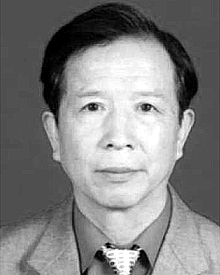 Qingfu Li合作论文数12Shizhuo Liu合作论文数11
 Wenyong Guo (郭文勇)合作论文数Beijing Jiaotong University11Jianhui Chen合作论文数9
 Jingjing Su (苏静静)合作论文数8Ming Qiu (丘明)合作论文数China Electric Power Research Institute8
 Xi Xu合作论文数7
 Liwang Ai合作论文数7Wanjie Li合作论文数7Zhiyuan Gao (高志远)合作论文数Faculty of Information Technology, Beijing University of Technology;Beijing Optoelectronics Technology Laboratory, Beijing University of Technology7
 Yanxing Zhao (赵延兴)合作论文数Technical Institute of Physics and Chemistry, Chinese Academy of Sciences;University of Chinese Academy of Sciences6
 Weiwei Zhou合作论文数6Haonan Wang合作论文数6
 HongJie Zhang (张宏杰)合作论文数China Electric Power Research Institute6Xiaoyue Luo合作论文数5Wenhan Zha合作论文数5
 Guole Liu合作论文数Natl Lab Pattern Recognit, Chinese Acad Sci, Inst Automat5lei hu合作论文数5
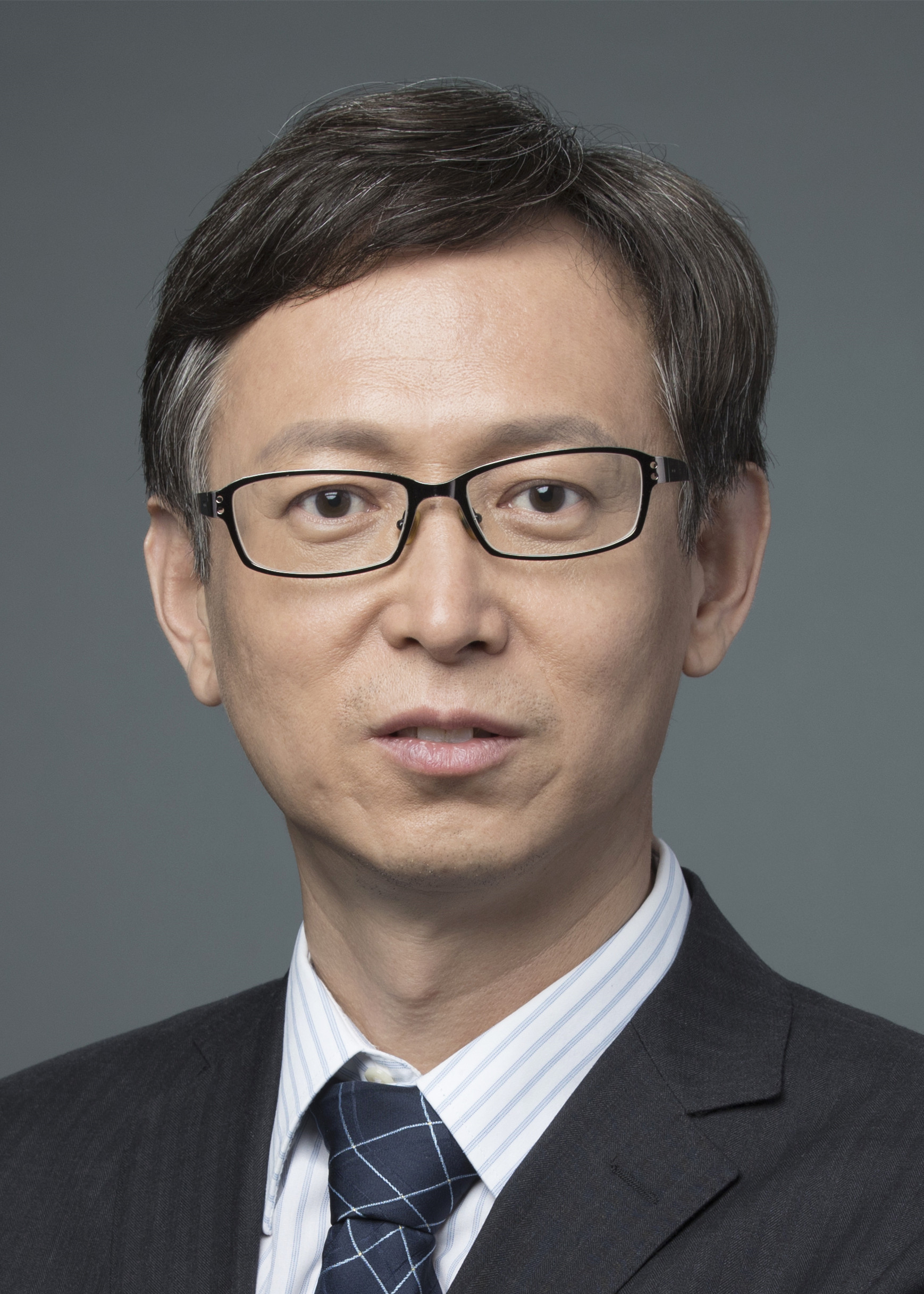 Hongwei Gu (古宏伟)合作论文数Institute of Electrical Engineering, Chinese Academy of Sciences5
 Qingfeng Liu合作论文数†Department of Physics and Astronomy, University of Kansas5Yu Jiao合作论文数5Shaoqun Cao合作论文数4Jim Finley合作论文数4Shouqiao Xin合作论文数4
 Wenju Sang合作论文数4Lei HU (胡磊)合作论文数4Lianqi Zhao合作论文数4NIE Zipan (聂子攀)合作论文数4
 Wenfeng Zhang (张文峰)合作论文数College of Automation, Nanjing University of Posts and Telecommunications4
 Tao Ma (马韬)合作论文数School of Electrical Engineering, Beijing Jiaotong University4Zhaozhi Luo合作论文数3Jiabin Yang合作论文数Dept Engn, Univ Cambridge3Tie Guo合作论文数3Xiaogang Chen合作论文数State Grid Zhejiang Elect Power Co Ltd, Hangzhou 310007, Peoples R China3




