Continuous Mg2+ accumulation during hydrochloric acid leaching of nickel laterite ore causes magnesium loss and increases the burden of saline wastewater treatment. In this study, magnesium was recovered from Mg-rich leachate as reactive MgO by precipitation using milk of lime followed by calcination. Simulated MgCl2-rich solutions revealed the concentration-dependent precipitation behavior. At low Mg2+ concentrations, Mg(OH)2 formed mainly through direct precipitation and produced dense lamellar precursors. At Mg2+ concentrations of 30 g/L and above, CaMg2Cl6·12 H2O was detected as a transient chloride-containing double salt during the early precipitation stage, and honeycomb-like porous Mg(OH)2 precursors were obtained after washing. Calcination of the precursor produced MgO with improved citric acid activity (CAA). The optimized process was validated using purified Mg-rich leachate, achieving a stoichiometry-based Mg precipitation efficiency of 95.47% and producing MgO with approximately 98 wt% purity. The synthesized MgO showed CAA of 22.52 ± 1.19 s, a specific surface area of 60.75 m2/g, and Fe removal performance comparable to commercial MgO, supporting its potential internal reuse as a pH adjustment reagent in hydrochloric acid leaching processes.
Refractory niobium (Nb) in low-grade Nb concentrate is finely dispersed within complex Si-Fe-Ca-Mg mineral assemblages, which limits its accessibility in conventional extraction processes that typically require high-temperature treatment or high reagent consumption. This study proposes an integrated approach combining low-temperature KOH roasting with low-concentration oxalic acid (H2C2O4) leaching to enhance phase reactivity and element migration. Compared with reported methods, the process operates under significantly milder thermal and chemical conditions while maintaining high efficiency. Alkali roasting treatment with an alkali-to-ore mass ratio of 1.3 at 450 °C efficiently disrupts the original silicate-ferrite framework, promotes the cleavage of Nb-O-Si/Fe linkages, and converts refractory Nb- and Ti-bearing phases into more reactive alkali niobates and titanates. Concurrently, the implementation of a regulated, low-temperature treatment modulates the extent of particle sintering and the utilization of KOH, thus enhancing mineral porosity and interfacial accessibility for subsequent leaching processes. Subsequently, the activated product is leached with 0.7 mol/L H2C2O4 solution at 30 °C, where oxalate (C2O42−) complexation stabilizes dissolved metal species and promotes their transfer from the solid phase into the solution. Under these conditions, recoveries of Nb (>96%), Ti (∼94%), and Fe (∼85%) are achieved. The results demonstrate that the synergistic coupling of controlled low-temperature phase reconstruction and dilute complexing leaching significantly improves the dissolution of Nb-bearing phases, enabling efficient metal extraction with reduced reagent and energy inputs. This work provides a fluorine-free, reduced-energy-input, less corrosive and efficient strategy for processing complex Nb resources.
As an emerging technology in environmental energy harvesting, triboelectric nanogenerators (TENGs) excel at capturing low-frequency, distributed mechanical energy. Liquid-solid TENGs (LS-TENGs), in particular, leverage the flow properties of liquid media to achieve efficient interface contact, offering significant advantages such as low mechanical wear and high humidity stability. Recent studies have underscored the importance of interface engineering in advancing the mechanisms and applications of LS-TENGs. However, comprehensive reviews specifically addressing this critical aspect remain scarce. This review paper examines the crucial role of micro/nano-structured interface engineering in regulating LS contact electrification. It provides an in-depth analysis of the LS charge transfer mechanism and elucidates how key parameters, such as surface charge density and curvature, influence device performance. The review systematically outlines the design criteria and engineering strategies for micro/nano-structured interfaces, clarifying the underlying mechanisms of interface regulation and offering essential theoretical guidance for the design of high-performance LS-TENGs. Additionally, the review highlights the applications of LS-TENGs in wave and fluid kinetic energy harvesting, providing valuable insights and practical references for developing advanced LS energy harvesting technologies.
Tribovoltaic nanogenerators (TVNGs) have garnered significant research attention due to their direct output characteristics, high current density, and low internal impedance. However, achieving both high output and long-term stability remains a critical challenge. Herein, we report a synergistic strategy that combines protonation and coordination effects to significantly boost the output performance and overall stability of TVNGs. Protonation enhances electrical conductivity by increasing carrier concentration, whereas coordination facilitates carrier transport by strengthening interfacial bonding. The optimized NiO/HCl/PANI TVNG achieves a power density at least three times higher than previously reported composite-based counterparts, while maintaining negligible performance degradation over continuous operation (>50,000 cycles), under varying environmental conditions (2–50 °C, 25–75% RH), and during long-term storage (>13 months). As a practical demonstration, the device functions as a self-powered sensor for monitoring various human motions. This study elucidates the underlying protonation–coordination synergy, offering a fundamental design strategy for developing high-performance, robust mechanical energy harvesters.
Recovering critical metals such as nickel, cobalt, and lithium from spent lithium-ion batteries is vital for maintaining a sustainable resource supply. The sulfidation process enables efficient selective lithium extraction from black mass, but simultaneously generates dense and highly crystalline polymetallic sulfide residues. These secondary resources of nickel and cobalt exhibit high chemical stability, posing significant challenges for further processing under conventional extraction conditions and severe environmental pollution risks. This study addresses the refractory nature of sulfide residue through sulfur-assisted mechanochemical activation pretreatment, followed by an innovative and environmentally friendly oxygen-pressure water leaching process to extract valuable metals under mild conditions. Multiple characterization techniques confirmed that mechanochemical activation of sulfur induces structural distortion and partial amorphization of sulfide residue, generating defect-rich surfaces and a locally sulfur-enriched environment. During leaching, surface-associated sulfur species undergo in situ oxidation to generate acids, enabling autocatalytic enhancement. Under optimal conditions-12.5% sulfur additive, 1-hour ball milling, 130 degrees C leaching temperature, 0.5 MPa O2, an L/S ratio of 8, and 2.5 hours of leaching-selective leaching rates of valuable metals exceeded 99%. Leaching kinetics showed a two-stage profile with low apparent activation energies for metals. Comprehensive TEA and LCA suggest that the technology effectively alleviates the inherent kinetic and thermodynamic limitations of leaching inert, sulfur-deficient sulfide minerals, without consuming acid or alkali and generating secondary pollution. It offers a novel, green, and practical pathway for the recovery of nickel-cobalt secondary resources, improves the energy efficiency, and promotes the circular economy of key metals.
Lithium extraction from ores is the main source of lithium salts in China, and the development of green and efficient extraction technologies is an inevitable trend in the country’s lithium industry. Due to the limited availability of domestic lithium ore resources, the efficient utilization of low-grade ores and the development of extraction processes from non-traditional lithium resources will be essential for reducing costs and improving efficiency. This review summarizes the resource characteristics and mineral structures of typical lithium-bearing ores, examines recent advances in extraction processes for representative lithium deposits (spodumene, lepidolite) and discusses strategies for the efficient utilization of low-grade lithium ores (zinnwaldite, petalite, amblygonite, clay-type lithium ore, and jadarite). Finally, the research gap in life cycle assessment of lithium extraction processes from multiple types of lithium ores is addressed by providing a useful reference framework for the development and optimization of lithium extraction technologies from ores.
The rapid growth of electric vehicles has limited the sustainable development capacity of the lithium-ion batteries (LIBs) industry, and the buildup of spent LIBs has caused safety and environmental problems. This study proposed a new method for selective lithium extraction from waste LIBs using graphite-assisted sulfidation roasting. Waste graphite and sodium sulfide served as roasting reagents. At roasting temperature of 650 degrees C, mass ratio of Na2S & sdot;9H2O to black mass of 1.6:1 and roasting time of 2 h, lithium was converted into a soluble compound. After water leaching, lithium was leached at a rate of up to 96.68 % and a maximum leaching selectivity of 99.55 % while preserving other transition metals. The lithium carbonate product with 99.5 % purity was prepared using the lithium-rich leach solution. The thermodynamic mechanism based on controlled reducing driving force for targeted lithium extraction and the phase transformation process were investigated, and environmental and economic impacts of new approach were studied. This study provides a new selective sulfidation process with a high lithium leaching rate and selectivity, with good economic and environmental benefits, and provides a new strategy for green lithium recovery and resource recycling of spent LIBs.
Lithium-rich manganese-based cathode materials are considered next-generation cathode materials for high-energy-density lithium-ion batteries. However, their practical application is limited by continuous voltage decay, poor cycle stability, and inferior rate performance. In this study, single-crystalline Li1.2Ni0.13Co0.13Mn0.54O2 (LNCMO) with different coating levels of Li3V2(PO4)3 was synthesized using the sol-gel method, moreover, a spinel phase and oxygen vacancies were induced between the bulk material and coating layer during the coating process. This modification strategy can effectively suppress voltage decay, improve the rate performance, and reduce side reactions between the active materials and electrolytes during cycling. These results showed that the Li+ ion diffusion coefficient of the LNCMO electrode modified with 3 wt% phosphorus-vanadium is 52 times that of the original sample. The 3 wt% phosphorus-vanadium modified LNCMO delivers a capacity of 201.4 mA h g-1 at 1C rate and retains 176.4 mA h g-1 (87.7% retention) after 100 cycles at 1C, while the pristine material only displayed 72.2% retention under identical conditions. Furthermore, the average discharge midpoint voltage decay of pristine LNCMO (2.4 mV per cycle) decreased to 1.9 mV per cycle. These results provide insights into the future application of lithium-rich manganese-based materials.
Beryllium (Be), an associated element of lithium ore, is a highly toxic metal that enters the lithium smelting wastewater (hereinafter referred to as LSW) during the lithium extraction process. Unregulated emissions from LSW can lead to water pollution and soil contamination, harming ecosystems and human health. The treatment of beryllium in LSW is a key challenge in environmental management. This study employed a solvent extraction method, with bis(2-ethylhexyl) phosphinic acid (P227) as the agent, and established optimal extraction conditions, achieving a beryllium extraction rate of 99.98 %. The content of beryllium in the raffinate was less than 20 mu g/L, and the Be2+/Li+ separation coefficient was greater than 5 x 10⁴. The lithium was recovered to produce lithium carbonate. A loss rate of beryllium was only 3.69 % during the scrubbing procedure. 99.73 % of the beryllium was stripped, and the stripping solution was then hydrolyzed and precipitated to produce a beryllium hydroxide product with a purity of 99.07 %. Additionally, the mechanism of the extraction process was analyzed using FT-IR spectra and the slope method, and thermodynamic calculations were conducted. This method addressed beryllium pollution issues in the LSW, facilitated the efficient recovery of beryllium resources, and provided core support for the lithium industry to establish a green, closed-loop system.
The development of recycling processes for spent lithium-ion batteries had become a key factor for the sustainable development of the new energy vehicle industry due to their environmental risks and resource availability. This article presented a thermodynamic analysis of the synergistic leaching solution system and its subsystems of LiNixCoyMnzO2 and LiFePO4 lithium-ion battery cathode powders. Based on thermodynamic analysis, deep synergistic removal of Fe/P was achieved through solution regulation. The removal rate of Fe/P was close to 100 %, while the loss rate of metals such as Ni, Co, Mn, and Li was less than 1 %. The obtained Fe/P slag was subjected to hydrothermal recrystallization treatment, and battery grade FePO4.2H2O was obtained through condition optimization. Subsequently, selective precipitation of Cu2+ was achieved by controlling the pH of the solution and the amount of Na2S2O3 added. The concentration of Cu2+ was reduced to below 10 ppm while the loss rate of major metals was below 0.2 %. Finally, Ni0.8Co0.1Mn0.1(OH)2 was obtained from the deep purification solution through co-precipitation, achieving the separation of transition metals from Li+. The entire process ensured that the total loss rate of major metals was less than 1 % while obtaining high value-added products, providing technical and theoretical support for the gradient separation of major metal ions in the leachate.
Due to the complex process, environmental impact, and high cost of conventional solvent extraction for Ni and Co recovery from mixed hydroxide precipitate, this study introduces an ammonia leaching process to selectively extract Ni and Co. Specifically, a ball milling and water washing pretreatment removes soluble Mg2+, followed by (NH4)2CO3 leaching, which dissolves 98% Ni and 96% Co, leaving impurities (Mn, Mg, Fe, Al) unreactive. The leachate contains 25.68g/L of Ni, 2.4g/L of Co, and 0.07g/L of Mn, with Mg, Fe, and Al levels below detection limits, demonstrating effective separation of Ni and Co. Mn is also removed through ammonia leaching and subsequent precipitation as MnCO3. Kinetic analysis revealed that the diffusion-controlled process allows for efficient extraction at lower temperatures, further reducing energy consumption. Moreover, the ammonia solution can be reused for five consecutive cycles, maintaining leaching efficiencies above 95% for Ni and 92% for Co, offering cost savings. This method simplifies the recovery process, eliminates the need for organic solvents, reduces environmental impact, and lowers operational costs, making it a more sustainable and economically viable alternative for industrial applications.
The demand for high-energy-density batteries, driven by electric vehicles (EVs) and renewable energy, has made lithium-ion batteries (LIBs) critical. Among cathode materials, nickel-cobalt-manganese layered oxides (NCM), particularly NCM811, show potential for next-generation batteries. However, the electrochemical performance of NCM811 degrades over cycles due to Li/Ni cationic disorder. This study investigates the impact of Li/Ni mixing on NCM811's electrochemical behavior, introducing an "asymmetric factor" (Rasymmetry) to quantify the asymmetry of cation mixing. The results reveal that Li/Ni cation disorder significantly affects cyclic stability and capacity retention. Detailed analysis of morphology, structure, and performance uncovers the relationship between cationic disorder, crystal structure, and battery behavior. The findings highlight the critical role of Li/Ni cation exchange symmetry in determining the cyclic performance and stability of NCM811. It also emphasizes how sintering temperature and precursor salt selection influence material performance, stressing the need for optimized synthesis strategies. This research offers insights into mitigating performance loss and improving the lifespan of high-energy-density batteries for EVs and renewable energy applications.
Nickel-rich layered oxide emerges as a promising cathode material for high-energy lithium-ion batteries. Expanding the lattice spacing is found to be beneficial for enhancing the electrochemical performance of nickelrich layered oxides. In this study, sodium lignosulfonate is introduced into the coprecipitation process to interfere with the chelation precipitation process of transition metal ions, resulting in a novel lattice spacing expansion strategy. The expansion of the layer spacing significantly improves the storage capacity of the active material. Comparison with the control sample NCM811 reveals that modified sample exhibits a specific discharge capacity of 209.8 mAh g-1, which is superior to the 198.8 mAh g-1 capacity of unmodified NCM811. Importantly, this expansion strategy does not induce adverse effects on the cycle stability of the active material during prolonged cycling. The use of sodium lignosulfonate in the "pre-expansion" strategy does not leave any residue in the precursor, thus ensuring compatibility with other modification strategies. Moreover, the proposed modification
Beryllium is an essential metal for strategic purposes but remains an under-explored element. The separation of beryllium and aluminium and the purification of beryllium hydroxide from a multi-component solution has always been a challenging task in the beryllium industry and offers great research potential in academic fields. In this research, a solvent extraction method was used to purify and recover beryllium from trace impurities. A systematic investigation of the extraction process revealed that under optimal conditions, 98.66% of the beryllium was extracted in a three-stage countercurrent extraction using naphthenic acid (NA) as the extractant. The aluminium, iron and other trace impurities in the organic phase can be scrubbed with 1 mol/L HCl, then 99.27% of the beryllium was stripped with 5 mol/L NaOH by two-stage stripping. Be(OH)2 with a purity of 99.67% was recovered from the stripped beryllium solution by hydrolysis precipitation method. Furthermore, FT-IR analysis and slope analysis demonstrate the mechanism of beryllium extraction with naphthenic acid accompanied by cation exchange. The influence of temperature on the beryllium extraction was investigated and the thermodynamic parameters and the equilibrium constant of the extraction reaction were calculated. Accordingly, a process flowsheet for the separation of beryllium from multiple impurities using naphthenic acid was developed. This process is believed to offer the advantages of high efficiency, recyclability, and a favorable beryllium-aluminium separation effect; presenting a promising new approach to beryllium recovery.
Cobalt xanthate slag is the waste slag produced by the use of xanthate cementation and decontamination before the wet refining and electrowinning of Zn, in which Zn, Co, Cd, etc., and butyl xanthate exist in the form of hydrophobic complexes, which are poorly soluble with water. In addition, most of the cobalt xanthate in the slag exists in the form of high-valent Co, which lowers the extraction rate when directly leaching the metal elements. In this study, the atmosphere of the roasting process is regulated to destroy the hydrophobic complexes and change the mineral phase structure of the cobalt xanthate slag. In the cobalt xanthate slag, the Co and Fe valence states change during the roasting and leaching steps; specifically, during the roasting process, the complexes first decompose into CS2, reducing part of the Co3+. Following the disappearance of this sulfur-rich environment, the oxygen in the flowing air oxidises Fe2+ to Fe3+, but the valence state of Co remains unchanged. During the subsequent leaching process, Co3+ and Fe2+ further react to realise the benign transformation of Co3+ to Co2+ and Fe2+ to Fe3+ without an added redox agent. The rapid redox reaction between Co3+ and Fe2+ controls Co3O4 dissolution; thus, the reaction rate is controlled by the slower process of internal diffusion. Under the optimal roasting conditions, the Co3+ content in cobalt xanthate slag decreases to 21.10 % and that of Fe2+ to 48.78 %. Consequently, the optimum Zn and Co leaching rates reach 99.92 % and 99.57 %, respectively, and only 0.86 % of Fe in the final leaching solution exists in the form of Fe2+.
By optimizing the precursor structure with sodium aminosulfonate to reduce uneven Li/Ni mixing in the active material, the cyclic stability of NCM811 was enhanced. Following 300 cycles, the capacity retention rate increased by approximately 20%.
Due to its potential environmental hazards and the importance of valuable metal supply, the recycling of spent lithium-ion batteries (LIBs) has attracted widespread attention. The hydrometallurgical process for recycling spent lithium-ion batteries faces the problem of excessive acid consumption and the need for different redox additives to improve the leaching rate of major metals which will result in issues such as resource waste and secondary pollution. In this study, using LFP and NCM as raw materials, the inherent oxidation/reduction characteristics between them were utilized to achieve leaching rates of over 99% for Ni, Mn, Li, and over 95% for Co, without the addition of any redox additives under near stoichiometric sulfuric acid. The leaching kinetics and reaction mechanism of different metals indicate that LFP rapidly dissolves in the sulfuric acid solution, with the released Fe2+ acting as a reducing agent. The subsequent slower reaction between Fe2+ and NCM becomes the rate-controlling step. Afterwards, the leachate regulated by solution control can be further used to prepare Ni-Co-Mn hydroxide precursors and lithium carbonate after the formation of FePO4. This method effectively reduces chemical consumption, mitigates environmental footprint, and achieves highly economical recovery of metals from spent lithium-ion batteries.
The lower crystal structure defects caused by asymmetric Li/Ni mixing in the single crystal morphology of NCM811 material determine its better structural stability than the polycrystalline morphology.
Ultrasonic-assisted precipitation was employed to sustainably isolate Fe in the hydrochloric acid lixivium of low-grade laterite for the synthesis of battery-grade iron phosphate. The recovery efficiency of Ni and Co exceeded 99%, while the removal efficiency of the Fe impurity reached a maximum of 95%. Precipitation parameters for the selective isolation of Fe (MgO precipitant, pH 1, 70–80 °C) were optimized and used in ultrasonic precipitation experiments. The use of ultrasonic waves in the precipitation process enhanced micromixing by reducing the size of primary grains and mitigating particle agglomeration, thereby significantly improving the purity of the isolated compound and providing high-quality iron phosphate (FePO4·2H2O). The LiFePO4/C composite prepared from as-precipitated FePO4 exhibited excellent electrochemical performance, with a discharge capacity of 149.7 mAh/g at 0.1 C and 136.3 mAh/g at 0.5 C after 100 cycles, retaining almost 100% cycling efficiency. This novel and facile method for iron removal from laterite acid lixivium not only efficiently removes excess iron impurities leached due to the poor selectivity of hydrochloric acid, but also enables the high-value utilization of these iron impurities. It enhances economic benefits while simultaneously alleviating environmental pressure.
With the rapid development of new energy fields and the current shortage of lithium supply, an efficient, clean, and stable lithium resource extraction process is urgently necessary. In this paper, various advanced detection methods were utilized to conduct a mineralogical analysis of the raw ore and systematically study the occurrence state of lithium; the limestone sintering process was strengthened and optimized, elucidating the sintering mechanism and analyzing the leaching process kinetics. Under an ingredient ratio of 1:3, a sample particle size of 300 mesh, a sintering temperature of 1100 °C, a sintering time of 3 h, a liquid–solid ratio of 2:1, a leaching temperature of 95 °C, and a leaching time of 1 h, the leaching rate of Li reached 90.04%. The highly active Ca–O combined with Si–O on the surface of β–spodumene to CaSiO4, and Al–O was isolated and combined with Li to LiAlO2, which was beneficial for the leaching process. The leaching process was controlled by both surface chemical reactions and diffusion processes, and Ea was 27.18 kJ/mol. These studies provide theoretical guidance for the subsequent re-optimization of the process.
 Tao Qi (齐涛)合作论文数Institute of process Engineering, Chinese Academy of Sciences;University of Chinese Academy of Sciences;Ganjiang Innovation Academy, Chinese Academy of Sciences80
 Guangye Wei (魏广叶)合作论文数Institute of Process Engineering, Chinese Academy of Sciences;University of Chinese Academy of Sciences45
 Zhihui Yu (余志辉)合作论文数Institute of Process Engineering, Chinese Academy of Sciences;University of Chinese Academy of Sciences29
 Qiang Guo (郭强)合作论文数Institute of Process Engineering, Chinese Academy of Sciences;University of Chinese Academy of Sciences19
 Yinghong Wu合作论文数16
 Peiyu Zhang (张培育)合作论文数School of Chemistry and Chemical Engineering, Shandong University13ZhiHui Sui (隋智慧)合作论文数12Song Jing合作论文数11
 Lina Wang (王丽娜)合作论文数Institute of Process Engineering, Chinese Academy of Sciences11Long Meng (孟龙)合作论文数11Fei Ma合作论文数10
 Yang Luo (罗扬)合作论文数10Guiying Zhou (周桂英)合作论文数China Grinm Group Corporation Limted10Jinglong Chu合作论文数10Caixia Lv合作论文数9Yadong Ning合作论文数8Boyuan Zhu合作论文数7Bingbing Han合作论文数7Jing Song (宋静)合作论文数6
 Yu Wang (王钰)合作论文数State Key Laboratory of Multiphase Complex Systems, Institute of Process Engineering, Chinese Academy of Sciences;University of Chinese Academy of Sciences;ZGC Tianhe Technology Transfer Center6
 Jinggang Wang (王京刚)合作论文数Beijing University of Chemical Technology6Ziyang Xu合作论文数5
 He Li合作论文数5XiaoYing Han合作论文数5YouYi Zhu (朱友益)合作论文数5
 Yudong Zheng (郑裕东)合作论文数School of Materials Science and Engineering, University of Science and Technology Beijing5linxin han合作论文数4Hongqian Sun合作论文数4ran liu合作论文数4Qiang ZHANG (张强)合作论文数4
 Paul K Chu (朱劍豪)合作论文数Department of Materials Science and Engineering, City University of Hong Kong;Department of Physics, City University of Hong Kong4
 Feng Shien-Ping (馮憲平)合作论文数Department of Mechanical Engineering,The University of Hong Kong4
 DAOUD, Walid合作论文数Energy Harvesting and Wearable Energy Technologies Laboratory, Department of Mechanical Engineering, City University of Hong Kong4Xi Xinguo合作论文数3Yudong Liu合作论文数3Jie Li合作论文数3
 E Zhou (周娥)合作论文数National Engineering Research Center of Green Recycling for Strategic Metal Resources, Institute of Process Engineering, Chinese Academy of Sciences;University of Chinese Academy of Sciences3
 Jingchong Liu (刘敬崇)合作论文数School of Chemistry and Biological Engineering, University of Science and Technology Beijing3Li-Xia GAO (高丽霞)合作论文数3SUN Shuai (孙帅)合作论文数3
 Yongli Li (李永利)合作论文数Institute of Process Engineering, Chinese Academy of Sciences3
 Shili Zheng (郑诗礼)合作论文数Institute of Process Engineering, Chinese Academy of Sciences;University of Chinese Academy of Sciences3Shouci Lu (卢寿慈)合作论文数University of Science and Technology Beijing3Yunxia Song (宋云霞)合作论文数3
 Tichang Sun (孙体昌)合作论文数School of Civil and Resources Engineering, University of Science and Technology Beijing3
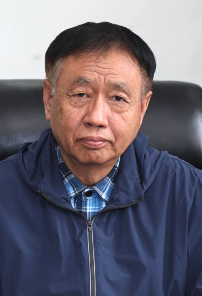 Cunyi Song (宋存义)合作论文数Tianjin College, University of Science and Technology Beijing3
 Guihua Hou (侯贵华)合作论文数School of Materials Science and Engineering, Yancheng Institute of Technology3




