Liver hepatocellular carcinoma (LIHC) is a molecularly heterogeneous malignancy for which additional genetically supported biomarkers and functional regulators remain to be identified. We aimed to identify candidate genes through integrative genetic and transcriptomic screening, then determine the cellular context and functional relevance of the leading candidate. We applied Summary-data-based Mendelian Randomization to FinnGen LIHC genome-wide association summary statistics and GTEx v8 liver cis-eQTL summary data. A 1000 Genomes European-ancestry panel provided the linkage disequilibrium reference. Candidate genes were cross-referenced with Gene Expression Omnibus differentially expressed genes and TCGA-LIHC prognostic genes. After ATP13A2 emerged from this screen, we used bulk, single-cell, and spatial transcriptomic analyses to characterize its expression and cellular context. HUVEC knockdown, migration, tube formation, qRT-PCR, and Western blotting were then used for functional assessment. ATP13A2 was the only gene shared by the SMR-prioritized, GEO differential-expression, and TCGA-LIHC prognostic sets. ATP13A2 expression was higher in LIHC tissues and independently associated with worse survival in the TCGA-LIHC cohort. Single-cell analysis subsequently localized ATP13A2 predominantly to tumor endothelial cells, and spatial and pathway analyses associated ATP13A2-positive endothelial cells with angiogenic programs and inferred PTN-NCL signaling. In HUVECs, ATP13A2 knockdown reduced migration and tube formation and was accompanied by reduced ERK1/2 and p38 MAPK phosphorylation. An unbiased integrative screen prioritized ATP13A2 as a genetically supported LIHC candidate, after which single-cell analysis identified its tumor-endothelial context. Functional knockdown data support an association with endothelial angiogenic phenotypes. Rescue, in vivo, and independent clinical validation remain required.
Our previous findings demonstrated the promising antitumor activity and manageable safety of sintilimab-lenvatinib conversion therapy. The current study aimed to evaluate long-term survival outcomes in patients with unresectable hepatocellular carcinoma (HCC) who underwent sequential surgical resection after successful conversion therapy. In this prospective, single-arm, expansion, phase II trial, patients with unresectable HCC received lenvatinib plus sintilimab conversion therapy. Hepatectomy was performed in consenting patients after successful conversion therapy. The primary endpoint was the conversion rate; secondary endpoints included median overall survival (OS), 5-year survival rates, and recurrence-free survival (RFS). Successful conversion was achieved in 67 of 120 patients (56%, 67/120). Independent imaging review per mRECIST and RECIST v1.1 criteria demonstrated objective response rates of 58.3% (70/120) and 45.8% (55/120), respectively. With a median follow-up of 41.0 months (95% confidence interval [CI], 39.5-42.5) for the entire cohort, the median OS was 36.0 months (95% CI, 25.0 to not estimable [NE]), with a 5-year OS rate of 42.6% (95% CI, 34.0-53.0). Following multidisciplinary team evaluation and consideration of patient preferences, 60 patients underwent surgical resection, achieving a median RFS of 40.0 months (95% CI, 24.0 to NE) and a 5-year survival rate of 73.9% (95% CI, 62.7-87.1). Grade ≥3 treatment-related adverse events occurred in 37 patients (31%). Approximately half of the patients with unresectable HCC achieved successful conversion after sintilimab plus lenvatinib therapy. Among those who achieved successful conversion, subsequent curative surgery demonstrated not only a favorable safety profile but also significant survival benefits. Trial registration number: ChiCTR1900023914.
Lung cancer immunotherapy remains limited by the immunosuppressive tumor microenvironment (TME) and insufficient immunogenicity. Accumulating evidence indicates that tumor-derived exosomes (TDEs) play a pivotal role in shaping the immunosuppressive TME. Consequently, therapeutic strategies targeting TDE biogenesis and secretion offer a promising strategy to counteract tumor immune evasion. To this end, we developed an adenosine triphosphate (ATP)-responsive zeolitic imidazole framework-90 (ZIF-90)-based nanoplatform for the co-delivery of the exosome biosynthesis inhibitor GW4869 and the copper ionophore elesclomol (ES-Cu, a cuproptosis inducer). GW4869-mediated TDEs suppression alleviated immunosuppression and enhanced T-cell infiltration while simultaneously inducing reactive oxygen species (ROS) production to deplete glutathione (GSH). This GSH depletion potentiated ES-Cu-induced cuproptosis, and in combination with TDEs inhibition-mediated immunostimulation, established a positive feedback loop that remodels the TME to enhance antitumor immune responses. To our knowledge, this biomimetic nanoplatform presents an unexplored integration of exosome blockade with cuproptosis induction, establishing a novel paradigm for cancer immunotherapy.
Immune checkpoint inhibitors (ICIs) combined with anti-angiogenic agents manifest improved survival in advanced hepatocellular carcinoma (HCC), but responses remain heterogeneous. Although high PIVKA-II expression correlates with advanced disease stage, early recurrence, shorter survival, and may predict resistance to anti-PD-1 plus lenvatinib therapy, the tumor microenvironment (TME) and resistance mechanisms in HCC with high PIVKA-II expression remain unclear. Clinical data from 156 resected HCC patients and 104 patients treated with anti-PD-1 plus lenvatinib are analyzed to correlate PIVKA-II expression with clinical features and outcomes. Single-cell RNA sequencing (scRNA-seq) is performed on tumors from 15 untreated and 7 treated patients. Mechanistic findings are validated in vitro and in vivo. High PIVKA-II expression is associated with advanced disease stage, increased microvascular invasion (MVI), early recurrence, and poor response to therapy. ScRNA-seq revealed an immunosuppressive TME enriched with regulatory T cells (Tregs), exhausted CD8⁺ T cells, and SPP1⁺ tumor-associated macrophages (TAMs). Mechanistically, tumors with high PIVKA-II expression upregulated NQO1, which stabilized p65 by inhibiting ubiquitination, activating the NF-κB/CXCL12 axis, and recruiting Tregs. This pathway mediated therapeutic resistance. Plerixafor, a CXCL12 inhibitor, disrupted this axis and significantly enhanced anti-tumor efficacy when combined with anti-PD-1 plus lenvatinib in vivo. PIVKA-II is a potentially effective biomarker for predicting resistance to anti-PD-1 plus lenvatinib therapy. Its high expression denotes an immunosuppressive TME. Targeting the NQO1/CXCL12/Tregs axis with Plerixafor may restore sensitivity and improve outcomes.
Background: Sepsis is a life-threatening condition driven by a dysregulated immune response to infection. Identifying the genetic factors underlying sepsis pathogenesis remains a major challenge in developing effective treatments. Methods: The Summary data-based Mendelian Randomization method was used to integrate Genome-Wide Association Studies and expression quantitative trait loci data to identify sepsis-related genes. These genes were intersected with prognostic gene sets from Gene Expression Omnibus transcriptomic datasets and validated using an independent dataset. Comprehensive single-cell RNA sequencing analysis, including cell clustering, differential expression analysis, cell-cell communication mapping, and pseudotime trajectory analysis, was performed to explore the roles of the identified genes within the sepsis microenvironment. Results: Intersection of Summary data-based Mendelian Randomization and Gene Expression Omnibus gene sets, followed by validation, identified two risk genes and five protective genes as significantly differentially expressed. The risk gene BEND7, predominantly expressed in platelets, was further analyzed using single-cell RNA sequencing, revealing strong interactions with immune cells, particularly monocytes and neutrophils, via the intercellular adhesion molecule signaling pathway. Functional enrichment analysis suggested that BEND7-positive platelets play a role in immune modulation and platelet activation. Conclusion: BEND7 was identified as a platelet-specific gene involved in immune regulation during sepsis. Targeting BEND7-positive platelets may present new therapeutic opportunities in sepsis management.
Objective:This study aims to compare the effectiveness and safety of TACE combined with molecular targeted therapy (MTT) plus Programmed death-ligand 1 (PD-(L)1) antibodies versus MTT plus PD-(L)1 antibodies for HCC patients. Methods:Data from HCC patients who received either MTT plus PD-(L)1 (systemic therapy group) or TACE combined with MTT plus PD-(L)1 (combination therapy group) were retrospectively analyzed. The primary outcome was the objective reaction rate (ORR) at the initial assessment post-treatment initiation. Secondary outcomes included progressive free survival (PFS), overall survival (OS) and grade-3 or higher adverse events. Results:A total of 222 HCC patients were included (109 in the systemic therapy group, 113 in the combination therapy group). Propensity score matching yielded 80 patients per group. The odds ratio for ORR in the combination therapy group was 1.29 (95% CI: 0.64-2.60; p=0.479). Subgroup analysis revealed significantly higher ORR for patients with AFP≤200 ng/mL in the combination therapy group (OR=3.54, p=0.016). For patients without PVTT, the ORR odds were slightly higher with combination therapy (OR=5.33, p=0.068). Multivariate Cox regression analysis showed no significant differences in PFS (HR=0.68, p=0.131) or OS (HR=0.86, p=0.674) between the two groups. Higher baseline AFP (>200 ng/mL) was associated with worse PFS (HR=1.68, p=0.012) and OS (HR=2.33, p=0.021). Surgical resection improved PFS (HR=0.42, p<0.001) and OS (HR=0.31, p=0.004). Grade 3 or higher adverse events were more common in the combination therapy group (52% vs 15%, p<0.0001). Conclusion:No significant benefits were observed for combining TACE with MTT and PD-(L)1 in unresectable HCC patients. However, TACE may offer advantages for patients with AFP≤200 ng/mL or without PVTT.
Globally, pancreatic cancer is recognized as one of the deadliest malignancies that lacks effective targeted therapies. This study aims to explore the role of cyclin I-like protein (CCNI2), a homolog of cyclin I (CCNI), in the progression of pancreatic cancer, thereby providing a theoretical basis for its treatment. Firstly, the expression of CCNI2 in pancreatic cancer tissues was determined through immunohistochemical staining. The biological role of CCNI2 in pancreatic cancer cells was further assessed using both in vitro and in vivo loss/gain-of-function assays. Our data revealed that CCNI2 expression was abnormally elevated in pancreatic cancer, and clinically, increased CCNI2 expression generally correlated with reduced overall survival. Functionally, CCNI2 contributed to the malignant progression of pancreatic cancer by promoting the proliferation and migration of tumor cells. Consistently, in vivo experiments verified that CCNI2 knockdown impaired the tumorigenic ability of pancreatic cancer cells. Moreover, the addition of phosphatidylinositol 3-kinase (PI3K) inhibitors could partially reverse the promoting effect of CCNI2 on the malignant phenotypes of pancreatic cancer cells. CCNI2 promoted pancreatic cancer through PI3K/protein kinase B (AKT) signaling pathway, indicating its potential as a prognostic marker and therapeutic target for pancreatic cancer.
Plant-derived exosome-like nanovesicles (PDENs) currently have significant therapeutic value in the field of disease treatment and sub-health, but the lack of suitable formulation forms further limits their clinical application. Here, we propose a novel concept of a natural plant-derived exosome-like nanovesicle-hydrogel formulation, where exosome-like nanovesicles are isolated from the outer rind of Aloe as a therapeutic component, and the inner pulp of aloe is ultrasonically crushed and concentrated to form a hydrogel matrix. The two components are then mixed to form a formulation. We found that this natural plant-derived hydrogel formulation was biocompatible and exhibited minimal immunogenicity in vivo after topical application. Further release of exosome-like nanovesicles from the hydrogel could enhance the anti-oxidant enzyme defense system in the skin via the Nrf2/HO-1 pathway, and effectively modulate the balance between oxidative and anti-oxidative states towards a more favorable physiological equilibrium in mice with atopic dermatitis (AD) lesions or diabetic wounds. Meanwhile, due to the good moisturizing property of aloe hydrogel itself, it could accelerate the repairment of natural barrier functions in inflammatory skin lesions and wound sites. Overall, this formulation is expected to be a potential and effective strategy for treating AD and diabetic wounds, and provides novel insights into the rational design of exosome-like nanovesicle formulations based on natural plant-derived components.
Developing protein drugs that can target intracellular sites remains a challenge due to their inadequate membrane permeability. Efficient carriers for cytosolic protein delivery are required for protein-based drugs, cancer vaccines, and CRISPR-Cas9 gene therapies. Here, we report a screening process to identify highly efficient materials for cytosolic protein delivery from a library of dual-functionalized polymers bearing both boronate and lipoic acid moieties. Both ligands were found to be crucial for protein binding, endosomal escape, and intracellular protein release. Polymers with higher grafting ratios exhibit remarkable efficacies in cytosolic protein delivery including enzymes, monoclonal antibodies, and Cas9 ribonucleoprotein while preserving their activity. Optimal polymer successfully delivered Cas9 ribonucleoprotein targeting NLRP3 to disrupt NLRP3 inflammasomes in vivo and ameliorate inflammation in a mouse model of psoriasis. Our study presents a promising option for the discovery of highly efficient materials tailored for cytosolic delivery of specific proteins and complexes such as Cas9 ribonucleoprotein.
Up to half of hepatocellular carcinoma (HCC) cases are diagnosed at an advanced stage, for which effective treatment options are lacking, resulting in a poor prognosis. Over the past few years, the combination of immune checkpoint inhibitors and anti-angiogenic targeted therapy has proven highly efficacious in treating advanced HCC, significantly extending patients' survival and providing a potential for sequential curative surgery. After sequential curative hepatectomy or liver transplantation following conversion therapy, patients can receive long-term survival benefits. In order to improve the long-term survival rate of the overall population with liver cancer and achieve the goal of a 15% increase in the overall 5-year survival rate outlined in the Healthy China 2030 blueprint, the Professional Committee for Prevention and Control of Hepatobiliary and Pancreatic Diseases of Chinese Preventive Medicine Association, Chinese Society of Liver Cancer, and the Liver Study Group of Surgery Committee of Beijing Medical Association organized in-depth discussions among relevant domestic experts in the field. These discussions focused on the latest progress since the release of the Chinese expert consensus on conversion therapy of immune checkpoint inhibitors combined antiangiogenic targeted drugs for advanced hepatocellular carcinoma (2021 Edition) and resulted in a new consensus on the modifications and supplements to related key points. This consensus aims to further guide clinical practice, standardize medical care, and promote the development of the discipline.
Poly(disulfide)s have been proposed as delivery carriers, yet their design for native protein delivery without covalent conjugation remain elusive and challenging. Here, we present a type of poly(disulfide)s randomly copolymerized from cell-penetrating cyclic five-membered disulfide (CFMD) monomer (M1) and phenylboronic CFMD monomer (M2) by ring-opening polymerization. The resulted poly(disulfide)s can directly complex a broad range of native, unmodified proteins and peptides via multiple non-covalent forces, regardless of their chemical structure, molecular weight and isoelectric point. The complexation between poly(disulfide)s and proteins can be predominantly internalized by cells via strain-promoted, thiol-mediated translocation, bypassing the classical endocytic pathway. The degradation of the poly(disulfide) is induced by rich intracellular glutathione, thereby timely releasing protein or peptide cargoes in their active form and minimize the cytotoxicity of the carrier. Of note, the surface coating of poly(disulfide) complexes by hyaluronic acid enables the systemic delivery of functional proteins, demonstrating their therapeutic potentials in vivo.
Background: The aim of this study was to investigate the prognostic factors influencing the outcome of patients with Barcelona Clinic Liver Cancer stage C hepatocellular carcinoma (HCC) receiving salvage surgery after conversion therapy based on tyrosine kinase inhibitors (TKIs) and anti-programmed death-1Methods: From June 2018 to December 2022, patients receiving salvage surgery after conversion therapy based on PD-1 and TKIs at the Faculty of Hepato-Pancreato-Biliary Surgery, Chinese PLA General Hospital were retrospectively recruited for this study. Overall survival (OS) and recurrence-free survival (RFS) were observed as the primary end point in the Cox analysis of prognostic factors among this studyResults: The 6- and 12-month RFS rates were 77.0% and 64.8%, respectively, while the 6-, 12-, 24-, and 36-month OS rates were 98.4%, 93.4%, 76.8%, and 69.8%, respectively. The median OS and RFS were not after conversion therapy [hazard ratio (HR) 0.186, 95% CI: 0.039-0.887; P=0.035) and microvascular invasion (MVI) grade II (HR 3.054, 95% CI: 1.000-9.329; P=0.050) were independent factors associated with a higher OS and RFS.Conclusions: For patients with Barcelona Clinic Liver Cancer stage C (BCLC-C) HCC, lower AFP level after conversion therapy (<20 ng/mL) and MVI II were associated with a higher OS and lower RFS rate, respectively.
Background It is controversial whether patients with hepatocellular carcinoma (HCC) with portal vein tumor thrombus (PVTT) should undergo salvage surgery following the combination therapy of tyrosine kinase inhibitors (TKIs) and programmed cell death protein 1 (PD-1) inhibitors. This study aimed to elucidate the efficiency and safety of salvage surgery following combination therapy, while also summarizing a novel surgical approach for Vp3/4 PVTT. Methods Between April 2019 and December 2022, a consecutive series of unresectable HCC patients with PVTT who received salvage surgery following combination therapy were enrolled. Evaluation included perioperative and long-term follow-up outcomes. The complete removal of Vp3/4 PVTT was achieved using a novel surgical approach characterized by “longitudinal incision and transverse suturing” and “angle-to-straight conversion”. Results Forty patients including 22 patients with Vp3 and 18 patients with Vp4 were included. Long-term follow-up showed similar rates of portal vein patency (Vp3: 95.5%, Vp4:94.4%, p = 0.900), and 3-year portal vein patency rates were 95.0%. There were no significant differences observed in combination therapy-related adverse events ( p = 0.253) and perioperative complications ( p = 0.613) between the Vp3 and Vp4 groups. The recurrence patterns were similar between the two groups ( p = 0.131). There were no significant differences in overall survival (OS) and recurrence-free (RFS) survival between the Vp3 and Vp4 groups (OS p = 0.457, RFS p = 0.985). Patients who achieved a pathological complete response had significantly better RFS ( p = 0.011). Conclusion Salvage surgery after combination therapy demonstrated favorable efficacy and safety. The novel surgical approach for PVTT can effectively achieve complete removal of PVTT and ensured long-term portal vein patency.
Chemotherapeutics have been recommended as the standard protocol for inoperable patients with triple -negative breast cancer (TNBC) at advanced stage, yet limited success has been achieved in prolonging sur-vival rates by this monotherapy. A major reason for this failure is the chemo-resistance from traditional apoptotic pathways resulting in poor therapeutic effect. Ferroptosis has become a powerful modality of no-apoptotic cell death, which can effectively evade chemo-resistance in apoptotic pathways. Herein, we propose an active-targeting small-molecular self-assembly nano-prodrug for co-delivery of chemother-apeutics (CPT), Ferrocene (Fc) and GPX4 inhibitor (RSL3) to overcome the chemo-resistance from tradi-tional apoptotic pathways. In this nano-prodrug, the disulfide linkage not only serves as a GSH-responsive trigger, but also exhibits a stable self-assembly behavior that forms nanoparticle. Interestingly, the RSL3 can be loaded during this self-assembly process that forms a three-components nano-prodrug. In tumor environment, the high GSH level can disassemble the nano-prodrug to trigger the release of the parent drug, which can improve the therapeutic effect by synergistic effects of ferroptosis and apoptosis. In dif-ferent TNBC mice models, the nano-prodrug is encapsulated into RGD-modified phospholipid micelles (DSPE-PEG20 0 0-RGD) and exhibits high anti-tumor and anti-metastasis efficacy, especially in orthotopic models. The application of ferroptosis to assist the enhancement of chemotherapeutics may serve as a promising strategy for TNBC treatment.Statement of significanceChemotherapeutics have been recommended as the standard of care for palliative and adjuvant treatment in patients with triple-negative breast cancer (TNBC), yet limited success has been achieved in prolong-ing the overall survival of patients by this monotherapy. A major reason for this failure is the chemo-resistance from traditional apoptotic pathways resulting in poor therapeutic effect. Thus, the co-delivery of the apoptosis and ferroptosis drug may overcome or evade the resistance in chemotherapy-induced apoptotic pathways and provide a promising strategy to combat TNBC. In this work, we developed a small-molecular self-assembly nano-prodrug for co-delivery of chemotherapeutics (CPT), Ferrocene (Fc) and ferroptosis resistance inhibitor (RSL3), which could overcome the chemo-resistance and improve the therapeutic effect by synergistic effects of ferroptosis and apoptosis.(c) 2023 Acta Materialia Inc. Published by Elsevier Ltd. All rights reserved.
Background Over 70% of the patients with hepatocellular carcinoma (HCC) are diagnosed at an advanced stage and lose the opportunity for radical surgery. Combination therapy of tyrosine kinase inhibitors (TKIs) and anti-programmed cell death protein-1 (PD-1) antibodies has achieved a high tumor response rate in both the first-line and second-line treatment of advanced HCC. However, few studies have prospectively evaluated whether TKIs plus anti-PD-1 antibodies could convert unresectable intermediate-advanced HCC into resectable disease.Methods This single-arm, phase II study enrolled systemic therapy-naïve adult patients with unresectable Barcelona Clinic Liver Cancer stage B or C HCC. Patients received oral lenvatinib one time per day plus intravenous anti-PD-1 agents every 3 weeks (one cycle). Tumor response and resectability were evaluated before the fourth cycle, then every two cycles. The primary endpoint was conversion success rate by investigator assessment. Secondary endpoints included objective response rate (ORR) by independent imaging review (IIR) assessment per modified RECIST (mRECIST) and Response Evaluation Criteria in Solid Tumors, V.1.1 (RECIST 1.1), progression-free survival (PFS) and 12-month recurrence-free survival (RFS) rate by IIR per mRECIST, R0 resection rate, overall survival (OS), and safety. Biomarkers were assessed as exploratory objectives.Results Of the 56 eligible patients enrolled, 53 (94.6%) had macrovascular invasion, and 16 (28.6%) had extrahepatic metastasis. The median follow-up was 23.5 months. The primary endpoint showed a conversion success rate of 55.4% (31/56). ORR was 53.6% per mRECIST and 44.6% per RECIST 1.1. Median PFS was 8.9 months, and median OS was 23.9 months. Among the 31 successful conversion patients, 21 underwent surgery with an R0 resection rate of 85.7%, a pathological complete response rate of 38.1%, and a 12-month RFS rate of 47.6%. Grade ≥3 treatment-related adverse events were observed in 42.9% of patients. Tumor immune microenvironment analysis of pretreatment samples displayed significant enrichment of CD8+ T cells (p=0.03) in responders versus non-responders.Conclusion Lenvatinib plus anti-PD-1 antibodies demonstrate promising efficacy and tolerable safety as conversion therapy in unresectable HCC. Pre-existing CD8+ cells are identified as a promising biomarker for response to this regimen.Trial registration number Chinese Clinical Trial Registry, ChiCTR1900023914.
Rational design of self-assembly drug amphiphiles can provide a promising strategy for constructing nano-prodrug with high drug loading, smart stimuli-responsive drug release and high tumor selectivity. Herein, we report a small molecular amphiphile prodrug that can self-assemble into multifunctional nano-prodrug for enhanced anticancer effect by the combination of chemotherapy and phototherapy (PDT/PTT). In this prodrug, the simple insertion of quinone propionate into hydrophilic drug Irinotecan (Ir) generates suitable amphiphiles that endow a good self-assembly behavior of the prodrug and transform it into a stable and uniform nanoparticle. Interestingly, this excellent self-assembly behavior can load phototherapy agent ICG to form a multifunctional nano-prodrug, thereby enhancing the chemotherapeutic effect with PDT/PTT. Importantly, the quinone propionic acid moiety in the prodrug showed a high sensitivity to the overexpressed NAD(P)H:quinone oxidoreductase-1 (NQO1) in non-small cell lung cancer (NSCLC) cells, and this sensitivity enables the disassembly of nano-prodrug and effi-cient NQO1-responsive drug release. To further enhance the drug accumulation on tumor tissue and migrate the blood clearance, a biomimetic nano-prodrug has been successfully explored by coating hybrid membrane on the above nano-prodrug, which displays high selective inhibition of tumor growth and metastasis on NSCLC mice model. Our findings provide new insights into the rational design of tumor-overexpressed enzyme responsive nano-prodrug for cancer combinational therapy.
Background Salvage surgery after conversion therapy with a combination of tyrosine kinase inhibitor and anti-programmed death-1 antibody has shown improved survival benefits in patients with hepatocellular carcinoma (HCC) with portal vein tumor thrombosis (PVTT). We aimed to compare the survival benefits in a retrospective cohort of patients with HCC with PVTT who underwent salvage surgery after conversion therapy and surgery alone. Methods From January 2015 to October 2021, we selected patients diagnosed with HCC with PVTT who underwent liver resection at Chinese PLA General Hospital. The primary endpoint in the comparison of survival benefits between conversion therapy and surgery-alone groups was recurrence-free survival. Propensity score matching was applied to reduce any potential bias in the study. Results The 6-, 12-, and 24-month recurrence-free survival rates in the conversion and surgery alone groups were 80.3% vs 36.5%, 65.4% vs 29.4%, and 56% vs 21%, respectively. On multivariable Cox regression analyses, conversion therapy significantly reduced HCC-related mortality and HCC recurrence rates compared with surgery alone. Conclusions For patients with HCC with PVTT, surgery after conversion therapy is in relationship with increased survival in comparison with surgery alone.
BACKGROUND AND OBJECTIVE:The recurrence occurs within 5 years in up to 70% of hepatocellular carcinoma (HCC) patients who received radical liver resection, and most patients are no longer suitable for repeat surgery. There are limited treatment options for unresectable recurrent HCC. This study aimed to explore the potential efficacy of treatment based on TKIs in combination with PD-1 inhibitors for unresectable recurrent HCC.METHODS:Forty-four patients with unresectable recurrent HCC after radical surgery between January 2017 and November 2022 were retrospectively collected and screened. All patients received the combination therapy of tyrosine kinase inhibitors (TKIs) and programmed cell death protein 1 (PD-1) inhibitors, and 18 of these patients received trans-arterial chemoembolization (TACE) or TACE combined with radiofrequency ablation (RFA). Two patients who received TKIs in combination with PD-1 inhibitors eventually obtained repeat surgery, with one patient undergoing a repeat hepatectomy and one patient receiving a liver transplant.RESULTS:The median survival for these patients was 27.0 months (95% confidence interval [CI] 21.2, 32.8), with a 1-year overall survival (OS) rate of 83.6% (95% CI 77.9%, 89.3%). Median progression-free survival (PFS) was 15.0 months (95.0% CI 12.1, 17.9), with a 1-year PFS rate of 77.0% (95% CI 70.6%, 83.4%). The two patients who underwent repeat surgery had a survival time of 34 and 37 months after the combined treatment with no recurrence, respectively, as of November 2022.CONCLUSION:The combination of TKIs and PD-1 inhibitors for unresectable recurrent HCC is effective and can prolong the survival of patients in this group.
CRISPR-Cas9 gene editing has emerged as a powerful therapeutic technology, but the lack of safe and efficient in vivo delivery systems, especially for tissue-specific vectors, limits its broad clinical applications. Delivery of Cas9 ribonucleoprotein (RNP) owns competitive advantages over other options; however, the large size of RNPs exceeds the loading capacity of currently available delivery vectors. Here, we report a previously unidentified genome editing delivery system, named exosome RNP , in which Cas9 RNPs were loaded into purified exosomes isolated from hepatic stellate cells through electroporation. Exosome RNP facilitated effective cytosolic delivery of RNP in vitro while specifically accumulated in the liver tissue in vivo. Exosome RNP showed vigorous therapeutic potential in acute liver injury, chronic liver fibrosis, and hepatocellular carcinoma mouse models via targeting p53 up-regulated modulator of apoptosis ( PUMA ), cyclin E1 ( CcnE1 ), and K (lysine) acetyltransferase 5 ( KAT5 ), respectively. The developed exosome RNP provides a feasible platform for precise and tissue-specific gene therapies of liver diseases.
 Xuetao Cao (曹雪涛)合作论文数School of Basic Medical Sciences, Zhejiang University62
 Nan Li (李楠)合作论文数Naval Medical University28
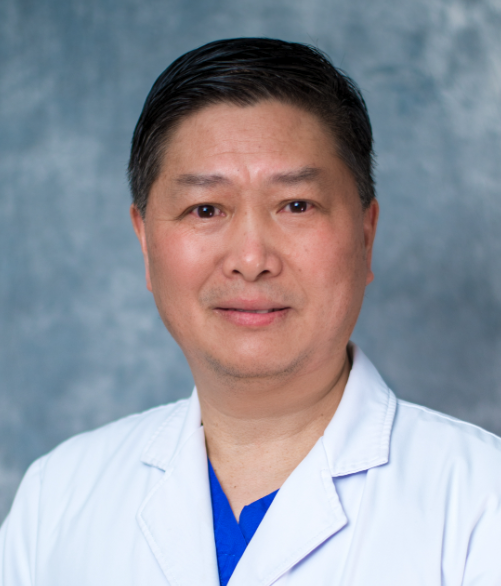 Weiping Zhang (章卫平)合作论文数Changhai Hospital;Shanghai Jiaotong University School of Medicine22
 Yuan Ping (平渊)合作论文数College of Pharmaceutical Sciences, Zhejiang University21Bingyang Hu合作论文数19Guoyou Chen合作论文数19Taoyong Chen (陈涛涌)合作论文数Naval Medical University18
 Shichun Lu (卢实春)合作论文数School of Medicine, Nankai University17
 Yanfeng Wu (吴艳峰)合作论文数医学免疫学国家重点实验室17
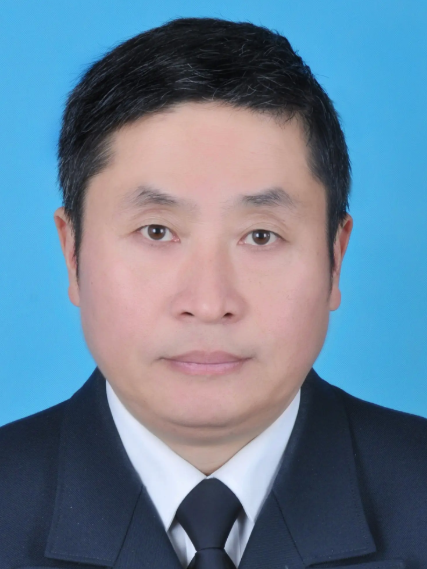 Yizhi Yu (于益芝)合作论文数Naval Medical University13
 Chuanbin Wu (吴传斌)合作论文数College of Pharmacy, Jinan University13Wenwen Zhang (张雯雯)合作论文数12Haowen Tang合作论文数10
 Yuehong Xu (徐月红)合作论文数School of Pharmaceutical Sciences, Sun Yat-sen University10
 Qi Pan合作论文数9Jingtong Pan合作论文数8
 Xin Huhu合作论文数8Xiangyang Zhou合作论文数8Yuxuan Chen (陈宇轩)合作论文数7
 Bowen Li合作论文数7Wenyi Ruan合作论文数7Wenying Wang合作论文数7Ze Zhang合作论文数7Mengyao Qin合作论文数7
 Minghui Zhang (张明徽)合作论文数School of Medicine, Tsinghua University7Bm Wang合作论文数6Yinbiao Cao合作论文数6Yueming Long合作论文数6
 Pan Wenhui合作论文数6
 Xiaojian Wang (王晓健)合作论文数School of Basic Medical Sciences, School of Medicine, Zhejiang University6Qun Tao合作论文数6Zhenglong Yuan合作论文数6Xuerui Li (李学瑞)合作论文数6Tianyu Jiao合作论文数5J Zhang合作论文数5Kaiyue Yu合作论文数5LiHuang Zhang (张立煌)合作论文数5
 Minggen Hu (胡明根)合作论文数Chinese PLA General Hospital5
) Jianli Wang (王建莉)合作论文数Department of Immunology, School of Basic Medical Sciences, School of Medicine, Zhejiang University5Lili Sui合作论文数5
Jianli Wang (王建莉)合作论文数Department of Immunology, School of Basic Medical Sciences, School of Medicine, Zhejiang University5Lili Sui合作论文数5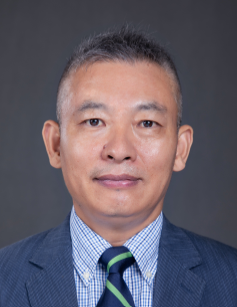 Dianwen Ju (鞠佃文)合作论文数School of Pharmaceutical Sciences, Fudan University5
 Junning Cao (曹军宁)合作论文数Department of Medical Oncology, Fudan University Shanghai Cancer Center5Shuxun Liu (刘书逊)合作论文数The Second Military Medical University5Baomei Wang合作论文数5Yafei Wang合作论文数4Junfeng Li合作论文数4Zhanbo Wang合作论文数Chinese Peoples Liberat Army Gen Hosp, Dept Pathol, Beijing 100853, Peoples R China4Xiaojie Xu合作论文数4
 Yixuan Wang合作论文数4




