Dual-spectral line-scan photometric stereo is widely utilized for the high-speed inspection of planar industrial surfaces. However, conventional coplanar setups exhibit directional blindness, as their rank-deficient illumination geometry yields near-zero sensitivity to surface gradients along the motion axis. Furthermore, uncalibrated sensor non-linearity violates the linear assumptions of ratiometric solvers, introducing low-frequency undulating artifacts and amplifying stochastic noise. To resolve these coupled geometric and radiometric limitations, we propose an optical-algorithmic co-design framework. First, we theoretically demonstrate that modifying the illumination azimuth to an optimal diagonal configuration breaks the coplanar singularity, transitioning the system into a well-posed, mathematically isotropic state with a minimized condition number. Second, to restore the physical validity of the Lambertian baseline, we formulate a reflectance-equivalent radiometric linearization protocol that suppresses non-linear intensity-distortion crosstalk. Finally, to overcome shading cancellation under symmetric topographies without introducing photometric crosstalk, we propose an adaptive orthogonal-weighted fusion (AOWF) mechanism. By employing a variance-aware gating strategy driven by the differential photometric signal, AOWF dynamically decouples orthogonal geometric cues from sum-space background noise. Comprehensive evaluations across diverse industrial substrates validate that this synergistic framework extracts high-fidelity topological structures, demonstrating quantitative improvements in defect separability and edge sharpness compared to conventional methods.
The detection of internal surface defects in cold-drawn pipes is challenging. In recent years, as the production demands for cold-drawn steel pipes have steadily grown, there has been an urgent need for an efficient detection approach that balances accuracy and real-time performance in industrial environments. Although several existing deep learning-based methods have achieved high accuracy in surface defect detection, they often need substantial computational costs to extract rich feature representations, which inevitably slows down the inference process and leads to low detection efficiency. Moreover, internal defects of cold-drawn pipes typically exhibit challenges, which may further degrade the performance of existing models. To address these challenges, we propose a lightweight perception enhancement network (LPENet) to effectively balance efficiency and accuracy. Specifically, we introduce a progressive feature extraction (PFE) backbone that enhances contextual perception from local to global scales. Furthermore, we design amultiscale context enhancement (MCE) module to enrich the feature representation and a boundary-enhanced aggregation (BEA) module to strengthen fine-grained feature awareness. In addition, we propose a perception-guided fusion (PGF) strategy to facilitate interaction between shallow and deep features. We deploy LPENet in combination with a pipe internal surface detection (PISD) robot, achieving wireless and efficient defect detection in real-world steel pipe factories. In extensive experiments on the SSP2000 dataset, LPENet achieves the best balance between detection accuracy and efficiency. The source code is publicly available at https://github.com/VDT-2048/LPENet.
We propose a high-precision velocity modeling and imaging method that jointly utilizes OBN and DAS-VSP data. DASVSP records axial strain rates, which are challenging to integrate directly into full-waveform inversion (FWI). Conventional approaches convert DAS-VSP data into velocity components, introducing assumptions and approximations that that can lead to errors. To overcome this limitation, we present a novel method that directly simulates strain rate components under the acoustic wave equation using virtual dipole sources while accounting for the gauge length effect in DAS measurements. This approach reconstructs observed DAS data with high accuracy, eliminating errors associated with conventional data conversion. We applied the proposed method to a joint OBN and DASVSP survey conducted in the East China Sea. The combined use of OBN and DAS-VSP data mitigates parameter tradeoffs, enhances constraints on vertical velocity and anisotropy, and enables precise inversion of depthdependent Q models. Leveraging the derived anisotropic velocity and Q models from FWI, we performed impedance inversion on the raw data. The resulting impedance model effectively suppresses multiples and compensates for highfrequency losses due to the Q effects. These results demonstrate the method’s potential to enhance FWI applications, reduce inversion uncertainty, and provide significant theoretical and practical benefits.
With the increasing volume and diversity of end-of-life (EOL) electronic products and vehicles, recycling systems face growing operational challenges. Traditional single-line disassembly systems are often inadequate for handling large-scale multi-product recycling scenarios. Moreover, uncertainties in EOL product conditions-such as internal damage, deformation, corrosion, and aging-can significantly hinder component identification, tool selection, and disassembly planning, leading to situations where certain components cannot be disassembled non-destructively. To address these challenges, this study proposes a parallel two-sided partial destructive disassembly line balancing problem for recycling multiple EOL electronic products and automobile engines. A mixed-integer nonlinear programming (MINLP) model is developed to simultaneously optimize workstation number, workload balance, operational safety, and disassembly profit, thereby promoting resource conservation and environmentally sustainable remanufacturing. To efficiently solve large-scale instances, an Improved MultiObjective Firefly Algorithm (IMOFA) is developed. The MINLP model is first validated using small-scale home appliance cases, and the proposed algorithm is then applied to refrigerators, cell phones, and laptops. Experimental results on 21 benchmark cases with 7-148 tasks show that IMOFA achieves the best hypervolume values in 12 cases and outperforms the competing algorithms in most cases. For medium- and large-scale problems, IMOFA demonstrates superior optimization performance and robustness. Finally, the proposed model and algorithm are applied to real-world disassembly scenarios involving two types of automobile engines, generating 48 feasible disassembly schemes to support decision-making. Compared with NSGA-II, the proposed method reduces workstation count by 8.9%, idle time by 95.4%, and hazard index by 12.0% while maintaining disassembly profit. The results demonstrate that the proposed framework effectively addresses component nondisassemblability, improves disassembly efficiency, and supports green remanufacturing, thereby contributing to circular economy development and environmental sustainability.
The disassembly line balancing of end-of-life (EOL) products under dynamic recycling conditions is a challenging and pressing problem. Both exact approaches and intelligent algorithms used to optimize the disassembly line balancing problem (DLBP) of EOL products under different recovery conditions are time-consuming. Moreover, the stochastic characteristics of intelligent algorithms prevent them from guaranteeing stable solution outputs. Consequently, this study introduced a deep Q-network (DQN) to address these issues, adapting to the problem’s characteristics and rebalancing the operation load for disassembling EOL products in dynamic recycling conditions. Additionally, this study constructed a mixed-integer programming (MIP) model to characterize the problem and verify the effectiveness of the DQN. The computational results obtained by the MIP model and DQN for six recovery conditions indicate that the designed DQN can effectively plan disassembly schemes in real-time. Subsequently, the designed DQN and conventional intelligent algorithms, namely the genetic algorithm and the differential evolution algorithm, were applied to an EOL refrigerator case under five recovery conditions. The conventional intelligent algorithms produced unstable results and required longer computation time. In contrast, the DQN achieved stable outputs within a significantly shorter computation time. Furthermore, the DQN rebalanced the operation load per workstation in different recovery conditions and reduced the number of activated workstations.
Single-shot structured-light techniques are essential for dynamic 3D measurement. However, speckle-assisted correspondence matching is often affected by correlation mismatches, which severely degrade disparity estimation and reconstruction accuracy. In this paper, a robust single-shot 3D measurement method based on color fringe-speckle pattern is proposed to address correlation-induced mismatches in speckle assisted correspondence. To suppress unreliable correspondences, a region-based disparity optimization framework is introduced. Specifically, reliable disparity candidates are first identified via density-based clustering within continuous phase regions, effectively eliminating severe mismatches caused by false correlation peaks. Subsequently, a neighborhood-assisted diffusion compensation strategy is applied by exploiting local spatial consistency to recover unreliable or missing disparities, thereby improving disparity completeness. Experimental results on isolated and complex static objects demonstrate that the proposed method significantly improves reconstruction quality. Dynamic experiments involving depth-direction translation and rotational motion further verify that the proposed approach enables stable single-shot 3D reconstruction without noticeable motion-induced artifacts. Quantitative evaluation using a standard sphere shows that the proposed method achieves an RMS accuracy of 0.1 mm. The proposed method enhances the reliability of speckle-assisted single-shot structured-light measurement without requiring additional projected patterns, making it well suited for dynamic 3D sensing applications.
Phase-shifting profilometry (PSP) plays a dominant role in the field of three-dimensional (3D) surface-shape measurement due to its high accessible measurement accuracy and spatial resolution. However, PSP relies on multiple projections, which makes it prone to motion-induced errors and thus its performance is limited in dynamic scenes. In this paper, we introduce a novel single-shot 3D measurement method based on stereo color PSP. This method requires no additional images, benefiting from geometric constraints and colored phase-shifted fringes. The phase errors caused by color crosstalk and gamma nonlinearity are corrected by the chord distribution equalization method and the cross-correlation-based global phase offset correction method. The point cloud obtained using the corrected phase is reprojected onto the second camera plane, and the corresponding matching points are found on the epipolar lines within a limited search range. After stereo correspondence, the final 3D point cloud of the measured object is reconstructed based on stereo technology. Three dynamic scenes (a changing palm, a rotating Beethoven statue on a platform, and a rotating electric fan) are assessed to verify the robustness and accuracy of the proposed technique in a range of dynamic and complex environments.
Reasonable positions of material loading and unloading points are the key factors to reduce material handling costs and improve material efficiency in manufacturing workshops. In response to the assumption of overlapping material handling points in current loop layout studies, this study proposes a unidirectional loop layout problem that considers the positions of material handling points between facilities. A mixed-integer linear programming model is constructed with the optimization objective of minimizing material handling costs. Recognizing the computational complexity of solving the problem, an adaptive hybrid algorithm of genetic algorithm and simulated annealing algorithm is proposed to obtain a better layout for the large-scale problem. For the problem characteristics, an efficient encoding and decoding strategy is designed to generate good initial solutions at the initial stage of the algorithm. The genetic algorithm is improved by combining adaptive crossover, adaptive mutation and nested simulated annealing algorithm, and a double threshold stopping criterion is used to remove the number of redundant cycles to improve the performance of the proposed algorithm. Finally, the proposed algorithm is applied to solve some benchmark instances, and the results are analysed to verify the efficiency and stability of the proposed algorithm. And the proposed algorithm is successfully applied to the security door production workshop to provide an improved layout scheme.
In complex industrial 3D measurement, multi-line laser stripes are often degraded by specular reflection, low exposure, noise, and abrupt surface-curvature variation, leading to unstable centerline extraction. We present the heatmap-guided normal centroid (HNC) method for subpixel extraction of multi-line laser stripe centerlines. A physics-based Blender simulation is constructed, and accurate centerline ground truth computed from the geometric intersections between the laser planes and the mesh model is used to generate Gaussian energy-distribution heatmap supervision for network training and evaluation. A lightweight regression network predicts the heatmaps, from which subpixel centerline coordinates are decoded by structure-tensor normal estimation, normal-direction non-maximum suppression, and centroid refinement. For heatmap prediction, the method achieves Dice and IoU scores of 96.67% and 93.56%, respectively. With only 0.71 M parameters, EDR-Net averages 11.04 ms for heatmap prediction on a 768 × 768 input, while the complete HNC pipeline averages 209.97 ms on high-resolution real images. On real images without ground-truth centerlines, it achieves a point-to-spline RMSE of 0.2804 px for centerline-stability assessment, with reductions of 38.68% and 68.50% relative to the second-best method and the Steger algorithm. In train wheel measurement, the errors of wheel diameter, flange height, and flange thickness are reduced by 10.22%, 49.05%, and 71.43%, respectively. These results demonstrate the potential of the proposed method to provide robust and efficient multi-line laser stripe centerline extraction for high-precision industrial 3D measurement.
With the continuous development of automation level, multi-robot collaborative disassembly is becoming a new trend in intelligent remanufacturing and industrial automation. However, current robotic disassembly frequently neglects the issue of component non-disassemblability (CND), which stems from the uncertain state of end-of-life products. To bridge this gap, this study integrates destructive disassembly into multi-robot and multi-product scenarios, addressing resource constraints and CND in a novel industrial context. A mixed-integer linear programming model is developed for the multi-robot destructive disassembly line balancing problem. The model incorporates component failure and hazard attributes, aiming to optimise cycle time, total energy consumption, peak energy consumption, and disassembly profit. To solve the model, an improved multi-objective water cycle algorithm is proposed, featuring four-layer encoding and a sequential crossover mechanism. Comparative evaluations demonstrate that the algorithm outperforms 12 multi-objective optimisation methods in four different disassembly test cases. Additionally, two engine disassembly case studies validate the model and algorithm. Results show that the proposed approach reduces cycle time by 13.8%, decreases total energy consumption by 10.9%, and enhances disassembly profitability by 3.1% compared to leading algorithms. The industrial case studies further demonstrate the method's applicability, highlighting its potential for driving sustainability and efficiency in intelligent remanufacturing.
Disassembly lines are an effective means for the large-scale, industrialized recycling of end-of-life products. Among these, U-shaped disassembly lines are particularly noted for their combination of flexibility and production efficiency. This study addresses the U-shaped disassembly line balancing problem, considering the coexistence of separate stations and spatial limitations within workstations. A mixed-integer nonlinear programming model and a constraint programming model are developed to accurately capture this complex problem. Additionally, a novel hybrid constraint programming with a goal-driven cross-entropy optimization algorithm (CP-GDCE) is introduced. This algorithm combines a multi-objective cross-entropy grouping framework, a constraint programming-based heuristic initialization, a multi-point crossover recombination mechanism, and large neighborhood search techniques, significantly enhancing solution efficiency and accuracy. Extensive benchmarking and experimental validation indicate that the CP-GDCE not only excels in addressing the specific problem of this study but also demonstrates superiority in classic disassembly line balancing issues. In 21 test cases, the CP-GDCE achieved superior hypervolume and inverted generational distance values compared to 11 benchmark algorithms. A practical application using a printer disassembly example shows that the proposed U-shaped configuration is highly flexible and efficient, compatible with both traditional U-shaped and straight disassembly lines. This configuration significantly reduces the total length of the disassembly line, improving space utilization and highlighting its practical potential and advantages.
Fatigue cracking is one of the most typical and prevalent diseases of orthotropic steel decks (OSDs), and fatigue crack monitoring is significant for the safety and durability of bridge structures. Ultrasonic guided wave (UGW) technology is available for large-area damage monitoring of thin-walled structures, but it is still challenging to accurately assess and localize fatigue cracks with uncertainty in complex OSD structures. This study proposes an intelligent diagnostic framework synergistically integrating residual neural networks (ResNet) with UGW timefrequency representations to achieve unified multi-task fatigue crack assessment in OSDs, encompassing classification, quantification and localization. First, the UGW signals are preprocessed and converted to timefrequency images by continuous wavelet transform (CWT). Second, the performance of different neural networks is investigated in the diagnostic tasks, which include crack stage, crack size, cracking mode and crack location. Finally, the fatigue crack in OSDs is comprehensively reconstructed according to the predicted information from multiple monitoring paths. The results show that ResNet has great performance, with classification accuracies of 89.9 % for crack stage and 78.0 % for cracking mode; and regression R-squares of 0.974 for crack size and 0.841 for crack location. After reconstruction with multipath information, the synthesis accuracies of crack stage and cracking mode are 92.7 % and 95.2 %, and the prediction errors of crack length and crack location are within 2.5 mm and 15 mm, respectively. The proposed intelligent diagnostic method can realize the comprehensive diagnosis of classification, quantification and localization of fatigue cracks in OSDs.
In this paper, We present LoGics (Local Gaussian Distribution with Interaction Scores), a zero-shot anomaly detection framework for high-speed rail component inspection. The method combines three technical enhancements: local Gaussian distribution modeling with sample relationship analysis to enhance anomaly discrimination in training-free settings, feature space normalization addressing cross-domain discrepancies in industrial feature representations and distribution-guided threshold computation that automatically selects optimal strategies based on data characteristics. Experimental results on MVTec and VisA industrial benchmarks demonstrate the framework's effectiveness, achieving 97.9% image-level AUROC. This performance approaches supervised methods while requiring no annotated training samples, suggesting practical value for infrastructure inspection tasks where defect examples are unavailable.
With the rising demand for energy and resource shortages, disassembly as energy-intensive industry should be more attention to energy conservation. However, the non-disassemblability of components (CND) and fixed-constant disassembly costs make this process relatively expensive compared to the potential profit. This paper introduces a two-sided partial destructive disassembly model to solve problem of CND. To more accurately reflect real-world conditions, this study incorporates into the model, which was not considered in previous work. A mixed integer planning model is developed by exploring the impact of time-of-use tariffs on energy consumption and profit, and its correctness is verified in a small-scale case. Subsequently, we propose an improved water cycle algorithm (IWCA) to increase the model solving efficiency. Using non-destructive, destructive, and human-robot hybrid disassembly as benchmark cases, we compare 11 algorithms from existing research, and verify the superiority of IWCA in solving different cases. Finally, the proposed method is validated using automotive engine as an example. The results show that: (1) IWCA is superior to the four latest algorithms in solving the two-sided partial destructive disassembly line balancing problem under electrical limiting and time-of-use electricity pricing. (2) The two-sided partial destructive disassembly effectively addresses the CND issue, reducing the smoothing index by 10.24% and increasing disassembly profit by 3.19% compared to other algorithms. (3) The partial destructive disassembly is better suited for addressing issues in real production processes than non-destructive or complete destructive disassembly methods.
The correct distinction between highly realistic computer-generated (CG) images and photographic (PG) images has become an important area of research. In recent years, most of the CG image forensics methods are proposed based on deep learning, but the detection performances of these methods still need to be improved, especially in terms of robustness and generalization. To tackle these issues, we leverage the Vision Transformer (ViT) model, which excels in capturing the global features of images, and design a Forensic Feature Pre-processing (FFP) module to further improve the detection performance. Experiments are conducted on a large-scale CG image benchmark (LSCGB), which is a challenging dataset for CG image detection. The proposed approach can achieve high detection accuracy. Extensive experiments on different public datasets and common post-processing operations demonstrate our approach can achieve significantly better generalization and robustness than the state-of-the-art approaches.
An autocollimator is a popular angle measuring apparatus which lacks the capability to measure the roll angle. This paper proposes a novel roll angle sensor with a large measuring range that is based on the autocollimation principle. A modified right-angle prism (MRP) functions as a reflector to admit a collimated beam and return two outgoing beams to the sensor head. The roll angle of the MRP can be attained by analyzing the moving tracks of the two light spots focused on a photodetector. The mathematical model is derived in detail, and the experimental results show that the measuring accuracy of the proposed sensor is ±13.85 arcsec over a range of 360°. These results verify the feasibility of the proposed sensor for roll angle measurements that require a large measuring range.
To effectively reduce material handling costs, we investigate a generalization of the corridor allocation problem: the space-free multi-row facility layout problem. A new mixed-integer linear programming model is proposed for the space-free multi-row facility layout problem. The model is designed to address the practical needs of complex workshop layouts in modern manufacturing systems and incorporates relevant operational constraints. The CPLEX exact solver is applied to solve the small-scale instances to verify the accuracy of the model. To address the NP-hard characteristics, we propose a learning-based hyper-heuristic based on the reward mechanism. The algorithmic framework is divided into two layers. The low-level heuristics are composed of seven simple and efficient operators. The learning process is based on the quality of the solution and acts on the scores of the lower-level heuristic operators. The high-level strategy based on a reward mechanism automatically selects the most suitable low-level heuristic operators based on the scores. Moreover, the Monte Carlo acceptance criterion is incorporated to adaptively change the scores of the low-level heuristic operators. Three different strategies of hyper-heuristics are applied to solve the benchmark instances of different scales. Compared with the two contrastive algorithms, the proposed algorithm achieved a total of 53 superior objective values across 54 instances. And the experimental results are compared with those of different algorithms and the method in the related literature. For the 36 cases that produced identical objective values, the computational time is reduced by approximately 4 to 900 times in comparison with the reported methods. The results show that the developed method is stable and efficient for solving the space-free multi-row facility layout problem. Finally, it was applied to a workshop layout case, where the results demonstrated improvements in solution quality.
We propose a workflow for high-resolution velocity inversion and seismic imaging that jointly utilizes OBN and DAS-VSP data. Because DAS-VSP data record axial strain rate and OBN data capture pressure, directly integrating these measurements into a Full Waveform Inversion (FWI) can be challenging. Conventional approaches convert DAS-VSP data into velocity components, relying on assumptions and approximations that may introduce errors. To address this issue, we present a novel method that directly simulates strain rate components using the acoustic wave equation with virtual dipole sources, explicitly accounting for the gauge length effect in DAS measurements. This approach precisely reconstructs the data and avoids errors associated with data conversion as well as gauge length effects. We applied the proposed method to a joint OBN and DAS-VSP survey conducted in the East China Sea. Our results demonstrate that the combined use of OBN and DAS-VSP data reduces parameter trade-offs, furth
 Jianping Peng (彭建平)合作论文数School of Physical Science and Technology, Southwest Jiaotong University53
 Jinlong Li (李金龙)合作论文数School of Physical Science and Technology, Southwest Jiaotong University44
 Chaoyong Peng (彭朝勇)合作论文数34
 Kai Yang合作论文数31
 Zeqiang Zhang (张则强)合作论文数西南交通大学25
 Zeyong Wang (王泽勇)合作论文数西南交通大学光电工程研究所23
 Lin Luo (罗林)合作论文数School of Physical Science and Technology, Southwest Jiaotong University20
 Xiaorong Gao (高小榕)合作论文数IDG/McGovern Institute for Brain Research at Tsinghua University;Tsinghua Medicine, Tsinghua University18QuanKe Zhao (赵全轲)合作论文数12
 Nan Wang (王楠)合作论文数College of Oceanic and Atmospheric Sciences, Ocean University of China9
 Yaqin Chai (柴雅琴)合作论文数Key Laboratory of Luminescence Analysis and Molecular Sensing, Southwest University9
 Ruo Yuan (袁若)合作论文数Southwest University9
 Yanqing Zeng合作论文数8
 Yingying Wan合作论文数8
 Tengfei Wu合作论文数7
 Zhixue Wang合作论文数Southwest Jiaotong Univ, Sch Phys Sci & Technol, Chengdu 610031, Peoples R China7
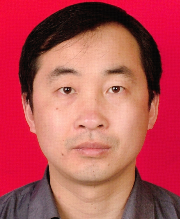 Yong Wang (王勇)合作论文数School of Physical Science and Technology, Southwest Jiaotong University7
 Lei Guo (郭蕾)合作论文数School of Electrical Engineering, Southwest Jiaotong University7
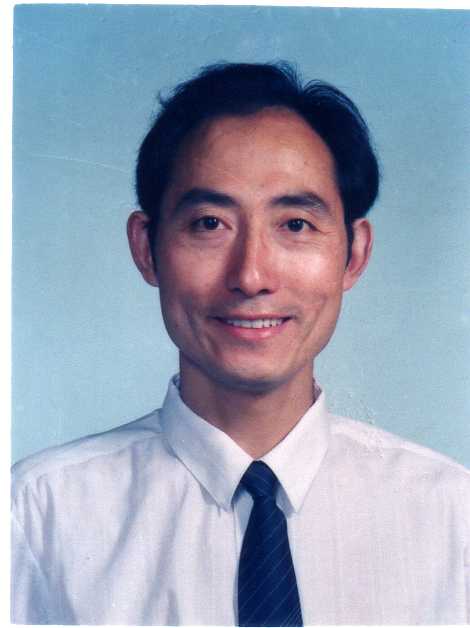 Jianqiang Guo (郭建强)合作论文数西南交通大学物理科学与技术学院7Huaan Zhong合作论文数7
 Liu Junqi (刘俊琦)合作论文数6
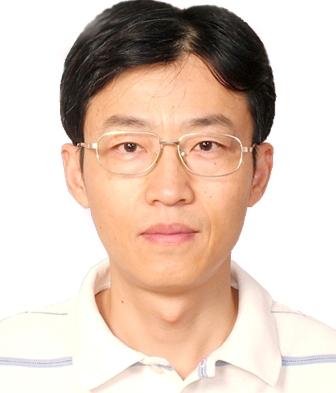 Li Wang (王黎)合作论文数西南交通大学物理科学与技术学院6
 Hongqun Luo (罗红群)合作论文数Southwest University6Yonghui Guo合作论文数5
 Yuntao Li合作论文数5
 Chunrong Qiu (邱春蓉)合作论文数School of Physical Science and Technology, Southwest Jiaotong University5
 Nianbing Li (李念兵)合作论文数School of Chemisitry and Chemical Engineering, Southwest University5You Tan (谭优)合作论文数5
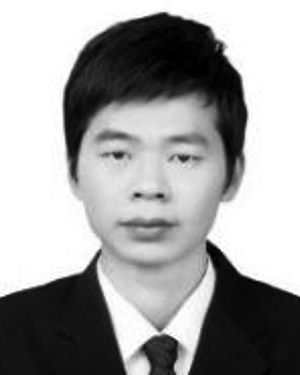 Tao Yin合作论文数4
 Silu Liu合作论文数Technology and Equipment of Rail Transit Operation and Maintenance Key Laboratory of Sichuan Province, Chengdu, China4
 Wei Jiang (江伟)合作论文数College of Engineering and Applied Sciences, Nanjing University4
 Xia Zhong (钟霞)合作论文数Key Laboratory of Luminescence Analysis and Molecular Sensing, Southwest University;School of Chemistry and Chemical Engineering, Southwest University4
 Bo Zhao (赵波)合作论文数School of Mechanical and Power Engineering, Henan Polytechnic University4Wei Liang合作论文数3Lixia Zhu合作论文数3Jiang Long合作论文数3
 Feng Chen (陈凤)合作论文数3
 Junlin Heng (衡俊霖)合作论文数College of Architecture & Environment, Sichuan University3
 Min Xu合作论文数Tianjin Univ, Sch Elect & Informat Engn, Tianjin 300072, Peoples R China3
 Zhen Wang合作论文数3
 Liming Xie合作论文数Southwest Jiaotong Univ, Sch Phys Sci & Technol, Chengdu, Sichuan, Peoples R China3
 Fang Xin Hu合作论文数3
 Zhong Feng Gao合作论文数School of Chemistry and Chemical Engineering, Southwest University3
 Shihong Chen (陈时洪)合作论文数Southwest University3




