Desktop organization remains challenging for service robots because of heterogeneous objects and diverse manipulation objectives, such as collection and stacking. In this article, a task-oriented framework is presented for organizing planar rigid and deformable objects on desks. A perception pipeline was developed that augments existing datasets with uncommon desktop items and makes geometry-based pose and keypoint estimation possible, along with the detection of environmental constraints, such as table edges. To handle diverse manipulation requirements, environment-assisted primitives are used, including contact-based grasping for small objects, edge-based push-grasping for planar rigid objects, and levering-based grasping for planar deformable objects. These primitives leverage environmental and interobject constraints to improve robustness. A task planner was designed to integrate these primitives into multiobject organization. Sufficient real-world experiments demonstrate the effectiveness and robustness of the proposed framework. This research provides practical manipulation primitives for planar rigid and deformable objects, highlighting the role of environmental and interobject constraints in complex multiobject manipulation tasks. Code and video are available online.
Physical human-robot collaboration (pHRC) has gained significant traction in industrial settings due to its exceptional flexibility and adaptability. However, robots often face unexpected nonlinear and random impact disturbances during task execution, which pose risks such as human injury and robotic instability. To address these challenges, this paper proposes a novel control strategy based on improved shear-thickening fluid control (ISFC) for enhancing human-robot cooperation. Drawing inspiration from the unique properties of shear-thickening fluids, ISFC is designed to ensure stable collaboration between humans and robots while effectively mitigating the effects of random impacts. Furthermore, an ISFC-based framework is introduced for human/dual-arm robot collaboration. Comprehensive simulations and experimental evaluations are conducted to validate the effectiveness and advantages of the proposed approach. The experimental results show that compared with the traditional linear admittance control (L-AC) and SFC, ISFC not only has excellent impact resistance (peak velocity<0.1 m/s under 30 N impacts) but also overcomes the stability defects of SFC in low-speed operation, reducing the convergence time by 94.1% (from 8.29 s to 0.50 s) and residual displacement by 49.3% (from 13.21 mm to 6.7 mm). In dual-arm collaboration, the position synchronization error remains below 8 mm. These improvements provide a new idea for the application of human-robot collaboration.
Taking human-robot collaborative assembly as an example, the methods based on contact forces can improve the assembly efficiency of industrial robots with large components in industrial manufacturing. However, due to the large size, high payload, assembly accuracy and dynamic changes in grip position, accurately estimating the contact forces between the payload and the operator becomes challenging when handling these large components. In this paper, a two-stage method is proposed for payload dynamic parameter identification. The parameter identification equation in the sensor coordinate system is initially established. Furthermore, the identification model of recursive restricted total least squares (RRTLS) based on total least squares (TLS) is constructed to achieve low-consumption online identification. According to the assembly requirements and payload characteristics, the posture coordinate system is designed for safety, including the feasible workspace for the robot. Subsequently, the static identification postures and dynamic excitation trajectory are planned to obtain static values and dynamic inertial parameters. In the end, a high-payload human-robot collaborative assembly system is built to validate the proposed method. Experimental results show that compared with the existing methods, the proposed approach can effectively identify and compensate the payload, leading to more accurate external force sensing.
Robotic manipulation of flexible objects is widely required in both industrial and service applications. Among such objects, paper-like materials exhibit distinct mechanical characteristics compared to cloth, being more sensitive to compressive stress, where minor variations in physical properties can significantly affect grasping. This study systematically investigates grasping strategies for paper-like materials using a universal soft gripper by exploiting environmental constraints. Based on manipulation primitives employed in existing grasping strategies, we proposed systematic grasping strategies for flexible materials by exploiting environmental constraints and analyzed their mechanical and kinematic models. To investigate the influence of materials and working conditions on grasping, an evaluation system for measuring grasping force and success rate was defined and experimentally evaluated. Finally, we summarized the specific workspaces and characteristics of different strategies that can satisfy various task requirements and lead to potential applications in household service robots for grasping planar flexible objects.
Electroadhesion exhibits exceptional environmental adaptability and precise controllability, making it highly promising for space applications such as robotic manipulators, orbital debris capture, and on-orbit satellite servicing. Nevertheless, the fundamental adhesion mechanisms under high-vacuum electron irradiation remain inadequately characterized, and the electron charging effect may adversely impact the electroadhesive force, which severely limits its implementation in extraterrestrial environment. This study employs dielectric polarization theory coupled with three-dimensional particle-in-cell (PIC) simulations to demonstrate that incident electrons deposit only in the superficial layer (<= 2 mu m depth) of dielectric coatings and target substrates, with negligible penetration to actuation electrodes. Such localized deposition induces minimal variations in interfacial potential (Delta V < 45 V) and electrostatic field distribution (variation <5.2 %), thereby preserving electroadhesive functionality. Experimental validation under simulated space conditions (electron energy: 10 keV) in a high-vacuum chamber (base pressure: 10(-4) Pa) reveals: a) Consistent operational integrity of the electroadhesion pad (EA pad); b) Sustained adhesive force stability (>0.3 N/cm(2)) with minimal fluctuation (<11 %). These findings establish critical criteria for electroadhesion in space applications.
With the rapid development of the warehousing and logistics industries, the packing of goods has gradually attracted the attention of academia and industry. The packing of footwear products is a typical representative paired-item packing task involving irregular shapes and deformable objects. Although studies on shoe packing have been conducted, different initial states due to the irregular shapes of shoes and standard packing placement poses have not been considered. This study proposes a robotic manipulation framework, including a perception module, reorientation planners, and a packing planner, that can complete the packing of pairs of shoes in any initial state. First, to adapt to the large intraclass variations due to the states, shapes, and deformation of shoes, we propose a vision module based on semantic keypoints, which can also infer additional information such as sizes, states, poses, and manipulation points by combining geometric features. Subsequently, we not only propose primitive-based reorientation methods for different states of a single deformable shoe but also propose a fast reorientation method for the top state using box edge contact and gravity, which further improve the efficiency of reorientation. Finally, based on the perception module and reorientation methods, we propose a task planner for packing paired shoes in any initial state to provide an optimal packing strategy. Real-world experiments were conducted to verify the robustness of the reorientation methods and the effectiveness of the packing strategy for various types of shoes. In this study, we highlight the potential of semantic keypoint representation, introduce new perspectives on the reorientation of 3D deformable objects and multi-object manipulation, and provide a reference for paired object packing.
Low-code programming, a programming approach enabling program design with a small amount of code or even without code, can significantly simplify the program development process. Especially in the field of robotics, it has an urgent demand and broad application prospects. Against the backdrop of low-code programming for robots, this paper first introduces it from the perspectives of its development lineage and characteristic connotations. Then, it categorizes it based on the specific application forms in the robotics field and elaborates on the functions and current development status of domestic and foreign low-code programming software for robots according to the research findings. Additionally, the application of low-code programming in several major scenarios in the robotics field is presented. Based on the application requirements in the robotics field, the main user groups of low-code programming are analyzed. Finally, considering the deficiencies of low-code programming software in the robotics field, the future development trends are discussed and prospected, aiming to provide valuable references for the further development and application of low-code programming software for robots in China.
Purpose – In the teleoperating process, the kinematically dissimilar mechanisms of the slave robots and the teleoperation devices will provide unplanned and discontinuous trajectories to the slave robots, which causes jitter on the slave robots that seriously affects the flexibility and accuracy of the teleoperation task without the operator-sensing. This paper aims to solve the above problem. Design/methodology/approach – This paper established the conventional mapping relationship between the teleoperation device and the robot, and found out the reasons of the impact of jitter on slave robots; the paper then implemented the bilateral force feedback of force/dimension at the mapping point, and iteratively solved the feedback force of each time according to its functional compensation relationship, thus forming the bilateral force feedback method of dynamic impact feedback and operator-sensing of the teleoperation system. Findings – The experimental result shows that the feedback force obtained would clearly make a feedback of the jitter states of the slave robot and enhance the operator-sensing ability, which enables the operators to avoid the jittering state of slave robots in real-time. Originality/value – We propose a compliant teleoperation control method based on dynamic impact force feedback and operator-sensing. The effectiveness of the method has been verified in experimental validation, ensuring the compliant motion of the slave robot in various scenarios, which makes the teleoperated robots capable to be used in more high accuracy required tasks with a stable status.
With the accelerated pace of human space exploration and the progress of other related researches, there is an increasingly urgent demand for space infrastructure, equipment, and diversified spacecraft construction for space missions, and how to efficiently, intelligently, and autonomously build corresponding facilities and equipment on orbit according to the functional requirements of different missions has become a great challenge in the field of space technology research. As an important means of automated manufacturing, the construction of on-orbit assembly systems centered on space robotics has become an emerging development trend. In view of its importance, space agencies and research institutes have successively proposed and developed a series of related programs. In order to comprehensively understand the progress of on-orbit assembly with space robots (OASR) and scientific problems involved, this paper investigates the current status of research and technological development in OASR. Firstly, the significance of OASR for space exploration and other space missions is analyzed. Secondly, the existing classification forms of on-orbit assembly are outlined and a classification idea is proposed from the point of view of the combination of space robot motion capability and assembly goals. Thirdly, the research and development status of OASR in the United States, Europe, Canada, Japan, and China is investigated. Then, based on a review of the literature on space robots to realize on-orbit assembly in space facilities, some of the key technologies involved are reviewed and discussed. Finally, this paper discusses and looks ahead to the future development trend and application prospect of the technology of OASR, reveals and explains the crucial position it occupies as well as the important role it can play in the process of human space exploration, and is expected to provide useful references for the in-depth research and development of future on-orbit assembly technology.
This study presents an advanced control strategy for robotic contact force tracking, integrating an Online Work-Object Stiffness PI Force (OWSPIF) impedance controller to achieve highly accurate contact position and force. The contact between the robot end and its work object is modeled as a second-order system. A position-based PI-impedance controller processes a force signal correction to maintain a desired force and ensuring precise tracking of both the target contact force and the reference trajectory. The OWPSIF approach dynamically generates an inverse signal to compensate for force errors and effectively reduce them to zero. Stability is analyzed using the Lyapunov direct method. Simulation studies on virtual ramps, curved, and complex surfaces are performed to validate the proposed methodology. The results are compared against a single impedance controller and two recent controllers from the literature, showcasing the effectiveness of the proposed approach. An experimental validation on 7DOF and 6DOF robotic manipulators demonstrates the method's effectiveness for force tracking and polishing processes, respectively, where a real-time trajectory is generated using an NURBS interpolation curve. The results show a clear correlation between the PI-generated signal and the force tracking error, indicating an improvement in force accuracy and a reduction in computational processing.
In order to evaluate the reliability and accuracy of the end-effector of a six-degree-of-freedom industrial robot in the task space,a robot motion reliability analysis strategy based on the envelope method was proposed.Firstly,the error function and reliability model of the robot system was obtained through kinematics.Secondly,the envelope method was used to solve the reliability model to obtain the failure probability of the end-effector,and the error function was linearized by Taylor's formula,while redundant points in the covariance matrix were excluded in the calculation process to make it conform to the positive definite condition and improve the accuracy of the envelope.Finally,the proposed method was simulated and analyzed.The results show that the error of the envelope method compared with the Monte Carlo method is 0.5%~19.8%,which verifies the effectiveness of the method.
Contact collision has always been a very important and difficult problem in the fields of aerospace and mechanical engineering. The dynamics modelling and test of the impact collision process of the flexible buffering adsorption mechanism to a thin-walled plate under low-speed conditions in microgravity environment were studied. A multi-rigid-flexible coupling dynamics model of the entire system including the compliant buffering adsorption subsystem and the thin-walled plate subsystem was proposed by applying transfer matrix method for multibody systems, which has the advantages of not requiring the global dynamics equation of the system, low order of the system matrix, and high programming. The dynamics model of the thin-walled plate subsystem was modeled as a combination of mass-less beams and lumped mass to describe its flexible vibration characteristics. A nonlinear spring damping model is used to simulate the continuous collision force between the compliant buffer absorption subsystem and the thin-walled plate subsystem. Combined with the topology diagram of the system dynamics model, the overall transfer equation of the system is derived. A microgravity horizontal impact test platform was designed and established. Finally, the correctness and effectiveness of the proposed method were verified through the comparison of simulation and test results.
Piezoelectric displacement amplifiers (PDAs) have been widely used in precision positioning fields. However, the inherent hysteresis and creep nonlinear effect of piezoelectric actuators (PEAs) and time -varying lumped disturbances bring extreme challenges to the precise motion control of PDAs. Although various control schemes based on PEAs have been developed and have shown significant results. However, due to the high sensitivity of precision positioning to environmental variations, the development and identification of accurate models and the control timeliness often become obstacles in engineering. To realize precise motion control of PDAs under complex lumped disturbances, a new time -delay control scheme (AFSTA-FONTSM) using an adaptive fixed -time convergent super -twisting algorithm (AFSTA) and a fractional -order nonsingular terminal sliding mode (FONTSM) is proposed. Specifically, the time -delay information obtained by time -delay estimation technology is used to estimate the lumped dynamic characteristic of the system, thus establishing a simple control framework without a system dynamic model. FONSTM is constructed as a sliding mode manifold, and satisfactory error dynamic characteristic is obtained. A new AFSTA is designed as the reaching law in the sliding mode phase. AFSTA has fixed -time convergence when the upper bound of lumped disturbances exists, which ensures the control timeliness. Benefiting from the newly designed adaptive algorithm, the upper bound value of lumped disturbances is no longer needed to determine the control gains, which effectively prevents overestimation of the control gains. Correspondingly, the convergence time of AFSTA is estimated, and the stability of the closed -loop system is analyzed by the Lyapunov theory. Three existing time -delay control schemes, namely MSTA-FONTSM, AMSTA-FONTSM, and ASTA-FONTSM are selected, and four scenes are designed for comparative experiments. The experimental results show that MSTA-FONTSM has the worst control performance among the four control schemes. For the step, and continuous cosine trajectories with periods of T = 1 s and T = 2 s, the root -meansquare error of the proposed AFSTA-FONTSM is reduced by 56.86%, 54.03%, and 50.24% compared with MSTA-FONTSM. For disturbance experiments under different loads, the control performance of the proposed AFSTA-FONTSM is still superior to the other three control schemes without load.
Along with the explosive utilization of intelligent and bionic robotics, the rise of somatosensory system with excellent flexibility and multiple biological sensing characteristic emerges as a substantial crux of this domain. Herein, we propose a flexible high-performance multi-mode sensor for real-time proximity-pressure-temperature perception based on a monolithic sensing unit with fingerprint-like hierarchical architecture. The monolithic sensing unit, primarily constituted by a double-permeable ionic liquids/Multi-walled nanotubes conductive network, demonstrates dual-functionality in detecting pressure and temperature. Making use of the further synergy of rational topographical architecture engineering and feasible decoupling algorithm construction, extraordinary progress in sensing performances for both pressure and temperature are attained with negligible mutual interferences. Additionally, the sensor is capable of switching to touchless mode to detect objects at distance up to 200 mm, validating its remarkable proximity sensing ability. The multifunctional nature of sensor is further substantiated through its integration with a robotic hand, highlighting its practical applicability in advanced robotic systems.
As a typical representative of humanoid robots showing the dexterous operation ability of dual-arm, the research on the piano playing robot can promote the rapid development of humanoid robot applications. In order to solve the problem of insufficient rhythm and integrity of the performance caused by the difficulty of arm-hand coordination in the process of playing the piano, a collaborative action sequence planning method for dual-arm Piano playing robot based on elite retention Multi-objective optimization is proposed. Firstly, a piano playing robot arm-hand motion model based on performance effects is established by analyzing the arm-hand motion states during human piano playing and combining professional performance evaluation metrics. Secondly, the elite retention strategy and the Rayleigh distribution multi-objective particle swarm optimization algorithm are used to improve the optimal piano action sequence for arm-hand cooperation. Finally, taking the piano piece "Ode to Joy" as an example, the algorithm proposed in this paper is used to test the performance of the two-arm robot, and the experimental results show that the method has a good global optimization ability in solving the action sequence planning problem of the arm-hand, and can improve the rhythm of the robot's repertoire.
Assembly quality of typical electrical interfaces determines the safety of the aircraft, such as aviation plug. It is difficult to perform dexterous manipulation and assembly of randomly placed objects by the single-robot assembly method. To solve the above problems, an aviation plug regrasping strategy fused with prior knowledge perception for dual-arm collaborative assembly task is proposed in this paper. Firstly, the prior knowledge base of the assembly object is constructed based on the 3D point cloud model, and the transfer of prior knowledge is completed through a transfer matrix. Secondly, the recognition and pose estimation of randomly placed assembly object are realized based on the prior knowledge of the fusion SHOT features and the improved PCA algorithm. Then, based on the reachability and manipulability indices, the optimal transfer pose for the dual-arm robot is obtained, and the regrasping strategy of the dual-arm robot based on the motion transition graph is proposed to realize the regrasping manipulation of randomly placed assembly object. Finally, a dual-arm robotic system experimental platform is constructed to validate the proposed algorithms. Experimental results show that the proposed perception method is robust for randomly placed assembly object, and the regrasping strategy can adjust the pose of the assembly object before the final assembly task by the dual-arm robot.
This paper presents a robotic polishing method for compound surfaces comprising plane and curved surfaces to increase quality and reduce costs, time, and effort compared to manual polishing. The proposed polishing approach is based on smooth trajectory planning, a constant force algorithm, and removal profile depth modeling. To generate a smooth polishing path that increases the stability and accuracy of motion during the polishing operation, a cubic non-uniform rational B-spline interpolation curve is implemented using the harmonic model approach and squad method. An online stiffness and reverse damping force (OSRDF) impedance controller supported by a gravity compensation algorithm is used to achieve a constant polishing force. To evaluate the quality of polishing, the removal depth was determined for plane and curved surfaces before and after polishing. Experimental studies were conducted to polish a manufactured box made of a resin material. The UR robot manipulator was used to validate the proposed method. The results highlighted the constancy of the polishing force owing to the OSRDF impedance controller, with only a small fluctuation that is directly proportional to the value of applied force. The most accurate and uniform removal depth was achieved with an applied force of 20 N. The overall results highlight the capability of the proposed method for polishing compound surfaces to achieve a shiny and smooth surface finish after painting it.
In order to meet the requirements of aircraft skin assembly quality, it is necessary to eliminate step differences around the seam of the skin. The skin seam location and step difference measurement before grinding are the key steps to determine the grinding accuracy. This paper proposes a point clouds processing algorithm of seam location and step difference measurement for grinding trajectory generation of the curved components. First, extract the boundary features of the preprocessed workpiece point clouds, and divide the point clouds into different regions; Second, recognize the boundary feature points, and construct the boundary line by fitting the boundary points; Finally, calculate the step difference based on the boundary line of both sides and generate the solution for grinding track generation based on the seam boundary position and the step difference. We use the line structured light based vision measurement platform to verify the proposed algorithm, and the results show that the measurement system and algorithm can achieve the seam boundary location of curved components accurately. The research work in this paper is extendable to applications in the machining of curved workpieces.
Many methods are used to manufacture bioinspired adhesive arrays such as photolithography and nanoimprinting methods, which are very high cost and time‐consuming. In this manuscript, projection microstereolithography 3D printing method is firstly adopted to prepare the bioinspired dry adhesive in several micrometers, which is low cost, time saving, convenient and can realize rapid, large‐scale, high‐precision, and controllable complex structure manufacture. The morphology and adhesive properties of four kinds of adhesive with flat punch, mushroom‐shaped, suction cup‐shaped, and titled micropillar structures are investigated. Scanning electron microscope (SEM) observation shows that the very regular pattern of the adhesive is generated and no collapse phenomenon is observed. The adhesion test results show the mushroom‐shaped adhesive reach the maximum adhesion of 15 KPa, which can be maintained after repeated uses. The contact angle of the adhesive is 143.7°, showing the good self‐cleaning ability. The mushroom‐shaped adhesive exhibits excellent adhesion property, high repeatability, and good self‐cleaning ability, which is further applied in grasping and transferring various surfaces such as solar panels, printed circuit board, flanges, and so on.
 Zhendong Dai (戴振东)合作论文数College of Mechanical & Electrical Engineering, Nanjing University of Aeronautics and Astronautics16
 Xianzhong Dai (戴先中)合作论文数Southeast University13
 Yahui Gan (甘亚辉)合作论文数School of Automation, Southeast University13
 Kunkun Cui合作论文数7Hosham Wahballa合作论文数5Bingcheng Wang合作论文数5Pengfei Cao合作论文数5
 Wei Tian (田威)合作论文数College of Mechanical and Electrical Engineering, Nanjing University of Aeronautics and Astronautics5
 Lingyu Wang合作论文数3
 Yang Li合作论文数3
 Zhouyi Wang (王周义)合作论文数College of Mechanical & Electrical Engineering, Nanjing University of Aeronautics and Astronautics3
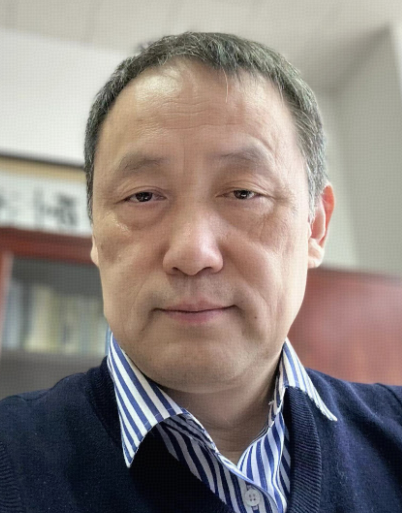 Ming Chen (陈明)合作论文数School of Information Science and Engineering, Southeast University;National Mobile Communications Research Laboratory, Southeast University3
 Bai Chen (陈柏)合作论文数College of Mechanical and Electrical Engineering, Nanjing University of Aeronautics and Astronautics3Minhong Wan合作论文数2Zefang Zhao合作论文数2Yi SONG (宋逸)合作论文数2
 Hao Zhang (张浩)合作论文数College of Economics and Management, Nanjing University of Aeronautics and Astronautics2
 Qingsong He (何青松)合作论文数College of Mechanical & Electrical Engineering, Nanjing University of Aeronautics and Astronautics2
 Hongtao Wu (吴洪涛)合作论文数College of Mechanical & Electrical Engineering, Nanjing University of Aeronautics and Astronautics2
 Xiang Xu (徐祥)合作论文数School of Automation, Nanjing University of Science and Technology2Jiatai Sun合作论文数1Qiyun Zhong合作论文数1Liuwei Wang合作论文数1
 Zhicheng Song合作论文数1Yunfei Miao合作论文数1Kai Deng合作论文数1Lingyu WANG (王灵禺)合作论文数1LI Zi-yi (李子依)合作论文数1
 Yu Gu (谷宇)合作论文数School of Electrical and Information Engineering, Tianjin University1Yi Dong (董艺)合作论文数1Guoxiao Yin合作论文数1Qiuying Zhao合作论文数1Zhi-yuan LU (陆志远)合作论文数1
 Linkang WANG (王林康)合作论文数1Yuwei Wu合作论文数1Yaoli ZHU (朱瑶丽)合作论文数1Julu YAO (姚举禄)合作论文数1Zheng ZHAO (赵铮)合作论文数1Lei Cai合作论文数1
 Bo Li (李波)合作论文数College of Mechanical and Electrical Engineering, Nanjing University of Aeronautics and Astronautics1
 Pengcheng Li (李鹏程)合作论文数College of Mechanical & Electrical Engineering, Nanjing University of Aeronautics and Astronautics1
 Liping Ding (丁力平)合作论文数College of Mechanical & Electrical Engineering, Nanjing University of Aeronautics and Astronautics1
 Jie Ling (凌杰)合作论文数College of Mechanical & Electrical Engineering, Nanjing University of Aeronautics and Astronautics;Advanced Hydraulic and Electromechanical Control Laboratory, Nanjing University of Aeronautics and Astronautics1
 Yaoyao Wang (王尧尧)合作论文数College of Mechanical & Electrical Engineering, Nanjing University of Aeronautics and Astronautics1
 Yuanping Xu (徐园平)合作论文数College of Mechanical & Electrical Engineering, Nanjing University of Aeronautics and Astronautics;Magnetic levitation and vibration control Laboratory, Nanjing University of Aeronautics and Astronautics1
 Kai Gui合作论文数1
 Xiaofeng Xiong合作论文数1




