The geometric shape of a buoy is crucial in enhancing the efficiency of wave energy harvesting. However, comparative studies are often compromised by inconsistent design constraints—particularly the failure to maintain identical natural frequency—which obscures the pure effect of geometry. Therefore, this paper proposes a novel S-shaped buoy characterized by three parameters l, α, β, and ensures all buoys are designed with identical diameters, submerged volumes, and resonant frequencies to perform a fair geometric comparison under the same dynamic conditions. Based on wave conditions of the Paracel Islands, six S-shaped buoys with distinct parameter combinations and identical resonant frequencies were evaluated under regular waves, irregular waves, optimal and suboptimal power take-off (PTO) modes. Results show that SB-b buoy (l = 2.6 m, α = 120°, β = 120°) exhibits the best comprehensive performance. Its power absorption under the optimal PTO mode outperforms that of the ellipsoidal and conical buoys by 4.9
To improve the stability of the deep-sea aquaculture cages, a numerical hydrodynamic model of a Rotatable Horizontal Aquaculture Cage Platform (RHACP) was developed based on three-dimensional potential flow theory and the Morison model. After verifying the reliability of the numerical simulation, this study focuses on analyzing the hydrodynamic characteristics, including heave, pitch, and surge, as well as the mooring forces of the RHACP at 3 different draft depths (9, 13, and 17 m). The results show that an increase in draft reduces the mooring line tension and the platform motion response. The heave and pitch responses of the RHACP are positively correlated with both wave height and wave period, whereas the surge response is positively correlated with wave height but negatively correlated with wave period. At an incident wave angle of 90 degrees, the RHACP exhibits greater resistance to extreme sea states than that at 0 degrees.
Deep-sea aquaculture cages are prone to large motion responses under the combined effects of extreme wind, waves, and currents. In severe cases, these responses may lead to structural instability, mooring failure, or even capsizing. This study investigates the hydrodynamic stability of a horizontal aquaculture cage equipped with external floats and a multi-point mooring system through comparative numerical analysis and engineering assessment. A three-dimensional ANSYS AQWA model coupling potential-flow hydrodynamics, Morison-type loads, and a dynamic mooring-line formulation was established and benchmarked against published surge and heave response amplitude operators for Ocean Farm 1. Time-domain simulations were then conducted under a 50-year return-period wind–wave–current condition for the deep-water South China Sea to compare cage configurations with and without eight external floats and to assess four mooring layouts: bridle, cross, herringbone, and parallel. The external floats reduced the magnitude of the negative peak heave displacement by 22.9%, from 5.332 to 4.111m, and the magnitude of the negative roll peak by 45.0%, from 14.588° to 8.021°; the peak-to-peak roll amplitude decreased by 28.1%. Slight increases in some positive heave and sway responses indicated a redistribution of the coupled motion rather than uniform suppression of all response components. Under the herringbone configuration, the modules reduced tension variability and low-tension occurrence by 15.48% and 72.32%, respectively, and decreased the inter-line dispersion of mean and peak tensions by 36.50% and 16.26%, although the governing maximum tension increased by 8.42%. The parallel arrangement provided the best control of surge, heave, pitch, and yaw, whereas the herringbone arrangement performed better in sway and roll; the cross arrangement exhibited the weakest overall stability. These results demonstrate that external floats can improve cage-motion stability and mooring-load sharing, but the buoyancy and mooring systems should be designed jointly to account for the associated increase in extreme tensile demand.
Carbon accounting plays a pivotal role in the manufacturing industry, being crucial for achieving low-carbon transformation and lean carbon management. A thorough understanding of carbon emissions during the manufacturing process is essential to account for the carbon footprint of products accurately. By analyzing the impact of supplies consumption (SC), energy penalty (EP), and equipment wear and tear (EWT) on carbon emissions in each process, a mathematical model of carbon consumption of the production process is proposed. The aim of the model is to help make implicit carbon emissions explicit across the entire product lifecycle. A lifecycle assessment (LCA) mathematical model of product carbon intensity is developed on this basis. Finally, the LCA mathematical model of product carbon intensity is applied to the ball valve manufacturing case, and the values of SC, EP, and EWT carbon emissions are acquired. The key factors influencing the carbon intensity of the ball valve are analyzed. The accuracy, effectiveness, and feasibility of the proposed model and calculation methods are validated, which provides a theoretical basis for carbon accounting and the establishment of carbon labels for industrial products.
To enhance the energy harvesting efficiency and operational stability of the turbine under low flow rate conditions, this paper introduced an Archimedean spiral horizontal axis turbine designed for low-speed currents. The influence of turbine on flow field and hydrodynamic characteristics under different tip speed ratios (TSR) were studied by changing the structure parameters and blade arc profile. A mathematical model was established based on mass conservation equation, and the relationship between the structure of the steam turbine torque was deduced. The results show the Archimedean spiral turbine displays higher capacitive coefficient at low TSR. With the increase of the pitch size, both the wake effect and the drag coefficient decrease smoothly, and the average power coefficient firstly increases and then decreases. When the D/L value equals 0.833, the capacitation efficiency reaches the highest value. The blade arc has a significant impact on the turbine efficiency, and different arcs adapt to different TSR conditions. Simulation results show the reasonable range of blade spacing is from 0.1D to 0.16D, otherwise the hydrodynamic performance of the turbine drops sharply. The findings of this study provide valuable insights for the design of turbines optimized for low-flow environments.
To enhance the stability of the rotatable horizontal aquaculture cage (RHAC) in marine environments, this study proposes an optimization strategy aimed at improving the primary structural configuration, while improving the motion characteristics, ensuring adequate aquaculture space. A parametric model of the RHAC is established, and single-factor experiments are conducted to analyze the effects of different net cage radius (r), net cage cone angle (alpha), and net cage length (L) on response amplitude operators (RAOs) and displacement, which refers to the movement of the center of gravity of the RHAC relative to the origin. Based on the response surface methodology (RSM), a predictive model for cage displacement and volume is constructed to elucidate the matching relationship between the main structural parameters (r, alpha, L) and stability. Three sets of optimization schemes are formed by minimizing displacement and maximizing volume as joint optimization objectives combined with single-objective optimization. The predicted values of the optimization design points are compared with corresponding numerical simulation results, with a maximum deviation of 9.04 %, which verifies the effectiveness of the optimization. The research results indicate that the stability and aquaculture space of the cage can be effectively balanced through structural parameters optimization. When r =10 m, alpha= 30.001 degrees, and L= 43.415 m, the optimization effect is optimal. Compared to the initial design, cage displacement is reduced by 10.07 %, while the volume increased by 44.70 %. Additionally, the RAOs in the sway, heave, roll, pitch, and yaw directions are significantly reduced. This study deepens the analysis of the hydrodynamic performance of the RHAC, offers theoretical support and design guidance for its engineering applications, further enhances its adaptability and aquaculture efficiency in complex marine environments
The buoy size significantly affects the wave energy captured by the point-absorption wave energy converter (PAWEC). Understanding the parameter's dynamics is critical for tailoring buoy sizes to specific sea conditions. This study employs Design of Experiments (DOE) and ANSYS AQWA software to reveal that the buoys' radius draft ratio (R/L) has a predictable impact on wave energy absorption and, for the first time, identifies the accurate threshold that affects buoy oscillation performance. Considering that the wave energy in most sea areas worldwide exhibits distinct seasonal distribution characteristics, a novel buoy optimization method is proposed to fit the specific marine environments. Taking the South China Sea as an illustrative case, the seasonal and annual wave energy absorption of buoys with different R/L are discussed in detail. Ultimately, the buoy with R = 6.5 m and L = 6 m (R/L = 1.08) is verified as the most suitable one for the sea area, providing valuable insights for practical engineering applications.
The failure of the shaft-end seal in the feed conditioner can readily result in material leakage, steam escape, and other such issues, thereby significantly impacting equipment operational safety and production efficiency. In pursuit of clean feed in the feed industry, the raw material temperature in the conditioner is required to reach 100 degrees C, but the current packing seal fails to meet the operational requirements. However, there is currently no literature addressing a novel sealing design for the shaft-end of the conditioner. This study finds that the optimal operating temperature for packing seals is 70-80 degrees C. To address the issue of shaft-end failure in the conditioner, the paper combines impeller seals and axial interlaced labyrinth seals into a novel sealing configuration. Moreover, the STZJ360 conditioner seal is employed as a case study for simulation and verification. Results show that under extreme operating conditions, characterized by a steam inlet velocity of 20 m/s and the absence of material feed to the conditioner, the outlet velocity of the impeller seal is predominantly concentrated within the low-velocity range of 0-0.5 m/s. Under extreme conditions, the axial interlaced labyrinth seal exhibits a total monthly leakage of 880 g. However, under normal operating conditions, the leakage of the combination seal is only 126 g/month, the leakage of the combined seal was reduced by 82 % at 100 degrees C.
Process route planning directly influences carbon emissions, completion time, and the processing cost of mechanical products, and is crucial for achieving low-carbon, high-efficiency, and cost-effective machining production. To address this, an optimization method based on the fuzzy analytic hierarchy process (FAHP) and an adaptively improved ant colony algorithm is proposed. First, the manufacturing characteristics of the parts are analyzed, the work step element to represent them is introduced, and a carbon emission model for low-carbon manufacturing from the perspectives of material and energy flows is established. Additionally, an optimization model is constructed, targeting carbon emissions, completion time, and machining cost at the process level. To effectively address the fuzzy weight distribution among the optimization objectives, FAHP is employed to determine the weight of each factor and to define a comprehensive objective function. To enhance the solving efficiency of the optimization algorithm, an adaptively improved ant colony algorithm with multi-strategy fusion is utilized. Finally, the machining data of a part are employed as a test case to verify the feasibility and practicality of the proposed method. A comparison with the actual data indicates that, when low carbon, high efficiency, and low cost were treated as multi-objective optimization criteria, the carbon emissions were 1425.06 g, the processing time was 545.5 s, and the processing cost was CNY5.84. In comparison with the results from the other three experiments, the carbon emission, processing time, and processing cost exhibit the best overall performance, aligning with the low-carbon, low-cost, and sustainable production requirements.
To reduce the overturning risk under extreme sea conditions, this study employs a numerical method to study and optimize the safety performance of a novel rotatable horizontal aquaculture cage (RHAC) system. The impact of buoyancy volumes on the net cage movements is analyzed using AQWA simulations and a tank experiment, indicating that the cage structure possesses a self-rotation capability under external forces. The cage rotation directions and velocities are controlled by adjusting the inflation state of the floating bodies, thereby flipping the fouled underside of the net upside down for subsequent cleaning. The effects of wave height, wind speed, and the arrangement of floating bodies on the dynamic behavior of the cage are analyzed systematically. Results show that the "single circular ring with 8 floating bodies" configuration offers superior stability, reducing approximate 75 % pitch amplitude compared with cages without floating bodies, and shows a decrease of about 4 % in longitudinal pitch angle compared with the other three configurations. Additionally, the six-degree-of-freedom motions are assessed under the four typical mooring failure states. Results show that chain breakage on one side leads to the most severe responses, inducing 90 degrees yaw, doubling vertical heave, and 8-time longitudinal surge.
To enhance the safety of aquaculture cages under extreme marine conditions and address the issue of netting biofouling, this study innovatively designed a horizontal aquaculture cage structure capable of floating, submerging, and rotating. A combined theoretical and experimental approach was adopted to investigate the hydrodynamic behavior of such cage groups under different layouts and marine conditions. Firstly, a dynamic model of the cage group was established based on the lumped mass method and Morison equation, and the rotatable performance of the cage and the reliability of the numerical model were verified through underwater tests on the physical model. Subsequently, taking the 1 x 4 layout cage group as the research object, the timedomain analysis method was used to analyze the effects of wave height and the ratio of cage spacing (L) to wavelength (7) on hydrodynamic responses and mooring tension. Finally, the nonlinear dynamic response characteristics of the 1 x 4 and 2 x 2 layout cage groups under combined wave-current action were studied. The results show that the surge, heave, and pitch motions of horizontal cage groups in floating and submerged states are significantly affected by wave height and the ratio of L/7. The submerged state can effectively suppress the pitch amplitude and reduce mooring tension. In layout design, cage spacing should be avoided to be close to the wavelength to prevent resonance and reduce the risk of extreme loads. Compared to the 1 x 4 layout, the 2 x 2 layout reduces the average standard deviation of mooring tension by 6.06 % with more uniform tension distribution. However, positive incidence of wave-current significantly increases the pitch amplitude of the rear cages in the 2 x 2 layout.
In this study, a hydrodynamic model of a semi-submersible aquaculture platform was established. The time domain motion characteristics of the platform were explored under different mooring arrangements and local mooring line failures. Moreover, comprehensive analyses were conducted to explore the factors, including spectral peak period, wave height, and current velocity on both the dynamic response of the platforms and the mooring tension. The results show that after the failure of mooring line, the influence of variations in wave height and spectral peak period on the drift motion of the platform is relatively small. In contrast, an increase in the current velocity enhances the motion. Furthermore, when the mooring lines are symmetrically distributed on both sides of the load, compared with the failure of mooring lines at the same corner, the failure of symmetrical mooring lines has a more significant impact on the platform's drift motion and mooring tension.
Carbon accounting is critical to manufacturing and achieving a low-carbon transition and lean carbon management. A comprehensive understanding of carbon emissions in manufacturing is essential to calculate a product’s carbon footprint accurately. Based on the life cycle assessment (LCA) method, this study divides the whole process of mechanical products from parts to finished products into three stages: parts (P), assembly (A), and testing (T). By decomposing each stage’s carbon emission sources and combining each stage’s characteristics, a series of corresponding carbon emission accounting models is established. Finally, the three-stage carbon emission model of the manufacturing process of a three-piece ball valve is established, and the validity and feasibility of the proposed model are verified. The results show that raw material consumption, energy consumption, and transportation are the primary sources of carbon emissions in the manufacturing process of three-piece ball valves, accounting for 35.6%, 38.8%, and 17.6%, respectively. The corresponding carbon emissions were 17.854 kgCO2e, 19.405 kgCO2e, and 8.8 kgCO2e, respectively. Through these results, we can provide some theoretical and data support for the low-carbon transformation of manufacturing enterprises as well as some research ideas for realizing low-carbon production through process planning and shop scheduling.
This paper proposed a research method for secondary design and parametric analysis of the contraction section of the shroud to improve the flow-gathering effect of horizontal axis tidal current turbines. By comparing the velocity ratio, drag coefficient, and flow field stability of the nine different shroud profile types, a conclusion was drawn that the hydrodynamic performance of the exponential (Type-A) shroud is best. On this basis, the primary parametric analysis of the A profile type shroud is carried out by changing the contraction ratio of the shroud's contraction section to divide the profile into three parts. The results show that the vertical flange inhibits the flow-gathering effect of the shroud, so the secondary parametric analysis is proceeded by removing the flange and changing the flange inclination angle, respectively. At the contraction ratio of 6/8, the flow-gathering effect of each shroud is best, among which the hydrodynamic performance of Type-ABL-6-85° shroud with the flange inclination angle of 85° is best. The maximum power coefficient (Cpmax) is 43.20%, which is 31.59% higher than that with Type-A shroud when the tip speed ratio is 1.5. Therefore, it can be considered that the combined profile type of the shroud contraction section has a better flow-gathering effect than the single profile type.
To reduce the common mode voltage (CMV), suppress the CMV spikes, and improve the steady-state performance, a simplified reactive torque model predictive control (RT-MPC) for induction motors (IMs) is proposed. The proposed prediction model can effectively reduce the complexity of the control algorithm with the direct torque control (DTC) based voltage vector (VV) preselection approach. In addition, the proposed CMV suppression strategy can restrict the CMV within +/- V d c / 6 , and does not require the exclusion of non -adjacent non -opposite VVs, thus resulting in the system showing good steady-state performance. The effectiveness of the proposed design has been tested and verified by the practical experiment. The proposed algorithm can reduce the execution time by an average of 26.33% to the
Underwater robotic cleaning devices are promising in ship hull maintenance for biofouling removal, but there are still some challenges for commercial application. Due to the complex surface of the ship hull, larger adsorptive force is needed for climbing robots to solve the problem of poor fitting between rigid structure and ship hull, which calls for more driving power. To mitigate the gap, this paper proposed a flexible wheel-leg composite moving mechanism for ship hull cleaning robots. The designed adjustable wheel leg, which is composed of three leg frames on the rotating shaft, eliminates the magnetic wheel's position constraints and expands the movement space. The relation equations of flip angle, pitching angle, turning angle, and hull curvature radius are generated and analyzed based on the robot's posture and steering motion. The mechanical properties of anti-slippage and anti-shedding under different motion states were studied so that the robot's critical point and limit adsorption force could be determined and verified. Simulation results show that the robot has good motion stability.
为探究异构减速箱齿轮啮合区浸油程度对搅油损失的影响规律,采用移动粒子半隐式法(MPS)对8种异构减速箱搅油模型以及基于不同转向、齿轮啮合区不同浸油程度条件的搅油模型进行模拟仿真.结果 表明:啮合区浸油程度与油液波动、速度以及搅油损失成正相关,顺时针比逆时针转向下齿轮啮合区搅油量更大,转向与浸油程度的变化均引起啮合区油量变化从而导致齿轮啮合损失变化;浸油程度变化也会致使齿轮阻力损失变化,表明搅油总损失的大小主要受参数变化的影响,且齿轮啮合损失和阻力损失各自所占比重随参数而改变,需对单一或多变量具体分析.
:Oil churning losses have a significant influence on lubricating performance, transmission stability, and energy-saving economy of transmission systems.Research on the predicting and controlling methods of gear churning losses contributes the optimal design and energy saving of the transmission system.Studies show that oil churning losses occupy more than 50% of total power losses of reducers/gearboxes under high speed condition, and that churning losses change significantly with the lubricating condition, geometrical structure, and working condition.Churning losses is complex in mechanism and involve extensive factors, therefore exploring its mechanism and mastering energy consumption characteristics is the recent research difficulties and hotspots.Lots of researches focused on the modeling and application of oil churning losses, but many of them aimed at some a special working condition and lacked universality and systematisms.Thus, it is necessary to thoroughly discuss and summarize churning losses.By combining recent research progress in theory, simulation and bench test, the churning losses are studied based on quantitative and qualitative analysis on different influence factors.Modeling methods and applications are emphasized and the methods of reducing churning losses are given in detail.
以搅油问题为例,分别对网格法和MPS法的算法、数值方程、计算效率和仿真结果进行比较.结果表明:两种方法均能捕捉到自由面变化状况,由网格法计算所获得的自由面形状更加光滑,而MPS法中粒子的分布比较凌乱,油液的溅射比较明显;在计算结果方面,两种方法所计算的齿轮搅油损失与实验结果相吻合;在计算效率上MPS法比网格法更高,且MPS法能给出更高的计算精度.通过网格法与MPS法的比较,为具体问题选用不同的计算方法提供了依据.
设计了39个碳纤维编织网格增强混凝土(CTRC)与受火损伤混凝土的单面剪切试件(其中18个为常温混凝土对比试件),通过单面拉剪和单面推剪两种不同加载方式的剪切试验,研究了不同纤维层数(1层、2层、3层),不同界面黏结长度(50 mm、100 mm、150 mm、200 mm、250 mm)和不同混凝土表面处理情况(点凿、浅凿、深凿)对CTRC-受火损伤混凝土界面黏结性能的影响,得到不同工况下的CTRC-受火损伤混凝土试件界面的破坏形态以及黏结强度,并通过数字图像相关法(DIC法)研究了CTRC-受火损伤混凝土界面的位移变形情况,为TRC加固受火损伤混凝土构件受力性能分析提供理论依据.
 Huanjun Jiang (蒋欢军)合作论文数Department of Disaster Mitigation for Structures, College of Civil Engineering, Tongji University7
 Xilin Lv (吕西林)合作论文数Department of Disaster Mitigation for Structures, College of Civil Engineering, Tongji University5
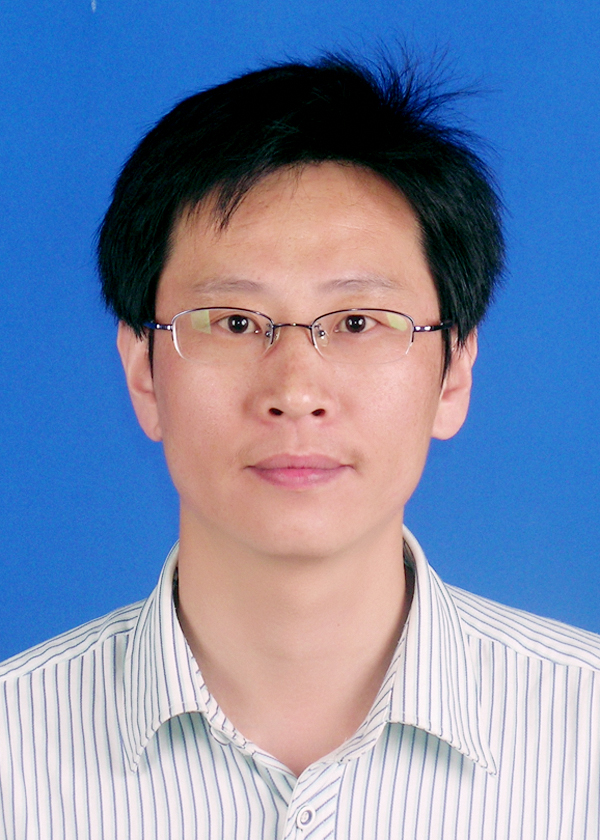 Jun Zhang (张俊)合作论文数College of Engineering Science and Technology, Shanghai Ocean University5
 Xinbo Chen (陈辛波)合作论文数School of Automotive Studies, TongJi University5
 Yiyi Chen (陈以一)合作论文数Department of Structural Engineering, College of Civil Engineering, Tongji University4
 Bin NING (宁斌)合作论文数3HongMing Lv (吕红明)合作论文数3
 Lewei Tong (童乐为)合作论文数College of Civil Engineering, Tongji University3Jiaolong Wang (王交龙)合作论文数2Jiandong Sun合作论文数2Yajie Zhou (周雅杰)合作论文数2ZeQun Guan (关泽群)合作论文数2Hongwei Chen (陈宏伟)合作论文数2
 Jiangu Qian (钱建固)合作论文数Department of Geotechnical Engineering, College of Civil Engineering, Tongji University2
 Maosong Huang (黄茂松)合作论文数Department of Geotechnical Engineering, College of Civil Engineering, Tongji University2Ge You-hua合作论文数1
 tao zhang合作论文数Starkey Hearing Technol1CHEN Jian-jun (陈建军)合作论文数1Ruhai Ge合作论文数1Guoxu Dong (董国旭)合作论文数1Quan Ni (倪泉)合作论文数1Lin Zhu合作论文数1Jingjing Shi (史晶晶)合作论文数1Jie Tao合作论文数1
 Ping Wang (王平)合作论文数1Xiaolong Shi (石小龙)合作论文数1Yonghui CAI (蔡永辉)合作论文数1YING Yong (应勇)合作论文数1Zheng SUN (孙政)合作论文数1MingKun Ji (季明坤)合作论文数1WeiDong Hui (惠为东)合作论文数1XinYan Lin (林鑫焱)合作论文数1YangJi Chen (陈扬骥)合作论文数1JianHui Ling (凌建辉)合作论文数1Zhe Shen (沈哲)合作论文数1
 Yuyin Hu (胡玉银)合作论文数Shimao Group Holdings Limited1KeLin Xu (徐克林)合作论文数1Man Liu (刘曼)合作论文数1Lei Su (苏磊)合作论文数1ChunYan Li (李春燕)合作论文数1
 Fang Wang (王芳)合作论文数College of Engineering Science and Technology, Shanghai Ocean University1
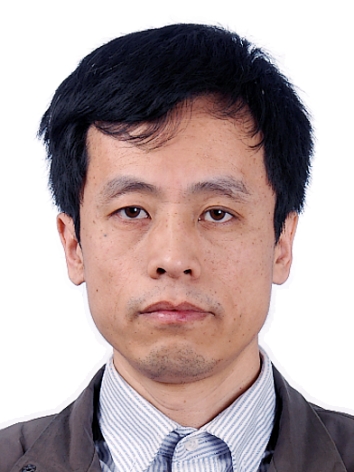 Zhongxu Tian (田中旭)合作论文数College of Engineering Science and Technology, Shanghai Ocean University1
 Yun Chen (陈云)合作论文数School of Chemical Science and Engineering, Tongji University1Zhuo Chen合作论文数1
 Hongwei Tan (谭洪卫)合作论文数School of Mechanical Engineering, Tongji University1Min Wang (王敏)合作论文数School of Water Conservancy and Civil Engineering, Northeast Agricultural University1
 Shouen Fang (方守恩)合作论文数College of Transportation Engineering, Tongji University1Chunsheng Feng (冯春晟)合作论文数1




