目的:探讨慢阻肺(COPD)急性加重期病人应用桂枝加厚朴杏子汤治疗的疗效及其对肺功能的影响。方法:共纳入对象80例,均为COPD急性加重期,纳入时间2020年1月至2022年1月。随机数表法分为两组,对照组用布地奈德气雾剂治疗,观察组则采取桂枝加厚朴杏子汤治疗,比较两组效果。结果:观察组总有效率更高(P<0.05);治疗前两组炎性因子水平、肺功能指标无显著差异(P>0.05),治疗后观察组炎性因子水平更低,肺功能指标更高,差异显著(P<0.05);两组不良反应无显著差异(P>0.05)。结论:COPD急性加重期应用桂枝加厚朴杏子汤治疗,相比西医方案疗效好,而且更好地改善炎性因子与肺功能,不会明显增加不良反应,值得应用。
目的 探讨变应性真菌性鼻窦炎(AFRS)的临床病理特点、治疗方法及预后.方法 回顾性分析54例AFRS患者的临床资料.全部患者均接受以鼻内镜为主的综合治疗.结果 术后随访6个月至6年,51例患者病情完全控制;3例患者术后1年复发,经再次手术和综合治疗,全部治愈,随访2~5年,未见复发.结论 手术治疗是该病最有效的治疗方法,术后辅以糖皮质激素治疗以减少术后复发.综合治疗和术后定期随访是治疗成功的关键.
目的 比较影像导航鼻内镜系统与传统鼻内镜手术治疗鼻内翻性乳头状瘤的疗效和并发症的发生情况.方法 选取41例患者为导航组行影像导航系统下鼻内镜手术,36例患者行传统鼻内镜手术,观察两组病例的术前准备时间、手术时间、术中出血量、术后疗效及并发症的情况.结果 导航组与传统组的术前准备时间、术中出血量、复发率和并发症差异有统计学意义(P<0.05),两组手术时间比较,差异无统计学意义(P>0.05).结论 对于鼻内翻乳头状瘤患者,影像导航鼻内镜手术是合理的选择,能提高手术疗效及精准性,减少并发症的发生.
目的:探讨鼻内镜下泪囊鼻腔造孔术治疗泪道阻塞性疾病的安全性和临床效果.方法:回顾性分析19例在鼻内镜下行泪囊鼻腔造孔术治疗的泪道阻塞性疾病患者的临床资料、手术方法及治疗预后.结果:1例外伤性泪道阻塞的患者行鼻内镜下泪囊鼻腔造孔术失败,改为鼻外径路手术;全部慢性泪囊炎患者均行鼻内镜下泪囊鼻腔造孔术其中3例患者同时行泪道置管,未置管患者中有1例在随访中发现造瘘孔不通,再次给予置管,3月后拔管造瘘孔通畅.结论:鼻内镜下手术治疗泪道阻塞性疾病安全有效,且没有面部瘢痕,应该成为治疗泪道阻塞性疾病的首选,但应做好术前评估、术中泪囊准确定位和手术操作以及术后的密切随访工作.
Objective:To investigate the safety,clinical effectiveness and the choices of operation methods of endoscopic surgery for sinonasal tumors with orbital invasion.Methods:The clinical data,operation methods,complication and treatment outcomes of 15 patients of benign and early stage malignant sinonasal tumors with orbital invasion treated with endonasal endoscopic surgery were analyzed retrospectively.Results:In all cases,11 patients underwent endonasal endoscopic resection of the tumor,4 cases underwent endoscopic dual approach surgery with endonasal and external nasal incision,of which 1 case of aggressive large B cell lymphoma patient had postoperative lower eyelid ectropion,1 case of sinonasal osteoma resected completely and left ipsilateral inner canthus displacement postoperatively;4 cases of benign bone lesions were treated with endoscopic partial excision of lesion,the tumor of the remaining cases were completely resected without significant complications,and followed up for 6 to 36 months without recurrence.Conclusion:Endoscopic surgery for the treatment of sinonasal tumors with orbital invasion had unique advantages,the better clinical outcome could be achieved through simple endonasal endoscopic surgery or the dual approach surgery with endonasal and external nasal incision assisted with endoscope.
Objective To observe the clinical effect of modified Shenge Qinglong Wan(参蛤青龙丸)in treating bronchial asthma with wheezing due to cold syndrome.Methods With randomly control and the third party evaluation design,the study included 129 patients with acute and chronic bronchial asthma with wheezing due to cold syndrome (class Ⅰ-class Ⅲ),which were randomly allocated into Chinese medicine group (65 cases) and western medicine group (64 cases).In the Chinese medicine group,the patients were treated with modified Shenge Qinglong Wan (参蛤青龙丸),while in the western medicine group,the patients were treated with the salmeterol/flutieasone aerosol (50 μg,twice per day).The course of treatment lasted for 12 weeks.,The asthma control test (ACT) scores were measured at baseline,and 4 weeks,8 weeks and 12 weeks after treatment,and the lung function was evaluated before and after treatment.The results were analyzed by intention-to-treatment and per-protocol analyses.Confidence interval was used to determine whether ACT scores were non-inferior or not.Results Both ITT and PP analyses showed that,at 4 weeks,8 weeks and 12 weeks after treatment,the 95% CI lower limits of ACT scores were greater than -1.5,suggesting Chinese medicine group being non-inferior to western medicine group.In Chinese medicine group,there was significant difference in 50% forced expiratory flow (FEF50) between before and after treatment (P < 0.05).In western medicine group,there were significant difference in forced vital capacity (FEV1) and FEF50 between before and after treatment (P < 0.05).After treatment,there were no significant differences in the lung function measures between the groups (P > 0.05).Conclusion In patients with bronchial asthma with wheezing due to cold syndrome (class Ⅰ-class Ⅲ),ACT scores in the modified Shenge Qinglong Wan group are non-inferior to those in the salmeterol/flutieasone aerosol group.Both therapies could improve lung function with varying degrees.
Objective:To explore the indications and characteristics for the treatment of nose-eye correlated diseases with endoscopic surgery through external nasal incision combined with nasal cavity approach.Method:The clinical data of 13 patients whom hospitalized in our department and treated by endoscopic surgery through external nasal incision combined with nasal cavity approach since October 2011, were retrospectively analyzed and the characteristics of different pathological changes, clinical manifestations, surgical approach and follow-up results were summarized.Four cases of patients underwent endoscopic surgery through nasal cavity and lacrimal caruncle conjunctival incision, 4 cases received bone fracture reduction and DCR with endoscope through double path of nasal cavity and the original trauma wound, 2 cases with endoscopic bone tumor resection through nasal cavity and external nasal incision, the rest of the 3 cases with endonasal endoscopic and peri-orbit incision surgery.Result:Two cases of tumor patients showed no recurrence followed up for 1.5 to 2 years; the diplopia disappeared in 2 cases of orbital medial wall fracture; surgeries of 4 cases of orbital wall fracture with lacrimal duct obstruction patients, 3 cases succeeded, 1 case failed and change into dacryocystorhinotomy with external nasal incision, and epiphora of all patients vanished; all of the patients of sinus osteoma, foreign bodies and abscess were cured and symptoms disappeared; the symptoms of ectopic meningioma patient gradually died down with eyebrow scars left.Conclusion:The surgery with external nasal incision combined with nasal cavity approach through endoscope to treat noseeye correlated diseases can effectively deal with relevant pathological changes, with the advantages of clear operation field and less damage, but its exact indications and surgical methods still need to be further explored.
Objective: To observe the clinical efficacy and safety of desloratadine citrate disodium in the treatment of allergic rhinitis (AR). Methods: 200 patients with AR treated at otorhinolaryngology department of Sichuan Provincial People's Hospital from January, 2012 to October, 2014 were selected for this study. They were randomly divided into therapeutic group and control group with 100 patients in each. And there was no obvious difference in general data between two groups. The therapeutic group was treated with desloratadine citrate disodium tablets with daily dosage of 8.8 mg by oral administration, while the control group was given loratadine with daily dosage of 10 mg by oral administration. The treatment course was one month. All the patients were not given corticosteroids and other antihistamines. Observe symptoms before and after the treatment, signs score and clinical efficacy in two groups. We intraperitoneal injected 100 mu g of ovalbumin 2 times to build sensitized model in ICU mic and separated splenic lymphocyte; pretreated with 1.5 mol/L esloratadine citrate disodium and loratadine, and then added 200 mg/L ovalbumin for stimulation; the influence of esloratadine citrate disodium and loratadine on lymphocyte releasing prostaglandin E2, leukotrienes, interleukin-4, interleukin-5 and tumor necrosis factor were detected and compared by ELISA method. Results: In the 99 cases selected in therapeutic group, 58 cases were markedly effective, 34 cases were effective, 7 cases were ineffective, and the total effective rate was 92.9%. In the 98 cases selected in control group, 7 cases were markedly effective, 48 cases were effective, 23 cases were ineffective, and the total effective rate was 76.5%. There was statistically significant difference in the total effective rate between the two groups (P<0.05). In mouse sensitization model, compared with those in the loratadine group, desloratadine citrate disodium could significantly decrease the levels of lymphocytes releasing PGE(2), LTB4, IL-4, IL-5, TNF-alpha. Conclusion: Compared with loratadine, the clinical efficacy of desloratadine citrate disodium tablets is better in the treatment of AR and with good safety.
Objective:To explore the indications , surgery method and effect for the treatment of medial rectus muscle entrapment with endoscopic surgery.Method: Eight medial rectus muscle entrapment patients were enrolled in this study,3 cases underwent obital medial wall fracture reposition and medial rectus muscle adhesion decomposition surgery through endonasal endoscope,and 5 cases received obital medial wall fracture reposition surgery with endoscope through nasal cavity and lacrimal caruncle conjunctival incision. Result:The diplopia disappeared and eyeball abduction function recovered in 6 cases of medial rectus muscle entrapment patients within 2 months,and 1 case with each surgery had mild diplopia and eyeball incomplete abduction left.Conclusion:Adopting endonasal endoscopic surgery or dual approaches surgery with endonasal endoscopic and transcaruncular surgery were ideal methods for medial rectus muscle entrapment diseases.Surgery with endoscope has the characteristics of clear field and less damage.The surgery should be performed whithin 3 weeks, and the entrapment of medial rectus muscle can be resoved effectively.
Objective To investigate the different choices of operations with endoscope in the treatment of nose -eye correlated diseases and their influence on patients'prognosis.Methods The clinical data of 27 patients with nose-eye correlated diseases treated in our hospital with nasal endoscopic surgery or endoscopic assistant surgery were retrospectively analyzed .Surgical methods and thera-peutic effect were summarized .Results All the operations for these patients were completed through endoscope or assistant with endo -scope.The follow-up time differed from 3 months to 24 months with average of 12 months.Among them,the operation for one case who suffered from periorbital fracture with lacrimal duct obstruction failed and the dacryocystorhinostomy with external path was performed . One case with orbital well-differentiated liposarcoma relapsed .One case gave up treatment due to consideration of orbital lymphoma .One case with orbital expansionary venous malformations suffered from postoperative vision loss ,but his vision was recovered after treatment . One patient with fibrous dysplasia left residual lesions .One case with traumatic optic neuropathy lost to follow-up 3 months later .One case with chronic invasive fungal rhinosinusitis got on to long-term antimicrobial treatment postoperatively .Postoperative follow-up re-sults of other patients were good .Conclusion The endoscopic surgery or endoscope assistant surgery for nose-eye correlated diseases has unique advantages.However,there is possibility of failure and serious complications.Therefore,it should constantly explore and strictly definite the operation path ,methods,principles and scope for the treatment of the diseases .
Objective:To explore the clinical indication,method and effect of endonasal endoscopic surgery for nasopharyngeal lesions.Methods:The clinical data of 22 nasopharyngeal lesion patients underwent endonasal endoscopic surgery were analyzed retrospectively.Results:9 benign and 13 malignant cases were included,1 recurrent nasopharyngeal fiber hemangioma case,curved after another operation;1 benign lymphoid hyperplasia case had psychotherapy after surger-y,1 actinomycosis infected patient need long term antibacterial treatment postoperatively,1 malignant lymphoma case was failed to be diagnosed after operation,but had definitive diagnosis when followed-up at 18 months by biopsy and had no subsequent treatment;1 leiomyosarcoma patient failed follow-up 3 months after surgery,1 case continued therapy for malig-nant melanoma recurrence.Conclusion:Malignant tumors such as nasopharyngeal fiber hemangioma and recurrent na-sapharyngeal carcinoma could be completely resected and restored with endonasal endoscopic surgery,by gradually expose the lesion boundary according to the anatomic structure and protect important structures.
To investigate the clinical features, therapeutic methods and therapeutic efficacy of imflammatory myofibroblastic tumor(IMT)of the nasal cavity and paranasal sinuses.Clinical data of 14 cases diagnosed as IMT by pathology were retrospectively analyzed. There were 8 males and 6 females,age ranging from 18 to 77 years. 12 cases of them were treated by surgery while 2 cases received postoperative radiotherapy.All cases were operated. All the patients were followed up for a period of 1 to 7 years after operation and two cases were proved low grade IMT pathologically. Eight cases survived with no recurrence until the last follow-up and 6 cases relapsed, of which 4 cases died and 2 were alive with tumor.IMT of the nasal cavity and paranasal sinuses is very rare. The diagonosis of IMT is based on pathology and immunohistochemistry. Proper diagnosis is essential to avoid mutilating and disfiguring surgical procedures. Radical excision is still the first choice of treatment for IMT of the nasal cavity and paranasal sinuses. Chemotherapy and radiotherapy may not be helpful to prevent recurrence after operation. Due to high recurrence rate, long-term follow up is necessary after operation.
Relying on high quality medical resources of digital hospital, the treatment of chronic diseases and the later period management was effectively linking up. For the patients, we provide chronic disease management of consistent, whole service and high quality. To change the past passive management model to the full range of active management. The new management model of chronic disease can reduce chronic disease process, reduce the complications, improve the quality of life, reduce the cost of medicine.
OBJECTIVE:To investigate the therapeutic effect of revision endoscopic sinus surgery for recurrent chronic rhinosinusitis.METHOD:Clinical data of 45 cases of recurrent rhinosinusitis treated in our hospital were retrospectively analyzed. Revision endoscopic sinus surgery was performed in all the patients.RESULT:All the patients were followed up for a period of 1 to 2 years after operation. No serious complication occured. The cure rate was 75.6% (34 cases), 8 cases (17.8%) improved, while other 3 cases (6.6%) were of no effect.CONCLUSION:Recurrent rhinosinusitis is closely related with medical treatment before the surgery, adhesion in nasal cavity after the surgery, deviation of nasal septum, treatment of superior turbine and inferior turbine and regular medicament management after the surgery. Revision endoscopic sinus surgery is an effective method for recurrent recurrent rhinosinusitis. The efficacy of revision endoscopic sinus surgery can be greatly improved by reasonable perioperative management, skilled operation and regular follow-up postoperatively.
目的:探讨鼻内镜下或鼻内镜辅助下手术治疗复发性鼻腔鼻窦内翻性乳头状瘤(SIP)的疗效.方法:回顾性分析28例复发性SIP患者的临床资料.全部患者既往均有鼻腔鼻窦手术史,其中复发1次者17例,复发2次者10例,复发3次者1例.全部患者均接受鼻内镜或鼻内镜辅助下手术.结果:随访2~6年,仅3例在手术后复发,其余25例在随访期内均未见复发.5例患者术后发现鳞状细胞癌或灶性恶变,接受放疗并随访至今,1例复发2次并再次行手术治疗,2例死亡,2例未见复发.结论:鼻内镜下或鼻内镜辅助下手术是治疗SIP的首选方法,优势在于创伤小、并发症少和有利于保护鼻腔功能.对于有恶变者采取术后放化疗综合治疗,可提高长期生存率.彻底切除肿瘤和术后定期随访是治疗成功的关键.
OBJECTIVETo investigate the efficacy of the treatment of endoscopic sinus surgery on patients dignosed as chronic sinusitis with nasal polyps(CRSwNP) complicated and asthma.METHODData of 45 patients with CRSwNP complicated asthma were analyzed retrospectively.RESULTAll cases were followed up for a period of 1 to 3 years after operation. In the 45 cases treated with ESS, 32 cases were cured, 9 cases were improved and 4 cases were inefficient by the treatment. The cure rate was 91.1% (41/45). The asthma symptoms were improved in 16 patients compared to 4 before the surgery.CONCLUSIONWith ESS based on combined therapy,it can significantly improve the condition of CRSwNP, asthma symptoms and pulmonary function. Meanwhile, sufficient perioperative period preparation should be made to ensure the safety of the operation.
We adhered to serving for the army unremittingly,and deepened the construction of service mechanism,quality and connotation constantly.A series of measures were taken to enhance the comprehensive support capabilities,including intensifying the infrastructure project,standardizing quality management,constructing superior disciplines,extending service model,and expanding the pre-hospital,in-hospital and post-hospital service connotations,which would embody the efforts of the hospital to perform the basic missions of the military hospital.
Objective:To investigate the efficacy of CO2laser treatment for patients with precancerous laryngeal lesions under phonomicrosurgery and to explore the points for attention in operation.Method:They were all treated with phonomicrosurgery techniques as mucosal epitheliumablation or mucosal stripping by using CO2laser.Eight patients with laryngeal papilloma were excised by CO2laser.Result:All patients were treated with CO2laser surgery successfully.During follow-up of 6to 39months,all patients survived.Local recurrence or canceration were detected in 3cases,of which 2cases with laryngeal papilloma underwent CO2laser treatment in one year postoperatively,while the other case with severe dysplasia underwent laryngeal vertical partial laryngectomy and postoperative radiotherapy one and half year postoperatively due to canceration.No local recurrence occurred until the last follow up.No severe complications such as dyspnea and hemorrhage occured.Conclusion:CO2laser surgery is an effective and minimally invasive treatment for precancerous laryngeal lesions.Through selecting the appropriate patient and paying attention to the operation during surgery,the adhesion of vocal cord can be reduced or even be avoided after CO2laser surgery.
OBJECTIVETo investigate the clinopathological characteristics, differential diagnosis, therapy and prognosis of sinonasal mucosal malignant melanoma.METHODClinopathological data of 18 cases which were diagnosed by pathology and immmunohistochemistry were analyzed retrospectively. All cases were proved by pathology and immmunohistochemistry. All cases were performed operations. 5 underwent single surgery. 4 underwent surgery plus adjuvant radiotherapy. 4 underwent surgery plus adjuvant radiotherapy chemotherapy. 5 underwent surgery plus adjuvant chemoradiation.RESULTAll cases were followed up for a period of 1 to 7 years after operation. Twelve patients died of tumor until the last follow-up, meanwhile 6 patients stayed alive. In Six cases recurrence occurred. In five casescervical lymph node metastasis occurred, of which 3 cases received neck dissection and 2 cases received chemotherapy and radiotherapy due to no surgical indications. In three cases distant metastasis oc- curred.CONCLUSIONSinonasal mucosal malignant melanoma is rare and highly heterogenous. Current diagnosis depends on clinical characteristics and immunohistochemical examination. It still should be differentially diagnosed from other tumors. CT and MRI image examination can provide some helpful information to understand the extent and nature of lesions. The treatment of nasal endoscopic or the surgery under endoscopy has become to be a safe, viable and reasonable alternative to open resection. Appropriate indication must be carefully selected for these lesions.
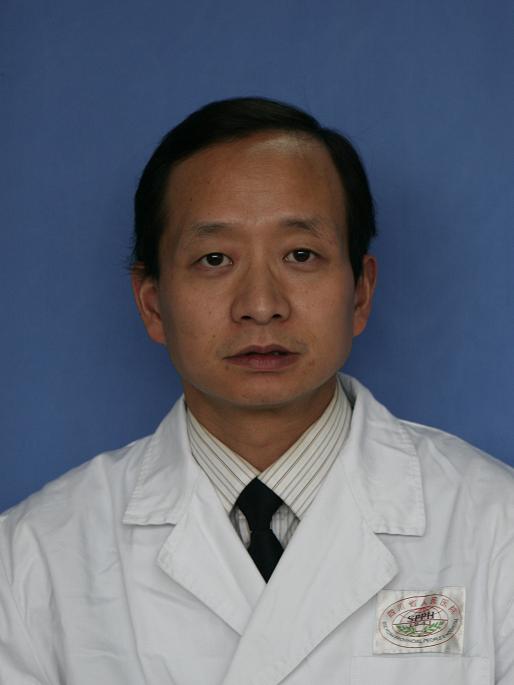 Qingjia Gu (古庆家)合作论文数电子科技大学附属医院,四川省人民医院18
 JianGang Fan (樊建刚)合作论文数14LiBing Zhao (赵李冰)合作论文数14BingSheng Wang (王炳胜)合作论文数14JingXian Li (李静娴)合作论文数13JingMing Wang (王景明)合作论文数9ZhongMing Xu (徐仲明)合作论文数6DeGuang Shi (石德光)合作论文数6ChuanDong Lu (鲁传冬)合作论文数6XiaoGang Su (苏小刚)合作论文数6ZhiYue Ma (马志跃)合作论文数6ChengJiang Zhao (赵成江)合作论文数5ZhengWen Xiong (熊正文)合作论文数5RuiJuan Zhang (张瑞娟)合作论文数5Yongshen Li (李永申)合作论文数5PeiZhong Shang (尚培中)合作论文数4Hong Su (苏红)合作论文数4HongWei Li (李宏伟)合作论文数4Yong Huang (黄勇)合作论文数4HaiXia Hu (胡海霞)合作论文数4ZHANG Xiuli (张秀丽)合作论文数3JingZhang Liu (刘景章)合作论文数3HuaiFu Wang (王槐富)合作论文数3FengTong Zhou (周凤桐)合作论文数3AiLing Ren (任爱玲)合作论文数3DaWei Cai (蔡大伟)合作论文数3Ling Xi (奚玲)合作论文数3Li Chen (陈力)合作论文数3
 Gang He (何刚)合作论文数School of Telecommunications Engineering, Xidian University3Junlin Qian合作论文数2Hong JI (冀红)合作论文数2Ji-liang FENG (冯骥良)合作论文数2YuanHong Zhang (张渊弘)合作论文数2DongZhang Peng (彭东长)合作论文数2ZhengMeng Zhang (张正孟)合作论文数2XiaoXu Yu (余晓旭)合作论文数2GuoHong Jia (贾国洪)合作论文数2LinHong Song (宋林红)合作论文数2JunYing Chai (柴军英)合作论文数2Jian Wu (吴健)合作论文数2Hai Zhang (张海)合作论文数2Bing Liu (刘冰)合作论文数2LiXin Zhang (张立新)合作论文数2Yong Li (李勇)合作论文数2Feng Yong合作论文数2
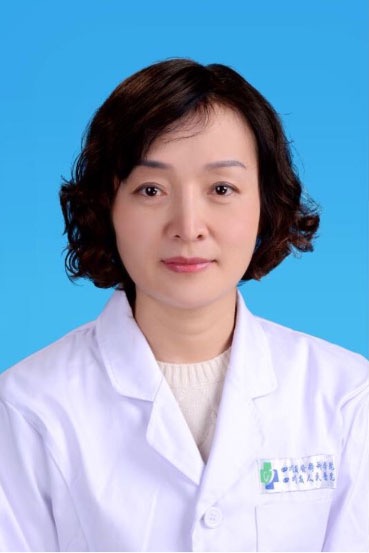 Jingxian Li (李静娴)合作论文数Sichuan Provincial People's Hospital Jinniu Hospital2Shu-peng LUO (雒书朋)合作论文数1




