[This corrects the article DOI: 10.3389/fpls.2024.1457437.].
Chinese steamed bread (CSB) is a fundamental dietary staple food in China, but the mechanism of wheat quality properties determining CSB performance remains unclear, which limits the breeding of specific wheat varieties for the production of CSB. The specific volume (SV) is a key parameter for evaluating the CSB performance. In order to clarify the relationship between flour properties and SV of CSB, the parameters reflecting quality properties on flour, dough, and CSB levels of twelve wheat genotypes were determined, and the relationships between these parameters were investigated by correlation analysis and mathematical models. The results showed that SV is not linearly related to the flour or dough properties, whereas a parabolic relationship was observed between SV and lacunarity, B/Lacunarity (filling degree of B-types granules to gluten network), dough storage and loss modulus, which can be preliminarily fitted with polynomial (quadratic) functions. The recommended ranges of these parameters have been tentatively defined accordingly. This study provides valuable insight into the relationship between wheat quality properties and SV of CSB, and provides a foundation for establishing a complete prediction model for CSB performance.
Apart from starch content, structure is also vital for the eating and nutritional qualities of final products. The study investigated how the starch structure changed during grain filling period using two wheat cultivars with different filling rate. The starch biosynthesis during grain filling was not at uniform speed and most of starches were synthesized before 19 DAF. The starch structure establishment was latter than starch accumulation, but the structure formed at early stage of grain filling was highly related to the final one. The process of starch biosynthesis was closely accompanied by the elongation of amylose chains, increase on branch numbers, B-type granule number and expansion of A-type granule. Further analysis on expression profiles of key genes involved in starch biosynthesis demonstrated that different genes exhibited varying responsiveness to the filling rate, and the resulting imbalance in gene expression may underlie the observed structural differences. Faster filling promoted earlier activation of starch-biosynthesis genes, particularly GBSSI, leading to preferential elongation of amylose chains, higher crystallinity, and more B-type granules. The results will provide new insights to understanding the formation starch structure during grain filling, which may benefit future research on management and breeding.
Powdery mildew (caused by Blumeria graminis f. sp. tritici) limits grain production and reduces grain quality in wheat. Amblyopyrum muticum (2n = 2x = 14, TT genomes), a wild relative of wheat, carries agronomically valuable traits, including resistance to powdery mildew, that have not been transferred to wheat. Here, a powdery mildew-resistant Chinese Spring-Am. muticum amphiploid was backcrossed to a powdery mildew-susceptible wheat cultivar, and homozygous resistant derivatives with broad-spectrum resistance were selected. Fluorescence in situ hybridization analysis identified chromosome substitution and compensating Robertsonian translocation lines involving chromosome 6T from Am. muticum.
Male-sterile genes and mutants are critical for hybrid seed production in monocotyledonous crops. Lipids are essential structural components of male reproductive organs, such as the anther and pollen. Here, we show that the pollen-preferential gene TaRIP2 is essential for wheat anther development and pollen formation. RT-qPCR analysis revealed TaRIP2 is specifically expressed during the callose and tetrad stages. Using CRISPR/Cas9, we generated TaRIP2 mutants (rip2), which displayed smaller, wilted anthers with defective cuticles and a low proportion of viable pollen grains (~5.7%). Microscopy revealed that the mutant Rip2 microspores had a smaller size, a smooth exine lacking sculptural elements and fewer organelles. RNA-seq identified differentially expressed genes (DEGs) enriched in pathways related to pollen wall formation. KEGG analysis showed these DEGs are involved in cutin, suberine and wax biosynthesis and fatty acid degradation. Fatty acids C16:0, C18:0 and C18:2 were significantly elevated in rip2 anthers. These phenotypes coincided with the downregulation of genes involved in lipid metabolism and anther development. Dual-luciferase and EMSA assays confirmed TaRIP2 is directly regulated by the transcription factor MYB80. Together, our results show TaRIP2 regulates pollen wall formation through the MYB80-control lipid metabolic pathways.
Common wheat (Triticum aestivum L.) is one of the main staple food crops in China. The protein quality of wheat grains directly determines the processing quality and nutritional quality of flour foods. With the growth of the population, the upgrading of the dietary structure, and the transformation of the demand in the food industry, the research on wheat in China has shifted from simply pursuing high yields to a new stage of coordinated improvement of yield, quality, and nutrition. This article systematically reviews the main progress in the research on the quality of wheat grain protein, including the identification of gluten proteins and high-quality subunits, the analysis of the expression regulation of gluten protein genes, the mining of quality-related genes based on multi-omics, the impact of the interaction between proteins and other components on processing characteristics, and the application of biotechnology in the breeding of high-quality wheat. In view of the complex evaluation process and environmental susceptibility of wheat quality traits, as well as the goal of achieving synergistic optimization of nutrition and functionality in protein quality research under the National Whole Grain Action Plan, we examine the challenges and future development prospects of cutting-edge technologies such as marker-assisted selection and gene editing. This review aims to provide theoretical support for the upgrading of the high-quality wheat industry.
In bread wheat (Triticum aestivum L.), cysteine (Cys) residues within the N- and C-termini of high-molecular-weight glutenin subunits (HMW-GSs) critically influence dough quality. However, the functional significance of Cys residue in their central repeat domain (CRD) remains unclear. Using site-directed mutagenesis (SDM), we introduced Cys residues near the N-terminus (m1) and/or C-terminus (m2) of 1Dx2 CRD, generating variants 1Dx2m1, 1Dx2m2 and 1Dx2m1/2. Transgenic lines expressing the variants exhibited superior dough properties, increased loaf volume, and elevated glutenin macropolymers (GMPs) content, attributable to enhanced disulfide bond formation and upregulation of associated genes. Notably, the two Cys residues introduced variant 1Dx2m1/2 demonstrated additive improvements, indicating synergistical effects of Cys residues at both positions. Field trials confirmed these modifications did not compromise key agronomic traits. Our study provides the experimental evidence for the role of CRD-located Cys residues in HMW-GSs on dough quality and offers valuable genetic resources for improving end-use quality without yield penalties in wheat breeding.
The Hessian fly, Mayetiola destructor (Say) belonging to the order Diptera (family: Cecidomyiidae), is a destructive pest of host wheat (Triticum aestivum L.) causing significant economic losses. Although planting resistant wheat cultivars harboring an effective Hessian fly resistance gene (H) is the most economical and environmentally friendly pest management strategy, it imposes selection pressure on the insect populations and can lead to the evolution of Hessian fly virulence. This results in the eventual failure of the deployed H gene. New sources and novel types of resistance are urgently needed to expand the repertoire of H genes and enable strategies that are more effective and durable over the long-term. New sources of Hessian fly resistance have been identified from tetraploid (T. turgidum L., AABB) and hexaploid (T. aestivum, AABBDD) wheat species, as well as from wheat's D-genome donor (Aegilops tauschii Coss., DD). In contrast, diploid einkorn wheat (T. monococcum L., AA) has not been extensively explored for Hessian fly resistance. In this study, we phenotyped 506 T. monococcum accessions belonging to 2 subspecies, T. monococcum L. subsp. monococcum (205 accessions) and T. monococcum subsp. aegilopoides (Link) Thell. (301 accessions), for resistance against 2 predominant Hessian fly biotypes, L and GP (Great Plains). Three and 6 accessions belonging to subsp. monococcum and aegilopoides, respectively, showed > 70% resistance. These accessions provide additional resources for improving wheat cultivars as mitigating strategies for Hessian fly management.
Introduction:Powdery mildew (PM) poses an extreme threat to wheat yields and quality.[Methods] In this study, 262 recombinant inbred lines (RILs) of Doumai and Shi 4185 cross were used to map PM resistance genes across four environments. A high-density genetic linkage map of the Doumai/Shi 4185 RIL population was constructed using the wheat Illumina iSelect 90K single-nucleotide polymorphism (SNP) array. Results:In total, four stable quantitative trait loci (QTLs) for PM resistance, QPm.caas-2AS, QPm.caas-4AS, QPm.caas-4BL, and QPm.caas-6BS, were detected and explained 5.6%-15.6% of the phenotypic variances. Doumai contributed all the resistance alleles of QPm.caas-2AS, QPm.caas-4AS, QPm.ca as-4BL, and QPm.caas-6BS. Among these, QPm.caas-4AS and QPm.caas-6BS overlapped with the previously reported loci, whereas QPm.caas-2AS and QPm.caas-4BL are potentially novel. Additionally, six high-confidence genes encoding the NBS-LRR-like resistance protein, disease resistance protein family, and calcium/calmodulin-dependent serine/threonine-kinase were selected as the candidate genes for PM resistance. Three kompetitive allele-specific PCR (KASP) markers, Kasp_PMR_2AS for QPm.caas-2AS, Kasp_PMR_4BL for QPm.caas-4BL, and Kasp_PMR_6BS for QPm.caas-6BS, were developed, and their genetic effects were validated in a natural population including 100 cultivars. Discussion:These findings will offer valuable QTLs and available KASP markers to enhance wheat marker-assisted breeding for PM resistance.
AbstractRye (Secale cereale L.), a close relative of common wheat, represents a valuable genetic resource for enhancing the disease resistance of common wheat. Introducing novel rye-derived genes into wheat can potentially improve disease resistance. In this study, we successfully developed a novel wheat-rye derivative line LCR4 through hybridization between hexaploid triticale line Currency and common wheat cultivar Jimai 22 (JM22). We confirmed that LCR4 was a T2DS·2DL-2RL translocation line via comprehensive molecular cytogenetic analyses, including genomic in situ hybridization, multi-color fluorescence in situ hybridization, molecular marker analysis, and wheat SNP-arrays genotyping. Notably, upon inoculation with Puccinia striiformis f. sp. tritici (Pst) race V26 at the seedling stage and mixed Pst races at the adult stage, LCR4 exhibited robust resistance against stripe rust infection at both stages. Subsequent genetic analysis further elucidated that the translocated 2RL chromosome segment is responsible for this resistance. Consequently, LCR4 harboring elite agronomic traits can be effectively employed in breeding programs against stripe rust.
Broadening the genetic diversity of wheat is of great significance in genetic improvement and production of wheat.To obtain new germplasm resource with constant resistance and high quality,in this study,a total of 442 wheat accessions imported from the USA were assessed for the resistance against powdery mildew and stripe rust in the field,as well as the protein content and HMW-GS subunit composition.We found that among these accessions,153 accessions showed resistance to powdery mildew,27 to stripe rust,and 6 to both diseases.The proteins in 143 accessions reached the level of high gluten wheat(GB/T 17892-1999),with more than or equal to 15.0%.Analysis of HMW-GS revealed that 18 types of subunits and 100 types of subunit combinations were presented in the tested wheat accessions,with the highest frequency being N/7+9/5+10 subunit combination.The frequencies of high quality subunits of 1,2*,7oe,17+18 and 5+10,were 25.6%,5.2%,27.8%,7.7%and 25.6%,respectively,among which the subunits of(7oe,5+10),(2*,7oe)and(2*,5+10)were found in 36,7,and 1 accession(s),respectively.Resistance test and quality analysis indicated that eleven accessions,which is PI 629117、PI 572546、PI 601288、PI 5493、PI 17738、PI 277165、PI 483455、PI 355698、PI 606243、PI 583754 and PI 447340,were resistant against at least one disease,and with protein content≥15.0%,wet gluten content≥35.0%.Meantime,these accessions possessed these rare and high quality subunits.Together,our results indicated eleven accessions imported from the USA are potential for improving the resistance against powdery mildew and stripe rust as well as quality characters in wheat breeding.
A total of 38 putative additive QTLs and 55 pairwise putative epistatic QTLs for tiller-related traits were reported, and the candidate genes underlying qMtn-KJ-5D, a novel major and stable QTL for maximum tiller number, were characterized. Tiller-related traits play an important role in determining the yield potential of wheat. Therefore, it is important to elucidate the genetic basis for tiller number when attempting to use genetic improvement as a tool for enhancing wheat yields. In this study, a quantitative trait locus (QTL) analysis of three tiller-related traits was performed on the recombinant inbred lines (RILs) of a mapping population, referred to as KJ-RILs, that was derived from a cross between the Kenong 9204 (KN9204) and Jing 411 (J411) lines. A total of 38 putative additive QTLs and 55 pairwise putative epistatic QTLs for spike number per plant (SNPP), maximum tiller number (MTN), and ear-bearing tiller rate (EBTR) were detected in eight different environments. Among these QTLs with additive effects, three major and stable QTLs were first documented herein. Almost all but two pairwise epistatic QTLs showed minor interaction effects accounting for no more than 3.0
Wheat variety Jimai0435 is recently released with high quality. It has excellent quality characteristics, especially the quality of steamed bread. In order to explore the optimal processing conditions for its steamed bread, its quality characteristics were introduced firstly, and then the effects of the fermentation time and pressing times on the steamed bread quality were focused. And the effects of fermentation time and pressing times on the quality of its steamed bread were mainly studied in laboratory. The analysis of difference significance showed that the steamed bread quality was most affected by the fermentation time before pressing, followed by the pressing times, the internal quality was affected by the fermentation time and pressing times. Based on the multiple comparison and graphic analysis of the external and internal qualities, it was found that with the prolong of fermentation time, the pressing times needed to be correspondingly increased in order to make good quality steamed bread, and the proper pressing times is 15 when the dough is fermented for 20 min, while 20 times was needed when the fermentation time is prolonged to 25-30 min.
Polyphenol oxidase (PPO) activity is a major cause of the undesirable brown color of wheat-based products. Ppo1, a major gene for PPO activity, was cloned based on sequence homology in previous studies; however, its function and regulation mechanism remain unclear. In this study, the function and genetic regulation of Ppo1 were analyzed using RNA interference (RNAi) and Targeting Induced Local Lesions IN Genomes (TILLING) technology, and superior mutants were identified. Compared with the control, the level of Ppo1 transcript in RNAi transgenic lines was drastically decreased by 15.5%–60.9% during grain development, and PPO activity was significantly reduced by 12.9%–20.4%, confirming the role of Ppo1 in PPO activity. Thirty-two Ppo1 mutants were identified in the ethyl methanesulfonate (EMS)-mutagenized population, including eight missense mutations, 16 synonymous mutations, and eight intron mutations. The expression of Ppo1 was reduced significantly by 6.7%–37.1% and 10.1%–54.4% in mutants M092141 (G311S) and M091098 (G299R), respectively, in which PPO activity was decreased by 29.7% and 28.8%, respectively, indicating that mutation sites of two mutants have important effects on PPO1 function. Sequence and structure analysis revealed that the two sites were highly conserved among 74 plant species, where the frequency of glycine was 94.6% and 100%, respectively, and adjacent to the entrance of the hydrophobic pocket of the active site. The M092141 and M091098 mutants can be used as important germplasms to develop wheat cultivars with low grain PPO activity. This study provided important insights into the molecular mechanism of Ppo1 and the genetic improvement of wheat PPO activity.
Wheat storage protein is the main evaluation index of flour quality. In this study, the accumulation dynamics of gliadin, glutenin and glutenin macropolymer(GMP), and specis and relative contents of storage proteins in mature seeds were analyzed by using strong gluten and medium gluten wheat varieties as materials. Jimai 44 and Jimai 229 are strong gluten varieties with HMW-GS of 5+10, while Jimai 22 is a medium gluten variety with HMW-GS of 4+12. The results showed that the accumulation trend of glutenin and gliadin in strong gluten and medium gluten wheat varieties were the same and continued to increase during the whole grain filling stage, but there were great differences in GMP accumulation. The GMP content continued to increase in strong gluten wheat varieties but showed a trend of “down-up-down-up” in medium gluten variety. In terms of composition types of HMW-GS, the contents of gliadin, glutenin and GMP in the varieties with HMW-GS of 5+10 were higher than those in the variety with 4+12 at middle and late grain filling stages. By TMT proteomic analysis, a total of 53 storage proteins were detected in the mature seeds of the three wheat varieties, and were divided into three categories, including 27 gliadins, 16 Avenin-like proteins and 10 glutenins. The higher storage protein relative content of Jimai 44 was due to the higher expression of most storage proteins, while that of Jimai 229 was due to the ultra-high expression of some storage proteins. The results of this study would provide technical references for wheat quality improvement and good-quality production in China.
Noodles are an important food in Asia. Wheat starch is the most important component in Chinese noodles. Loss of the waxy genes leads to lower activity of starch synthesis enzymes and decreased amylose content that further affects starch properties and noodle quality. To study the effects of different waxy (Wx) protein subunits on starch biosynthesis and processing quality, the high-yielding wheat cultivar Jimai 22 was treated with the mutagen ethyl methane sulfonate (EMS) to produce a population of Wx lines and chosen 7 Wx protein combinations. The amylose content increased but swelling power decreased as the number of Wx proteins increased. Both GBSS activity and gene expression were the lowest for the waxy mutant, followed by the mutants with 1 Wx protein. The combinations of these mutant alleles lead to reductions in both RNA expression and protein levels. Noodles made from materials with 2 Wx protein subunits had the highest score, which agreed with peak viscosity. The influence of the Wx-B1 protein on amylose synthesis and noodle quality was the highest, whereas the influence of Wx-A1 protein was the lowest. Mutants with lower amylose content caused by the absence of 1 subunit, especially the Wx-B1 subunit, had superior noodle quality. Additionally, the identified mutant lines can be used as intermediate materials to improve wheat quality.
山东省是我国小麦优势产区,在保障国家粮食安全方面发挥了重要作用.关于山东省近年来新育成小麦新品系的高分子量麦谷蛋白亚基组成分析研究未见报道.本研究以2017-2020年山东省区域试验高产组和强筋组429份参试小麦新品系为试验材料,分析高分子量麦谷蛋白亚基的分布情况.结果表明,山东省区域试验高产组材料的Glu-Al、Glu-Bl和Glu-Dl位点分别以N、7+8和4+12(频率为33.2%和26.1%)亚基类型为主;强筋组材料分别以1、7+8和5+10(频率为21.9%和23.7%)亚基类型为主.Glu-1总评分显示,高产组小麦材料品质平均得分为6.85分,强筋组小麦材料品质平均得分为8.63分.本研究首次明晰了 2017-2020年山东省区域试验高产组和强筋组参试小麦新品系的高分子量麦谷蛋白亚基组成及主要类型,对于山东省小麦品质改良具有重要指导意义.
济麦55是山东省农业科学院作物研究所选育的优质高产节水抗逆小麦新品种,于2009年以泰农18为母本、济麦22为父本配置杂交组合,经系谱法单株选择育成.2018年1月获植物新品种权证书(CNA20161721.4),2021年通过黄淮北片水地组国家审定(国审麦20210053).
Thinopyrum intermedium (JJJsJsStSt, 2n = 6x = 42), a wild relative of common wheat, possesses many desirable agronomic genes for wheat improvement. The production of wheat–Thinopyrum intermedium introgression lines is a key step for transferring these beneficial genes into wheat. In this study, we characterized three wheat–Thinopyrum intermedium introgression lines TA3681, TA5566, and TA5567 using non-denaturing fluorescence in situ hybridization, genomic in situ hybridization, PCR-based landmark unique gene, and intron targeting markers. Our results showed that TA3681 is a wheat–Thinopyrum intermedium 1St disomic addition line, TA5566 is a wheat–Thinopyrum intermedium non-Robertsonian translocation line carrying two pairs of 3A-7Js translocation chromosomes, and that TA5567 is a wheat–Thinopyrum intermedium non-Robertsonian translocation line carrying a pair of 3A-7Js translocation chromosomes. We developed 13, 36, and 15 Thinopyrum intermedium chromosome-specific markers for detecting the introgressed Thinopyrum chromosomes in TA3681, TA5566, and TA5567, respectively. Stem rust assessment revealed that TA3681 exhibited a high level of seedling resistance to Chinese-prevalent Puccinia graminis f. sp. tritici pathotypes, and both TA5566 and TA5567 were highly resistant to Australian P. graminis f. sp. tritici pathotypes, indicating that Thinopyrum intermedium chromosomes 1St and 7Js might carry new stem rust resistance genes. Therefore, the new identified introgression lines may be useful for improving wheat stem rust resistance.
小麦面筋蛋白是由麦谷蛋白(glutenin)和麦醇溶蛋白(gliadin)组成.面筋蛋白是决定小麦加工品质的物质基础,但同时也是诱发乳糜泻(celiac disease,CD)的主要外在刺激因子.因此,筛选优质面筋蛋白相关基因,对小麦加工品质的分子改良具有重要意义.本研究对优质强筋麦济南17、济麦229以及普通小麦济麦262的低分子量麦谷蛋白(LMW-GS)、α-和γ-醇溶蛋白基因进行克隆,共获得序列23条.经生物信息学分析及氨基酸序列系统比对发现,8条为假基因,6条为醇溶蛋白基因,9条为麦谷蛋白基因.三个品种A、B和D位点LMW-GS分别为i-type、m-type和m-type,且α-醇溶蛋白含有1~2个T细胞毒性抗原表位,γ-醇溶蛋白含有1个T细胞毒性抗原表位.系统比较分析发现,济麦229的B位点LMW-GS的1、7位半胱氨酸(C)的位置组合不同于其他序列,可能对LMW-GS结构和功能有影响.本研究结果为小麦品质的分子改良提供了有用参考.
 Haosheng Li (李豪圣)合作论文数Crop Research Institute, Shandong Academy of Agricultural Sciences125
 Jianmin Song (宋健民)合作论文数Crop Research Institute, Shandong Academy of Agricultural Sciences113
 Jianjun Liu (刘建军)合作论文数Institute of Crops, Shandong Academy of Agricultural Sciences98Dungong Cheng (程敦公)合作论文数92
 Zhendong Zhao (赵振东)合作论文数Crop Research Institute, Shandong Academy of Agricultural Sciences86Xinyou Cao合作论文数67Ran Han (韩冉)合作论文数40
 Cheng Liu (刘成)合作论文数Crop Research Institute, Shandong Academy of Agricultural Sciences28CanGuo Wang (王灿国)合作论文数24Yan Zi (訾妍)合作论文数20Faji Li合作论文数19Shuang Dai (戴双)合作论文数18Wenping Gong合作论文数17Xiangyun Wu (吴祥云)合作论文数Crop Research Institute, Shandong Academy of Agricultural Sciences16
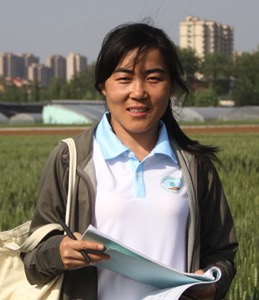 Shengnan Zhai (翟胜男)合作论文数Crop Research Institute, Shandong Academy of Agricultural Sciences14
 Xiaolu Wang (王晓璐)合作论文数Department of Automation, School of Information Science and Technology, Tsinghua University12
 Zhonghu He (何中虎)合作论文数Institute of Crop Science, Chinese Academy of Agricultural Sciences;Training Center, Chinese Academy of Agricultural Sciences10
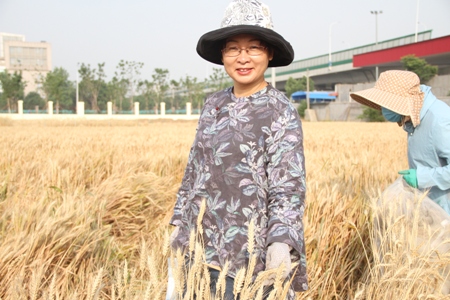 Genying Li (李根英)合作论文数Crop Research Institute, Shandong Academy Of Agricuitural Sciences10
 Jun Guo (郭军)合作论文数Department of Renal Cancer and Melanoma, Peking University School of Oncology9Liu Guang-tian合作论文数8
 Zujun Yang (杨足君)合作论文数School of Life Science and Technology, University of Electronic Science and Technology of China8
 Xiusheng Chu (楚秀生)合作论文数Crop Research Institute, Shandong Academy Of Agricuitural Sciences7JU Wei (巨伟)合作论文数5
 Wenjing Xu (许文静)合作论文数5LiBin Wang (王利彬)合作论文数5
 Guangrong Li (李光蓉)合作论文数School of Life Science and Technology, University of Electronic Science and Technology of China5
 Jianbo Li合作论文数5
 Yonggui Xiao (肖永贵)合作论文数Institute of Crop Sciences, Chinese Academy of Agricultural Sciences5
 Honggang Wang (王洪刚)合作论文数Agronomy College of Shandong Agricultural University5Hongri Wang (王红日)合作论文数5Fengxin Mao (毛凤鑫)合作论文数4ZhengJuan Sun (孙正娟)合作论文数4QingQi Fan (樊庆琦)合作论文数4
 Shijie Zhao (赵世杰)合作论文数College of Life Sciences, Shandong Agricultural University4
 Xianchun Xia (夏先春)合作论文数Institute of Crop Science, Chinese Academy of Agricultural Sciences4Xianfeng Guo (郭宪峰)合作论文数3ShuBin Jie (解树斌)合作论文数3XueYan Chen (陈雪燕)合作论文数3Jianhua Lv (吕建华)合作论文数山东省种子管理总站3
 Chengyan Huang (黄承彦)合作论文数Shandong Academy of Agricultural Sciences3
 Xin Gao (高欣)合作论文数College of Agronomy, Northwest A&F University3Hengyong Xu (徐恒永)合作论文数Crop Research Institute, Shandong Academy of Agriculture Science3
 Jindong Liu (刘金栋)合作论文数Institute of Crop Sciences, Chinese Academy of Agricultural Sciences3Weie Wen (闻伟锷)合作论文数3Jianming Song合作论文数2Guang Qi合作论文数2Zhimin Wu (武智民)合作论文数2




