Post-stroke cognitive impairment (PSCI) severely affects patients' daily living activities and social participation, hindering the comprehensive rehabilitation process after stroke. Establishing a comprehensive, systematic, and accurate management standard and protocol for integrated rehabilitation assessment and treatment of PSCI will facilitate the widespread application and standardized implementation of integrated traditional Chinese and Western medicine in PSCI rehabilitation. This technical specification clarifies the terminology and definitions related to PSCI rehabilitation assessment and treatment. Based on the International Classification of Functioning, Disability and Health (ICF), it conducts a holistic rehabilitation assessment of PSCI patients across four dimensions: body functions and structures, activities, participation, and environmental factors. Furthermore, it formulates an integrated traditional Chinese and Western medicine rehabilitation treatment plan, addressing cognitive dysfunction, cognitive activity barriers, social participation barriers, and environmental adjustment barriers. This specification is applicable to guiding rehabilitation institutions at all levels, traditional Chinese medicine hospitals, and rehabilitation departments of general hospitals in China to provide systematic and standardized rehabilitation assessment and integrated traditional Chinese and Western medicine rehabilitation treatment for PSCI patients in the acute, recovery, and sequelae stages.
Background: Cardiac computed tomographic angiography (CTA) detects patent foramen ovale (PFO) with variable accuracy. This study investigated factors affecting CTA detectability for PFO in patients with suspected PFO-associated stroke. Methods: Consecutive patients with cryptogenic stroke and positive findings on contrast transcranial Doppler (cTCD) examinations were enrolled between November 2020 and April 2023 in this retrospective study. Each participant underwent transesophageal echocardiography (TEE) and cardiac CTA. Patients with confirmed PFO on TEE were categorized into two groups based on CTA detectability: the CTA-positive group (PFO identified by CTA) and the CTA-negative group (PFO missed by CTA). Univariate and multivariate logistic regression analyses were performed to identify predictors of CTA false-negative results. Results: Among 108 patients (mean age 46.7 ± 14.9 years, 47.2% male), the prevalence of PFO by TEE was 94.4% (102/108). Compared to TEE, cardiac CTA had a sensitivity of 70% (95% CI 61–79%), a specificity of 100% (95% CI 54–100%), a positive predictive value of 100% (95% CI 95–100%), and a negative predictive value of 16% (95% CI 6–32%). Among patients with PFO confirmed by TEE (n = 102), the incidence of moderate to large right-to-left shunts (RLS) was significantly higher in the CTA-positive group than in the CTA-negative (77.5% vs. 22.5%, p < 0.001). After adjusting for confounders, patients with moderate to large shunts showed a significantly lower likelihood of a CTA false-negative result compared to those with small shunts (OR 0.113, 95% CI 0.035–0.365, p < 0.001). In patients with moderate to large RLS, the sensitivity of cardiac CTA for diagnosing PFO increased to 90.16% (95% CI 82.69–97.64%). Conclusions: Cardiac CTA could be an effective complementary modality for selected patients with suspected PFO-associated stroke. Its diagnostic performance appears more reliable for identifying PFO in patients with moderate-to-large RLS than in those with small RLS.
Plaque-RADS was recently developed to standardize reporting and risk stratification of carotid plaques. This study aimed to evaluate inter-reader agreement of Plaque-RADS across US, CTA, and MRI, and to assess the impact of reader experience. In 250 patients with carotid US, CTA, and MRI, nine readers (three per modality, stratified by experience) independently assessed plaque features and Plaque-RADS scores. Inter-reader agreement was analyzed using κ statistics and intraclass correlation coefficients (ICC). Learning curves were generated by comparing reader performance against MRI expert reference across five sequential case subsets. Among 962 plaques and 25 normal arteries, inter-modality agreement for overall Plaque-RADS was moderate to substantial (κ, 0.578–0.758). Agreement was almost perfect for RADS 1-2 (κ, 0.814–0.883) but lower for RADS 3-4 (κ, 0.427–0.709). US, CTA, and MRI demonstrated substantial to almost perfect agreement in assessing plaque presence and maximum wall thickness (κ/ICC, 0.697–0.878). CTA and MRI experts demonstrated substantial to almost perfect agreement in ulcer detection (κ, 0.880) and intraluminal thrombus (κ, 0.787), but moderate agreement in intraplaque hemorrhage (κ, 0.578). Regarding reader experience, all intermediate and expert readers across US, CTA, and MRI achieved substantial to almost perfect agreement in overall and different categories of RADS scoring (κ/ICC, 0.624–0.954). Learning curve analysis confirmed that all readers improved with training, with the most pronounced gains observed in US beginners. Plaque-RADS is reliable for low-risk plaques across modalities, whereas accurate categorization of high‑risk plaques requires experienced readers and advanced imaging. These findings may help inform stratified imaging decisions.
This study aimed to prospectively evaluate whether impaired dynamic cerebral autoregulation (dCA) and exercise-induced neurovascular coupling (NVC) parameters in carotid stenosis predict cerebral hyperperfusion (CH) after carotid artery stenting (CAS). This study was conducted based on prospectively collected data from a single-center observational registry. Between October 2023 and September 2024, the registry enrolled 237 patients scheduled to undergo CAS, all with carotid artery stenosis (≥ 70
Abstract Background and aims Cerebral small vessel disease (CSVD) is associated with poor outcomes after endovascular thrombectomy (EVT), but the underlying mechanism remains unclear. We aimed to determine whether CSVD burden influences functional outcomes through alterations in dynamic cerebral autoregulation (dCA). Methods We included 107 patients with anterior circulation large-vessel occlusion and successful EVT (eTICI ≥2b). CSVD burden was dichotomised as none-to-mild (score 0-1) versus moderate-to-severe (score 2-3). dCA was assessed at T1 (~24h post-EVT) and T2 (~4-5d post-EVT). Mediation analysis examined whether dCA changes mediated the CSVD-functional independence (mRS 0-2) association at 90 days. Results Patients with moderate-to-severe CSVD (n=38) demonstrated distinct dCA recovery patterns versus none-to-mild CSVD (n=69). None-to-mild CSVD patients showed improved very low frequency (VLF, 0.02-0.07 Hz) phase differences from T1 to T2 (+7.67° [-9.73, 35.53]), those with moderate-to-severe CSVD exhibited deterioration (-7.17° [-25.03, -0.74], P=0.004), which remained significant after multivariable adjustment (β=15.63, 95% CI, 3.92-27.35, P=0.009). Functional independence was achieved in 73.9% of patients with none-to-mild CSVD versus 52.6% in those with moderate-to-severe CSVD (adjusted OR 0.37, 95% CI, 0.16–0.86, P=0.022). Mediation analysis revealed that VLF phase changes in the affected side mediated 24.48% of the association between CSVD burden and functional outcome (average causal mediation effect: -7%, P<0.001; total effect: -29%, P=0.020). Conclusions Higher CSVD burden was associated with worse functional outcomes after EVT, partially mediated by impaired dCA. Moderate-to-severe CSVD patients exhibited deteriorating dCA, whereas none-to-mild CSVD patients showed progressive improvement. Larger studies are warranted to validate these findings. Conflict of interest Yue Qiao: nothing to disclose.
Background: Cerebral small vessel disease (CSVD) is associated with poor outcomes after endovascular thrombectomy (EVT), but the underlying mechanism remains unclear. Impaired dynamic cerebral autoregulation (dCA), a fundamental function of cerebral microvasculature, has been proposed as a potential mediator but has not been systematically investigated. Objectives: To determine whether CSVD burden influences functional outcomes through alterations in dCA. Design: Observational-cohort-study. Methods: We included 107 patients with anterior circulation large-vessel occlusion and successful EVT (expanded Thrombolysis in Cerebral Infarction ⩾2b). CSVD burden was assessed using standardised neuroimaging markers and dichotomised as none-to-mild (score 0–1) versus moderate-to-severe (score 2–3). dCA was assessed at two time points: early phase (T1, around 24 h post-EVT) and early subacute phase (T2, around 4–5 days post-EVT). Mediation analysis was performed to assess whether dCA changes mediated the association between CSVD burden and functional independence (modified Rankin Scale (mRS) score 0–2) at 90 days. Results: Patients with moderate-to-severe CSVD ( n = 38) demonstrated distinct dCA recovery patterns compared with those with none-to-mild CSVD ( n = 69). While patients with none-to-mild CSVD exhibited improved very low frequency (VLF, 0.02–0.07 Hz) phase differences from T1 to T2 (+7.67° (−9.73, 35.53)), those with moderate-to-severe CSVD exhibited deterioration (−7.17° (−25.03, −0.74), p = 0.004), which remained significant after multivariable adjustment (β = −20.06, 95% confidence interval (CI): −37.78 to −0.90, p = 0.040). Functional independence was achieved in 73.9% of patients with none-to-mild CSVD versus 52.6% in those with moderate-to-severe CSVD (adjusted OR 0.25, 95% CI 0.09–0.74, p = 0.012). Mediation analysis revealed that VLF phase changes in the affected side mediated 24.48% of the association between CSVD burden and functional outcome (average causal mediation effect: −7%, p < 0.001; total effect: −29%, p = 0.020). Conclusion: Higher CSVD burden was associated with worse functional outcomes after EVT, partially explained by impaired dCA. Patients with moderate-to-severe CSVD exhibited deteriorating dCA, whereas those with none-to-mild CSVD showed progressive improvement. Larger powerful studies are warranted to validate these findings and elucidate underlying mechanisms. Trial registration: ClinicalTrials.gov, NCT06361017.
BACKGROUND:Atherosclerotic stenosis of the carotid artery is a major cause of ischemic stroke. We aimed to identify extracranial and intracranial features associated with cerebral ischemic events in patients with severe carotid artery stenosis using carotid ultrasonography and transcranial Doppler. METHODS:We retrospectively enrolled 130 patients with severe carotid artery stenosis and 45 age- and sex-matched healthy controls. Extracranial carotid artery parameters included carotid plaque morphology, echogenicity, and the gray-scale median (GSM). Intracranial features, mainly dynamic cerebral autoregulation (dCA), were assessed using transfer function analysis. Correlations between extracranial and intracranial parameters and cerebral ischemic events were analyzed using univariate and multivariate logistic regression analyses. Receiver operating characteristic (ROC) curves were compared. RESULTS:Sixty-six patients (50.8 %) experienced cerebral ischemic events upon admission. Extracranial features (proportion of ulcerated plaques and echogenicity classification) significantly differed between the asymptomatic and symptomatic groups. The mean GSM of carotid plaques (48.9 ± 17.3 vs. 62.1 ± 18.3, P < 0.001) and intracranial parameters were significantly lower in the symptomatic group. Plaque ulceration, hypoechoic plaques, and impaired dCA [lower ipsilateral phase at very-low frequency (VLF)] were independently associated with cerebral ischemic events in patients with severe carotid artery stenosis. The combined GSM and ipsilateral phase at VLF had the highest area under the ROC curve (0.784). CONCLUSIONS:Combined extracranial and intracranial assessments may help predict cerebral ischemic events in patients with severe carotid artery stenosis. Ultrasound-based carotid plaque characteristics, combined with dynamic cerebral autoregulation, could be imaging biomarkers of cerebral ischemic events in patients with severe carotid artery stenosis.
BACKGROUND AND OBJECTIVES:Parenchymal hematoma (PH) worsens the prognosis in acute ischemic stroke patients who undergo endovascular thrombectomy (EVT). Dynamic cerebral autoregulation (dCA), the brain's ability to maintain stable cerebral blood flow despite fluctuating blood pressure, may be impaired in these patients. However, the relationship between PH and dCA remains unclear. The aim of this study was to investigate the correlation between PH after EVT and impaired dCA. METHODS:We recruited patients who suffered from anterior large-vessel occlusion and underwent EVT. The dCA parameters, including gain, phase, and coherence, were measured 24 hours and 2-3 days post-EVT. The change in phase between these time points was calculated (Δphase = phase 2-3 d - phase 24 h ). The European Cooperative Acute Stroke Study II guidelines were used to evaluate PH. Clinical outcomes were measured by the modified Rankin scale at 3 months post-EVT, with a modified Rankin scale score below 3 indicating a favorable outcome. RESULTS:There was an independent correlation between PH and unfavorable outcomes (odds ratio [OR]: 6.66, 95% CI: 1.46-31.08, P = .016). Phase at 2-3 days post-EVT was significantly associated with PH ( P = .045). Δphase (OR: 0.91, 95% CI: 0.94-0.99, P = .014) was an independent factor of PH. The optimal Δphase cutoff was -10°, with an area under the curve of 0.715 (sensitivity 82.6%, specificity 70.0%, P = .043). CONCLUSION:Poor results in acute ischemic stroke patients after EVT are independently predicted by PH. Modifications to dCA from 24 hours to 2-3 days post-EVT may be a novel marker for PH.
Carotid artery stenting (CAS) induces hemodynamic disturbances that may trigger silent cerebral ischemia (ASILs), though the relative contributions of impaired cerebral autoregulation (dCA) versus plaque characteristics remain unclear. In this prospective cohort study, we evaluated 59 patients with severe carotid stenosis undergoing CAS, assessing dCA via transcranial Doppler (TCD) and transfer function analysis (TFA) pre- and post-procedurally, with postoperative MRI to detect ASILs. ASILs occurred in 30.5% (18/59) of patients and were associated with dyslipidemia (P = 0.010) and low-echo plaques (P = 0.022). Critically, the ASILs group exhibited significantly reduced dCA phase in the very low frequency (VLF) range post-CAS (P < 0.001), indicating impaired autoregulation. Multivariate analysis identified postoperative VLF phase (adjusted OR: 0.925, P = 0.002), dyslipidemia (OR: 11.909), and plaque morphology (OR: 10.798) as independent ASILs predictors. ROC analysis demonstrated superior predictive accuracy when combining dCA parameters with clinical/plaque features (AUC = 0.917). These findings establish dCA dysfunction as a key hemodynamic biomarker of ASILs post-CAS, surpassing plaque characteristics alone. Integration of perioperative dCA monitoring with traditional risk stratification may optimize patient selection and neuroprotective strategies during carotid revascularization.
This study aims to characterize the carotid web (CW) via Ultrasonography and explore its structural correlations with cerebral ischemic stroke (CIS). We retrospectively reviewed 11,656 patients hospitalized in the neurology department of our center who underwent carotid ultrasonography at our center between January 2018 and December 2024. Patients were included if they had CTA within 2 weeks of ultrasound. We calculated CW incidence with 95
Dyslipidemia is a well-established cause of atherosclerosis. Intraplaque neovascularization (IPN), a hallmark of vulnerable stroke-prone plaques, is a critical feature of dyslipidemia progression. However, the association between circulating lipid levels and IPN remains unclear. This study hypothesized that lipid ratios, particularly Castelli’s risk index-II (CRI-II; LDL-C/HDL-C), could function as biomarkers for IPN to help identify individuals at an elevated risk of ischemic stroke. A total of 321 patients with carotid stenosis underwent contrast-enhanced ultrasound (CEUS) to assess the presence of IPNs. Patients were categorized into IPN-positive (n = 265) and IPN-negative (n = 56) groups. Standard lipid parameters (total cholesterol [TC], triglycerides [TG], low-density lipoprotein cholesterol [LDL-C], high-density lipoprotein cholesterol [HDL-C], non-high-density lipoprotein cholesterol [non-HDL-C]) and derived ratios (non-HDL-C/HDL-C, CRI-I [TC/HDL-C], CRI-II [LDL-C/HDL-C]) were compared between the two groups. Multivariate logistic regression analysis identified the independent predictors of IPN. Receiver operating characteristic (ROC) curve analysis was conducted to establish the optimal predictive thresholds for significant lipid ratios. Multivariable regression identified smoking (odds ratio [OR] 1.92, 95
Cryptogenic stroke(CS)is a type of ischemic stroke with an unknown cause,and it is closely associated with right-to-left shunt(RLS).Patent foramen ovale(PFO)and pulmonary arteriovenous fistula(PAVF)are two common types of RLS.While there has been extensive research on PFO,there has been relatively less attention paid to PAVF.Writer provides a review of the clinical features,advances in ultrasonography and imaging diagnostic techniques,as well as treatment methods and prognosis analysis of PAVF,with the aim of providing reference for clinical practice.
Current clinical management for orthostatic hypotension (OH) in α-synucleinopathies is passive and lacks specificity, and objective tools for accurately assessing the true risk level in OH patients are lacking. Therefore, this study aimed to develop an objective tool to quantify OH severity, enabling individualized and precision-based clinical management of OH. From January 2021 to March 2025, patients with OH at Beijing Xuanwu Hospital were assigned an OH Symptom-Based Risk Score (0–2 points) based on symptom severity. Active standing tests were performed to continuously collect data including blood pressure (BP) and cerebral blood flow velocity (CBFv). Two predictive models were developed: one to identify patients with versus without OH symptoms, and another to predict high-risk patients prone to critical events among symptomatic patients (scoring 1–2 points). Among 172 patients with OH (86 asymptomatic, 50%), symptomatic patients showed greater orthostatic reductions in BP and CBFv (both maximum and mean decreases, all P < 0.05) than asymptomatic patients. OH Symptom-Based Risk Scores were significantly correlated with all orthostatic BP and CBFv decline parameters (all P < 0.001). Binary logistic regression models successfully identified symptomatic patients and predicted patients at high risk for critical events among symptomatic patients, with bootstrap-validated accuracy exceeding 70% in multiple models. Orthostatic BP and CBFv decline parameters were independent predictors of OH. The established models provide an objective tool for quantifying OH risk severity, showing significant potential for early clinical warning and optimization of OH management strategies.
Objective To determine the vascular ultrasound and contrast-enhanced ultrasound characteristics of ischaemic stroke in patients with Takayasu's arteritis (TAK) and explore the diagnostic value of ultrasound characteristics for diagnosing ischaemic stroke in such patients. Methods We retrospectively analysed 80 patients with TAK who underwent vascular ultrasound and contrast-enhanced ultrasound on admission. We analysed the ultrasound characteristics of ischaemic stroke in these patients and performed multiple logistic regression analyses to determine the independent risk factors for ischaemic stroke in the patient cohort. The value of ultrasound characteristics in patients with TAK and ischaemic stroke was evaluated using the net reclassification and integrated discrimination improvement indices. Results Among 80 patients, 22 (27.5%) had ischaemic stroke. Fourteen patients had anterior circulation infarction, two had posterior circulation infarction, and six had both. Multivariate analysis showed that the number of occluded arteries (odds ratio (OR), 2.01; p=0.005), high-grade enhancement (grade >= 2, OR, 6.52; p=0.016), and revascularisation (OR, 0.05; p=0.002) were independent influencing factors for ischaemic stroke in patients with TAK. The area under the curve indicated that the number of occluded arteries (>= 3) and high-grade enhancement (grade >= 2) can be used to identify patients with TAK at high risk for ischaemic stroke. Conclusion A higher number of cervical artery occlusions and high-grade enhancement (grade >= 2) are independent risk factors for ischaemic stroke in patients with TAK. The combination of these factors can facilitate the diagnosis of ischaemic stroke in these patients.
RATIONALE AND OBJECTIVES:Acute kidney injury (AKI) post-renal transplantation often has a poor prognosis. This study aimed to identify patients with elevated risks of AKI after kidney transplantation. MATERIALS AND METHODS:A retrospective analysis was conducted on 422 patients who underwent kidney transplants from January 2020 to April 2023. Participants from 2020 to 2022 were randomized to training group (n=261) and validation group 1 (n=113), and those in 2023, as validation group 2 (n=48). Risk factors were determined by employing logistic regression analysis alongside the least absolute shrinkage and selection operator, making use of ultrasound hemodynamic, clinical, and laboratory information. Models for prediction were developed using logistic regression analysis and six machine-learning techniques. The evaluation of the logistic regression model encompassed its discrimination, calibration, and applicability in clinical settings, and a nomogram was created to illustrate the model. SHapley Additive exPlanations were used to explain and visualize the best of the six machine learning models. RESULTS:The least absolute shrinkage and selection operator combined with logistic regression identified and incorporated five risk factors into the predictive model. The logistic regression model (AUC=0.927 in the validation set 1; AUC=0.968 in the validation set 2) and the random forest model (AUC=0.946 in the validation set 1;AUC=0.996 in the validation set 2) showed good performance post-validation, with no significant difference in their predictive accuracy. CONCLUSION:These findings can assist clinicians in the early identification of patients at high risk for AKI, allowing for timely interventions and potentially enhancing the prognosis following kidney transplantation.
AIMS:Most studies focus on dynamic cerebral autoregulation (dCA) in the middle cerebral artery (MCA), and few studies investigated neurovascular coupling (NVC) and dCA in the posterior cerebral artery (PCA). We investigated NVC and dCA of the PCA in healthy volunteers to identify sex differences. METHODS:Thirty men and 30 age-matched women completed dCA and NCV assessments. The cerebral blood flow velocity (CBFV) and mean arterial pressure were evaluated using transcranial Doppler ultrasound and a servo-controlled plethysmograph, respectively. The dCA parameters were analyzed using transfer function analysis. The NCV was evaluated by eyes-open and eyes-closed (24 s each) periodically based on voice prompts. The eyes-open visual stimulation comprised silent reading of Beijing-related tourist information. RESULTS:The PCA gain was lower than that of the MCA in all frequency ranges (all p < 0.05). Phase was consistent across the cerebrovascular territories. The cerebrovascular conductance index (CVCi) and mean CBFV (MV) of the PCA were significantly higher during the eyes-open than eyes-closed period (CVCi: 0.50 ± 0.12 vs. 0.38 ± 0.10; MV: 42.89 ± 8.49 vs. 32.98 ± 7.25, both p < 0.001). The PCA dCA and NVC were similar between the sexes. CONCLUSION:We assessed two major mechanisms that maintain cerebral hemodynamic stability in healthy men and women. The visual stimulation-evoked CBFV of the PCA was significantly increased compared to that during rest, confirming the activation of NVC. Men and women have similar functions in PCA dCA and NCV.
Background Cerebral small vessel disease (CSVD) can lead to stroke and cognitive impairment. Small vessels cannot be visualized by neuroimaging directly, and CSVD can only be evaluated by cerebral parenchymal changes in MRI. Therefore, a convenient screening method for identifying high-risk and susceptible patients is needed. Recently, some studies found that CSVD was related to large atherosclerosis, and atherosclerosis was an essential pathological feature of CSVD. Therefore, we aimed to investigate the association between carotid plaque size characteristics and white matter hyperintensities (WMHs) in patients with CSVD. Methods We continuously enrolled patients with CSVD. Carotid plaque features were evaluated using carotid ultrasound, and WMHs were evaluated using brain magnetic resonance imaging. Plaque characteristics were compared between patients with no/mild WMHs and those with severe WMHs. Associations between the plaque characteristics and WMH severity were analyzed using logistic regression. Results In total, 180 patients were recruited, of whom 92 had severe WMHs. The severe WMHs group had a higher sum of the bilateral maximum intima-media thickness (4.15 mm vs. 3.30 mm), longer maximum plaque length (17.20 mm vs. 13.90 mm), thicker plaques (2.70 mm vs. 2.30 mm), and more plaques (3 vs. 2) than the no/mild WMHs group. Adjusted logistic regression analyses revealed that maximum plaque length and thickness were associated with WMHs. Conclusions Carotid atherosclerotic plaque features, such as plaque length and thickness, were associated with the severity of WMHs, which suggested that carotid atherosclerotic plaque characteristics measured using ultrasound might be helpful indicators for identifying high-risk patients with CSVD.
 Yi Yang (杨弋)合作论文数Department of Neurology,The First Hospital of Jilin University38
 Lijuan Wang (王丽娟)合作论文数The Second Norman Bethune Hospital, Jilin University34
 Hongxiu Chen合作论文数31
 Kangding Liu (刘亢丁)合作论文数Department of Neurology, The First Norman Bethune Hospital of Jilin University28
 Zhenni Guo (郭珍妮)合作论文数吉林大学第一医院神经内科/吉林大学第一医院脑血管病临床试验与临床研究研究中心27
 Wu Xiujuan合作论文数19
 Ying Chen (陈颖)合作论文数Bethune First Hospital, Jilin University18Liuping Cui合作论文数17Fubo Zhou合作论文数17
 Jiachun Feng (冯加纯)合作论文数Department of Neurology, Bethune First Hospital of Jilin University12Hang Jin合作论文数11
 Xinmei Jiang (江新梅)合作论文数Department of Neurology, Bethune First Hospital of Jilin University11Sibo Wang合作论文数10LIU Ying (刘影)合作论文数10XiaoNan Song (宋晓南)合作论文数9Yalan Fang合作论文数8Yajie Qi合作论文数8Yongsheng Gao合作论文数8Xuan Meng (孟璇)合作论文数8PinJing Hui (惠品晶)合作论文数8XiaoFang Pan (潘晓芳)合作论文数8ChunXia Wu (吴春霞)合作论文数8
 Lingyun Jia (贾凌云)合作论文数Xuanwu Hospital Capital Medical University8Yuqin Ye合作论文数8Ke Han (韩克)合作论文数8PAN Xijuan (潘希娟)合作论文数7Ran Liu (刘然)合作论文数7Xiaoyu Cai (蔡晓宇)合作论文数7YouHe Jin (金友贺)合作论文数7DeLin Yu (于德林)合作论文数7JingXin Zhong (钟经馨)合作论文数7BinBin Song (宋彬彬)合作论文数7JiaFeng Chen (陈嘉峰)合作论文数7YuHong Zhu (朱榆红)合作论文数7JianWei Li (李建卫)合作论文数7XiuFang Sui (隋秀芳)合作论文数7JingFen Zhang (张京芬)合作论文数7Ling Wang (王凌)合作论文数7Heng Zhang (张恒)合作论文数7Wang Yuzhi合作论文数7
 Erhe Xu (许二赫)合作论文数Xuanwu Hospital Capital Medical University7
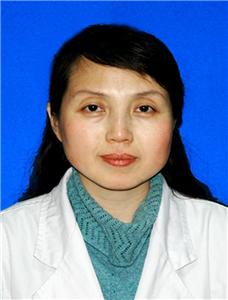 Chunmei Zhang (张春梅)合作论文数哈尔滨医科大学附属第一医院超声科7
 Jiang Wu (吴江)合作论文数Bethune First Hospital of Jilin University7
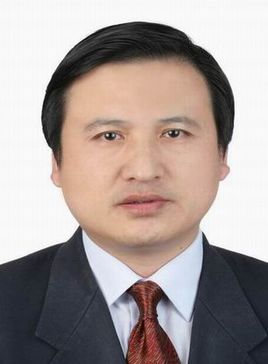 Yuming Mu (穆玉明)合作论文数Department of Echocardiograph, the First Affiliated Hospital, Xinjiang Medical University7Limin Chen合作论文数7Songwei Chen (陈松伟)合作论文数6Liangshu Feng合作论文数6Hongyin Ma合作论文数6




