Background: This study aimed to assess the safety and efficacy of the transbrachial approach as a single or combined procedure for complex interventions in peripheral artery disease (PAD). Methods: Between March 2011 and April 2021, 169 patients with PAD underwent endovascular therapy via the transbrachial approach as a single or dual procedure. Univariate and multivariate analyses were performed to evaluate the predictors of adverse events at the brachial puncture site. All demographic, clinical, and perioperative data were acquired from electronic medical records and retrospectively analyzed. Results: Brachial artery access was used alone and in combination in 87 and 82 patients, respectively. Patients in the combined -approach group underwent more intraoperative stent implantations and had more vascular closure devices (VCD). Multivariate logistic regression analysis revealed that hypertension was an independent factor for higher rates of brachial puncture site adverse events (odds ratio, 4.76; 95% confidence interval, 1.33e16.97; P 1 / 4 0.016). Brachial artery access -site complications occurred in 26 patients, including 6 (23.1%) major and 20 (76.9%) minor entry -site complications. Entry -site complications were observed in 21 (16.8%) and 5 (11.4%) patients assigned to manual compression and VCD groups, respectively. There were no significant intergroup differences in the incidence of major or minor complications. Interestingly, patients assigned to the VCD group did not experience major entry -site complications. Conclusions: The transbrachial approach, as a single or combined procedure, is a safe alternative to complex interventions in patients with PAD. Complications of brachial access progressively decrease with improved blood pressure control.
Background To assess the immediate effect and factors affecting the efficacy of rotational thrombectomy (RT) in patients with thrombus-containing lower-limb ischaemic lesions. Methods Patients were retrospectively divided into two groups: RT and RT+ CDT (Catheter-directed thrombolysis). The RT group included patients in whom intraoperative thrombus aspiration was successful, while the RT + CDT group included patients in whom intraoperative thrombus aspiration was less effective and remedial CDT treatment was used. The primary outcome was the immediate effect of RT on thrombus-containing lower-limb ischaemic lesions. Results From May 2015 to July 2021, 170 patients (113 men, 57 women; mean age, 74.0 years) with thrombus-containing lower-limb ischaemic lesions were treated in our centre. Of these patients, 113 received RT only, while 57 received RT + CDT. There were no significant intergroup differences in terms of age, disease duration, or comorbidities, but a higher proportion of male patients and higher preoperative plasma D-dimer levels (1.23 vs. 0.84; p = .017) was observed in the RT + CDT group. There were no significant intergroup differences in terms of diagnosis, lesion characteristics, lesion location, or lesion length. Multivariate logistic regression analysis revealed that male sex (odds ratio [OR], 2.65; 95% confidence interval [CI], 1.098–6.410; p = .030) and poor distal runoff (OR, 2.94; 95% CI, 1.439–5.988; p = .003) were associated with higher rates of additional CDT. Male patients also had a significantly longer onset time, more thrombotic occlusions, and a greater frequency of in-stent restenosis. Conclusions RT alone or with CDT is a feasible primary treatment option for thrombus debulking. Sex significantly influences the effect of RT on thrombus-containing lower-limb ischaemic lesions.
Objective: To examine the feasibility, integrity, efficacy, and safety of endovascular repair of the aortic arch pathologies with the mini-cross prefenestration (MCPF) on stent grafts. Methods: First, to prove the feasibility of the MCPF, an in-vitro prefenestration experiment was conducted. Second, to examine the integrity of the MCPF stent grafts, a fatigue test was conducted. Then, the membranes and metal structures of stent grafts were examined by light microscopy and scanning electron microscopy (SEM). Third, a clinical experiment was conducted to investigate the efficacy and safety of this novel technique ( ClinicalTrials.gov Identifier: NCT04544579). Results: All the 12 branch stents were successfully implanted and flared in vitro . After the fatigue test stimulating a 5-year cardiac cycle, no obvious disintegration or fracture was found in light microscopy or SEM. From December 2017 to February 2020, 26 patients with left subclavian arteries and/or left common carotid arteries involved received the novel technique. The endovascular repair with the MCPF was successfully performed on all the 26 (100%) patients. Eighteen (69.2%) patients underwent the reconstruction of the left subclavian artery (LSCA) only. The fenestrations of both the LSCA and left common carotid artery (LCCA) were conducted in 8 (30.8%) patients. Median operative time was 120 [interquartile range (IQR), 95–137.5] min and median revascularization time of the LSCA and LCCA was 30.5 (IQR, 22.8–42.0) s and 20.0 (IQR, 18.0–32.0) s separately. During the median follow-up duration of 38.9 (range, 18.8–44.2) months, one case needed an open surgery because of retrograde type A aortic dissection 3 months after implantation and no other complications or mortality occurred. The maximum aortic diameters were significantly decreased in patients with thoracic aortic dissection and thoracic aortic aneurysm ( p < 0.05). Conclusion: The existing evidence demonstrated the safety, rapid branch artery revascularization, and positive aortic remodeling of the novel technique. Long-term observation is warranted to prove the durability.
MicroRNA 22 (miR-22) was found in diverse cardiovascular diseases to have a role in regulating multiple cellular processes. However, the regulatory role of miR-22 in aortic dissection (AD) was still unclear. The miR-22 expression in human aorta was explored. A series of mimic, inhibitor, or small interfering RNA (siRNA) plasmids were delivered into vascular smooth muscle cells (VSMCs) to explore the effects of miR-22 and p38 mitogen-activated protein kinase α (p38MAPKα) in controlling VSMC apoptosis in vitro. In addition, a mouse AD model was established, and histopathologic analyses were performed to evaluate the regulatory effects of miR-22. Reduced miR-22 and increased apoptosis of VSMCs was seen in human AD aorta. Downregulation of miR-22 increased the apoptosis of VSMCs in vitro. Bioinformatics analyses revealed that p38MAPKα was a target of miR-22. Inhibiting p38MAPKα expression could reverse the apoptosis of VSMCs induced by miR-22 downregulation. Knockdown of miR-22 in the AD mouse model significantly promoted the development of AD. Our data underscore the importance of vascular remodeling and VSMC function in AD. miR-22 may represent a new therapeutic approach for AD by regulating the apoptosis of VSMCs through the MAPK signaling pathway.
随着生活水平的提高和人口结构老龄化,血管系统疾病的发病率呈明显上升趋势,主动脉夹层是其中最凶险的一种.其起病急骤,病情凶险,很多病人在开始治疗前甚至在明确诊断前即因主动脉破裂而死亡,或引起重要脏器缺血(心梗、脑梗、内脏或下肢缺血)等严重并发症,往往需急诊治疗,且花费巨大.我们对主动脉夹层的治疗现状作一综述,并重点阐述主动脉弓部夹层的治疗现状与未来.
Background: Pulmonary mucormycosis (PM) is a relatively rare but often fatal and rapidly progressive disease. Most studies of PM are case reports or case series with limited numbers of patients, and focus on immunocompromised patients. We investigated the clinical manifestations, imaging features, treatment, and outcomes of patients with PM with a focus on the difference in clinical manifestations between patients with different immune status. Methods: Clinical records, laboratory results, and computed tomography scans of 24 patients with proven or probable PM from January 2005 to December 2018 in Peking Union Medical College Hospital were retrospectively analyzed. Results: Ten female and 14 male patients were included (median age, 43.5 years; range, 13-64 years). Common presenting symptoms were fever (70.8%), cough (70.8%), sputum production (54.2%), and hemoptysis (41.7%). Radiological findings included consolidation (83.3%), ground-glass opacities (58.3%), nodules (50.0%), masses (37.5%), cavities (33.3%), mediastinal lymphadenopathy (29.2%), and halo sign (12.5%); one patient had a reversed halo sign. Seven patients (29.2%) had no obvious predisposing risk factors, and 17 (70.8%) had underlying diseases including diabetes, hematological malignancy, and use of immunosuppressants. Compared with immunocompromised patients, immunocompetent patients with PM were younger {23 [13-46] vs. 48 [17-64] years, P=0.023}, comprised a higher proportion of men (100.0% vs. 41.2%, P=0.019), had a longer disease course {34 [8-47] vs. 9 [2-102] weeks, P=0.033}, had a higher eosinophil count [0.66 (0.07-2.00)x10(9)/L vs. 0.04 (0.00-0.23)x10(9)/L, P=0.001], and had a lower erythrocyte sedimentation rate {12 [1-88] vs. 74 [9-140] mm/h, P=0.032}. Conclusions: PM can occur in heterogeneous patients with different immune status, and the clinical phenotype differs between immunocompetent and immunocompromised patients. Because of the lack of specific clinic and imaging manifestations, aggressive performance of invasive procedures to obtain histopathological and microbial evidence is crucial for a definitive diagnosis.
Rationale: Aortic dissection (AD) is caused by functional disorder of cells in the aortic wall, which is largely attributed to vascular remodeling. Therapeutic strategies for AD remain limited due to our incomplete understanding of the role of endothelial cells (ECs) in AD pathogenesis. This study aimed to identify the regulatory role of miR-27a in AD and provide a mechanistic basis for a non-invasive treatment of AD. Methods: We harvested aortas from normal and AD patients to explore the expression of miR-27a. In vitro and in vivo assays were preformed to explore the biological effects of differential expression of miR-27a in ECs and its regulatory effect on AD. Results: MiR-27a was lower in intima of AD samples than in healthy individuals. Downregulation of miR-27a in EC was due to up-regulated expression of fas-associated protein with death domain (FADD) and the activation of apoptosis pathway, which led to apoptosis of ECs. Migration of vascular smooth muscle cells was promoted by EC after downregulation of miR-27a due to enhancement of growth/differentiation factor 8 (GDF8) and repression of matrix metalloproteinase-20 (MMP20) in the co-culture system supernatants. Increase in FADD and apoptosis of ECs to induce AD was shown using mouse models of AD in which miR-27a was stably knocked-down by antagomir. Up-regulation of miR-27a by agomir led to a protective effect on AD. Conclusion: Treatment with miR-27a activator that targets apoptosis of ECs strongly diminished occurrence of AD, providing a new strategy for this disease.
Increasing researches suggest that inflammatory response is involved in vascular remodeling, which plays an important role in the development of aortic dissection. Glucocorticoids have been widely used in the clinical practice due to its powerful and effective anti-inflammatory property. However, the potential relationship between glucocorticoids and aortic dissection was still obscure. This study sought to elucidate the effect of glucocorticoids on the development and progression of aortic dissection, and the potential mechanism involved. Serum cortisol in aortic dissection patients was significantly higher than that in non-ruptured aortic aneurysm patients and healthy volunteers by radioimmunoassay. In modified C57BL/6 mouse model of aortic dissection, glucocorticoids reduced the incidence of aortic dissection and protected the collagen from degradation. Furthermore, glucocorticoids inhibited the TNF-α secretion of THP-1 monocytes, decreased the migration, phenotype switch from contractile type to synthetic type, and the apoptosis of human aortic smooth muscle cells induced by TNF-α. Finally, TNF-sRII was identified as an important cytokine in cellular interaction that participated in vascular remodeling by targeting the p38 MAPK-HSP27 pathway. These results indicate that glucocorticoids inhibit the incidence of aortic dissection by decreasing the TNF-α secretion and increasing the uncombined TNF-sRII, positively participating in vascular remodeling.
Objective: The aim of this study was to determine the role of smooth muscle 22 (SM22) in aortic dissection (AD) vascular remodeling and its regulatory mechanism on vascular smooth muscle cell function.Methods: Seven patients who underwent surgery for AD with no genetic predisposition and seven organ donors who died from nonvascular diseases were selected. In each aorta sample, the levels of SM22 were detected using immunohistochemistry and Western blot analysis. We inhibited the expression of SM22 with the application of RNA interference in human aortic smooth muscle cells (HASMCs). Cell-countingKit-8(Dojindo, Kumamoto, Japan) analyses were used to detect HASMC proliferation. Furthermore, the intracellular calcium concentration was detected using Rhod-2/AM (Dojindo) staining.Results: SM22 was significantly downregulated in the media of AD samples compared with controls (P <.05). In an in vitro study, downregulation of SM22 can significantly promote HASMC proliferation. Our research further revealed that cells treated with nifedipine can inhibit the promoter activity of SM22 downregulation on HASMC proliferation. Intracellular calcium concentration was a significantly varied during the process.Conclusions: SM22 regulates HASMC function activity through intracellular calcium. It presents a downregulation in AD, which might play a potential role in vascular remodeling of AD.
 Zaiping Jing (景在平)合作论文数School of Medicine, Tongji University;Center for Vascular Disease, Shanghai Fourth People's Hospital, Tongji University;Department of Vascular Surgery, First Affiliated Hospital, Naval Medical University6
 Jian Zhou (周建)合作论文数Changhai Hospital6
 Zhiqing Zhao (赵志青)合作论文数Changhai Hospital4
 Lei Zhang合作论文数4
 Yudong Sun合作论文数Computing Laboratory, University of Oxford4Qingyuan Yu合作论文数2Jinyan Xu合作论文数2Huiying Sun合作论文数2
 Qing Jing (荆清)合作论文数Institute of Health Sciences, Shanghai Institutes for Biological Sciences, Chinese Academy of Sciences;University of Chinese Academy of Sciences;School of Medicine, Shanghai Jiao Tong University2Yifei Pei合作论文数2Liangxi Yuan合作论文数2Taiping Liang合作论文数1Guanglang Zhu合作论文数1Feng Qin合作论文数1Wen Tian合作论文数1Jiawen Wu (吴佳文)合作论文数1Yani Wu合作论文数1Hongqiao Zhu合作论文数1TongLei Han (韩同磊)合作论文数1YingHao Sun (孙颖昊)合作论文数1LeWei Hou (侯乐伟)合作论文数1
 Junmin Bao (包俊敏)合作论文数Department of Vascular Surgery, Changhai Hospital, Navy Medical University1
 Zhu Jiang合作论文数1Xiang Ma (马翔)合作论文数School of Pharmacy, Tongji Medical College, Huazhong University of Science and Technology1Li Zhenjiang合作论文数1
 Ke Lv (吕珂)合作论文数1. Department of Ultrasound, 1
 Chen Wang (王琛)合作论文数Shanghai Jiaotong University School of Medicine1
 Hua Meng (孟华)合作论文数1.Department of Ultrasound,1Min Peng (彭敏)合作论文数1Hong Zhang合作论文数1Jian Dong (董健)合作论文数1Guokun Wang合作论文数1
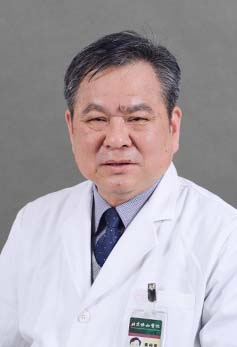 Baiqiang Cai (蔡柏蔷)合作论文数Peking Union Medical College Hospital1




