The selective conversion of syngas to higher alcohols remains a significant challenge due to low CO conversion and limited selectivity. Herein, a Mo2C-based catalyst was developed using a Ni-MOF as a structural template. The Mo2C@Ni-MOFs catalysts achieve a CO conversion of 21.7 %, a space-time yield of 0.284 g/gcat/h, and a higher alcohol selectivity of 59.9 %. Structural analysis revealed the in-situ generation of carbon nanotubes from the MOF decomposition, which plays a crucial role in enhancing performance. Additionally, the various characterizations suggest the formation of Na2MoO4 and its synergy with Mo2C provides active centers for CO insertion and alcohol synthesis. This study highlights the potential of MOF-derived catalysts as a robust platform for efficient syngas-to-alcohol conversion, supporting sustainable fuel production.
ZnZrO x oxide catalysts show promising performance in the highly selective hydrogenation of CO2 to methanol. Nevertheless, strategies for substantially enhancing their intrinsic catalytic activity remain underexplored. In this work, Cu agglomerates were introduced into ZnZrO x catalysts by mechanical mixing to construct a physically contacted Cu-ZnZrO x interface. The Cu-promoted ZnZrO x catalyst exhibits a 2-fold increase in methanol production rate compared with the pristine ZnZrO x without compromising its selectivity. The modulation of Cu agglomerates on the surface structure of ZnZrO x catalysts, as well as the reaction mechanism of CO2 hydrogenation to methanol, was systematically investigated using a combination of kinetic analysis, isotope exchange experiments, in situ AP-XPS, and in situ DRIFTS. The introduction of Cu facilitates the reduction of Zr4+ and Zn2+ to lower oxidation states on the ZnZrO x surface and accelerates the hydrogenation of HCOO* and CH3O* intermediates. The promotional effect is attributed to the remote spillover of dissociated hydrogen from Cu agglomerates to the adjacent ZnZrO x . This work offers a promising strategy for the rational design of high-performance catalysts for CO2 hydrogenation to methanol.
Biomass-derived hard carbons (HCs) have emerged as highly promising anode materials for sodium-ion batteries (SIBs), owing to their high reversible capacities as well as low cost. However, the complex internal structure of biomass precursors presents significant challenges for precise control of microstructure as well as energy storage performance of the final HC products. To address this issue, in this study, three anthraquinone (AQ)-based organic small molecules, namely AQ, 2,6-dihydroxyanthraquinone (DQ) and 2,6-diaminoanthraquinone (DAAQ), are selected as crosslinking agents of bamboo biomass, to reveal the unique role of functional groups in these molecules for the precise regulation of microstructure of the bamboo-derived HCs. The results demonstrate that, under the same aromatic carbon skeleton, hydroxyl and amino groups have significant influence on the pore structure, graphitization degree, and electrochemical performance of HCs. Among them, DAAQ with amino functional groups exhibits the best crosslinking efficiency, resulting in a more ordered carbon structure along with successful N-heteroatom doping. Consequently, the HC prepared from DAAQ-crosslinked bamboo achieves a remarkable reversible capacity of 351 mAh/g and a high initial Coulombic efficiency of 86.4 % at 20 mA/g. This work demonstrates the significant potential of functionalized AQ-based molecules as efficient crosslinkers in regulating the microstructure of biomass-derived HCs.
Ce-modified CuZn-based catalysts show promising performance in CO2 hydrogenation to methanol. However, probing the nature of their active surface and elucidating the role of Ce in regulating reaction pathways at the molecular level remain challenging. In this study, a series of CuZnCe catalysts were prepared with varying CeO2 contents. Kinetic tests reveal that CuZnCe catalysts exhibit significantly higher activity and methanol selectivity compared to the unmodified CuZn catalyst. In-situ AP-XPS analysis demonstrates that Ce species preferentially migrate toward the catalyst surface and exist predominantly in the form of Ce3 + during CO2 hydrogenation to methanol. In-situ DRIFTS confirms that the CuZn catalyst facilitates the direct hydrogenation of CO2 to methanol via a formate intermediate. In contrast, the introduction of Ce shifts the reaction mechanism toward the reverse water-gas shift reaction followed by CO-hydrogenation (RWGS + CO-hydro), as Ce3+ sites display a high propensity to stabilize carboxylate (CO2 delta-) intermediates derived from CO2. Meanwhile, the Cu-ZnOx interface remains essential for H2 dissociation and supplying hydrogen species. The enhanced catalytic performance of the CuZnCe catalysts is primarily attributed to the synergistic effects between the Cu-ZnOx and Cu-CeOx interfaces. These findings highlight the pivotal role of metal-oxide interfaces in controlling reaction pathways and methanol selectivity during CO2 hydrogenation to methanol, providing valuable insights for the rational design of highperformance catalysts.
Intensifying global climate change and continuously increasing CO2 emissions make the development of efficient, low-cost CO2 capture technologies a critical global challenge. Porous carbon materials have emerged as a research hotspot in CO2 adsorption due to their high specific surface areas, tunable pore structures, and modifiable surface chemistry. In this study, coal tar pitch, anthracite, lignite, and blue-coke were employed as precursors to prepare and characterize porous carbons via KOH chemical activation and urea-assisted nitrogen doping, and their CO2 adsorption performance was investigated. Experimental results demonstrate that the coal-derived porous carbons exhibit superior structural characteristics, including an ultrahigh specific surface area (up to 3304 m(2)/g), hierarchical pore architecture, and abundant surface functional groups. Nitrogen doping significantly enhanced surface alkalinity and chemical adsorption capacity, achieving a CO2 adsorption capacity of 162.1 mg/g at 0.3 MPa-a 25% improvement compared to undoped counterparts. Dynamic adsorption tests revealed good cyclic stability, with adsorption capacity recovery rates of 88.5%-96.6% after 30 min N-2 purging and complete regeneration within 60-min purging. This study demonstrates coal-based porous carbons' excellent PSA performance, highlighting their potential as efficient, low-cost adsorbents for industrial CO2 capture and CCUS applications.
Tetrahydroquinolines (THQs) are an important class of nitrogen‐containing heterocycles found in numerous biologically active molecules. Among the various synthetic approaches, the catalytic reduction of readily available quinolines represents the most straightforward and economically efficient route to access these valuable scaffolds. Driven by the utilization of diverse reducing agents, a wide array of excellent catalytic strategies has been developed. This review systematically summarizes the recent advances in this field over the past 5 years, covering methodologies such as hydrogenation, transfer hydrogenation, and electrocatalytic reduction. We anticipate that this comprehensive summary will provide valuable insights and guidance for the future development of more sustainable and greener catalytic systems.
In this work, a covalent organic framework (MTPA) constructed from melamine and terephthalaldehyde was synthesized and used for the synthesis of MTPA/PbO2-T (T = 15, 25, 35, 45) composite electrodes via an electrodeposition method. The microstructure and electrochemical performance of the fabricated electrodes were studied using XRD, SEM, and XPS techniques. The characteristic results revealed that the MTPA/PbO2-35 electrode possessed a higher density of active sites, lower electron transfer resistance, and enhanced direct oxidation capacity compared to other composite electrodes, which collectively contributed to a significant improvement in methylene blue (MB) degradation efficiency (100 mg/L of MB, pH = 5, 180 min). Interestingly, the MTPA/PbO2-35 composite electrode was observed with highest MB degradation efficiency (99.97%) under optimized experimental conditions (100 mg/L of MB concentration, pH = 3, 180 min). According to DFT calculations, the crystal plane of PbO2 (2 1 1) with the highest electrostatic potential could serve as electronic trap for accepting the HOMO orbital electrons of pollutant molecules. The superior catalytic performance is attributed to the interfacial C-N-Pb bond between MTPA and PbO2 (2 1 1), which could enhance electron transfer through interface structure. Furthermore, the MTPA/PbO2-35 electrode displayed excellent performance for degrading various pollutants. Besides, hydroxyl radicals (·OH) were also confirmed as the primary active species responsible for pollutants degradation. More importantly, DFT calculations were also performed for deeply interpreting hetero interface with the excellent oxidation and adsorption ability for organic capture and decomposition.
Methane (CH4) is a high-calorific, low-carbon fuel whose widespread use is often limited by the need for efficient purification from CO2-rich biogas. Typical biogas contains about 60% CH4 and 40% CO2, making separation a critical step for energy recovery and utilization. This study presents the design and experimental evaluation of a compact, multifunctional vacuum pressure swing adsorption (VPSA) system, incorporating CH4 purification, adsorbent breakthrough testing, and automated operation. The system enables direct RS-485 communication between pressure transmitter, controllers, and human-machine interface (HMI), replacing conventional programmable logic controller (PLC) interfacing. The VPSA cycle was optimized by structuring the four-bed process into four main stages, each subdivided into six adjustable substages, allowing flexible parameter tuning via the HMI. Comparative experiments between two-bed and four-bed configurations were conducted using 5A zeolite. Under optimized conditions (2 L/min feed flow, 40 s adsorption time, and 0.3 MPa adsorption pressure), the four-bed system achieved CH4 purity above 97% and recovery above 80%. The proposed VPSA system offers a cost-effective, flexible, and high-performance solution for biogas upgrading.
Although zeolites have emerged as a promising adsorbent material for volatile organic compound (VOCs) capture applications, their inherent hydrophilicity and significant pore diffusion limitations severely constrain their practical applications. Herein, a series of novel NaY@SiO2 composite were synthesized based on the Stober method, aiming to modulate the surface physicochemical properties and optimize diffusion-mass transfer performance. Dynamic adsorption experiments show that the saturated adsorption capacity of xylene on the NaY@SiO2-45 wt% sample under dry and humid conditions reached 233.1 mg/g and 88.6 mg/g, which are 2.92fold and 5.76-fold higher than those of pristine NaY, respectively. This performance enhancement benefits from the surface hydrophobicity of NaY@SiO2-45 wt% (evidenced by elevated water contact angles and DFT calculations) and the abundant mesopores introduced by the SiO2 layer. Kinetic modeling demonstrates that adsorption rate of xylene over NaY@SiO2 composite are significantly enhanced compared with pristine NaY due to the existence of mesopores in the composite material, thus endowing it with excellent xylene adsorption performance. This work further proposes a novel design approach for core-shell composites targeting VOCs adsorption under high-humidity conditions.
Direct methanol synthesis from CO2-rich syngas provides an effective route to eliminate the need for CO2 separation units in industrial applications. However, achieving efficient CO/CO2 coconversion remains a considerable challenge due to the distinct activation behaviors of the respective C-O bonds. Herein, a series of CuZnAlZr catalysts were prepared by tailoring Cu-0 particle size and Cu-ZnO interaction applied for CO/CO2 cohydrogenation to methanol from CO2-rich syngas. The optimal catalyst achieved 100% methanol selectivity with a stable methanol space-time yield of 558 g/(kg(cat)h) at CO and CO2 conversion of 70% and 20%, respectively. (H-2/CO/CO2)-TPD results revealed that the synergy between moderate Cu-0 particle size and strong Cu-ZnO interaction created an "H-rich/C-lean" microenvironment, which promoted the CO/CO2 cohydrogenation to methanol. In situ DRIFTS and atmosphere switching experiments indicated that the H-2/CO/CO2 mixture promoted the formation of methoxy species and confirmed that CO2 served as the primary carbon source. Furthermore, DFT calculation and CO-TPSR-WGS-MS characterization confirmed that the strong Cu-ZnO interaction promoted the water-gas shift activity, which in turn led to higher CO conversion. This work provides insights for efficient catalyst design and is a promising candidate for industrial application.
The catalytic transformation of carbon dioxide into value-added chemicals represents a promising approach to mitigate the global energy crisis and address greenhouse gas emissions. Among all the studied method, CO2 coupling with epoxides for the synthesis of cyclic carbonates has achieved significant attention due to its 100% atom economy and environmentally benign characteristics. The excellent properties such as ultrahigh porosity, modular tunability, and exceptional CO2 adsorption capabilities have made Metal-organic frameworks (MOFs) as versatile platforms for applications in heterogeneous catalysis, gas separation, and molecular sensing. Notably, their precisely engineered pore architectures and tailorable active sites endow MOFs with superior catalytic potential for CO2 cycloaddition reactions. This review systematically summarizes recent advances in MOF-based catalytic systems for CO2 conversion into cyclic carbonates, with emphasis on structure-property relationships, synthetic methodologies, and mechanistic insights. Key parameters including metal node composition, functional group engineering, and defect modulation are critically analyzed to elucidate their roles in enhancing catalytic activity and selectivity. Besides, catalytic mechanism of CO2 coupling with epoxide including three key steps was also further determined according to the DFT calculations. Furthermore, current limitations and prospective research directions for optimizing MOF catalysts in terms of stability, scalability, and industrial applicability are discussed. This work provides a comprehensive framework for the rational design of next-generation MOF materials for sustainable CO2 utilization.
The CO2 content in syngas plays a critical role in the catalytic performance of methanol synthesis on an industrial scale. While Cu-based catalysts exhibit optimal performance at approximately 2 wt% CO2, a further increase in CO2 concentration leads to performance degradation. Therefore, developing Cu-based catalysts with optimized microstructures is an effective strategy for the utilization of CO2-rich syngas. Herein, a series of M (Ga, Ce, Mn, Mg, La) promoted Cu/ZnO/ZrO2 catalysts were prepared and evaluated for methanol synthesis from CO2-rich syngas. Among them, the Ga-promoted catalyst Cu/ZnO/ZrO2/Ga2O3 (Ga-CZZ) demonstrated superior performance under a syngas feed of H2/CO/CO2/N2 (71.2%/11.9%/11.9%/5%), achieving conversions of 63% for CO, 10% for CO2, and 35% for total carbon. Characterization revealed that Ga promoter enhances the specific surface area and improves Cu dispersion. EPR analysis showed that Ga incorporation promotes the formation of oxygen vacancies. Furthermore, in-situ diffuse reflectance infrared Fourier transform spectroscopy (DRIFTS) studies confirmed that the methanol synthesis over the Ga-CZZ catalysts follows the formate pathway. This work offers valuable insights for the rational design of high-performance catalysts tailored for CO2-rich syngas to methanol.
To add value to the utilization of low-rank coal and biomass, hierarchical porous carbons (HPCs) were prepared from the co-ethanolysis (CE) of Ekuang subbituminous coal (ESBC) and biomass. Soluble portions (SPs) were obtained from the mixtures of ESBC and wheat straw (WS) with different mass ratios as raw materials for coethanolysis. The synergistic interaction between the two precursors during CE not only promotes the formation of a hierarchical pore structure but also enables in-situ nitrogen and oxygen doping. The organic composition of SPs and subsequent effect on the electrochemical properties of HPCs were also investigated. The addition of WS increased the relative content of nitrogen- and oxygen-containing compounds in SPs in the process of CE. Moreover, the HPC derived from SP1/2 exhibits favorable characteristics, including an ultrahigh specific surface area (3016 m2 g- 1), a well-developed hierarchical porosity (2.326 cm3 g- 1 total pore volume), and abundant nitrogen/oxygen heteroatom doping. As working electrodes for supercapacitors, HPC1/2 exhibits the maximum gravimetric specific capacitance (390F g- 1) at the current density of 0.5 A g- 1 in 6 M KOH electrolytes, which is superior to that of HPCESSBC prepared without WS (146F g- 1). Particularly, as a symmetric capacitor electrode, HPC1/2 possesses an excellent capacitance performance and cycle stability, i.e., a high energy density of 14.37 Wh kg- 1 at the power density of 125 W kg- 1 and the capacitance retention up to 98.6 % after 10,000 cycles at 5 A g- 1. The detailed composition of carbon atoms in the product of CE was determined by gas chromatograph/mass spectrometer. As a result, the yield of SP1/2 reached up to 32.9 % with 72.3 % and 1.6 % of oxygen- and nitrogen-containing compounds, respectively. In addition, the possible reaction pathways for generating oxygen-containing compounds were investigated. Since nitrogen-containing compounds can improve the conductivity of HPCs, the possible structure of nitrogen-containing compounds was also analyzed by orbitrap mass spectrometer. Therefore, HPC1/2 is promising to be employed as the electrode material for supercapacitor. This self-doped strategy paves a new way for constructing porous carbon materials for high-performance supercapacitors from low-rank coal and biomass.
In this study, carbon nanotubes (CNTs) were sulfonated to make the sulfonic acid group bond within the crystal structure, and the sulfonated CNTs were further employed to couple with Eu and PbO2 for the synthesis of the ternary electrode of CNT-SO3H/Eu/PbO2-T (T = 5, 10, 20, 35) via electrodeposition method. The catalytic performance of the composite electrode was evaluated via degradation of methylene blue (MB). Interestingly, CNT-SO3H/Eu/PbO2 shows an obvious electrochemical degradation efficiency compared with pure PbO2. To further clarify the degradation mechanism of MB removal over the composite anode, the oxygen evolution overpotential, voltammetric charge and interfacial resistance of CNT-SO3H/Eu/PbO2-T anodes were also determined, and the results showed that CNT-SO3H/Eu/PbO2-20 possesses more active sites, smaller electron transfer resistance and higher direct oxidation ability, hence improving the degradation rate of MB. In addition, the highest degradation efficiency of 88.4 % together with the highest TOC removal efficiency of 49 % was observed at current density of 12 mA cm-2, and pH= 5 for 3 h. According to the DFT calculations, the ternary electrode material of CNT-SO3H/Eu/PbO2 with dual hetero interface can obviously enhance the oxidation ability as well as adsorption for organic capture and decomposition via the newly-formed C-S-O-Eu bond and Eu-O-Pb bond.
This study investigates the performance of A-type zeolite in removing SO2 from simulated Claus tail gas and demonstrates the multicomponent adsorption behavior of CO2, SO2, and H2O on 5 A zeolite. For SO2 removal, the adsorption capacity of A-type zeolite follows the order: 5 A > 4 A > 3 A. Under dry simulated Claus tail gas conditions, the SO2 breakthrough capacity of 5 A zeolite reaches 2.5 mmol/g. Adsorption isotherms and thermodynamic calculations indicate that H2O exhibits more spontaneous adsorption and stronger surface interactions than SO2 and CO2 on the 5 A zeolite. Multicomponent adsorption experiments reveal a competitive adsorption sequence of H2O > SO2 > CO2 on 5 A zeolite, which is consistent with the predictions derived from Henry's law. These results provide a clue to for optimizing multicomponent gas separation with 5 A zeolite, particularly for complex industrial flue gas.
The photocatalytic hydrogen evolution reaction (HER) in seawater has emerged as one of the most promising technologies for the production of clean energy, yet the photocatalysts still suffer from severe salt-induced corrosion and limited mass transfer, limiting their practical applications. In addition, compared with conventional suspension-based photocatalytic systems, membrane/film-based photocatalytic systems could help to disperse catalytic nanoparticles well, realizing high photocatalytic efficiency and stability. However, the mass transportation of water molecules may be inhibited in many membrane- or film-based photocatalytic systems. Herein, we embed and immobilize Pt/TiO2 particles in a perfluorosulfonic acid resin (Nafion) film coated on glass fiber paper for enhanced activity and stability of the photocatalytic HER in simulated seawater. The flexible Nafion film embedded with Pt/TiO2, referred to as Nafion-Pt/TiO2, demonstrated outstanding photocatalytic hydrogen evolution in simulated seawater. A remarkable hydrogen production rate of 7.689 mmol·g-1·h-1 was realized, representing a 5.37-fold enhancement compared with that of bare Pt/TiO2. This enhancement can be attributed to the Nafion-induced improvements in charge separation and a localized photothermal effect enabled by thermal confinement. Furthermore, the Nafion-Pt/TiO2 system showed a superior stability, and 99.3% of its initial catalytic activity was retained after five consecutive photocatalytic cycles. This study provides valuable insights into enhancing both the activity and the stability of photocatalytic hydrogen production in seawater.
A series of core-shell NaY@SiO2 composites were synthesized via the Stöber method using alkyl trimethylammonium bromide templates with carbon chain lengths of C10-C18 (DeTAB, DTAB, TTAB, CTAB, OTAB), and their structural properties and xylene adsorption performance were systematically studied. The results reveal that increasing the alkyl chain length of templates from C10 to C18 gradually increases the silica shell thickness from 74.5 nm to 118.8 nm, with the mesopore size varying in the range of 1.8–4.2 nm. Under dry gas conditions, mesopore dimension plays a critical role. Benefiting from its optimal mesopore size of ∼2.5 nm, NaY@SiO2(12) delivers the highest saturated xylene uptake of 297.20 mg/g. At 60% relative humidity, surface hydrophobicity dominated adsorption performance. With a thicker shell and enhanced hydrophobicity, NaY@SiO2(16) mitigated water vapor competition and maintained a xylene capacity of 88.62 mg/g. Xylene-TPD tests confirm SiO2 coating reduces NaY's desorption activation energy, which further drops from 63.96 to 47.02 kJ/mol with increasing template carbon length. Kinetic analysis confirmed physical adsorption as the main mechanism, and the mesoporous SiO2 shell remarkably reduced intraparticle diffusion resistance, with NaY@SiO2(12) showing the best mass-transfer kinetics. Nevertheless, an overly thick shell caused by excessively long chains hindered molecular diffusion. Overall, this work provides a valuable reference and fundamental basis for the rational design and controllable synthesis of high-performance adsorbents toward VOCs removal under both dry and humid conditions.
ZSM-5 is considered to be a promising adsorbent for VOCs, but its adsorption ability in humid environments is not satisfactory due to its strong hydrophilicity.
Electrochemical reduction of carbon dioxide (CO2RR) is a promising strategy for mitigating global warming and producing value-added products simultaneously. Molecular catalysts, such as cobalt phthalocyanine (CoPc), are known to be effective in converting carbon dioxide (CO2) to carbon monoxide (CO). However, it is still challenging to improve the reaction rate and selectivity of this conversion. Herein, we report a simple and effective coadsorption strategy to promote the reaction rate and selectivity of CoPc-catalyzed CO2RR to CO by coadsorbing melamine molecules together with CoPc onto the surface of carbon nanotubes (CNTs). The coadsorption of melamine led to an increase in the output current density for 2.6-fold at an overpotential of -1.23 V vs Ag|AgCl. Moreover, the Faraday efficiency (FE) toward CO increased to 92% in an H-type cell, in contrast to the FE of 85% in the absence of melamine coadsorption. The FE toward CO further improved to 99% in a flow cell system. It was revealed that the coadsorption of melamine could modulate the surface adsorption of the *CO intermediates and decrease the energy barrier of CO2 reduction to CO. More importantly, only a solution-based process was employed in the whole procedure and no organic synthesis was involved, making our method highly simple, convenient, and environment friendly. This work paves an effective way for modulating the activity and selectivity of molecular catalysts in the CO2RR.
Developing transition metal oxide catalysts for the efficient dehydrogenation of isobutane to isobutene is highly demanded but challenging. In this study, a solid-state grinding method is employed and a ZnAl2O4-based spinel catalyst is successfully prepared through the substitution of Mo and Mg. The structure-performance relationship of the prepared catalysts is evaluated by applying them to isobutane dehydrogenation and utilizing various characterization techniques. The Mg0.01Zn0.99Al1.99Mo0.01O4 catalyst demonstrates excellent activity in isobutane dehydrogenation compared to ZnAl2O4, ZnAl1.99Mo0.01O4 and Mg0.01Zn0.99Al2O4. Theoretical calculations indicate that ZnAl2O4 exhibits a downshifted d-band center due to the substitution of Mo and Mg. This alteration enhances the desorption of isobutene from the catalyst surface, promoting catalytic activity and favoring the flat adsorption orientation of isobutane, which increases the conversion of isobutane to isobutene. Notably, the substitution of Mo and Mg also promotes the concentration of surface lattice oxygen, which reacts with H2, facilitating the shift of the reaction towards the generation of isobutene. This research provides novel insights into improving isobutane dehydrogenation performance through the development of efficient ZnAl2O4-spinel catalysts.
 Yujing Weng (翁育靖)合作论文数Coll Chem & Chem Engn, Henan Polytech Univ44
 GuiYun Yi (仪桂云)合作论文数40
 Qi Sun (孙琦)合作论文数College of Chemistry and Chemical Engneering, Qingdao University40
 Maohong Fan合作论文数Department of Chemical and Biomedical Engineering, College of Engineering and Physical Sciences, University of Wyoming;School of Energy Resources, University of Wyoming;Georgia Institute of Technology32
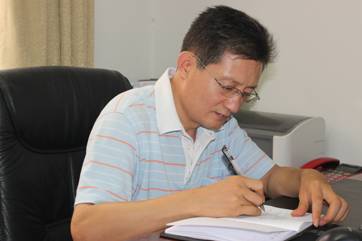 Chuanxiang Zhang (张传祥)合作论文数School of Materials Science and Engineering, Henan Polytechnic University
30
Chuanxiang Zhang (张传祥)合作论文数School of Materials Science and Engineering, Henan Polytechnic University
30 Yuanfeng Wu合作论文数22Xiao Xiao Xue合作论文数18Shihang Meng合作论文数17
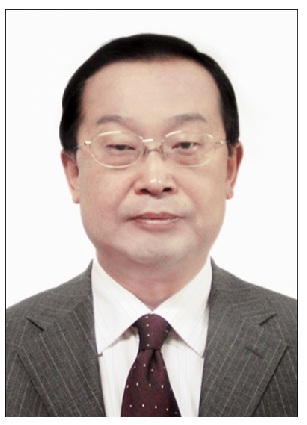 Haiquan Su (苏海全)合作论文数College of Chemistry and Chemical Engineering of Inner Mongolia University17
 Lunjian Chen (谌伦建)合作论文数16Shuqi Ma (马书启)合作论文数15Zhengting Zhang合作论文数15
 Baolin Xing (邢宝林)合作论文数College of Chemistry and Chemical Engineering, Henan Polytechnic University14Xiuxiu Zhang合作论文数13Peng Li合作论文数11ShiCheng Yang (杨世诚)合作论文数11
 Yi-Fan Han (韩一帆)合作论文数State Key Laboratory of Chemical Engineering, School of Chemical Engineering, East China University of Science and Technology11
 Oderinde Olayinka Kehinde合作论文数Dept Chem Sci, Lead City Univ10
 Xianyong Wei (魏贤勇)合作论文数School of Chemical Engineering & Technology, China University of Mining and Technology10Xiaoxiao Su合作论文数8Haiyang Fan合作论文数8
 Xiaodong Wang (王晓冬)合作论文数河南大学纳米材料工程研究中心8
 Guomin Xiao (肖国民)合作论文数School of Chemistry and Chemical Engineering, Southeast University8Xiaolong Wang合作论文数7ShiFang Mu (穆仕芳)合作论文数7Bing Xu (徐冰)合作论文数7
 Xiaojun Gu (谷晓俊)合作论文数College of Chemistry and Chemical Engineering of Inner Mongolia University7
 Jing Xu (徐晶)合作论文数华东理工大学化学学院7
 Morris D. Argyle合作论文数College of Engineering, Brigham Young University7
 Liu Fan合作论文数Economics and Management School, Wuhan University7
 Jie Ding合作论文数6
 Xianglin Liu合作论文数6
 Fan Zhang合作论文数6Shengbin Shi合作论文数6Yue Yin合作论文数6
 Chao Zhang合作论文数5Xikui Wang合作论文数5
 Zhengpai Zhang合作论文数State Key Lab Green Chem Engn & Ind Catalysis, Shanghai Res Inst Petrochem Technol5Yang-Yang Zhang合作论文数5Na Wang合作论文数5
 Xingshun Cong (丛兴顺)合作论文数Zaozhuang University5
 Runping Ye (叶闰平)合作论文数School of Chemistry and Chemical Engineering, Nanchang University5Xiaoying Xu (徐晓颖)合作论文数5
 Zhimin Zong (宗志敏)合作论文数School of Chemical Engineering & Technology, China University of Mining and Technology5
 Qin Zhong (钟秦)合作论文数School of Chemistry and Chemical Engineering, Nanjing University of Science and Technology5Jinghui Lv合作论文数5Wei Xia (夏玮)合作论文数School of Chemistry and Molecular Engineering, East China University of Science and Technology5Ruijue Hu (胡瑞珏)合作论文数College of Chemistry and Chemical Engineering of Inner Mongolia University5




