Background This study was aimed to investigate the clinical and molecular epidemiology of Staphylococcus aureus ( S. aureus ) isolated from Chinese children and determine the possible relationship among the accessory gene regulator ( agr ) groups and genotypes, as well as among the virulence genes and disease types. Methods S. aureus strains were isolated from Beijing Children’s Hospital between October 2017 and October 2019. The isolates and 19 virulence genes were characterized using multi-locus sequence typing, staphylococcal protein A ( spa ), staphylococcal cassette chromosome mec , and agr typing. Results A total of 191 non-repetitive S. aureus clinical isolates were divided into 33 sequence types (STs), 18 clonal complexes (CCs), and 59 spa types. ST59 (39.8%), t437 (37.7%), and agr I (84.8%) were the predominant types. CC59, CC25, CC22, CC951, CC8, and CC398 belonged to agr I. CC5 and CC15 were assigned to agr II, and CC30 was characterized as agr III. CC121 was classified under agr IV. The eta , etb , and bbp genes were more prevalent in agr IV ( P < 0.001 for each), while tst was more prevalent in agr group III compared to the other groups ( P < 0.001). Nearly all isolates that harbored lukS/F-PV belonged to agr I ( P = 0.005). However, the correlation between disease types and agr groups was not significant ( P > 0.05). Conclusions An association among the agr groups and genotypes, as well as specific toxin genes, was observed among the S. aureus strains isolated from Chinese children. However, a statistical correlation was not found among the agr groups and disease types.
目的 了解2019年首都医科大学附属北京儿童医院临床分离细菌分布及其对抗菌药物的耐药性.方法 收集2019年1月1日—12月31日该院临床分离的4 854株非重复细菌,采用纸片扩散法、仪器法、部分抗菌药物补充E试验法进行药敏试验,应用WHONET 5.6软件对药敏结果进行分析.结果 4 854株非重复细菌中,革兰阳性细菌占48.3%,革兰阴性细菌占51.7%.金黄色葡萄球菌占16.8%,其次为流感嗜血杆菌、克雷伯菌属、肺炎链球菌.标本主要来自呼吸道(39.4%)、血液(22.1%)和尿液(10.8%).金黄色葡萄球菌、表皮葡萄球菌和其他凝固酶阴性葡萄球菌中甲氧西林耐药株(MRSA、MRSE和其他MRCNS)分别占各自菌种的26.7%、83.1%和80.5%,检出3株表皮葡萄球菌和1株松鼠葡萄球菌对利奈唑胺耐药.肠球菌属中检出2株利奈唑胺耐药粪肠球菌和2株利奈唑胺中介屎肠球菌.脑脊液中分离出13株肺炎链球菌,其中青霉素耐药肺炎链球菌(PRSP) 8株,占61.5% ;非脑脊液标本分离出350株肺炎链球菌,其中PRSP和青霉素中介肺炎链球菌(PISP)分别占2.6%和25.7%.克雷伯菌属(肺炎克雷伯菌和产酸克雷伯菌)、大肠埃希菌和奇异变形杆菌中产ESBL菌株的检出率分别为70.0%、69.9%和26.1%.肠杆菌、鲍曼不动杆菌、铜绿假单胞菌中碳青霉烯类耐药株(CRE、CRAB、CRPAE)分别占27.1%、71.0%和21.0%.535株流感嗜血杆菌对氨苄西林耐药率为71.2%,β内酰胺酶阳性率为69.2%.结论 临床分离的常见细菌对不同抗菌药物的耐药率不同,应重视细菌耐药监测,合理使用抗菌药物.
Background Staphylococcus aureus ( S. aureus ) accessory gene regulator ( agr ) system plays a critical role in staphylococcal pathogenesis. Our study aimed to investigate the relationship between agr group, the genetic background, virulence genes and disease types distribution of S. aureus isolated from different clinical sources among Chinese children.Methods S. aureus strains were isolated from Beijing Children’s hospital from October 2017 to October 2019. Isolates were typed by multilocus sequence typing (MLST), staphylococcal protein A ( spa ), agr, and staphylococcal cassette chromosome mec (SCC mec ) typing (for methicillin-resistant S. aureus [MRSA] isolates). Furthermore, all isolates were tested for the presence of 19 selected virulence genes.Results A total of 191 non-repetitive S. aureus clinical isolates were collected and the agr type I was the most prevalent (84.8%). S. aureus isolates were divided into 33 sequence types (STs), 20 clonal complexes (CCs) and 59 spa types, ST59 (39.8%) and t437 (37.7%) were the predominant types. CC59, CC25, CC22, CC951, CC8, and CC398 isolates possessed agr group I; CC15 isolates harbored agr group II; CC30 strains were characterized as agr group III, and CC121 harbored agr group IV. Of the 19 virulence genes, the tst gene was more prevalent among agr group III compared to other groups ( p = 0.006); eta and etb genes were more prevalent among agr group IV than other groups ( p = 0.003 and 0.001, respectively); nearly all strains that harbored the lukS/F-PV gene (98.3%) belonged to agr group I ( p = 0.004); the frequencies of bbp and ebpS genes belonged to agr group I were statistically lower than that of other groups ( p < 0.001). Among 161 diagnoses, the frequency of strains from cellulitis patient harbored agr group III was higher than that of other groups ( p = 0.046), and one strain isolated from staphylococcal scalded skin syndrome (SSSS) patient, which was identified as agr type IV ( p = 0.021).Conclusions The results indicated that the S. aureus agr type was linked to the genetic background. Besides, a possible relationship between the agr group, several virulence determinants, and specific disease types was observed.
Objective To investigate the distribution and antimicrobial resistance profile of the common pathogens isolated during the period from 2009 to 2015.Methods All the bacterial strains isolated from pediatric inpatients in Beijing Children's Hospital during the period from 2009 to 2015 were analyzed. Antimicrobial susceptibility was determined by disk diffusion method and Phoenix 100 Automated Microbiology System. Results were analyzed according to the guidelines of CLSI (2014) using WHONET 5.6 software.Results The total strains were 26630. The most common gram-positive isolates were Streptococcus pneumoniae,Staphylococcusaureusand coagulase-negative Staphylococcus (CNS), while the most frequently isolated gram-negative microorganisms were Klebsiella spp.,Pseudomonas aeruginosa and Escherichia coli. The prevalence of S. pneumoniae was up to 25.7 % (4101/15973) in all respiratory tract specimens. About 50.2 % of the S. pneumoniae isolates were not susceptible to penicillin. The prevalence of methicillin-resistant strains was 20.6 % in S. aureus (MRSA) and 87.8 % in coagulase negative Staphylococcus (MRCNS) on average. The prevalence of MRSA increased from 11.1 % in 2009 to 29.8 % in 2015. No S. pneumoniae or staphylococcal strains were found resistant to vancomycin or linezolid. The Enterococcus strains were still highly susceptible to vancomycin and linezolid. Overall 0.3 % of the Enterococcus faecium isolates were resistant to vancomycin. The extended-spectrum beta-lactamases (ESBLs) producing strains accounted for 71.4 % -78.1 % of E. coli and 65.1 % - 76.9 % of K. pneumoniae isolates. The carbapenem-resistant E. coli and K. pneumoniae were reported for the first time in 2010, but in 2014, the strains resistant to carbapenems had increased to more than 7 % in E. coli, and higher than 20 % in K. pneumoniae. In 2015, up to 27.7 % and 25.7 % of P. aeruginosa isolates were resistant to imipenem and meropenem, respectively, and 59.9 % of the A. baumannii isolates were resistant to imipenem and meropenem. Beta-lactamase was positive in 46.3 % of the H. influenzae isolates. Conclusions MRSA and the carbapenem-resistant strains of E. coli,K. pneumoniae and A. baumannii are still on the rise in pediatric inpatients, which poses a serious threat to clinical practice and implies the importance of strengthening infection control.
目的 研究儿童患者中分离的卡他莫拉菌临床分布及耐药性,指导临床合理用药.方法 对2013-2014年北京儿童医院临床送检标本分离出的189株卡他莫拉菌的分布、产酶情况和药敏结果进行回顾性分析.采用纸片扩散法作药敏试验,头孢硝噻吩纸片法测定β内酰胺酶.依照2013年CLSI M45-A2标准判断结果.结果 卡他莫拉菌多分离于婴幼儿患者,常混合其他细菌.β内酰胺酶阳性率为95.7%,对阿莫西林-克拉维酸、甲氧苄啶-磺胺甲(噁)唑、四环素耐药率分别为0、2.1%和4.2%.对红霉素和阿奇霉素耐药严重,耐药率达到了82.5%和83.1%.结论 儿童患者携带的卡他莫拉菌β内酰胺酶阳性率很高,其高产酶特点使青霉素类药物不能作为临床一线用药.卡他莫拉菌对大环内酯类耐药性较高,应引起临床重视,并加强对其耐药监测.
目的 研究儿科临床分离对碳青霉烯类抗生素不敏感的肠杆菌科细菌所产碳青霉烯酶的基因型.方法 收集2008年1月至2010年12月北京儿童医院住院患儿中分离出的46株对碳青霉烯类抗生素不敏感的肠杆菌科细菌.使用改良Hodge试验和双纸片协同试验,进行产碳青霉烯酶的表型确证.PCR技术检测碳青霉烯酶的KPC、GES、IMI/NMC-A、SME、IMP、VIM、GIM、SPM、SIM、NDM-1和OXA基因型.对PCR反应产物进行纯化后,使用双脱氧末端终止法进行DNA测序.将得到的拼接序列,与GenBank中Blast进行同源分析,确定其基因亚型.结果 46株对碳青霉烯类抗生素不敏感的肠杆菌科细菌,26株为肺炎克雷伯菌,占56.5%,13株为阴沟肠杆菌,占28.3%,7株为大肠埃希菌,占15.2%.改良Hodge试验阳性40株(87.0%),双纸片协同试验阳性41株(89.1%).IMP基因阳性38株(82.6%),其余8株均未扩增出特异性条带,检测均为阴性.测序结果显示,IMP型34株为IMP-4亚型,占89.5%;4株为IMP-8亚型,占10.5%.结论 产金属酶是儿科临床分离对碳青霉烯类抗生素不敏感的肠杆菌科细菌的重要耐药机制.且产生的金属酶均为IMP基因型,同时存在IMP-4和IMP-8两种基因亚型,其中以IMP-4亚型为主,少数为IMP-8亚型.在儿科临床进行对碳青霉烯类抗生素不敏感的肠杆菌科细菌产碳青霉烯酶的监测十分重要.
Objective To analyze the antibiotic resistance of the carbapenem no-susceptibility Enterobacteriaceae isolated from pediatric patients and the resistant genes of carbapenemase-producing.Methods In all,46 carbapenem no-susceptibility Enterobacteriaceae strains were isolated from patients at Beijing Children's Hospital between January 2008 and December 2010.Agar dilution method recommended by the Clinical and Laboratory Standards Institute was used to examine the minimum inhibitory concentrations (MICs) of 14 antimicrobial agents.Phenotypic testing for carbapenemase-producing was conducted using Hodge test and double-disk synergy test.PCR was used to detect the expression of the carbapenemase-related genes KPC,GES,IMI/NMC-A,SME,IMP,VIM,GIM,SPM,SIM and OXA.WHONET5.6 was used to perform resistance analysis.Results Among 46 carbapenem no-susceptibility Enterobacteriaceae strains,26 (56.5%) were Klebsiella pneumoniae strains,13(28.3% ) were Enterobacter cloacae and 7( 15.2% ) were Escherichia coli.The rates of imipenem and meropenem no-susceptibility Klebsiella pneumoniae were 69.2% and 80.8%,Enterobacter cloacae were 76.9% and 100% and Escherichia coli were 85.7% and 100%,respectively.40(87.0% ) strains were positive of Hodge test.41 (89.1%) strains were positive of doubledisk synergy test.38 (82.6%) were positive for the IMP genotype.The carbapenemase-related genes were not found in other 8 strains.Conclusion The prevalence of carbapenem no-susceptibility Enterobacteriaceae strains in Klebsiella pneumoniae isolates is relatively high in children.Resistance to imipenem was lower than that to meropenem from Klebsiella pneumoniae,Enterobacter cloacae and Escherichia coli strains.Many carbapenem no-susceptibility Enterobacteriaceae isolated from pediatric patients carry the blaIMP gene.No the KPC gene was found.
Objective To investigate the etiology, epidemiologic features and drug resistance tendency of acute infectious diarrhea among children in Beijing area. Methods Enteric pathogenic bacteria were isolated, cultured and identified for serotype from the stool specimens of children with the initial clinical diagnosis of acute bacterial diarrhea in the intestinal clinic from January to October in 2009 ,and the antibiotic susceptibility of bacteria was tested by disk diffusion method. The cluster A rotavirus antigen was also detected by the qualitative technique of immunochromatographic double-antibody sandwich assay. Results Of the 256 stool specimens, 87 strains of 4 species of pathogenic bacteria were detected with the detectable rate of 34. 0% ,of which 2 strains were detected in one stool sample ,including 40 strains of salmonella (46. 0%) ,23 strains of shigella (26. 4%) ,2 strains of diarrheogenic escherichia coli (2. 3%) and 22 strains of staphylococcus aureus (25.3%). The positively detected patients consisted of 54 males and 32 females with the ratio of 1.69∶1 ,of whom 55 cases (64. 0%) were under 2 years of age. Of the 13 strains of shigella, 13 were sonnei shigella (56. 5%). And of the 22 strains of staphylococcus aureus,20 were detected among the infants under 1 year of age. The rates of crug resistance to certain antibiotics were lower in salmonella than in shigella (ampicillin :65. 0% vs. 95.7% ;compound sulfamethoxazole:20. 0% vs. 78. 3% ;ciprofloxacin:7.5% vs.8. 7% ;ceftriaxone: 15.0% vs. 73.9%). Of the 256 stool specimens ,47 were found positive for cluster A rotavirus,of whom 13 were also positive in stool bacteria culture. Conclusion Salmonella is the major pathogen among children with bacterial diarrhea in Beijing in 2009, and sonnei shigella is the main epidemic strains of shigella diarrhea. lnfants under 2 years of age are the susceptible population of the above two species of bacteria, while staphylococcus aureus mainly infect the infants under 1 years of age. Multi-resistance in shigella is still serious. The incidence of mixed infections of bacteria and rotavirus increases in children with infectious diarrhea.
Objective To investigate the etiology,epidemiologic features,and drug-resistance tendency of acute infectious diarrhea among children in Beijing area.Methods Children with initial clinical diagnosis of acute bacterial diarrhea in gastroenterology outpatient department of Beijing Children's Hospital were enrolled in 2008.Enteric pathogenic bacteria were isolated,cultured,and identified for type from fresh stool specimens.Antibiotic susceptibility of bacteria was tested by disk diffusion method.The antigen of rotavirus(RV) cluster A was also detected by qualitative technique of immunochromatographic double-antibody sandwich assay.Results Of the 301 stool specimens,70 strains of 4 species of pathogenic bacteria were detected with the detectable rate of 22.9%,and 2 strains were detected in one stool sample.Sixty-nine patients showed positive pathogenic results,including 48 male and 21 female,with the ratio of 2.29 ∶ 1.Fifty-six of the 69 patients(81.2%) were children under 2 years.Thirty-two of the 70 strains(45.7%) were Salmonella,13(18.6%) were Shigella,6(8.6%) were enteropathic Escherichia coli,and 19 were Staphylococcus aureus(27.1%).Nine of the 13(69.2%) Shigella strains were S.flexneri.Sixteen of the Staphylococcus aureus were detected among infants under one year.The rates of drug resistance to certain antibiotics were lower in Salmonella than those in Shigella(ampicillin: 61.3% vs.92.3%;sulfamethoxazole compound: 16.1% vs.61.5%;ciprofloxacin: 9.7% vs.30.8%;ceftriaxone: 16.1% vs.23.1%).Tirty of the 301 stool specimens were positive for RV cluster A,of whom 10 were also positive in stool bacteria culture.Conclusions Salmonella was the major pathogen among children with bacterial diarrhea in Beijing area in 2008.S.flexneri was the main epidemic strains of Shigella causing diarrhea.Children under 2 years were susceptible to the two species of bacteria,while Staphylococcus aureus mainly infected infants under one year.Shigella was still high in multi-drug-resistance,the rates of drug-resistance in Salmonella were elevated,and ratio of mixed infections of bacteria and RV in children were also elevated.
感染性腹泻病是一组广泛分布并流行于世界各地的肠道传染病,其发病率高,传播速度快,对儿童的健康危害尤其严重.引起儿童腹泻的病原微生物主要包括细菌、病毒、原虫和真菌等,其中以细菌性腹泻病[1]及A群轮状病毒(RV)感染性腹泻病居多[2].然而近年来我们在临床工作中发现了部分RV与细菌混合感染引起儿童严重腹泻的病例,这在国内尚很少报道,本研究对这部分病例进行了总结分析,旨在提高对RV与细菌混合感染所致儿童腹泻病的认识.
目的 研究儿童腹泻的病原学变化.方法 检测9843例腹泻病粪便的轮状病毒(RV)抗原,对其中疑诊细菌腹泻的301份标本做培养.结果 RV检出 2249例,全年发病,有两个高峰.便培养出沙门菌32株,志贺菌13株(B群占9株),致泻大肠杆菌6株,金黄色葡萄球菌19株.便培养证实RV并细菌感染10例.结论 2008年RV腹泻居多;细菌腹泻以沙门菌为主,志贺菌以B群为主,两者易感染2岁以下者,1岁以下易感金葡菌;RV合并细菌性腹泻增多.
Objective To investigate the changing pattern of common bacterial pathogens and their resistance in the pediatric clinic in Beijing Children′s Hospital.MethodsAll the bacterial isolates isolated in our hospital from 2003 to 2008 were analyzed.Antimicrobial susceptibility was determined by disk diffusion method and Phoenix 100 microbiological system.Results were analyzed according to the guidelines of CLSI.ResultsGram-negative bacteria became important pathogens of nosocomial infections.E.coli,P.aeruginosa and K.pneumoniae were the leading gram-negative pathogens.S.aureus,S.pneumoniae and coagulase-negative Staphylococcus(CNS) were common gram-positive pathogens.About 82.5% of the S.pneumoniae isolates were penicillin non-susceptible(PNSP).The prevalence of methicillin-resistant CNS(MRCNS) ranged from 79.8% to 92.7%.Up to 10.6% of the S.aureus isolates were methicillin-resistant(MRSA).No isolate of S.pneumoniae,S.aureus or Enterococcus was found resistant to vancomycin.The prevalence of extended-spectrum β-lactamase(ESBLs) producing strains ranged from 73.9% to 80.0% in E.coli and 70.5% to 81.5% in K.pneumoniae.The resistance rate of P.aeruginosa to imipenem and meropenem was 34.2% and 35.8%,respectively.About 3.3% of the A.baumannii isolates were resistant to carbapenems.ConclusionsThe clinical strains of CNS,S.pneumoniae,Enterococcus,E.coli and K.pneumoniae isolated from the pediatric clinic have shown high resistance to multiple antibiotics.The surveillance of antimicrobial resistance is very important for rational antimicrobial therapy and effective control of infections in pediatric clinic.
 Wenqi Song (宋文琪)合作论文数Beijing Children's Hospital, Capital Medical University11
 JingHui Zhen (甄景慧)合作论文数7
 Xiwei Xu (徐樨巍)合作论文数Beijing Children's Hospital, Capital Medical University7GuoHui Yu (于国慧)合作论文数4Hong Xu (许宏)合作论文数4Mei Chang合作论文数3
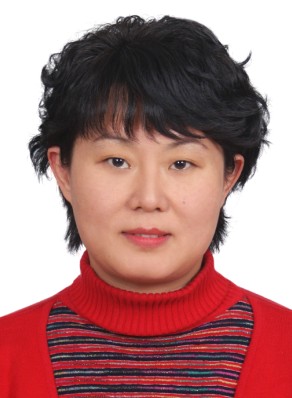 Fang Dong (董方)合作论文数Beijing Children's Hospital, Capital Medical University3Chen Sun合作论文数2Yang Xin合作论文数2
 Kaihu Yao (姚开虎)合作论文数Beijing Children's Hospital, Capital Medical University2
 Suyun Qian (钱素云)合作论文数Beijing Children's Hospital, Capital Medical University2Jing-Yun An (安璟云)合作论文数1junhong ceng (曾俊红)合作论文数1Yan Wang合作论文数1Yang ZHEN (甄杨)合作论文数1Wei ZHOU (周为)合作论文数1Xi Yang合作论文数1Ping Lü合作论文数1DongXia Feng (冯东霞)合作论文数1QingYing Meng (孟庆颖)合作论文数1QingXiu Zhang (张清秀)合作论文数1Qun Ge (葛群)合作论文数1




