Objective To evaluate the effect of lipitor on the biomechanics of carotid atherosclerotic plaques using velocity vector imaging(VVI).Methods Fifty-eight patients were divided into two groups:the curative group taken with lipitor(40mg)per night for three months and the control-group without any lipid-lowering treatment.The biochemical test was performed,and velocity,strain and strain rate of the proximal shoulder of the plaque were detected 3 month's before and after lipitor therapy using VVI.The level of blood lipid,the maximal velocities,the maximal strains,and the maximal strain rates of pre-treatment and post-treatment at systolic phase were compared.Results 3 month's after lipitor treatment,the maximal velocities,the maximal strains and the maximal strain rates of the proximal shoulders of the plaques at systolic phase were significantly reduced compared with those of pre-treatment(P<0.05).The biochemical parameters of total cholesterol,triglyceride,low density lipoprotein were also significantly lower than those of pre-treatment(P<0.05).High density lipoprotein was not different between pre-and post-treatment(P>0.05).While there was no significant difference of all above parameters between pre-and post-treatment in control group(P<0.05).Conclusions VVI technique can be regarded as a noninvasive and quantitative method to evaluate the biomechanics of atherosclerotic plaques,and lipitor can not only lower the level of blood lipid,but also stabilize the biomechanics of carotid atherosclerotic plaques actively.
Objective To investigate the feasibility and the clinical value of strain and strain rate imaging combined with cold pressor test(CPT)in assessing reserve of strain and strain rate of brachial artery in normal adults.Methods One hundred and eight normal adults were involved.Maximum of radial strain(RSmax),and maximum of radial strain rate(RSRmax)of brachial artery were measured,which were supplied by automatic analysis software.The datas after CPT were compared with those before CPT,and reserve of strain and strain rate were calculated.Results There were significant differences between the RSmax and RSRmax of brachial artery before CPT and those after CPT(P<0.05).Normal reference range of reserve of strain was(25.26±6.35)%,and normal reference range of reserve of strain rate was(30.06±7.57)%.Conclusions The RSmax and the RSRmax of brachial artery could be evaluated quantitatively by it in normal adults.Reserve of strain and strain rate could be gained under CPT.
Objective To assess the value of approximal side angle of carotid atherosclerotic plaques in patients with cerebral infarction by ultrasonography.Methods One hundred and seventy six patients with carotid atherosclerotic plaques were examined with uItrasonography and divided into two groups:cerebral infarction group (n=67)and none cerebral infarction group(n=109).Vessel area and residual lumen area of carotid artery were measured in axial view using linear probe.Area stenosis rate was calculated.The approximal side angle and thickness of plaque were measured respectively.The results of two groups were compared.Results The approximal side angle of plaque of cerebral group was significantly higher than that of none cerebral infarction groups(P<0.05).The sensitivity and specificity for approximal side angle of plaque(cutoff value:13.0°)were 79.1%,71.6%,respectively.There were no significant difference of area stenosis rate and plaque thickness between two groups(P>0.05).Conclusions The approximal side angle of plaque can be regarded as a novel index to assess the stability of plaque.
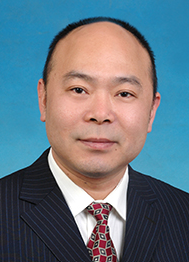 Pintong Huang (黄品同)合作论文数The Second Affiliated Hospital Zhejiang University School of Medicine2
 Haiyan Sun (孙海燕)合作论文数2Chunpeng Zou (邹春鹏)合作论文数2Wang Li合作论文数1Yan Jiao合作论文数1XiaoYing Wu (吴笑英)合作论文数1HuiPei Jin (金慧佩)合作论文数1YaPing Zhao (赵雅萍)合作论文数1FuGuang Huang (黄福光)合作论文数1
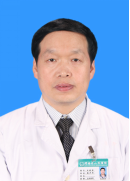 Xinqiao Tian (田新桥)合作论文数Henan Provincial People's Hospital1Liang Wang (王亮)合作论文数1
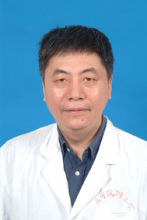 Xiaotong Wang (王小同)合作论文数The Second Affiliated Hospital & Yuying Children's Hospital of Wenzhou Medical University%_%The Second Clinical College of Wenzhou Medical University1




