Xu, Shu-xian MD; Xie, Xin-hui MD; Su, Dezhen MD; Liu, Zhongchun MD, PhD Author Information
目的:探讨情绪稳定剂(MSs)和苯二氮艹卓类药(BZs)对无抽搐电休克治疗(MECT)诱导癫痫发作阈值、刺激电量和癫痫发作持续时间的影响.方法:347例接受MECT治疗的精神障碍患者根据用药情况分为MSs组(79例)、BZs组(87例)、合用组(118例)和对照组(63例),采用MECT从低剂量开始滴定刺激电量.记录阈值电量、每次治疗电量和癫痫发作持续时间,并进行组间比较.结果:各组MECT阈值电量、平均刺激电量及诱导的癫痫发作持续时间比较差异有统计学意义(P均<0.01);各组阈值电量依次为合用组>MSs组>BZs组>对照组;平均刺激电量依次为合用组>MSs组>BZs组>对照组;诱导癫痫发作持续时间依次为对照组>BZs组>MSs组>合用组.结论:服用MSs或BZs的精神障碍患者进行MECT治疗时出现癫痫发作时间缩短和刺激电量增加;其中服用MSs对其的影响大于BZs;MSs和BZs合用时对此影响更大.
This meta-analysis was conducted to estimate the overall association between maternal exposure to pesticides and risk of ASD in offspring. PubMed, EMBASE, Web of Science, and the PsycINFO were searched until December 30, 2020 to include eligible studies. Eight studies with 50,426 participants, 5810 of whom had ASD, were involved in the study. Overall, the summary OR (95% confidence interval) of ASDs in offspring for maternal exposure to pesticide estimated by residential proximity measures and self-report was 1.88 (1.10–3.20). However, maternal exposure to pesticide measured by biomarkers was not associated with an increased risk of ASDs (pooled OR 1.13; 95% CI 0.83–1.54). Further well-designed studies are needed to confirm our findings.
抗N-甲基-D-门冬氨酸受体脑炎(NMDAR)是一类中枢神经系统自身免疫性疾病,临床表现复杂多样,常以精神异常、认知功能受损、言语及运动障碍、意识状态改变为主要表现,易出现误诊或者诊断延迟的情况.本文结合案例探讨抗NMDAR脑炎所致精神障碍与功能性精神障碍的区别,以提高该疾病的诊治效率.
Background: The severe acute respiratory syndrome coronavirus 2 (SARS-CoV-2) may persist in patients with coronavirus disease 2019 (COVID-19) despite receiving standard care. Methods: In this pilot study of hospitalized adult patients (≥18 years of age), with radiologically confirmed pneumonia who were SARS-CoV-2 positive for more than 28 days despite standard care, were assigned to receive standard of care (SOC, grp I) or leflunomide + SOC (grp 2). After 2 weeks, grp 1 and grp 2 patients who continued to be SARS-CoV-2-positive received leflunomide for 14 days while continuing SOC. The primary outcomes were the rate of and time to SARS-CoV-2 clearance and the 14-day and 30-day hospital discharge rate. Results: 12 patients were enrolled in grp 1 and 15 patients were in grp 2. The 14 days SARS-CoV-2 viral clearance rate was 80.0% (12/15) for grp 2 patients receiving leflunomide vs. 16.7% for grp 1 patients (2/12) (p = 0.002). By day 14, the median time to SARS-CoV-2 clearance was 6.0 days (range 1–12, IQR 1–12) for grp 2 patients. In grp 1, two patients converted to viral negative on days 1 and 6 (p = 0.002). The 14-day discharge rate was 73.3% (11/15) for the grp 2 vs. 8.3% (1/12) for grp 1 (p = 0.001). The 30 days discharge rate was 100% (15/15) for the grp 2 vs. 66.7% (8/12) for grp 1. No severe adverse events or deaths were reported. Conclusion: Leflunomide may improve the SARS-CoV-2 clearance rate and discharge rate in patients with refractory COVID-19. The tolerability of the 14–28 days course of treatment with leflunomide is acceptable. These preliminary observations need to be verified by a large sample size and randomized controlled trial.
电休克治疗(electroconvulsive therapy, ECT)对抑郁发作有效[1].但ECT的治疗机制不清,一般认为诱发癫痫波是其产生治疗作用的关键[2].刺激电量越大越容易诱发癫痫波,但同时也容易产生认知不良事件, 如何找到针对个体最合适的刺激电量成为ECT治疗的重要考量.
OBJECTIVE To evaluate the safety and efficacy of leflunomide for the treatment of refractory COVID-19 in adult patients. DESIGN Open-label controlled study SETTING A designated hospital for patients with refractory COVID-19 in Wuhan, China. PARTICIPANTS 27 hospitalized adult patients (≥18 years of age) with radiologically confirmed pneumonia and SARS-CoV-2 positive for more than 28 days despite standard care were assigned to receive standard of care (SOC, grp I) or leflunomide + SOC (grp 2). After 2 weeks, grp 1 and grp 2 patients who continued to be SARS-CoV-2-positive received leflunomide for 14 days while continuing SOC. MAIN OUTCOME MEASURES The primary outcomes were the rate of and time to SARS-CoV-2 clearance and the 14-day and 30-day hospital discharge rate. RESULTS Twelve patients enrolled in grp 1 and 15 patients were in grp 2. The 14 days SARS-CoV-2 viral clearance rate was 80.0% (12/15) for grp 2 patients receiving leflunomide versus 16.7% for grp 1 patients (2/12) (P=0.002). By day 14, the median time to SARS-CoV-2 clearance was 6.0 days (range 1-12; IQR 1-12) for grp 2 patients. In grp 1, two patients converted to viral negative on days 1 and 6 (P=0.002). The 14-day discharge rate was 73.3% (11/15) for the grp 2 versus 8.3% (1/12) for grp 1 (P=0.001). The 30-day discharge rate was 100% (15/15) for the grp 2 versus 66.7% (8/12) for grp 1. No severe adverse events or deaths were reported. CONCLUSION Leflunomide is effective in enhancing SARS-CoV-2 clearance and hospital discharge in refractory COVID-19 patients. The addition of leflunomide to SOC did not increase adverse events versus SOC. These preliminary observations underscore a need for a randomized clinical study of leflunomide in SARS-CoV-2 infection.
Purpose: To clarify the epidemiological, clinical, and therapeutic features of patients with severe COVID-19. Methods: In this study, we enrolled 681 patients with confirmed cases of severe COVID-19. The epidemiological, demographic, clinical, laboratory, treatment, and outcome data were collected. Results: The median age of the study participants was 65 years, 53.2% were male, and 104 (15.3%) died. Age, Neutrophil-To-Lymphocyte Ratio (NLR), acute myocardial injury, and levels of C-reactive protein (CRP), lactate dehydrogenase (LDH), and CD3 T cells counts were independently associated with death, while arbidol and ribavirin were protective from death. The combination of NLR and acute myocardial injury on admission (AUC = 0.914) predicted mortality better than NLR, CRP, LDH, and acute myocardial injury. There were 312 (45.8%) patients with cardiovascular disease, of whom 23.4% died. beta-blockers, ACEI/ARB, arbidol, and ribavirin might have a beneficial effect for severe COVID-19 patients with cardiovascular disease. Conclusion: The combination of NLR and acute myocardial injury on admission was highly predictive of mortality and survival. Clinicians should adopt more aggressive strategies for patients with a high NLR (>6.66) combined with myocardial injury. beta-blockers and ACEI/ARB, as well as arbidol and ribavirin, were effective in COVID-19 patients with cardiovascular disease. (C) 2020 Published by Elsevier Inc.
Background: To investigate the clinical characteristics and manifestations of older patients with coronavirus disease 2019 (COVID-19). Methods: In this retrospective study, 566 patients with confirmed COVID-19 were enrolled and the clinical characteristics, laboratory findings, complications and outcome data were collected and analyzed. Results: Among the 566 patients (median age, 61.5 years) with COVID-19, 267 (47.2%) patients were male and 307 (54.2%) were elderly. Compared with younger patients, older patients had more underlying comorbidities and laboratory abnormalities. A higher rate of acute respiratory distress syndrome (ARDS), acute cardiac injury and heart failure was observed in the older group as compared with younger and middle-aged groups, particularly those oldest-old patients (>75 years) had more multi-organ damage. Older patients with COVID-19 were more likely to suffer from acute cardiac injury in cases with preexistenting cardiovascular diseases, while there was no difference among the three groups when patients had no history of cardiovascular diseases. Older patients present more severe with the mortality of 18.6%, which was higher than that in younger and middle-aged patients ( P <0.05). Multivariable analysis showed that age, lymphopenia, ARDS, acute cardiac injury, heart failure and skeletal muscle injury were associated with death in older patients, while glucocorticoids may be harmful. Conclusions: Older patients, especially the oldest-old patients were more likely to exhibit significant systemic inflammation, pulmonary and extrapulmonary organ damage and a higher mortality. Advanced age, lymphopenia, ARDS, acute cardiac injury, heart failure and skeletal muscle injury were independent predictors of death in older patients with COVID-19 and glucocorticoids should be carefully administered in older patients.
Olanzapine is a second generation antipsychotic. A common side effect in humans is weight gain, but the mechanisms are mostly unknown.
目的 了解第二代抗精神病药(氯氨平、奥氮平、喹硫平、阿立哌唑)对大鼠体重、空腹血糖、胰岛素和C肽分泌的影响.方法 25只雌性SD(Sprague Dawley,SD)大鼠随机均分成5组.分别给予氯氮平20 mg/(kg·d)、奥氮平5 mg/(kg·d)、喹硫平20 mg/(kg·d)、阿立哌唑5mg/(kg·d)和生理盐水灌胃,共28 d.在第1、7、14、28天分别剪尾采血,测体重及空腹血糖,于第28天测定空腹血浆胰岛素和C肽水平.结果 适应性喂养1周后,5组大鼠的空腹血糖和体重水平差异无统计学意义(P>0.05).持续灌胃第14及28天,氯氮平、奥氮平和喹硫平组空腹血糖高于空白时照组(P<0.05);持续灌胃28 d,氯氮平、奥氮平组的体重高于空白对照组(P<0.05);与未加处理因素前(第1天)相比,氯氮平、奥氮平和喹硫平组体重和空腹血糖随时间的延长而增加(P<0.05),而阿立哌哇组的变化无统计学意义(P>0.05).持续灌胃第28天,氯氮平、奥氮平和喹硫平组空腹血浆胰岛素和C肽水平高于空白对照组(P<0.05);而阿立哌唑组变化不明显(P>0.05).结论 氯氮平、奥氮平、喹硫平可引起大鼠胰岛素抵抗和血糖代谢异常.
Objective To investigate the executive function as well as the characteristics of the activation in the prefrontal cortex (PFC) of schizophrenia patients during the graded Tower of London test.Methods Near-infrared spectroscopy (NIRS) was used to assess hemoglobin concentration changes in the bilateral PFCs during the TOL tasks (at different levels of difficulty) in 30 schizophrenia patients and 30 age-and gender-matched healthy controls.The Positive and Negative Syndrome Scale (PANSS) was used to assess the psychiatric symptoms of the patients.Results (1) The numbers of the correct answers of all the three difficulty levels of TOL in the schizophrenia group were less than that of the control group,while the response time were longer than that of the latter.(2) The majority of the prcfrontal areas of the normal controls were significantly activated during TOL task.And compared with the controls,the patients were characterized by significant decreased activation in the bilateral PFC during all levels of the TOL tasks (P <0.05).(3) The activation patterns of the two groups were different.The activations in middle areas of the prefrontal cortex in the normal controls were medium > easy > difficult (the △oxy-Hb of easy,medium and difficult were 4.05 ±4.89,5.93 ±3.94 and 2.12 ± 1.78 respectively,P <0.05).In the patients,there was no significant difference among the different levels of TOL (P > 0.05).There was no differences on activations in dorsolateral prefrontal cortex in the normal controls among the different levels of TOL (P >0.05),while for the patients,with the increasing of the difficulty of the TOL tasks,the activations were reduced instead (the Aoxy-Hb of easy,medium and difficult were 5.19 ± 9.12,3.14 ± 6.74 and 0.01 ±0.82 respectively,P < 0.05).Conclusion Schizophrenia patients have executive dysfunction,which may be explained by PFC dysfunction.The results further support that schizophrenia patients have hypofrontality,and different activation model during executive tasks.
目的:评价碱化血液治疗有机磷农药中毒的疗效。方法:我们通过检索近十五年数据库中关于碱化血液治疗有机磷中毒的随机对照研究(RCTSS),对纳入研究的方法学进行评价,对符合质量标准的RCTS进行Meta分析。结果:5个RCTS共770例患者纳入研究,其中治疗组(碱化血液)376例,对照组(常规治疗)394例。Meta分析结果表明碱化血液组的治愈率高于常规治疗组、病死率低于常规治疗组,对于患者继发肺水肿、脑水肿、电解质混乱等并发症方面,RCTS结果显示无显著差异。结论:相比传统质量方案,碱化血液治疗可缩短患者住院时间、提升存活率,且不增加发生其他不良结局的危险性,可作为有机磷中毒患者的治疗方案。
 Yao Li-hua合作论文数6
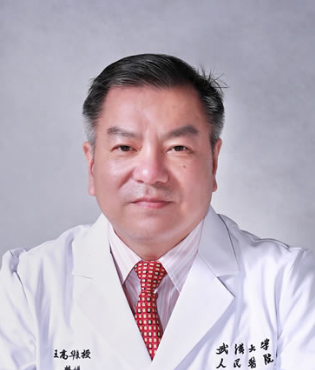 Gaohua Wang (王高华)合作论文数Hubei General Hospital;Renmin Hospital of Wuhan University5Shunsheng Xu合作论文数3Yi Zhang合作论文数3ShenHong Weng (翁深宏)合作论文数3Yingying Hu合作论文数2Guo Haipeng合作论文数2Ming Zhong合作论文数2Yingying Wu合作论文数2Wang Li (王利)合作论文数2
 Qiang Wang合作论文数2Jianchun Fei合作论文数2Li Yan (李艳)合作论文数2Yan Sun合作论文数2Ya Liu合作论文数2FengPing Qin (秦凤萍)合作论文数2YanXia Gao (高延霞)合作论文数2Zhao Hu (胡昭)合作论文数2Ning Zhong (钟宁)合作论文数2
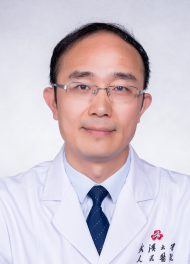 Zhongchun Liu (刘忠纯)合作论文数Taikang Center for Life and Medical Sciences, Wuhan University2
 Yuan Li (李媛)合作论文数2Bei Jiang (江蓓)合作论文数2
 Xiangdong Jian (菅向东)合作论文数Qilu Hospital, Shandong University2Zhouyan Bian (卞洲艳)合作论文数Renmin Hospital, Wuhan University2
 Xinguo Hou (侯新国)合作论文数Cheeloo College of Medicine, Shandong University;Qilu Hospital of Shandong University2Tian-zi JIANG (蒋田仔)合作论文数1Renmin Hospital of Wuhan University合作论文数1Xueyan Yu合作论文数1Xueyuan Yu合作论文数1
 Ying Wang合作论文数1min wang (王敏)合作论文数1Linlin Liu (刘琳琳)合作论文数1Songjie Wu合作论文数1Ya-Peng Liu合作论文数1Chenchen Wei合作论文数1MEI Sheng-lan (梅胜兰)合作论文数1Shu-Xian Xu合作论文数1Shiming Tang合作论文数1Shihao Wu合作论文数1Cai Nan (南彩)合作论文数1HeSheng Wang (王熇生)合作论文数1Yi Xu (徐翊)合作论文数1NianDan Hu (胡念丹)合作论文数1Xin Yi (易欣)合作论文数1WenQiang Li (李文强)合作论文数1Zhen Chen (陈阵)合作论文数1Cheng Chen (陈诚)合作论文数1Hao Liu (刘浩)合作论文数1




