康复医疗是重要民生工程,也是连续性医疗服务体系的重要组成部分,及时有效的康复治疗介入能够有效缓解疾病带来的痛苦,减少功能障碍和残疾发生率,提高患者生活质量和适应社会的能力[1].我国康复医学的发展起步较晚,康复医疗体系的资源供应、服务能力等方面存在诸多问题,康复服务整体规模较小,尤其是在人口老龄化加剧、慢性病致残率上升以及疾病诊断相关分组(diagnosis related groups,DRG)和按病种分值付费(Diagnosis-Intervention Packet,DIP)支付制度改革的推动下,供需存在较大缺口,数量庞大的具有神经康复、骨科康复等需求的患者急性期治疗出院后由于缺乏延续性的康复护理服务而导致再住院,或发展为永久性的功能残疾,生活质量无法得到保证,也致使急性医疗、长期护理体系负担过重,医疗卫生资源被过度使用和浪费.我国康复医疗体系发展不充分的原因有多个方面,其中现行的医疗保障制度对康复医疗服务保障水平不高,特别是缺乏符合康复医疗特点的、合理的医保支付制度,是制约康复医疗服务体系发展的重要因素[1].
背景 国家基本公共卫生服务项目自2009年至今已开展13年,是我国迄今为止针对高血压患者开展的最大范围的人群干预实践,了解该人群对干预实践的反馈,对于推动国家基本公共卫生服务的持续发展非常重要。目的 探讨高血压患者的国家基本公共卫生服务自评受益率与满意度,为促进国家基本公共卫生服务实现高质量发展提供科学依据。方法 采用多阶段分层抽样方式,于2019年11—12月在我国东、中、西部地区5市10区(县)20个社区卫生服务中心或乡镇卫生院抽取2 419例≥35岁的高血压患者进行问卷调查。问卷由两部分组成:一般人口学信息和高血压患者健康管理情况。结果 86.26%(2 072/2 402)的调查对象认为其所接受的基本公共卫生服务对其健康改善具有帮助。分别有97.15%(2 349/2 418)、94.09%(2 275/2 418)、88.16%(2 129/2 415)、87.81%(2 118/2 412)、61.36%(1 469/2 394)、95.04%(2 297/2 417)、83.67%(2 013/2 406)、82.34%(1 981/2 406)、95.53%(2 310/2 418)的高血压患者对医护人员服务态度、医护人员服务水平、体格检查、健康教育、中医药治疗、随访服务、高血压并发症筛查、血压控制效果及总体服务表示满意。不同文化程度、不同自评健康状况、是否在基层首次发现血压异常、过去1年内接受不同随访服务次数的高血压患者的自评获益率比较,差异有统计学意义(P<0.05);不同文化程度、是否在基层首次发现血压异常、过去1年内接受不同随访服务次数的高血压患者总体服务满意度比较,差异有统计学意义(P<0.05)。结论 高血压患者的国家基本公共卫生服务自评受益率及满意度较高,应注重国家基本公共卫生服务的规范提供及城乡同质化,以促进国家基本公共卫生服务实现高质量、可持续的发展。
目的 了解居民对基层健康教育的利用情况与满意程度,为进一步完善基层健康教育的开展、促进基本公共卫生服务均等化提供借鉴.方法 采用方便抽样方法,选取我国东中西部各1个省份(浙江省、山西省、重庆市),对在基层医疗卫生机构就诊的居民共10213人进行基层健康教育参与情况、参与方式与满意度调查.结果 居民健康教育参与率为87.9%(95%CI:87.3%~88.5%),重庆市(73.0%)、社区卫生服务中心(84.1%)、家庭人均月收入≤2000元(86.3%)的居民参与率明显较低(P<0.001);有64.4%的孕产妇期望以网络推送的方式接受健康教育,但其有66.9%实际是以印刷资料的方式接受健康教育;有69.5%的65岁及以上非高血压/糖尿病老年人期望以健康知识讲座的方式接受健康教育,但其有66.0%是以健康教育宣传栏的方式接受健康教育;居民对基层健康教育的满意率为77.2%(95%CI:76.4%~78.0%),重庆市满意率(71.8%)明显较低(P<0.001),家庭人均月收入>10000元的居民满意率(83.2%)明显较高(P<0.001).结论 目前居民健康教育参与程度处于较高水平,但满意程度有待提高,居民实际参与健康教育方式与期望方式存在较大差异,基层提供的健康教育仍需进一步改善.
Background The creation of health records for Chinese residents is a key task for deepening the reform of the pharmaceutical and healthcare system, and an important action for promoting the equity of essential public health services. However, domestic studies on resident health records are mainly using the data from a city or community, and those using the national data from a demand-side perspective are rather scarce. Objective To understand the creation and utilization of health records in Chinese residents. Methods From November to December 2019, multistage sampling was used to select three provinces/municipality (Zhejiang, Shanxi and Chongqing) from eastern, central and western China (one was extracted from each geographical region) , then from each of them, one urban district and one county were extracted. Randomly selected 2 community health centers/stations, township health centers/village clinics in the corresponding districts (counties) . Finally, 20 community health service centers/township health centers were selected, the visitors of these institutions were invited to attend a questionnaire survey for understanding their information about the creation of health records, and the access to the health records, as well as satisfaction with the services. For ease of analysis, the visitors were classified into six categories (0-6-year-olds, pregnant women, over 65-year-olds, hypertensioners, diabetics, and general population) in accordance with the population groups defined in the Essential Public Health Service Programs. Results Altogether, 10 067 residents were included for final analysis. Among them, 9 119 (90.58%) self-reported that they had received health records creation services. The rates of creation of health records in 0-6-year-olds, pregnant women, over 65-year-olds without hypertension/diabetes, over 65-year-olds with hypertension, under 65-year-olds with hypertension, over 65-year-olds with diabetes, and under 65-year-olds with diabetes, as well as general population were 94.09% (2 787/2 962) , 95.60% (956/1 000) , 87.87% (616/701) , 88.87% (1 414/1 591) , 92.91% (747/804) , 89.41% (895/1 001) , 92.72% (471/508) , and 82.20% (1 233/1 500) , respectively. Among those with health records created, 67.02% (5 990 / 8 938) could access to their health records at any time, and the health records accessed by most of them were printed〔75.76% (4 538/5 990) 〕. However, 12.40% (1 108/8 938) of residents reported that they had no access to their health records, and other 20.59% (1 840/8 938) indicated that they had never tried to gain access to their health records. The rate of satisfaction with health records services in residents was 83.31% (4 352/5 224) . The rate of health records creation and rate of accessing the health records differed significantly by province, district or country, household monthly income per person, education level, and category of population (P<0.05) . The rates of satisfaction with the creation of and access to health records differed significantly by province, type of visited health institution, district or country, household monthly income per person, education level, and category of population (P<0.05) . Conclusion Generally, the rate of creation of health records in Chinese residents has significantly increased. The rate of utilization of the records has also enhanced, but needs further improvement. Moreover, residentssatisfaction with health records services may be at a moderate level.
目的 了解我国三级公立医院医生与护士的离职意愿情况及影响因素.方法 2019年3月对全国144家三级公立医院开展第四次"全国改善医疗服务行动计划第三方评估",对医护人员离职意愿的现状及影响因素进行调查.采用χ2检验对医生和护士的离职意愿情况进行组间比较,采用logistic回归分析进行影响因素分析.结果 共有24529份医生和28910份护士有效问卷.此次调查显示,24.72%的医生和22.02%的护士最近经常有换工作的想法,医生和护士在未来一年会因对目前工作不满而选择离职的比例分别是65.66%、70.80%,医生和护士离职后选择不再继续从事目前职业的比例分别是57.30%、76.53%.影响医护人员离职意愿因素包括年龄、婚姻状况、从业年限、税后年收入、地区、职业倦怠水平,对医患关系、工作负荷、兼顾工作和家庭的感知情况,对收入的满意度、工作满意度和健康状况等.结论 三级公立医院医生和护士离职意愿水平较高,医疗机构应着力改善医患关系、合理安排医护人员的工作强度,积极应对医护人员职业倦怠并改善其健康状况,以减轻相关因素对医护人员离职意愿的负面影响.
目的 调查我国三级公立医院护士薪酬满意度,分析其影响因素,为稳定护士队伍提供参考.方法 依托第5次"全国改善医疗服务行动第三方评估"项目,选取全国31个省(自治区、直辖市)及新疆生产建设兵团共136家三级公立医院护士进行调查.应用SPSS 23.0软件对数据进行统计学分析.结果 护士薪酬满意度为43.6%.医院所在地区、医院类型、护士工作年限、职称、所在科室、聘用形式、行政职务和教学任务担任情况、工作负荷、休息室提供是否充足以及对子女从医态度等,是护士薪酬满意度的影响因素.结论 三级公立医院护士薪酬总满意度较低.应从国家层面和医院层面完善绩效分配制度,切实体现护士劳动价值,从而稳定护理队伍.
Objective:To understand the changes in the practice environment from the perspective of doctors in 136 tertiary public hospitals, and to provide evidence for formulating strategies and measures to improve the practice environment of doctors.Methods:The data was collected from five rounds of China Healthcare Improvement Evaluation Survey from December 2015 to March 2021. The sample size was 17 945, 19 774, 20 786, 23 289, and 22 836, with a total of 104 630. The self-designed questionnaire on four dimensions of doctor-patient relationship, workload, administrative logistics support and professional identity was performed.Results:From the 1st to the 5th survey, the approval ratio of " the administrative and logistics department of this hospital is highly efficient" showed the characteristics of " U-shaped distribution" , and the approval ratio of " approve or encourage children to continue to engage in medical work" increased from 13.38% to 23.91%.From the 2nd to the 5th survey, the percentage of doctors who experienced doctor-patient disputes dropped from 28.96% to 23.20%, and the percentage of doctors agreeing that the relationship between doctors and patients in this hospital was improving continued to increase from 33.20% to 60.45%.From the 3rd to the 5th survey, the proportion of doctors experiencing medical troubles dropped from 15.10% to 14.19%, and the recognition rate of " the cafeteria of this hospital provided medical staff with nutritious and delicious meals" increased from 36.25% to 47.52%, and the approval proportion of " my current work load is heavy" dropped from 61.55% to 45.24%. The results of the 5th survey showed that there were significant differences in the approval ratios of each dimension in different genders, job titles and hospital types( P<0.001). Conclusions:From the perspective of doctor-patient relationship, workload, administrative logistics support, and professional identity, the improvement of doctors′ practice environment is still insufficient. Hospital administrators should continue to focus on the improvement of the doctor-patient relationship, and take necessary measures to reduce doctors′ workload and improve doctors′ professional identity.
目的 了解我国三级公立医院医生对患者参与治疗决策的认知和实践现状,为进一步提高患者治疗决策参与度提出建议.方法 依托第5次"全国改善医疗服务行动第三方评估"项目,选取全国31个省(自治区、直辖市)及新疆生产建设兵团共136家三级公立医院医生进行问卷调查.结果 共收回22836份有效问卷.其中,认为有必要让患者参与治疗决策和鼓励患者说出对于治疗方案意见的医生分别有18405名(占比80.6%)和18353名(占比80.4%),面对不同治疗方案时倾向于尊重患者意见的医生有12040名(占比52.7%).除职称外,不同特征医生认为有必要让患者参与治疗决策的比例和鼓励患者说出对于治疗方案意见的比例具有统计学意义(P<0.05).除职称和地区外,不同特征医生面对不同治疗方案倾向于尊重患者意见的比例具有统计学意义(P<0.05).结论 我国三级公立医院医生对患者参与治疗决策持积极态度,但在治疗过程中受多种因素影响未有效落实.各医院可结合自身实际,制定鼓励患者参与治疗决策的相关措施.
Objective:To analyze the current level and dynamic change of the salary and income satisfaction rate of doctors in Chinese tertiary public hospitals in recent years.Methods:In January 2018, March 2019 and March 2021, the project team of " the third party evaluation of the China Healthcare Improvement Initiative" conducted a questionnaire survey among doctors of 136 tertiary public hospitals in 31 provinces. The first-line clinicians were investigated by stratified sampling method. The salary level and satisfaction of doctors were investigated by questionnaire. Chi square test was used for comparison between groups.Results:The sample size of the three surveys was 20 786, 23 289 and 22 836 respectively. The median value of doctors′ actual income after tax in 2017, 2018 and 2020 was 100 800 yuan, 120 000 yuan, 150 000 yuan respectively, and the median expected annual income after tax was 196 000 yuan, 250 000 yuan and 250 000 yuan. The proportion of doctors satisfied with the current income was 16.5%, 17.8% and 26.9% respectively. The salary and satisfaction rate of doctors had an upward trend, but the overall level was still low.Conclusions:In recent years, the salary of doctors in tertiary public hospitals in China has been improved to a certain extent, but on the whole, it is at a low level, and there is still much room for improvement. In the future, the government needs to improve the hospital salary system and increase the salary of doctors continuously, especially needs to pay attention to the doctors with high education level and intermediate titles.
目的:利用扎根理论探讨基本公共卫生服务提供质量的影响因素,为促进高质量均等化的基本公共卫生服务提供建议与参考.方法:2019年11-12月,采用目的抽样法抽取浙江省、山西省、重庆市进行调查,对3省市的基层医疗机构管理人员进行访谈,并对转录资料进行三级编码分析.结果:通过三级编码抽象出基本公共卫生服务提供重要影响因素9个,并将其归纳为基层公共卫生人力资源、基层医疗卫生机构建设和外部环境3个层面,形成基本公共卫生服务提供影响因素的框架.外部政策环境会影响基层医疗卫生机构建设和基层公共卫生人员现状,二者的能力及水平会直接影响服务项目提供的质量;居民的认知会影响其对基本公共卫生服务的利用.结论:应该增强人员与机构的整体服务能力,建立健全人才引进机制,减轻基层工作负担,加大项目宣传力度.
Objective:To analyze the salary level, change trend and salary satisfaction of nurses in tertiary public hospitals in China.Methods:The data was derived from three round third-party evaluation of the China Healthcare Improvement Initiative at 136 tertiary public hospitals from December 2017 to January 2018, March 2019 and January to March 2021. The self-reported salary, expected salary and salary satisfaction rate of nurses were analyzed.Results:The sample sizes of the three evaluations were 27 575, 27 568 and 25 197, representing the salary situation in 2017, 2018 and 2020 respectively. In 2017, 2018 and 2020, the actual average annual salary of nurses was 81 600 yuan, 100 000 yuan and 110 000 yuan respectively, the expected average annual salary was 140 000 yuan, 160 000 yuan and 160 000 yuan respectively, and the ratio of expected salary to actual salary was 1.72, 1.60 and 1.45 respectively. In 2017, 2018 and 2020, the proportion of nurses satisfied with their current income was 34.0%, 33.7% and 43.6% respectively. In 2020, nurses in the eastern region, other specialized hospitals, senior professional titles and graduate degrees had highest annual salary.Conclusions:The salary level and satisfaction rate of nurses in tertiary public hospitals in China show a slow growth trend, and the gap between actual salary and expected salary is gradually narrowing.
背景 国家基本公共卫生服务已经实施十多年并取得了一定的成效,基层基本公共卫生服务从业人员作为服务的直接提供者,研究其工作的满意度及影响因素,有利于提高服务的质量与效率.目的 了解基层基本公共卫生服务从业人员总体工作满意度及其影响因素,并提出相应的建议.方法 于2019年11—12月,从浙江省、山西省、重庆市3个省(市)分别选取2个市辖区作为调查地区,其次依据各地区社区卫生服务中心/乡镇卫生院名单进行方便抽样,共抽取53个基层医疗卫生机构,每个机构至少随机调查10例基本公共卫生服务的从业人员.利用自行设计问卷对553例从事基本公共卫生服务的医务人员进行调查,问卷内容包括一般人口学特征、工作总体满意度及10项满意度因子.结果 回收有效问卷553份,基层基本公共卫生服务从业人员工作总体满意得分为(3.66±0.77)分,60.5%(334/552)从业人员对总体工作感到满意或非常满意.在各项满意度因子中,医患关系得分最高,为(3.84±0.68)分,工作强度满意度最低,为(2.86±0.81)分.多因素逐步Logistic回归分析结果显示,社会尊重、绩效考核、工作能力和工作强度是基本公共卫生从业人员工作总体满意度的影响因素(P<0.05).结论 从事基本公共卫生服务的医务人员工作总体满意度一般,应增强社会公众对基本公共卫生服务从业医务人员的尊重,优化绩效考核制度,减轻工作负荷,提高从事基本公共卫生服务医务人员的工作满意度.
目的:了解我国136家三级公立医院防御性医疗检查存在的普遍情况及动态变化,并为减少防御性医疗提出建议。方法:利用2016—2018年连续三年"进一步改善医疗服务行动计划"第三方评估项目组在全国31个省(自治区、直辖市)和新疆生产建设兵团的136家三级公立医院每年近四万医护人员问卷调查资料,分析他们对防御性医疗检查普遍程度的认知情况及变化趋势。结果:三年间,医护人员对"为了避免医疗纠纷,医生做不必要的检查是普遍现象"这一条目的总体同意率分别为13.1%、24%和16.3%,其中医生对这一条目的同意率分别为16%,28.4%,21.6%,护士对这一条目的同意率分别为10.3%,20.3%,12.1%,医生的同意率普遍高于护士。结论:与国际上比较,三年间我国主要三级公立医院医护人员对防御性医疗检查存在的同意率总体不算高,但有上升趋势。
目的:了解接受调查的全国三级公立医院医护人员总体工作满意率,总结医护人员工作满意率反映的具体问题.方法:由"进一步改善医疗服务行动计划"第三方评估课题组于2018年(第三次)和2019年(第四次)在全国31个省(自治区、直辖市)的136家三级公立医院,以分层抽样的形式,邀请临床医生(n=48361人)和护士(n=50857人)进行在线问卷填写.本研究将医护人员对问题"总体上,我对目前所从事的工作感到满意"的正面回答的比例定义为总体工作满意率.结果:在两次评估中,医生对自己工作的总体满意率低于半数(2018年:34.6%;2019年:41.7%).护士的回答接近或略超过半数(2018年:48.7%;2019年:53.1%).2019年医生群体满意率最低的有综合医院(38.0%)、西部地区医院(39.6%),麻醉科、儿科和内科(分别为37.2%、37.6%、38.1%).2019年护士群体满意率最低的有中医医院(45.8%)、西部地区医院(47.3%)、皮肤科、急诊科和麻醉科(分别为44.5%、46.0%、48.6%).结论:在2018—2019年间,医护人员对自己工作的总体满意率虽然略有升高,但只有40%左右的医生对自己的工作持总体满意态度,其中综合医院、西部地区医院的医生群体以及儿科、内科、急诊科和麻醉科的医护人员满意率最低,提示政府和社会应重视医护人员工作满意率,优化工作环境、平衡各地区发展,针对不同科室采取重点干预.
该文将从老年医疗服务、文化艺术与精神照护、老年日间照护项目和机构养老服务4个方面简要介绍加拿大Baycrest老年医学中心的医疗照护模式,以及提供这些医疗服务的多学科协作团队.提出了在老年医疗和护理中要重视个体化关怀、建立“日间照料”照护模式、坚持创新和专业化原则的建议.
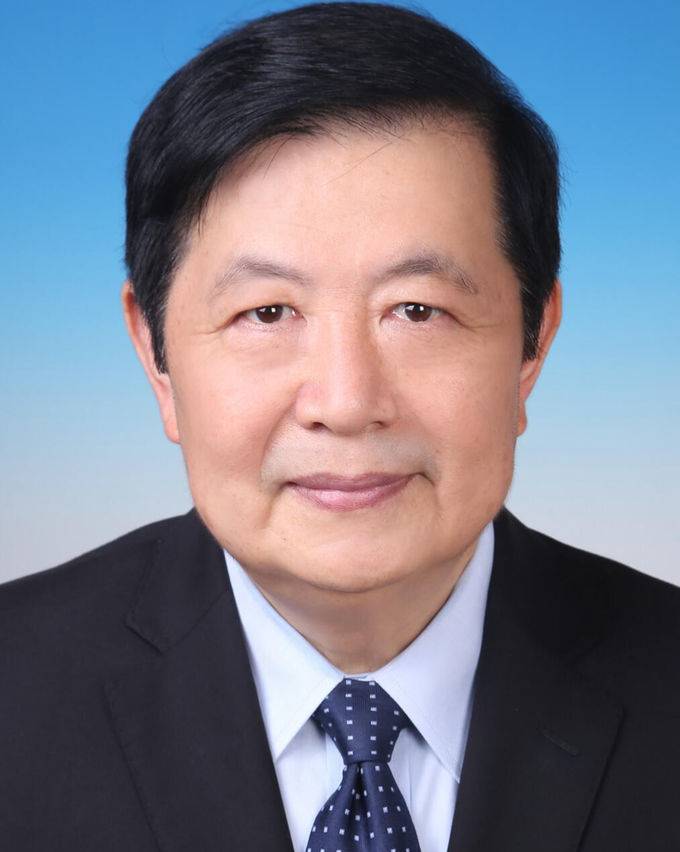 Yuanli Liu (刘远立)合作论文数School of Health Policy and Management, Peking Union Medical College13
 YiNuo Wu (吴依诺)合作论文数7Xuan ZHANG (张轩)合作论文数5LinLin Hu (胡琳琳)合作论文数5
 LiLi You (尤莉莉)合作论文数School of Health Policy and Management, Chinese Academy of Medical Sciences5FAN Zixuan (樊子暄)合作论文数4LIU Meicen (刘美岑)合作论文数4LIAN Jun (连隽)合作论文数3YANG Linghe (杨凌鹤)合作论文数3LIAO Zirui (廖子锐)合作论文数3JIANG Zhongshi (姜中石)合作论文数3
 Jing Ma合作论文数Harvard Medical School, Harvard University3ZAN Ziqing (昝子晴)合作论文数2yanqing guo (郭燕青)合作论文数2li yang (杨丽)合作论文数2Man Cao合作论文数2Zhao Jinhong (赵金红)合作论文数2ChenYang Pei (裴晨阳)合作论文数2Runnan Yan (闫润楠)合作论文数1Siqi Zhang合作论文数1DU Xinyu (杜昕昱)合作论文数1mengqi wang (王梦琪)合作论文数1YAN Mudan (颜穆丹)合作论文数1Zhang Shuai (张帅)合作论文数1tao li (李涛)合作论文数1Huanqian WANG (王焕倩)合作论文数1mengjia pan (潘梦佳)合作论文数1mengchun gu (顾梦纯)合作论文数1QIN Bing (秦冰)合作论文数1Qi ZHAO (赵琪)合作论文数1Fei Gao (高菲)合作论文数1
 Sun Jing合作论文数Menzies Hlth Inst Queensland, Griffith Univ1
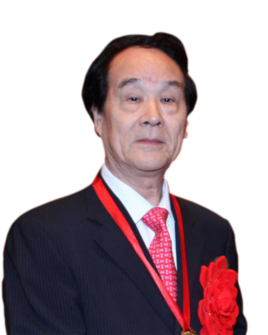 Tingfang Liu (刘庭芳)合作论文数清华大学医院管理研究院1
 Yuling Li (李玉玲)合作论文数Beijing Institute of Otolaryngology1Xinchen Fan (范新晨)合作论文数1




