Antigen heterogeneity substantially limits the efficacy of chimeric antigen receptor-modified T (CAR T) cell therapy against solid tumors. Our study highlights the potent antitumor activity of low-dose decitabine-primed CAR T (dCAR T) cells in solid tumor models, a benefit previously confirmed in hematologic malignancies. Notably, dCAR T cell infusion in immunocompetent mice led to substantial elimination of mixed tumor masses containing both antigen-positive and antigen-negative cells, without the need for prior lymphodepletion. Our analysis showed notable proinflammatory remodeling of the tumor immunosuppressive microenvironment. Crucially, antigen-activated dCAR T cells sustained high levels of interferon-γ production, which induced immunogenic cell death in tumor cells and activated conventional dendritic cells. This, in turn, stimulated endogenous CD8+ T cells, enhancing their antigen-spreading capacity and aiding in the clearance of abscopal antigen-negative tumors. These findings reveal the robust antigen-spreading capability of dCAR T cells, underscoring their clinical potential in addressing solid tumors with inherent antigen heterogeneity.
Synovial sarcoma (SS) is a rare and aggressive soft tissue sarcoma frequently associated with lung metastases. While anthracycline plus ifosfamide (AI) remains a standard first-line regimen, its benefit in SS patients with lung metastases is unknown. Anlotinib, a multi-target tyrosine kinase inhibitor (TKI), has shown promising effects in sarcoma treatment, but its combination with AI has not been well studied in this setting. This retrospective, single-center study included 108 SS patients with lung metastases treated between 2007 and 2024, receiving either AI alone (n = 59) or AI combined with anlotinib (n = 49). Survival outcomes were assessed using Kaplan-Meier analysis, and adverse events (AEs) were reviewed from clinical records. The results indicated that the combination therapy demonstrated statistically significant improvements in clinical outcomes compared to AI monotherapy, with a median PFS of 8.1 months versus 6.2 months (p = 0.0250), and a median OS of 14.8 months versus 6.8 months (p = 0.0033). Most AEs were Grades 1-2 according to common terminology criteria for adverse events (CTCAE) criteria, with manageable toxicity profiles. The combination group exhibited modest but clinically insignificant elevations in hypertension and proteinuria, with no reported treatment-related mortality. In conclusion, the anlotinib and AI chemotherapy combination regimen shows promising efficacy in prolonging survival duration for SS patients with lung metastases while maintaining an acceptable safety profile. These findings suggest that this combination therapy could be considered as a viable first-line treatment option for this patient population, warranting further validation through phase III randomized controlled trials.
Despite the success of CAR T therapy in non-Hodgkin lymphoma (NHL), recurrence remains challenging. Previously, we showed that ex vivo priming with decitabine (DAC) enhances CAR T persistence and efficacy. Here, we report on an open-label non-randomised phase I/II trial (NCT04697940) evaluating DAC-primed CD19/CD20 dual-targeted CAR T cells (dCAR T) in 23 patients with relapsed or refractory NHL. Primary endpoints are safety and dose-toxicity for phase I, and overall response rate and complete response rate (CRR) for phase II. Secondary endpoints include progression-free survival (PFS), overall survival, and duration of response. This trial has met pre-specified endpoints. Treatment is well tolerated and achieves durable responses, with an 87% CRR and a 2-year PFS of 77% (median follow-up, 24.3 months). Compared with historically unmodified CAR T cohorts, dCAR T cells exhibited robust in vivo expansion and sustained persistence. Single-cell sequencing indicates that DAC priming enriches for memory-like progenitors, which maintain cytotoxic and memory signatures, and upregulates genes associated with T cell fitness and engagement of endogenous immunity. These data establish DAC-priming as a clinically feasible epigenetic reprogramming strategy enhanceing CAR T durability and efficacy, offering a generalizable paradigm for engineered cell therapies in malignant tumors.
CD30-targeted chimeric antigen receptor (CAR) T-cell therapy faces clinical challenges in classical Hodgkin lymphoma (cHL). While current optimization strategies focus on CAR design, manufacturing protocols, and preconditioning regimens, tumor-intrinsic resistance mechanisms remain poorly understood. Our study revealed that CD30 in cHL cells is associated with N-glycans at Asn101 and Asn276, which are essential for protein stability but do not affect cell proliferation or apoptosis. Genetic ablation of these N-glycans or enzymatic deglycosylation significantly enhanced CD30-targeted CAR-T-cell accessibility to tumor cells, leading to improved T-cell activation and cytotoxic function. Notably, pretreatment with eliglustat, an FDA-approved glycosphingolipid synthesis inhibitor, selectively potentiated the antitumor activity of CD30-targeted CAR-T cells in wild-type CD30-expressing tumors but had minimal effects on CD30 glycosylation-deficient variants. Eliglustat combined with CD30-targeted CAR-T cells resulted in superior tumor control in xenograft models without additional toxicity. Mechanistically, eliglustat trimmed terminal sialic acids from CD30 N-glycans while preserving the core N-glycan structure. Furthermore, the addition of eliglustat also enhanced the tumor-killing activity of brentuximab vedotin (BV), a CD30-directed antibody-drug conjugate, both in vitro and in vivo. This glycoimmunotherapy paradigm represents a clinically actionable approach to overcome glycan-mediated immune evasion and enhance therapeutic efficacy in CD30-positive lymphomas.
In this single-arm, single-center, registrational phase 2 trial, tandem CD19/CD20 chimeric antigen receptor (CAR) T cell (TanCAR7) therapy showed promising efficacy and safety in patients with relapsed/refractory non-Hodgkin's lymphoma (r/r NHL). Here, we report 5-year follow-up results, including assessments of durable response, survival, and safety. We also investigated risk factors and biomarkers associated with treatment resistance or relapse and evaluated salvage therapies after CAR-T cell failure. Among 87 patients with r/r NHL treated with TanCAR7, the objective response rate was 78% (complete remission rate, 70%) with a median follow-up of 63.4 months. At data cut-off, 40% of patients remained in remission. Median overall survival (OS) was not reached, with an estimated 5-year OS rate of 60.1% and median progression-free survival (PFS) of 33 months. No new or unexpected TanCAR7-related serious adverse events or deaths were observed. High tumor burden and systemic inflammation were risk factors for resistance and relapse. In addition to CAR-T cell expansion in peripheral blood, high levels of endogenous CD8 + T cells and total lymphocytes after infusion correlated with treatment benefit. Salvage chemotherapy post TanCAR7 failure showed limited efficacy, whereas targeted therapy or secondary CAR-T cell therapy achieved clinical responses in a subset of patients. This first-ever 5-year follow-up analysis of a dual-targeted CAR T-cell therapy shows long-term remission potential and no new safety signals in patients with r/r NHL. Trial Registration: ClinicalTrials.gov: NCT03097770.
PURPOSE: In East Asia, melanoma mainly presents as the acral lentiginous subtype, followed by the cutaneous subtype. Patients with completely resected stage III or IV melanoma in East Asia are at a high risk of disease recurrence. The adjuvant efficacy of PD-1 inhibitors as monotherapy remains limited in this patient population, underscoring the need for combination strategies. PATIENTS AND METHODS: This prospective, single-arm, phase II trial (NCT05907512) aimed to investigate adjuvant recombinant human endostatin (rh-endostatin, an angiogenesis inhibitor) combined with toripalimab (a PD-1 inhibitor) in Chinese patients with resectable stage III to oligometastatic stage IV melanoma. The primary endpoint was 1-year relapse-free survival (RFS). Paired peripheral blood samples before and after the combined adjuvant therapy were collected for single-cell RNA sequencing, TCR/BCR sequencing, and biomarker identification. Two independent real-world cohorts of patients with locally advanced melanoma were assessed to validate the biomarkers. RESULTS: Forty-three eligible patients with resected stage III melanoma were prospectively enrolled. No patients with resected oligometastatic stage IV disease were enrolled. The 1-year RFS of the patients was 74.4%, with a median RFS of 27 months (95% confidence interval: 19, not reached). Anemia (12/43, 27.9%), elevated liver enzymes (11/43, 25.6%), and thyroid dysfunction (9/43, 20.9%) were the three most common treatment-related adverse events. The combined adjuvant therapy expanded the patients’ peripheral total T and NK cells, increased circulating CD8+ Tem and Teff cells and their TCR clonal diversities, improved the antigen-presenting capacity of B cells, elevated BCR clonal diversity, and raised the number of non-classical monocytes and their antigen-presenting capacity. The neutrophil-to-lymphocyte ratio and circulating CD8+ Tem cells were supported as candidate biomarkers associated with outcomes in the independent real-world cohorts. CONCLUSIONS: Adjuvant rh-endostatin combined with toripalimab shows encouraging clinical activity and may be associated with a potential survival benefit in Chinese patients with resected locally advanced melanoma. Adverse reactions were manageable. The increased quantities and functional changes of peripheral T cells, NK cells, B cells, and monocyte subsets provide mechanistic insights for the optimization of immunotherapy.
BACKGROUND:Heterotopic ossification (HO) represents a highly active research field in pathological bone formation. Despite substantial advancements, a comprehensive understanding of its underlying mechanisms and clinical trajectory remains incomplete. MATERIALS AND METHODS:A bibliometric and machine-learning latent Dirichlet allocation (LDA) analysis was performed using data retrieved from the Web of Science Core Collection database. RESULTS:A total of 4722 publications related to HO were identified. The most prolific countries included the USA, CHINA, GERMANY, the UK, JAPAN, SOUTH KOREA, ITALY, TURKEY, FRANCE, and CANADA . GERMANY demonstrated the highest citation strength, followed by CHINA . Aside from "heterotopic ossification," other frequently occurring author keywords included "fibrodysplasia ossificans progressive," "complications" and "total hip arthroplasty." In keywords plus, besides HO, replacement, bone-formation, and arthroplasty were the most frequently occurring terms. Institutional network analysis with subject-specific clustering indicated that Shanghai Jiao Tong University was significantly enriched in radiology, nuclear medicine and medical imaging, while Wilderness Spine Serv specialized in surgical management. A developmental timeline plot of a network of most contributing authors also was visualized, along with the most influential references. Meanwhile, citation analysis indicated that Kaplan FS and Shore EM were the top-cited authors. By LDA analysis, a total of 16 key topics were identified in this field with distinct period-proportion visualization. One of the topics, cell bone express differentiation and formation has clearly dominated the last 10 years. CONCLUSION:This study constitutes the most extensive text processing analysis of HO to date, offering valuable insights and directions for future development.
Background: Follicular lymphoma (FL) is the most common indolent non-Hodgkin lymphoma. BCL-2 protein overexpression is observed in 65–85% of follicular lymphoma (FL) patients. Components of the B-cell receptor (BCR) signaling pathway, such as Bruton tyrosine kinase (BTK) and phosphoinositide 3-kinase (PI3K), are frequently activated in FL, justifying the development and clinical application of kinase inhibitors for FL treatment. The combination of zanubrutinib and obinutuzumab demonstrated superior overall response rate (ORR) versus obinutuzumab alone. This study aims to assess the feasibility and efficacy of zanubrutinib combined with venetoclax and rituximab (R) in patients with previously untreated FL. Methods: This is a single-center, open-label, single-arm phase II clinical trial enrolling 30 patients aged ≥18 years with previously untreated FL. The treatment regimen is as follows: All patients received 3 cycles of zanubrutinib and Rituximab (ZR). Patients achieving a complete response (CR) after these 3 cycles continued ZR alone for an additional 6 cycles. Patients not achieving CR received venetoclax added to ZR for 6 cycles. The primary endpoint was complete response rate (CRR) . Secondary endpoints included overall response rate (ORR), duration of response (DOR), progression-free survival (PFS), overall survival (OS), and safety. Results: As of the follow-up date (July 26, 2025), 4 patients have been enrolled. All 4 patients had advanced-stage disease. Bone marrow involvement was observed in 50.0% (2/4) of patients, and Ki-67 index ≥30% was present in 50.0% (2/4) of the cohort. Three patients have completed treatment. Among these 3 patients, the CRR at the end of treatment (EOT) was 100% (3/3). 1 patient achieved CR upon first response assessment after 3 cycles., while 3/4 patients achieved a partial response (PR). 3 patients achieved CR after 6 cycles. The median PFS has not been reached. The regimen's overall safety profile has been favorable, with most adverse events being grade 1 or 2 . No incidents of atrial fibrillation or tumor lysis syndrome (TLS) have been observed so far.Conclusion: Initial findings suggest that the combination of zanubrutinib, venetoclax, and rituximab induces deep responses and favorable tolerability in previously untreated FL patients . Analyses involving larger patient cohorts and longer follow-up durations are warranted to confirm these preliminary results.
BackgroundBenign Fibrous Histiocytoma (BFH), also known as dermatofibroma, is a common benign mesenchymal tumor of the skin. Although typically non-aggressive, rare cases of metastatic BFH pose diagnostic and therapeutic challenges.MethodsThis study reviews 10 cases of metastatic BFH diagnosed at Fudan University Shanghai Cancer Center between 2009 and 2024, with a detailed examination of three cases involving recurrent and metastatic behavior. Immunohistochemical markers and radiological imaging findings were analyzed to characterize tumor progression and treatment responses.ResultsThe cases highlighted distinct patterns of recurrence and metastasis, including lymphatic and distant organ involvement. Immunohistochemical analysis demonstrated variable expression of markers such as Vimentin, CD68, CD163, Ki67, and SMA.ConclusionsMetastatic BFH remains a rare but clinically significant condition. Early recognition, accurate histopathological diagnosis, and multimodal therapies are crucial for effective management.
Background:Balancing surgical margins with effective scalp reconstruction remains a contentious issue in scalp tumor resection. This study aimed to define optimal surgical and therapeutic strategies for tumor resection and subsequent reconstruction in this complex anatomical region. Methods:A retrospective study was conducted on 103 patients who underwent resection of malignant scalp tumors and reconstruction with flaps at Fudan University Shanghai Cancer Center. All patients received extended margin surgery followed by secondary treatment. Data collection included patient demographics, surgical details, defect characteristics, flap types, and treatment outcomes. The aesthetic outcome was assessed using a standardized five-point Likert scale, and follow-up data were collected through outpatient visits and telephone interviews until December 2023. Results:Among the 103 patients, 4 experienced local recurrence, and 10 developed lymph node metastases. Additionally, six patients had postoperative complications. Regarding aesthetic outcomes, one patient was dissatisfied, six were neutral, and the remaining patients were satisfied. Three representative clinical cases are described in detail. This study represents the largest single-center surgical cohort for malignant scalp tumors with complete long-term follow-up reported to date. Conclusions:This study proposes a novel concept: maximizing the tumor resection margin can effectively reduce local recurrence in patients, surpassing the traditional 2-cm margin. However, this approach does not significantly impact lymph node metastasis. Most patients undergoing scalp reconstruction with flaps achieved satisfactory aesthetic outcomes with minimal complications.
Cytokine release syndrome (CRS) is a potentially life-threatening inflammatory condition. However, the defining features that distinguish it from self-resolving inflammation remain poorly understood. In this study, we identified monocyte/macrophage hyper-translation as a hallmark of CRS pathogenesis in patient samples. To uncover the molecular drivers of this phenomenon, a CRISPR screen followed by genetic validation pinpointed BCAP as a critical regulator of hyper-translation. Mechanistically, BCAP activated the RSK-EIF4B axis, fueling hyperactive translation in macrophages. Genetic ablation of RSK attenuated CRS-associated inflammation, and pharmacological inhibition of RSK alleviated CRS symptoms in a humanized mouse model. These findings establish hyper-translation as a key pathogenic feature of CRS and highlight protein translation as a druggable pathway, opening venues for therapeutic interventions of CRS and other inflammatory diseases.
Abscopal effect remains rare and clinically unpredictable because of immunosuppressive mechanisms and inadequate immune activation. This phenomenon may stem from cyclic GMP-AMP synthase (cGAS) sequestration within the nucleus, where high-affinity nucleosome-DNA interactions potently suppress cGAS activation. Our study elucidates the capacity of manganese (Mn2+) to overcome this limitation through cytoplasmic relocalization and potentiation of cGAS activity, thereby enabling abscopal responses. We demonstrated that Mn2+ disrupts nucleosomal constraints on cGAS, permitting robust double-stranded DNA (dsDNA) sensing and activation. This molecular reprogramming amplifies cytosolic cGAS-STING signaling cascades and IFN-I production in irradiated tumors, potentiating systemic antitumor immunity. Notably, Mn2+ exerts direct immunostimulatory effects on adaptive immunity by activating T cells, creating synergistic therapeutic benefits. Preliminary clinical observations in advanced metastatic malignancies have demonstrated that Mn2+ augments abscopal responses during radiotherapy. These findings mechanistically delineate the dual role of Mn2+ in modulating tumor-intrinsic cGAS-STING activation and immune effector functions, supporting its therapeutic application in combination with radioimmunotherapy regimens to overcome tumor microenvironment immunosuppression and induce abscopal effect.
Figure S1. No significant change was observed in LVEF at baseline and after treatment (p=0.669, Kruskal-Wallis rank sum test).
PURPOSE:We aimed to investigate the efficacy and safety of anlotinib as adjuvant targeted therapy for completely resected localized high-grade soft-tissue sarcomas (STS). PATIENTS AND METHODS:Patients with localized high-grade STS after complete resection were randomly assigned in a 1:1 ratio to receive either oral 12 mg anlotinib or placebo once daily on days 1 to 14 every 21 days as a cycle, with up to six cycles until disease relapse, unmanageable toxicity, or death. The efficacy and safety were analyzed. This trial was the first trial exploring adjuvant targeted therapy for STS (NCT03951571). RESULTS:Between June 2019 and November 2023, 88 patients were randomly assigned to receive anlotinib (n = 44) or placebo (n = 44). With a median follow-up of 30.95 months, the 1- and 2-year disease-free survival rates were 88% and 77% in the anlotinib group compared with 64% and 58% in the placebo group, respectively. Compared with patients treated with surgery alone, patients receiving adjuvant anlotinib combined with surgery had a reduced risk of disease recurrence [HR, 0.47; 95% confidence interval (CI), 0.22-1.00; P = 0.0445]. Based on the tumor histology, the reduced risk of disease recurrence with anlotinib versus placebo was observed in patients with myxofibrosarcoma (HR, 0.54; 95% CI, 0.17-1.65; P = 0.2698) and undifferentiated pleomorphic sarcoma (HR, 0.58; 95% CI, 0.12-2.87; P = 0.4971). Four patients discontinued anlotinib: two for proteinuria/hematuria (2/44, 5%) and two for poor healing of surgical wound (2/44, 5%). CONCLUSIONS:Compared with surgery alone, adjuvant anlotinib following surgery reduces the incidence of disease relapse in localized high-grade STS, with acceptable toxicity.
BackgroundCD19-targeted chimeric antigen receptor T (CAR T) cell therapy has revolutionized the treatment of refractory/relapsed B-cell malignancies. However, this therapy introduces significant safety concerns, including cytokine release syndrome (CRS) and infections, both of which can lead to life-threatening complications. These two complications often require conflicting treatment approaches, making it challenging to balance patient safety and therapeutic effectiveness. The optimal approach to managing infections complicated by CRS remains unclear.Case presentationA 54-year-old man with primary refractory high-grade B-cell lymphoma, who had failed multiple prior therapies, received CD19 CAR T-cell therapy after bridging therapy and intensive lymphodepletion. He developed a severe diffuse alveolar hemorrhage induced by CRS complicated with virus infection following CAR T-cell infusion. Despite aggressive therapeutic approaches including anti-infection measures, immune modulation, and anticytokine agents, no significant clinical improvement was initially observed. The patient’s toxicity was effectively managed, ultimately leading to a complete response (CR), only after the introduction of glucocorticoids following the median time to peak CAR T-cell expansion. The patient sustained this CR for over 36 months, until January 2025.ConclusionThis case highlights the importance of early diagnosis and management of CRS and infection after CAR T-cell therapy, offering critical insights into managing adverse reactions and optimizing patient outcomes.
Program cell death-1 (PD-1) blockade treatment has been shown effective in cases with relapsed/refractory classical Hodgkin Lymphoma (R/R cHL), while prognostic biomarkers remain unclear. Seventy-seven cases with R/R cHL who received immunotherapy for the first time were included. Receiver operator characteristic analysis displayed platelet-to-neutrophil ratio (PNR) as the most probable indicator among distinct inflammatory-cell ratios. Patients with high pretreatment PNR (≥ 51.6) achieved significantly higher complete response (CR) rate as compared with patients with low PNR (< 51.6), and PNRhigh patients displayed significantly longer progression-free survival (PFS) versus PNRlow patients (p = 0.001). Cox analysis indicated PNR as an independent factor for prognosis (hazard ratio, 0.34, 95% CI, 0.18-0.65, p = 0.001). Among patients acquiring CR, higher PNR was associated with improved PFS and relapse-free survival. Moreover, PNR correlations with CR rate and PFS were validated in external cohort of cHL. Notably, PNR was also a strong prognostic biomarker for PFS and overall survival after anti-PD-1 combination therapy in patients with solid tumors, such as biliary tract carcinoma, gastric carcinoma, or colon cancer. In conclusion, this study for the first time reveals a correlation between pretreatment peripheral PNR and prognosis of anti-PD-1-based therapy in patients with relapsed/refractory cHL and advanced solid tumor.
Despite the success of autologous chimeric antigen receptor (CAR)-T cell therapy, achieving persistence and avoiding rejection in allogeneic settings remains challenging. We showed that signal peptide peptidase-like 3 (SPPL3) deletion enabled glycan-mediated immune evasion in primary T cells. SPPL3 deletion modified glycan profiles on T cells, restricted ligand accessibility, and reduced allogeneic immunity without compromising the functionality of anti-CD19 CAR molecules. In a phase I clinical trial, SPPL3-null, T cell receptor (TCR)-deficient anti-CD19 allogeneic CAR-T cells reached the safety primary endpoint, with grade 3 or higher cytokine release syndrome (CRS) observed in 3 out of 9 patients with relapsed/refractory B cell non-Hodgkin lymphoma (B-NHL) (ClinicalTrials.gov: NCT06014073). Reverse translational research highlighted the pivotal role of TCR in sustaining T cell persistence. We therefore evaluated the safety of SPPL3-null, TCR-sufficient CAR-T therapy on three patients with lymphoma or leukemia for compassionate care and observed no clinical signs of graft-versus-host disease. Our findings suggest glycan shielding by SPPL3 deletion is a promising direction for optimizing universal CAR-T therapies.
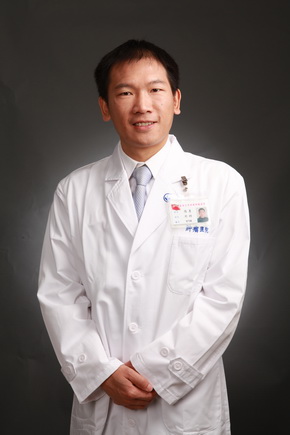 Yong Chen (陈勇)合作论文数Cancer Hospital, Fudan University63
 Wangjun Yan (严望军)合作论文数Fudan University Shanghai Cancer Center57
 Weidong Han (韩为东)合作论文数Chinese PLA General Hospital53
 Yingqiang Shi (师英强)合作论文数复旦大学附属肿瘤医院胃及软组织外科48
 Biqiang Zheng (郑必强)合作论文数31Zhiguo Luo (罗志国)合作论文数28
 Xu Yu (余旭)合作论文数School of Pharmacy, Tongji Medical College, Huazhong University of Science and Technology28
 Yao Wang (王瑶)合作论文数Chinese PLA General Hospital,Beijing ,China28Zhiqiang Wu (伍志强)合作论文数Chinese PLA General Hospital28
 Yang Liu (刘阳)合作论文数School of Medicine, Nankai University;Chinese People's Liberation Army General Hospital27Lingge Yang合作论文数20Guo Ye-lei合作论文数20Yang Qing-Ming合作论文数19Yajing Zhang (张亚晶)合作论文数Chinese PLA General Hospital19Wei Sun合作论文数18MeiXia Chen (陈美霞)合作论文数18Zhengwang Sun合作论文数17
 Wenying Zhang合作论文数17
 Xiang Li (李响)合作论文数The 8th Medical Center of Chinese People's Liberation Army General Hospital17
 Qingming Yang (杨清明)合作论文数Chinese People's Liberation Army General Hospital16Wending Huang合作论文数15Hanren Dai合作论文数15
 Xiaowei Zhang (张晓伟)合作论文数15Ye Zhou (周烨)合作论文数15ChunYan Du (杜春燕)合作论文数14
 Yangbai Sun (孙仰白)合作论文数Fudan University Cancer Hospital14Kaichao Feng (丰恺超)合作论文数13
 Ruming Zhang (张如明)合作论文数Fudan University Shanghai Cancer Center13Peng Luo合作论文数12
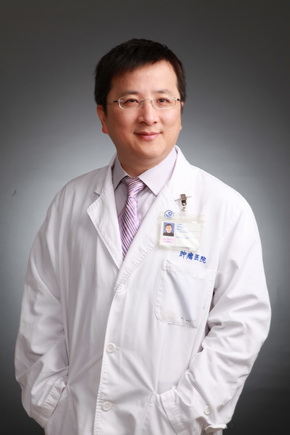 Jian Wang (王坚)合作论文数Department of Pathology, Cancer Hospital, Fudan University12Shiqi Chen合作论文数11
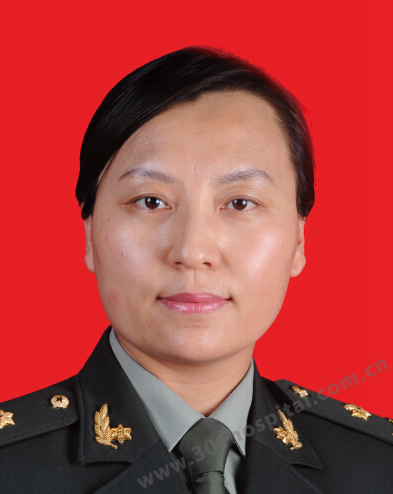 Suxia Li (李素霞)合作论文数Chinese People's Liberation Army General Hospital11
 Hong Fu (傅红)合作论文数复旦大学附属肿瘤医院胃及软组织外科11Yan-Wei Ye合作论文数11Tu Hu合作论文数10Yu Lin合作论文数10Xin Liu合作论文数10
 Chuan Tong合作论文数10Qian Mei (梅倩)合作论文数Chinese PLA General Hospital9Xianglin Hu合作论文数8XingLong Qu (曲兴龙)合作论文数8
 Liang Dong合作论文数8
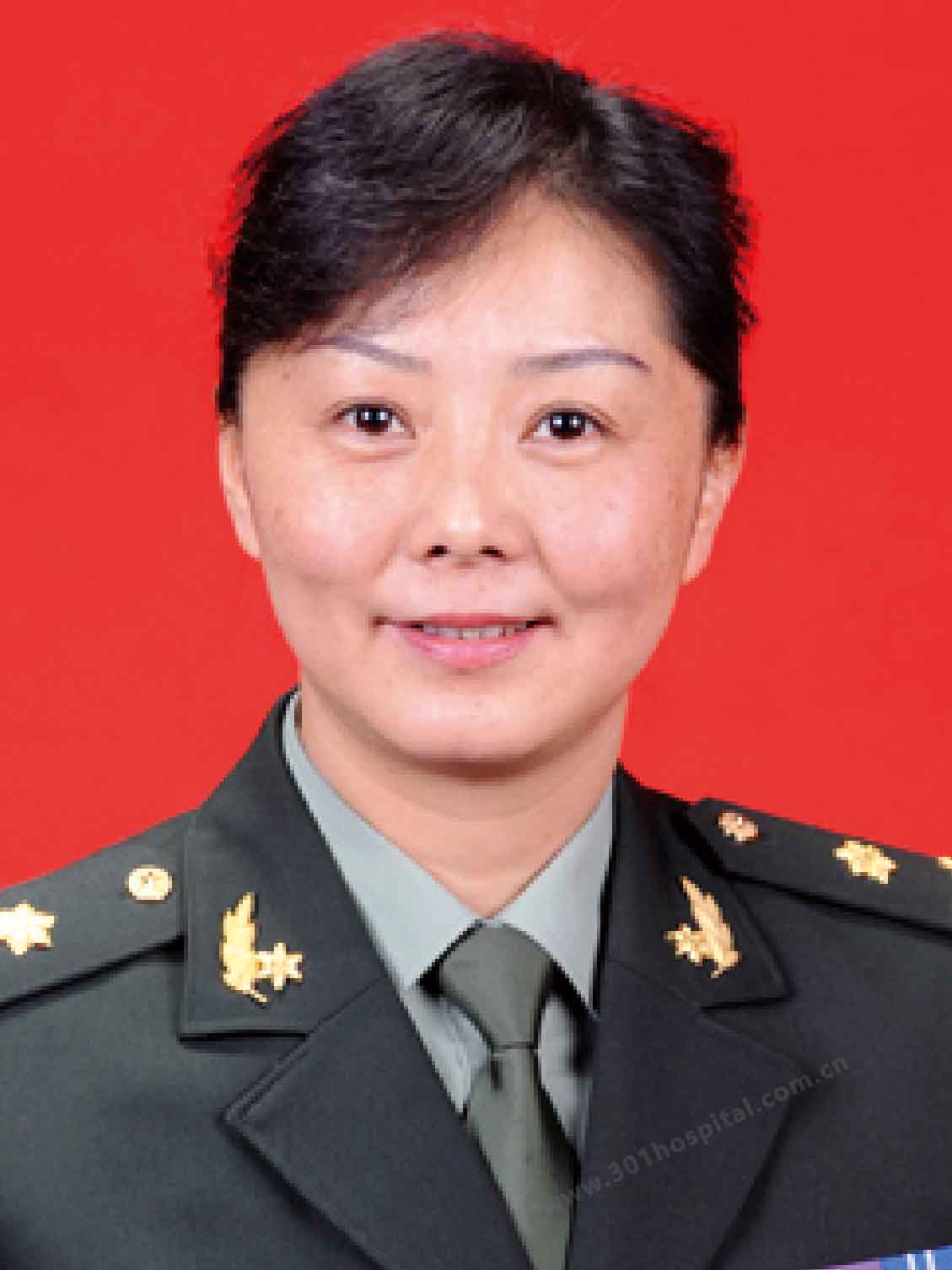 Yan Zhang (张燕)合作论文数Chinese PLA General Hospital8
 Guangfa Zhao (赵广法)合作论文数Fudan University Shanghai Cancer Center8Weiluo Cai (蔡维泺)合作论文数7Shi Fengxia合作论文数7
 Jing Nie (聂静)合作论文数南方医科大学南方医院7




